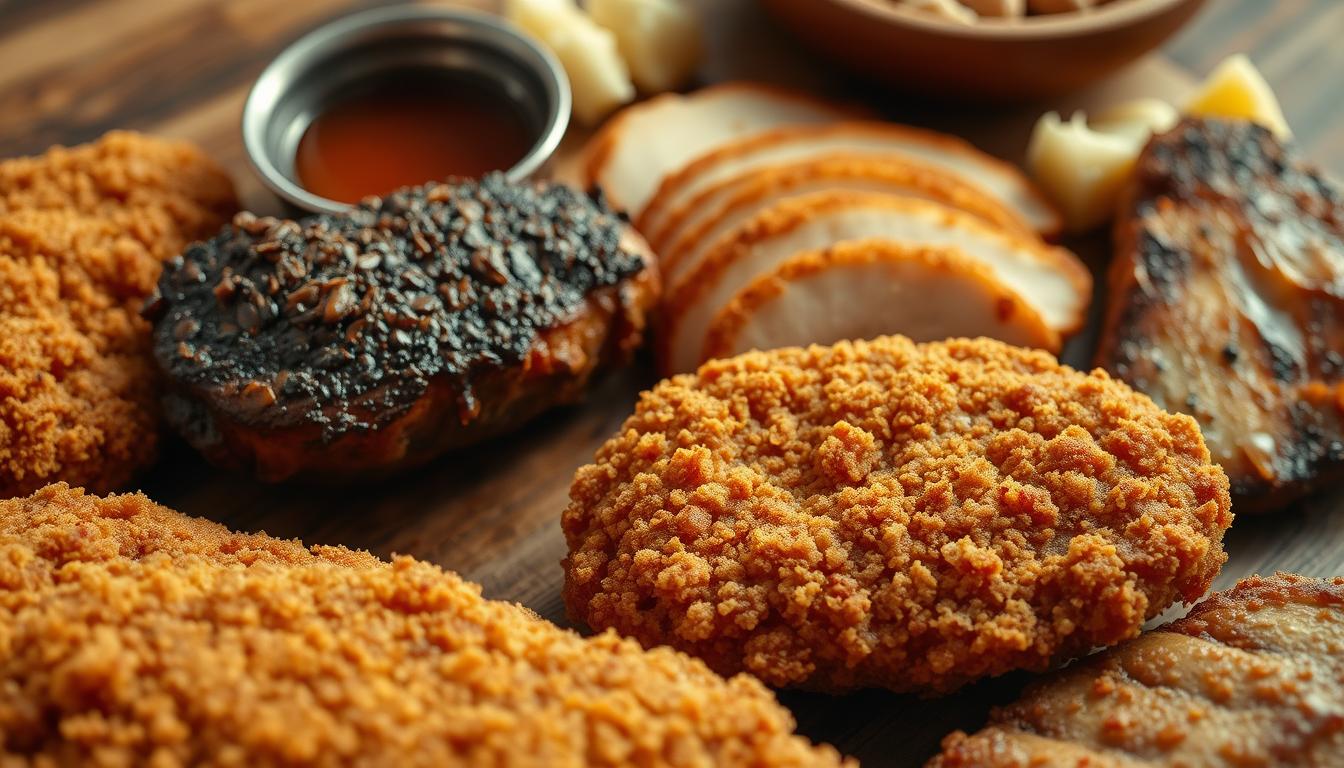
What Meat Is Used for Chicken Fried Steak? Best Cuts for Authentic Southern Flavor
Ever seen “Chicken Fried Steak” on a diner menu and felt confused? You’re not alone. The name is a puzzle, promising chicken but delivering beef.
Let’s get it straight. This Southern comfort food is made from beef. It’s a thin, tenderized cut called cube steak.
The “chicken” part is just about how it’s cooked. It’s coated and fried like chicken. This makes the outside crispy and the inside tender and flavorful.
This article is your complete guide. We’ll explore the history, the best beef cuts, and how to cook them. Get ready to make a classic dish.
1. Chicken Fried Steak 101: A Dish Born of Thrift and Flavor
Chicken fried steak didn’t begin in fancy restaurants. It was created in the home kitchens of hardworking immigrants. German and Austrian settlers in Texas brought their schnitzel tradition to America. They used affordable beef instead of the usual pork or veal.
The name “chicken fried” shows how it was made. It’s a method used for frying poultry in a Southern skillet. The process involves three steps:
- Dredging the meat in seasoned flour
- Dipping it in egg or buttermilk
- Coating it once more in flour before pan-frying
This method makes a crispy, golden crust that keeps the meat juicy. It turns cheap beef into a tasty dish.
The choice of beef was practical, not luxurious. The cheapest steaks came from hard-working cow parts like the round or chuck. These cuts are tougher because they get more exercise.
But the chicken frying technique transformed these economical cuts. Pounding the steak made it tender. The flavorful crust from frying added a new texture and taste. This made a hearty, satisfying meal that was affordable for families.
This history is why people always look for traditional chicken fried steak meat in these humble cuts. The dish is a testament to making the most of what you have. It turns simple ingredients into something deeply comforting and delicious.
2. What Meat is Used for Chicken Fried Steak? The Simple Truth
Let’s get one thing straight: chicken fried steak is made from beef, not chicken. The name is a clever trick. It tells you how it’s cooked, not what it is.
“Chicken fried” means the beef steak is breaded and fried like fried chicken. This makes it crispy and golden. But the meat inside is always beef.
So, what are the popular meats for chicken fried steak? They all come from the cow. A few specific beef cuts for chicken fried steak are the traditional favorites.
- Cube Steak: Pre-tenderized by the butcher, it’s the ultimate convenience cut.
- Round Steak: This includes top round and bottom round. It’s the authentic, budget-friendly choice.
- Chuck Steak: Known for its rich, beefy flavor, it’s a deeply flavorful option.
These cuts are lean and naturally tough. That might sound like a problem, but it’s actually the secret.
The tenderizing process—whether by pounding, marinating, or a mechanical blade—turns this tough beef into a tender, succulent masterpiece. This alchemy is the heart of the dish.
Now that you know the simple truth, let’s dive deeper into why these specific beef cuts are used and how to choose the best one for your kitchen.
3. The “Why” Behind the Beef: Economics and Culinary Alchemy
Two key factors explain why beef is the top choice for chicken fried steak. Tight budgets and creative cooking methods are at the heart of this tradition.
First, let’s look at the economic side. Less-tender cuts from the round or chuck were affordable for working families. These were the leftovers after prime steaks were sold. They were tough but cheap and filling.
Now, let’s talk about culinary science. The types of meat for chicken fried steak are perfect for this dish. Lean, fibrous beef has a tight grain. Pounding it thin breaks down tough fibers and connective tissues.
Frying is where the magic happens. The craggy, flour-coated surface becomes incredibly crispy. The thin, pre-tenderized interior cooks fast, staying juicy and tender. A soft cut, like a filet, would just get mushy and can’t hold the crust.
So, choosing beef is not a mistake. It’s a clever kitchen trick. History gave cooks tough, affordable meat. Their creativity turned it into a dish with a crispy outside and tender inside. This alchemy is the dish’s essence.
Kitchen Tools You’ll Need
- Best Air Fryers for Home Cooking – Ultimate Guide to the Top Models
- The 7 Best Meat Thermometers in 2026 – Ultimate Guide to Perfect Meat Every Time
- Best Slow Cookers for Easy & Delicious Meals – Top Picks 2026
- Powerful & Easy-to-Use Blenders – My Favorite Picks for Home Cooks
4. Breaking Down the Traditional Beef Cuts
Not all beef is the same for making chicken fried steak. The right cut is key for a crispy outside and tender inside. Several beef cuts for chicken fried steak are popular, each with its own taste.
Knowing the differences helps you shop and cook better. Let’s look at the three main types of meat for chicken fried steak you’ll find.
4.1 Cube Steak: The Time-Saving Superstar
Thin, pre-cut steaks with small indentations are cube steak. It’s the easiest cut for this dish.
Definition and How It’s Mechanically Tenderized
Cube steak isn’t a specific muscle. It comes from top or bottom round, then gets tenderized by a machine. This makes the steak ready for frying.
Why It’s the Go-To for Restaurants and Home Cooks Alike
Its fame is well-deserved. Cube steak has big benefits:
- Consistent Texture: It’s tender all over thanks to the machine.
- Saves Time: No need to pound it, so dinner is quicker.
- Predictable Cooking: It fries evenly, avoiding cooking mistakes.
For easy results, cube steak is a great pick.
4.2 Round Steak: The Authentic, Budget-Friendly Choice
Many say the real traditional chicken fried steak meat is a whole round steak. This lean cut is cheap and easy to find.
Top Round (London Broil) vs. Bottom Round (Rump Roast)
There are two main types. Top round is leaner and tender. Bottom round is tougher but has more flavor. Both are great for chicken fried steak after preparation.
Selecting the Right Thickness and Grain Direction
Choose round steak about 1/2 to 3/4 inch thick. Thinner cuts are hard to pound without tearing. The grain direction is crucial.
Always cut the steak across the grain into pieces before pounding. This makes the meat tender after frying.
4.3 Chuck and Arm Steak: The Deeply Flavorful Options
For those who love rich beef taste, chuck and arm steak are perfect. These cuts have more fat and connective tissue.
The Higher Fat Content and Rich Beefy Taste
The fat in chuck or arm steak melts during cooking. This adds a savory flavor that leaner cuts can’t match. If you prefer a hearty beef taste, choose this cut.
The Trade-off: Slightly More Challenging to Tenderize Evenly
The fat and connective tissue in these cuts add flavor but make tenderizing harder. You need to pound carefully to avoid shredding the meat.
It’s a challenge for beginners. Cube or round steak might be easier for them.
5. Choosing the Best Meat for Your Chicken Fried Steak
Let’s make choosing beef cuts simple for your chicken fried steak. You know the options, from cube steak to round and chuck. Your choice depends on what you value in cooking.
Do you want speed and ease, or authentic taste and savings? This guide will help you pick the right chicken fried steak meat choices with confidence.
5.1 For Ultimate Convenience: Pre-Cubed Steak
Start with pre-cubed steak from the grocery store. It’s labeled as “cube steak” or “beef for minute steak.”
This meat is already tenderized. It has small blades that score the surface. This breaks down tough fibers for you.
Choose steaks that are the same thickness. Avoid those that look too shredded or mushy. The scoring should be there but not too much.
The biggest advantage is time. You skip pounding the meat. This is great for busy nights. But, these cuts might be less tender and cost more per pound.
5.2 For the Purist’s Approach: Whole Round Steak
For a classic, budget-friendly method, buy a whole round steak. Ask for a top or bottom round cut. You can also find it pre-packaged.
You’ll need to tenderize it at home. This gives you complete control over the thickness and texture. Whole steaks are cheaper per pound than pre-cubed.
Choose a piece with little fat or gristle. A bit of marbling is okay. Cut it into portions before pounding.
This method needs more work. But, it offers a true chicken fried steak experience. Many cooks prefer the texture from hand-pounding.
5.3 The Verdict: Our Top Recommendation for Home Cooks
So, what’s the best meat for chicken fried steak for most? Start with pre-cubed steak if you’re new.
It makes the most intimidating step easy. Focus on breading and frying first. Success boosts your confidence.
Once you’re comfortable, try whole round steak. The savings and texture are worth the effort. You’ll enjoy the dish more.
Both paths lead to a tasty meal. Your best meat for chicken fried steak is the one that gets you cooking. Whether you choose convenience or the purist’s path, you’re making a classic.
6. The Art of Tenderizing: Transforming Tough Meat into Tenderness
Tenderizing is key to turning a tough steak into a tender delight. The cuts used for chicken fried steak are tasty but chewy. This step breaks down the meat’s fibers, making it tender.
6.1 Mastering the Meat Mallet
Using a meat mallet is a direct way to tenderize. Pounding the steak makes it thin. This breaks the fibers and ensures even cooking.
Technique: How to Pound Evenly Without Tearing
Proper technique is crucial to avoid tearing the steak. Follow these steps for the best results.
- Prepare the Meat: Place your steak between two sheets of plastic wrap or inside a heavy-duty zip-top bag.
- Start Gently: Begin pounding from the center outwards using firm, controlled blows.
- Target Thickness: Aim for an even ¼ to ½-inch thickness across the entire cut.
- Check Progress: Lift the plastic periodically to ensure you aren’t creating holes.
Tool Choice: Spiked vs. Smooth Mallets
Your mallet choice affects the process. A spiked or textured mallet is highly effective. It pierces the meat, severing fibers more aggressively for faster tenderizing. A flat, smooth mallet is gentler. It flattens and stretches the fibers without piercing, which is excellent for very thin cuts. For chicken fried steak, a spiked mallet is often the preferred tool.

6.2 The Power of a Buttermilk Marinade
Chemical tenderizing uses acidity and enzymes to soften meat from within. A buttermilk marinade is a classic, flavor-packed solution.
How the Acidity and Enzymes Work on the Meat
The lactic acid in buttermilk gently denatures meat proteins, loosening their tight structure. Natural enzymes present in the buttermilk further break down connective tissue. This process happens over hours, resulting in meat that is tender all the way through, not just on the surface.
Flavor Benefits Beyond Tenderness
Buttermilk does more than just soften. It imparts a subtle, tangy flavor that complements the rich beef. The marinade also helps the seasoned flour coating adhere better. Plus, it can lead to a crispier, more golden crust during frying.
- Adds a pleasant tang to balance the dish’s richness.
- Creates a superior binder for the breading station.
- Promotes a crispier final crust after frying.
6.3 The Commercial Method: Mechanical Blade Tenderizers
This is the secret behind store-bought cube steak. Commercial kitchens use a machine with dozens of small, sharp blades. The steak passes through, and the blades make precise, shallow cuts throughout the meat. This process mimics the effect of pounding with a spiked mallet but on a larger scale. When you buy pre-cubed steak, this step is already done for you, offering a major time-saving convenience.
For the home cook, combining methods yields the best results. Pounding your steak thin and then giving it a soak in buttermilk guarantees a texture that is incredibly tender and full of flavor.
7. From Meat to Masterpiece: The Breading and Frying Method
The magic of chicken fried steak is in its crunchy, craggy armor. This iconic cooking process turns tender meat into a textural masterpiece. The method is simple but crucial for success.
Start by setting up a dredging station with three shallow dishes. The first dish has seasoned flour—all-purpose flour with salt, pepper, and paprika. The second dish is for an egg wash beaten with milk or buttermilk. The third dish has more seasoned flour for the final coat.
Pat your steak dry, then press it into the first flour. Shake off the excess. Next, dip it in the egg wash, letting any extra drip back. Coat it thoroughly in the second flour, pressing to adhere. This double-dredge creates the layered, craggy texture that defines great chicken fried steak.
Frying needs the right oil and precise heat. Use a high-smoke-point oil like peanut, canola, or vegetable oil. Fill a heavy skillet with about half an inch of oil. Heat it to 325-350°F. A kitchen thermometer is your best friend here.
Carefully lay the breaded steak in the hot oil. Do not crowd the pan. Crowding drops the oil temperature and leads to soggy, greasy results. Fry for 3-4 minutes per side until deeply golden brown and crispy.
The sizzle as the steak hits the oil is the sound of transformation. Proper oil temperature ensures the crust sets quickly, sealing in juices. This step locks in the work you’ve done selecting and tenderizing the meat.
You now have the complete picture. From choosing the cut to delivering a crispy, juicy masterpiece, each step builds on the last. Your perfectly breaded and fried steak is ready for its final companion: creamy pepper gravy.
8. Beyond Beef: Regional Variations and Modern Twists
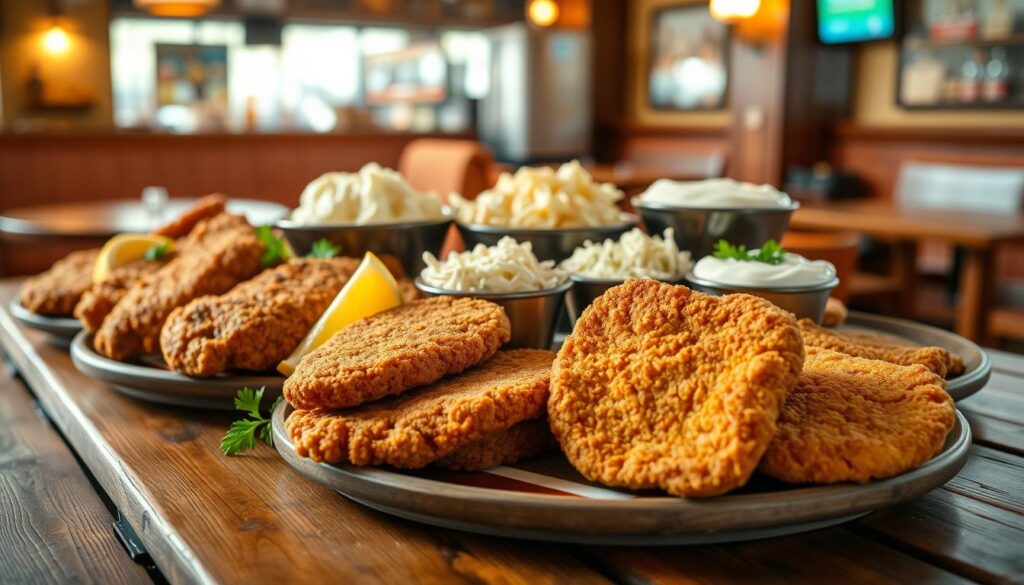
Chicken fried steak isn’t just about beef. It opens up a world of crispy, gravy-smothered delights. The basic steps—tenderizing, breading, and frying—are adaptable. Cooks across the country have used these steps to create their own special dishes.
8.1 Chicken Fried Pork Cutlets: A Southern Staple
In the South, pork is the star of chicken fried steak. Pork cutlets are a favorite. They use boneless pork loin or thin-cut chops.
The method is similar to beef. You pound the pork thin, coat it in seasoned flour, and fry it until golden. It’s juicy inside and crispy outside. It’s often served with creamy pepper gravy, making it a hearty favorite.
8.2 Wild Game Adaptations: Venison and Elk Steak
Wild game like venison or elk also works well. These lean, tough cuts become tender and flavorful when chicken-fried.
The key is an extended tenderizing process. Soaking in buttermilk or pounding helps. The game’s strong flavor pairs well with the breading and gravy. It’s a great way to enjoy these popular meats for chicken fried steak adaptations.
8.3 The Misnomer: “Chicken-Fried Chicken”
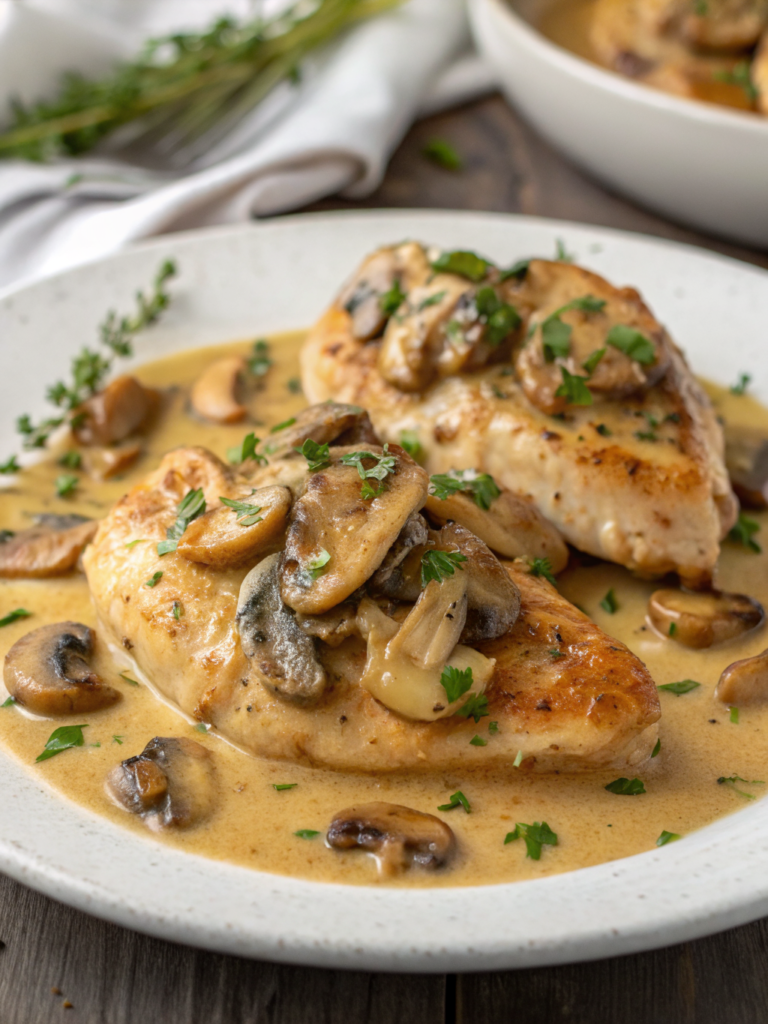
This modern twist uses chicken breast. It’s pounded thin and fried like the beef or pork. The main difference is the meat’s starting point.
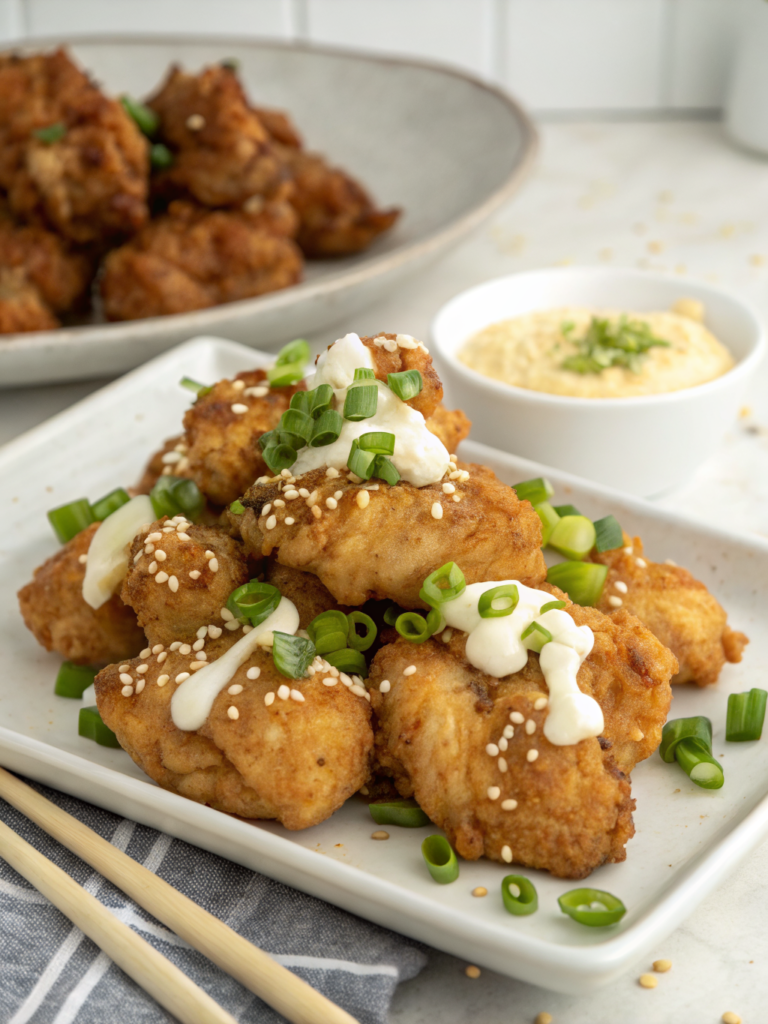
Chicken breast is naturally tender, so less pounding is needed. This dish has a milder flavor, letting the gravy take center stage. It shows how the method inspires new chicken fried steak meat options.
From pork to game to poultry, chicken-fried steak is incredibly versatile. Each protein adds its own twist to this beloved American dish.
9. Avoiding Pitfalls: Common Mistakes and Expert Tips
Mastering chicken fried steak is more than just a recipe. It’s about avoiding common mistakes. The right details make all the difference. This guide will show you how to avoid errors and get a crispy, tender dish every time.
Meat Selection Errors: Too Thick or Too Tender a Cut
Choosing the wrong beef is a big mistake. A cut that’s too thick, like an untenderized round steak over half an inch, won’t cook evenly. The crust will burn before the center loses its toughness.
On the other hand, using tender cuts like filet mignon or sirloin is a waste. These expensive steaks lack the necessary structure. They can fall apart during pounding and turn mushy when fried. Stick with economical, lean cuts like top round or cube steak for authentic texture.
Tenderizing Blunders: Uneven Pounding or Skipping the Step
Never skip the tenderizing step. This is non-negotiable for transforming tough muscle fibers. A common blunder is pounding the meat unevenly, creating thin, torn spots and thick, chewy areas.
For expert results, place the steak between two sheets of plastic wrap. Start from the center and pound outward using the flat side of a mallet. Your goal is a uniform thickness of about ¼ to ⅓ inch across the entire piece.
Breading Blowouts: Why the Dredge Falls Off
Nothing is more disappointing than a beautiful crust that slides off the steak. This usually happens because the breading sequence is rushed or performed incorrectly. The key is a secure, three-step binding process.
First, pat the steak very dry before dredging. Moisture repels flour. Second, let the flour-coated steak rest for 5 minutes after its first dip. This allows the flour to form a paste (a “glue”) with the meat’s surface. Lastly, shake off excess buttermilk gently before the final flour coating.
Frying Faux Pas: Incorrect Oil Temperature and Crowding
Frying is where many dreams of a crispy crust die. The most critical factor is oil temperature. If the oil is too cool (below 325°F), the steak will absorb it and become greasy. If it’s too hot (above 375°F), the outside burns before the inside cooks.
Use a deep-fry or candy thermometer. Maintain a steady 350°F. Also, avoid crowding the pan. Adding too many pieces at once causes the temperature to plummet. Fry in batches, allowing the oil to reheat between them for a consistently golden, crunchy exterior.
The Gravy Connection: Making the Perfect Cream Gravy for Your Steak
A chicken fried steak experience is incomplete without its creamy, peppery gravy. This sauce is built directly from the flavorful fond (browned bits) left in the frying pan after cooking your steaks.
After removing the steak, pour off most of the oil, leaving about 2 tablespoons and all the drippings. Whisk in an equal amount of flour to make a roux. Cook for a minute, then slowly whisk in whole milk. Season generously with black pepper and a pinch of salt. Simmer until thickened into a luxurious, lump-free gravy to pour over your masterpiece.
Kitchen Tools You’ll Need
- Best Air Fryers for Home Cooking – Ultimate Guide to the Top Models
- The 7 Best Meat Thermometers in 2026 – Ultimate Guide to Perfect Meat Every Time
- Best Slow Cookers for Easy & Delicious Meals – Top Picks 2026
- Powerful & Easy-to-Use Blenders – My Favorite Picks for Home Cooks
10. Conclusion
The question of what meat is used for chicken fried steak has a clear answer. This iconic dish relies on affordable, lean beef cuts like cube steak or round steak. These tougher pieces become tender through pounding and a crispy fried coating.
Your knowledge of the best meat for chicken fried steak gives you power in the kitchen. You understand why cube steak saves time and why round steak offers authenticity. This lets you select the perfect cut for your meal and execute the recipe with skill.
Chicken fried steak stands as a testament to resourceful cooking. It transforms a simple, economical ingredient into a deeply satisfying comfort food. Take this information, prepare your chosen cut, and enjoy creating a true American classic.