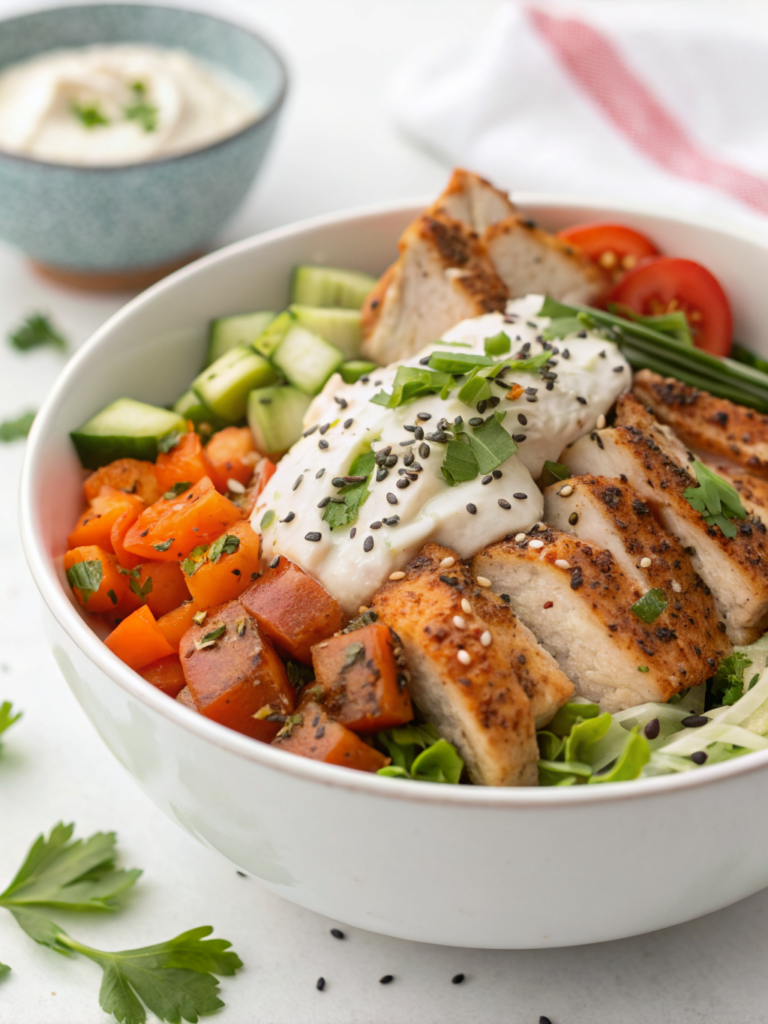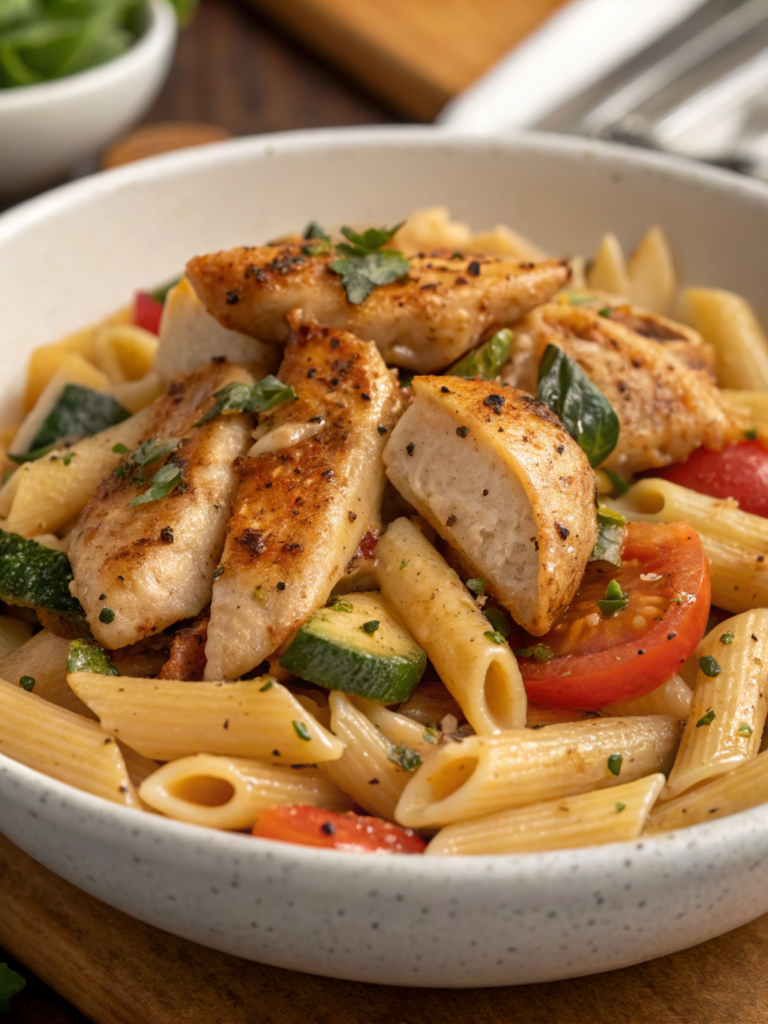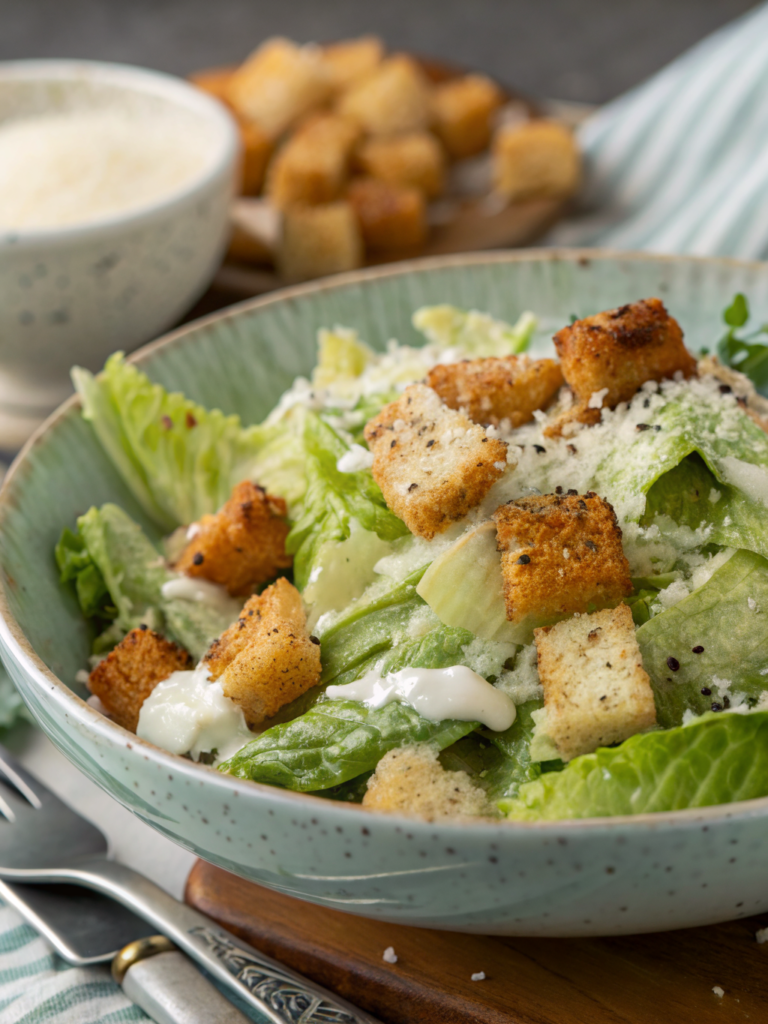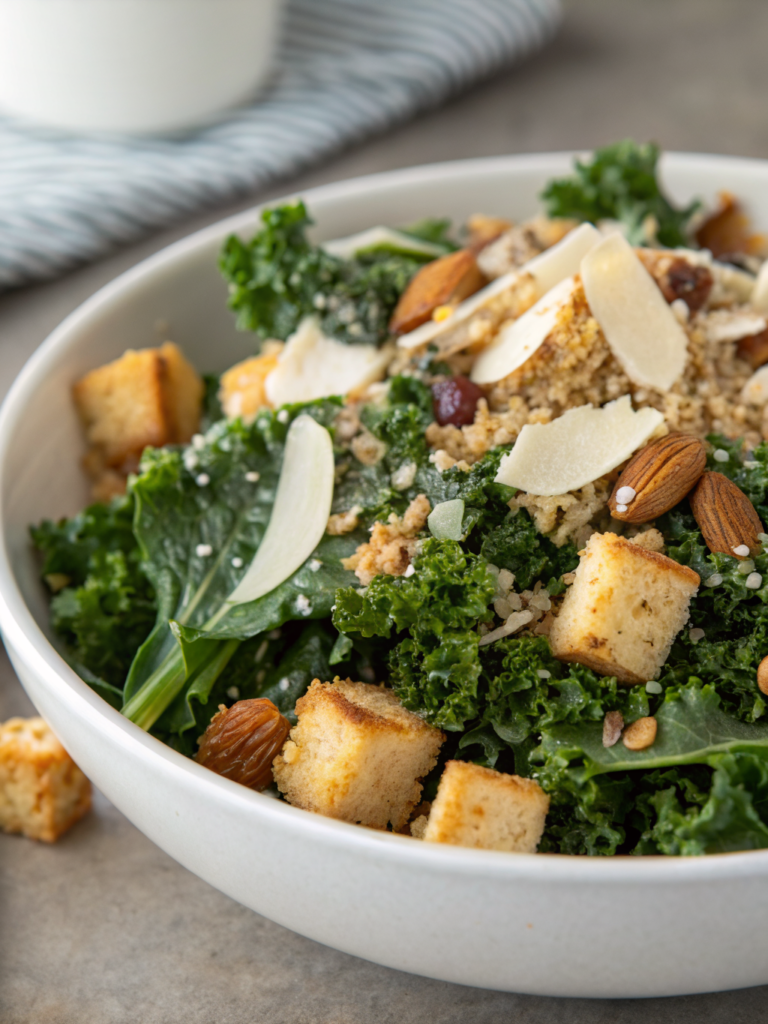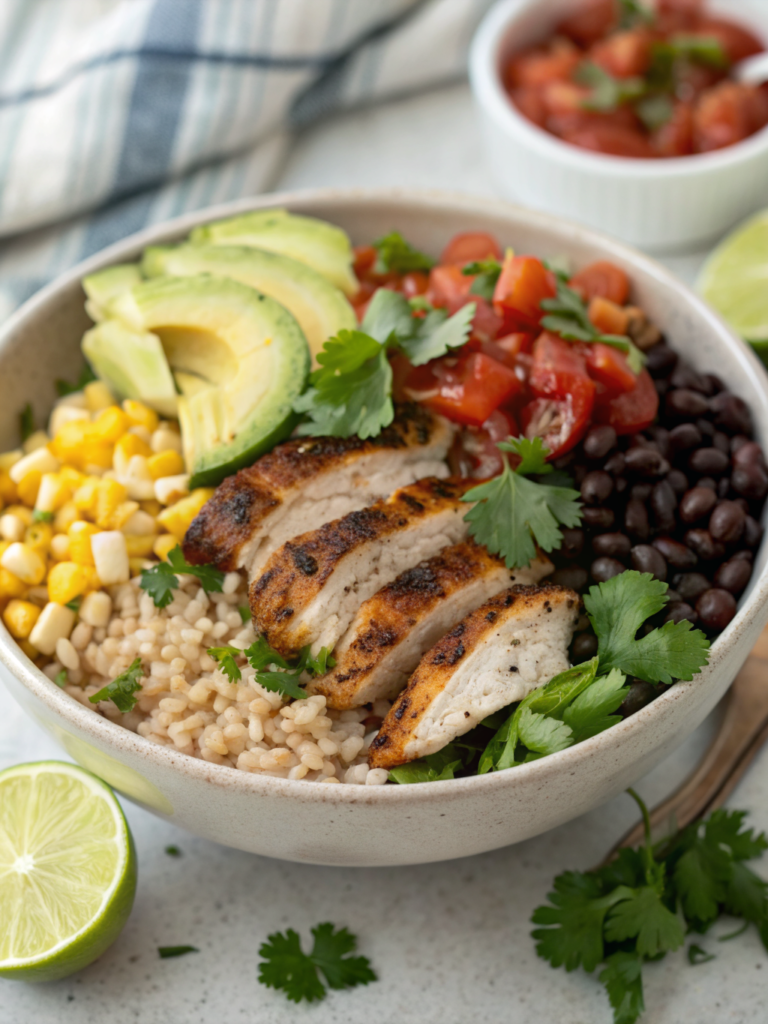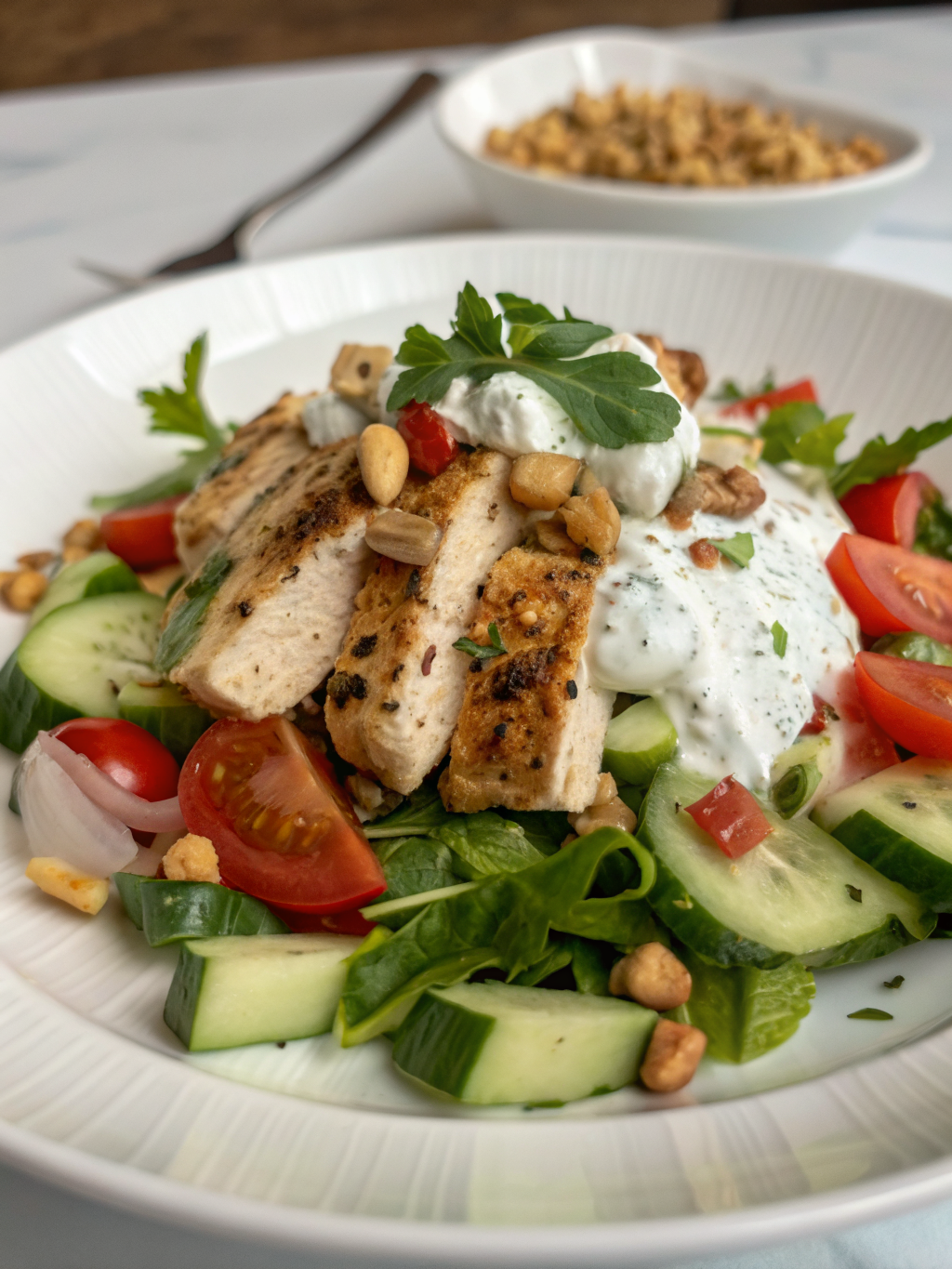
Easy High Protein Greek Yogurt Chicken Salad for Meal Prep
Table of Contents
Introduction
Did you know that 73% of fitness enthusiasts struggle to find quick, protein-rich meals that don’t taste boring or repetitive? If you’re looking for a game-changing solution that transforms your meal prep routine while delivering serious nutritional benefits, you’ve found it. Enter the high protein Greek yogurt chicken salad a versatile, delicious dish that combines lean protein with creamy texture and endless customization options.
This isn’t just another chicken salad recipe. The high protein Greek yogurt chicken salad leverages the power of Greek yogurt as a healthier alternative to traditional mayonnaise, delivering up to 20 grams of protein per serving while keeping calories in check. Whether you’re following a keto diet, aiming for weight loss, or simply seeking convenient high protein chicken recipes, this salad delivers on every front. Let’s explore why this dish has become a staple in meal-prep communities and how you can master it in your own kitchen.
Ingredients List
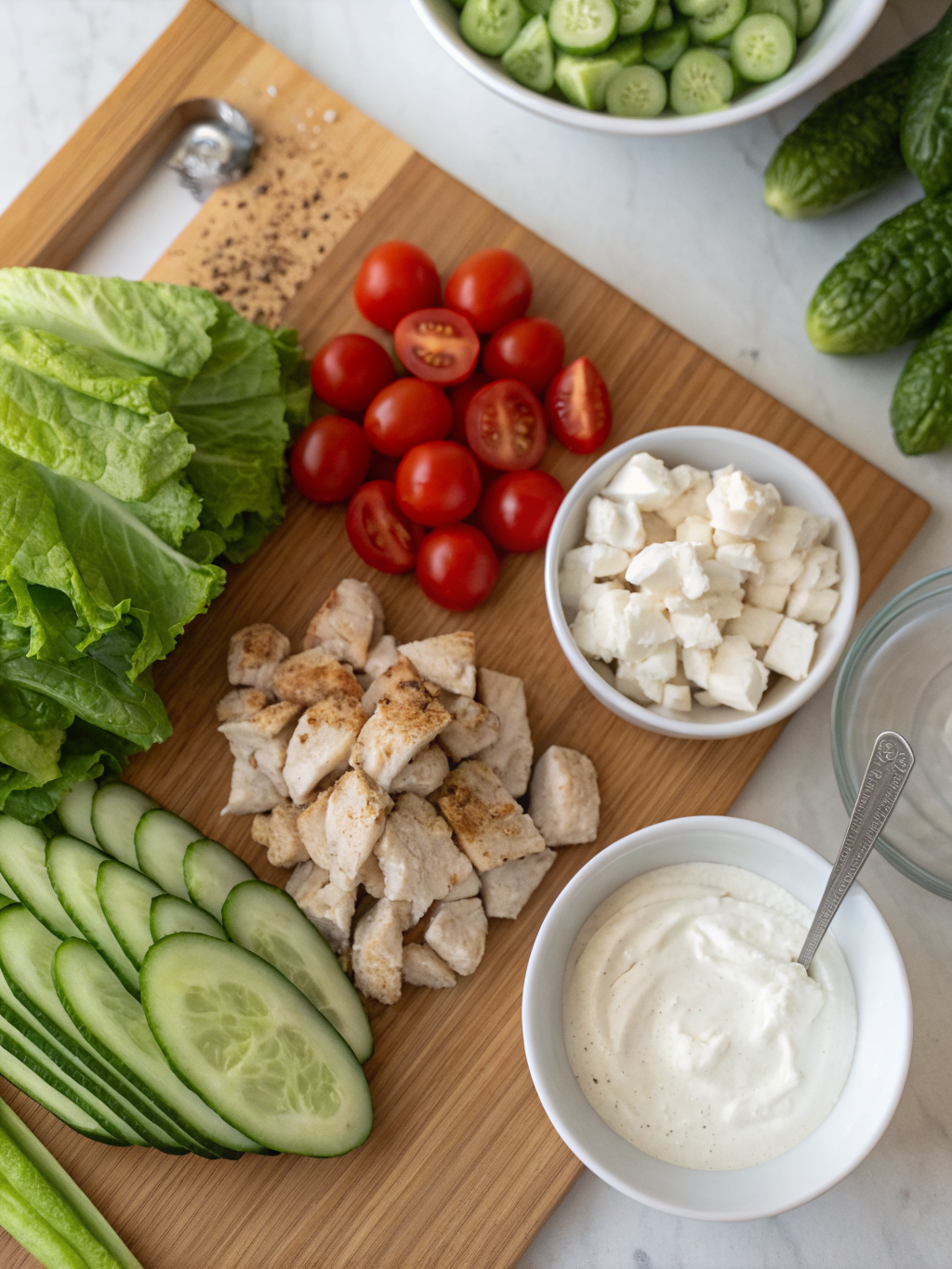
Creating the perfect easy Greek yogurt chicken salad recipe starts with sourcing quality ingredients. Here’s what you’ll need:
Protein Base:
- 2 pounds boneless, skinless chicken breasts (or rotisserie chicken for convenience)
- 1 cup plain, non-fat Greek yogurt (the foundation of our creamy texture)
- 2 tablespoons Dijon mustard (adds tanginess and complexity)
Vegetables & Aromatics:
- 1 cup diced celery (provides satisfying crunch)
- ½ cup diced red onion (adds peppery sweetness)
- ½ cup diced red bell pepper (boosts vitamin C and visual appeal)
- ¼ cup fresh dill or parsley (optional but highly recommended)
- 2 cloves minced garlic (enhances savory depth)
Seasoning & Finishing Touches:
- 1 tablespoon fresh lemon juice
- Sea salt and black pepper to taste
- ½ teaspoon paprika
- Pinch of cayenne pepper (optional, for heat)
Substitution Ideas:
- Replace Greek yogurt with Icelandic skyr for even higher protein content
- Use dried cranberries or diced apple for subtle sweetness
- Substitute fresh herbs with everything bagel seasoning for time-saving convenience
- Add chopped almonds or walnuts for additional texture and healthy fats
Timing
Understanding the time investment helps you plan your week effectively. Here’s the breakdown for this Greek yogurt chicken salad meal prep:
- Preparation Time: 15 minutes (dicing vegetables and assembling ingredients)
- Cooking Time: 20-25 minutes (for fresh chicken; skip if using rotisserie)
- Chilling Time: 30 minutes (optional but enhances flavor integration)
- Total Time: 65-70 minutes
This represents approximately 30% less time than traditional chicken salad recipes that require mayo-based mixing and additional seasoning adjustments. For busy professionals, using pre-cooked rotisserie chicken reduces total time to just 20 minutes, making this an incredibly efficient meal-prep option.
Step-by-Step Instructions
Step 1: Prepare Your Chicken Foundation
If using fresh chicken breasts, season them generously with salt, pepper, and a light drizzle of olive oil. Bake at 375°F for 20-22 minutes until the internal temperature reaches 165°F. Once cooled to room temperature, dice into bite-sized cubes approximately ½-inch in diameter. This size ensures even distribution throughout your salad and prevents awkward large chunks that dominate each bite. Pro tip: slightly undercook your chicken by 1-2 minutes—residual heat will finish the cooking while keeping the meat incredibly tender.
Step 2: Build Your Creamy Base
In a large mixing bowl, combine your Greek yogurt with Dijon mustard and lemon juice. Whisk vigorously for 30 seconds until completely smooth and well-integrated. This creates the perfect emulsion that coats every ingredient. The mustard doesn’t overpower the dish; instead, it adds subtle sophistication that elevates the entire flavor profile.
Step 3: Combine Proteins and Vegetables
Add your diced chicken to the yogurt mixture, stirring gently to coat evenly. Then layer in your diced celery, red onion, red bell pepper, and minced garlic. Use a rubber spatula to fold ingredients together using an under-and-over motion rather than aggressive stirring—this prevents breaking down the vegetables and maintains textural integrity.
Step 4: Season with Precision
Sprinkle in your paprika, cayenne pepper, fresh dill, and a pinch of sea salt and black pepper. Taste as you go, adjusting seasonings incrementally. This iterative approach prevents over-salting and allows you to customize the salad to your personal preferences.
Step 5: Chill and Marry Flavors
Transfer your mixture to an airtight container and refrigerate for at least 30 minutes. This resting period allows flavors to marry beautifully and creates that signature restaurant-quality taste. The colder temperature also firms up the mixture slightly, making it easier to serve.
Nutritional Information
Each serving of this healthy Greek yogurt chicken salad provides impressive nutritional density:
- Calories: 185-210 per serving (1 cup)
- Protein: 28-32 grams (makes up 54% of total calories)
- Total Fat: 4-6 grams
- Carbohydrates: 6-8 grams
- Fiber: 1.5-2 grams
- Sodium: 320-380mg (naturally low)
These numbers position this salad as an excellent choice for those pursuing muscle maintenance, weight loss, or athletic performance. The protein-to-calorie ratio significantly exceeds most commercial salad options, making it genuinely competitive with protein shakes from a nutritional standpoint.
Healthier Alternatives for the Recipe
Customization is where this recipe truly shines. Here are evidence-backed modifications:
For Keto Adherence: Skip vegetables with higher carb content and replace red bell pepper with cucumber or zucchini noodles. This reduces total carbs to just 3-4 grams per serving while maintaining satisfying volume.
For Vegan Adaptation: Substitute chicken with marinated tofu, tempeh, or chickpeas. Use coconut yogurt instead of Greek yogurt, though this will reduce protein slightly.
For Autoimmune Protocol (AIP): Eliminate nightshades (peppers), garlic, and Dijon mustard. Replace with fresh ginger and apple cider vinegar for complexity.
For Maximum Protein: Add a scoop of vanilla or unflavored protein powder (5-10 extra grams) or mix in hemp seeds for plant-based protein boosting.
For Enhanced Micronutrients: Incorporate purple cabbage for anthocyanins, spinach for iron and folate, or shredded carrots for beta-carotene.
Serving Suggestions
Transform this Greek yogurt chicken salad for dinner into multiple exciting presentations:
On Greens: Serve atop mixed baby greens, arugula, or spinach for a traditional salad presentation. The creamy dressing coats the lettuce beautifully without requiring additional vinaigrette.
In Lettuce Wraps: Spoon onto butter lettuce or romaine leaves for a low-carb, handheld option perfect for lunch boxes or casual dining.
With Whole Grains: Pair with quinoa, farro, or brown rice for additional fiber and carbohydrates that satisfy post-workout nutritional needs.
Atop Vegetables: Serve on sliced tomatoes, cucumber rounds, or bell pepper halves for raw vegetable vessels that add crunch.
In Sandwich Form: Layer between whole-grain bread, sprouted bread, or lettuce-wrapped sandwiches for portable meal-prep containers.
Common Mistakes to Avoid
Overusing Greek Yogurt: While Greek yogurt is the star ingredient, using too much creates an overly thick, heavy texture. Maintain a 1:1 yogurt-to-chicken ratio as a baseline, adjusting slightly based on your preference for creaminess versus texture.
Skipping the Seasoning Layer: Many home cooks make this salad taste bland by under-seasoning. Remember that proper seasoning should enhance rather than dominate—taste progressively as you add ingredients.
Chopping Vegetables Inconsistently: Irregular vegetable cuts result in uneven distribution. Use a food processor or practice consistent knife technique for uniform, bite-sized pieces that distribute evenly throughout.
Mixing Cold and Hot Ingredients: Always allow freshly cooked chicken to cool completely before combining with Greek yogurt. Hot protein can cause the yogurt to separate and become watery.
Neglecting Lemon Juice: This acidic component prevents oxidation and adds brightness that prevents the salad from tasting heavy. Don’t skip it.
Storing Tips for the Recipe
Proper storage extends this meal-prep staple’s lifespan significantly:
Refrigerator Storage: Place your salad in airtight glass containers rather than plastic. Glass maintains the salad’s integrity better and prevents flavor absorption into container walls. Properly stored, this salad stays fresh for 3-4 days, though peak flavor occurs within the first 48 hours.
Component Separation Strategy: For extended meal prep (5+ days), store chicken and vegetables separately from the Greek yogurt mixture. Combine portions as needed each morning. This prevents sogginess and maintains optimal texture.
Freezer Considerations: While not recommended for the finished salad (yogurt separates upon thawing), you can freeze the plain diced chicken for up to 3 months. Simply thaw overnight and combine with fresh Greek yogurt and vegetables for convenient assembly.
Vegetable Prep Optimization: Wash and chop vegetables immediately before storing. Keep celery in water to maintain crispness. Store red onion separately if you prefer milder onion flavor in your finished salad.
Conclusion
The high protein Greek yogurt chicken salad represents more than just a recipe—it’s a foundational meal-prep strategy that delivers on nutrition, convenience, and taste. By replacing traditional mayonnaise with protein-rich Greek yogurt, you’re making a simple substitution with massive nutritional consequences. Whether you’re building muscle, supporting weight loss, or simply seeking satisfying weekday lunches, this versatile dish adapts seamlessly to your goals and preferences.
Ready to revolutionize your meal prep routine? Start with the basic recipe this week, then experiment with the suggested variations to find your perfect version. Share your results in the comments—we’d love to hear how you’ve personalized this salad! For additional high-protein inspiration, explore our collection of related recipes and nutrition guides designed to support your health journey.
FAQs
Can I make this salad without Greek yogurt?
Yes, though you’ll sacrifice protein content. Try using Icelandic skyr (even higher protein), cottage cheese mixed with a touch of mayonnaise, or avocado-based cream for different flavor profiles while maintaining creaminess.
How long does this salad stay fresh?
In airtight containers, it maintains quality for 3-4 days. For extended storage, keep components separate and combine on demand. Avoid freezing the finished salad as yogurt separates upon thawing.
Is this salad suitable for keto diets?
Absolutely. With modifications (reducing higher-carb vegetables), you can reduce total carbs to 3-4 grams per serving while maintaining 28+ grams of protein, making it an excellent keto meal-prep option.
What’s the best way to pack this for travel?
Use leak-proof glass containers and pack separately from any bread or wraps to prevent sogginess. Include vegetables in the yogurt mixture for 24-hour trips; separate components for longer durations.
Can I add fruit to this salad?
Certainly. Diced apple, pear, or grapes add subtle sweetness that complements the savory profile beautifully. Add fruit just before serving to prevent browning and maintain crispness.