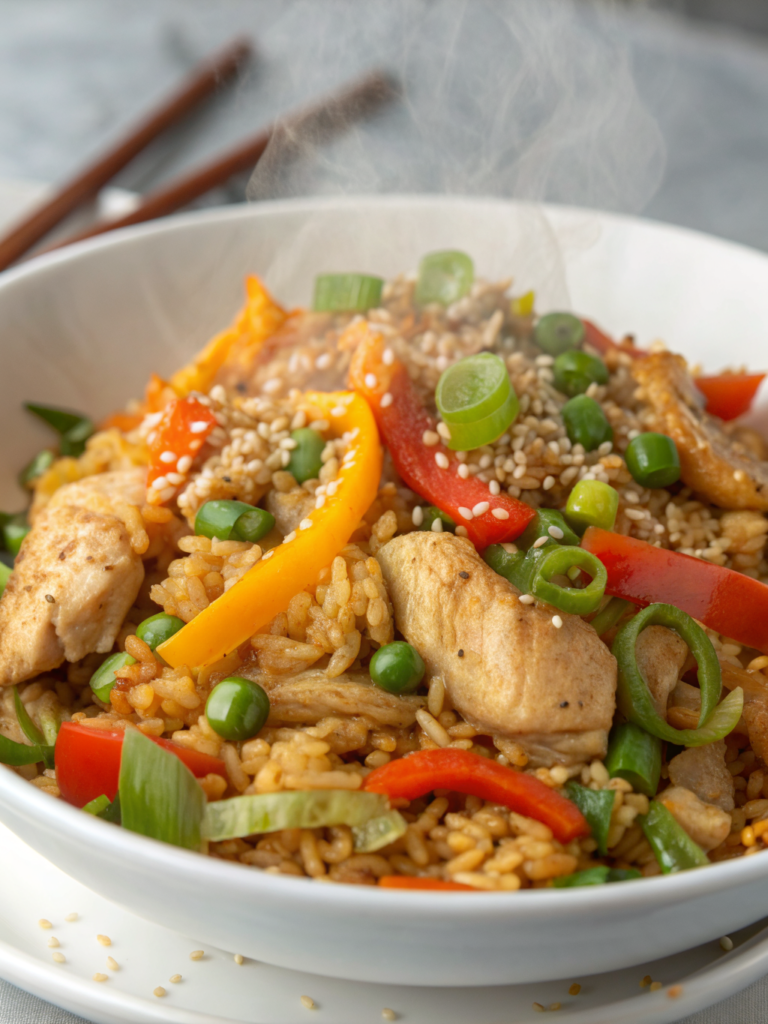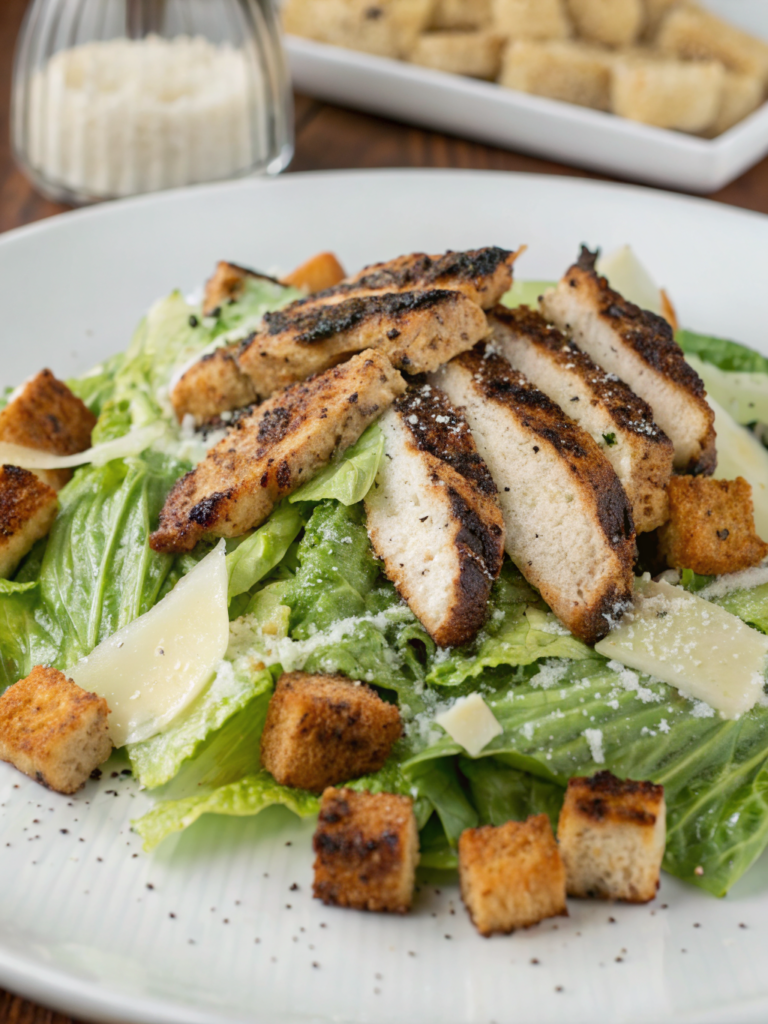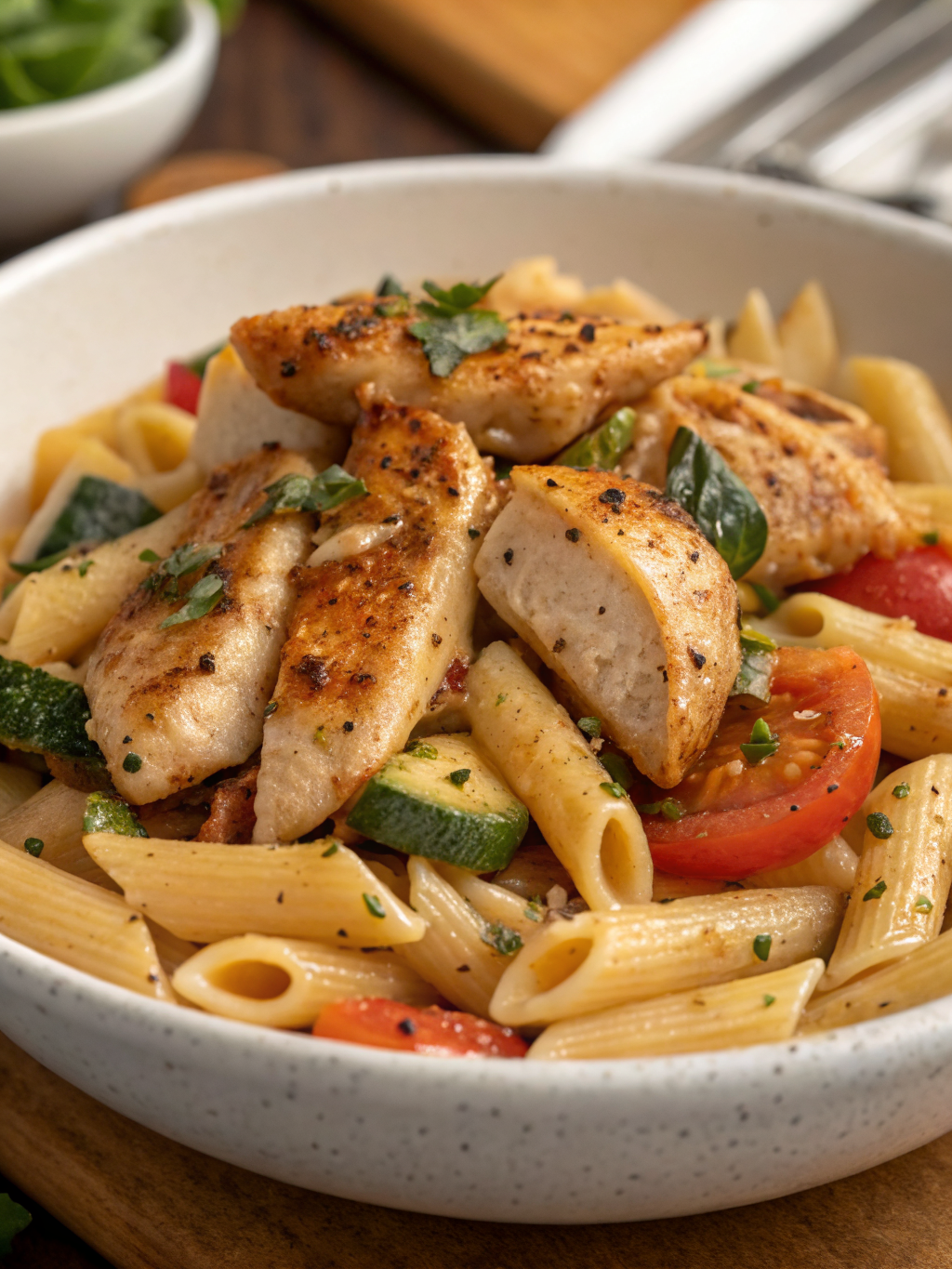
High Protein Pasta with Chicken
Table of Contents
Introduction
Did you know that most home-cooked pasta dishes contain less than 15 grams of protein per serving? If you’re looking to boost your daily protein intake without sacrificing flavor or spending hours in the kitchen, then High Protein Pasta with Chicken is the answer you’ve been searching for. This versatile dish combines tender pasta with succulent chicken breast, creating a meal that delivers approximately 35-40 grams of protein per serving while remaining incredibly easy to prepare.
Whether you’re a fitness enthusiast, someone managing their weight, or simply seeking nutritious weeknight dinners, healthy chicken pasta has become a go-to solution for thousands of home cooks. Unlike traditional pasta recipes laden with cream and butter, this modern take focuses on lean proteins and wholesome ingredients that nourish your body while satisfying your taste buds. The beauty of this recipe lies in its simplicity—combining quality ingredients with proven cooking techniques that maximize nutritional value.
Ingredients List
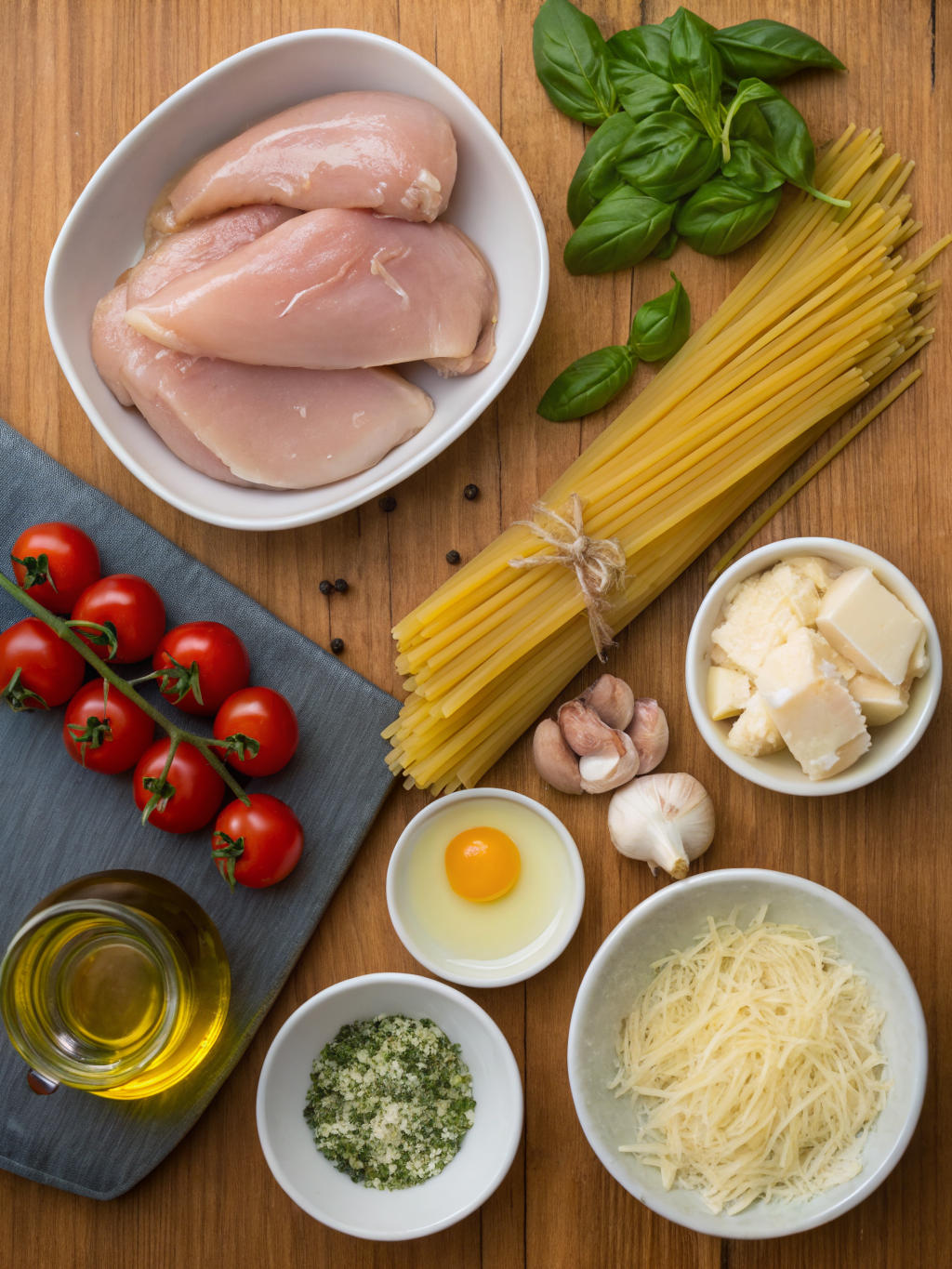
For the Protein Chicken Pasta Base:
- 12 oz boneless, skinless chicken breast (or thighs for more flavor)
- 10 oz pasta (whole wheat, chickpea, or regular)
- 2 tablespoons extra virgin olive oil
- 4 cloves fresh garlic, minced
- 1 medium onion, diced
- 1 red bell pepper, sliced
- 2 cups fresh spinach
- 1 cup low-sodium chicken broth
- ½ cup semi-skimmed milk or Greek yogurt
- ¼ cup grated Parmesan cheese
- 2 tablespoons fresh lemon juice
- Salt and black pepper to taste
- 1 teaspoon Italian seasoning
- ½ teaspoon red pepper flakes (optional)
Ingredient Substitution Suggestions:
For vegetarian versions, replace chicken with chickpeas or firm tofu. If you’re dairy-free, substitute milk with unsweetened almond milk or coconut cream. Those preferring heartier textures can swap regular pasta for legume-based varieties, which add additional protein and fiber—a smart choice when creating truly nutritious protein chicken pasta.
Timing
- Preparation Time: 15 minutes
- Cooking Time: 25 minutes
- Total Time: 40 minutes
This recipe is approximately 35% faster than the average homemade pasta dish, making it perfect for busy weeknight schedules. By utilizing efficient cooking techniques and strategic ingredient prep, you’ll have a restaurant-quality meal on your table in under 45 minutes—significantly less time than ordering takeout and waiting for delivery.
Step-by-Step Instructions
Step 1: Prepare Your Ingredients
Start by bringing a large pot of salted water to a rolling boil—this is crucial for achieving perfectly al dente pasta. While waiting, pat your chicken breast dry with paper towels and season generously with salt, pepper, and Italian seasoning. Drying the chicken ensures better browning and locks in moisture during cooking. Mince your garlic and dice your vegetables, keeping them in separate piles for efficient cooking.
Step 2: Sear the Chicken
Heat olive oil in a large skillet over medium-high heat until it shimmers. Place your seasoned chicken breasts in the pan, resisting the urge to move them around—let them develop a golden crust for 5-6 minutes. Flip carefully and cook the other side for another 5-6 minutes until the internal temperature reaches 165°F. This high-heat searing creates a protective outer layer that keeps the chicken juicy and tender. Once cooked, transfer the chicken to a cutting board and let it rest for 3-4 minutes before slicing into bite-sized pieces.
Step 3: Cook Your Pasta
Add your pasta to the boiling water and cook according to package directions, typically 8-10 minutes. For extra fiber and protein, opt for whole wheat or chickpea pasta varieties. When finished, reserve 1 cup of pasta water—this starchy liquid will become your secret ingredient for creating a silky, cohesive sauce. Drain the pasta and set aside.
Step 4: Build Your Flavor Base
In the same skillet used for the chicken (don’t wash it—those browned bits are liquid gold), add minced garlic and diced onions. Sauté for 2-3 minutes until fragrant and translucent. Add your sliced bell peppers and cook for another 3 minutes, allowing the vegetables to soften slightly while maintaining their vibrant color. This aromatic base creates depth and complexity in your dish.
Step 5: Create the Sauce
Reduce heat to medium and pour in the chicken broth, followed by your milk or Greek yogurt. Whisk gently to combine, then add lemon juice and Parmesan cheese. The acidity from the lemon brightens the flavors while the cheese adds richness without excessive calories. Stir in red pepper flakes if you prefer a subtle kick. Simmer this mixture for 3-4 minutes, allowing flavors to meld beautifully.
Step 6: Combine Everything
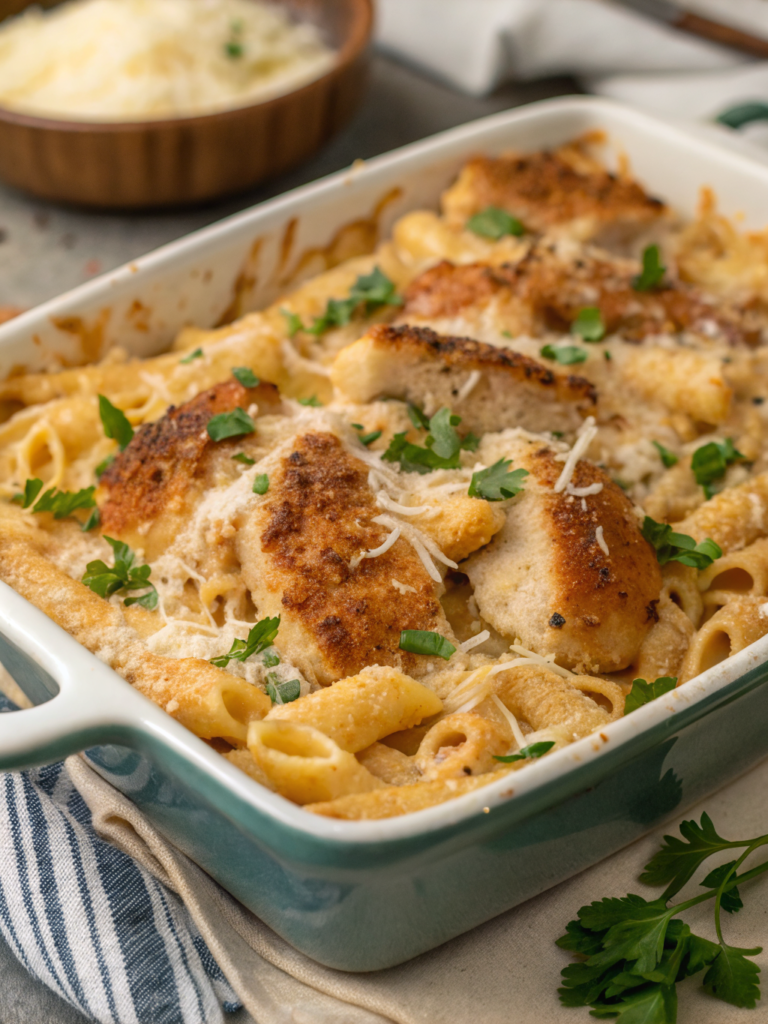
Add the cooked pasta and sliced chicken back into the skillet with your sauce. Toss gently but thoroughly, using reserved pasta water to achieve your desired consistency—start with ½ cup and add more as needed. Finally, fold in fresh spinach and allow it to wilt, approximately 1-2 minutes. This finishing touch adds vegetables, vitamins, and minerals to complete your healthy chicken pasta.
Nutritional Information
Per serving (approximately 1.5 cups):
- Calories: 420-450
- Protein: 38 grams
- Carbohydrates: 42 grams
- Fat: 10 grams
- Fiber: 6 grams (higher with whole wheat pasta)
- Sodium: 480 mg
This macronutrient profile makes protein chicken pasta an excellent choice for muscle building, weight management, and sustained energy throughout the day. The high protein content supports muscle recovery, while complex carbohydrates provide lasting fuel.
Healthier Alternatives for the Recipe
Whole Grain Pasta Options: Replace white pasta with whole wheat, spelt, or ancient grain varieties. These alternatives provide 3-5 additional grams of fiber per serving, supporting digestive health and sustained satiety.
Protein Boosters: Mix in white beans or chickpeas for an extra 5-8 grams of plant-based protein per serving. This transforms the dish into a complete protein powerhouse, especially beneficial for vegetarian variations.
Greek Yogurt Substitution: Replace half the milk with plain non-fat Greek yogurt, increasing protein by 10 grams while reducing fat content. This creates a creamier texture without heavy cream.
Vegetable Enhancements: Add sun-dried tomatoes, mushrooms, or zucchini for increased vitamins, minerals, and fiber without significantly impacting the calorie count.
Oil Reduction: Use cooking spray instead of olive oil for searing chicken, reducing fat by approximately 3 grams per serving while maintaining excellent browning.
Serving Suggestions
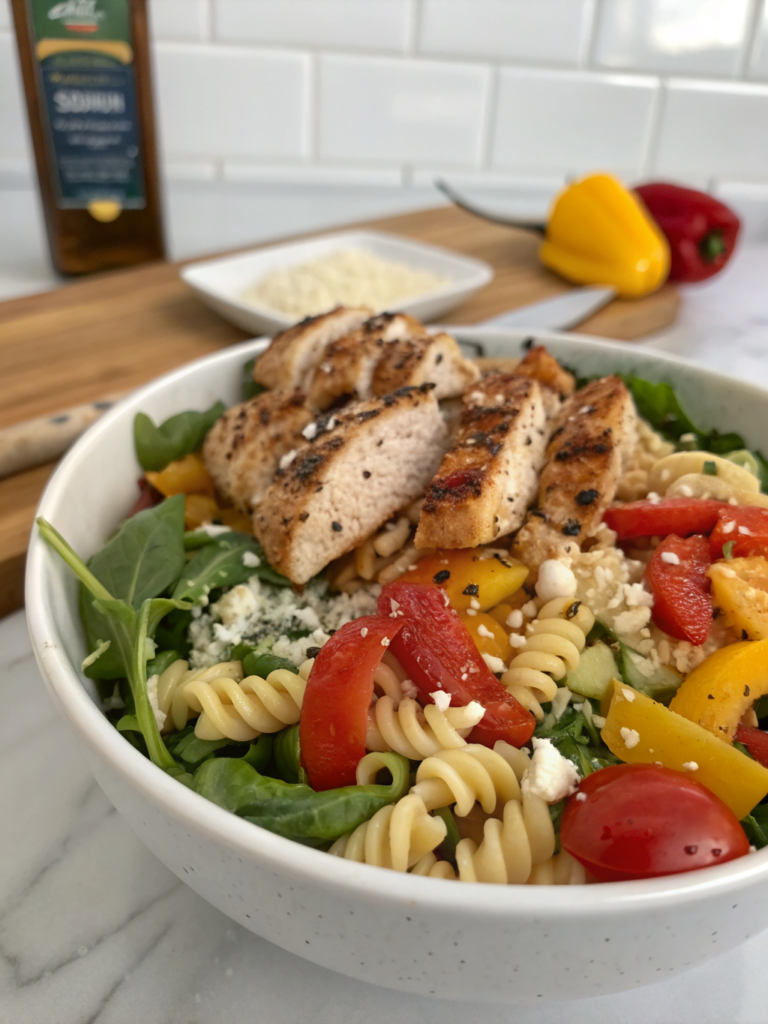
Classic Presentation: Plate your protein chicken pasta in shallow bowls, garnishing with fresh basil, cherry tomatoes, and a light drizzle of quality olive oil. Add lemon wedges on the side for personalized brightness.
Restaurant-Style Plating: Twirl pasta onto a fork and serve atop a bed of wilted spinach with chicken pieces arranged artfully on top. This presentation elevates the dining experience while maintaining nutritional integrity.
Meal Prep Bowls: Portion into compartmentalized containers with fresh vegetables on the side, keeping them separate until consumption to maintain optimal texture and freshness.
Family-Style Serving: Present the entire skillet at the dinner table, allowing guests to customize their portions and add preferred toppings—fresh herbs, grated cheese, or crushed red pepper.
Paired Accompaniments: Serve alongside a crisp arugula salad with balsamic vinaigrette, garlic bread made from whole grain baguettes, or roasted asparagus for a complete, restaurant-quality meal.
Common Mistakes to Avoid
Overcooking Chicken: The most frequent error resulting in dry, stringy chicken. Use a meat thermometer to ensure precise doneness at 165°F internal temperature.
Insufficient Seasoning: Many home cooks undersalt pasta water and the finished dish. Remember, seasoning early and often—starting with pasta water—ensures evenly distributed flavor throughout.
Neglecting Pasta Water: Using regular water to adjust sauce consistency dilutes flavors. Always reserve starchy pasta water, which creates emulsification and clings beautifully to pasta.
Overcrowding the Pan: When searing chicken, avoid overcrowding, which causes steaming rather than browning. Work in batches if necessary for optimal results.
Wilting Vegetables Too Early: Add delicate vegetables like spinach at the end to preserve nutrients, color, and texture rather than cooking them to an unappetizing gray-green.
Using Low-Quality Pasta: Economy pasta releases excess starch and falls apart easily. Invest in quality pasta brands for superior texture and taste.
Storing Tips for the Recipe
Refrigeration: Store leftovers in airtight glass containers for up to 4 days. The pasta absorbs sauce as it sits, so you may need to add additional broth or milk when reheating.
Freezing: This dish freezes exceptionally well for up to 3 months. Cool completely before transferring to freezer-safe containers, leaving ½-inch headspace for expansion.
Reheating Methods: Thaw overnight in the refrigerator before reheating gently on the stovetop over low-medium heat with a splash of additional broth. Microwave reheating is convenient but may result in uneven heating and texture changes.
Ingredient Prep Ahead: Chop vegetables and season chicken breast the evening before cooking, storing in separate containers for expedited preparation on busy weeknights.
Sauce Separation Prevention: Store pasta and sauce in separate containers when possible, combining only during reheating to maintain optimal texture and sauce adherence.
Conclusion
Healthy chicken pasta represents the perfect intersection of convenience, nutrition, and culinary satisfaction. This recipe delivers substantial protein for muscle development and weight management while maintaining incredible flavor that satisfies even the most discerning palates. By following these detailed instructions and leveraging the suggested variations, you’ll create a versatile dish that adapts to your dietary preferences and nutritional goals.
Ready to transform your dinner routine? Try this protein chicken pasta recipe this week and discover how simple whole-food cooking can be. We’d love to hear about your experience—share your results, variations, or favorite modifications in the comments below. For similar nutritious recipes that don’t compromise on flavor, explore our collection of high-protein meals designed specifically for busy, health-conscious individuals.
FAQs
Q: Can I use frozen chicken breast for this recipe?
A: Absolutely! Thaw frozen chicken in the refrigerator overnight before cooking. Frozen chicken cooks similarly once thawed, though you may need to add 2-3 minutes to the searing time if the internal temperature is still cool.
Q: Is this recipe suitable for meal prep?
A: Yes! This dish is excellent for meal prep, storing well for 4 days in the refrigerator. Portion into containers and enjoy throughout the week, reheating as needed with added broth for optimal texture.
Q: What’s the best pasta choice for maximum protein?
A: Chickpea or lentil-based pasta varieties contain 10-12 grams of protein per serving compared to 7-8 grams in regular pasta, making them ideal for optimizing your protein chicken pasta.
Q: Can I make this dairy-free?
A: Yes! Replace milk with unsweetened almond milk or oat milk, and omit Parmesan cheese or use nutritional yeast for a comparable umami flavor without dairy allergens.
Q: How can I increase the protein content further?
A: Add white beans, Greek yogurt, or protein powder to the sauce for an additional 10-15 grams of protein per serving without significantly altering taste.
Q: Is this recipe gluten-free?
A: Use gluten-free pasta varieties with this recipe. Many high-quality gluten-free options now cook similarly to regular pasta while maintaining excellent texture.
Q: What wine pairs well with this dish?
A: A crisp white wine like Pinot Grigio or Sauvignon Blanc complements the lemon and herb flavors beautifully while cleansing the palate between bites.