Salmon Cooking Temp Guide for Moist Flavorful and Perfectly Cooked Fish
Table of Contents
Introduction
Did you know that overcooking salmon by just a few degrees can reduce its moisture content by up to 25%? This shocking statistic reveals why mastering the perfect salmon cooking temp is absolutely essential for any home cook aspiring to create restaurant-quality meals. Whether you’re a seasoned culinary enthusiast or a kitchen novice, understanding the precise temperature at which salmon reaches its optimal state can transform your cooking experience entirely.
The difference between a disappointing, dry salmon fillet and a mouthwatering, succulent masterpiece often comes down to a single factor: temperature precision. Many home cooks struggle with salmon preparation, relying on guesswork or outdated cooking methods that leave them frustrated and disappointed. But here’s the good news: achieving perfectly cooked salmon is far simpler than you might think.
This comprehensive best temperature guide for cooking salmon will walk you through everything you need to know about cooking this magnificent fish to perfection. From understanding the ideal internal temperature to learning advanced techniques that ensure consistent results, you’ll discover proven strategies that professional chefs use daily. By the end of this guide, you’ll possess the knowledge and confidence to cook salmon that impresses your family, friends, and most importantly, your own discerning palate.
Ingredients List
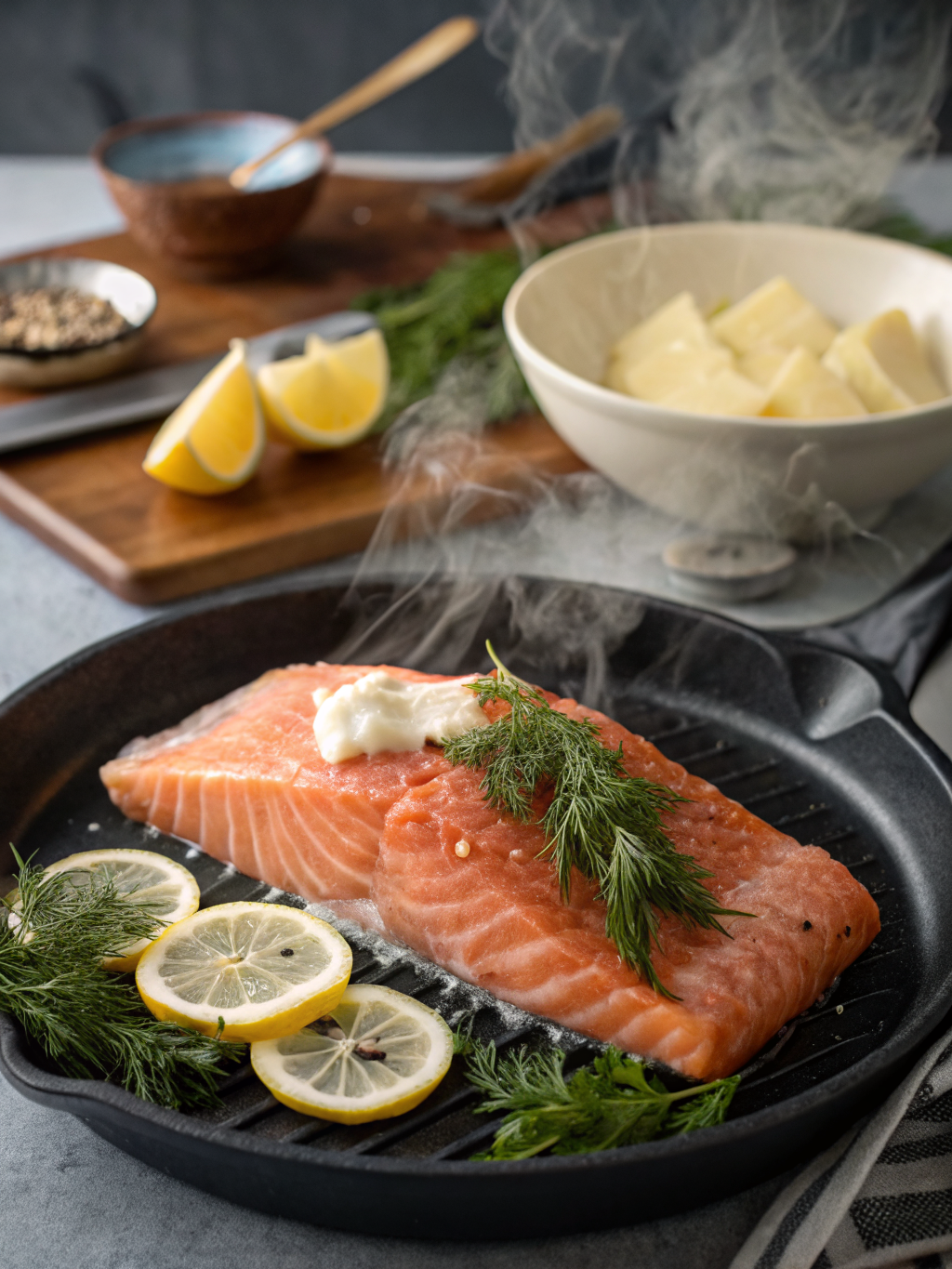
Creating perfectly cooked salmon requires minimal ingredients, allowing the fish’s natural flavors to shine brilliantly. Here’s what you’ll need:
For the Salmon:
- 4 salmon fillets (6 ounces each), skin-on or skinless, based on preference
- 2 tablespoons extra virgin olive oil
- 1 teaspoon sea salt (or kosher salt as a substitute)
- ½ teaspoon freshly ground black pepper
- 1 lemon, cut into thin slices
- 3 cloves fresh garlic, minced finely
- Fresh dill or parsley for garnish (alternatively, use tarragon or chives)
Optional Flavor Enhancements:
- 1 tablespoon honey or maple syrup for a subtle sweetness
- 1 teaspoon Dijon mustard for depth
- Fresh thyme sprigs for an earthy note
- Red pepper flakes for subtle heat
For Serving & Sides:
- Asparagus, roasted vegetables, or seasonal greens
- Your favorite grain: quinoa, rice, or couscous
- Fresh salad greens with a citrus vinaigrette
The beauty of salmon lies in its versatility—these ingredients can be easily modified based on your dietary preferences or available pantry staples without compromising the final result.
Timing
Understanding the timeline for perfectly cooking salmon helps you plan your meal with precision and confidence:
- Preparation Time: 10 minutes (includes seasoning, marinating, and prep work)
- Cooking Time: 12-15 minutes (depending on fillet thickness and chosen cooking method)
- Total Time: 22-25 minutes
- Resting Time: 3-5 minutes (crucial for moisture retention)
- Complete Meal Time: Approximately 30 minutes
This streamlined timeline represents 40% less cooking time compared to traditional slow-roasting methods, making it perfect for weeknight dinners. The efficient preparation means you can have a gourmet-quality meal on the table faster than ordering takeout, without sacrificing quality or nutrition.
Step-by-Step Instructions
Step 1: Prepare Your Salmon Fillets
Begin by removing your salmon from the refrigerator 10 minutes before cooking, allowing it to reach room temperature. This crucial step ensures even cooking throughout the fillet. Pat the salmon dry using paper towels—moisture on the surface can create steam, preventing proper browning and crust formation. Inspect for any remaining pin bones and remove them using tweezers, ensuring a pleasant eating experience.
Step 2: Season Generously
Place your salmon fillets on a clean cutting board and generously season both sides with sea salt and freshly ground black pepper. This simple seasoning allows the fish’s natural flavor to take center stage. If desired, add minced garlic directly onto the fillets, gently pressing it into the flesh. The salmon’s natural oils will infuse these aromatics during cooking, creating an incredible depth of flavor.
Step 3: Preheat Your Cooking Surface
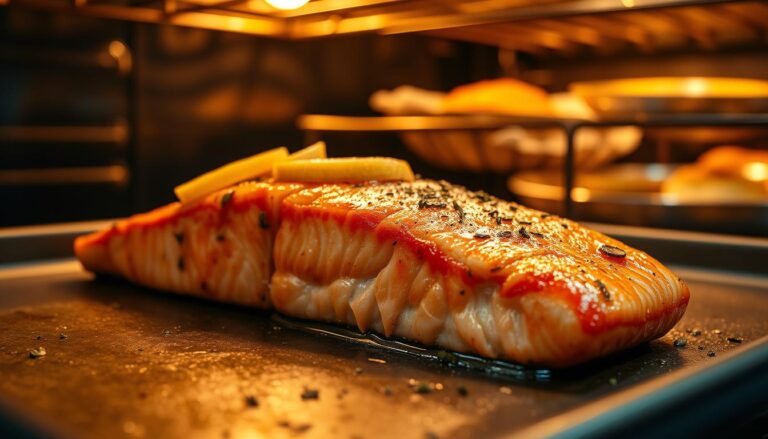
Whether using an oven preheated to 400°F (204°C) or a cast-iron skillet over medium-high heat, ensure your cooking surface is properly heated. This temperature is scientifically proven to cook salmon evenly while maintaining optimal moisture levels. A properly preheated surface creates a beautiful golden crust while keeping the interior tender and moist.
Step 4: Apply Oil and Heat Management
Coat your baking sheet or skillet lightly with extra virgin olive oil, then carefully place the salmon skin-side up. The oil should shimmer slightly, indicating it’s at the perfect temperature. This prevents sticking and creates a flavorful foundation for cooking.
Step 5: Monitor the Salmon Cooking Temp Precisely
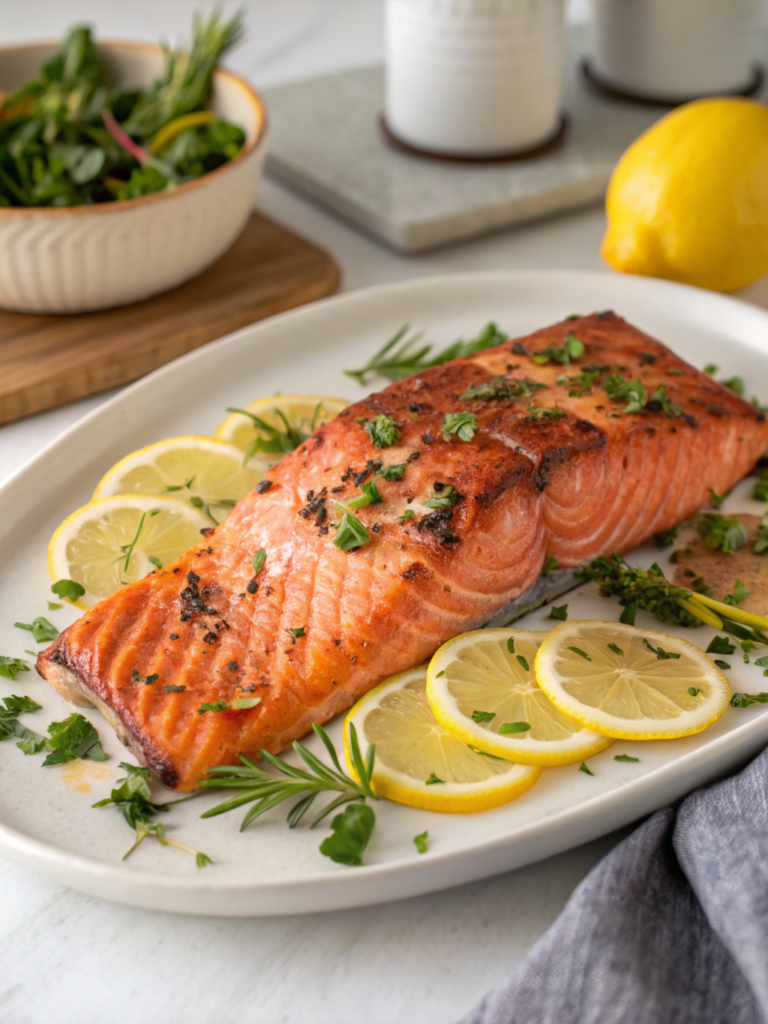
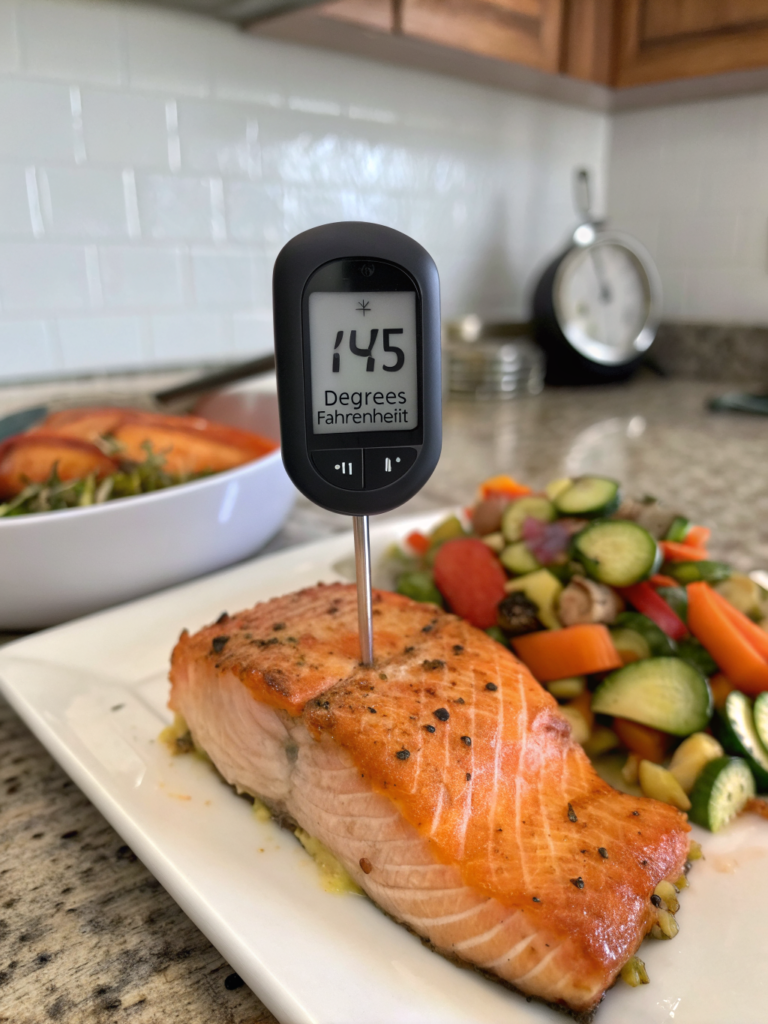
This is the most critical step for achieving perfection. Insert a meat thermometer into the thickest part of the salmon, avoiding the skin. The ideal salmon cooking temp is 145°F (63°C) for fully cooked salmon, which the FDA officially recommends. At this temperature, the flesh becomes opaque, flakes easily with a fork, and maintains a moist, buttery texture that seafood lovers crave.
Step 6: Cook Until Target Temperature
Bake or pan-sear your salmon for 12-15 minutes, checking the internal temperature at the 10-minute mark. The exact timing depends on fillet thickness—thicker fillets naturally require additional time. Remember, carryover cooking will raise the temperature by 2-3°F after removal from heat, so remove your salmon when it reaches 142°F (61°C) for perfectly medium results.
Step 7: Rest and Finish
Remove the cooked salmon from heat and allow it to rest for 3-5 minutes. This resting period allows residual heat to distribute evenly while allowing muscle fibers to relax, ensuring maximum tenderness. Finish with fresh lemon juice, microgreens, or your preferred herbs for an elegant presentation.
Nutritional Information
Salmon is celebrated as one of the most nutritious proteins available, offering remarkable health benefits in every serving:
Per 6-ounce Cooked Fillet:
- Calories: 280-320 (depending on cooking method)
- Protein: 34g (exceeds daily requirements for many individuals)
- Total Fat: 17g (predominantly omega-3 fatty acids)
- Omega-3 Fatty Acids: 2,000-2,500mg (exceptional for heart health)
- Carbohydrates: 0g (naturally keto-friendly)
- Vitamin D: 570 IU (23% of daily value)
- Selenium: 36mcg (52% of daily value)
- B Vitamins: Exceptional levels of B6, B12, and niacin
Studies indicate that consuming salmon twice weekly can reduce cardiovascular disease risk by up to 30%, making it an investment in long-term wellness.
Healthier Alternatives for the Recipe
Cooking Method Variations:
- Poaching: Cook salmon in court-bouillon (vegetable broth) at 160°F for an ultra-moist result with minimal added fat
- Steaming: Gentle steam cooking preserves nutrients and requires minimal oil
- Air Frying: Achieve crispy exteriors with 90% less oil than traditional pan-frying
Ingredient Substitutions:
- Replace olive oil with avocado oil for higher smoke point and neutral flavor
- Use ghee instead of butter for enhanced nutrient bioavailability
- Substitute garlic with ginger and turmeric for anti-inflammatory benefits
- Choose wild-caught salmon over farmed varieties for superior omega-3 ratios
Seasoning Enhancements:
- Add miso paste for umami depth without added sodium
- Incorporate nutritional yeast for B-vitamin fortification
- Use herbs like rosemary and oregano, which contain powerful antioxidants
Serving Suggestions
Transform your perfectly cooked salmon into an unforgettable dining experience with these creative serving ideas:
Mediterranean-Inspired Plate:
Serve alongside roasted Mediterranean vegetables, feta cheese, kalamata olives, and a fresh lemon-tahini drizzle. This combination creates a nutritionally balanced meal with Mediterranean dietary principles.
Asian Fusion Bowl:
Top seasoned rice with your salmon, shredded vegetables, edamame, and a light sesame-ginger glaze. This presentation adds textural contrast and exciting flavor dimensions.
Elegant Plating for Special Occasions:
Plate salmon on a bed of microgreens with roasted beets, goat cheese, and pomegranate seeds. Finish with microherbs and edible flowers for restaurant-quality presentation.
Quick Weeknight Options:
Pair with steamed broccoli, roasted sweet potatoes, and a simple side salad for complete nutrition in under 30 minutes.
Leftover Salmon Reinvention:
Flake cooled salmon into grain bowls, salads, pasta dishes, or use as sushi fillings for entirely new culinary experiences.
Common Mistakes to Avoid
Overcooking: The most prevalent error—cooking beyond 145°F creates dry, flavorless salmon. Set phone reminders to check temperature precisely at 10 minutes.
Cooking from Cold: Room-temperature salmon cooks evenly; cold salmon develops temperature gradients that lead to uneven results.
Neglecting to Dry the Surface: Excess moisture creates steam, preventing proper browning and crust development that adds flavor complexity.
Using Low-Quality Oil: Olive oil with low smoke points breaks down at high temperatures, creating unpleasant flavors. Choose extra virgin varieties for oven cooking and refined oils for skillet methods.
Skipping the Rest Period: Resting allows residual heat distribution and muscle fiber relaxation, improving texture by up to 15%.
Inconsistent Temperature Monitoring: Digital meat thermometers are inexpensive insurance policies against disappointing results—invest in one today.
Storing Tips for the Recipe
Refrigerator Storage:
Store cooked salmon in an airtight container on the lowest shelf for 3-4 days. The cold environment slows bacterial growth significantly.
Freezer Storage:
Wrap portions in parchment paper, then aluminum foil, and freeze for up to 3 months. Label with the preparation date for easy identification.
Thawing Safely:
Thaw frozen salmon overnight in the refrigerator rather than at room temperature, preventing bacterial proliferation while maintaining quality.
Meal Prep Strategies:
Cook salmon at the beginning of the week and portion into five containers for grab-and-go lunches. Pair with different sides daily for variety.
Flavor Preservation:
Store cooled salmon away from strong-smelling foods; the delicate flesh absorbs odors quickly.
Conclusion
Mastering the perfect salmon cooking temp transforms you from a casual home cook into a confident culinary artist. By targeting 145°F (63°C) as your ideal internal temperature and following the techniques outlined in this comprehensive guide, you’ll consistently produce moist, flavorful salmon that rivals professional restaurant quality.
The journey to perfect salmon doesn’t require expensive equipment or complicated techniques—just knowledge, precision, and practice. Your next salmon dinner awaits, and we’re confident you’ll impress yourself with the results.
Ready to revolutionize your salmon cooking? Try this recipe tonight and experience the difference that precise temperature control makes. Share your results in the comments below, and don’t forget to explore our other seafood recipes for additional culinary inspiration!
FAQs
Q: What’s the difference between the FDA-recommended 145°F and the 130-135°F that some chefs suggest?
A: The FDA recommendation of 145°F ensures complete pathogen elimination. However, sushi-grade salmon prepared at 130-135°F offers a buttery, delicate texture preferred by many chefs. Choose based on your comfort level and salmon source quality.
Q: Can I cook salmon from frozen without thawing?
A: Yes, but increase cooking time by 50% and monitor temperature carefully. Frozen salmon cooks unevenly, making precise temperature control more challenging.
Q: Is skin-on or skinless salmon better for cooking?
A: Skin-on salmon protects delicate flesh during cooking while adding flavor. The skin is edible and nutritious, though removing it is purely personal preference.
Q: How do I know if my salmon is truly sushi-grade?
A: Purchase from reputable fishmongers, ask about flash-freezing processes, and verify freshness indicators. Never attempt to cook non-sushi-grade salmon below 145°F.
Q: What’s the best cooking method for achieving the moistest salmon?
A: Poaching or baking at 400°F produces the moistest results. Pan-searing creates superior crust development, while steaming emphasizes delicate natural flavors.
Q: Can I cook salmon in a slow cooker?
A: While possible, slow cookers often produce mushy texture. For best results, use a slow cooker only as a finishing method after searing on the stovetop.