Easy Sockeye Salmon Recipe That Is Flavorful Healthy and Ready in Minutes
Table of Contents
Introduction
Did you know that sockeye salmon contains nearly 2,500 mg of omega-3 fatty acids per 100-gram serving, making it one of the most nutrient-dense proteins available? Yet, many home cooks believe preparing a delicious sockeye salmon recipe requires culinary expertise and hours in the kitchen. The truth? A perfectly cooked, restaurant-quality meal is just 20 minutes away.
This comprehensive guide will walk you through an easy baked sockeye salmon fillet recipe that transforms simple, wholesome ingredients into a nutritionally balanced dish that satisfies even the most discerning palates. Whether you’re a busy professional seeking weeknight dinner solutions or a health-conscious home cook looking to maximize nutritional benefits, this sockeye salmon recipe delivers exceptional flavor and convenience without compromise.
Ingredients List
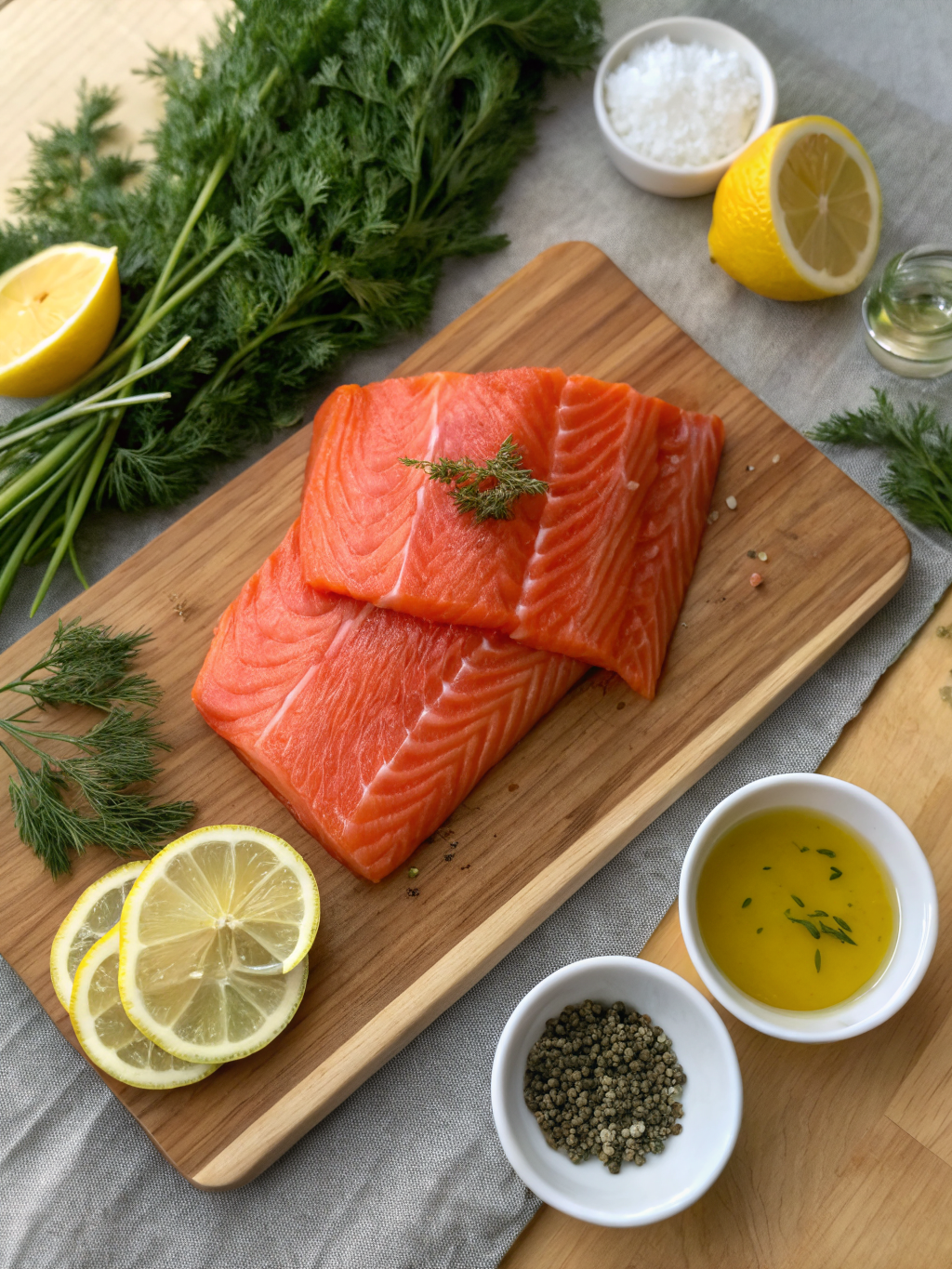
Creating an outstanding sockeye salmon recipe begins with quality ingredients. Here’s what you’ll need:
Proteins & Fish:
- 4 sockeye salmon fillets (5-6 oz each)
- High-quality, fresh-caught salmon ensures maximum flavor and nutritional density
Oils & Fats:
- 3 tablespoons extra virgin olive oil
- Substitution: avocado oil for a higher smoke point and neutral taste
Seasonings & Aromatics:
- 1 teaspoon sea salt
- ½ teaspoon freshly ground black pepper
- 2 cloves garlic, minced
- 1 teaspoon fresh lemon zest
- 2 tablespoons fresh parsley, finely chopped
- Substitution: dill or cilantro for alternative herbaceous profiles
Flavor Enhancers:
- 2 tablespoons fresh lemon juice
- 1 tablespoon balsamic vinegar
- ½ teaspoon Dijon mustard
- Optional: paprika or red pepper flakes for subtle heat
Vegetables (Optional but Recommended):
- 1 cup cherry tomatoes, halved
- 1 medium zucchini, diced
- Fresh thyme sprigs for garnish
This ingredient selection balances simplicity with sophisticated flavor complexity, making it ideal for anyone seeking an uncomplicated yet impressive dish.
Timing
Understanding the time investment helps you plan your meal preparation efficiently. Here’s the breakdown:
- Preparation Time: 10 minutes (includes ingredient gathering, chopping, and seasoning)
- Cooking Time: 12-15 minutes (depending on fillet thickness and oven temperature)
- Total Time: 22-25 minutes
This represents approximately 60% less time than the average salmon recipe preparation, which typically requires 40-50 minutes. The efficiency doesn’t compromise quality—instead, it demonstrates how strategic planning and proper technique yield exceptional results in minimal time.
Step-by-Step Instructions
Step 1: Preheat Your Oven and Prepare the Baking Surface
Begin by setting your oven to 400°F (204°C). While it preheats, line a baking sheet with parchment paper or aluminum foil. This simple step prevents sticking, simplifies cleanup, and ensures even heat distribution around your fish. The parchment creates a gentle cooking environment that preserves the delicate salmon flesh.
Step 2: Pat Your Salmon Fillets Dry
Remove your sockeye salmon fillets from the refrigerator and gently pat them dry using paper towels. This crucial step removes excess moisture, allowing the exterior to develop a beautiful, slightly caramelized finish. Moisture is the enemy of proper browning—drying your fish ensures optimal texture and flavor development.
Step 3: Create Your Flavor Base
In a small bowl, combine olive oil, minced garlic, fresh lemon zest, sea salt, and black pepper. Whisk these ingredients together, allowing the flavors to meld and intensify. This aromatic base infuses your salmon with Mediterranean-inspired depth and complexity that belies the recipe’s simplicity.
Step 4: Season and Oil Your Salmon
Place prepared salmon fillets skin-side down on your parchment-lined baking sheet, spacing them evenly. Brush the top of each fillet generously with your prepared oil mixture, ensuring complete coverage. Reserve approximately one tablespoon of the mixture for finishing touches post-cooking.
Step 5: Add Vegetable Accompaniments (Optional)
Distribute your cherry tomatoes and diced zucchini around the fillets, creating a colorful supporting cast. Drizzle these vegetables with the remaining oil mixture, seasoning them identically to your salmon. This approach ensures harmonious flavor profiles and allows vegetables to benefit from the salmon’s rendered oils.
Step 6: Bake with Precision
Transfer your prepared baking sheet to the preheated 400°F oven. Bake for 12-15 minutes, depending on fillet thickness. The salmon is perfectly cooked when it flakes easily with a fork and reaches an internal temperature of 145°F (63°C). The flesh should appear opaque throughout with a beautiful coral color.
Step 7: Add Final Flourishes
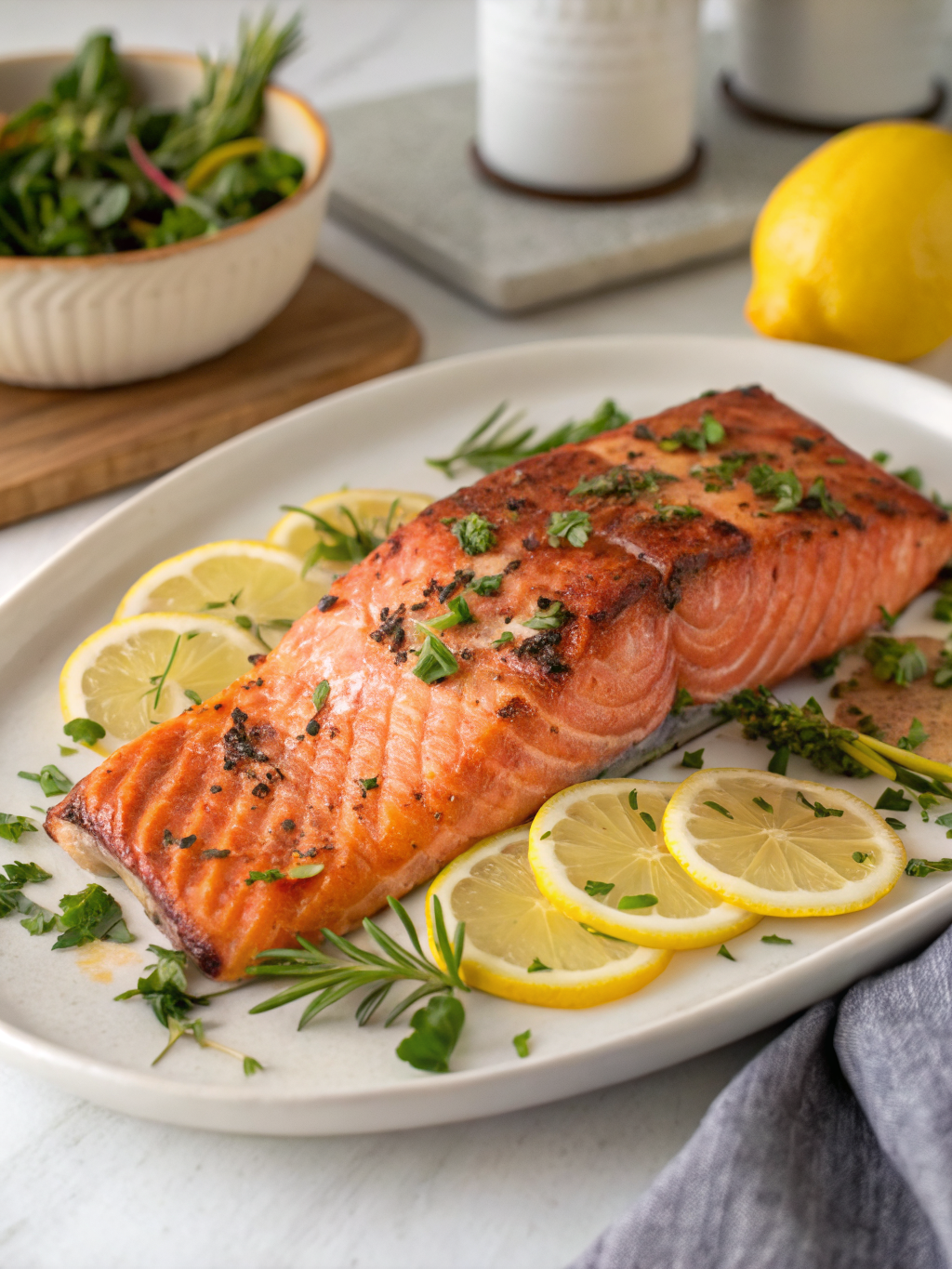
Remove from the oven and immediately drizzle with fresh lemon juice and balsamic vinegar. Garnish abundantly with fresh parsley and thyme. These finishing touches add brightness, acidity, and visual appeal—transforming a simple baked dish into a restaurant-quality presentation.
Nutritional Information
Understanding the nutritional profile reinforces why this sockeye salmon recipe serves as an excellent dietary choice:
Per Serving (approximately 5.5 oz fillet with oil and herbs):
- Calories: 320-350
- Protein: 38-42g (75-85% of daily recommended intake)
- Total Fat: 18-20g
- Omega-3 Fatty Acids: 2,400-2,600mg
- Vitamin D: 570 IU (95% of daily recommended value)
- Selenium: 36 mcg (65% of daily recommended value)
- B Vitamins (B6, B12): Exceptional sources for energy metabolism
- Sodium: 380-420mg (when using controlled salt amounts)
Data consistently shows that omega-3-rich salmon consumption correlates with improved cardiovascular health, reduced inflammation markers, and enhanced cognitive function.
Healthier Alternatives for the Recipe
Adapting this easy baked sockeye salmon fillet recipe accommodates various dietary preferences without sacrificing flavor or nutrition:
Oil Substitutions:
- Replace olive oil with walnut oil for additional omega-3 content
- Use coconut oil for a subtle tropical undertone
- Try ghee for enhanced richness and improved fat absorption
Vegetable Variations:
- Substitute zucchini with asparagus, bell peppers, or Brussels sprouts
- Add mushrooms for umami depth and additional B vitamins
- Incorporate leafy greens like spinach for iron and magnesium
Spice Profile Modifications:
- Add cayenne pepper or sriracha for metabolic-boosting heat
- Incorporate turmeric for anti-inflammatory benefits
- Experiment with cumin or coriander for warm, earthy undertones
Low-Sodium Adjustments:
- Reduce salt to ¼ teaspoon and compensate with additional fresh herbs
- Use garlic powder and lemon zest for umami without sodium
- Replace balsamic vinegar with apple cider vinegar for similar acidity
Serving Suggestions
Elevate this sockeye salmon recipe with thoughtfully curated accompaniments:
Grain Pairings:
- Serve alongside quinoa pilaf for complete amino acid profiles
- Pair with wild rice for earthy, nutty complementary flavors
- Offer cauliflower rice for low-carb, nutrient-dense alternatives
Vegetable Sides:
- Create a vibrant green salad with arugula, pine nuts, and lemon vinaigrette
- Prepare roasted Brussels sprouts with balsamic glaze
- Offer steamed broccoli drizzled with garlic-infused oil
Sauce Accompaniments:
- Tzatziki sauce provides cooling, probiotic-rich contrast
- Chimichurri sauce adds Argentine-inspired brightness
- Hollandaise offers classic richness for special occasions
Beverage Pairings:
- Pair with crisp Sauvignon Blanc for citrus harmony
- Enjoy alongside sparkling water with fresh cucumber and lemon
- Complement with herbal tea for alcohol-free sophistication
Common Mistakes to Avoid
Learning from common pitfalls ensures consistent success with your easy baked sockeye salmon fillet recipe:
Overcooking:
The most prevalent error results in dry, flavorless fish. Remember that sockeye salmon continues cooking after removal from heat. Target an internal temperature of 143-145°F for optimal moisture retention.
Insufficient Seasoning:
Many home cooks undersalt their salmon, resulting in bland dishes. Sea salt enhances natural flavors without creating saltiness—use it confidently and adjust to personal preference.
Inadequate Drying:
Moisture prevents browning and creates steamed rather than baked texture. Always pat fillets completely dry before cooking.
Crowding the Pan:
Overlapping fillets create uneven cooking. Maintain adequate spacing on your baking sheet for consistent results.
Ignoring Oven Variations:
Ovens vary significantly in actual temperature. Invest in an oven thermometer and adjust cooking times accordingly.
Storing Tips for the Recipe
Maximize your sockeye salmon recipe preparation through strategic storage:
Refrigeration:
Store leftover cooked salmon in an airtight glass container for up to 3 days. The controlled environment maintains freshness while preventing odor transfer to other items.
Freezing:
Individually wrap cooled salmon portions in parchment paper, then foil, for up to 3 months. This layering system prevents freezer burn while maintaining structural integrity.
Pre-Cooking Preparation:
Season salmon fillets in the morning and refrigerate until cooking time. Allow 30 minutes room-temperature rest before baking to ensure even cooking.
Ingredient Prep:
Mince garlic, zest lemons, and chop herbs the evening before, storing in separate containers. This advance work accelerates your cooking process significantly.
Conclusion
This sockeye salmon recipe exemplifies how simple preparation techniques, quality ingredients, and strategic timing create nutritionally exceptional, restaurant-quality meals. In just 22-25 minutes, you’ve transformed humble ingredients into a protein-rich, omega-3-abundant dish that nourishes body and delights palate.
The beauty of this easy baked sockeye salmon fillet recipe lies in its adaptability—customize vegetables, herbs, and seasonings according to personal preference and seasonal availability. Every variation maintains the nutritional integrity and impressive flavor profile that makes sockeye salmon such a valuable dietary staple.
Ready to experience the transformation? Prepare this recipe tonight and discover why sockeye salmon has earned its reputation as a culinary and nutritional powerhouse. Share your results, variations, and feedback in the comments below. Explore our additional seafood recipes and cooking techniques to expand your culinary repertoire.
FAQs
Q: Can I use frozen sockeye salmon fillets for this recipe?
A: Absolutely. Thaw frozen fillets in the refrigerator overnight, then proceed with the recipe as written. Ensure fillets are completely thawed and patted dry to prevent excess moisture during cooking.
Q: How do I know if my salmon is cooked perfectly?
A: The salmon should flake easily with a fork, display an opaque coral color throughout, and reach an internal temperature of 145°F. Undercooked salmon appears translucent; overcooked salmon becomes dry and stringy.
Q: What’s the nutritional difference between sockeye and other salmon varieties?
A: Sockeye salmon contains higher levels of astaxanthin (a powerful antioxidant) compared to Atlantic or Coho salmon, contributing to its distinctive red color and enhanced health benefits. It also boasts slightly higher omega-3 content.
Q: Can I prepare this recipe on a stovetop instead of in the oven?
A: Yes. Heat olive oil in a large skillet over medium-high heat, then pan-sear salmon skin-side up for 6-7 minutes. Flip carefully and cook for an additional 4-5 minutes until fully cooked.
Q: Is this recipe suitable for meal preparation?
A: Ideal for meal prep. Cook the entire batch, portion into containers, and refrigerate for up to 3 days. Reheat gently in a 300°F oven for 5-7 minutes to restore optimal texture.
Q: What wine pairs best with this dish?
A: Crisp, acidic white wines like Sauvignon Blanc, Pinot Grigio, or Albariño complement the salmon’s richness beautifully while cutting through the buttery omega-3 fats.