Salmon Glaze: Elevate Your Salmon with This Tasty Recipe
When you plate a perfectly glazed piece of salmon, it changes your dinner. The shiny glaze catches the light. The smell fills your kitchen. You see that making meals like restaurants is easy with the right glaze.
Many think making great salmon dishes is hard. But it’s not. A good salmon glaze makes your cooking look like a restaurant’s. It’s quick, uses common ingredients, and tastes amazing.
Glazing salmon is a favorite method for many. It adds flavor, keeps the fish moist, and looks great. A salmon glaze makes you seem like a pro, whether you’re cooking for family or guests.
It doesn’t matter if you’re new or experienced. Salmon glazes are easy and fun. You can try many recipes, from maple soy to honey mustard, and more.
Table of Contents
This guide will teach you all about salmon glazes. You’ll learn what makes a glaze good and how to pick the best ingredients. You’ll get clear steps for recipes that always work. You’ll also learn cooking methods that make your salmon the best. Most importantly, you’ll feel confident to make restaurant-quality salmon at home, keeping its health benefits.
What Is Salmon Glaze?
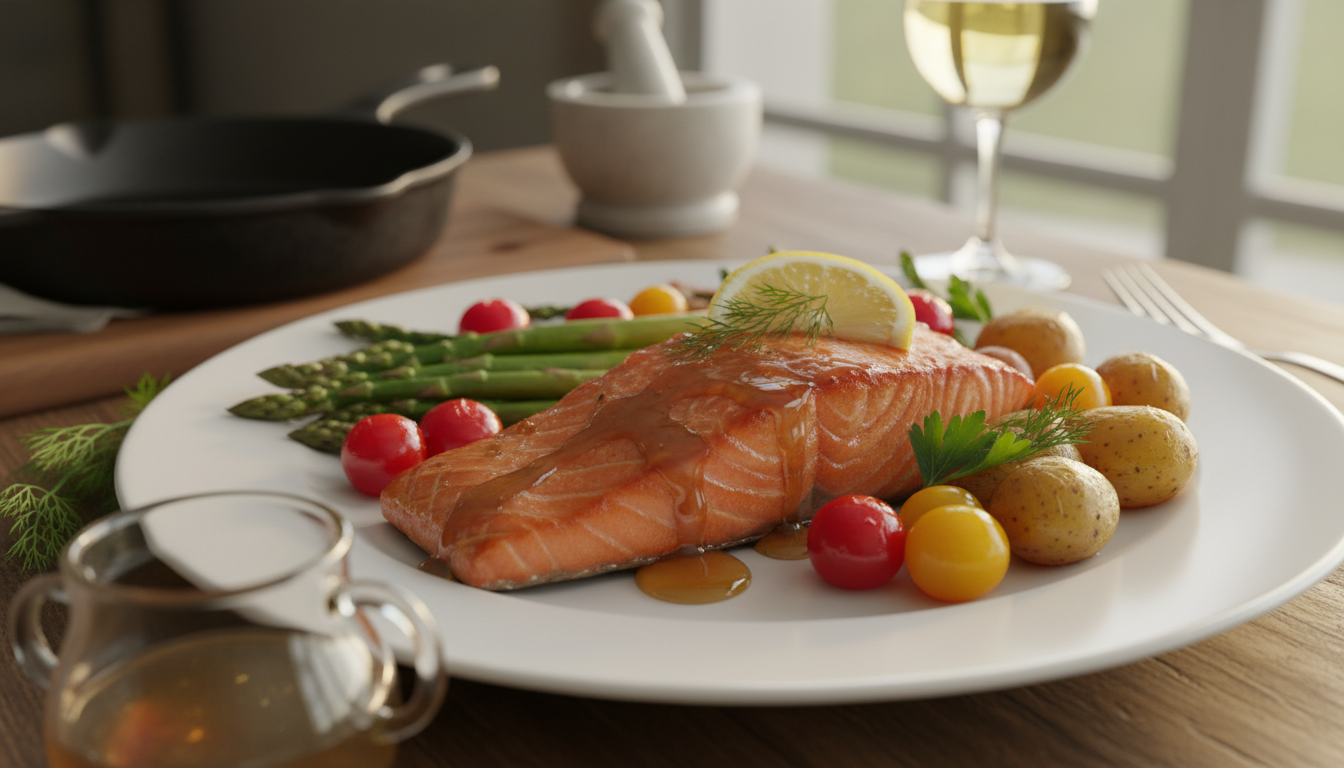
A salmon glaze is a special coating for fish that makes it magical when cooked. When heated, it turns into a shiny, tasty crust on the outside. Inside, the salmon stays moist and tender. This makes the best salmon glaze a powerful tool for cooking.
Think of a glaze as a bridge between seasoning and sauce. It sticks to your fish and gets deeper flavors as it cooks. The glaze keeps the fish moist and adds tastes that salt and pepper can’t.
Understanding Different Types of Glazes
There are many glaze styles to pick from, each with its own strengths. Here are the main types:
- Reduction-Style Glazes: These are thick and clingy. You cook the glaze until it’s syrupy, then brush it on your salmon. This method is best for baking.
- Basting Glazes: These are thinner and get brushed on many times during cooking. They add layers of flavor and keep your fish moist.
- Marinade-Based Glazes: You use the same liquid to marinate and finish your salmon. This saves time and ensures consistent taste.
Each type has its own purpose and works better with certain cooking methods. Knowing which to use is key to getting the best results.
The Role of Flavor Profiles
The best salmon glaze balances four key flavors:
- Sweet elements like honey or maple
- Salty components such as soy sauce or sea salt
- Savory notes from garlic or miso
- Acidic touches including citrus or vinegar
These flavors must work together. Too much sweetness can overpower the fish. Not enough acid makes the glaze dull. Your choice of flavors depends on your taste and the meal’s other dishes.
The right glaze elevates salmon from simple to spectacular, turning a basic protein into a memorable dish.
Knowing these basics lets you follow recipes well. Soon, you’ll create your own signature glazes that match your taste perfectly.
Benefits of Using a Glaze on Salmon
A salmon glaze makes your fish go from simple to spectacular. It brings many benefits beyond just taste. Your salmon will taste better, stay juicier, and look like it was made in a restaurant. Chefs love glazed salmon for these reasons.
Enhancing Flavor
Adding a salmon glaze deepens your dish’s flavor. The glaze goes into the fish, adding layers of taste. When it caramelizes, it creates new flavors that make each bite better.
The glaze doesn’t overwhelm the salmon. It balances the fish’s taste with new flavors. This makes the salmon even more delicious:
- Sweet parts balance the fish’s oils
- Acidic parts brighten the taste
- Savory parts add depth
- Spices add warmth and a kick
Retaining Moisture
Salmon can dry out when cooked. A glaze prevents this by creating a barrier. This barrier keeps the fish’s juices in, making it tender and moist.
The sugars in the glaze help keep the fish moist. They ensure the salmon stays juicy, not dry.
Visual Appeal
A glazed salmon fillet looks like it was made in a restaurant. The shiny, caramelized surface makes your meal look impressive. It’s a feast for the eyes before you even take a bite.
The way it looks matters a lot. A beautiful glaze makes your dinner look like a special occasion. It turns a simple meal into something memorable.
Essential Ingredients for Salmon Glaze
Making a tasty homemade salmon glaze starts with the right ingredients. Your kitchen should have items that mix to enhance flavor, add sweetness, and get the right texture. Knowing which ingredients to use makes your glazes taste like they’re from a restaurant.
Common Flavor Boosters
The base of any homemade salmon glaze is built on ingredients that add depth and complexity. These boosters work hard to create a taste that makes people want more.
- Soy sauce brings umami and saltiness
- Worcestershire sauce adds tangy, savory notes
- Dijon mustard provides sharp, pungent flavor
- Fresh garlic and ginger deliver warmth and spice
- Citrus juices like lemon or lime add brightness
Each ingredient adds something unique to your glaze. Soy sauce and ginger make a great Asian-inspired mix. Citrus juices, like lemon or lime, cut through the richness of salmon and balance out the sweetness in your homemade salmon glaze.
Best Sweeteners to Use
Sweetness balances the savory and tangy flavors in your glaze. Different sweeteners change both taste and appearance when cooked.
- Honey creates floral notes and sticks well to salmon
- Maple syrup offers earthy sweetness and depth
- Brown sugar produces molasses undertones and caramelization
- Agave nectar dissolves smoothly and tastes mild
Spices and Herbs for Elevation
Spices and herbs take your homemade salmon glaze from good to great. Fresh herbs brighten your dish, while dried spices pack concentrated flavor.
- Black pepper and red pepper flakes add heat
- Smoked paprika brings earthy, smoky character
- Fresh dill complements salmon naturally
- Cilantro and thyme layer complex tastes
Using different spices creates unique flavor profiles. Fresh herbs are best added near the end of cooking. Dried spices need longer heat to fully develop their flavor in your homemade salmon glaze.
How to Make a Basic Salmon Glaze
Making your own salmon glaze is easier than you think. It only takes a few minutes to make and turns your salmon into a dish fit for a restaurant. This basic recipe is a great starting point for many flavor variations.
Step-by-Step Instructions
To make an easy salmon glaze, start by gathering your ingredients. You’ll need simple items from your pantry that mix well together:
- ¼ cup soy sauce
- ¼ cup honey
- 2 tablespoons fresh lemon juice
- 2 cloves minced garlic
- 1 tablespoon olive oil
- 1 teaspoon grated fresh ginger
- ½ teaspoon black pepper
Prep Time: 5 minutes | Cooking Time: 10 minutes | Servings: 4
Here’s how to make your salmon glaze:
- Put all ingredients in a small saucepan over medium heat
- Whisk constantly until it’s smooth
- Simmer the glaze gently
- Lower the heat and cook for 5-7 minutes, stirring now and then
- Wait until it thickens enough to coat a spoon
- Take it off the heat and let it cool a bit before using it on your salmon
Tips for Perfect Consistency
Your glaze should be smooth and stick to your salmon. Test it on a cold plate to see if it’s right.
Remember, your glaze will thicken as it cools. If it’s too thick, add water or lemon juice slowly. If it’s too thin, simmer it for a few more minutes.
Nutrition Facts Per Serving (Glaze Only): 80 calories | 2g fat | 15g carbohydrates | 2g protein
Pro tips: Make your glaze ahead and keep it in the fridge for up to a week. Double the recipe for easy meal prep. Save some uncooked glaze for drizzling later to keep it fresh and safe.
Popular Salmon Glaze Recipes to Try
Ready to try new salmon glaze ideas? This section introduces three classic recipes. They bring different tastes to your table. Each recipe uses simple ingredients you likely have at home.
These glazes work on grilled, baked, or pan-seared salmon. You can make them in minutes. They turn your dinner into something special.
Trying these glazes is easy. You don’t need special cooking skills or fancy equipment. Just mix the ingredients in a bowl and brush them onto your salmon. Let’s explore three fantastic options that your family will love.
Maple Soy Glaze
This blend combines sweet and salty flavors beautifully. Mix together:
- ⅓ cup pure maple syrup
- 3 tablespoons soy sauce
- 1 tablespoon rice vinegar
- 1 teaspoon sesame oil
The maple syrup creates a glossy coating. The soy sauce adds depth. This glaze works great on grilled salmon. Brush it on during the last few minutes of cooking to avoid burning.
Honey Mustard Glaze
Tangy and slightly spicy, this version balances sweetness with a kick. Combine:
- 3 tablespoons honey
- 2 tablespoons Dijon mustard
- 1 tablespoon whole grain mustard
- 1 tablespoon apple cider vinegar
- A pinch of cayenne pepper
The mustards cut through salmon’s richness. This option pairs well with roasted vegetables on the side.
Teriyaki Glaze
This Japanese-inspired recipe creates an authentic umami flavor. Blend these ingredients:
- ¼ cup soy sauce
- ¼ cup mirin
- 2 tablespoons sake or extra mirin
- 2 tablespoons sugar
- 1 teaspoon cornstarch mixed with 1 teaspoon water
Cook this mixture on the stove until it thickens slightly. The cornstarch helps create that glossy, restaurant-quality finish. This salmon glaze ideas option impresses guests every time.
“The secret to great glazed salmon is timing. Apply your glaze near the end of cooking so it sticks to the fish without burning.”
Cooking Techniques for Glazed Salmon
Cooking salmon with glaze needs the right technique to enhance flavors. Each method has its own benefits, fitting different glaze recipes. Temperature, timing, and basting are key for a perfect glaze.
Baking Methods
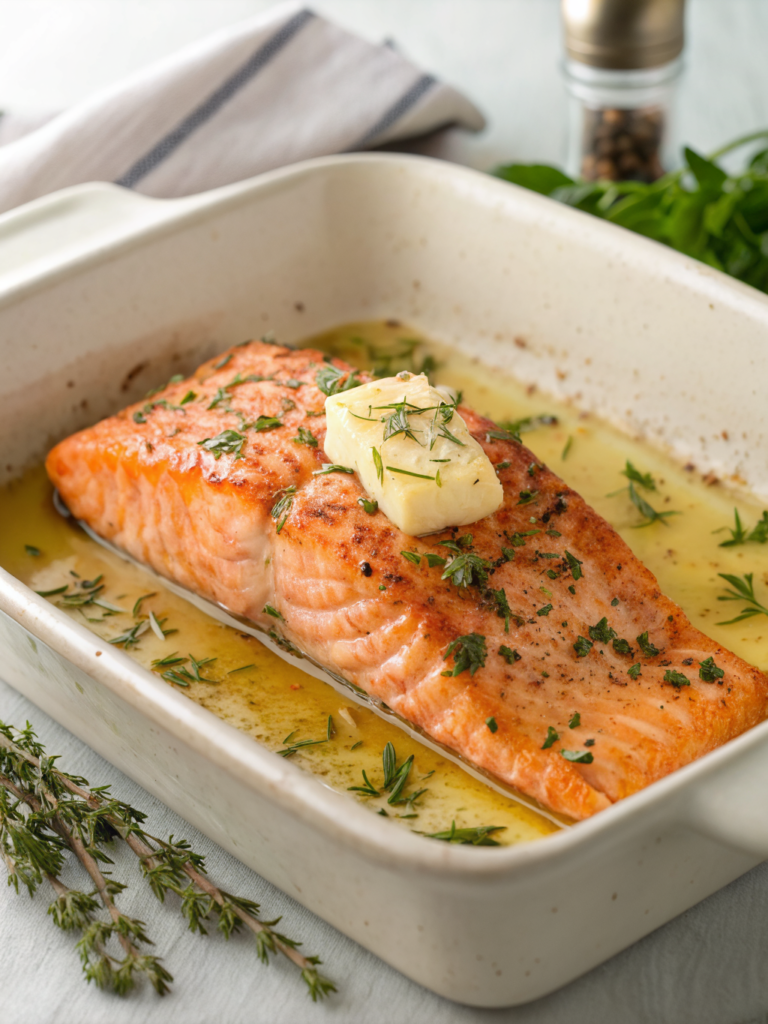
Baking is great for salmon with glaze. Preheat your oven to 400°F and put salmon on a lined baking sheet. Brush the glaze on the fillet and bake for 12 to 15 minutes, depending on thickness.
Success comes from applying glaze layers. Brush more glaze every 5 minutes. This makes the salmon caramelized and flavorful.
- Gentle, even heat works well for thicker fillets
- Requires minimal monitoring during cooking
- Allows easy glaze application without turning
- Creates consistent results every time
Grilling Techniques
Grilling adds smoky flavors that match many glazes. Preheat your grill to medium-high heat (375 to 400°F) and oil the grates. Place salmon skin-side down and cook for 3 to 4 minutes before brushing with glaze.
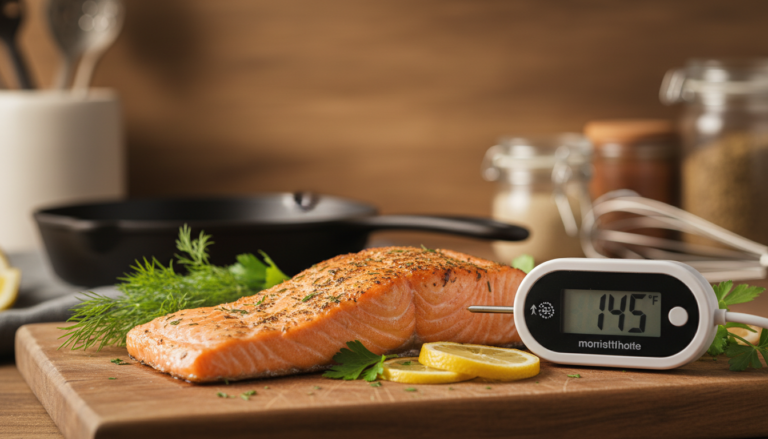
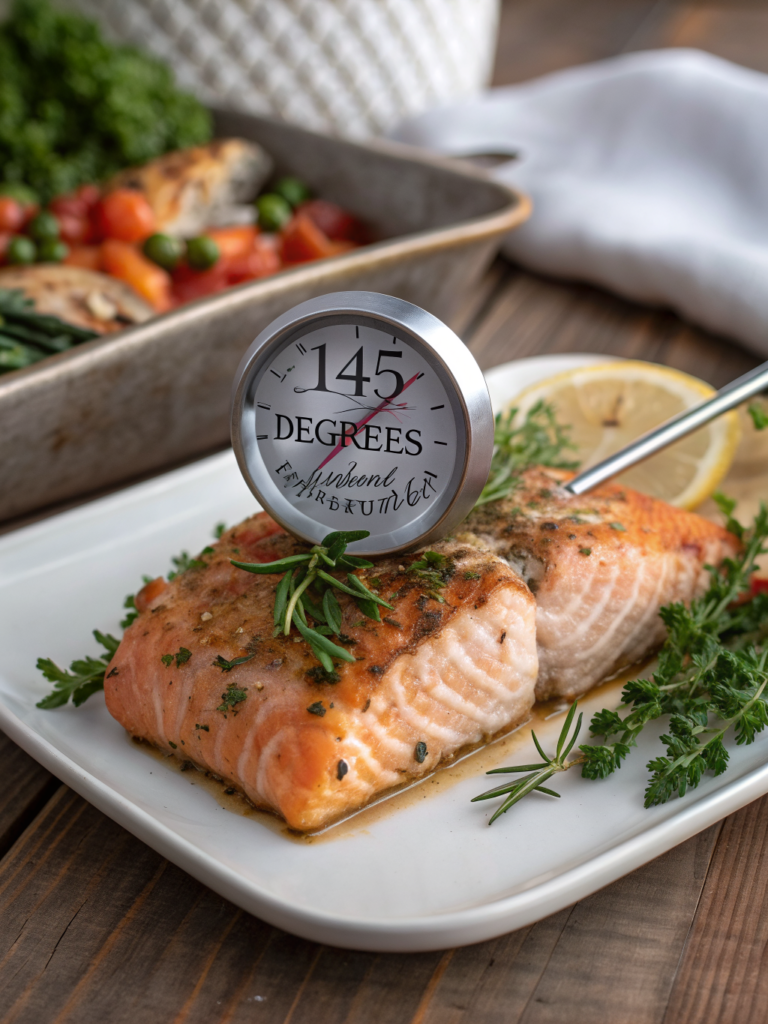
Flip the salmon carefully and apply more glaze. Cook until it reaches 145°F. Be careful, as high heat can burn the glaze.
- Adds smoky flavor to your salmon glaze recipe
- Creates beautiful grill marks
- Requires careful heat management
- Perfect for outdoor cooking
Pan-Searing Options
Pan-searing offers precise control over caramelization. Heat a heavy skillet over medium-high heat with oil. Sear salmon skin-side up for 3 to 4 minutes until the skin is golden and crispy.
Flip the salmon carefully and lower the heat to medium. Apply your glaze and cook for another 3 to 5 minutes, basting constantly. This method creates a delicious crust and keeps the inside moist and tender.
- Creates a delicious crispy skin
- Allows precise temperature control
- Best for quick weeknight dinners
- Keeps interiors moist and flaky
Pairing Salmon with Sides: A Complete Meal
Choosing the right sides is key to a complete meal with your best salmon glaze. The sides should enhance the salmon without overpowering it. Aim for a balanced plate with flavors and textures that work well together.
Side Dishes That Complement Glazed Salmon
The best salmon glaze goes well with sides that match its flavor. For sweet, Asian-inspired glazes, pick sides with ginger or sesame. Tangy glazes pair well with earthy veggies and neutral starches.
Think about texture contrasts too. The flaky salmon is great with crispy veggies or creamy starches.
- Roasted asparagus with lemon
- Garlic mashed potatoes
- Coconut rice
- Quinoa pilaf
- Roasted Brussels sprouts
- Steamed green beans with almonds
- Wild rice with mushrooms
Salad Ideas for a Fresh Touch
Fresh salads add a bright touch to your meal. They balance the richness of the salmon and add nutrients.
- Mixed greens with citrus vinaigrette
- Asian slaw with sesame dressing
- Cucumber and tomato salad with dill
- Arugula with shaved fennel and lemon
- Kale salad with tahini dressing
These salads make your meal complete. They highlight the salmon while keeping the meal fresh and enjoyable.
Storing and Reheating Salmon with Glaze
Your homemade salmon glaze makes your fish dish special. Storing it correctly keeps the quality and flavor intact. Proper storage and reheating methods protect your food and preserve the delicious taste you worked hard to create.
Best Practices for Refrigeration
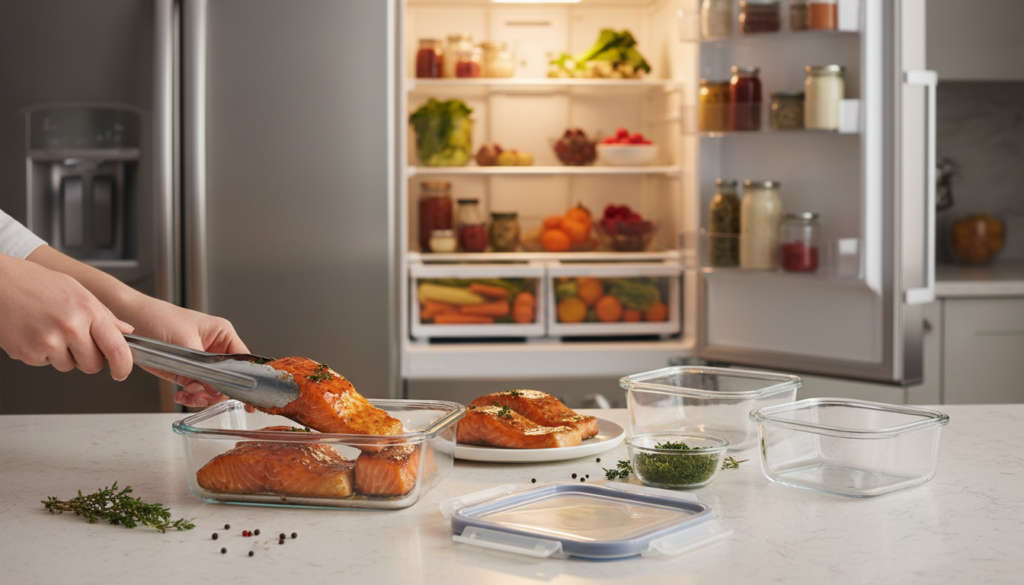
Let your glazed salmon cool to room temperature within 30 minutes after cooking. This step stops bacteria from growing. Place the cooled salmon in an airtight container and refrigerate it within two hours of finishing your meal.
Your homemade salmon glaze stays fresh in the refrigerator for about 3-4 days when stored correctly. Keep any extra glaze in a separate sealed container, where it lasts up to one week. Store salmon on the middle or bottom shelf where the temperature stays most consistent. Never stack heavy items on top of your delicate fish.
Reheating Tips for Retaining Flavor
Gentle reheating keeps your salmon moist and tasty. Use your oven at 275°F for 10-15 minutes while wrapping the salmon loosely in foil. This method beats microwaving because it preserves moisture better.
When time is short, microwave at 50% power in 30-second intervals. Add a tablespoon of water or extra homemade salmon glaze before reheating to restore moisture. Bring your salmon to room temperature for 15 minutes before reheating. This ensures even warming and prevents overcooking the edges.
- Cool salmon within 30 minutes
- Store in airtight containers
- Keep salmon on middle or bottom shelf
- Reheat at 275°F for 10-15 minutes
- Add extra glaze before reheating
- Let salmon reach room temperature first
“Proper storage turns leftover salmon into another delicious meal, not a waste.”
These storage and reheating steps keep your glazed salmon tasting fresh and flavorful. Your effort in making homemade salmon glaze deserves preservation techniques that honor that work.
Experimenting with Glaze Variations
Mastering basic salmon glaze recipes opens the door to creating your own unique glazes. The beauty of glazing salmon is its flexibility. You can turn a simple recipe into something new by tweaking flavors and ingredients.
Adding Spices for a Kick
Spices add heat and depth to your sweet salmon glaze. Start with small amounts and taste as you go. This method helps you achieve the perfect balance without overwhelming the fish.
Try these spicy ingredients for your next glaze:
- Sriracha sauce for garlicky heat
- Chipotle peppers in adobo for smoky warmth
- Red pepper flakes for simple heat
- Cayenne pepper for sharp spiciness
- Fresh jalapeños for fresh kick
- Harissa paste for North African complexity
Start with ½ teaspoon of hot sauce or ¼ teaspoon of cayenne pepper. Mix it in and taste. Add more for a stronger flavor. Each spice offers unique flavors. Sriracha adds garlic, while chipotle brings smokiness. Harissa adds cumin and coriander for a bold, worldly taste.
Incorporating Citrus for Brightness
Fresh citrus turns heavy glazes into light, refreshing coatings. Lemon, lime, orange, and grapefruit juices add bright, acidic notes. Citrus also tenderizes the fish when used in marinades.
Create these citrus-inspired combinations:
- Orange and ginger for Asian-inspired glazes
- Lemon and dill for Mediterranean styles
- Lime and cilantro for Latin flavors
- Grapefruit zest for bold, bitter contrast
Add fresh juice and zest to your sweet salmon glaze for balanced flavors. Your salmon glaze ideas become endless when you mix citrus with your favorite base ingredients. Experiment freely and find your signature taste.
Regional Variations of Salmon Glaze
Salmon glaze ideas go beyond simple recipes when you look at different cooking traditions. Each culture adds its own twist to this versatile fish. By trying glazes from around the world, you can take your salmon to new heights.
Southern BBQ Glaze
American Southern barbecue adds bold, smoky flavors to salmon. It combines tangy and sweet notes that are perfect for grilled or smoked salmon. You can make this glaze with common kitchen ingredients.
- ½ cup ketchup
- ¼ cup apple cider vinegar
- 3 tablespoons brown sugar
- 2 tablespoons molasses
- 1 tablespoon Worcestershire sauce
- 1 teaspoon smoked paprika
- ½ teaspoon garlic powder
- ¼ teaspoon cayenne pepper
Mix these ingredients and brush them on your salmon while it cooks. It pairs well with Southern sides like coleslaw and cornbread. This shows how barbecue techniques can enhance salmon.
Asian-Inspired Glazes
Asian cuisines offer amazing salmon glaze ideas that mix flavors in unique ways. Each culture has its own take on glazing fish.
- Japanese Miso Glaze: Uses white miso paste, mirin, and sake for umami depth and subtle sweetness
- Korean Gochujang Glaze: Combines fermented chili paste, sesame oil, and rice vinegar for heat and complexity
- Vietnamese Caramel Glaze: Blends fish sauce, sugar, and lime for sweet-salty-sour harmony
Japanese glazes focus on umami and delicate flavors. Korean ones mix fiery heat with fermented complexity. Southeast Asian styles blend sweet, salty, sour, and spicy perfectly. Salmon’s versatility makes it perfect for exploring global flavors.
Common Mistakes to Avoid When Using Salmon Glaze
Learning to make a salmon glaze recipe takes time. Even skilled cooks can make mistakes that spoil a dish. Knowing these common errors helps you cook salmon with glaze better every time.
Overcooking the Salmon
The biggest mistake is cooking salmon too long. It should reach an internal temperature of 145°F. At this point, it turns opaque and flakes easily with a fork. The center should look slightly translucent.
Remember, the fish will keep cooking after you take it off the stove. Remove it when it’s just a bit underdone to avoid a dry texture. Look for white albumin on the surface, which means it’s almost overcooked.
Thicker pieces need lower heat and longer cooking. Thinner tail pieces cook faster. When making your salmon glaze recipe, plan your cooking time based on the thickness to avoid uneven cooking.
Imbalanced Flavors
Your salmon glaze recipe might taste great in the bowl but could overpower the salmon. Always taste your glaze before applying it. Make sure the sweet, salty, acidic, and spicy flavors are balanced.
Start with a small amount of glaze on your fish. Add more if needed, but don’t drown the salmon. This way, you avoid flavor imbalances.
- Excessive sweetness? Add acid like lemon juice or salt
- Too much salt? Dilute with water or add sweetener
- Lacks depth? Include soy sauce or Worcestershire for umami
Your salmon glaze recipe works best when flavors enhance the fish without overpowering it. Test adjustments on small portions first before applying to your entire dish.
Conclusion: Making the Most of Your Salmon Glaze
You now have the tools to make glazed salmon like a pro at home. The techniques and recipes you’ve learned are a solid base for your cooking. Your kitchen is now ready for delicious meals that will wow your family and friends.
Encouragement to Experiment
Don’t be afraid to make this easy salmon glaze your own. Recipes are just guides, not strict rules. Try different sweetener combinations and adjust the balance between sweet and savory flavors. Each time you cook, you learn something new about what you love.
Seasonal ingredients offer fresh opportunities for your sweet salmon glaze. Summer berries, fall spices, and winter citrus can all transform your dish. Even unexpected combinations often lead to delicious discoveries. Your kitchen is a space for creativity and learning.
Final Tips for the Perfect Dish
Use fresh, high-quality salmon whenever possible. Bring your salmon to room temperature before cooking for even heat distribution. Apply your glaze at the right time—too early and the sugars will burn. Reserve some fresh glaze to serve alongside your finished fish for extra flavor.
Invest in an instant-read thermometer to take the guesswork out of cooking. Whether you prefer a sweet salmon glaze or something more complex, the core technique stays the same. You now possess the knowledge to prepare nutritious, delicious meals that are both easy to make and endlessly customizable for your taste.