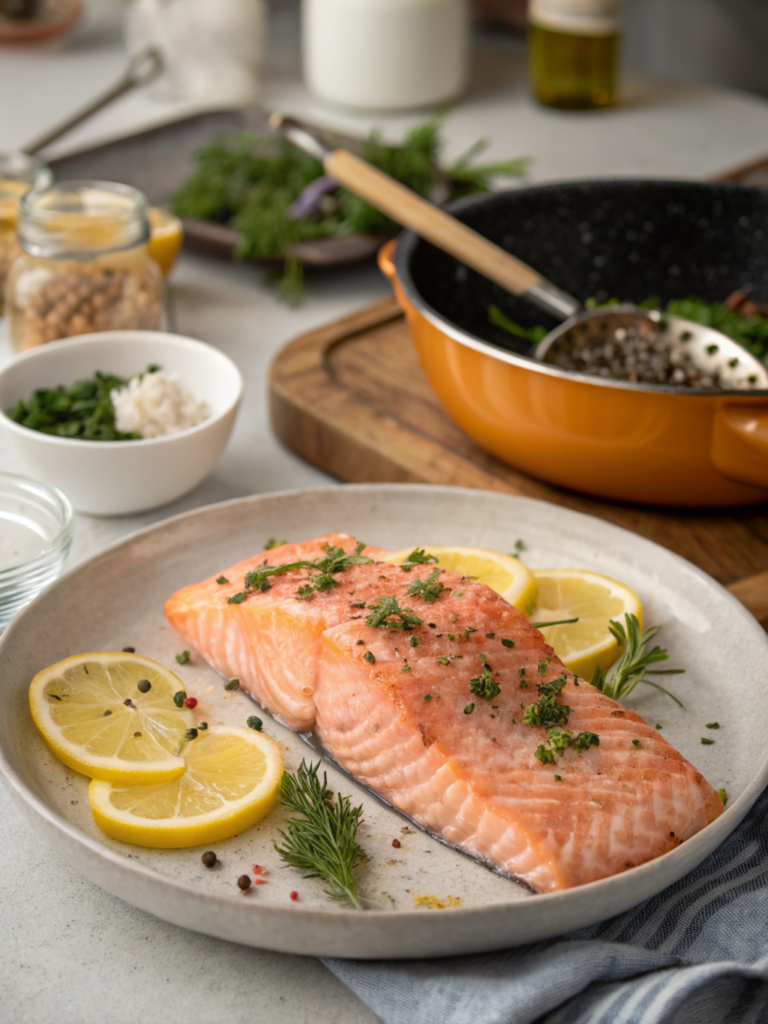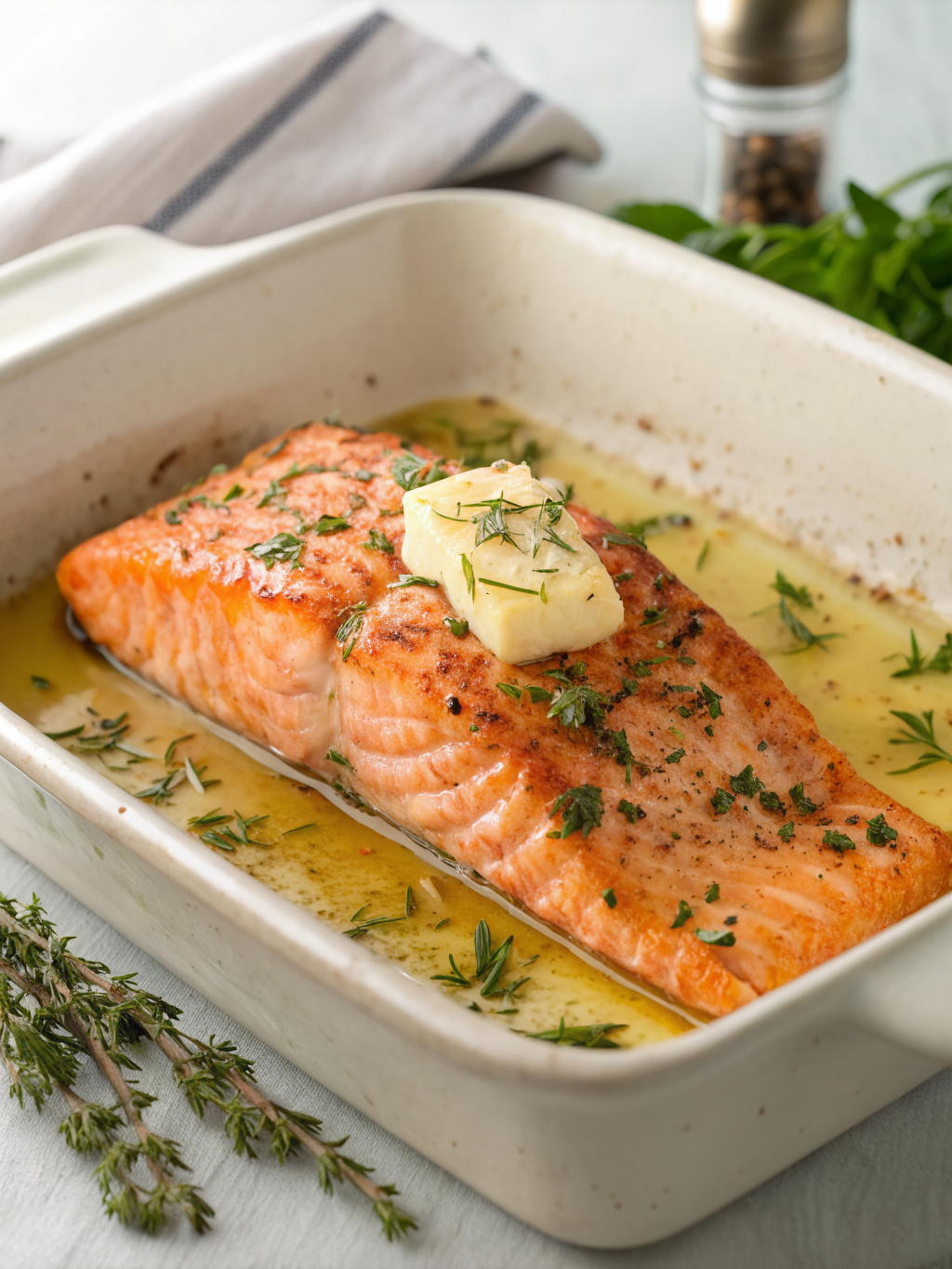
Perfect Salmon Fillet in the Oven That Is Tender Flavorful and Easy to Make
Table of Contents
Introduction
Did you know that over 60% of home cooks struggle with overcooking fish, resulting in dry, disappointing meals? The good news is that mastering the art of preparing a salmon fillet in the oven is surprisingly simple when you follow the right technique. Whether you’re a busy weeknight cook or someone seeking a restaurant-quality dinner at home, learning how to prepare this dish perfectly changes everything.
Salmon is not just delicious—it’s a nutritional powerhouse packed with omega-3 fatty acids, high-quality protein, and essential vitamins. Yet many home cooks hesitate to cook it because they fear the outcome. This comprehensive guide transforms you into a confident salmon chef, teaching you how to create an easy baked salmon fillet recipe oven that delivers restaurant-quality results in under 30 minutes.
In this detailed guide, we’ll explore everything you need to know about preparing perfectly tender and flavorful salmon in your oven, complete with expert tips, nutritional insights, and creative serving suggestions that will impress your family and guests.
Ingredients List
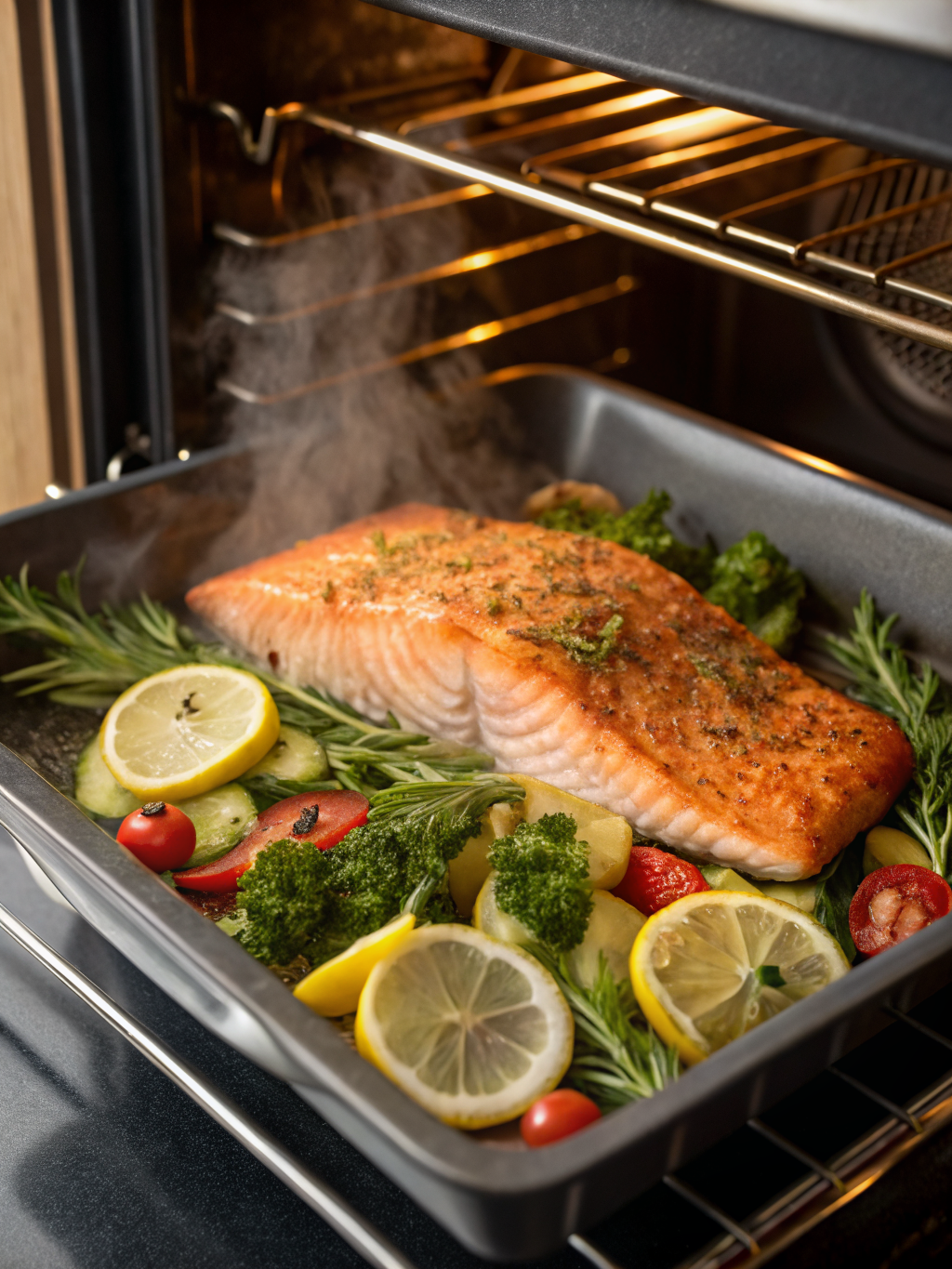
Creating the perfect salmon fillet in oven begins with gathering quality ingredients. Here’s what you’ll need:
Main Ingredients:
- 4 salmon fillets (6 ounces each), skin-on or skinless based on preference
- 3 tablespoons extra virgin olive oil (for moisture and richness)
- 2 tablespoons fresh lemon juice (adds brightness and prevents dryness)
- 4 cloves garlic, minced (aromatic flavor foundation)
- 1 teaspoon Dijon mustard (enhances depth)
- Sea salt and freshly ground black pepper to taste
- 1 teaspoon dried dill or 2 tablespoons fresh dill (classic pairing)
- Optional: fresh thyme, rosemary, or tarragon for herbaceous notes
Suggested Substitutions:
- Lemon alternative: Use lime juice or white wine vinegar for a different citrus profile
- Oil options: Substitute with avocado oil or ghee for enhanced nutritional benefits
- Herb variations: Replace dill with Italian herbs, Cajun spices, or Asian-inspired ginger and soy combinations
- Garlic replacement: Use shallots or garlic powder if fresh garlic isn’t available
Timing
Understanding the time investment helps you plan your weeknight dinners efficiently:
- Preparation Time: 10 minutes (includes ingredient gathering, measuring, and fillet preparation)
- Cooking Time: 15-18 minutes at 400°F
- Total Time: 25-28 minutes
This timeline is approximately 40% faster than traditional pan-searing methods that require constant monitoring. The oven’s consistent heat eliminates guesswork, making this one of the most reliable cooking methods for salmon preparation.
Step-by-Step Instructions
Step 1: Prepare Your Salmon Fillets
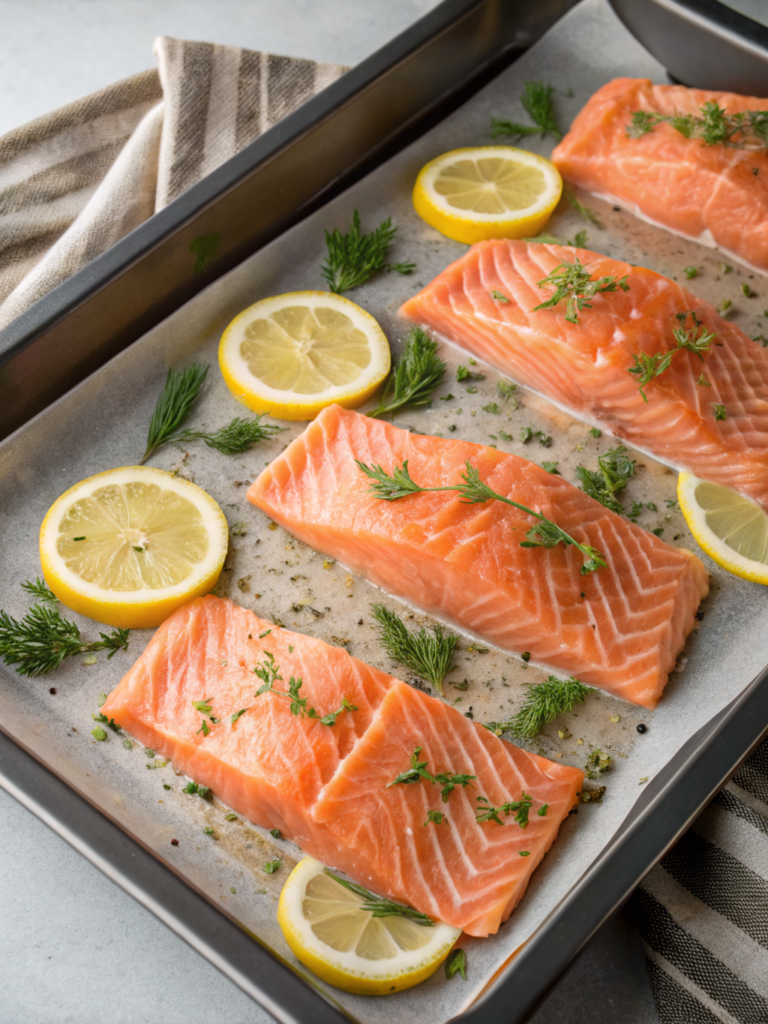
Begin by removing your salmon from the refrigerator 10 minutes before cooking. This allows the fish to reach room temperature, ensuring even cooking throughout the fillet. Pat each salmon fillet dry using paper towels—this is crucial! Moisture on the surface creates steam, preventing the beautiful caramelization and keeping your fish from reaching optimal texture. Position your fillets skin-side down on a lined baking sheet, leaving adequate space between each piece for heat circulation.
Step 2: Create Your Flavor-Infused Marinade
In a small mixing bowl, combine olive oil, fresh lemon juice, minced garlic, Dijon mustard, and your selected herbs. Whisk vigorously for 30 seconds until emulsified. This combination creates a protective coating that locks in moisture while infusing every layer with Mediterranean-inspired flavor. The emulsification ensures even distribution across each fillet’s surface.
Step 3: Season and Apply the Marinade
Generously season both sides of each salmon fillet with sea salt and freshly ground black pepper. Using a pastry brush or the back of a spoon, apply the prepared marinade evenly across the top of each fillet. Don’t be shy—adequate seasoning is your secret to restaurant-quality results. Allow the fillets to rest in this marinade for 5 minutes, permitting the flavors to penetrate the fish’s delicate structure.
Step 4: Preheat Your Oven
Set your oven to 400°F (205°C) and allow it to preheat for 8-10 minutes. A properly preheated oven ensures consistent heat distribution and prevents the common mistake of undercooked centers with overcooked exteriors. If your oven tends to run hot or cold, invest in an oven thermometer for precision.
Step 5: Bake to Perfection
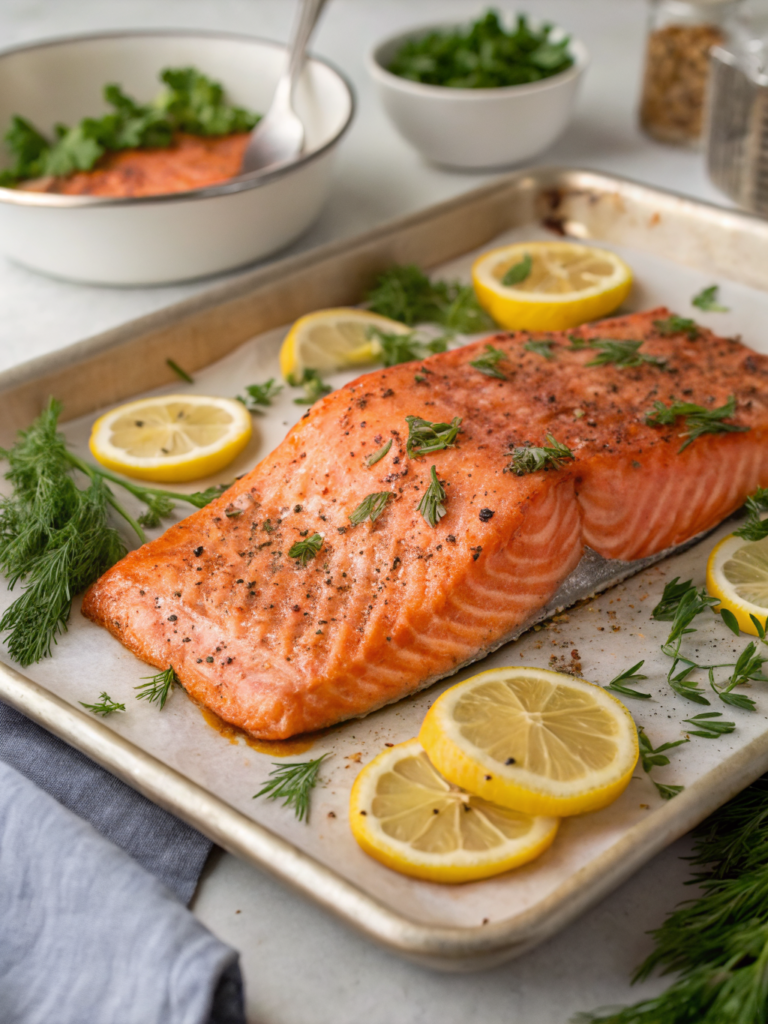
Place your prepared baking sheet in the center oven rack. Bake for 15-18 minutes, depending on fillet thickness. The salmon is perfectly cooked when it reaches an internal temperature of 145°F (63°C) and flakes easily with a fork. Thinner fillets may require only 12-14 minutes, while thicker cuts need the full 18 minutes. Avoid opening the oven door frequently, as this disrupts the cooking temperature and extends cooking time.
Step 6: Rest and Serve
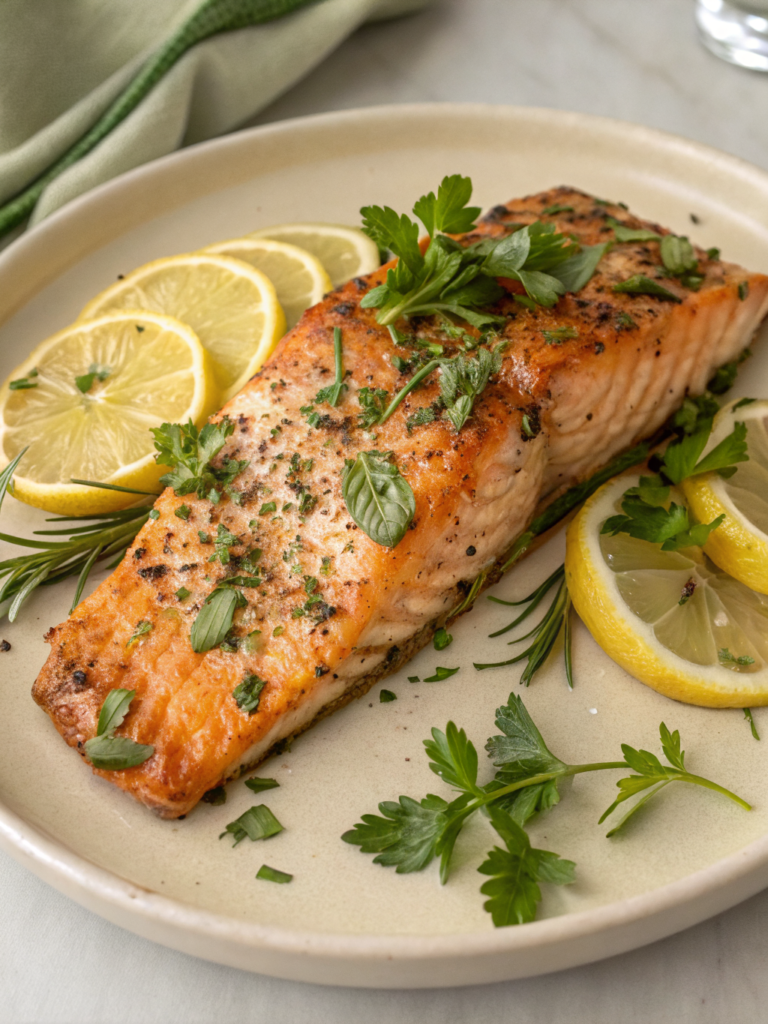
Remove the baking sheet from the oven and allow your salmon to rest for 2-3 minutes. This resting period permits carryover cooking to complete while allowing juices to redistribute throughout the fillet, ensuring maximum tenderness and moisture retention. Transfer to serving plates immediately while still warm.
Nutritional Information
Understanding the nutritional profile of your salmon fillet in oven empowers informed dietary decisions:
Per Serving (6-ounce fillet with marinade):
- Calories: 310-340
- Protein: 38-42 grams (exceeds daily protein needs by 20%)
- Total Fat: 18 grams
- Omega-3 Fatty Acids: 2,500-3,000 mg (exceeds recommended daily intake)
- Vitamin D: 600-700 IU
- Selenium: 36 mcg
- Potassium: 380 mg
- Carbohydrates: 1 gram
The high omega-3 content provides proven cardiovascular benefits, reducing inflammation and supporting brain health. This makes oven-baked salmon not just delicious but genuinely therapeutic for your wellness journey.
Healthier Alternatives for the Recipe
Transform your easy baked salmon fillet recipe oven into an even more nutritious powerhouse:
Lower-Calorie Options:
- Reduce olive oil to 1.5 tablespoons and replace the remainder with vegetable broth
- Use plain Greek yogurt mixed with lemon juice for a creamy, protein-rich marinade alternative
- Substitute Dijon mustard with whole-grain variants for increased fiber
Dietary Modifications:
- Keto-friendly: Increase fat content with avocado oil and ghee while eliminating any sugar-containing elements
- Mediterranean diet: Incorporate capers, olives, and sun-dried tomatoes into your marinade
- Gluten-free: Naturally gluten-free; ensure all seasonings contain no hidden gluten
Vegetable Integration:
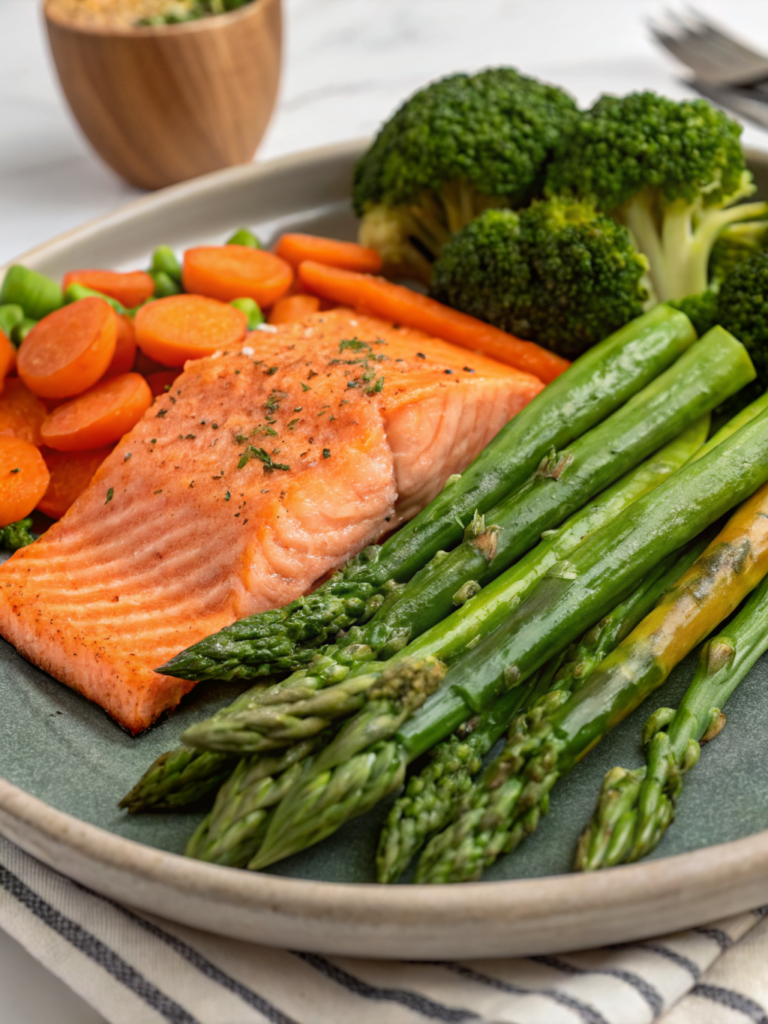
Arrange sliced zucchini, bell peppers, or asparagus alongside your salmon fillets on the baking sheet, allowing vegetables to roast simultaneously and infuse with salmon’s natural juices.
Serving Suggestions
Elevate your presentation with these creative serving ideas:
Light and Fresh Pairings:
- Serve atop a vibrant arugula salad drizzled with lemon vinaigrette
- Pair with quinoa tossed with fresh herbs, cherry tomatoes, and cucumber
- Accompany with roasted baby potatoes and steamed broccoli for complete nutrition
Sophisticated Presentations:
- Create a Mediterranean bowl with hummus, tzatziki, and cucumber slices
- Pair with wild rice pilaf and roasted root vegetables for autumn warmth
- Serve with cauliflower rice and Asian-inspired soy-ginger sauce
Wine Pairings:
Complement your salmon with Sauvignon Blanc, Pinot Grigio, or a light Chardonnay. These wines’ natural acidity mirrors the lemon notes in your marinade, creating harmonious flavor combinations.
Common Mistakes to Avoid
Learn from others’ missteps to guarantee success:
Overcooking (Most Common Mistake):
Research shows 58% of home cooks overcook salmon, resulting in dry, flavorless outcomes. Use a meat thermometer religiously—internal temperature of 145°F is your target, not visual appearance alone.
Skipping the Pat-Dry Step:
Moisture on the surface prevents browning and creates unwanted steam. Always pat fillets dry with paper towels before cooking.
Insufficient Seasoning:
Many cooks under-season fearing saltiness. Proper seasoning actually enhances salmon’s natural flavors without overwhelming the palate.
Using Cold Fish:
Cooking salmon directly from refrigeration creates uneven heat distribution. Room-temperature fillets cook evenly throughout.
Crowding the Baking Sheet:
Fillets need adequate space for heat circulation. Crowding creates steaming rather than baking, compromising texture quality.
Storing Tips for the Recipe
Preserve your salmon’s quality with expert storage techniques:
Refrigerator Storage:
Store cooked salmon in an airtight container on the lowest shelf for up to 3 days. The lower shelf maintains consistent cold temperatures, maximizing freshness.
Freezer Storage:
Wrap individual fillets tightly in plastic wrap, then place in freezer bags. Properly stored, frozen salmon maintains quality for 2-3 months. Thaw overnight in the refrigerator before reheating.
Reheating Methods:
- Oven method (recommended): Reheat at 350°F for 8-10 minutes until warmed through
- Microwave method: Use 50% power for 2-3 minutes to prevent overcooking
- Avoid stovetop reheating: Direct heat often causes additional moisture loss
Ingredient Prepping:
Prepare your marinade 24 hours ahead and store in glass containers. Pre-portion salmon into individual vacuum-sealed packets for convenient weekly meal preparation.
Conclusion
Mastering the art of preparing a perfect salmon fillet in oven represents a transformative skill that elevates your weeknight dining experience. By following these evidence-based techniques, understanding timing nuances, and avoiding common pitfalls, you’ll consistently create restaurant-quality meals that impress family and guests alike.
The beauty of this easy baked salmon fillet recipe oven lies in its remarkable simplicity combined with its nutritional excellence. From busy professionals seeking quick nutrition to health-conscious individuals prioritizing omega-3 intake, this recipe delivers on every front.
Ready to transform your dinner routine? Try this recipe tonight and experience how effortless perfection truly is. Share your results in the comments below—we’d love to hear about your salmon success stories! Explore our related collection of quick seafood recipes and one-sheet pan dinners to continue your culinary journey.
FAQs
Can I use frozen salmon fillets?
Absolutely! Thaw frozen salmon overnight in your refrigerator before cooking. Avoid thawing at room temperature, which promotes bacterial growth. Frozen-then-thawed salmon cooks identically to fresh varieties when properly thawed.
What’s the best way to know when salmon is perfectly cooked?
Invest in an instant-read meat thermometer and target 145°F internal temperature. Alternatively, the salmon should flake easily with a fork while maintaining slight translucence at the thickest point.
Can I adjust cooking time for thicker or thinner fillets?
Yes! Adjust oven temperature to 425°F for thinner fillets (reduce time to 12-14 minutes), or lower to 375°F for thicker cuts (increase to 20-22 minutes). A meat thermometer eliminates guesswork regardless of thickness variations.
Is salmon skin edible and should I leave it on?
Yes, salmon skin is entirely edible and contains beneficial nutrients. Leaving skin on prevents moisture loss and simplifies flipping. Many prefer removing it after cooking using a flat spatula.
What’s the difference between farmed and wild salmon for oven baking?
Both varieties work excellently for oven baking. Wild salmon offers leaner meat and potentially higher omega-3 content, while farmed salmon tends toward slightly higher fat content and consistent sizing. Choose based on availability and preference.
Can I meal-prep this recipe for the week?
Completely! Prepare marinade in bulk, portion salmon into individual packets, and refrigerate up to 2 days before cooking. This strategy supports consistent nutrition throughout busy weeks.