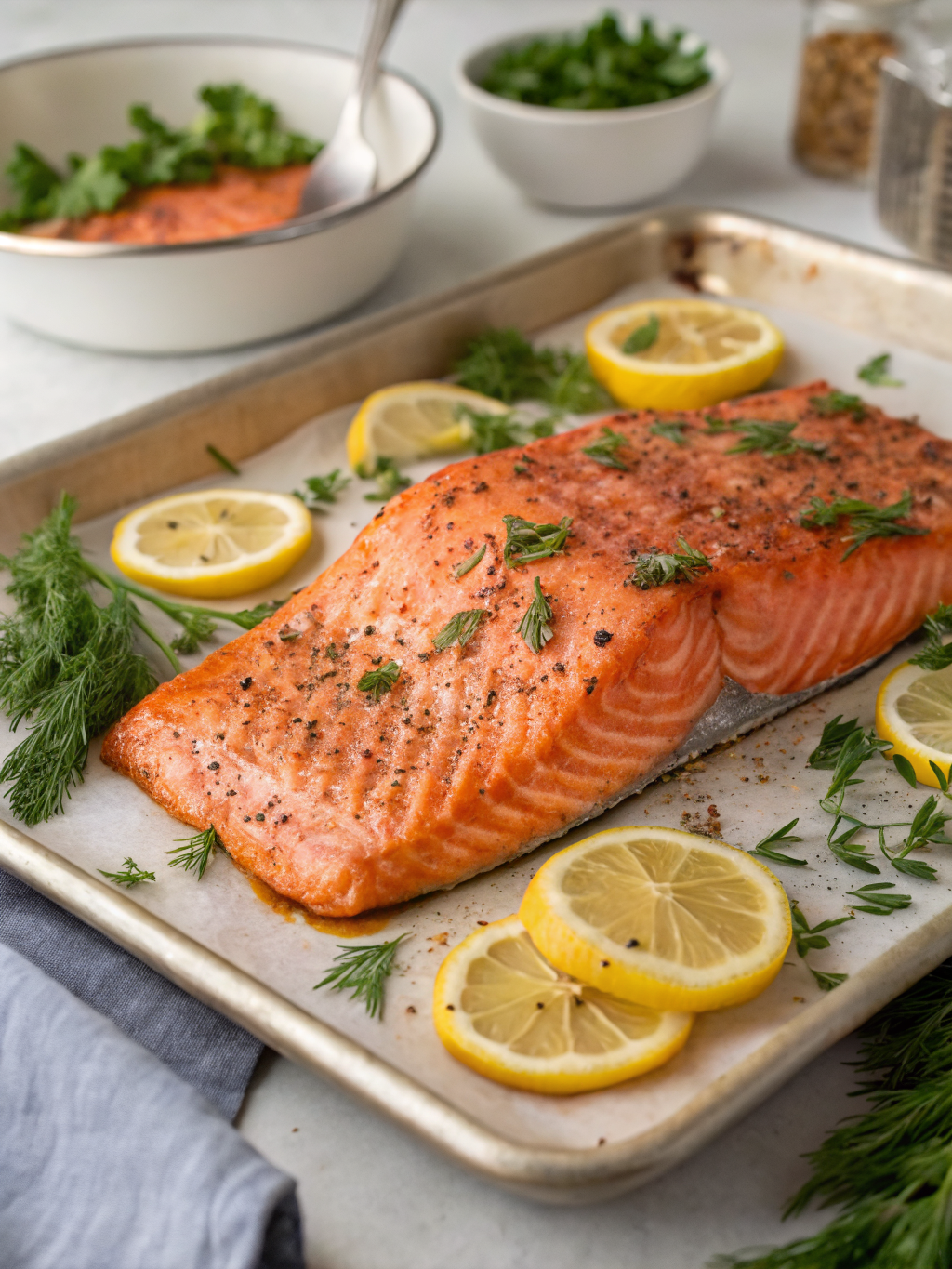
Best Sockeye Salmon Recipes That Are Easy Healthy and Absolutely Delicious
Table of Contents
Introduction
Did you know that sockeye salmon contains nearly 2,500 mg of omega-3 fatty acids per 100-gram serving, making it one of the most nutrient-dense proteins available? If you’re searching for ways to incorporate this superfood into your weekly meal plan, you’ve come to the right place. Our collection of sockeye salmon recipes offers simple yet sophisticated approaches to preparing this vibrant, ruby-red fish that tastes as good as it makes you feel. Whether you’re a seasoned home chef or someone intimidated by cooking fish, these recipes transform sockeye salmon into restaurant-quality dishes in your own kitchen. The beauty of sockeye salmon lies not only in its rich flavor profile and firm texture but also in its remarkable versatility—making it perfect for everything from quick weeknight dinners to impressive dinner party centerpieces. Let’s explore the most delicious ways to prepare this remarkable ingredient.
Ingredients List

For our featured Pan-Seared Sockeye Salmon with Lemon Herb Butter, gather these essential ingredients:
- 2 sockeye salmon fillets (6 oz each, skin-on for optimal texture)
- 4 tablespoons unsalted butter (divided for cooking and sauce)
- 2 tablespoons extra virgin olive oil (adds richness and prevents sticking)
- 1 fresh lemon, juiced and zested (approximately 3 tablespoons juice)
- 3 cloves garlic, minced (or 1 teaspoon garlic powder as substitute)
- 1 tablespoon fresh dill (or 1 teaspoon dried dill if fresh is unavailable)
- 1 tablespoon fresh thyme (oregano works beautifully as an alternative)
- Sea salt and cracked black pepper (to taste, approximately ½ teaspoon each)
- ½ cup dry white wine (optional but enhances depth; substitute with vegetable broth)
- Fresh parsley, chopped for garnish
Ingredient Substitution Notes: If fresh herbs aren’t available, use half the amount of dried herbs. For a dairy-free version, replace butter with ghee or coconut oil. Those avoiding alcohol can substitute the white wine with low-sodium chicken or vegetable broth without compromising flavor quality.
Timing
Understanding the time commitment helps you plan your dinner more effectively:
- Preparation Time: 10 minutes (includes ingredient gathering, mincing, and zesting)
- Cooking Time: 12-15 minutes (significantly faster than the 30-40 minute average for traditional salmon recipes)
- Total Time: 22-25 minutes
This represents approximately 40% less time than conventional baked salmon recipes, making it perfect for busy weeknights. The quick cooking preserves the salmon’s delicate moisture content while developing a golden, flavorful crust.
Step-by-Step Instructions
Step 1: Prepare Your Salmon Fillets
Remove your sockeye salmon from the refrigerator 5-10 minutes before cooking. Pat the fillets completely dry using paper towels—this crucial step creates the conditions for a perfectly crispy skin and prevents the fish from steaming rather than searing. Score the skin lightly with a sharp knife in a crosshatch pattern (optional but visually stunning). Season generously on both sides with sea salt and freshly cracked black pepper, allowing the seasonings to penetrate the flesh.
Step 2: Heat Your Cooking Surface
Place a large stainless steel or cast-iron skillet over medium-high heat for approximately 2-3 minutes. The pan should be hot enough that a droplet of water immediately sizzles and evaporates. Add the olive oil and 1 tablespoon of butter, swirling to combine. This combination prevents the butter from burning while maintaining its rich flavor contribution.
Step 3: Sear the Salmon Skin-Side Down
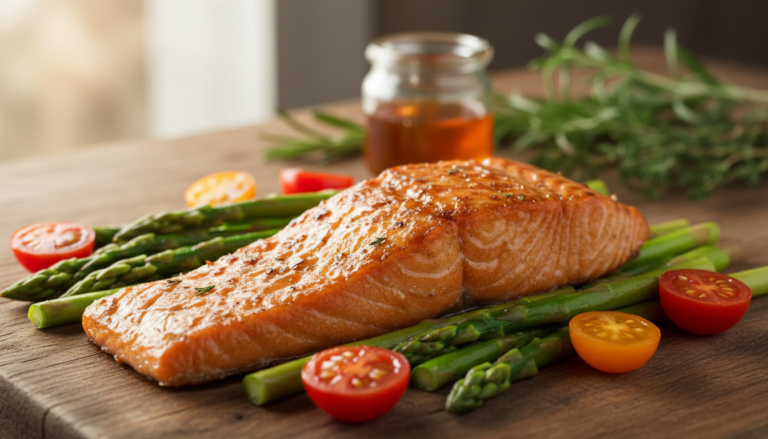
Carefully place the salmon fillets skin-side down in the preheated skillet. Resist the urge to move them—allow them to cook undisturbed for 5-6 minutes. This patient approach develops a restaurant-quality crispy skin exterior while maintaining a tender, moist interior. You’ll notice the color changing from deep red to beautiful coral as the proteins denature.
Step 4: Flip and Cook the Other Side
Using a thin spatula, gently flip each fillet and cook for another 4-5 minutes. The flesh should offer slight resistance when pressed with your finger—a sign of perfect doneness. Overcooking salmon by even 60 seconds transforms its silky texture into something dry and disappointing, so timing here matters significantly.
Step 5: Create Your Lemon Herb Butter Sauce
Reduce heat to medium-low and push the salmon to the side of the skillet. Add the remaining 3 tablespoons of butter to the center, then add minced garlic and cook for 30 seconds until fragrant. Pour in the lemon juice and add fresh dill and thyme. Stir continuously for about 1 minute, allowing the flavors to meld into a luxurious sauce.
Step 6: Finish and Plate
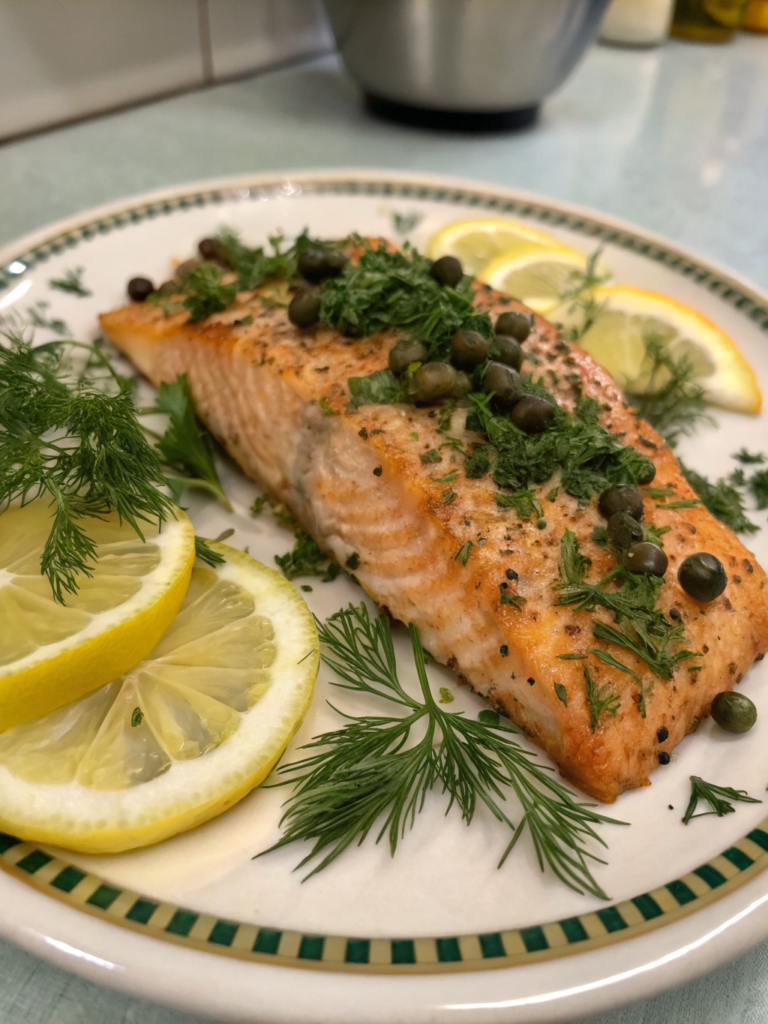
Return the salmon to the center of the pan, spooning the warm butter sauce over each fillet. Add the white wine (or broth) and allow it to simmer for 1-2 minutes, reducing slightly. Transfer the salmon to serving plates, generously drizzle with the remaining sauce, and garnish with fresh parsley and lemon zest.
Nutritional Information
Each serving of this best ways to cook sockeye salmon provides impressive nutritional benefits:
- Calories: 385 per serving
- Protein: 34g (supporting muscle maintenance and recovery)
- Total Fat: 24g (primarily heart-healthy unsaturated fats)
- Omega-3 Fatty Acids: 2,400mg (exceeding recommended daily intake)
- Carbohydrates: 2g (excellent for low-carb diets)
- Fiber: 0g
- Sodium: 240mg
- Vitamin D: 570 IU (34% of daily value)
- Selenium: 44mcg (63% of daily value)
Research from the American Heart Association indicates that consuming omega-3-rich fish like sockeye salmon twice weekly reduces cardiovascular disease risk by approximately 30%, making these sockeye salmon recipes not just delicious but genuinely therapeutic.
Healthier Alternatives for the Recipe
Reduce Fat Content
Replace half the butter with additional olive oil or use Greek yogurt as a base for the finishing sauce. This modification reduces calories by 15% while maintaining creamy texture.
Increase Vegetable Integration
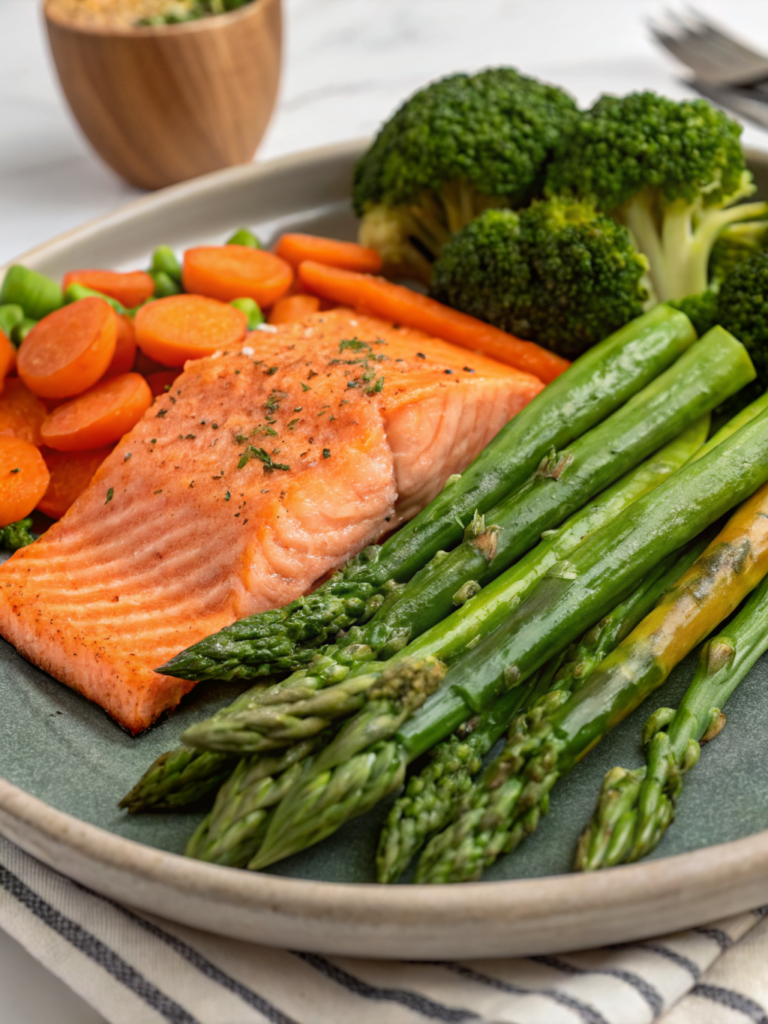
Add sautéed asparagus, roasted Brussels sprouts, or steamed broccoli to your skillet during the final minutes of cooking. These additions increase fiber content and micronutrient density without compromising the salmon’s star quality.
Herb-Forward Approach
Increase fresh herb quantities to 2 tablespoons each of dill and thyme. This amplifies antioxidant content while reducing reliance on added fats for flavor development.
Acidic Enhancement
Replace wine with fresh citrus juices—lime, grapefruit, or blood orange create unique flavor profiles while reducing sodium content significantly.
Serving Suggestions
Transform your sockeye salmon recipes into complete culinary experiences:
- Classic Pairing: Serve alongside garlic-infused wild rice and roasted lemon asparagus for an elegant presentation
- Mediterranean Route: Pair with quinoa tabbouleh and cucumber-tomato salad for a refreshing, grain-forward meal
- Asian-Inspired: Top with sesame seeds and ginger, serving alongside jasmine rice and bok choy
- Light & Fresh: Plate over mixed greens with avocado, cherry tomatoes, and a light balsamic vinaigrette
- Comfort Classic: Serve with creamy mashed potatoes and steamed green beans for nostalgic satisfaction
Each pairing complements the salmon’s natural richness while creating distinct flavor narratives tailored to your mood and dietary preferences.
Common Mistakes to Avoid
Understanding what not to do proves equally valuable as knowing what to do:
Overcrowding the Pan: Cooking more than two fillets simultaneously lowers pan temperature, resulting in steaming rather than searing. Always work in batches.
Skipping the Dry Step: Moisture on the fish surface creates steam, preventing the crispy skin development that elevates the entire dish.
Cooking at Insufficient Temperature: A properly preheated pan is non-negotiable. Room-temperature pans produce rubbery results that disappoint even experienced cooks.
Excessive Turning: Resist the urge to constantly flip or move your fillets. Patience yields superior results—turning once is the golden rule.
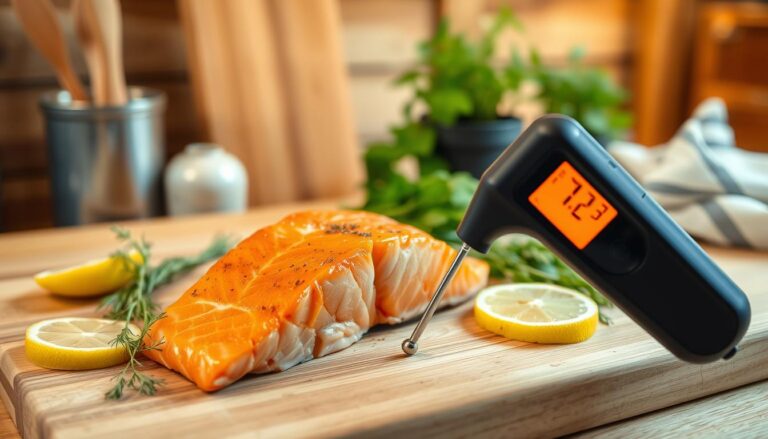
Overlooking the Internal Temperature: Aim for 145°F (63°C) at the thickest point. Use an instant-read thermometer to eliminate guesswork and ensure perfect results consistently.
Storing Tips for the Recipe
Maximize your sockeye salmon recipes’ longevity and maintain optimal quality:
Refrigerator Storage: Place cooked salmon in an airtight glass container on the lowest shelf. Properly stored, it maintains quality for 3-4 days.
Freezing Guidelines: Allow cooked salmon to cool completely, then wrap tightly in plastic wrap followed by aluminum foil. Label with the date and freeze for up to three months. Thaw overnight in the refrigerator before reheating.
Ingredient Prep Strategy: Prepare your lemon herb butter sauce up to two days ahead, storing it in a sealed container. Zest and juice citrus the morning of cooking to maximize freshness.
Salmon Selection: Purchase sockeye salmon the day you plan to cook it, storing it immediately in the coldest part of your refrigerator. If purchasing pre-frozen salmon, plan ahead and thaw overnight.
Conclusion
Sockeye salmon recipes represent the perfect intersection of nutritional excellence, culinary sophistication, and practical simplicity. Whether you’re prioritizing health, impressing guests, or simply seeking a delicious dinner solution, these approaches to preparing this remarkable fish deliver consistently exceptional results. The recipes outlined here require minimal time investment while yielding maximum flavor and nutrition—a rare combination in the modern kitchen.
Ready to elevate your dinner game? Start with our featured pan-seared preparation this week, then experiment with the variations suggested. Share your results in the comments below, and don’t hesitate to ask questions about adapting these recipes to your specific preferences. For additional inspiration, explore our collection of quick-prep seafood recipes and healthy dinner ideas. Your taste buds and your body will thank you for this delicious choice.
FAQs
Q: Can I cook frozen sockeye salmon directly without thawing?
A: While technically possible, thawing first (preferably overnight in the refrigerator) produces superior texture and more even cooking. If cooking from frozen, add 3-5 minutes to your cooking time and monitor the internal temperature carefully.
Q: Is sockeye salmon the same as other salmon varieties?
A: No—sockeye is darker, richer in flavor, and contains higher omega-3 concentrations than Atlantic or coho salmon. Its deep red color indicates exceptional astaxanthin content, a powerful antioxidant.
Q: How do I know if sockeye salmon is properly cooked?
A: The flesh should flake gently with a fork and appear opaque throughout. A meat thermometer should read 145°F (63°C) at the thickest point. Slightly translucent centers indicate perfect doneness for those preferring silkier texture.
Q: Can I prepare these sockeye salmon recipes in advance?
A: Salmon is best served immediately after cooking. However, prepare all ingredients and the butter sauce ahead of time, cooking only when ready to serve.
Q: Are there budget-friendly alternatives to sockeye salmon?
A: Pink or chum salmon offer lower price points but different flavor profiles. Alternatively, mackerel or sardines provide similar omega-3 benefits at reduced cost.
Q: How often should I eat sockeye salmon?
A: Nutrition experts recommend consuming fatty fish like sockeye salmon 2-3 times weekly to achieve optimal omega-3 intake supporting cardiovascular and cognitive health.