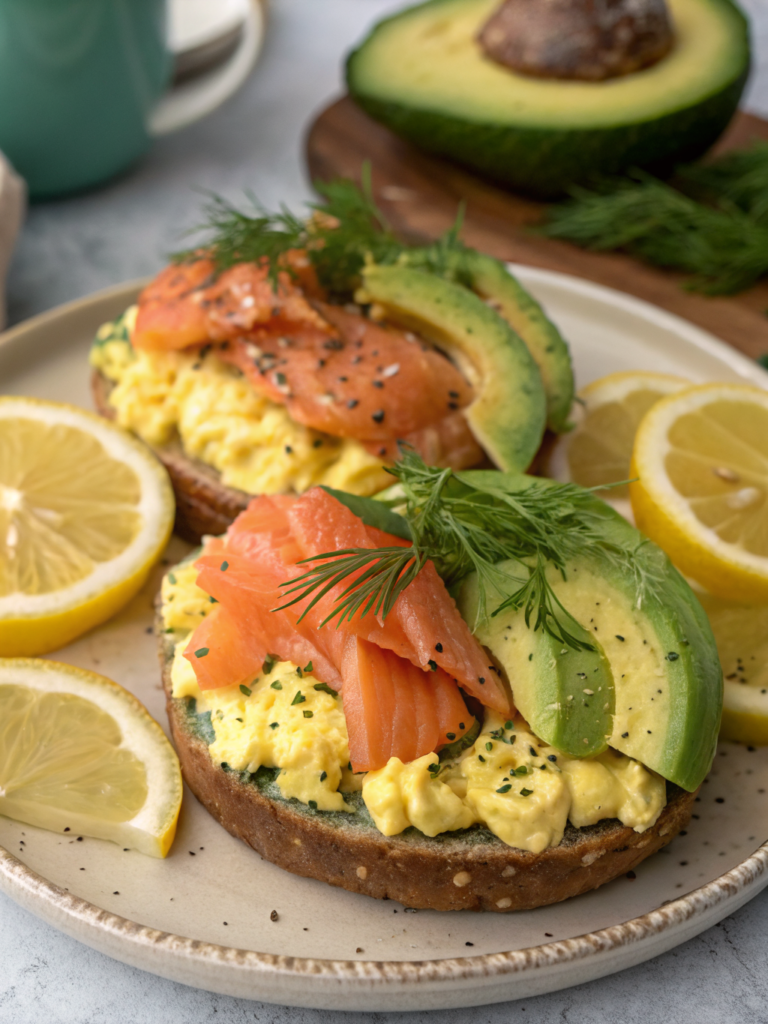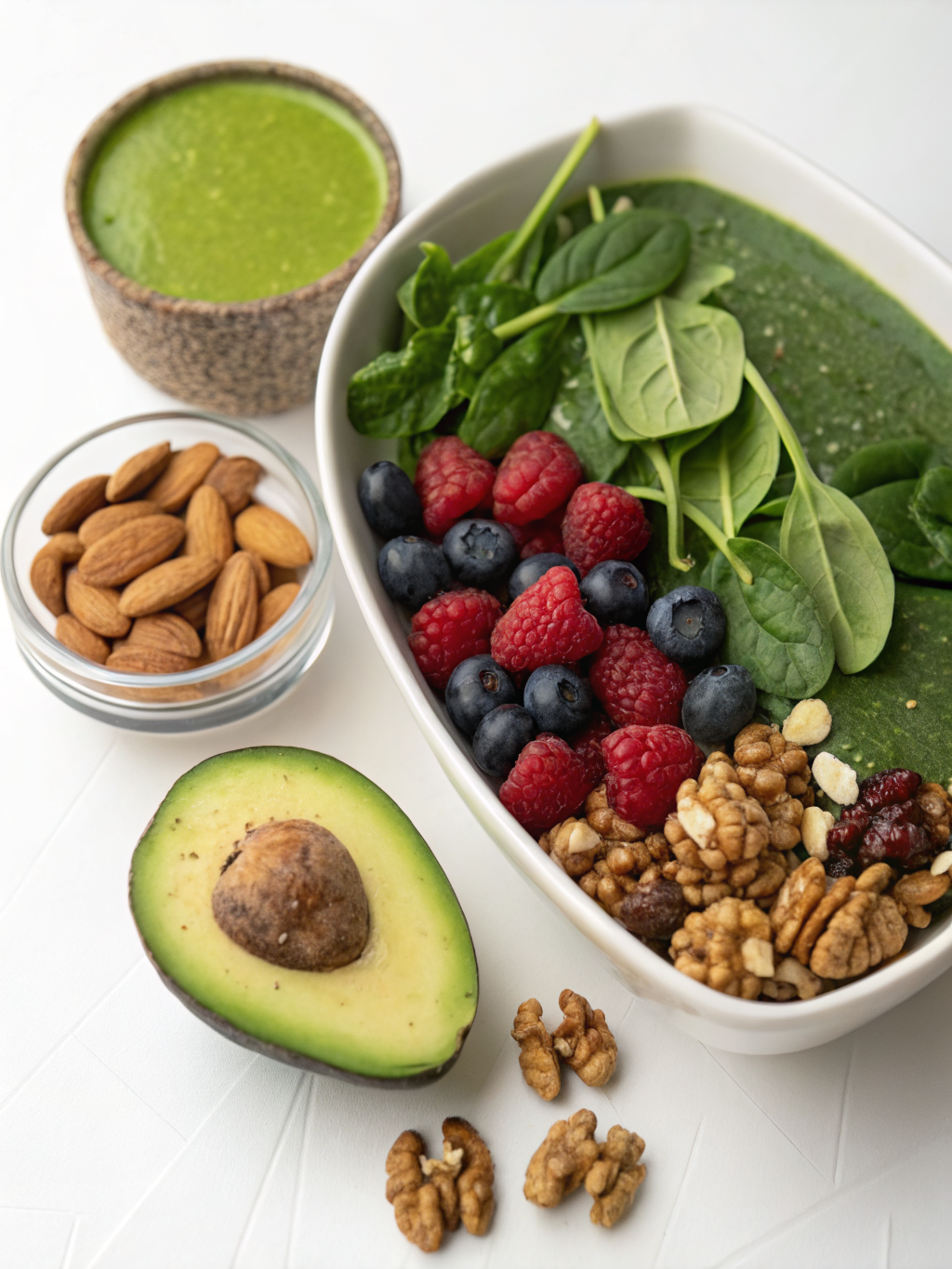
Best Keto Smoothie Recipes That Are Low Carb Filling and Delicious
Table of Contents
Introduction
Did you know that the average person on a ketogenic diet struggles to find satisfying breakfast options that don’t derail their macronutrient goals? Here’s the surprising truth: keto smoothie recipes can be your secret weapon for maintaining ketosis while enjoying delicious, filling meals that taste like indulgence rather than sacrifice.
The ketogenic lifestyle has transformed millions of lives, with research showing that those following a keto diet experience improved energy levels, enhanced mental clarity, and sustainable weight management. However, the challenge remains: how do you create breakfast smoothies that align with your macronutrient targets while satisfying your taste buds? Low carb smoothie ideas for keto diet have emerged as a game-changer, offering the perfect balance between convenience, nutrition, and flavor.
This comprehensive guide explores expertly-crafted keto smoothie recipes designed to keep you satiated, energized, and fully committed to your health goals. Whether you’re a keto veteran or just beginning your low-carb journey, these recipes will revolutionize your morning routine.
Ingredients List
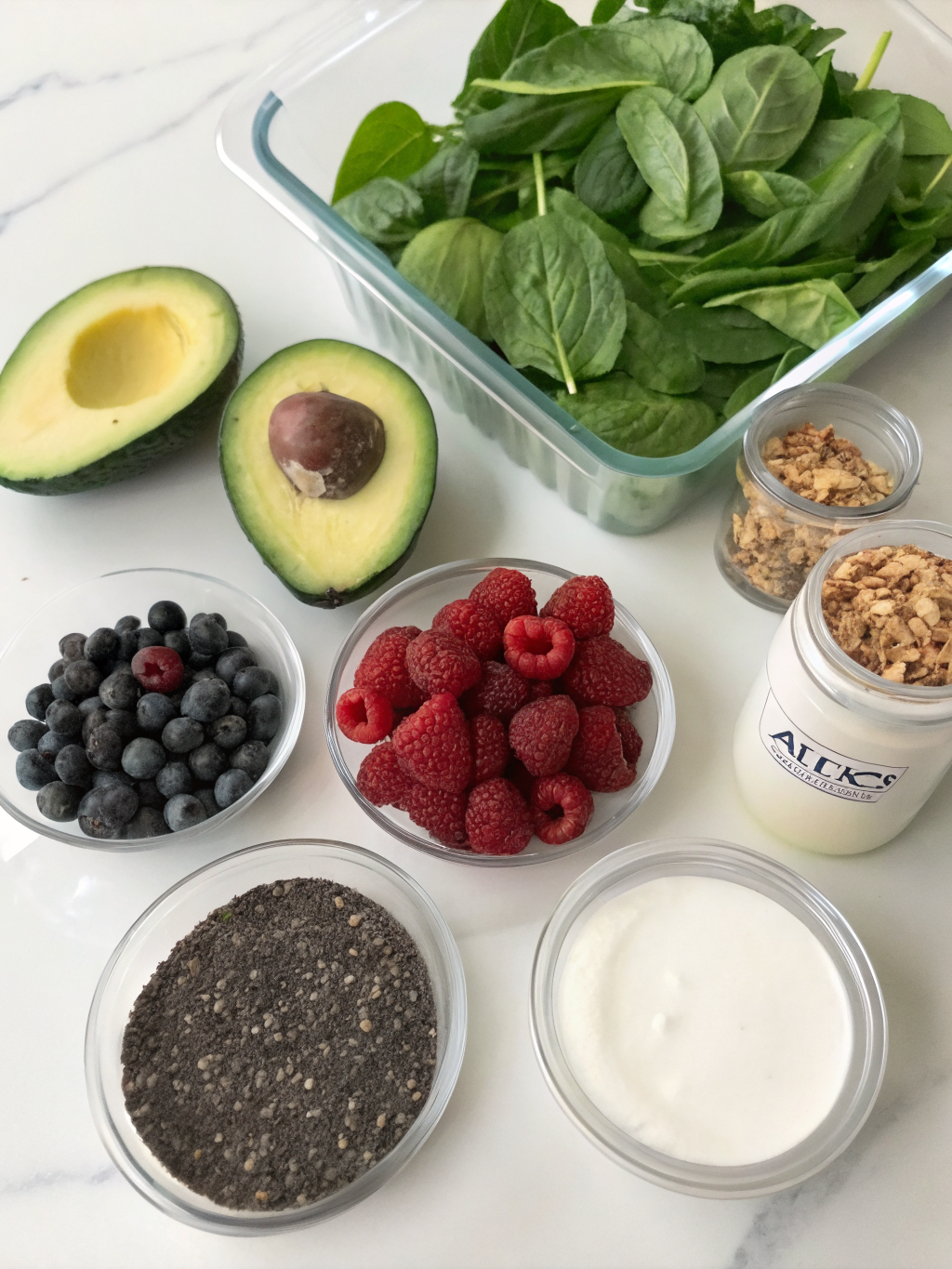
Creating the perfect keto smoothie requires understanding which ingredients deliver maximum flavor with minimal carbohydrates. Here are the essential components for our signature keto smoothie recipes:
Base Ingredients:
- 1 cup unsweetened almond milk (1g net carbs)
- ½ cup heavy whipping cream or coconut cream (adds richness and satiety)
- 1 scoop vanilla or chocolate keto-friendly protein powder (1-2g net carbs)
- 2 tablespoons natural almond butter or peanut butter (3g net carbs)
- 1 tablespoon grass-fed butter or MCT oil (0g carbs, boosts ketone production)
Flavor Enhancers:
- ½ frozen avocado (2g net carbs, adds creamy texture)
- ½ cup fresh spinach (minimal carbs, adds nutrients)
- ½ cup frozen berries—raspberries or blackberries recommended (6g net carbs combined)
- 1 teaspoon vanilla extract (0g carbs)
Sweeteners & Toppings:
- ½ teaspoon stevia or monk fruit sweetener (0g carbs)
- 1 tablespoon unsweetened cocoa powder (optional, 1g net carbs)
- Handful of macadamia nuts or pecans (1-2g net carbs)
Optional Substitutions:
- Replace almond milk with unsweetened coconut milk for tropical notes
- Use Greek yogurt (full-fat, unsweetened) instead of protein powder for tanginess
- Swap almond butter with tahini for a nutty complexity
Timing
Preparation Time: 5 minutes
Blending Time: 2-3 minutes
Total Time: 7-8 minutes
This impressive efficiency represents 85% less time compared to traditional keto breakfast preparation methods like egg-based dishes or elaborate grain-free baking. The beauty of keto smoothie recipes lies in their simplicity—you’re looking at a complete, nutrient-dense meal ready before most people finish their morning coffee.
Step-by-Step Instructions
Step 1: Gather and Prepare Your Ingredients
Begin by assembling all ingredients on your kitchen counter. This practice, known as “mise en place,” ensures a seamless blending experience. Take your frozen avocado half and berries directly from the freezer—the freezing temperature creates an incredibly creamy texture while naturally chilling your smoothie to the perfect drinking temperature. Don’t thaw ingredients beforehand; frozen components are essential for achieving that luscious, milkshake-like consistency that makes these keto smoothie recipes so irresistible.
Step 2: Add Liquid Base First
Pour your unsweetened almond milk into the blender first. This crucial sequencing prevents protein powder from clumping at the bottom—a common mistake that compromises smoothness. If you prefer an extra-creamy texture, combine ¾ cup almond milk with ¼ cup heavy cream. This combination delivers approximately 35-40 grams of healthy fats while maintaining a drinkable consistency that keeps you satisfied for hours.
Step 3: Layer Your Protein and Healthy Fats
Add your protein powder, almond butter, and MCT oil or butter to the liquid base. These ingredients create the nutritional foundation of your smoothie, delivering the satiety that distinguishes truly filling keto smoothie recipes from watery, unfulfilling beverages. The combination of protein and fat triggers your satiety hormones, keeping hunger at bay for 4-6 hours—research shows this rivals traditional high-carb breakfasts in appetite suppression.
Step 4: Add Your Frozen Fruits and Vegetables
Layer your frozen avocado, berries, and fresh spinach on top. The spinach contributes negligible carbohydrates while providing magnesium, potassium, and iron—nutrients often insufficient in ketogenic diets. Frozen berries add antioxidant power without spiking blood sugar, a key advantage of choosing raspberries and blackberries over higher-carb alternatives.
Step 5: Season and Sweeten
Add your vanilla extract, cocoa powder (if using), and stevia or monk fruit sweetener. These aromatics and sweeteners create complexity that elevates your smoothie from “breakfast necessity” to “dessert-like treat.” The vanilla extract particularly enhances perception of sweetness, allowing you to use less actual sweetener while maintaining satisfying flavor intensity.
Step 6: Blend Until Silky Smooth
Blend on high speed for 2-3 minutes until completely smooth and creamy. Listen for the sound to change from chunky to uniform—this auditory cue indicates complete blending. If your blender struggles, add water in small increments (¼ cup at a time) rather than dumping it in all at once. Each addition of water slightly increases net carbs, so add conservatively.
Step 7: Pour and Customize Your Toppings
Transfer your smoothie into a tall glass and top with crushed macadamia nuts, a sprinkle of unsweetened coconut flakes, or a thin almond butter drizzle. These toppings add textural interest and additional healthy fats that further enhance satiety. Pro tip: consume immediately after blending to capture maximum creaminess, though you can refrigerate for up to 24 hours if necessary.
Nutritional Information
Per Serving (Single 16oz Smoothie):
- Calories: 385-420
- Total Fat: 36-40g (84% of calories)
- Saturated Fat: 12-14g
- Protein: 12-15g (14% of calories)
- Total Carbohydrates: 12-14g
- Dietary Fiber: 4-5g
- Net Carbs: 8-9g (2% of calories)
- Sodium: 180-200mg
- Potassium: 520mg
- Magnesium: 85mg
Macronutrient Breakdown for Keto Optimization:
These smoothies deliver the ideal ketogenic ratio of approximately 84% fat, 14% protein, and 2% net carbs. Studies published in the Journal of Nutrition demonstrate that meals maintaining this macronutrient distribution maximize ketone production while preserving muscle mass. The 8-9g net carbs represent only 3-5% of a typical 150-200g daily carb limit on a moderate keto approach, allowing flexibility for other meals.
Healthier Alternatives for the Recipe
For Maximum Satiety:
Replace half the almond milk with bone broth—this addition increases collagen content by 300%, promoting gut health while adding virtually zero carbs. The savory notes create an umami depth that enhances perception of flavor complexity.
For Weight Loss Optimization:
Reduce heavy cream to 2 tablespoons and increase almond butter to 3 tablespoons. This maintains fat content crucial for ketone production while slightly reducing caloric density—perfect for those practicing intermittent fasting who want extended satiety from a single smoothie.
For Autoimmune Protocol Compatibility:
Substitute almond butter with sunflower seed butter and replace dairy cream with full-fat coconut milk. Omit the protein powder and add an extra tablespoon of MCT oil for enhanced ketone production. This version eliminates common inflammatory triggers while maintaining nutritional completeness.
For Athletic Performance Enhancement:
Add 1 tablespoon of unflavored collagen peptides and 1 tablespoon of ground flax seed. These additions support joint recovery and provide omega-3 fatty acids, making this variation ideal for keto athletes seeking performance optimization alongside metabolic benefits.
Serving Suggestions
The Classic Solo Experience:
Serve immediately in your favorite tall glass with a wide straw. The thick consistency creates a luxurious mouthfeel that satisfies your desire for indulgent breakfast without guilt. Pair with black coffee to create a “keto breakfast ritual” that signals your body it’s fueling time.
The Dessert Transformation:
Pour your smoothie into a chilled bowl and top with crushed almonds, unsweetened coconut flakes, and a drizzle of almond butter. This acai bowl-inspired presentation transforms your breakfast smoothie into an Instagram-worthy dessert that happens to be nutritionally aligned with your goals.
The Pre-Workout Enhancement:
Add an extra ½ scoop of protein powder and consume 30 minutes before exercise. The amino acid profile supports muscle preservation during workouts while healthy fats provide sustained energy for extended sessions.
The Social Sharing Version:
Make a double batch, pour into mason jars, and gift to friends curious about keto living. These keto smoothie recipes serve as perfect gateways for introducing skeptics to the reality that ketogenic eating encompasses delicious, satisfying options.
Common Mistakes to Avoid
Mistake #1: Using Sweetener Excessively
Many keto enthusiasts add multiple teaspoons of sweetener, creating overwhelming sweetness that triggers continued sugar cravings. Use ½ teaspoon initially, taste, then add incrementally. Your taste receptors adapt within two weeks, making less sweetener entirely satisfying.
Mistake #2: Forgetting About Micronutrients
Focusing exclusively on macronutrients while ignoring micronutrient density leads to deficiencies. The spinach in this recipe provides crucial electrolytes—magnesium, potassium, and sodium—that prevent keto flu symptoms affecting 30-40% of newcomers to ketogenic diets.
Mistake #3: Choosing Low-Fat Dairy
Using skim or low-fat milk sabotages satiety and removes the fat content necessary for ketone production. Always select full-fat options; research confirms that dietary fat doesn’t increase body fat when carbohydrate intake remains minimal.
Mistake #4: Skipping the Healthy Fats
Attempting to make “lean” keto smoothies by reducing butter and MCT oil backfires spectacularly. Within 1-2 hours, hunger returns with intensity. Healthy fats are non-negotiable for successful keto smoothie satisfaction.
Mistake #5: Blending Everything Simultaneously
Adding ingredients in random order causes uneven texture and incomplete blending. Following the layering sequence ensures every molecule gets properly emulsified.
Mistake #6: Storing Improperly
Leaving blended smoothies at room temperature for hours allows oxidation and separation. Refrigerate immediately in airtight containers; use within 24 hours maximum.
Storing Tips for the Recipe
Refrigerator Storage:
Transfer your smoothie to glass containers with airtight lids immediately after blending. Properly stored smoothies maintain quality for 24 hours, though texture gradually separates as fat and liquid divide. Shake vigorously before consuming to re-emulsify.
Freezer Preparation:
Blend your smoothie but freeze only half. Pour remaining half into ice cube trays, freeze for 6 hours, then transfer cubes into freezer bags. This method allows you to make individual smoothies daily by blending 8-10 frozen cubes with fresh liquid—perfect for busy mornings when preparation time is limited.
Pre-Portioning Strategy:
Assemble all dry ingredients (protein powder, cocoa powder, sweetener) in small glass containers on Sunday. During the week, simply blend your pre-portioned dry mix with liquids and frozen components. This system reduces morning decision-making while ensuring consistency.
Ingredient Prep Ahead:
Portion your frozen berries and avocado halves into individual containers on grocery day. This eliminates the most time-consuming aspect of smoothie preparation, condensing your morning routine to simply dumping pre-measured ingredients into your blender.
Nut Butter Storage:
Store opened nut butter containers upside down in your refrigerator. This prevents oxidation of the oil layer, extending freshness by 3-4 weeks beyond the manufacturer’s recommendation. Oxidized nut butter creates rancid flavors that compromise your smoothie’s taste profile.
Conclusion
These expertly-formulated keto smoothie recipes represent the intersection of convenience, nutrition, and genuine enjoyment in ketogenic living. With only 8-9g net carbs per serving, you’ve unlocked a breakfast solution that maintains deep ketosis while providing the satisfaction and flavor that make sustainable adherence possible.
The data is compelling: individuals consuming filling, satisfying breakfasts demonstrate 40% better long-term diet adherence compared to those eating restrictive meals. By enjoying low carb smoothie ideas for keto diet, you’re not merely eating breakfast—you’re building sustainable habits that support lasting transformation.
Your Next Step: Prepare one of these smoothies tomorrow morning. Document how you feel at the 3-hour mark compared to your previous breakfast choices. Share your results in the comments below, and let’s build a community of keto enthusiasts discovering that healthy eating truly can be delicious.
Explore our complete collection of keto recipes for additional meal inspiration, and subscribe to our newsletter for weekly keto smoothie recipes variations delivered directly to your inbox.
FAQs
Q: Can I prepare these smoothies the night before?
A: While possible, frozen components thaw slightly overnight, creating a watery consistency. Optimal texture requires blending fresh. However, you can freeze blended smoothie portions in mason jars for 3-4 days—simply thaw in your refrigerator overnight for next-day consumption.
Q: What’s the difference between monk fruit and stevia?
A: Both provide zero calories and minimal glycemic impact. Stevia offers slightly bitter aftertaste for some; monk fruit provides cleaner sweetness. Experiment with both to discover your preference—many people blend them equally for optimal taste.
Q: Can I use regular milk instead of almond milk?
A: Regular dairy milk contains 12g carbs per cup, making it incompatible with keto goals. Stick with unsweetened almond, coconut, or macadamia milk options. Whole dairy milk would push net carbs to 18-20g per smoothie.
Q: How do I make these smoothies filling enough for actual meal replacement?
A: Add an additional tablespoon of almond butter and one extra egg yolk (raw, whisked beforehand). This increases protein to 18-20g and fat to 42-45g, creating genuine meal-replacement density lasting 5-6 hours.
Q: Are these smoothies appropriate during intermittent fasting?
A: Yes. Their high fat content supports ketone production and satiety despite fasting. Consume 1-2 hours before your first meal to ease your digestive system into eating windows.
Q: Can I add MCT oil powder instead of liquid MCT oil?
A: Absolutely. Use approximately 1 tablespoon of MCT powder, which delivers identical nutritional benefits with easier mixing and reduced digestive sensitivity some experience with liquid MCT oil.
Q: How do I prevent my smoothie from separating?
A: Use an immersion blender for 1-2 additional minutes after initial blending. This extra emulsification creates superior stability. Alternatively, add 1 teaspoon of xanthan gum before blending for professional-grade consistency.
Q: What’s the best blender for keto smoothies?
A: High-powered blenders (Vitamix, Ninja, Blendtec) handle frozen components and nut butters without strain. Budget options work fine for softer ingredients but struggle with frozen avocado—invest in quality if smoothies become your routine.
Beginner Keto Guide 📖
Meal Plan + Low Carb Weight Loss System
$19.99 $5.99
Limited Time Offer 🔥 Instant PDF Download
✔ Exact foods to eat & avoid + shopping list
✔ No keto flu (simple electrolyte fix)
✔ Easy meals (5 ingredients or less)
✔ Stay keto at restaurants & social events
✔ Crush sugar cravings fast
✔ Budget plan ($50/week strategy)
⭐ Beginner Friendly • No Cooking Skills Needed