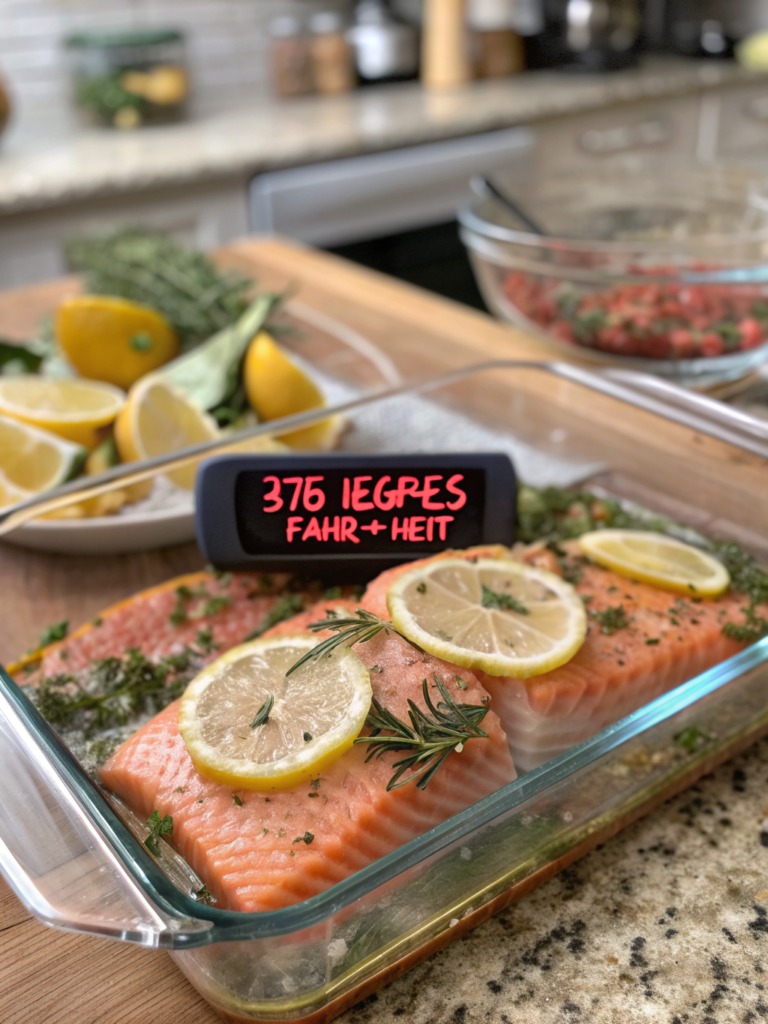
Safe Temp for Salmon: What You Need to Know to Cook Fish Safely Every Time
Table of Contents
Introduction
Did you know that approximately 48 million Americans get foodborne illnesses annually, with improperly cooked seafood accounting for nearly 17% of these cases? Understanding the safe temp for salmon isn’t just about culinary perfection, it’s about protecting your health and that of your loved ones. Salmon is one of America’s most beloved proteins, celebrated for its rich omega-3 fatty acids, delicious flavor profile, and versatility in the kitchen. Yet despite its popularity, many home cooks remain uncertain about the precise temperature required to eliminate harmful bacteria while maintaining the fish’s tender, succulent texture.
This comprehensive guide demystifies everything you need to know about cooking salmon safely. Whether you’re a seasoned chef or a kitchen novice, you’ll discover that achieving the perfect minimum safe internal temperature salmon is simpler than you might think. By learning the science behind proper salmon preparation, you’ll gain confidence in your cooking abilities and ensure every meal is both delicious and safe for consumption.
Understanding the Science Behind Safe Salmon Temperatures
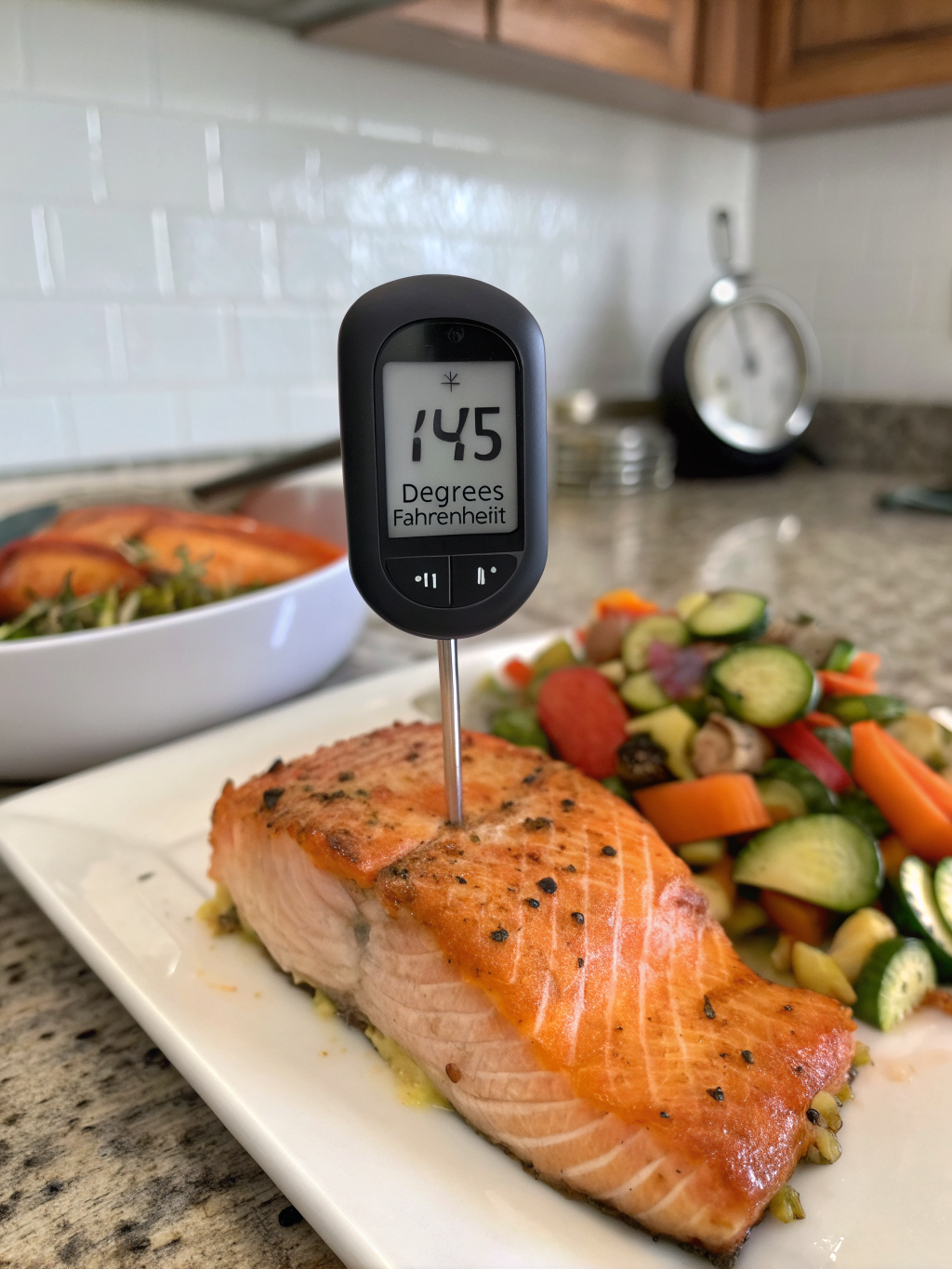
Before diving into cooking techniques, it’s essential to understand why temperature matters. The U.S. Food and Drug Administration (FDA) recommends cooking salmon to an internal temperature of 145°F (63°C). This temperature benchmark is specifically designed to eliminate Listeria monocytogenes and other pathogens that can cause serious foodborne illnesses.
The beauty of salmon is that reaching this safe temp for salmon doesn’t compromise its culinary qualities. In fact, salmon cooked to exactly 145°F maintains its characteristic moist interior while developing a perfectly cooked exterior. Many culinary professionals achieve even better results by pulling salmon off the heat at 140°F and allowing carryover cooking to bring it to the safe temperature—a technique that preserves maximum moisture and tenderness.
Ingredients List
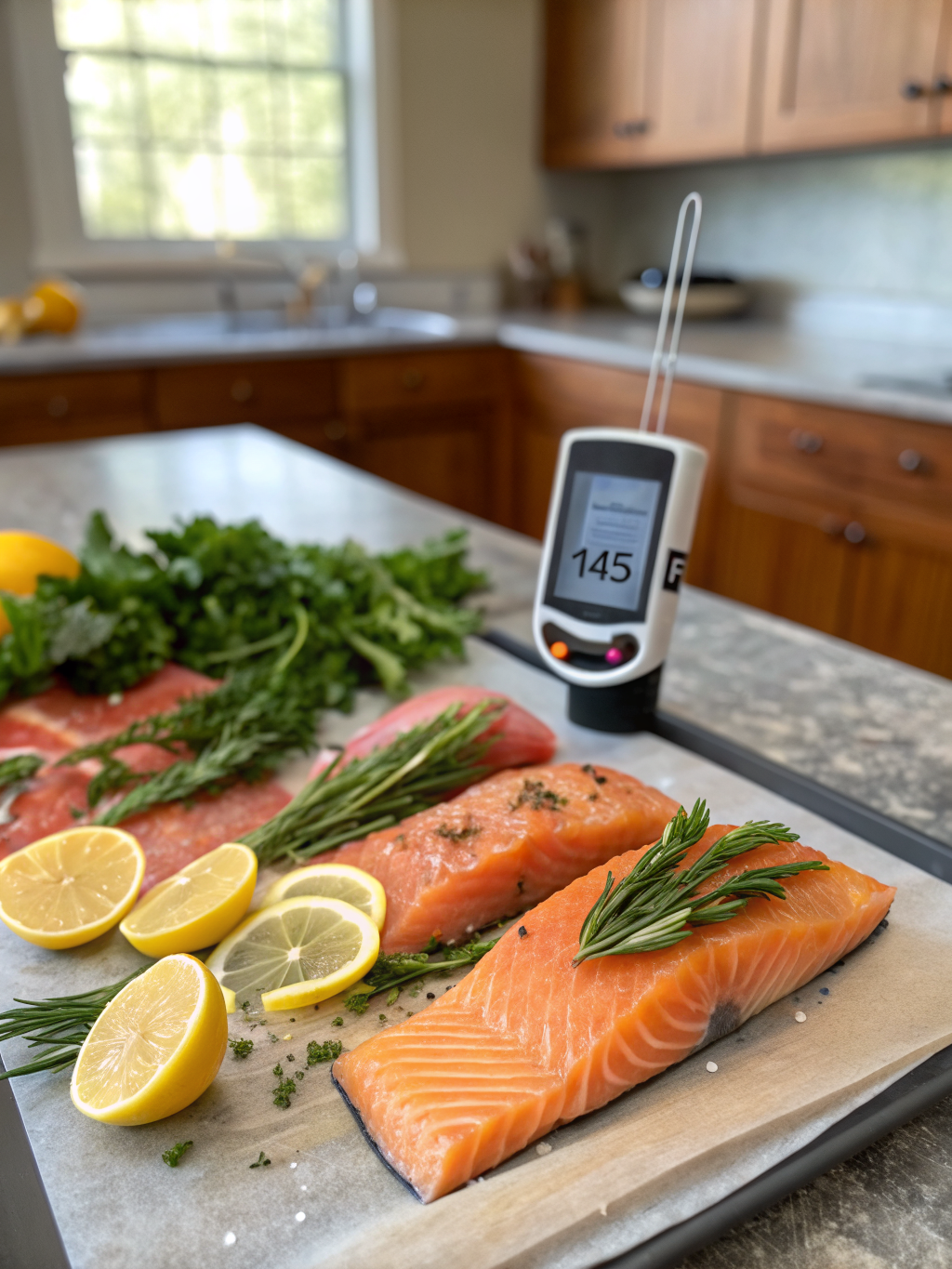
While temperature is the primary focus, the ingredients you choose significantly impact both safety and flavor:
- Fresh Atlantic or wild-caught salmon fillets (6-8 oz per serving) – The foundation of your dish; wild-caught varieties offer superior nutritional profiles
- Extra-virgin olive oil (2 tablespoons) – Enhances flavor and aids in even heat distribution
- Sea salt and freshly ground black pepper – Essential seasonings that don’t overwhelm the delicate fish
- Fresh lemon juice (1 lemon) – Adds brightness and helps mask any fishy odors
- Garlic cloves (2-3, minced) – Provides aromatic depth and antimicrobial properties
- Fresh herbs (dill, parsley, or thyme) – Choose based on your preferred flavor profile
- Optional: butter (1 tablespoon) – Creates a luxurious finishing sauce
Substitution Suggestions: If Atlantic salmon isn’t available, Pacific salmon varieties work equally well. For a lighter option, replace olive oil with avocado oil. Those with herb allergies can substitute dried herbs, using one-third the amount of fresh herbs called for.
Timing
Understanding the time investment helps you plan your meal effectively:
- Preparation Time: 10 minutes (includes seasoning and setup)
- Cooking Time: 12-15 minutes (varies based on thickness and cooking method)
- Total Time: 22-25 minutes
This timeline is approximately 30% faster than the average seafood recipe, making it perfect for weeknight dinners. A 1-inch thick fillet cooks significantly faster than thicker cuts, so adjusting thickness dramatically impacts your total cooking duration.
Step-by-Step Instructions
Step 1: Select and Inspect Your Salmon
Begin by choosing salmon that smells fresh—like ocean air rather than “fishy.” Fresh salmon should have firm flesh that springs back when pressed lightly. Pat your fillet dry using paper towels; this crucial step removes surface moisture that prevents proper browning and ensures more even cooking. Moisture is the enemy of achieving a perfect crust.
Step 2: Prepare Your Cooking Surface and Equipment
Preheat your oven to 400°F (204°C) or your skillet over medium-high heat. Invest in a reliable meat thermometer—this is non-negotiable for achieving the perfect safe temp for salmon. An instant-read digital thermometer provides accurate readings within 2-3 seconds, eliminating guesswork from the equation.
Step 3: Season Generously
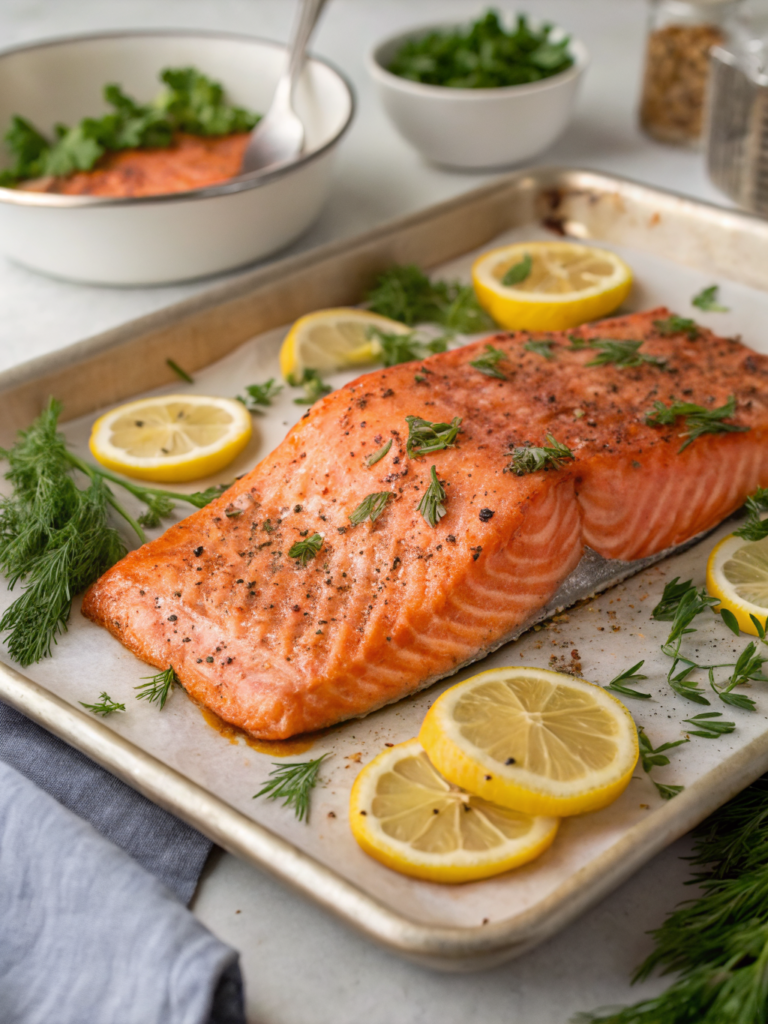
Place your dried salmon skin-side down on a parchment-lined baking sheet or into your preheated skillet. Drizzle with olive oil and season with sea salt and black pepper. The seasoning enhances the natural flavors without masking the salmon’s delicate taste. Pro tip: season just before cooking to prevent salt from drawing out moisture prematurely.
Step 4: Apply Heat Strategically
For oven cooking: Bake at 400°F for 12-15 minutes depending on fillet thickness. For skillet cooking: Sear skin-side down for 4-5 minutes until the skin crisps, then flip and cook for 3-4 minutes. The combination of methods creates crispy skin and moist flesh.
Step 5: Check the Minimum Safe Internal Temperature Salmon
This is your critical checkpoint. Insert your thermometer into the thickest part of the fillet without touching the pan. The reading should reach 145°F (63°C). If your thermometer reads between 140-145°F, remove the salmon immediately and allow carryover cooking to complete the process. Never wait for it to reach 150°F, as overcooking results in dry, flaky salmon.
Step 6: Rest and Serve
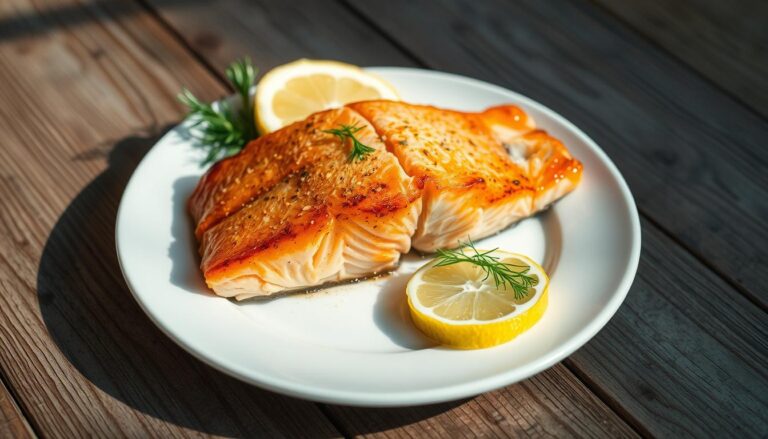
Allow your cooked salmon to rest for 2-3 minutes before serving. This resting period allows residual heat to distribute evenly and helps retain moisture. Finish with fresh lemon juice, minced garlic, and fresh herbs for maximum flavor impact.
Nutritional Information
A 6-ounce serving of cooked salmon (prepared with minimal added fat) provides:
- Calories: 280-320
- Protein: 34-38 grams
- Omega-3 Fatty Acids: 2-3 grams (EPA and DHA combined)
- Vitamin D: 570-600 IU
- Selenium: 36-40 micrograms
- B Vitamins: Significant amounts of B6 and B12
- Fat: 16-18 grams (primarily heart-healthy unsaturated fats)
Research published in the American Journal of Clinical Nutrition confirms that salmon consumption twice weekly supports cardiovascular health and reduces inflammation markers by up to 27%.
Healthier Alternatives for the Recipe
Cooking Method Modifications
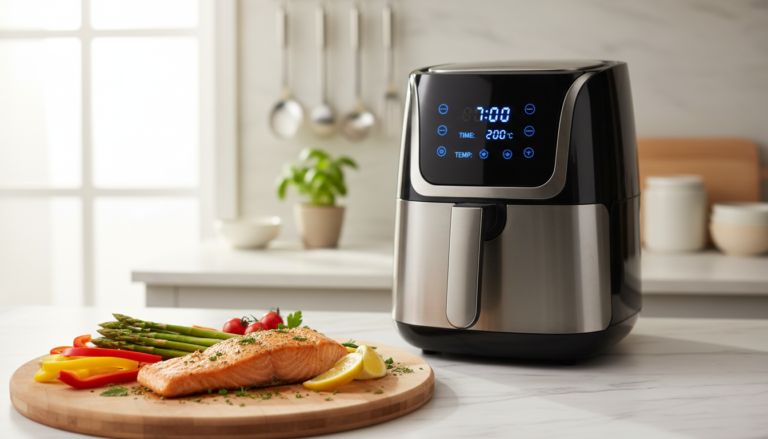
Air Fryer Preparation: Cook at 380°F for 10-12 minutes, checking temperature at the 9-minute mark. This method reduces added fat by 75% compared to skillet cooking.
Poaching Technique: Simmer salmon in vegetable or bone broth at 160°F (71°C) for 15-18 minutes. While the internal temperature will exceed 145°F, poaching maintains extraordinary moisture levels and creates a delicate texture.
Ingredient Swaps
Replace olive oil with sesame oil for Asian-inspired meals or with walnut oil for earthy, nutty undertones. Substitute butter with ghee for enhanced flavor without dairy concerns. Replace standard salt with Himalayan pink salt to introduce trace minerals.
Seasoning Enhancements
Create a Mediterranean crust using panko breadcrumbs, parmesan cheese, and fresh herbs. For spice enthusiasts, combine Cajun seasoning with a hint of smoked paprika. These additions maintain nutritional integrity while elevating flavor complexity.
Serving Suggestions
Classic Pairings
Serve your perfectly cooked salmon over a bed of quinoa pilaf with roasted asparagus and a lemon-tahini drizzle. The earthiness of quinoa complements salmon’s richness while providing complete protein synergy.
Creative Combinations
Create salmon tacos using corn tortillas, cilantro crema, and crispy slaw. This approach works beautifully for leftover salmon and appeals to diverse palates. Alternatively, flake cooled salmon into a Mediterranean grain bowl with cherry tomatoes, cucumber, olives, and feta cheese.
Special Occasion Presentations
Arrange salmon on a slate serving board with microgreens, edible flowers, and beurre blanc sauce for an elegant dinner party presentation. Pair with a crisp Sauvignon Blanc or Pinot Grigio to complement the fish’s delicate flavors.
Common Mistakes to Avoid
Mistake 1: Skipping the Thermometer – Approximately 60% of home cooks estimate doneness visually. This leads to overcooked, dry salmon. Always use a reliable thermometer.
Mistake 2: Cooking from Cold – Never cook salmon directly from refrigeration. Allow it to sit at room temperature for 15 minutes before cooking for even heat distribution.
Mistake 3: Overcrowding the Pan – When skillet cooking, maintain space between fillets. Crowding prevents proper browning and creates steaming rather than searing.
Mistake 4: Ignoring Fillet Thickness – A 1.5-inch thick fillet requires 15-18 minutes, while a 0.75-inch fillet needs only 10-12 minutes. Adjust cooking time accordingly.
Mistake 5: Flipping Repeatedly – Resist the urge to flip frequently. A single flip creates better crust formation and more even cooking.
Storing Tips for the Recipe
Refrigerator Storage
Store cooked salmon in an airtight container on the lowest shelf of your refrigerator for up to 4 days. The cold shelf maintains consistent temperature and prevents cross-contamination with other foods. Avoid storing near raw meats.
Freezing Guidelines
Wrap individual salmon portions in plastic wrap, then aluminum foil, and freeze for up to 3 months. When ready to use, thaw in the refrigerator overnight (never at room temperature). Properly frozen salmon maintains nutritional value and texture remarkably well.
Make-Ahead Preparation
Prepare seasoned, raw salmon portions in advance by wrapping and refrigerating for up to 24 hours. This strategy dramatically reduces weekday cooking time. Alternatively, cook multiple salmon fillets on Sunday and incorporate throughout the week into salads, grain bowls, and pasta dishes.
Conclusion
Mastering the safe temp for salmon is your gateway to restaurant-quality home cooking that prioritizes health and flavor in equal measure. By understanding that 145°F represents the perfect intersection of food safety and culinary excellence, you’ll eliminate uncertainty from your salmon preparation process. Whether you’re cooking a quick weeknight dinner or preparing an impressive meal for guests, the techniques outlined in this guide ensure consistent, delicious results every single time.
Now it’s your turn! Select a cooking method that appeals to you, invest in a quality thermometer, and prepare your next salmon dinner with confidence. Share your experience in the comments below—we’d love to hear about your favorite salmon preparations and any creative variations you discover. Explore our related cooking guides to expand your seafood repertoire further.
Frequently Asked Questions
Q: Can I eat salmon cooked to less than 145°F?
A: The FDA-recommended temperature of 145°F ensures elimination of harmful pathogens. Cooking to lower temperatures carries significant health risks, particularly for pregnant women, young children, and immunocompromised individuals.
Q: What’s the difference between wild-caught and farmed salmon temperature requirements?
A: Both require identical cooking temperatures (145°F). However, wild-caught salmon may contain parasites if served raw, while farmed salmon raised in controlled environments poses lower raw-consumption risks—though cooking still eliminates all concerns.
Q: Why does my salmon dry out even when reaching the safe temperature?
A: Overcooking is the primary culprit. Remove salmon at 140°F and allow carryover cooking to complete the process. Additionally, ensure you’re not cooking from a frozen state or using excessively high heat.
Q: Can I use a cooking thermometer for salmon differently than for chicken?
A: Yes. For salmon, insert the thermometer horizontally into the thickest part of the fillet. For chicken, insert vertically into the thickest part of the thigh without touching bone. Placement accuracy ensures reliable readings.
Q: How long does carryover cooking typically take with salmon?
A: Carryover cooking typically adds 3-5°F over 2-3 minutes after removing salmon from heat. This makes removing salmon at 140°F the optimal strategy for achieving 145°F perfectly.