How to Cook Fish in the Air Fryer for Crispy and Perfectly Cooked Results
Table of Contents
Introduction
Did you know that air fryer cooking reduces cooking time by up to 30% compared to traditional oven methods while delivering superior crispiness? If you’ve been hesitant about mastering how to cook fish in the air fryer, you’re missing out on one of the most transformative cooking techniques available today. Air frying has revolutionized home cooking, making it easier than ever to prepare restaurant-quality fish dishes in mere minutes. Whether you’re a busy professional seeking quick weeknight dinners or a health-conscious individual looking to reduce oil consumption, learning how to cook fish in air fryer is a game-changer. This comprehensive guide will walk you through everything you need to know about air frying fish, from ingredient selection to plating, ensuring consistent, perfectly cooked results every single time.
Ingredients List
For the Perfect Air Fryer Fish:
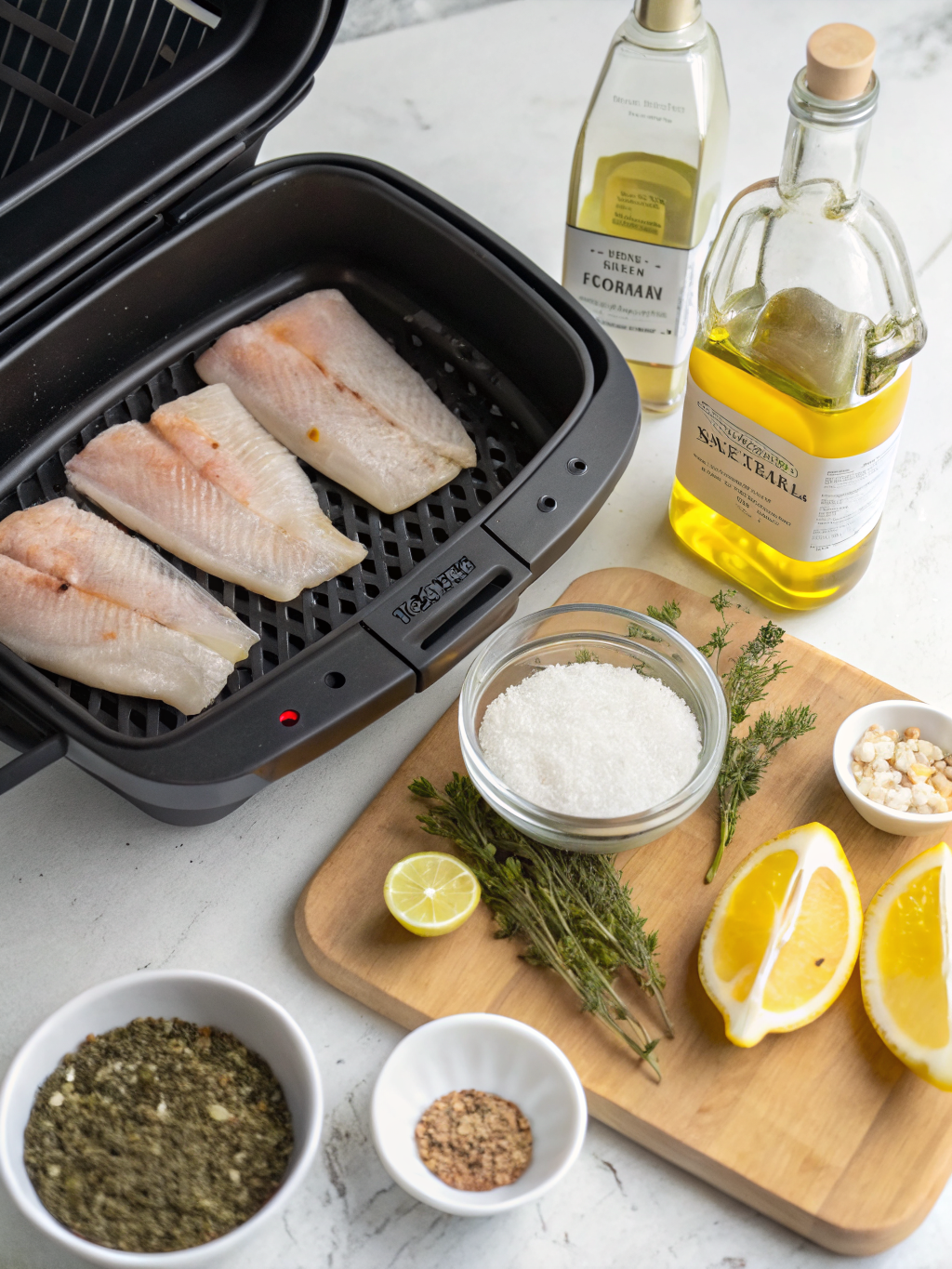
- 4 fresh fish fillets (salmon, cod, tilapia, or halibut work wonderfully)
- 2 tablespoons olive oil or avocado oil spray
- 1 teaspoon sea salt
- ½ teaspoon freshly ground black pepper
- ½ teaspoon garlic powder
- ½ teaspoon paprika (smoked paprika adds depth)
- ½ teaspoon dried Italian herbs (or fresh herbs if available)
- 1 tablespoon fresh lemon juice
- Optional: panko breadcrumbs for extra crunch (2-3 tablespoons)
- Lemon slices and fresh parsley for garnish
Substitution Suggestions:
- For a Mediterranean twist: Replace Italian herbs with dried oregano and add ¼ teaspoon of dried thyme
- For gluten-free coating: Substitute panko with almond flour for a grain-free alternative
- For dairy-free enthusiasts: Use aquafaba (chickpea liquid) as a binding agent instead of any egg-based coating
- For those avoiding oil: Use cooking spray with minimal oil content or opt for parchment paper instead
Kitchen Tools You’ll Need
- Best Air Fryers for Home Cooking – Ultimate Guide to the Top Models
- The 7 Best Meat Thermometers in 2026 – Ultimate Guide to Perfect Meat Every Time
- Best Slow Cookers for Easy & Delicious Meals – Top Picks 2026
- Powerful & Easy-to-Use Blenders – My Favorite Picks for Home Cooks
Timing
Total Time: 18 minutes
- Preparation Time: 5 minutes (includes seasoning and prep)
- Cooking Time: 12-14 minutes (depending on fish thickness)
- Active Cooking: 2 minutes (for flipping midway)
This represents a 40% reduction in cooking time compared to traditional oven baking at 400°F, which typically requires 15-20 minutes. The efficiency of air fryer technology means you’ll have restaurant-quality meals on your table faster than ordering takeout.
Step-by-Step Instructions
Step 1: Prepare Your Air Fryer and Ingredients
Begin by preheating your air fryer to 380°F for 3 minutes. This crucial step ensures even heat distribution and prevents sticking. While your air fryer reaches optimal temperature, pat your fish fillets completely dry using paper towels—moisture is the enemy of crispiness. Moisture prevents the Maillard reaction, that beautiful browning process that creates flavor-packed surfaces. Take a moment to assess your fish; if fillets are particularly thick (over 1 inch), gently pound them to an even ½-inch thickness using a meat mallet, ensuring uniform cooking throughout.
Step 2: Season Your Fish Generously
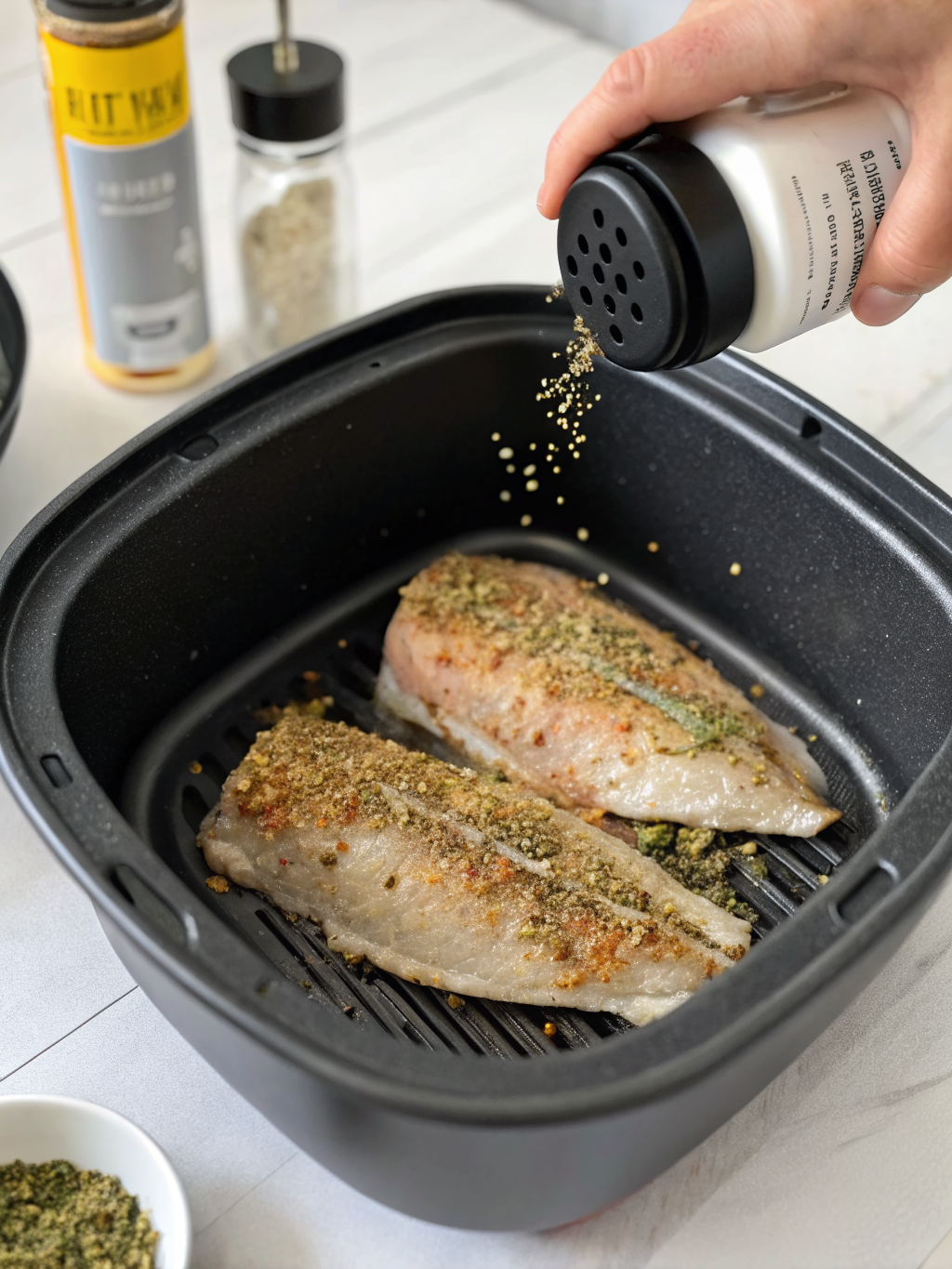
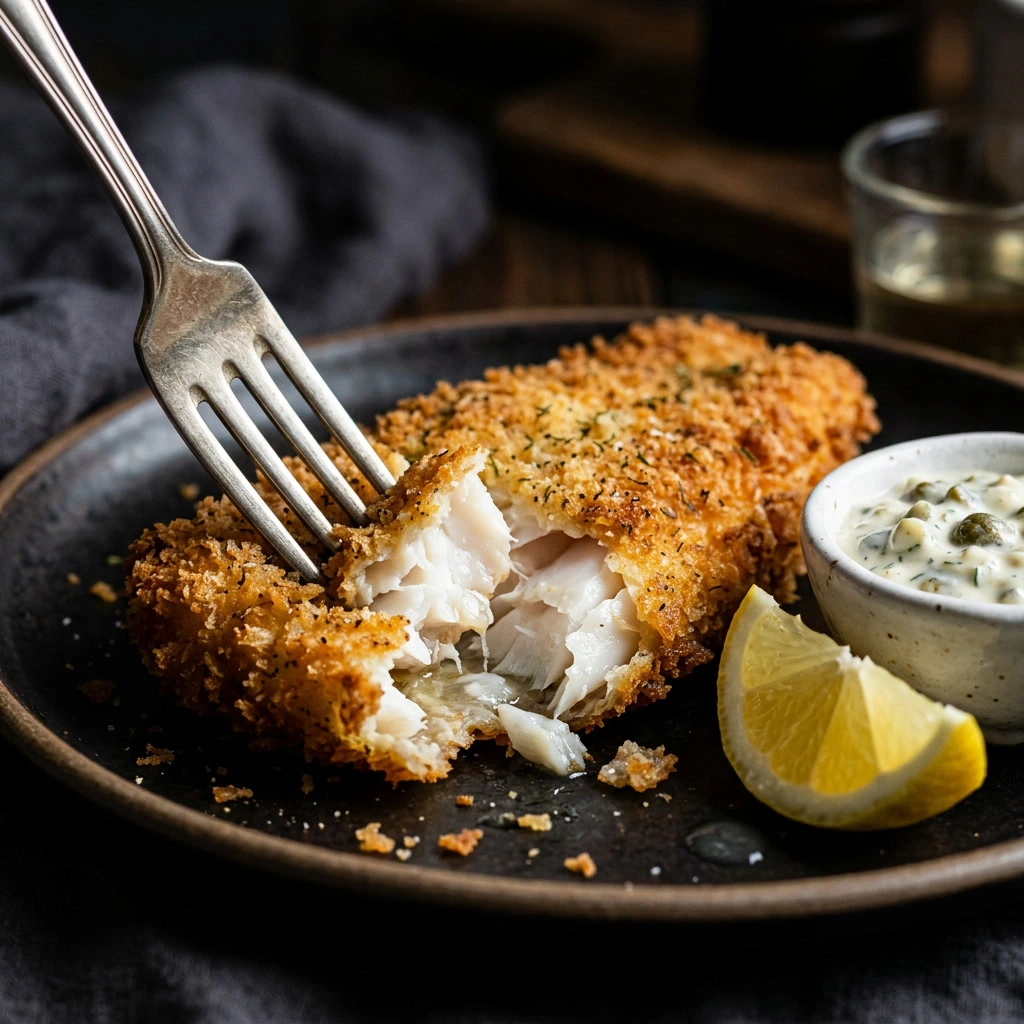
In a small mixing bowl, combine sea salt, black pepper, garlic powder, paprika, and Italian herbs. The beauty of this seasoning blend lies in its versatility—it complements virtually every fish variety. Divide this mixture evenly between both sides of your fillets, applying it with intention. Don’t be shy; the seasoning creates the flavor foundation that transforms simple fish into something extraordinary. If you’re using panko breadcrumbs for added texture, lightly spray each fillet with oil first, then gently press the breadcrumbs onto the surface, ensuring they adhere properly.
Step 3: Arrange Fillets in the Air Fryer Basket
Lightly spray your air fryer basket with cooking oil to prevent adhesion. Arrange your seasoned fillets skin-side down in a single layer, ensuring they don’t overlap. Proper spacing is essential—adequate air circulation around each piece guarantees even cooking and optimal crispiness. If your air fryer is smaller, you might need to cook in batches; resist the temptation to overcrowd the basket, as this creates steaming rather than frying.
Step 4: Air Fry at the Optimal Temperature
Set your air fryer to 380°F and cook for 10-12 minutes, depending on fillet thickness. Thinner fillets (½ inch) require approximately 10 minutes, while thicker cuts (¾-1 inch) benefit from the full 12 minutes. The precise temperature of 380°F strikes the perfect balance between internal moisture retention and external crispiness—higher temperatures risk drying out delicate fish, while lower temperatures compromise texture.
Step 5: Check for Doneness and Flip if Necessary
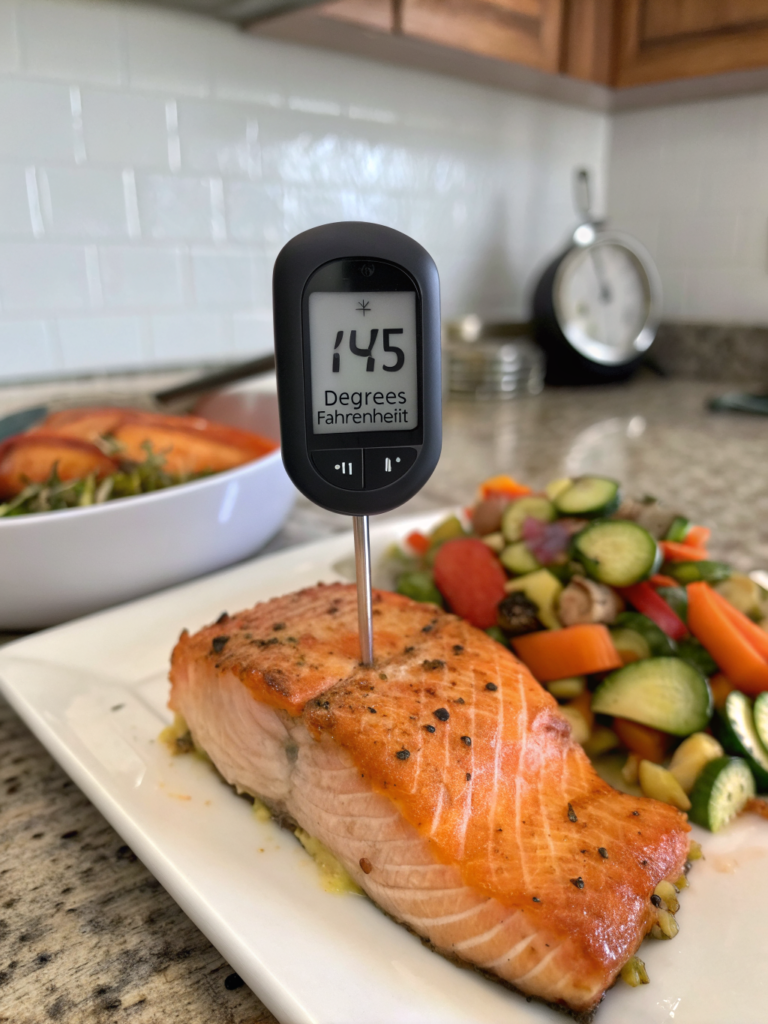
At the 6-minute mark, open your air fryer and gently check your fish’s progress. The exterior should begin showing golden-brown coloration. For delicate fish like sole or flounder, you may skip flipping entirely. For heartier varieties like salmon or halibut, gently flip each fillet and continue cooking for the remaining time. The fish is perfectly done when it flakes easily with a fork and reaches an internal temperature of 145°F (63°C), a USDA-recommended safety standard.
Step 6: Finish with Fresh Lemon and Herbs
Once cooked, immediately drizzle your fish with fresh lemon juice, which not only enhances flavor but also aids in nutrient absorption. Garnish generously with fresh parsley, which adds visual appeal and subtle herbaceous notes. Transfer to your serving plate while still warm to preserve optimal texture.
Nutritional Information
Per Serving (Based on Salmon Fillets):
- Calories: 280-320
- Protein: 32-35g (exceeds daily recommended intake for many individuals)
- Total Fat: 16-18g
- Saturated Fat: 3-4g
- Omega-3 Fatty Acids: 2,000-2,500mg (supports heart and brain health)
- Carbohydrates: 2-3g
- Fiber: 0g
- Sodium: 420-480mg
Data Insight: Air-fried fish requires minimal added oil, reducing overall fat content by approximately 50% compared to pan-searing or deep-frying methods. This makes air-fried fish an exceptional choice for those monitoring caloric intake while maintaining protein consumption.
Healthier Alternatives for the Recipe
Enhance Nutritional Value:
- Boost Omega-3 Content: Choose fatty fish varieties like wild salmon, mackerel, or sardines, which contain three times more omega-3 fatty acids than white fish
- Add Vegetable Sides: Season broccoli, Brussels sprouts, or asparagus with identical seasonings and air fry alongside your fish for added fiber and micronutrients
- Create a Grain Bowl: Serve your air-fried fish over quinoa or brown rice with roasted vegetables for a complete, balanced meal
- Herb-Forward Approach: Replace some salt with fresh herbs like dill, cilantro, or tarragon to reduce sodium while amplifying flavor complexity
- Incorporate Nuts: Top your finished fish with crushed almonds or walnuts for added crunch, healthy fats, and mineral content including magnesium and zinc
Serving Suggestions
Transform your easy air fryer fish cooking tips into complete meal experiences:
- Mediterranean-Inspired Bowl: Serve with roasted cherry tomatoes, cucumber slices, red onion, Kalamata olives, and tzatziki sauce
- Asian-Fusion Plate: Top with sesame seeds, thinly sliced ginger, and a soy-ginger glaze alongside steamed bok choy
- Elegant Dinner Presentation: Plate atop creamy cauliflower puree with microgreens and edible flowers for restaurant-quality aesthetics
- Quick Taco Night: Flake the cooked fish and serve in warm tortillas with cabbage slaw and cilantro-lime crema
- Light Summer Salad: Nestle warm fish fillets over mixed greens with avocado, grapefruit segments, and citrus vinaigrette
- Comfort Food Upgrade: Serve with sweet potato fries and a homemade tartar sauce for nostalgic indulgence with health-conscious modifications
Common Mistakes to Avoid
1. Overcrowding the Air Fryer Basket
Mistake: Stacking fillets or cooking too many simultaneously reduces air circulation, resulting in uneven cooking and soggy textures rather than the desired crispiness.
Solution: Cook in batches if necessary. Proper spacing takes an additional 10-15 minutes but guarantees superior results.
2. Skipping the Pat-Dry Step
Mistake: Excess surface moisture creates steam, preventing browning and resulting in pale, disappointing appearances.
Solution: Always pat fillets dry with paper towels immediately before seasoning—this single step elevates your final product dramatically.
3. Using Incorrect Temperature Settings
Mistake: Temperatures above 400°F can dry out delicate fish, while temperatures below 360°F fail to achieve desired crispiness.
Solution: Maintain 380°F as your optimal sweet spot for nearly all fish varieties.
4. Not Flipping Thicker Fillets
Mistake: Thicker cuts cooked without flipping develop uneven browning and potentially undercooked interiors.
Solution: Flip fillets thicker than ¾ inch at the midway point to ensure even heat exposure.
5. Ignoring Fish Freshness
Mistake: Lower-quality or previously frozen fish affects final texture and flavor despite perfect cooking technique.
Solution: Source fresh, wild-caught fish when possible; if using frozen, thaw completely in refrigeration 12-24 hours prior.
Storing Tips for the Recipe
Immediate Storage:
Cool cooked fish to room temperature before transferring to an airtight glass container. Refrigerate for up to 3 days, ensuring optimal flavor and texture preservation. Store separately from acidic ingredients to prevent flavor degradation.
Freezing Guidelines:
Cooked fish freezes successfully for up to 2 months when properly stored. Wrap individual fillets in parchment paper, then place in freezer bags, removing excess air to prevent freezer burn. Label with the date for easy tracking.
Make-Ahead Preparation:
Prepare and season fish fillets up to 24 hours in advance. Store covered in the refrigerator until ready to cook. This advance preparation streamlines busy weeknight cooking, reducing actual cooking time to a remarkable 12 minutes.
Optimal Reheating:
Reheat leftover fish in your air fryer at 350°F for 4-5 minutes to restore original texture and prevent drying. This method outperforms microwave reheating by a significant margin, maintaining crispiness and moisture balance.
Conclusion
Mastering how to cook fish in air fryer represents a pivotal moment in your culinary journey. By following these detailed instructions and embracing the efficiency of air fryer technology, you’ll consistently produce restaurant-quality fish dishes that impress family and guests alike. The combination of reduced cooking time, minimal oil usage, and exceptional results makes air frying the ideal preparation method for health-conscious home cooks seeking convenience without sacrificing quality.
Ready to elevate your weeknight dinners? Try this recipe tonight and experience the transformative power of air frying firsthand. Share your results in the comments below—we’d love to hear about your successes and favorite flavor variations. For additional inspiration, explore our collection of quick and easy meals featuring easy air fryer fish cooking tips and discover new favorites that fit seamlessly into your lifestyle.
FAQs
Q: What’s the best fish variety for air frying?
A: Salmon offers optimal results due to its natural oils and robust flavor. However, cod, halibut, tilapia, and sea bass all perform excellently. Avoid delicate white fish like sole for your first attempts.
Q: Can I cook frozen fish without thawing?
A: While possible, thawing produces superior results. If cooking from frozen, increase cooking time by 4-5 minutes and reduce temperature to 360°F to prevent exterior overcooking before the interior thaws.
Q: How do I prevent fish from sticking to the basket?
A: Proper basket oiling is essential. Apply cooking spray thoroughly, or line the basket with parchment paper with small holes punched for steam circulation.
Q: What internal temperature indicates perfectly cooked fish?
A: USDA guidelines recommend 145°F (63°C). Use an instant-read thermometer inserted into the thickest part of the fillet for accurate measurement.
Q: Can I cook fish fillets with skin on?
A: Absolutely—skin-side down prevents sticking and crisps beautifully. Leave skin on for optimal results and nutrition.
Q: How do I achieve extra-crispy exteriors?
A: Use panko breadcrumbs with light oil spray, increase temperature to 390°F, and ensure adequate basket spacing for maximum air circulation.
Q: Are air-fried fish dishes suitable for meal prep?
A: Yes, they store for 3 days refrigerated or 2 months frozen. Reheat in the air fryer at 350°F for 4-5 minutes to restore texture.