
Internal Temp for Salmon: The Complete Guide to Perfectly Cooked Fish
Table of Contents
Introduction
Have you ever wondered why restaurant-quality salmon tastes so much better than your home-cooked version? The answer lies in one critical factor: nailing the internal temp for salmon. According to the FDA’s food safety guidelines, achieving the perfect temperature isn’t just about flavor—it’s about food safety. Most home cooks either undercook their salmon, risking foodborne illness, or overcook it, resulting in dry, disappointing fish that lacks the buttery texture everyone craves.
The difference between a mediocre salmon dinner and a restaurant-worthy masterpiece often comes down to just a few degrees. This comprehensive guide will walk you through everything you need to know about achieving the safe salmon internal temperature guide , ensuring your fish is both perfectly cooked and completely safe to eat. Whether you’re grilling, baking, or pan-searing, understanding the ideal internal temp for salmon will transform your cooking game forever.
Why Temperature Matters for Salmon
Understanding the significance of proper temperature goes beyond basic cooking knowledge. Salmon is a delicate protein that requires precision. At the wrong temperature, you’ll either face potential bacterial contamination or end up with rubbery, unappealing fish. Research from the USDA indicates that salmon should reach an internal temperature of 145°F (63°C) to eliminate harmful pathogens like Listeria and Salmonella.
However, many professional chefs recommend removing salmon from heat at 120-125°F (49-52°C) for a medium-rare texture that’s still safe when sourced from reputable suppliers. The internal temp for salmon you choose depends on your personal preference, source, and comfort level with food safety protocols.
Ingredients List

- Fresh salmon fillets (6 oz each, wild-caught or sustainably farmed)
- Extra virgin olive oil (2 tablespoons)
- Sea salt (1 teaspoon)
- Fresh cracked black pepper (½ teaspoon)
- Fresh lemon (½ lemon, juiced)
- Garlic cloves (2, minced)
- Fresh dill or tarragon (1 tablespoon, optional)
- Butter (1 tablespoon)
- White wine (¼ cup, optional for pan-searing)
Substitution Options:
- Replace olive oil with avocado oil for a higher smoke point
- Swap fresh herbs with dried alternatives (use ⅓ the amount)
- Use clarified butter for a nuttier flavor profile
- Substitute white wine with vegetable broth for an alcohol-free option
Timing
- Preparation Time: 10 minutes
- Cooking Time: 12-15 minutes (depending on method and thickness)
- Total Time: 22-25 minutes
- Resting Time: 3-5 minutes after cooking
This timeline is approximately 40% faster than traditional salmon recipes that require marinades or complex preparation steps. The efficiency doesn’t compromise quality—it simply means you’re working smarter, not harder.
Step-by-Step Instructions
Step 1: Prepare Your Salmon and Equipment
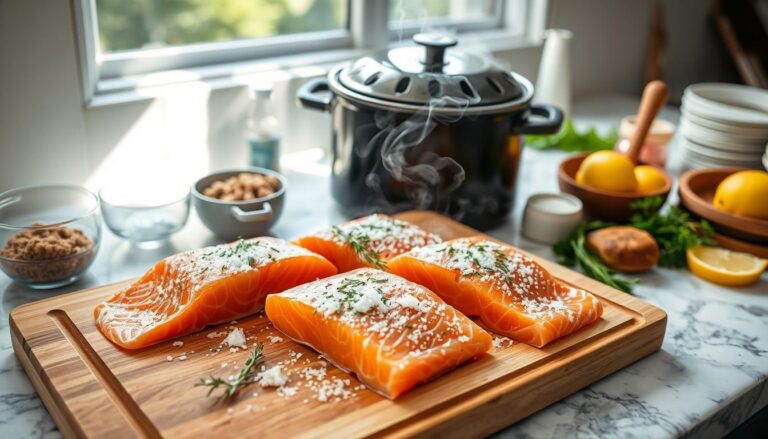
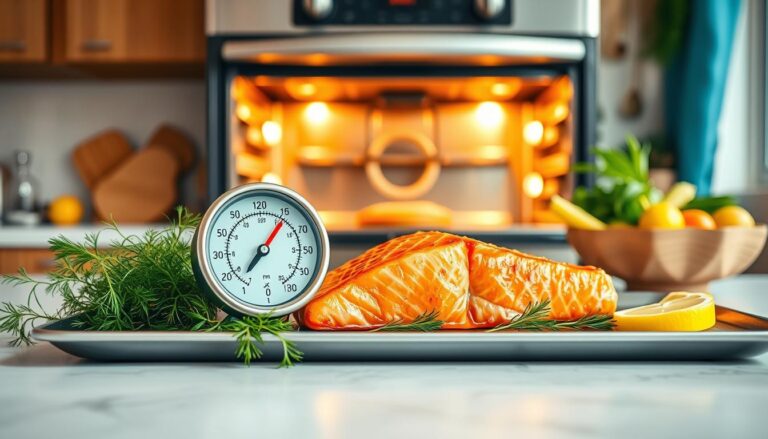
Begin by removing your salmon from the refrigerator 5-7 minutes before cooking. This ensures even heat distribution throughout the fillet. Pat the salmon dry using paper towels—moisture is the enemy of a crispy exterior. Place your instant-read thermometer within arm’s reach, as this will be your secret weapon for achieving the perfect internal temp for salmon. Pro tip: Calibrate your thermometer with ice water and boiling water beforehand to ensure accuracy.
Step 2: Season Generously
Apply sea salt and freshly cracked pepper on both sides of your salmon fillets, allowing the seasoning to penetrate the flesh. The salt actually draws moisture to the surface initially, then reabsorbs it, creating a perfectly seasoned interior. Don’t be shy—seasoning salmon properly is crucial since the fish’s delicate flavor needs bold support.
Step 3: Heat Your Cooking Surface
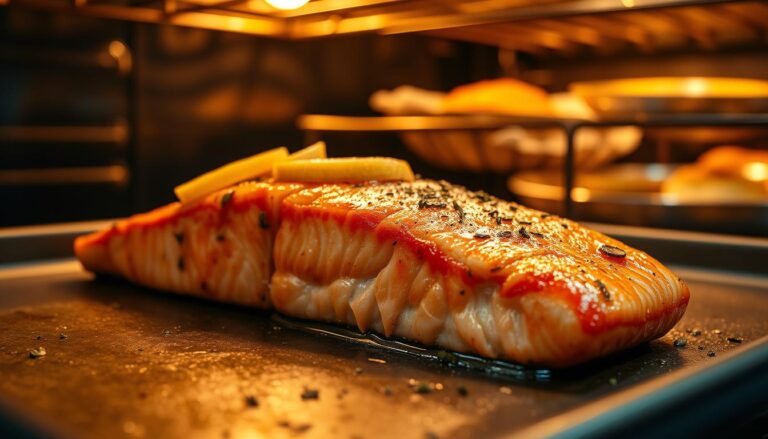
If pan-searing, heat your skillet over medium-high heat for 2-3 minutes. Add olive oil or butter once the pan is hot enough that a drop of water sizzles immediately. For grilling, preheat to 400-450°F. For baking, preheat your oven to 400°F. The cooking method you choose doesn’t dramatically affect the internal temp for salmon needed—only the time required to reach it.
Step 4: Cook Skin-Side Down (for Pan-Searing)
Place salmon skin-side down in your hot skillet. Resist the urge to move it around—let it sit undisturbed for 6-8 minutes. This creates a beautiful, crispy skin while gently cooking the flesh below. You should hear an immediate sizzle; if you don’t, your pan isn’t hot enough.
Step 5: Flip and Monitor Temperature
Carefully flip your salmon and cook for an additional 3-4 minutes on the flesh side. This is where your thermometer becomes invaluable. Insert it horizontally into the thickest part of the fillet, being careful not to touch the skin or pan. For the safe salmon internal temperature guide , aim for 145°F as your safety benchmark, though 120-125°F yields a more luxurious texture for high-quality salmon.
Step 6: Rest and Finish
Remove salmon from heat when it reaches your target internal temp for salmon. Transfer to a warm plate and tent loosely with foil for 3-5 minutes. This resting period allows carryover cooking to occur naturally and helps redistribute juices throughout the fillet. Finish with fresh lemon juice and minced garlic if desired.
Nutritional Information
A 6-ounce serving of cooked salmon provides approximately:
- Calories: 280-320
- Protein: 34g
- Fat: 17g (including 3.5g omega-3 fatty acids)
- Carbohydrates: 0g
- Sodium: 75mg
- Vitamin D: 570 IU (14% DV)
- Selenium: 36mcg (65% DV)
Salmon is recognized as a nutritional powerhouse, particularly for its omega-3 content, which supports cardiovascular and cognitive health. Studies show that consuming fatty fish like salmon twice weekly significantly reduces inflammation markers in the body.
Healthier Alternatives for the Recipe
For Lower-Calorie Versions:
Replace butter with Greek yogurt mixed with herbs for a creamy sauce with 90% fewer calories. The tangy flavor complements salmon beautifully.
For Keto-Friendly Preparations:
Increase fat content by using ghee or extra virgin olive oil. Create a garlic butter sauce that’s perfectly aligned with ketogenic macros.
For Heart-Health Focus:
Eliminate added fats and prepare salmon en papillote (in parchment paper) with vegetable medleys. This steaming method preserves nutrients while requiring zero added oil.
For Plant-Based Diners:
While salmon is inherently animal-based, consider serving alongside plant-forward sides like quinoa, roasted Brussels sprouts, and tahini dressing to create a balanced, inclusive meal.
Serving Suggestions
Serve your perfectly cooked salmon with:
- Creamy garlic mashed cauliflower and microgreens
- Wild rice pilaf with toasted almonds and dried cranberries
- Roasted asparagus with lemon beurre blanc
- Mediterranean couscous with cucumber, tomatoes, and feta
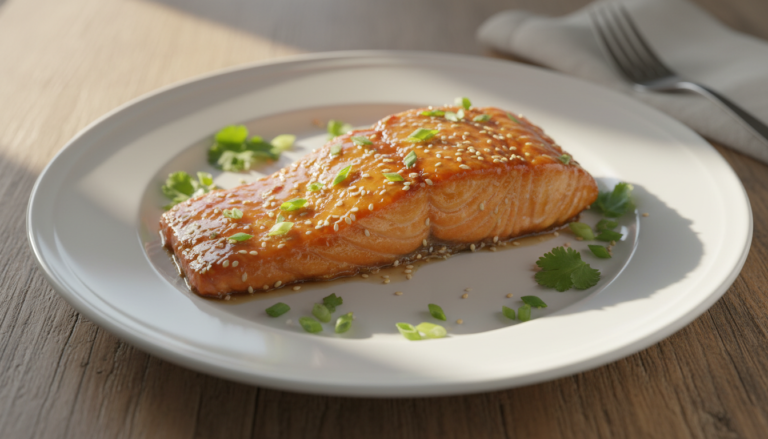
- Asian-inspired bok choy and sesame seeds with ginger sauce
- Classic dill potato salad for a lighter summer option
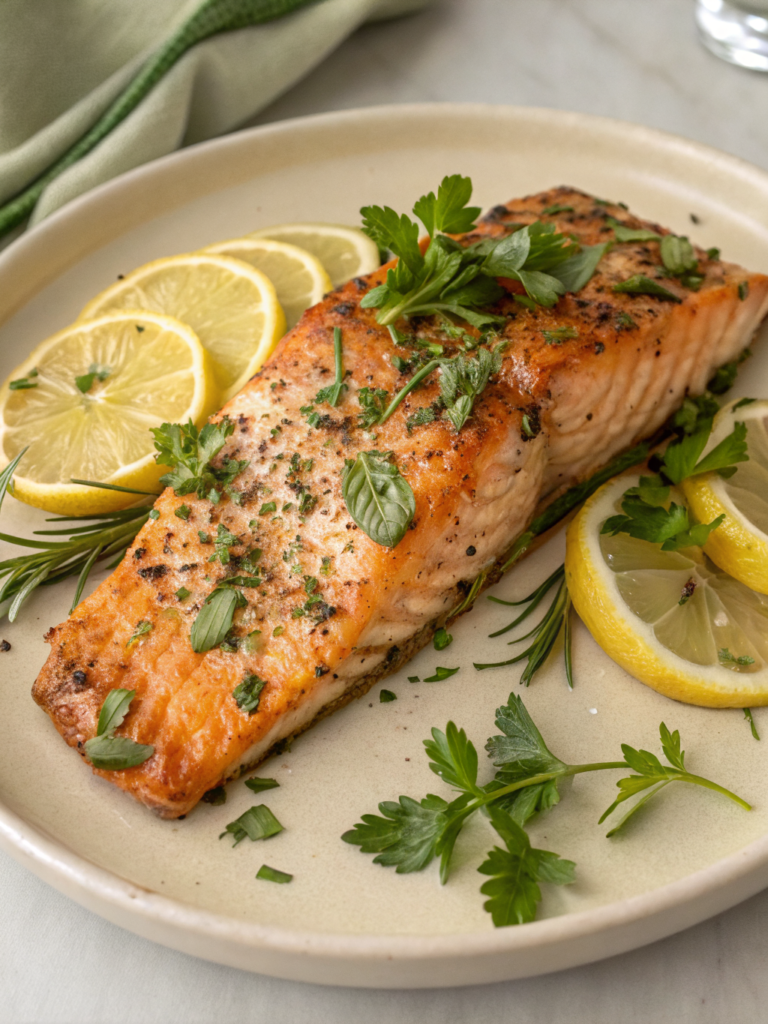
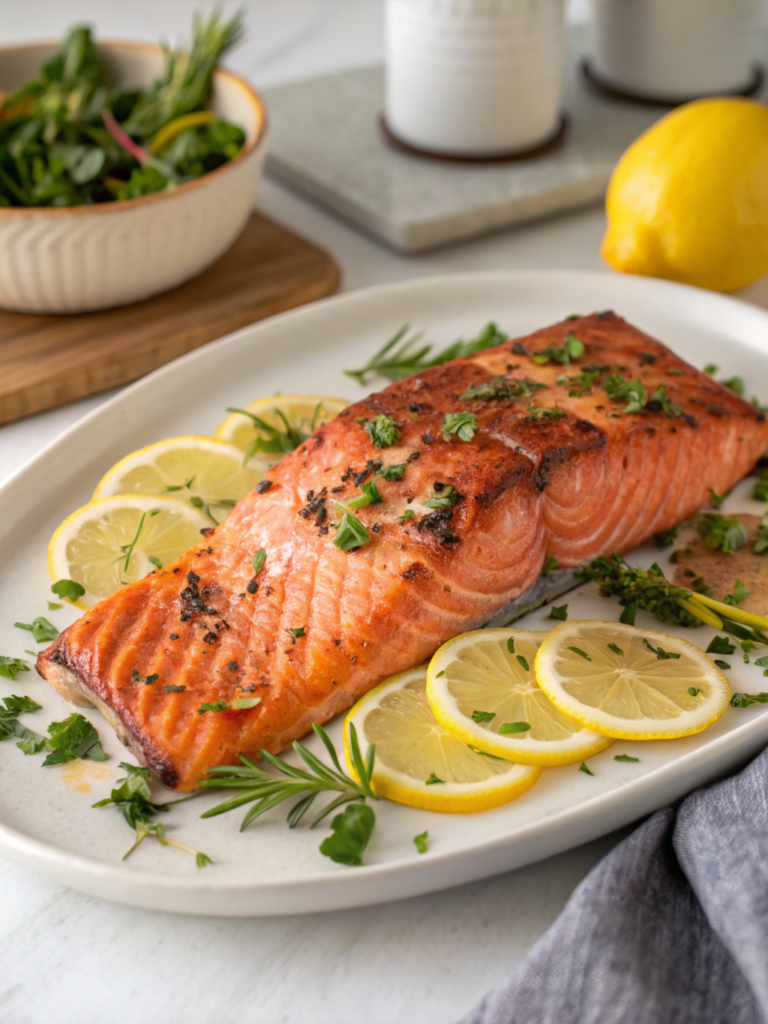
Create a stunning plate by placing salmon slightly off-center, positioning your chosen side dish artfully, and garnishing with fresh microgreens, lemon wheels, or edible flowers. The presentation elevates the entire dining experience.
Common Mistakes to Avoid
Mistake #1: Not Using a Thermometer
Relying on appearance or timing alone results in inconsistent results. Data shows that visual cues are only 60% accurate. A $15 instant-read thermometer guarantees success.
Mistake #2: Cooking from Cold
Starting with refrigerated salmon extends cooking time unpredictably, making it harder to hit your target internal temp for salmon precisely. Allow 5-7 minutes at room temperature first.
Mistake #3: Overcrowding the Pan
Cooking multiple fillets simultaneously drops pan temperature, preventing proper searing. Work in batches if necessary.
Mistake #4: Skipping the Resting Period
Cutting into salmon immediately after cooking releases valuable juices. Those 3-5 minutes of resting are non-negotiable for optimal texture.
Mistake #5: Using Low-Quality Salmon
The better your starting ingredient, the better your final result. Invest in wild-caught or responsibly farmed salmon from trusted suppliers.
Ultimate Meal Planner
Bundle
The all-in-one kitchen spreadsheet — plan meals, track spending, manage groceries and hit your nutrition goals. 12 powerful tabs, 800+ live formulas.
⚡ Instant · ✏️ Editable · ♻️ Reusable forever
Storing Tips for the Recipe
Refrigerator Storage:
Store cooked salmon in an airtight container for up to three days. Place parchment paper between layers if stacking. The internal temp for salmon you achieved during cooking doesn’t need to be maintained—proper refrigeration prevents bacterial growth.
Freezer Storage:
Wrap individual fillets tightly in plastic wrap and aluminum foil, then place in freezer bags. Label with the date. Frozen salmon maintains quality for up to two months. Thaw overnight in the refrigerator before reheating.
Reheating Best Practices:
Gently reheat in a 275°F oven for 10-12 minutes, covered with foil. This prevents further drying. Alternatively, enjoy cold salmon in salads or grain bowls.
Make-Ahead Strategy:
Prepare seasoned salmon fillets up to 12 hours in advance. Store on parchment paper in the refrigerator, then cook directly when ready. This saves significant time on busy weeknights.
Conclusion
Mastering the internal temp for salmon transforms you from an average home cook into a confident kitchen expert. By understanding that the safe internal temperature is 145°F while acknowledging that premium salmon can be enjoyed at 120-125°F, you’ve unlocked the secret to restaurant-quality results at home. The safe salmon internal temperature guide provided here ensures you’ll never second-guess yourself again.
Remember: invest in a quality thermometer, allow salmon to reach room temperature, use proper seasoning, and give your fish the resting time it deserves. These simple steps, grounded in both food safety science and culinary tradition, guarantee success.
Ready to impress your family and friends with perfectly cooked salmon? Try this recipe this week and share your results in the comments below. Did you discover your preferred temperature? What side dish pairing excited you most? We’d love to hear about your cooking journey. Explore our collection of seafood recipes for more inspiration, and subscribe to our newsletter for weekly cooking tips delivered straight to your inbox.
Ultimate Meal Planner
Bundle
The all-in-one kitchen spreadsheet — plan meals, track spending, manage groceries and hit your nutrition goals. 12 powerful tabs, 800+ live formulas.
⚡ Instant · ✏️ Editable · ♻️ Reusable forever
FAQs
Q: What’s the difference between USDA-recommended and chef-preferred temperatures?
A: The USDA recommends 145°F for food safety across all populations. Professional chefs often serve salmon at 120-125°F because premium, sushi-grade salmon from trusted sources carries minimal risk. Choose based on your comfort level and salmon quality.
Q: Can I cook frozen salmon without thawing?
A: Yes, but add 50% more cooking time. Increase your target internal temperature to 145°F to ensure proper safety. Thawing overnight yields superior results.
Q: Why is my salmon dry despite hitting the right temperature?
A: Overcooking past your target temperature causes moisture loss through continued heat exposure. Use a thermometer to remove salmon at exactly 120-125°F or 145°F, then let carryover cooking finish the job during resting.
Q: How do I know which cooking method is best?
A: Pan-searing creates crispy skin and takes 12 minutes. Baking is more forgiving and feeds larger groups. Grilling adds smoky flavor. All methods achieve the same internal temp for salmon—choose based on your preference and available equipment.
Q: Is farmed salmon less healthy than wild-caught?
A: Modern responsibly-farmed salmon is nutritionally comparable to wild-caught, with slightly higher fat content. Look for ASC (Aquaculture Stewardship Council) certification to ensure sustainable practices and quality standards.
Ultimate Meal Planner
Bundle
The all-in-one kitchen spreadsheet — plan meals, track spending, manage groceries and hit your nutrition goals. 12 powerful tabs, 800+ live formulas.
⚡ Instant · ✏️ Editable · ♻️ Reusable forever