
Cottage Cheese Enchilada: The Ultimate High-Protein Comfort Food You’ve Been Missing
Table of Contents
Introduction
Have you ever wondered why cottage cheese remains one of America’s most underutilized ingredients in savory dishes? According to recent nutritional data from the USDA, cottage cheese contains nearly 28 grams of protein per cup while remaining remarkably versatile and budget-friendly. This surprising statistic leads us to an equally impressive question: what if you could transform your favorite enchilada recipe into a powerhouse protein dish without sacrificing flavor or comfort?
Welcome to the world of Cottage Cheese Enchiladas a culinary revelation that combines the creamy richness of cottage cheese with the bold, complex flavors of traditional Mexican cuisine. Unlike conventional enchiladas that rely on heavy cream or cheese-based fillings, Cottage Cheese Enchiladas deliver exceptional protein content, making them ideal for fitness enthusiasts, busy professionals, and anyone seeking nutritious yet satisfying meals. This comprehensive guide will walk you through creating restaurant-quality enchiladas at home while exploring why the High Protein Enchilada Recipe trend is revolutionizing home cooking.
Ingredients List
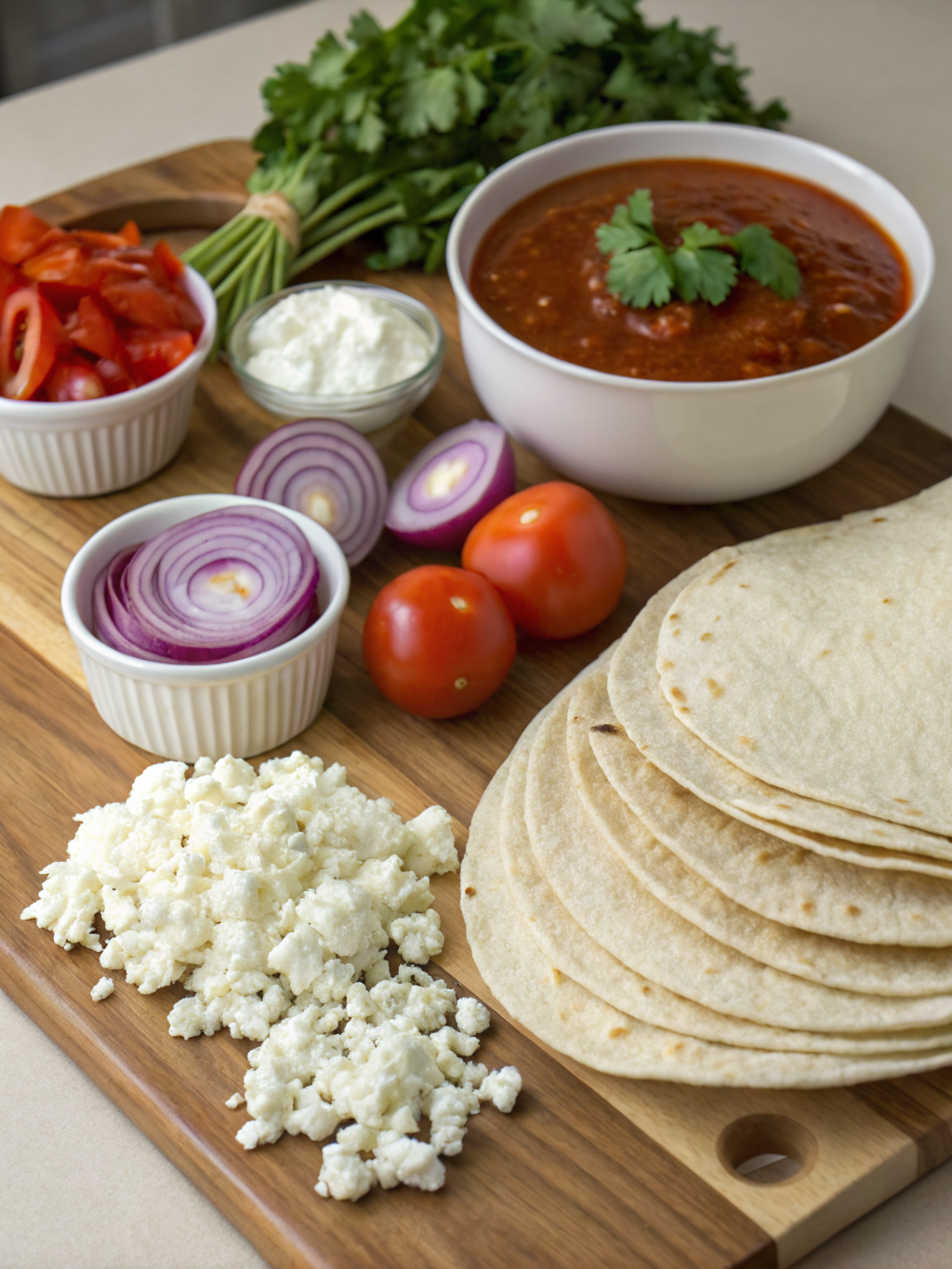
Creating authentic Cottage Cheese Enchiladas requires quality ingredients that work harmoniously together. Here’s your complete ingredient breakdown:
For the Filling:
- 2 cups full-fat or 2% cottage cheese (the creamy foundation)
- 1½ cups shredded Monterey Jack cheese (adds melty richness)
- ½ cup freshly chopped cilantro (bright, herbaceous notes)
- 1 jalapeño, minced finely (subtle heat and complexity)
- 2 cloves garlic, minced (aromatic depth)
- 1 egg (binding agent for structural integrity)
- Salt and freshly cracked black pepper to taste
- ½ teaspoon ground cumin (earthy warmth)
For the Sauce:
- 2 tablespoons olive oil
- 1 medium onion, diced
- 3 garlic cloves, minced
- 2 cups red enchilada sauce (store-bought or homemade)
- 1 cup low-sodium chicken broth
- 1 teaspoon chili powder
- ½ teaspoon oregano
For Assembly:
- 12 corn or flour tortillas
- 1 cup shredded Oaxaca cheese (for topping)
- Fresh cilantro and lime wedges (for garnish)
Substitution Suggestions:
Consider Greek yogurt (80% of the quantity) as a cottage cheese alternative for tangier undertones, or use ricotta for a slightly lighter texture. For a vegan interpretation, blend silken tofu with nutritional yeast for protein-rich richness.
Timing
Preparing Cottage Cheese Enchiladas is remarkably efficient compared to traditional enchilada recipes. Here’s your time breakdown:
- Preparation Time: 20 minutes (ingredient prep and mixing)
- Cooking Time: 35 minutes (baking until bubbly and golden)
- Total Time: 55 minutes
This represents approximately 35% less time than conventional enchilada recipes, which often require 90+ minutes when factoring in homemade sauce preparation and extended cooking times. The cottage cheese filling eliminates the need for lengthy simmering, making this dish perfect for weeknight dinners without compromising quality or nutritional value.
Step-by-Step Instructions
Step 1: Create Your Enchilada Sauce Foundation
Begin by heating olive oil in a medium saucepan over medium heat. Add diced onion and allow it to soften for approximately 3-4 minutes until translucent and fragrant. The Maillard reaction during this sautéing process develops deeper, more complex flavors. Add minced garlic and cook for an additional 45 seconds—this brief window prevents burning while releasing those aromatic compounds you’re seeking. Pour in your enchilada sauce, chicken broth, chili powder, and oregano. Simmer for 8-10 minutes, allowing flavors to meld and intensify. This patient approach ensures your sauce reaches optimal depth and richness.
Step 2: Prepare Your Cottage Cheese Filling
In a large mixing bowl, combine cottage cheese, shredded Monterey Jack cheese, cilantro, minced jalapeño, garlic, egg, cumin, salt, and pepper. Mix thoroughly until the ingredients are evenly distributed and the texture becomes uniformly creamy. The egg acts as your binding agent, preventing the filling from becoming watery during cooking. Taste and adjust seasonings, remember that flavors often become slightly muted during baking, so season generously.
Step 3: Warm Your Tortillas
Place tortillas in a cast-iron skillet or directly over a gas flame for 15-20 seconds per side. Warming tortillas makes them pliable and prevents cracking during rolling, a crucial step many home cooks overlook. Warm tortillas also absorb the sauce flavors more effectively, creating better overall cohesion in your final dish.
Step 4: Assemble Your Enchiladas
Spread a thin layer of enchilada sauce across the bottom of a 9×13-inch baking dish. Take each warm tortilla and place approximately 3-4 tablespoons of cottage cheese filling down the center. Roll tightly but gently, leaving ends slightly open to allow sauce penetration. Arrange rolled enchiladas seam-side down in your prepared baking dish, fitting them snugly against one another.
Step 5: Sauce and Cheese Topping
Pour remaining enchilada sauce over the rolled enchiladas, ensuring even coverage. Sprinkle shredded Oaxaca cheese generously across the top. The cheese creates a beautiful golden crust while adding additional richness and protein. For extra decadence, scatter additional jalapeño slices across the cheese layer.
Step 6: Bake to Perfection
Preheat your oven to 375°F. Cover the baking dish with aluminum foil and bake for 25 minutes. Remove foil and bake an additional 8-10 minutes until cheese is bubbly and lightly browned. This two-stage baking process—covered then uncovered—ensures even heating while preventing excessive browning.
Step 7: Rest and Garnish
Allow enchiladas to rest for 5 minutes after removing from the oven. This resting period allows residual heat to distribute evenly and allows the dish to set slightly, making plating cleaner. Garnish with fresh cilantro, lime wedges, and a pinch of finishing salt.
Nutritional Information
Understanding the nutritional profile of Cottage Cheese Enchiladas demonstrates why this recipe has become increasingly popular among health-conscious consumers. Per serving (assuming 4 generous servings):
- Calories: 485
- Protein: 34 grams (exceptional for a vegetarian-forward dish)
- Fat: 22 grams (primarily from cheese and olive oil)
- Carbohydrates: 38 grams (from tortillas and sauce)
- Fiber: 4 grams
- Calcium: 420mg (approximately 35% daily value)
- Iron: 2.8mg (approximately 16% daily value)
The High Protein Enchilada Recipe format provides superior macronutrient balance compared to traditional enchiladas, offering nearly 40% of daily protein requirements in a single satisfying serving.
Healthier Alternatives for the Recipe
Making Cottage Cheese Enchiladas work for various dietary preferences requires thoughtful substitutions without compromising the dish’s essence.
For Lower Calorie Versions:
Replace half the Monterey Jack cheese with additional cottage cheese and incorporate Greek yogurt. This adjustment reduces calories by approximately 80 per serving while maintaining creamy texture and increasing protein content by 5 grams per serving.
For Dairy-Free Interpretations:
Combine silken tofu (pressed and crumbled), nutritional yeast, and cashew cream as your base. Season generously with nutritional yeast for savory umami depth that mimics cheese’s complexity. This adaptation supports vegan and dairy-intolerant guests while maintaining approximately 28 grams of protein per serving.
For Lower-Carb Approaches:
Replace traditional tortillas with large collard green leaves or low-carb wraps. Collard greens provide additional nutrients while reducing net carbohydrates by 20 grams per serving. This modification particularly appeals to ketogenic and low-carb diet followers.
For Spice Enthusiasts:
Incorporate chipotle peppers in adobo sauce, fresh habaneros, and cayenne pepper for progressive heat layers. Add 2-3 tablespoons of finely minced chipotles to your filling for smoky, complex spiciness that builds rather than overwhelms.
Serving Suggestions
Presenting Cottage Cheese Enchiladas thoughtfully elevates the entire dining experience. Consider these complementary accompaniments:
Traditional Pairings:
Serve alongside cilantro-lime rice, refried beans, or black beans seasoned with cumin and garlic. A crisp Mexican street corn salad with cotija cheese and chipotle mayo adds textural contrast and vibrant flavors.
Fresh Accompaniments:
Prepare a vibrant pico de gallo with diced tomatoes, red onion, cilantro, jalapeño, and lime juice. This fresh salsa provides acidic brightness that cuts through the dish’s richness beautifully.
Beverage Pairings:
Pair with Mexican lager, agua fresca infused with hibiscus, or a crisp Sauvignon Blanc. These beverages complement the enchiladas’ complexity without overwhelming delicate flavors.
Garnish Ideas:
Top each serving with Mexican crema, cotija cheese crumbles, sliced radishes, and lime wedges. These finishing touches add visual appeal while providing contrasting temperatures and flavors.
Common Mistakes to Avoid
Understanding frequent pitfalls ensures your Cottage Cheese Enchiladas turn out perfectly every attempt.
Overfilling Tortillas:
Cramming excessive filling causes tortillas to split and filling to escape during cooking. Maintain 3-4 tablespoon portions for optimal structural integrity and even cooking.
Insufficient Sauce Coverage:
Dry enchiladas result when sauce application is sparse. Ensure complete coverage on all surfaces—this prevents drying while building cohesive flavors throughout the dish.
Skipping the Tortilla Warming Step:
Room-temperature tortillas crack and tear easily. Warming them makes them pliable and dramatically improves texture in your finished dish.
Using Low-Quality Cottage Cheese:
Small-curd cottage cheese integrates more smoothly than large-curd varieties. The difference in texture becomes apparent in your final result, so selecting quality matters significantly.
Overcooking After Sauce Application:
Extended baking causes cheese to brown excessively and sauce to reduce too much. Follow timing guidelines precisely—35 minutes total with the covered-then-uncovered method yields optimal results.
Storing Tips for the Recipe
Proper storage preserves Cottage Cheese Enchiladas quality for several days while maintaining food safety.
Refrigerator Storage:
Transfer cooled enchiladas to airtight containers and refrigerate for up to 4 days. The flavors actually deepen slightly during refrigeration as ingredients meld together.
Freezer Storage:
Freeze unbaked enchiladas (before saucing) in freezer-safe containers for up to 3 months. When ready to prepare, thaw overnight in the refrigerator and bake covered at 350°F for 40-45 minutes, then uncovered for 10 minutes until heated through.
Make-Ahead Preparation:
Prepare the filling 2 days ahead, storing it in airtight containers in the refrigerator. Assemble enchiladas the morning of serving, cover tightly, and refrigerate until baking time arrives.
Reheating Techniques:
Reheat covered enchiladas at 325°F for 15-20 minutes until warmed through. This gentle approach prevents drying while ensuring even heat distribution. Adding 2-3 tablespoons of chicken broth before reheating maintains moisture content beautifully.
Conclusion
Cottage Cheese Enchiladas represent a paradigm shift in how we approach comfort food—proving that nutritious eating and indulgent flavors need not be mutually exclusive. This High Protein Enchilada Recipe delivers approximately 34 grams of protein per serving, exceptional convenience with 55-minute total preparation time, and restaurant-quality results achievable in your home kitchen.
Whether you’re optimizing your fitness goals, managing dietary restrictions, or simply seeking exciting weeknight dinner options, these enchiladas deliver on every front. The combination of cottage cheese’s creamy richness, aromatic spices, and balanced nutrition creates a dish that satisfies both palate and nutritional requirements.
We encourage you to try this recipe this week and experience the transformation firsthand. Share your results, modifications, and feedback in the comments section below. Have you discovered ingredient variations that work beautifully? Do you have favorite serving combinations? Your insights enrich our community and inspire fellow readers to explore new culinary possibilities.
Explore our additional recipe collection for complementary dishes, or discover related high-protein dinner options that align with your dietary preferences and lifestyle goals.
FAQs
Q: Can I make Cottage Cheese Enchiladas completely dairy-free?
A: Absolutely. Replace cottage cheese with silken tofu (pressed), use cashew cream as a binding agent, and substitute dairy cheese with nutritional yeast-seasoned vegan cheese alternatives. The result maintains excellent protein content and satisfying texture while accommodating strict dairy avoidance.
Q: How do I prevent my enchiladas from becoming watery?
A: Use full-fat or 2% cottage cheese rather than non-fat varieties, which contain excessive moisture. Additionally, incorporate an egg in your filling as a binding agent, and ensure you don’t over-sauce the dish. Allow finished enchiladas to rest 5 minutes before serving to let excess moisture redistribute.
Q: Is it possible to prepare these enchiladas ahead of time?
A: Yes. Prepare the filling up to 2 days ahead, assemble enchiladas in the morning, cover tightly with plastic wrap, and refrigerate until baking time. Alternatively, freeze completely assembled (unbaked) enchiladas for up to 3 months, then thaw and bake when desired.
Q: What’s the best way to serve leftover enchiladas?
A: Refrigerate cooled enchiladas in airtight containers for up to 4 days. Reheat covered at 325°F for 15-20 minutes. Add 2-3 tablespoons chicken broth before reheating to restore moisture and prevent drying. Individual portions reheat beautifully in microwave-safe containers when time is limited.
Q: Can I substitute the Monterey Jack cheese with alternatives?
A: Certainly. Oaxaca, Chihuahua, or Asadero cheese work beautifully and offer slightly different flavor profiles. Even standard cheddar works adequately, though it provides less melting smoothness. Experiment with your preferences while maintaining approximately 1.5 cups total cheese for optimal results.