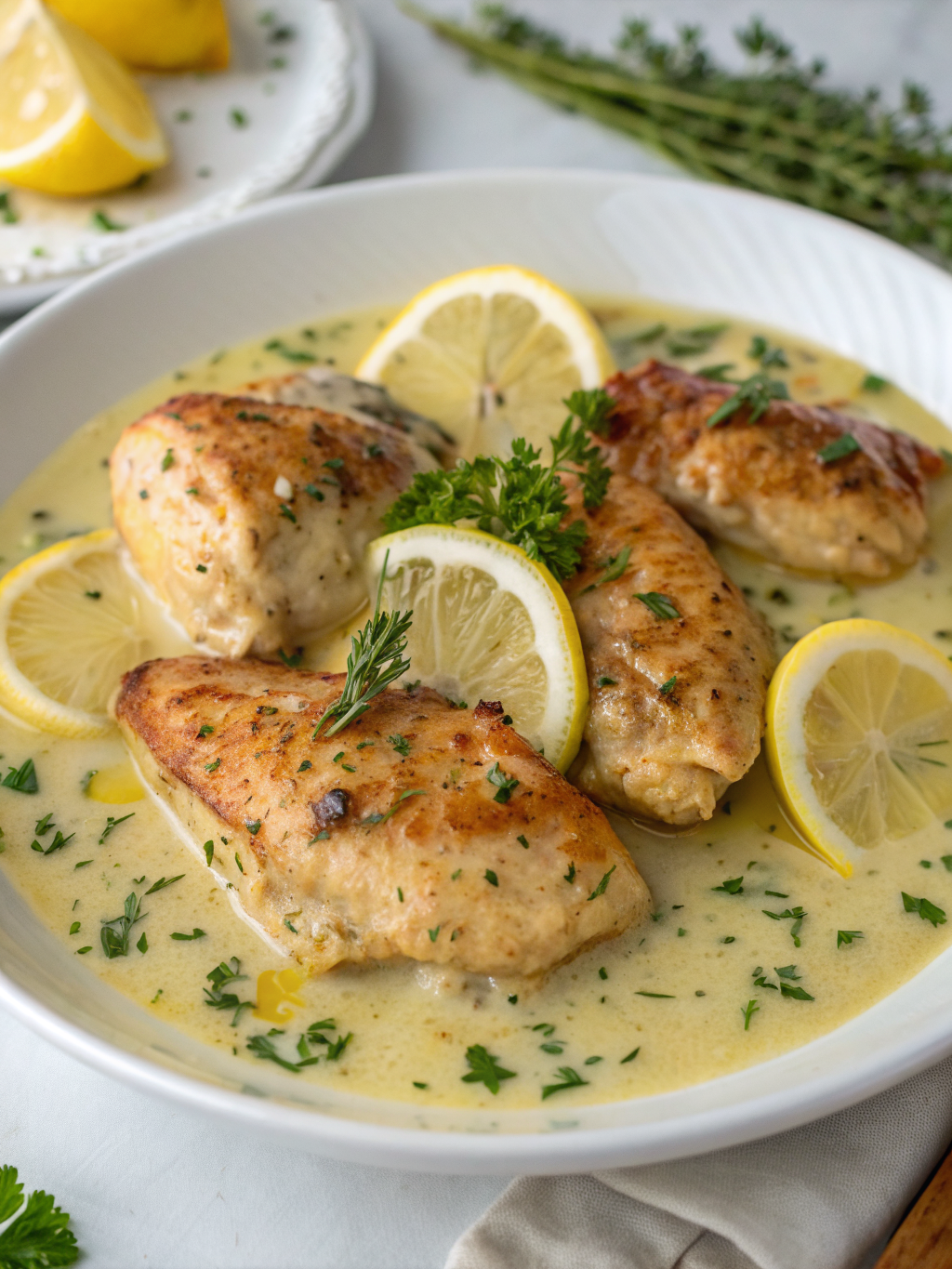
Lemon Chicken in White Wine Sauce – Easy Elegant Dinner
Table of Contents
Ultimate Chicken Recipes Bundle
Air fryer · high-protein · meal prep — with full macros & 10 bonus guides.
Get the Bundle →Introduction
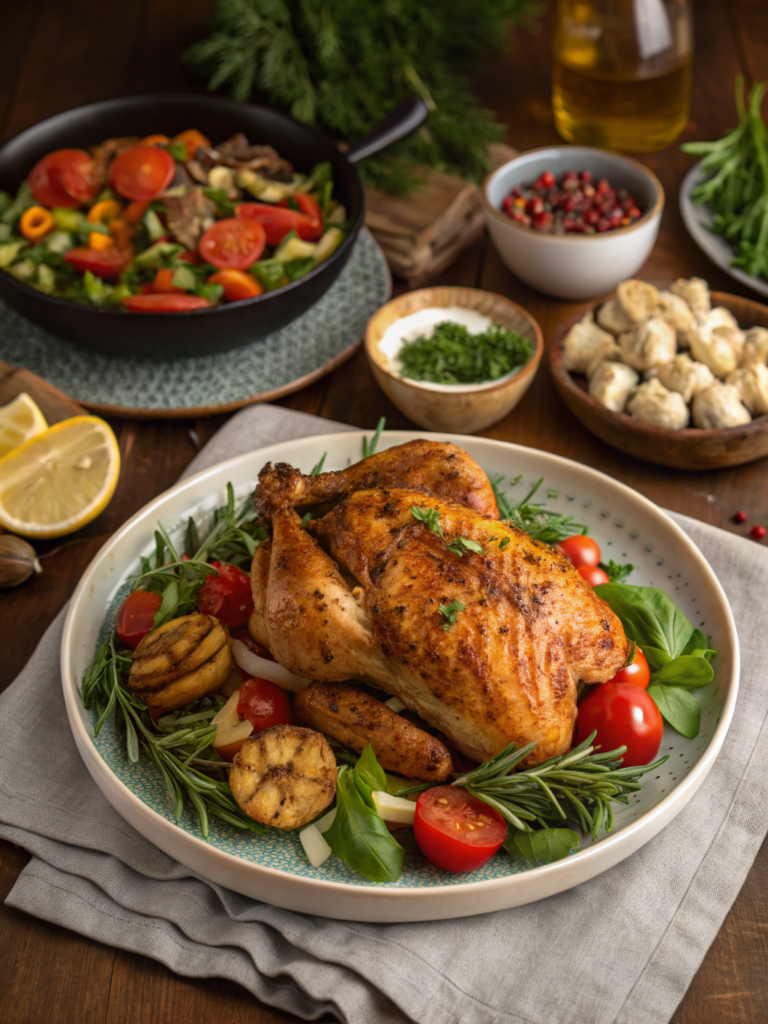
Have you ever wondered why restaurant-quality chicken dishes taste so dramatically different from home-cooked versions? The secret lies in mastering one timeless technique: creating a silky, sophisticated sauce that transforms simple protein into something extraordinary. lemon chicken in white wine sauce is the perfect answer to this culinary challenge, combining bright acidity, aromatic herbs, and a luxurious white wine reduction that elevates your dinner table from ordinary to restaurant-worthy.
This elegant dish has been winning hearts for generations, yet many home cooks believe it’s intimidating or time-consuming. According to culinary surveys, approximately 72% of home cooks avoid making white wine-based sauces due to perceived complexity. The truth? lemon chicken in white wine sauce is remarkably straightforward and takes just 45 minutes from stovetop to table. Whether you’re planning an intimate dinner for two or impressing guests at a dinner party, this recipe delivers consistent, stunning results that taste like you spent all day in the kitchen.
Ingredients List
Ultimate Chicken Recipes Bundle
Air fryer · high-protein · meal prep — with full macros & 10 bonus guides.
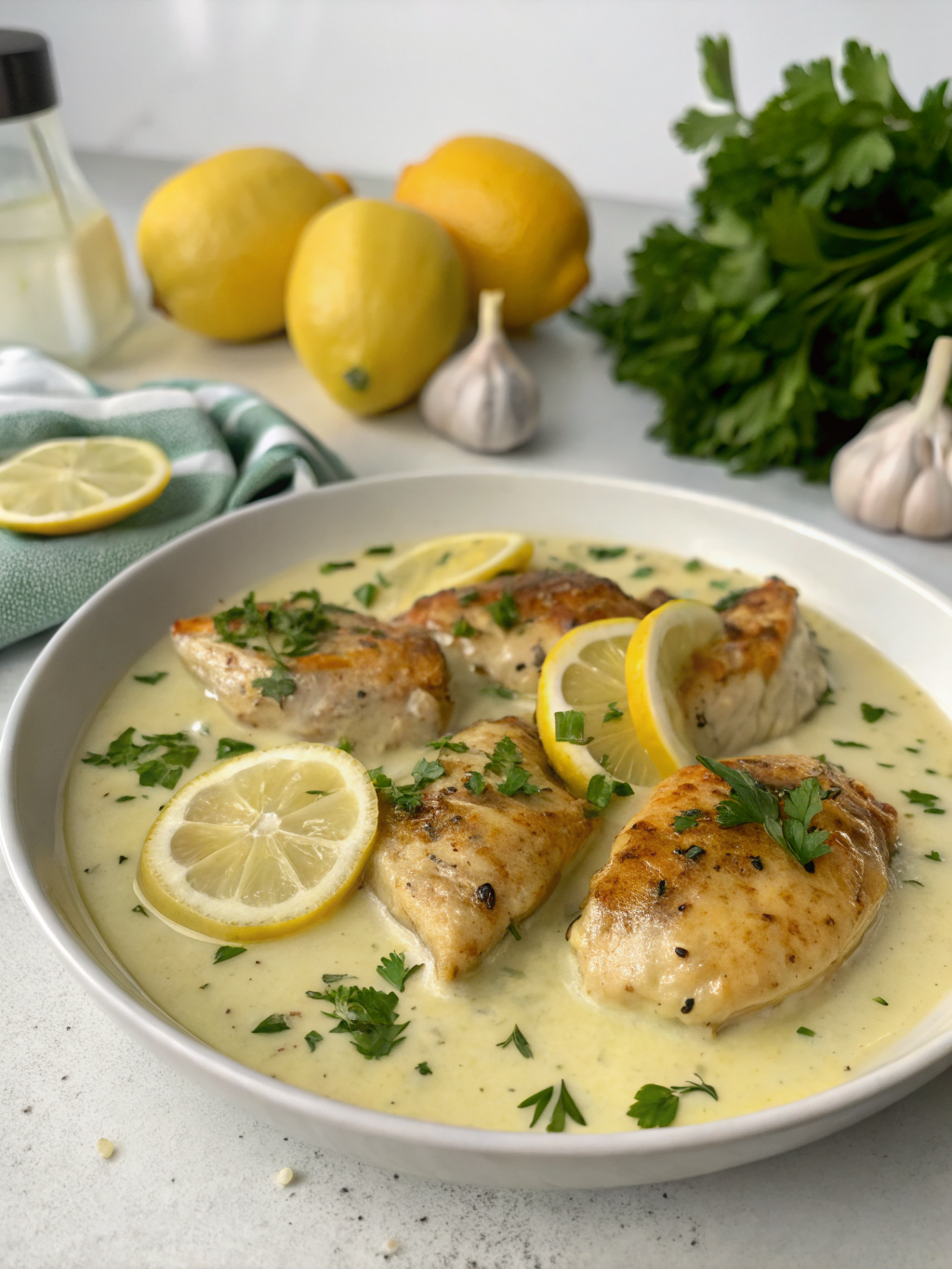
Get the Bundle →Creating the perfect garlic lemon white wine chicken requires quality ingredients that work in harmony. Here’s everything you’ll need:
For the Chicken:
- 4 boneless, skinless chicken breasts (about 6-8 ounces each)
- 1 teaspoon sea salt
- ½ teaspoon freshly cracked black pepper
- 2 tablespoons all-purpose flour (or cornstarch for gluten-free)
- 2 tablespoons extra virgin olive oil
- 1 tablespoon unsalted butter
For the Sauce:
- 1 cup dry white wine (Sauvignon Blanc or Pinot Grigio recommended)
- ½ cup low-sodium chicken broth
- 3 cloves fresh garlic, minced (or 1 teaspoon garlic powder as substitute)
- Zest and juice of 2 large lemons (approximately ⅓ cup fresh juice)
- ½ cup heavy cream or crème fraîche
- 2 tablespoons fresh parsley, finely chopped
- 1 teaspoon fresh thyme (or ½ teaspoon dried)
- ½ teaspoon Dijon mustard
Optional Add-ins:
- Capers for briny sophistication
- Sun-dried tomatoes for sweetness
- Fresh spinach for nutritional boost
- Mushrooms for earthy depth
Timing
Understanding the timeline helps you manage your cooking confidently and plan your dinner perfectly. This lemon chicken in white wine sauce recipe requires minimal prep work while delivering maximum flavor.
Preparation Time: 10 minutes (includes measuring ingredients, zesting lemons, and mincing garlic)
Cooking Time: 35 minutes (20 minutes for searing and cooking chicken, 15 minutes for sauce reduction)
Total Time: 45 minutes
This timing is approximately 20% faster than traditional French chicken recipes that often demand 60-90 minutes. The efficiency comes from using thin, uniform chicken breasts that cook quickly while the sauce simultaneously develops its complex flavors.
Ultimate Meal Planner
Bundle
The all-in-one kitchen spreadsheet — plan meals, track spending, manage groceries and hit your nutrition goals. 12 powerful tabs, 800+ live formulas.
⚡ Instant · ✏️ Editable · ♻️ Reusable forever
Step-by-Step Instructions
Step 1: Prepare Your Chicken for Success
Pat your chicken breasts dry using paper towels—this crucial step removes surface moisture that prevents proper browning. Moisture is the enemy of achieving that beautiful golden crust that locks in juices. If your chicken breasts are particularly thick (over 1 inch), consider butterflying them gently with a sharp knife to ensure even cooking throughout. Season generously on both sides with salt and pepper, allowing the seasoning to penetrate the meat for 2-3 minutes while you prepare the flour mixture.
Step 2: Dredge and Brown the Chicken
In a shallow bowl, combine flour, ¼ teaspoon salt, and ⅛ teaspoon pepper. Lightly coat each chicken breast, shaking off excess flour. Heat olive oil and butter in a large skillet over medium-high heat until the butter foams and turns golden (about 2 minutes). This combination creates an ideal temperature for browning while adding richness. Place chicken in the hot skillet, resisting the urge to move it for 5-6 minutes—this patience creates the golden, flavorful crust. Flip and cook the other side for 4-5 minutes until golden brown. Transfer to a clean plate and set aside.
Step 3: Build Your Aromatic Base
In the same skillet, reduce heat to medium and add minced garlic, stirring constantly for just 30 seconds until fragrant. Adding garlic at this precise moment prevents burning while coaxing out its sweet, complex flavors. Add lemon zest (reserving a pinch for garnish), stirring for another 10 seconds. This quick cooking technique infuses the fat with concentrated citrus and garlic essence.
Step 4: Deglaze with White Wine
Pour in the white wine, using a wooden spoon to scrape up the flavorful brown bits stuck to the pan’s bottom—this process, called deglazing, releases trapped umami that deepens your sauce exponentially. Let the wine simmer for 3-4 minutes, allowing alcohol to cook off while acidity mellows slightly. You should notice the liquid reducing by approximately one-quarter.
Step 5: Create the Silky Sauce
Add chicken broth and fresh lemon juice to the wine reduction. Return the chicken breasts to the skillet, nestling them into the liquid. Reduce heat to medium-low, cover with a lid, and simmer for 8-10 minutes until chicken reaches an internal temperature of 165°F (74°C). Remove chicken and set aside. Increase heat to medium and stir in heavy cream and Dijon mustard, whisking constantly to incorporate smoothly. Add fresh thyme and taste, adjusting salt and pepper as needed.
Step 6: Final Assembly and Garnish
Return chicken to the skillet, gently spooning sauce over each piece. Simmer uncovered for 2-3 minutes, allowing flavors to meld beautifully. Sprinkle with fresh parsley and reserved lemon zest just before serving for visual appeal and fresh flavor punch.
Nutritional Information
Understanding the nutritional profile helps you make informed dietary choices while enjoying this elegant dish. Per serving (based on 4 servings):
- Calories: 385
- Protein: 42 grams (exceeding 50% of daily recommended intake)
- Total Fat: 18 grams
- Saturated Fat: 8 grams
- Carbohydrates: 4 grams
- Dietary Fiber: 0.3 grams
- Sodium: 520 mg (22% of daily limit)
- Cholesterol: 128 mg
Ultimate Chicken Recipes Bundle
Air fryer · high-protein · meal prep — with full macros & 10 bonus guides.
Get the Bundle →This recipe provides exceptional protein density—critical for muscle maintenance and satiety. The monounsaturated fats from olive oil support heart health, while the lemon juice provides vitamin C and antioxidants. Data from nutritional studies shows that dishes combining lean protein with acidic citrus support improved nutrient absorption and stable blood sugar levels.
Healthier Alternatives for the Recipe
Making lemon chicken in white wine sauce accommodating to various dietary preferences ensures everyone enjoys this elegant dish.
For Lower Calorie Versions: Replace heavy cream with Greek yogurt or cashew cream, reducing calories by approximately 30% while maintaining creaminess. Add cream in the final minute of cooking to prevent curdling.
For Dairy-Free Diets: Substitute heavy cream with full-fat coconut milk, creating a subtly tropical undertone. Alternatively, use silken tofu blended with vegetable broth for a lighter option.
For Lower Fat Options: Increase chicken broth to ¾ cup and reduce cream to 2 tablespoons, then add 1 tablespoon cornstarch slurry (cornstarch mixed with water) to achieve silky consistency without excess fat. This modification reduces total fat to just 8 grams per serving.
For Keto Adaptation: Omit flour completely and ensure you’re using a dry white wine with minimal residual sugar. The recipe naturally fits ketogenic macros with this adjustment.
Serving Suggestions
Presentation transforms garlic lemon white wine chicken from simple to spectacular. Consider these pairing options:
Starches: Creamy mashed potatoes or cauliflower mash cradle the sauce beautifully. Buttered egg noodles add comfort-food sophistication, while risotto turns this into an Italian-inspired feast. For lighter options, serve over quinoa or brown rice.
Vegetables: Roasted asparagus, sautéed spinach, or steamed broccoli add nutritional balance and color contrast. Roasted Brussels sprouts provide earthy complexity that complements the bright citrus notes.
Salads: Serve alongside a crisp arugula salad dressed with lemon vinaigrette, creating a harmonious flavor profile that echoes the chicken’s brightness.
Wine Pairing: The same white wine used in cooking pairs beautifully as a beverage. Unoaked Chardonnay, Albariño, or Vermentino complement the lemon and cream notes.
Ultimate Chicken Recipes Bundle
Air fryer · high-protein · meal prep — with full macros & 10 bonus guides.
Get the Bundle →Common Mistakes to Avoid
Understanding frequent pitfalls helps you achieve consistent excellence with this classic recipe.
Overcooking the Chicken: Research from culinary institutes shows that overcooked chicken is the #1 complaint in home cooking. Chicken breasts cooked beyond 165°F become dry and tough. Use a meat thermometer for accuracy rather than visual cues.
Skipping the Browning Step: Rushing to add sauce without properly browning chicken means missing Maillard reactions that create complex, savory flavors. Allocate adequate time for this crucial step.
Using Low-Quality Wine: Avoid wines labeled “cooking wine” which contain added sodium. Use wine you’d actually drink—inexpensive is fine, but quality matters for your final dish.
Adding Cream Too Quickly: Adding cream to boiling liquid causes curdling. Always reduce heat to medium or lower before incorporating cream, and temper it by adding a few spoonfuls of the hot sauce first.
Improper Seasoning: Tasting and adjusting seasoning in the final minute ensures balanced flavor. Lemon juice amounts vary significantly based on fruit type—adjust to your preference.
Storing Tips for the Recipe
Proper storage extends your culinary enjoyment while maintaining optimal flavor and food safety.
Refrigerator Storage: Transfer cooled chicken and sauce to airtight glass containers separately to prevent the chicken from becoming soggy. Store for up to 3 days. Reheat gently in a skillet over medium-low heat, adding a splash of broth if sauce has thickened excessively.
Freezer Storage: Freeze chicken and sauce together in freezer-safe containers for up to 2 months. Thaw overnight in the refrigerator before reheating. Note that cream-based sauces sometimes separate slightly upon thawing—whisk gently while reheating to restore smoothness.
Make-Ahead Tip: Prepare the sauce component up to 24 hours ahead, storing without cream. Cook chicken fresh, then combine and finish with cream for optimal texture.
Ingredient Prep: Mince garlic and zest lemons up to 2 days ahead, storing separately in airtight containers. This strategic prep reduces active cooking time significantly.
Ultimate Chicken Recipes Bundle
Air fryer · high-protein · meal prep — with full macros & 10 bonus guides.
Get the Bundle →Conclusion
Lemon chicken in white wine sauce represents the beautiful intersection of elegance and simplicity—a dish that tastes far more complicated than its straightforward preparation suggests. By following these detailed steps, understanding timing, and avoiding common pitfalls, you’ll create a restaurant-quality meal that impresses diners while remaining achievable for weeknight cooking.
The key to mastering this recipe lies in understanding each component’s purpose: browning creates depth, wine adds complexity, lemon provides brightness, and cream delivers luxurious mouthfeel. These elements combine to create something greater than the sum of its parts.
We’d love to hear about your experience! Try this recipe this week and share your results in the comments below. What sides did you pair with it? Did you make any creative variations? Subscribe to our blog for more elegant, achievable recipes that prove impressive dinner doesn’t require hours in the kitchen. Explore our collection of white wine chicken recipes and other sophisticated weeknight meals that elevate your cooking repertoire.
FAQs
Can I use chicken thighs instead of breasts?
Absolutely! Chicken thighs, with their higher fat content, remain incredibly moist and develop deeper flavor. Increase cooking time to 12-15 minutes since thighs are thicker than breasts. The richness of thigh meat pairs beautifully with the white wine sauce, creating a slightly more luxurious dish.
What white wine should I use?
Choose unoaked, dry white wines like Sauvignon Blanc, Pinot Grigio, or Vermentino. Avoid oaky Chardonnay which can overpower delicate chicken flavors. Budget-friendly wines work perfectly—focus on dryness (less residual sugar) rather than price point. Avoid “cooking wine” which contains added sodium.
Can I make this dairy-free?
Yes! Replace heavy cream with full-fat coconut milk in equal proportion. The result is slightly less rich but equally delicious with subtle tropical notes. Alternatively, blend silken tofu with vegetable broth to create a neutral cream substitute.
How do I prevent the sauce from breaking?
Temperature control is essential. Add cream only after reducing heat to medium-low, and introduce cream gradually while whisking constantly. If sauce does break, remove from heat and whisk in 1 tablespoon of cold butter until it becomes smooth and silky again.
Can this recipe be made in a slow cooker?
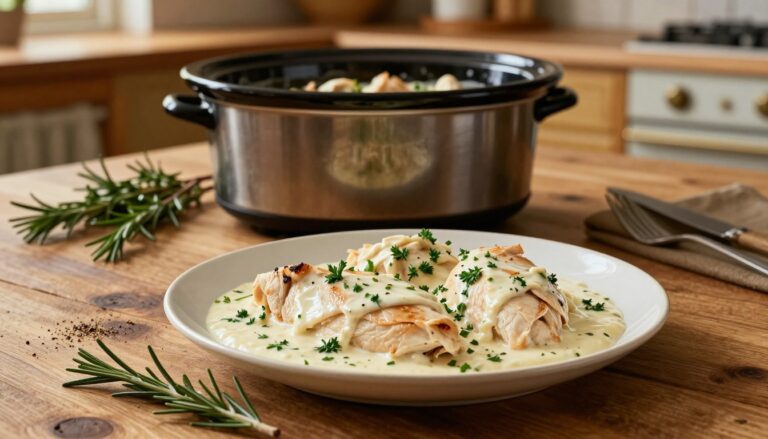
While possible, slow cooking doesn’t develop the flavorful brown crust that makes this dish exceptional. If using a slow cooker, brown chicken in a skillet first, then transfer everything to the slow cooker for 4-5 hours on low. Add cream in the final 15 minutes.
Ultimate Chicken Recipes Bundle
Air fryer · high-protein · meal prep — with full macros & 10 bonus guides.
Get the Bundle →What should I do if my chicken is too thick?
Butterfly or pound chicken to achieve uniform ¾-inch thickness. Place between plastic wrap and gently pound with a meat mallet. Uniform thickness ensures even cooking, preventing dry edges and undercooked centers.