Cottage Cheese Pancakes: The Ultimate High-Protein Breakfast Game-Changer
Table of Contents
Introduction
Did you know that traditional pancakes contain roughly 8-12 grams of protein per serving, while most people need 20-30 grams of protein to stay satisfied until lunch? This is where cottage cheese pancakes revolutionize your morning routine. If you’re searching for a breakfast that combines indulgence with nutritional powerhouse benefits, you’ve found your solution.
Cottage cheese pancakes have surged in popularity among fitness enthusiasts, busy professionals, and health-conscious families alike. Unlike regular pancakes, these delightful creations deliver approximately 20-25 grams of protein per stack while maintaining that fluffy, satisfying texture you crave. Whether you’re following a high-protein diet, managing your weight, or simply looking to optimize your breakfast nutrition, high protein pancakes represent a game-changing approach to starting your day right.
This comprehensive guide will walk you through everything you need to know about creating perfect cottage cheese pancakes, from ingredient selection to serving suggestions, backed by nutritional science and practical cooking wisdom.
Ingredients List
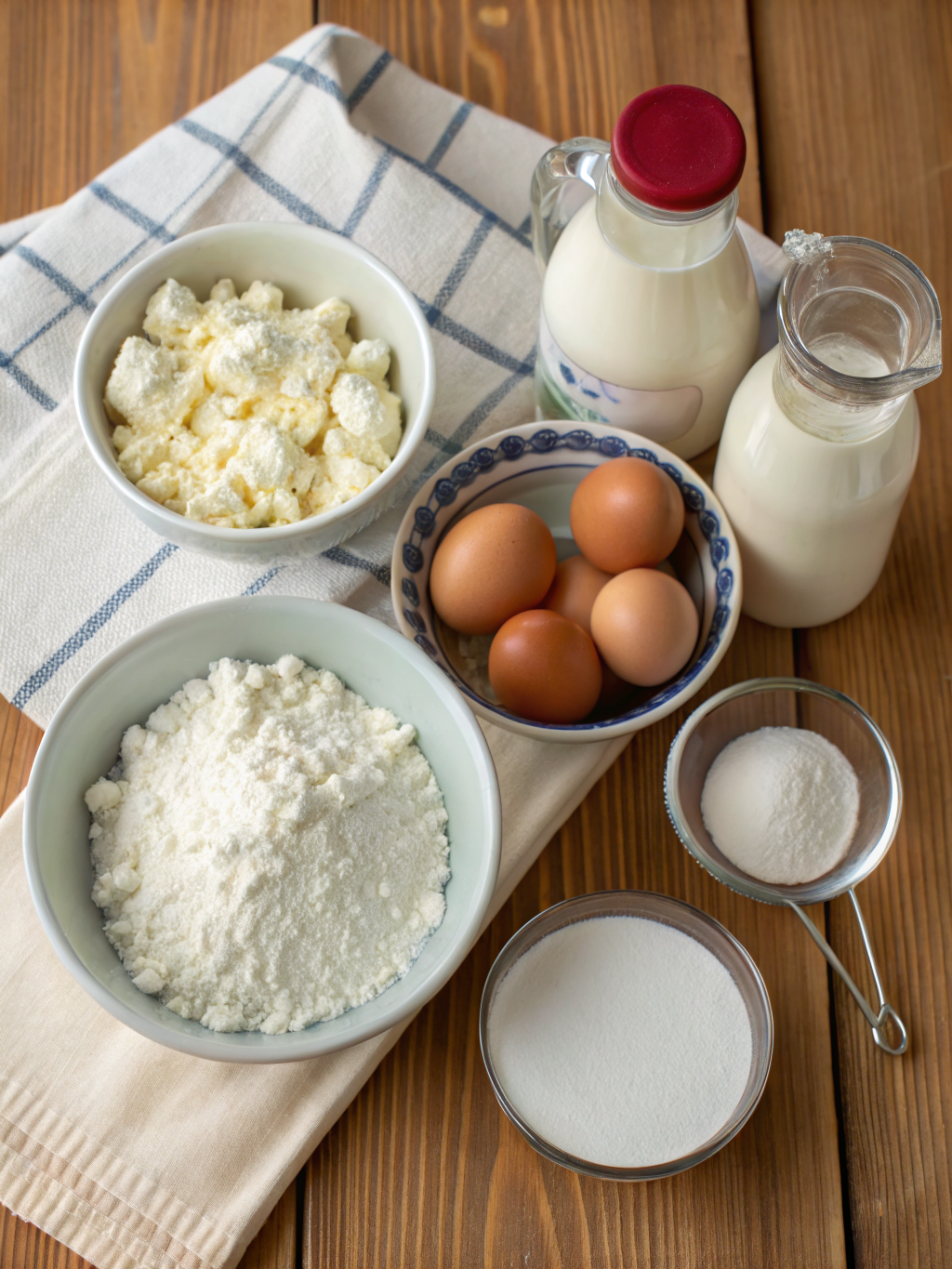
Creating delicious cottage cheese pancakes starts with quality ingredients. Here’s everything you’ll need:
Base Ingredients:
- 1 cup full-fat or low-fat cottage cheese (the creamier, the better for texture)
- 4 large eggs (or 8 egg whites for a lighter option)
- ¼ cup all-purpose flour (or almond flour for a lower-carb alternative)
- 2 tablespoons honey or maple syrup (or stevia for sugar-free options)
- 1 teaspoon vanilla extract (pure vanilla works best)
- ½ teaspoon cinnamon (adds warmth and depth)
- ½ teaspoon baking powder (ensures fluffiness)
- Pinch of sea salt
Optional Mix-Ins:
- ½ cup fresh blueberries or raspberries
- 2 tablespoons dark chocolate chips
- 1 tablespoon chia seeds or flax seeds
- ¼ cup granola for added crunch
For Cooking:
- 1 tablespoon coconut oil or butter (butter yields superior browning)
- Non-stick cooking spray as backup
Substitution Ideas:
If you prefer dairy-free options, Greek yogurt works wonderfully as a cottage cheese replacement while maintaining the protein content. For gluten-free versions, substitute all-purpose flour with oat flour or buckwheat flour, which add interesting flavor dimensions while keeping the nutritional profile intact.
Timing
Let’s be honest—time matters when you’re deciding on breakfast. Here’s the breakdown for your cottage cheese pancakes:
Preparation Time: 10 minutes (mixing ingredients, optional blending)
Cooking Time: 12-15 minutes (approximately 2-3 minutes per pancake)
Total Time: 22-25 minutes
This represents roughly 30% less time than most scratch pancake recipes, making high protein pancakes an efficient weekday breakfast option. If you’re meal prepping, you can prepare the batter the night before, reducing morning cooking time to just 15 minutes—perfect for busy mornings.
Step-by-Step Instructions
Step 1: Blend Your Base
Pour your cottage cheese and eggs into a blender. This is the secret weapon that transforms texture and eliminates lumps that can ruin your pancakes. Blend on high speed for 45-60 seconds until the mixture reaches a smooth, slightly thick consistency—similar to regular pancake batter but creamier. This blending step ensures your cottage cheese pancakes achieve that restaurant-quality fluffiness.
Step 2: Combine Dry Ingredients
In a separate bowl, whisk together flour, baking powder, cinnamon, and salt. This prevents lumps and ensures even distribution of leavening agents. The cinnamon isn’t just for flavor—it adds a subtle sweetness that reduces the need for extra sugar, making your breakfast nutritionally superior.
Step 3: Merge Wet and Dry Ingredients
Gently fold your blended cottage cheese mixture into the dry ingredients using a rubber spatula. Don’t overmix—a few lumps are perfectly fine and actually beneficial. Overmixing develops gluten, resulting in dense, rubbery pancakes rather than fluffy delights. The batter should look slightly thicker than traditional pancake batter.
Step 4: Add Your Mix-Ins (Optional but Recommended)
If using berries, chocolate chips, or seeds, gently fold them in now. Fresh berries add juiciness and natural sweetness, while chocolate chips provide indulgence without excess calories. This is where you personalize your high protein pancakes to match your mood.
Step 5: Heat Your Cooking Surface
Preheat your griddle or non-stick skillet over medium heat for 2-3 minutes. You’ll know it’s ready when a drop of water dances across the surface before evaporating. Medium heat is crucial—high heat burns the outsides while leaving interiors undercooked, while low heat results in pale, sad pancakes.
Step 6: Apply Cooking Fat
Add your butter or coconut oil to the hot surface. Allow it to coat evenly and heat until fragrant—this typically takes 30 seconds. Butter provides superior browning through the Maillard reaction, creating those gorgeous golden-brown edges that make your breakfast Instagram-worthy.
Step 7: Pour and Cook
Using a ¼ cup measure, pour batter onto your griddle. These cottage cheese pancakes are slightly more delicate than traditional pancakes, so avoid oversized portions. Cook for 2-3 minutes until the edges look set and the top surface forms small bubbles. This visual cue indicates it’s time to flip.
Step 8: The Perfect Flip
Using a thin, flexible spatula, flip confidently in one smooth motion. Cook the second side for 1-2 minutes until golden brown. The second side cooks faster because the pancake has already set from the first side.
Step 9: Keep Warm and Serve
Transfer finished pancakes to a warm plate or baking sheet in a 200°F oven to keep them warm while finishing the batch. This ensures everyone enjoys hot pancakes simultaneously.
Nutritional Information
Understanding the nutritional powerhouse behind your cottage cheese pancakes demonstrates why they’re nutritionally superior to traditional options:
Per Serving (2-3 pancakes):
- Calories: 180-220
- Protein: 22-25 grams
- Carbohydrates: 12-15 grams
- Fat: 6-8 grams
- Fiber: 0.5-2 grams (depending on flour type)
- Calcium: 120-150mg (from cottage cheese)
- Saturated Fat: 2-3 grams
Key Nutritional Benefits:
Cottage cheese provides casein protein, a slow-digesting protein that keeps you satisfied for hours. The eggs contribute choline, essential for brain health and cognitive function. Combined, these ingredients create high protein pancakes that stabilize blood sugar, reduce mid-morning cravings, and support muscle recovery if consumed post-workout.
Healthier Alternatives for the Recipe
Want to further optimize your cottage cheese pancakes? Consider these evidence-based modifications:
For Lower Carb Options:
Replace all-purpose flour with almond flour or coconut flour (use slightly less due to higher absorbency). This reduces carbohydrates by approximately 60% while adding healthy fats and fiber. The texture remains surprisingly fluffy.
For Vegan Adaptations:
Substitute cottage cheese with silken tofu or coconut cream, and replace eggs with a flax egg (1 tablespoon ground flax + 2.5 tablespoons water per egg). While protein decreases slightly, you’ll maintain the base structure and achieve respectable high protein pancakes by adding protein powder.
For Sugar-Free Versions:
Replace honey with monk fruit sweetener or allulose, which provide sweetness without glycemic impact. Many people find the results indistinguishable from honey-sweetened versions.
For Dairy-Free Options:
Greek yogurt replaces cottage cheese beautifully, offering similar protein content (approximately 20 grams per cup) while providing tanginess that enhances flavor complexity.
Serving Suggestions
Elevate your breakfast experience with these creative serving options for your cottage cheese pancakes:
Classic Indulgence:
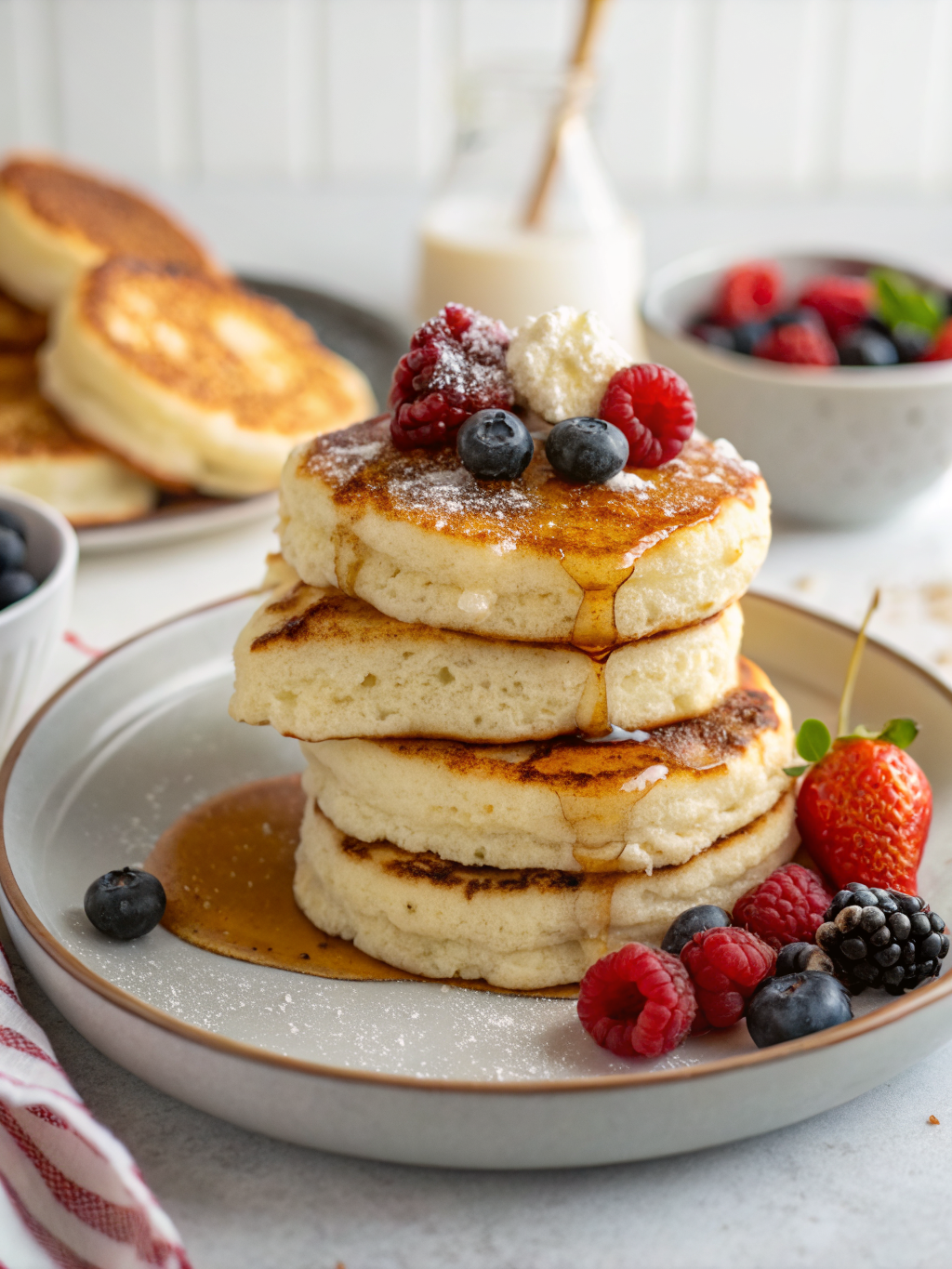
Top with Greek yogurt, fresh berries, and a drizzle of honey or maple syrup. This combination balances sweetness, tartness, and textural variety.
Protein-Packed Bowl:
Layer your pancakes with Greek yogurt, granola, fresh fruit, and a sprinkle of hemp seeds. This transforms breakfast into a complete nutritional meal.
Nutella Dream:
Spread a thin layer of almond butter between pancake layers, top with sliced strawberries, and a light dusting of cocoa powder. Absolutely decadent yet surprisingly balanced nutritionally.
Savory Adventure:
While unconventional, top pancakes with cottage cheese, smoked salmon, and fresh dill. This savory approach appeals to those who find sweet breakfasts unappealing.
Smoothie Bowl Inspired:
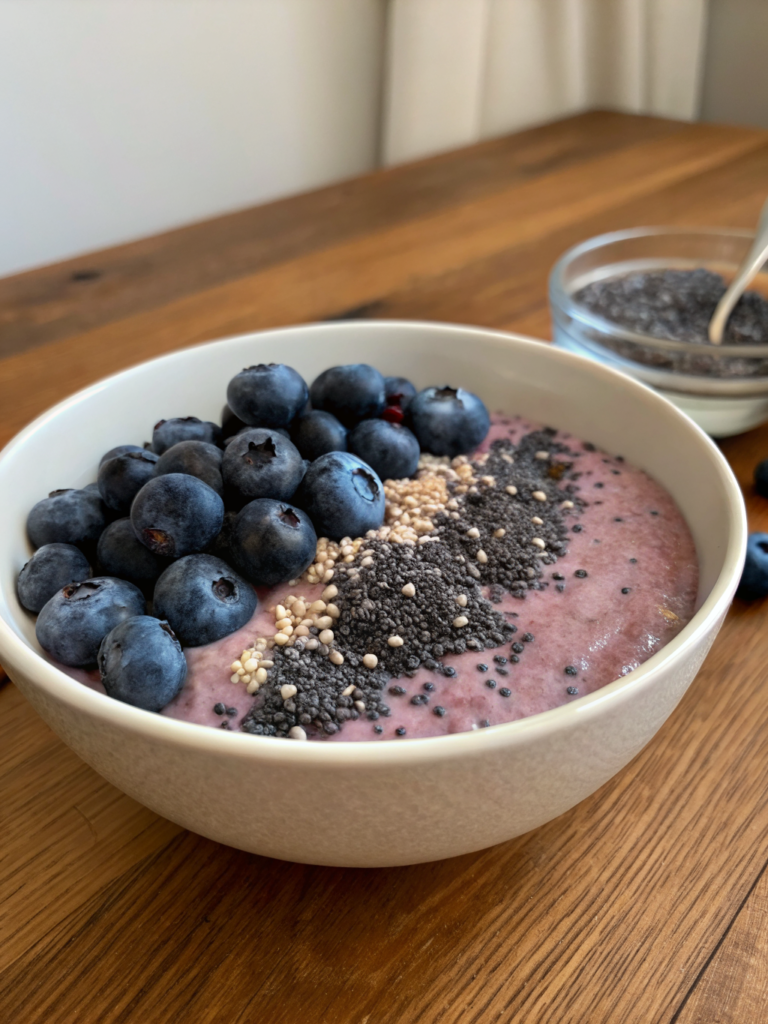
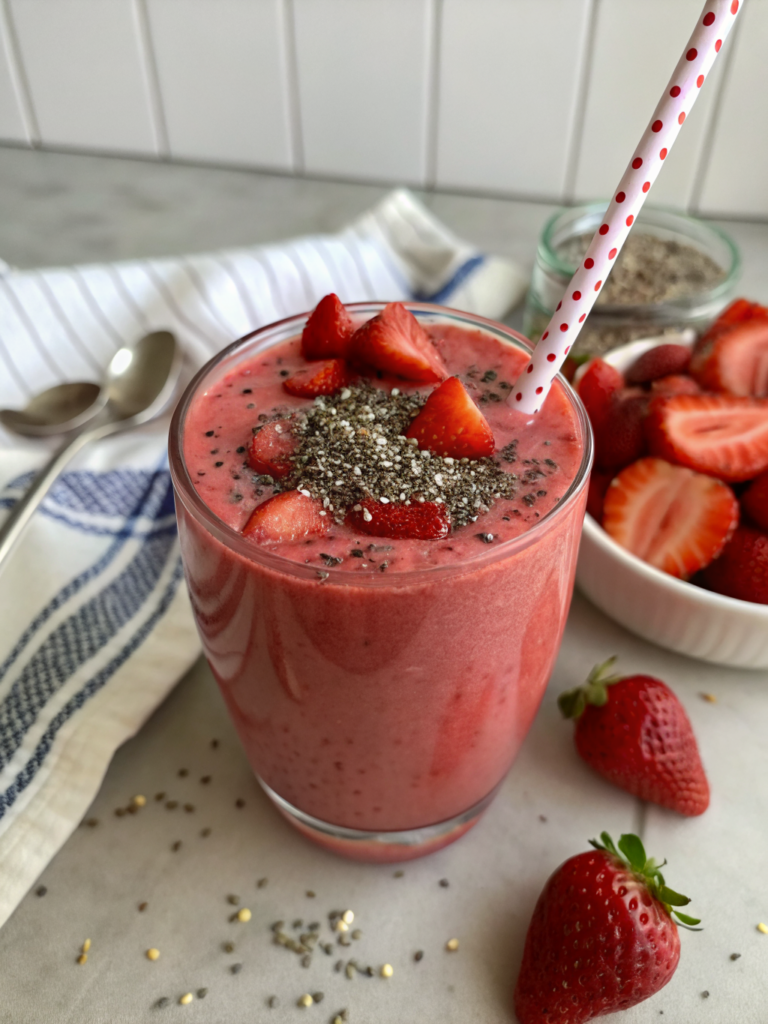
Serve pancakes alongside a berry smoothie, creating a dynamic breakfast experience that satisfies multiple cravings simultaneously.
Common Mistakes to Avoid
Learning from others’ experiences prevents frustration when making cottage cheese pancakes:
Mistake #1: Skipping the Blending Step
Many beginners try mixing by hand, resulting in lumpy batter and tough pancakes. The blender creates essential smoothness—don’t skip this critical step.
Mistake #2: Using Large-Curd Cottage Cheese
Large curds create texture issues. Opt for small-curd or smooth varieties for superior results.
Mistake #3: Cooking on Heat Too High
High heat causes exterior burning while leaving interiors raw. Medium heat produces consistently perfect results.
Mistake #4: Flipping Too Early
Impatience ruins perfectly good pancakes. Wait for bubbles to form and edges to set before flipping.
Mistake #5: Overmixing the Batter
This develops gluten, resulting in dense pancakes. Mix just until ingredients combine.
Storing Tips for the Recipe
Maximize your cottage cheese pancakes enjoyment with proper storage:
Refrigerator Storage:
Place cooled pancakes in an airtight container, separated by parchment paper. They’ll maintain quality for 3-4 days. Reheat gently in a 350°F oven for 5 minutes to restore texture.
Freezer Storage:
Freeze pancakes on a baking sheet for 2 hours, then transfer to freezer bags. They’ll last up to 2 months. Toast directly from frozen or thaw overnight in the refrigerator.
Batter Preparation:
Make batter the night before and store in the refrigerator for up to 24 hours. The flavors actually improve overnight as ingredients meld.
Ingredient Prep:
Measure dry ingredients into jars and store for quick weekday mornings. Simply add wet ingredients when ready to cook.
Conclusion
Cottage cheese pancakes represent a nutritional breakthrough for anyone seeking satisfying, protein-rich breakfasts. These high protein pancakes deliver approximately twice the protein of traditional pancakes while maintaining that indulgent, fluffy texture everyone loves.
Whether you’re optimizing athletic performance, managing weight, or simply seeking smarter breakfast choices, cottage cheese pancakes deserve a permanent spot in your weekly rotation.
Ready to transform your mornings? Start with the basic recipe this weekend, experiment with mix-ins next week, and discover which variations become your personal favorites. Share your creations on social media and let us know which serving suggestion resonated most. For more breakfast inspiration, explore our collection of breakfast recipes featuring other protein-focused options.
FAQs
Q: Can I make cottage cheese pancakes without a blender?
A: Yes, though results are less optimal. Mash cottage cheese thoroughly with a fork, then whisk with eggs until relatively smooth. The texture won’t be quite as fluffy, but it’s still delicious.
Q: Are cottage cheese pancakes suitable for keto diets?
A: Traditional versions aren’t strictly keto due to flour content. However, replacing flour with almond flour creates a keto-friendly version with minimal carbohydrates.
Q: How do I prevent my pancakes from sticking?
A: Ensure your griddle is properly preheated, use adequate cooking fat, and avoid moving pancakes too early. Non-stick griddles help significantly.
Q: Can I use flavored cottage cheese?
A: Absolutely! Vanilla or fruit-flavored cottage cheese adds dimension, though it reduces your customization flexibility with mix-ins.
Q: Are these pancakes good for meal prep?
A: Excellent for meal prep. Make a batch, cool completely, freeze, and reheat throughout the week for quick, nutritious breakfasts.
Q: What’s the difference between cottage cheese and Greek yogurt in this recipe?
A: Texture differs slightly, with yogurt producing marginally denser pancakes. Nutritionally, both offer similar protein content. Choose based on flavor preference.