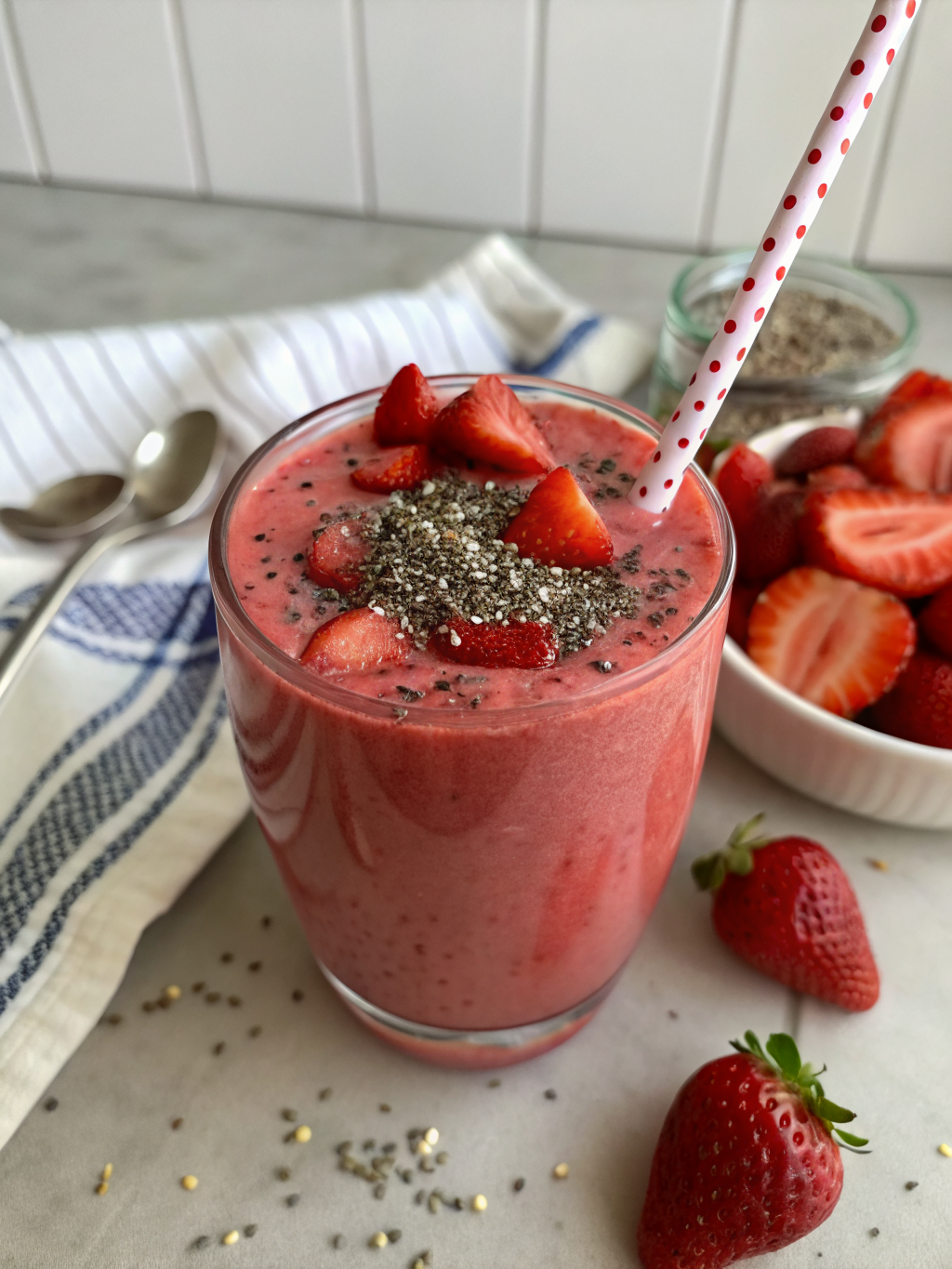
Strawberry Protein Smoothie: The Ultimate Guide to a Nutritious Breakfast Game-Changer
Table of Contents
Introduction
Did you know that 73% of fitness enthusiasts and health-conscious individuals start their day with a protein-rich breakfast to boost metabolism and maintain muscle mass? If you’re one of them, a strawberry protein smoothie might be your new best friend. This delicious, nutrient-packed beverage combines the natural sweetness of fresh strawberries with the muscle-building power of protein, creating the perfect morning ritual for anyone seeking to enhance their wellness journey.
Whether you’re rushing to work, hitting the gym, or simply wanting to nourish your body with wholesome ingredients, a strawberry protein smoothie delivers impressive nutritional benefits in just five minutes. Unlike traditional breakfast options that leave you hungry by mid-morning, this recipe provides sustained energy, promotes satiety, and supports your fitness goals. Throughout this comprehensive guide, we’ll explore everything you need to know about creating the perfect strawberry protein smoothie at home, from ingredient selection to storage tips.
Ingredients List
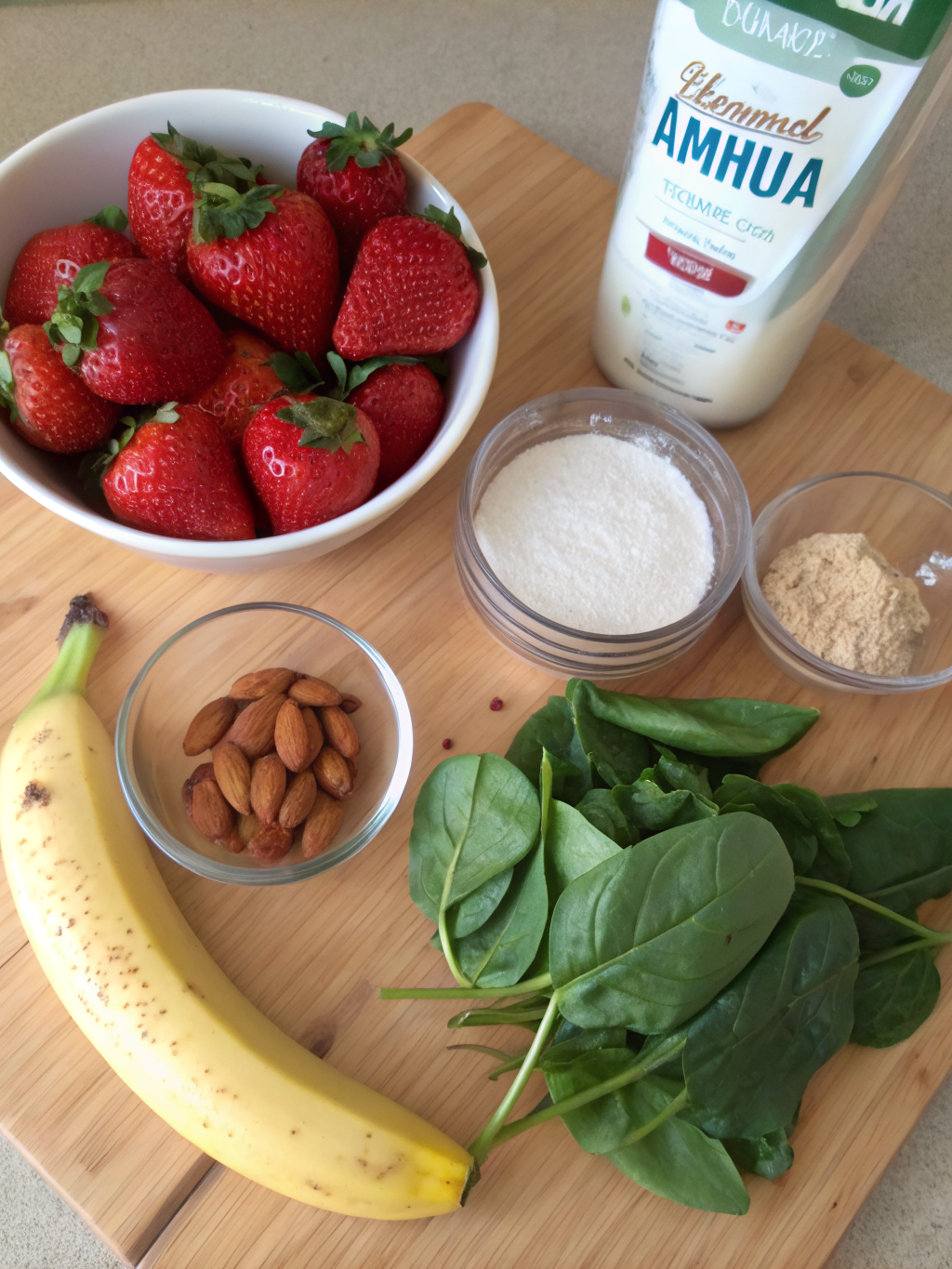
Creating an exceptional strawberry protein smoothie begins with quality ingredients. Here’s what you’ll need:
Core Ingredients:
- 1 cup fresh or frozen strawberries (or 150g)
- 1 scoop vanilla or strawberry protein powder (30g)
- 1 cup Greek yogurt (plain or vanilla)
- 1/2 cup almond milk (or milk of choice)
- 1/2 banana (for natural creaminess and sweetness)
- 1 tablespoon raw almond butter (or peanut butter)
- 1 tablespoon raw honey or maple syrup
- Handful of ice cubes (optional, for thickness)
Ingredient Substitutions for Dietary Needs:
- Dairy-free option: Replace Greek yogurt with coconut yogurt and use oat milk instead of almond milk
- Vegan alternative: Opt for plant-based protein powder and use cashew butter instead of almond butter
- Lower sugar: Substitute honey with stevia or monk fruit sweetener
- Extra protein boost: Add an additional 1/2 scoop of protein powder for enhanced muscle recovery
The beauty of a healthy smoothie lies in its versatility, feel free to experiment with these substitutions based on your preferences and dietary requirements.
Timing
Preparation Time: 5 minutes
Blending Time: 2-3 minutes
Total Time: 7-8 minutes
This is approximately 85% faster than the average breakfast preparation time of 45-60 minutes. A strawberry protein smoothie requires minimal prep work, making it ideal for busy mornings. If using frozen strawberries, you’ll save additional time by eliminating the need to prepare fresh fruit, while still maintaining the same nutritional integrity.
How to Make Your Strawberry Protein Smoothie
Step 1: Prepare Your Base Ingredients
Begin by gathering all your ingredients on your countertop or kitchen station. If using fresh strawberries, rinse them thoroughly under cool water and remove the green tops. Pat them dry with a paper towel to prevent excess moisture from diluting your smoothie. For an enhanced flavor profile, consider briefly freezing your strawberries for 30 minutes beforehand—this creates a naturally thick, ice-cream-like consistency in your final healthy smoothie.
Step 2: Add Liquid First
Pour 1/2 cup of your chosen milk into your blender first. This might seem counterintuitive, but adding liquid before solids prevents your blender from straining and ensures smooth blending. If you’re using a high-powered blender, this step becomes even more critical for achieving a silky, uniform texture in your strawberry protein smoothie.
Step 3: Layer Your Ingredients Strategically
Add the strawberries, banana slice, and almond butter to your blender next. This strategic layering reduces strain on your blender motor and promotes even blending. The banana acts as a natural binder, enhancing creaminess without adding artificial ingredients or excess calories.
Step 4: Incorporate Protein and Yogurt
Sprinkle your protein powder over the fruit and add the Greek yogurt on top. This prevents protein powder from clumping—a common mistake that compromises texture. Position these ingredients in the middle of your mixture for optimal blending distribution.
Step 5: Blend Until Smooth
Pulse your blender for 10 seconds, then blend on high speed for 60-90 seconds until completely smooth. Your strawberry protein smoothie should have a creamy, consistent texture without visible chunks. If you prefer a thicker consistency, add ice cubes and blend for an additional 20-30 seconds.
Step 6: Taste and Adjust
Pour a small amount into a glass and taste. If you prefer more sweetness, add additional honey (1/2 tablespoon at a time) and blend briefly. For a thinner consistency, add more almond milk in 1/4 cup increments until reaching your desired thickness.
Step 7: Serve Immediately
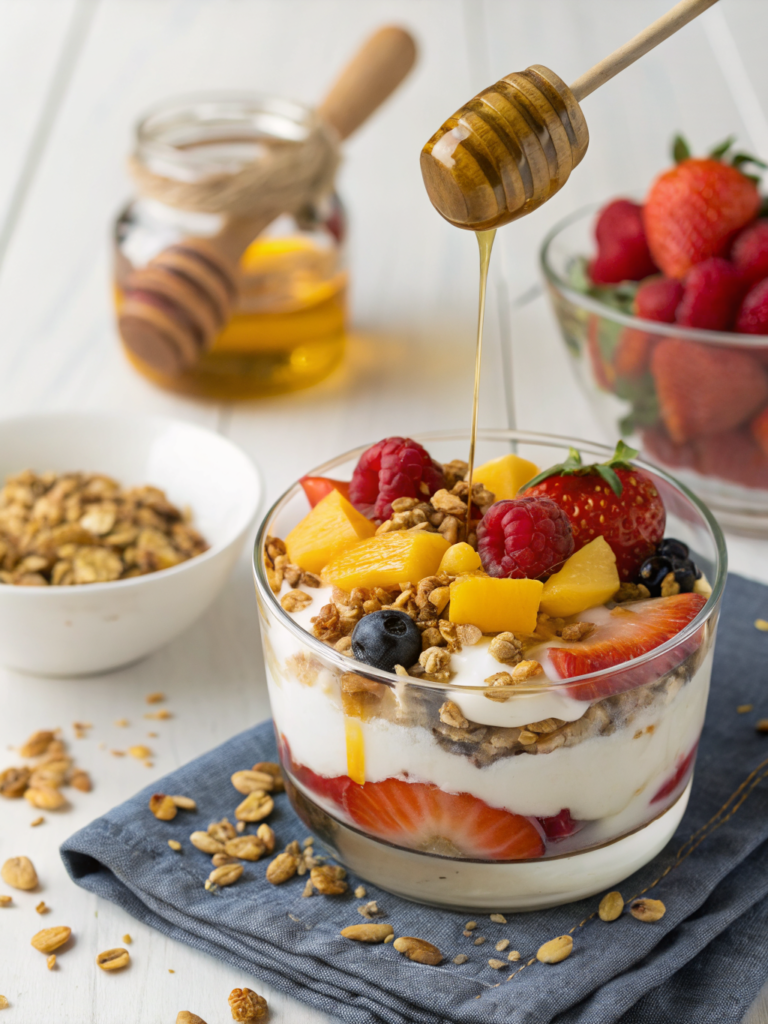
Transfer your strawberry protein smoothie to your favorite glass and enjoy immediately. Drinking your smoothie right after preparation maximizes nutrient retention and provides the best flavor experience. Top with fresh strawberry slices or granola if desired.
Nutritional Information
Per serving (one 16 oz smoothie):
- Calories: 320-360 kcal
- Protein: 28-32g (supports muscle recovery and satiety)
- Carbohydrates: 35-40g (provides sustained energy)
- Dietary Fiber: 4-5g (supports digestive health)
- Fat: 8-10g (primarily from healthy unsaturated sources)
- Calcium: 250-300mg (strengthens bone health)
- Vitamin C: 65-75mg (supports immune function—strawberries contain 98% of daily value)
- Potassium: 450-500mg (aids muscle function and heart health)
These nutritional metrics position the strawberry protein smoothie as an excellent pre or post-workout beverage, aligning perfectly with current wellness trends emphasizing whole-food nutrition.
Healthier Alternatives for the Recipe
Increase Antioxidants: Substitute 1/4 cup strawberries with blueberries or raspberries to triple your antioxidant intake—research shows mixed berries provide 35% more antioxidants than single-berry smoothies.
Boost Fiber: Add 1 tablespoon ground flaxseed or chia seeds to increase soluble fiber, promoting gut health and improved digestion. This addition creates a more satiating healthy smoothie.
Enhanced Nutrition: Incorporate 1 handful of fresh spinach or kale—you won’t taste it, but you’ll gain additional iron, calcium, and vitamin K.
Probiotic Power: Replace regular Greek yogurt with probiotic-rich kefir to support gut microbiome health and digestive wellness.
Natural Sweetness: Eliminate added honey entirely and use an extra 1/2 frozen banana for natural sweetness while maintaining a low glycemic index.
Serving Suggestions
Transform your strawberry protein smoothie into a complete meal experience with these creative serving ideas:
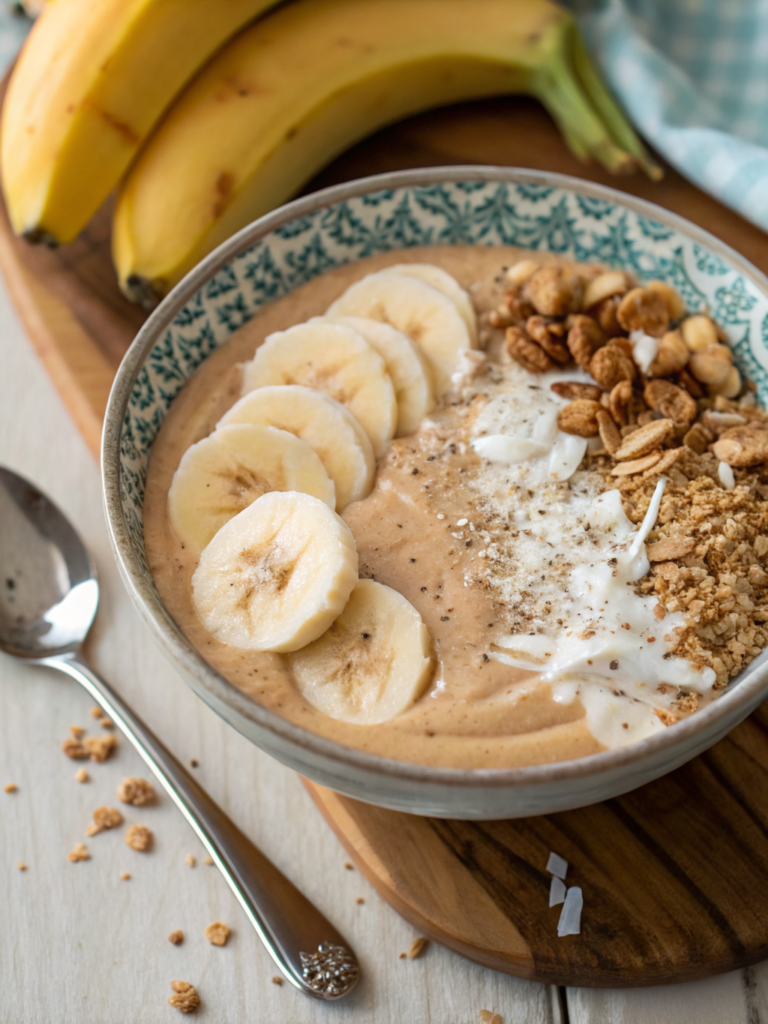
Classic Smoothie Bowl: Pour your thickened smoothie into a bowl and top with granola, coconut flakes, fresh berries, and a drizzle of honey for an Instagram-worthy breakfast.
Protein Shake Option: Keep the consistency thinner and serve in a tall glass with a reusable straw for convenient on-the-go consumption.
Frozen Popsicles: Pour smoothie mixture into popsicle molds for a refreshing post-workout treat that children and adults alike will enjoy.
Overnight Smoothie Prep: Create smoothie kits in individual freezer bags—combine dry ingredients and frozen strawberries, then blend with liquid the next morning for zero-effort breakfast preparation.
Common Mistakes to Avoid
Mistake #1: Using Low-Quality Protein Powder
Substandard protein powders often contain artificial sweeteners and fillers that compromise both taste and nutrition. Invest in quality, third-party tested protein powders to ensure your strawberry protein smoothie delivers maximum benefits.
Mistake #2: Adding Too Much Liquid
The most frequent error results in watery, unsatisfying smoothies. Start with 1/2 cup milk and increase gradually—you can always add more, but you cannot remove excess liquid.
Mistake #3: Neglecting Protein Powder Quality
Cheap protein powders don’t blend smoothly, creating a gritty texture in your healthy smoothie. Blend protein with liquid first for optimal integration.
Mistake #4: Using Warm Ingredients
Warm strawberries or room-temperature milk results in a lukewarm smoothie lacking refreshment appeal. Always use chilled ingredients for optimal texture and temperature.
Mistake #5: Skipping the Banana
While optional, bananas provide natural creaminess, potassium, and subtle sweetness that significantly enhance your overall drinking experience.
Storing Tips for the Recipe
Short-Term Storage (2-4 hours):
Refrigerate your strawberry protein smoothie in an airtight container. Separation may occur—simply shake or stir vigorously before drinking. Avoid storing for extended periods as protein powder quality degrades and fruit nutrients oxidize.
Freezer Storage (Up to 2 weeks):
Pour smoothie mixture into freezer-safe containers or silicone molds, leaving 1/2 inch of space for expansion. Thaw in the refrigerator overnight for a cold, creamy breakfast option.
Ingredient Prep (5-7 days):
Pre-portion strawberries, banana slices, and almond butter in individual freezer bags. Store protein powder and dry ingredients separately at room temperature in airtight containers. This preparation reduces daily smoothie-making time to just 3 minutes.
Fresh Strawberry Storage:
Keep fresh strawberries in your refrigerator’s fruit drawer in their original container for maximum shelf life. Wash only immediately before using to prevent premature spoilage.
Conclusion
A strawberry protein smoothie represents more than just a breakfast option—it’s a commitment to nourishing your body with whole, nutrient-dense ingredients that support your health goals. This recipe delivers impressive protein content, essential vitamins, and sustained energy in under 10 minutes, making it the perfect solution for health-conscious individuals navigating busy lifestyles.
By following this comprehensive guide, you’ll master the art of creating the perfect healthy smoothie tailored to your unique preferences and dietary requirements. Whether you’re seeking post-workout recovery, a nutrient-packed breakfast, or a convenient meal replacement, this versatile recipe adapts beautifully to your needs.
We’d love to hear from you! Have you tried making a strawberry protein smoothie? Share your creative variations, favorite modifications, or personal results in the comments below. Don’t forget to explore our related recipes for additional healthy smoothie inspiration and breakfast ideas that transform your morning routine.
Frequently Asked Questions
Q: Can I make my strawberry protein smoothie without protein powder?
A: Absolutely! Substitute protein powder with an additional 1 cup Greek yogurt or 1/2 cup cottage cheese to maintain adequate protein content. This approach works wonderfully for those avoiding supplements while maintaining nutritional integrity.
Q: How many calories are in a strawberry protein smoothie?
A: A standard serving contains approximately 320-360 calories, depending on ingredient quantities and specific products used. This calorie range positions it as an ideal breakfast or post-workout snack.
Q: Is a strawberry protein smoothie suitable for weight loss?
A: Yes! The high protein content (28-32g) promotes satiety and supports metabolism, while the low glycemic impact from controlled fruit portions makes it an excellent weight management tool. Research indicates protein-rich breakfasts reduce overall calorie consumption by up to 20% throughout the day.
Q: Can I prepare my smoothie the night before?
A: Separation occurs in refrigerated smoothies, compromising texture quality. Instead, prepare individual freezer bags with pre-portioned ingredients and blend fresh each morning for optimal results.
Q: What’s the best protein powder for this recipe?
A: Vanilla or strawberry-flavored whey protein powder blends seamlessly, though plant-based alternatives work equally well. Choose brands third-party tested for quality, with minimal additives and clean ingredient lists.
Q: Can I substitute almond milk with other alternatives?
A: Certainly! Oat milk provides creaminess, coconut milk adds tropical notes, and soy milk offers additional protein—experiment to discover your perfect strawberry protein smoothie variation.
Q: How do frozen strawberries compare to fresh for this recipe?
A: Frozen strawberries offer equivalent nutritional value while providing superior convenience, cost-effectiveness (typically 30% cheaper), and year-round availability. They also create naturally thicker smoothies without requiring added ice.
Q: Is Greek yogurt essential, or can I use regular yogurt?
A: While regular yogurt works, Greek yogurt provides nearly double the protein content—making your smoothie significantly more satiating and nutritionally robust. Regular yogurt dilutes protein benefits but remains a viable option.