Perfectly Roasted Salmon: A Delicious Dinner
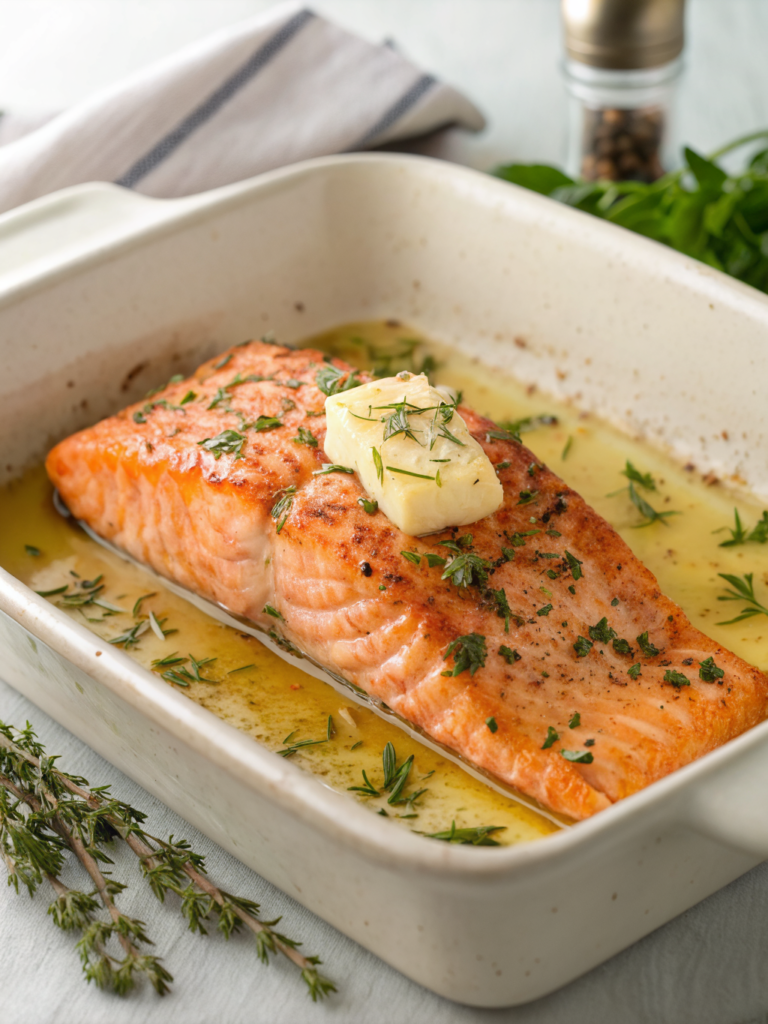
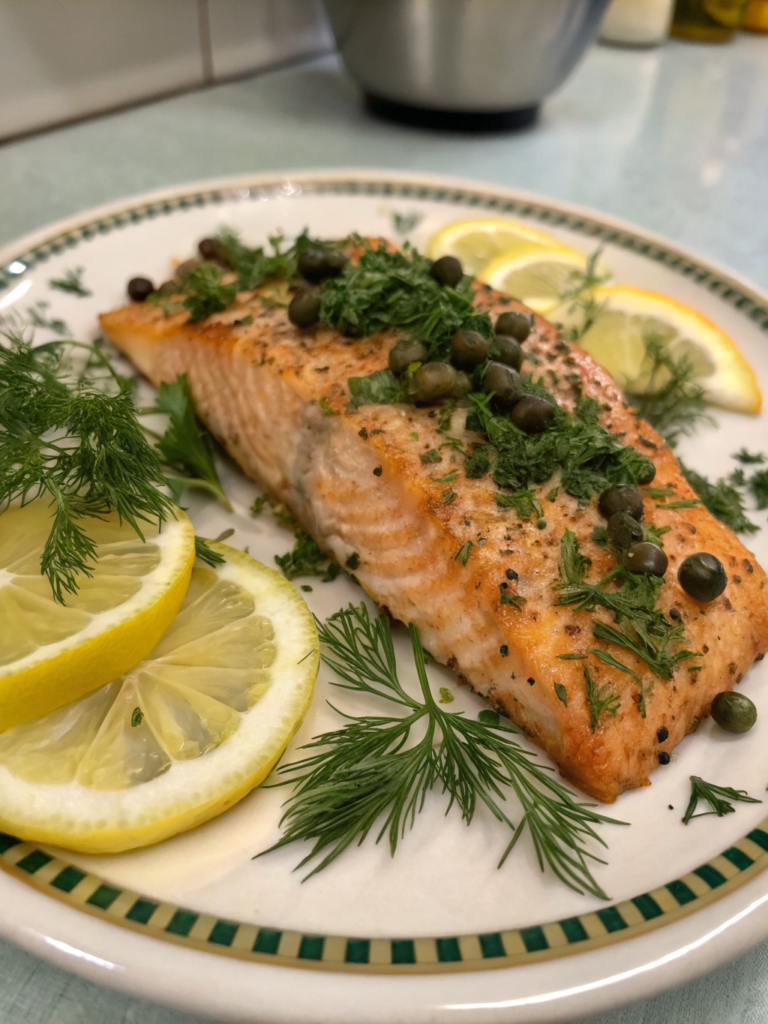
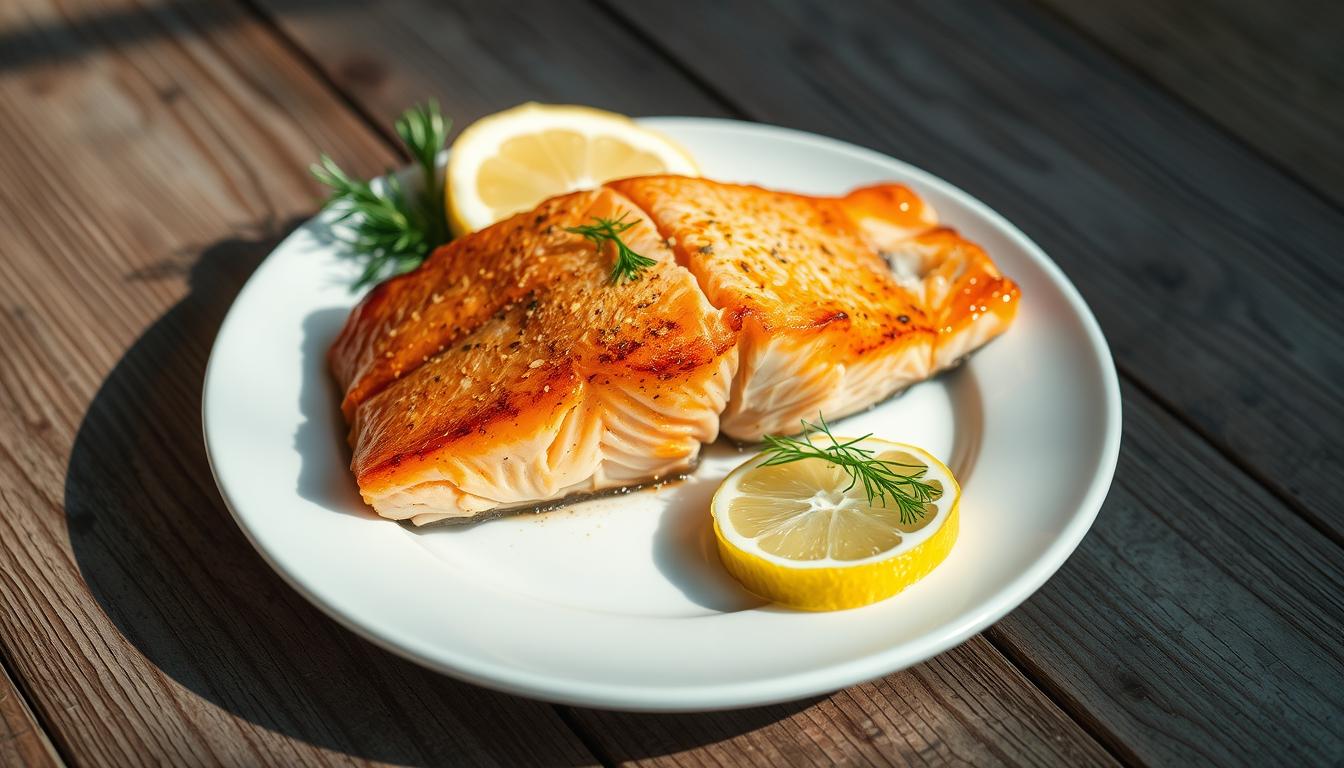
Preparing a meal that tastes like it came from a fancy restaurant is special. Cooking roasted salmon for the first time brings that same joy. The golden crust and tender flesh make your table feel cozy and your family smile.
Roasted salmon is a favorite for busy home cooks in America. You don’t need fancy tools or years of experience. Just a basic oven, a baking sheet, and twenty minutes of your time are enough. This method is simple yet elegant.
Roasting salmon is magic. The heat makes the outside golden and the inside tender. Your fish will have crispy skin and a buttery center. This perfect balance is why roasted salmon is loved by so many.
This guide will show you how to cook roasted salmon perfectly. You’ll learn how to choose the right fish and which seasonings to use. You’ll also find out the exact timing for perfect doneness. Soon, you’ll be making restaurant-quality meals at home.
Roasted salmon is versatile. You can try different flavors each time. Add Mediterranean herbs and lemon one night, and Asian flavors with soy and ginger the next. This technique lets you explore endless delicious variations.
Table of Contents
Introduction to Roasted Salmon
Salmon is a great choice for dinner because it’s quick to cook and tastes amazing. It cooks in under thirty minutes, perfect for busy nights. The rich, buttery texture and unique flavor make every bite special.
Salmon also pairs well with many seasonings, vegetables, and grains. This means you can make a healthy salmon recipe that you’ll love.
Why Choose Salmon for Dinner?
Salmon makes your dinner look like it came from a restaurant. Its natural oils keep it moist and tender. The pink flesh adds a touch of elegance to any plate.
You can dress it up with fancy ingredients or keep it simple. Salmon fits any style you prefer.
Health Benefits of Salmon
A healthy salmon recipe is more than just tasty. It’s packed with omega-3 fatty acids that are good for your heart and brain. These fats also reduce inflammation and boost your overall health.
| Nutrient | Amount Per 3 oz Serving | Health Benefit |
|---|---|---|
| Omega-3 Fatty Acids | 1.5-2 grams | Heart and brain health |
| Protein | 20-25 grams | Muscle building and repair |
| Vitamin D | 570-650 IU | Bone strength and immunity |
| Selenium | 36-40 mcg | Antioxidant protection |
| Astaxanthin | 4-5 mg | Anti-inflammatory properties |
Salmon also has high-quality protein, vitamin D, B vitamins, and selenium. Astaxanthin, the pink pigment, is a powerful antioxidant.
Sustainability of Salmon Fishing
When you make a healthy salmon recipe, you’re supporting sustainable fishing. Look for the Marine Stewardship Council (MSC) label on your salmon. This means it was caught responsibly, protecting the ocean.
- Wild-caught salmon from certified fisheries
- Farm-raised salmon from sustainable operations
- Fish with MSC certification labels
- Suppliers who practice responsible harvesting
Choosing sustainable salmon helps protect fish populations for the future. Your choices support ocean conservation. Enjoying sustainable salmon means you’re making a positive impact on your health and the environment.
Selecting the Best Salmon
Finding the best roasted salmon starts at your local fish market or grocery store. Your choice of salmon will shape the entire outcome of your meal. The fish you pick determines flavor, texture, and how well your roasting turns out. Learning what to look for takes just a few minutes but makes a real difference in your cooking success.
Different Types of Salmon to Consider
You’ll find several salmon varieties available throughout the year. Each type brings its own taste and texture to your best roasted salmon dishes. Understanding these differences helps you pick the right fish for your preferences and budget.
- King (Chinook) Salmon – The largest species with the highest fat content, it offers rich flavor and buttery texture
- Sockeye Salmon – Deep red color with robust, strong taste that stands up well to bold seasonings
- Coho Salmon – Milder flavor and medium fat content, great for those who prefer gentler tastes
- Atlantic Salmon – The most common farmed variety found in supermarkets, with consistent quality and affordable pricing
Fresh vs. Frozen Salmon: What to Choose
Many people think fresh salmon is always better than frozen. This belief isn’t entirely true. High-quality frozen salmon gets flash-frozen right after catching, which locks in freshness. Sometimes frozen fish is fresher than “fresh” salmon that sat on ice during transport for several days.
Choose fresh salmon when your fishmonger guarantees quality and you plan to cook within one to two days. Pick frozen salmon when you want flexibility or need guaranteed freshness for your best roasted salmon recipe.
Tips for Buying Quality Salmon
Use these practical tips during your next shopping trip to get premium salmon:
| What to Look For | What This Means |
|---|---|
| Firm flesh that springs back when pressed | The fish is fresh and high-quality |
| Fresh ocean smell, not a strong fishy odor | The salmon is recently caught or properly handled |
| Vibrant color appropriate to the species | The fish hasn’t oxidized or deteriorated |
| Intact skin with no dark spots or discoloration | The fish was handled with care |
Ask your fishmonger about the salmon’s source and catch date. Understanding where your fish comes from helps you make informed choices. Look at package labels for wild-caught or farm-raised designations. Spending a few extra minutes selecting quality salmon ensures you bring home the perfect fish for best roasted salmon results every single time.
Essential Ingredients for Roasting Salmon
To make a great salmon recipe, start with the right ingredients. You don’t need many fancy items to make roasted salmon taste amazing. A few quality ingredients can turn your salmon into a delicious dinner that impresses everyone.
Key Seasonings and Marinades
The foundation of any salmon recipe is smart seasoning choices. Simple seasonings like salt, black pepper, and garlic powder are perfect. These three ingredients alone can make your salmon taste wonderful.
Fresh herbs add new life to your salmon recipe. Consider using these popular options:
- Dill—adds a fresh, slightly tangy flavor
- Thyme—brings earthy warmth to the fish
- Rosemary—delivers bold, pine-like notes
- Parsley—adds mild freshness without overpowering
Marinades take your salmon recipe to the next level. A good marinade has acid, fat, and flavorings. This combination tenderizes the fish and lets flavors sink in deeply.
Importance of Olive Oil
Olive oil is key in every successful salmon recipe. It conducts heat evenly and keeps your salmon moist. Olive oil also creates a protective barrier during roasting.
You have two main choices for your salmon recipe:
| Olive Oil Type | Best Use | Flavor Profile |
|---|---|---|
| Extra Virgin Olive Oil | Finishing and low-heat applications | Rich, fruity, aromatic |
| Regular Olive Oil | High-heat roasting | Mild, neutral taste |
The fat in olive oil carries flavor compounds from your herbs and spices into the salmon. This means your seasonings work harder and taste better.
Side Dishes That Complement Salmon
Your salmon recipe deserves sides that enhance it. Roasted vegetables work beautifully alongside salmon because they cook at the same temperature. Try pairing your salmon recipe with:
- Asparagus—light and elegant
- Brussels sprouts—crispy and satisfying
- Cherry tomatoes—add bright acidity
- Green beans—classic and simple
For heartier sides, include options like quinoa, rice pilaf, or creamy mashed potatoes. These absorb the delicious juices from your salmon recipe. You can also serve your salmon over a bed of mixed greens or alongside roasted root vegetables for added nutrition and color.
Planning your complete meal around these ingredient choices ensures every component works together. Your salmon recipe becomes more than just fish—it becomes a complete dining experience your family will enjoy.
Preparing Salmon for Roasting
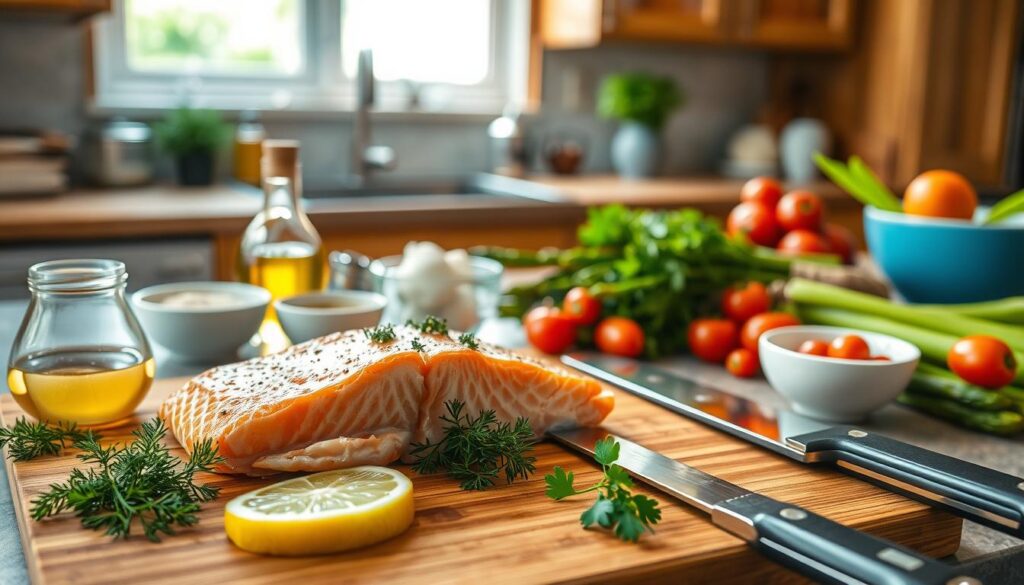
Getting your roasted salmon fillet ready starts with proper preparation. Take time to thaw, clean, and set up your cooking space. This makes cooking easier and more successful. Your preparation work takes about 10-15 minutes but sets you up for perfect results every time.
Thawing Frozen Salmon Properly
The way you thaw your salmon matters. Never use room temperature or warm water, as these methods can cause bacteria to grow and change the texture of your roasted salmon fillet.
The best method is refrigerator thawing. Place your frozen salmon on a plate inside the refrigerator for 12-24 hours before cooking. This slow process keeps the fish at a safe temperature while it thaws.
When you need faster results, use the cold water method. Seal your roasted salmon fillet in a plastic bag and submerge it in cold water for 30-60 minutes. Change the water every 30 minutes to keep it cold. This quick-thaw approach works in a pinch.
Cleaning and Preparing Fillets
Once your salmon is thawed, pat it completely dry with paper towels. Removing moisture helps your roasted salmon fillet develop a nicely browned, crispy exterior during cooking.
- Run your fingers along the fillet to feel for pin bones
- Use clean tweezers or needle-nose pliers to remove any small bones
- Decide whether to keep the skin on for protection during roasting
- Cut larger fillets into individual-sized portions if needed
The skin on your roasted salmon fillet protects the fish during cooking and adds flavor. You can easily remove it after cooking if you prefer.
Preparing the Baking Dish
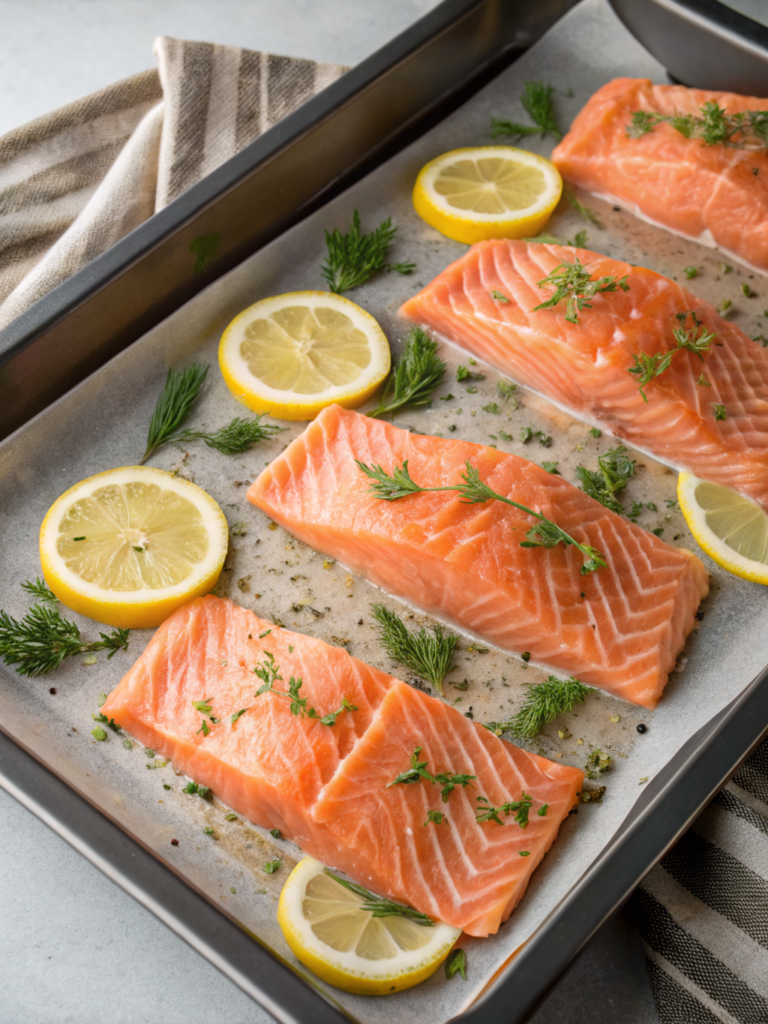
Your baking dish setup takes just minutes. Line it with parchment paper or aluminum foil for easy cleanup after roasting your salmon fillet. Lightly oil the surface to prevent sticking and help your salmon cook evenly.
| Preparation Step | Time Required | Purpose |
|---|---|---|
| Thawing (Refrigerator Method) | 12-24 hours | Keeps salmon safe and maintains texture |
| Thawing (Cold Water Method) | 30-60 minutes | Quick option when time is limited |
| Drying Salmon | 3-5 minutes | Creates a better browned exterior |
| Removing Pin Bones | 3-5 minutes | Improves eating experience |
| Preparing Baking Dish | 2-3 minutes | Prevents sticking and enables easy cleanup |
Proper preparation of your roasted salmon fillet is the foundation for cooking success.
These simple steps transform your cooking experience. Your roasted salmon fillet will cook more evenly, absorb seasonings better, and taste delicious when you start with careful preparation.
Roasting Techniques for Perfect Salmon
Learning the right roasting technique is key to making delicious oven roasted salmon. You can use traditional oven methods or try new ways to cook. This guide will help you make easy roasted salmon a staple in your meals.
Oven Roasting: Step-by-Step Guide
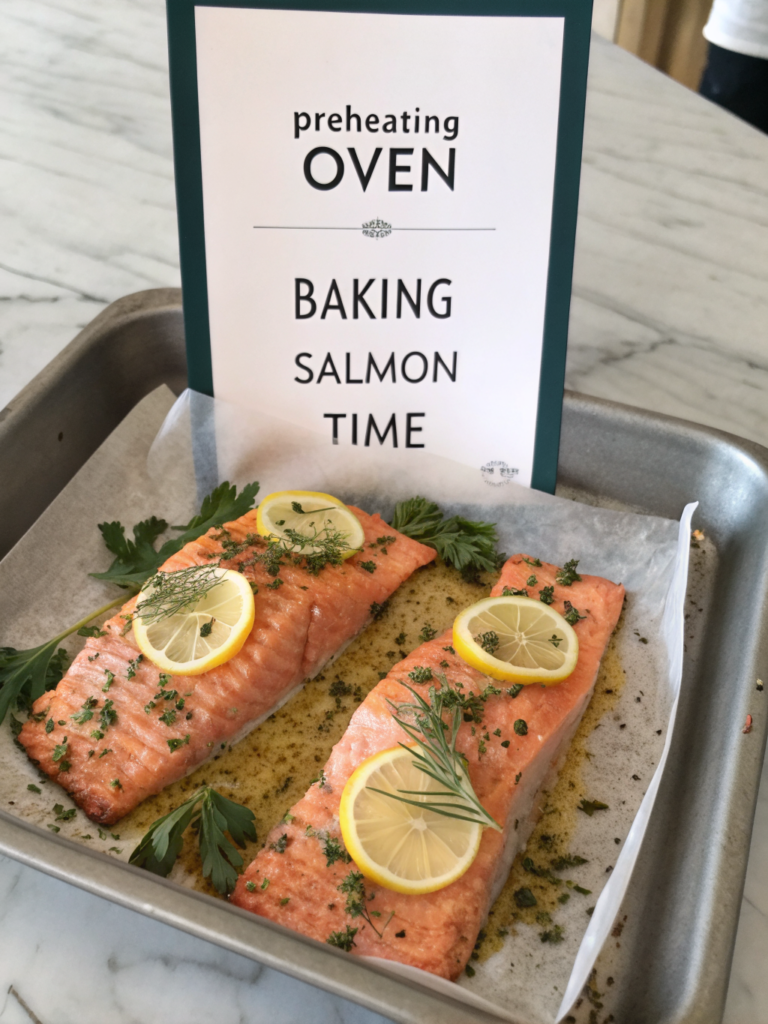
Oven roasting is the most popular way to cook salmon. It’s easy and always gives great results. Start by heating your oven to 400°F and placing salmon fillets on a baking sheet.
Drizzle olive oil, salt, pepper, and your favorite seasonings on the fish. Bake for 12 to 15 minutes, depending on the fillet’s thickness. Check if it’s done by pressing it gently with a fork. It should flake easily.
Complete Oven Roasted Salmon Recipe
| Recipe Information | Details |
|---|---|
| Prep Time | 10 minutes |
| Cook Time | 15 minutes |
| Total Time | 25 minutes |
| Servings | 4 servings |
| Difficulty Level | Easy |
Ingredients for Easy Roasted Salmon
- 4 salmon fillets (6 ounces each)
- 3 tablespoons extra virgin olive oil
- 2 cloves garlic, minced
- 1 lemon, sliced
- 1 teaspoon sea salt
- ½ teaspoon black pepper
- 1 teaspoon dried dill
- ½ teaspoon paprika
Step-by-Step Instructions
- Preheat your oven to 400°F
- Line a baking sheet with parchment paper
- Place salmon fillets skin-side down on the prepared sheet
- Drizzle olive oil over each fillet
- Season with salt, pepper, dill, and paprika
- Top with minced garlic and lemon slices
- Roast for 12 to 15 minutes until cooked through
- Remove from oven and let rest for 2 minutes before serving
| Nutrient | Amount |
|---|---|
| Calories | 280 |
| Protein | 35 grams |
| Fat | 14 grams |
| Carbohydrates | 2 grams |
| Omega-3 Fatty Acids | 2.3 grams |
Expert Tips for Success
- Use room-temperature salmon for even cooking
- Don’t skip the parchment paper for easy cleanup
- Pat salmon dry before seasoning to promote browning
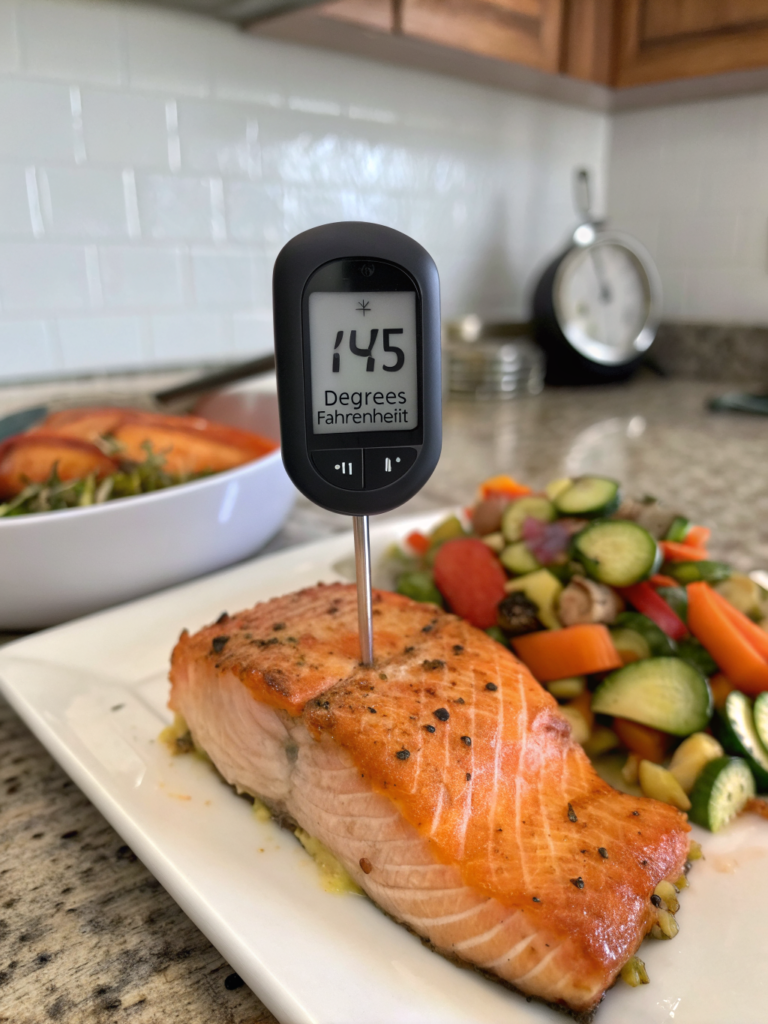
- Insert a meat thermometer in the thickest part—it should read 145°F
- Cover the baking sheet with foil if the fish browns too quickly
Alternative Roasting Methods
There are other great ways to cook salmon. Air fryer cooking is fast and uses less oil. Preheat to 380°F and cook for 8 to 10 minutes for moist fillets.
Grilling adds a smoky flavor. Oil your grill grates well and cook skin-side up over medium-high heat for 6 to 8 minutes. This method works best with thicker fillets and adds wonderful char marks.
Timing: How Long to Roast Salmon
Cooking time varies based on several factors. Thinner fillets (¾-inch thick) need 12 to 15 minutes at 400°F. Thicker cuts (1 to 1½ inches) require 15 to 20 minutes. Thinner fillets cook faster in just 10 to 12 minutes.
The best way to check is with a meat thermometer. Salmon is done when it reaches 145°F. This method ensures your salmon stays moist every time.
Flavor Enhancements for Roasted Salmon
Mastering the basic roasting technique is just the start. You can make your roasted salmon truly special with the right flavors. Fresh herbs, citrus, and glazes can completely change how your meal tastes. Each one adds its own unique touch, letting you customize your dish for any occasion or style.
Adding Fresh Herbs and Spices
Fresh herbs add vibrant, aromatic qualities that dried herbs can’t match. When roasting salmon, consider these herbs:
- Fresh dill for a classic Scandinavian touch—place whole sprigs directly on your salmon before roasting
- Fresh thyme and rosemary for earthy, sophisticated notes
- Fresh basil and cilantro to bring brightness to Mediterranean and Asian-inspired roasted salmon dishes
For spices, cumin and coriander add warmth. Smoked paprika adds depth without heat. These spices take just seconds but make a big difference.
Citrus Zest for Brightness
Citrus zest is a powerful flavor enhancer many overlook. Zest lemons, limes, or oranges over your seasoned salmon before roasting. The aromatic oils brighten the fish’s rich flavor beautifully.
Combining zest with fresh juice creates layers of flavor. The zest provides aromatic oils, while the juice adds acidity that balances the salmon’s fattiness perfectly.
Glazes and Sauces to Elevate Flavor
Glazes and sauces can turn your roasted salmon into restaurant-quality food. Try these options:
| Glaze Type | Main Ingredients | Application Tip |
|---|---|---|
| Honey-Mustard | 2 tablespoons honey, 1 tablespoon Dijon mustard, 1 tablespoon soy sauce | Brush during the last 5 minutes of roasting |
| Maple-Soy | Maple syrup, soy sauce, garlic, ginger | Apply midway through roasting |
| Teriyaki | Soy sauce, mirin, sugar, sake | Brush during final cooking minutes |
| Balsamic Reduction | Balsamic vinegar, honey, garlic | Drizzle after roasting is complete |
Finishing sauces like lemon-butter sauce, dill cream sauce, or chimichurri add a final touch. Drizzle these sauces just before serving for a restaurant-quality presentation and taste at home.
Serving Suggestions for Roasted Salmon
Transforming your roasted salmon into a complete meal makes dinner unforgettable. The right sides, drinks, and presentation make your dish stand out. Your salmon needs sides that match its flavor and look.
Ideal Sides and Salad Pairings
Vegetables like asparagus, green beans, and broccolini are perfect with roasted salmon. They add color, nutrition, and a nice char that goes well with the fish.
Grain-based sides are also great with roasted salmon. Here are some ideas:
- Quinoa pilaf with herbs
- Wild rice blend
- Couscous with vegetables
- Brown rice with lemon
Fresh salads add a bright touch to your meal. An arugula salad with lemon vinaigrette has a peppery taste. A cucumber-tomato salad with red onion and feta brings Mediterranean flavors. Roasted potato wedges or creamy mashed cauliflower add comfort.
Wine and Beverage Options
Choose a drink that matches your salmon’s flavor. Simple salmon goes well with crisp whites like Sauvignon Blanc or unoaked Chardonnay. For richer salmon, try fuller-bodied whites or light reds like Pinot Noir.
Non-alcoholic drinks are also great with roasted salmon:
- Sparkling water with fresh lemon
- Iced green tea
- Cucumber-mint infused water
- Herbal iced tea
Creative Serving Ideas
How you present your salmon matters. Serve it over sautéed spinach or kale for a fancy look. Flake it over grain bowls for a casual, build-your-own meal.
Top your salmon with microgreens, edible flowers, or lemon wheels for a pop of color. Serve it family-style on a big platter with fresh herbs. This makes everyone feel welcome and brings them together.
Storing and Reheating Leftover Salmon
Your roasted salmon dinner can last more than one meal. Knowing how to store and reheat leftovers keeps your food safe and tasty. Proper care of your salmon ensures it stays good for days or even months in the freezer. This guide helps you keep your salmon fresh and safe to eat.
Proper Storage Techniques
Timing is key when storing leftover salmon. Refrigerate it within two hours of cooking. If it’s hotter than 90°F, do it in one hour to avoid bacteria.
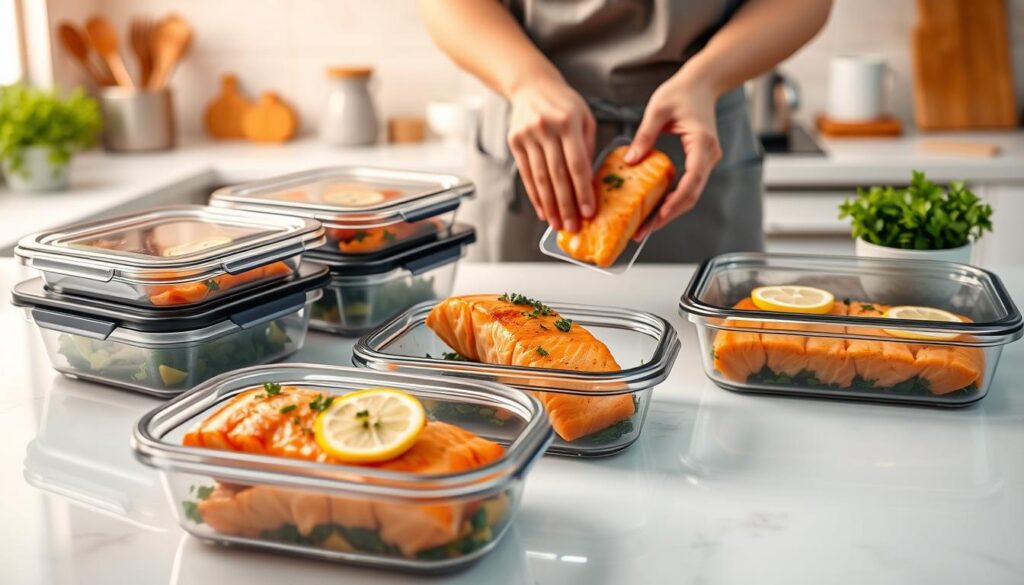
Let your salmon cool down first. Then, put it in an airtight container or wrap it tightly. This keeps it fresh in the fridge for 3 to 4 days.
To freeze it, wrap portions in plastic wrap, then in freezer bags. Press out air and label the bags. Frozen salmon stays good for up to three months.
| Storage Method | Duration | Best Practice |
|---|---|---|
| Refrigerator (airtight container) | 3 to 4 days | Cool to room temperature first |
| Freezer (wrapped portions) | Up to 3 months | Remove air from freezer bags |
| Refrigerator (wrapped in foil) | 3 to 4 days | Store on lower shelf |
Keep your salmon on a lower fridge shelf. This stops drips from reaching other foods. Also, keep it away from foods with strong smells to preserve its taste.
How to Reheat Salmon Without Drying It Out
Reheating salmon without drying it out is the challenge. Steam is the key. Adding liquid and covering it keeps moisture in.
Here are some reheating methods:
- Oven method: Preheat to 275°F, place your salmon on a baking sheet, cover it with foil, and heat for about 15 minutes
- Stovetop method: Gently warm your salmon in a covered skillet over low heat with one tablespoon of water or broth for 5 to 7 minutes
- Microwave method: Use 50% power in 30-second intervals, keeping your salmon covered with a damp paper towel
Instead of reheating, use leftover salmon cold in new ways. Flake it over salads, mix it into pasta, or make salmon salad sandwiches. These ideas turn your salmon into different meals without reheating.
Troubleshooting Common Roasting Issues
Cooking roasted salmon at home can be tricky. Knowing how to fix common problems helps make perfect dishes every time. This guide will help you solve the most frequent issues and save your meal.
Overcooked Salmon: How to Avoid It
Overcooked salmon is dry and tough. Look for white protein (albumin) or a completely opaque appearance to spot this problem.
High temperatures, cooking too long, or uneven fillet thickness can cause overcooking. Use an instant-read thermometer to avoid these issues. Remove the salmon when it reaches 145°F inside. Check a few minutes before the recipe suggests, as it will continue cooking after removal.
- Use an instant-read thermometer for accurate temperatures
- Check doneness early, not at the end of cooking time
- Remember that carryover cooking raises temperature 5-10 degrees after removal
- Remove roasted salmon when the center is slightly translucent
Undercooked Salmon: Signs and Solutions
Undercooked salmon is very translucent and mushy. It won’t flake apart easily with a fork.
If your salmon is undercooked, put it back in the oven for 2-3 minutes at a time. Cover it with foil to prevent over-browning. Cut thicker pieces into smaller portions for faster cooking. Ensure it reaches at least 125°F in the thickest part before serving.
| Salmon Doneness Level | Internal Temperature | Appearance | Texture |
|---|---|---|---|
| Undercooked | Below 125°F | Very translucent throughout | Mushy, doesn’t flake |
| Perfectly Cooked | 145°F | Mostly opaque with slight translucence in center | Moist and flakes easily |
| Overcooked | Above 150°F | Completely opaque, white albumin visible | Dry and tough |
Keeping Salmon Moist During Cooking
Moisture is key to delicious roasted salmon. Never skip the oil or butter coating. It creates a protective layer that keeps moisture in.
Brining your salmon for 15-30 minutes before cooking helps too. Mix ¼ cup of salt in 4 cups of water and soak your fillets. This keeps the flesh moist.
Cover your salmon with foil during the first half of cooking. This traps steam, keeping it juicy. Remove the foil for the second half to allow browning. This balance ensures the best results every time.
- Coat salmon generously with olive oil or butter before roasting
- Brine fillets in saltwater solution for 15-30 minutes beforehand
- Cover with foil for the first half of cooking
- Remove foil to allow browning in the final cooking stages
- Check temperature regularly to avoid overcooking
Exploring Variations of Roasted Salmon
Mastering quick roasted salmon opens up a world of flavors in your kitchen. Changing seasonings and marinades can transform your dish. It becomes a canvas for creativity, letting you explore different tastes.
Mediterranean-Inspired Roasted Salmon
Bring the Mediterranean to your dinner with flavors from Greece and Italy. Mix olive oil, garlic, oregano, sun-dried tomatoes, Kalamata olives, and feta cheese for a topping. Spread it on your salmon and roast until the cheese is golden.
For an Italian twist, add fresh basil, cherry tomatoes, and balsamic glaze. Serve with orzo pasta, roasted peppers, or a Greek salad.
Asian Flavors for Roasted Salmon
Try bold, umami-rich flavors for a unique twist. Use teriyaki sauce, soy sauce, mirin, brown sugar, ginger, and garlic for a coating. Or, make a miso glaze with white miso, rice vinegar, sesame oil, and honey.
For Thai flavors, mix red curry paste, coconut milk, lime juice, and fish sauce. Serve with jasmine rice, stir-fried veggies, or Asian slaw.
Unique Marinades to Try
Marinating your salmon for 30 minutes to 2 hours adds depth. Here are some marinades to try:
- Maple-Dijon marinade with maple syrup, Dijon mustard, apple cider vinegar, and thyme
- Coffee-rubbed version using ground coffee, brown sugar, chili powder, and cumin
- Citrus-herb marinade with orange and lime juice, cilantro, and jalapeño
Pat your salmon dry before roasting for better browning. Your quick roasted salmon technique is versatile, limited only by your creativity.
Conclusion and Final Thoughts on Roasted Salmon
You’ve learned how to make roasted salmon at home. This guide showed you how to pick the best fish and cook it perfectly.
Recap of Key Points
Choosing the right fish is key to great roasted salmon. You can use fresh or frozen salmon from places like Whole Foods or your local fishmonger.
Preparation is as important as cooking. You should thaw frozen salmon slowly, pat it dry, and season it well before roasting. Roasting at 400°F for 12-15 minutes is perfect, using an instant-read thermometer to check for 145°F internal temperature.
Simple seasonings like olive oil, salt, pepper, and garlic make delicious roasted salmon. You can also try fresh herbs, spices, glazes, and marinades for more flavors.
Knowing how to avoid common mistakes is important. You can store leftovers properly and reheat them to keep the fish moist. Roasting salmon is a flexible technique that fits your needs and ingredients.
Encouragement to Try Roasting Salmon at Home
Don’t be afraid to try roasted salmon at home. It’s a forgiving cooking method that gets better with practice.
Cooking roasted salmon at home saves money and lets you control the ingredients. You can customize flavors and enjoy the satisfaction of making something delicious yourself.
Roasted salmon is also good for you. It’s full of omega-3 fatty acids, protein, and vitamins. Start with the basic recipe and then try different variations.
Every cook’s journey with roasted salmon is unique. There’s no one “right way” to do it. The most important thing is to enjoy making it for yourself and your family.