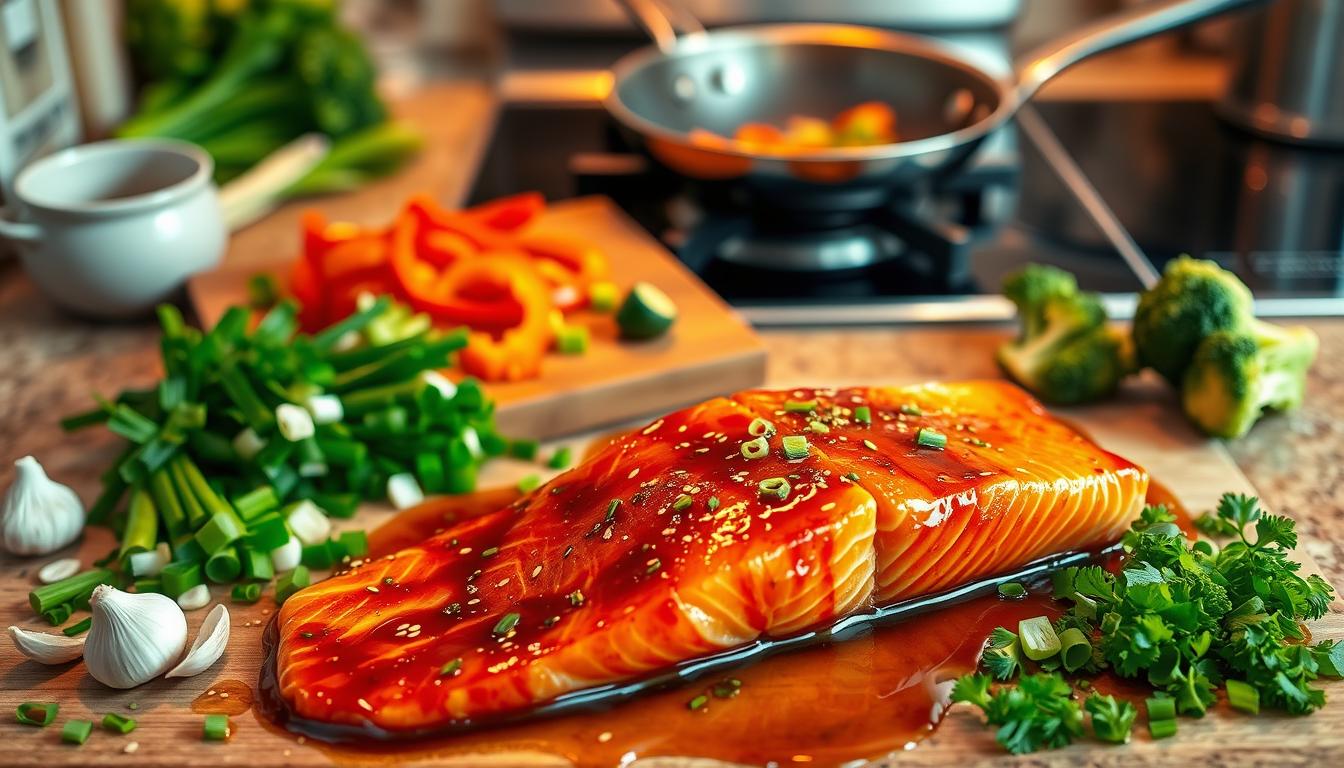
Teriyaki Salmon: The Irresistible Quick and Easy Dish
Every weeknight, you might find yourself wondering what to cook. You want something tasty and quick, without spending hours in the kitchen. Teriyaki salmon is the answer. It’s a dish that brings restaurant-quality meals to your home, making dinner feel special without the hassle.
Teriyaki salmon is more than just a meal. It opens the door to learning about its cultural background and making a simple recipe for busy nights. You don’t need to be a pro to make it in your kitchen.
Teriyaki salmon is great for all cooks, whether you’re new or experienced. It’s easy to make and packed with flavor and health benefits. It’s perfect for those who want to eat well without losing out on taste or convenience.
This dish is also super versatile. You can turn it into bowls, pair it with various sides, or add spicy touches. Each time you cook it, you can try something new, making it a fun and flexible choice.
Table of Contents
What is Teriyaki Salmon?
Teriyaki salmon is a dish that combines fresh salmon with a sweet, savory glaze. It’s a mix of the fish’s delicate flavor and a sauce that’s loved in America. Knowing its background and health benefits makes it even more special.
Origin of Teriyaki
Teriyaki cooking started in Japan in the 17th century. The term “teriyaki” means shine or gloss and grilled or broiled. It was used to preserve meats and fish while adding flavor.
The glaze made the dish look unique. Japanese families adapted this method to use local ingredients. Now, teriyaki is enjoyed worldwide, bringing authentic Japanese flavors to dinner tables.
Ingredients in Teriyaki Sauce
Creating the perfect teriyaki glaze needs just four key ingredients. Together, they create a sweet-savory-umami flavor. Each ingredient adds depth and complexity.
- Soy sauce gives the dish its salty, umami taste
- Mirin (sweet rice wine) adds sweetness and depth
- Sake adds warmth and authentic Japanese flavor
- Sugar enhances sweetness and creates a caramelized coating
When you make teriyaki sauce at home, you control the sodium and sweetness. Store-bought sauces often have more sodium and preservatives. Homemade sauces let you adjust the ingredients to your taste and dietary needs.
| Sauce Type | Sodium Content | Sweetness Level | Control Over Ingredients |
|---|---|---|---|
| Homemade Teriyaki Sauce | Adjustable (Lower) | Customizable | Complete Control |
| Store-Bought Teriyaki Sauce | High | Fixed | Limited Control |
Benefits of Salmon
Salmon is a nutritional powerhouse that’s great for your health. It’s packed with nutrients, making it a fantastic choice for your meals.
Salmon is rich in high-quality protein, which is good for muscles. It also has omega-3 fatty acids that are great for your heart and brain. Plus, it has vitamins and minerals that support your health.
- Omega-3 fatty acids reduce inflammation and support heart health
- Vitamin D strengthens bones and boosts the immune system
- B vitamins increase energy and support brain function
- Selenium acts as a powerful antioxidant protecting your cells
- Astaxanthin is the antioxidant that gives salmon its pink color and offers additional health protection
Eating salmon at least twice a week is recommended by nutritionists. Pairing it with teriyaki sauce made with quality ingredients creates a meal that’s both delicious and nutritious. Understanding the cultural significance and health benefits helps you make better meal choices.
Why Choose Teriyaki Salmon?
Teriyaki salmon is a perfect mix of nutrition and taste. It combines salmon’s health benefits with Japanese teriyaki sauce’s rich flavors. This dish is great for any meal, from busy weeknights to special dinners.
The fresh salmon and savory sauce appeal to many. It’s a dish that suits different tastes and occasions.
Health Benefits of Salmon
Salmon is packed with nutrients. It’s full of omega-3 fatty acids, which are good for your heart and brain. Salmon also has high-quality protein, vitamin D, selenium, and B vitamins.
Eating teriyaki salmon means you get all these nutrients. The cooking method keeps the salmon’s health benefits intact. A single serving of salmon gives you enough omega-3s for a day.
| Nutrient | Amount per 3.5 oz Serving | Health Benefit |
|---|---|---|
| Omega-3 Fatty Acids | 2,300 mg | Heart and brain support |
| Protein | 25 grams | Muscle building and repair |
| Vitamin D | 570 IU | Bone health and immunity |
| Selenium | 36 micrograms | Antioxidant protection |
| Vitamin B12 | 3.2 micrograms | Energy and nerve function |
The Flavor Profile of Teriyaki
The taste of teriyaki salmon comes from a balance of flavors. Soy sauce adds a savory base that makes you want more. This salty quality brings out the fish’s natural taste.
The sweetness that caramelizes adds another layer. As the sauce heats up, the sugars create a glossy, sweet coating. This glaze is complex and slightly sweet.
Mirin adds a tangy touch to the sauce. This sweet rice wine brightens the dish. Together, soy sauce, mirin, and sugar enhance the salmon’s flavor without overpowering it.
Versatility in Recipes
Teriyaki salmon offers endless cooking possibilities. You can serve it in many ways, from simple weeknight meals to fancy dinners. The same basic recipe can be adapted for any occasion.
- Simple weeknight fillets served over rice
- Elaborate bowl presentations with vegetables and toppings
- Appetizers cut into bite-sized pieces
- Main course centerpieces for entertaining
- Meal prep portions for the entire week
- Special occasion dishes that impress guests
Teriyaki salmon is perfect for any meal. It’s great for casual dinners or special occasions. You can also prepare it for meal prep, cooking several fillets at once.
This dish works all year round and pairs well with many ingredients. In summer, try it with cucumber salad and edamame. In cooler months, pair it with roasted root vegetables or mushrooms. You can also serve it with Western side dishes like roasted asparagus or mashed potatoes.
Teriyaki salmon never gets old. Serve it in bowls with rice and vegetables for a full meal. Make appetizers by placing it on crispy wonton wrappers. Create salads or tacos with it. Each variation offers a new dining experience.
How to Make Teriyaki Salmon
Making easy teriyaki salmon at home takes about 40 minutes. It combines fresh salmon with a rich, savory-sweet sauce. This brings restaurant-quality flavors to your kitchen. The process is straightforward and rewarding, with clear steps for perfect results every time.
Essential Ingredients
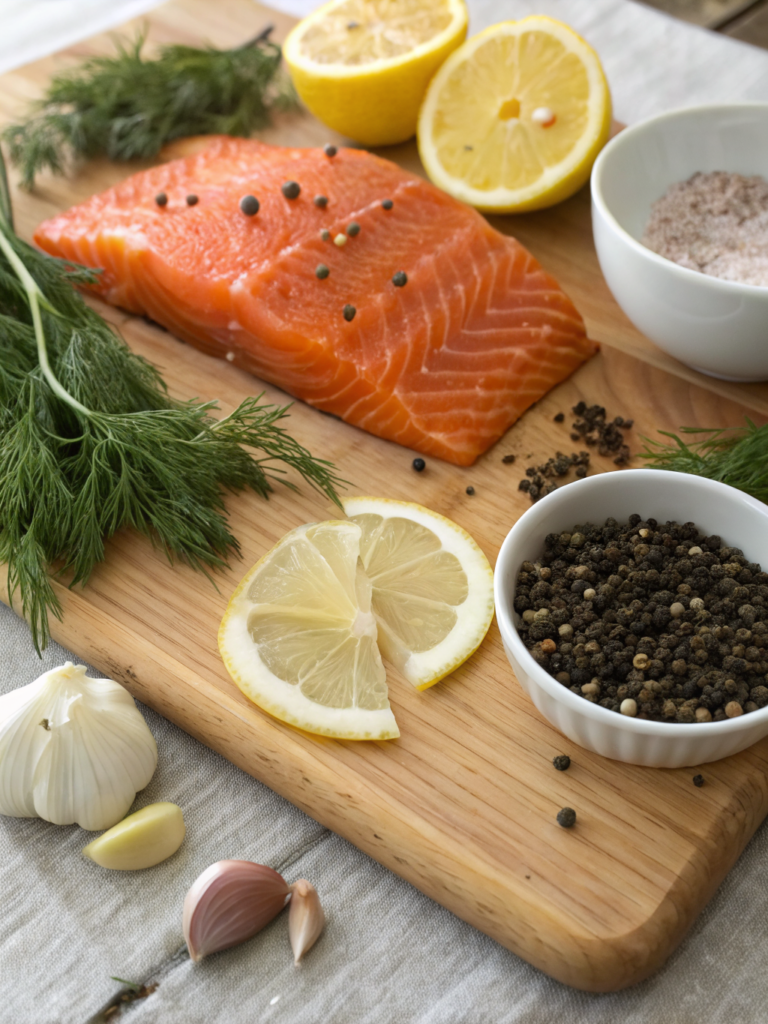
Start with 4 salmon fillets, about 6 oz each. You can choose skin-on or skinless. Season them with salt and pepper to taste.
The teriyaki salmon marinade is key. Gather these for your sauce:
- 1/2 cup soy sauce or tamari for gluten-free options
- 1/4 cup mirin for authentic sweetness
- 2 tablespoons sake or dry sherry
- 3 tablespoons brown sugar or honey
- 2 cloves minced garlic
- 1 teaspoon grated fresh ginger
- 1 tablespoon cornstarch mixed with 2 tablespoons water for thickening
- Optional sesame seeds and sliced green onions for garnish
Step-by-Step Cooking Guide
Follow these seven steps to cook your salmon properly:
- Combine all teriyaki salmon marinade ingredients in a small saucepan and simmer for 5-7 minutes until slightly thickened, then set aside to cool
- Reserve 1/4 cup of sauce for serving and use the remainder to marinate the salmon for 15-30 minutes
- Preheat your oven to 400°F or prepare a grill or stovetop pan
- Remove salmon from the marinade and pat dry with paper towels
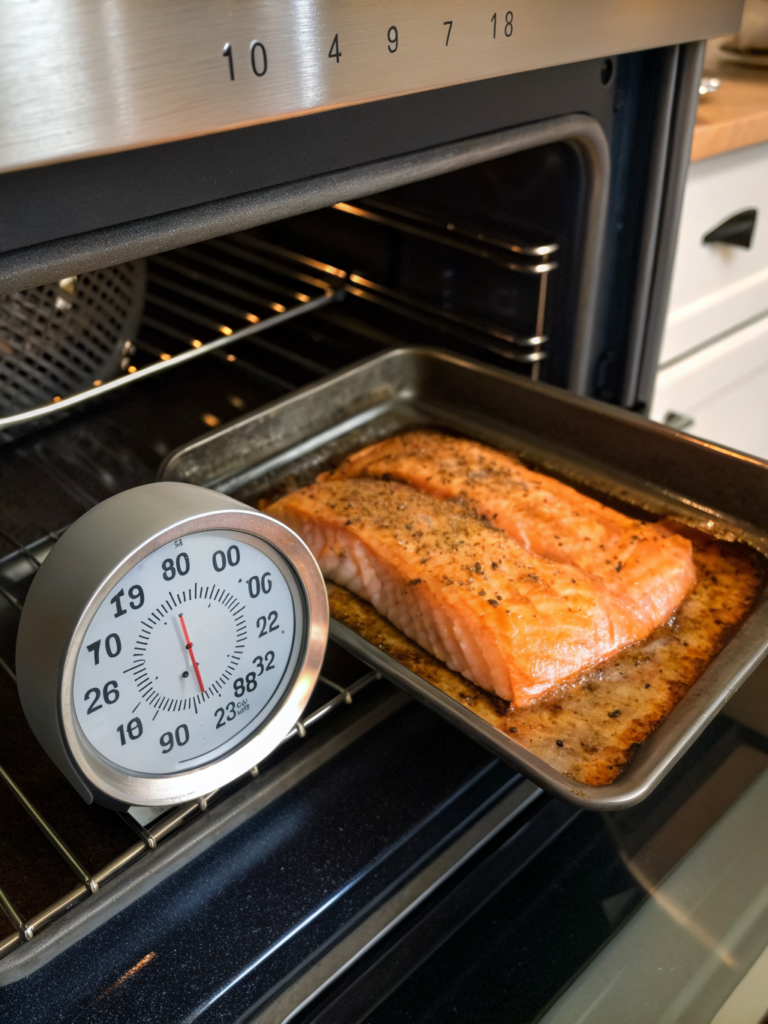
- Cook salmon for 12-15 minutes until it reaches an internal temperature of 145°F and flakes easily with a fork
- Brush with reserved sauce during the last few minutes of cooking
- Garnish with sesame seeds and sliced green onions, then serve immediately
| Timing Component | Duration |
|---|---|
| Prep Time | 10 minutes |
| Marinade Time | 15-30 minutes |
| Cook Time | 12-15 minutes |
| Total Time | Approximately 40 minutes |
| Servings | 4 |
Cooking Tips for Perfect Salmon
Professional chefs follow key practices for the best results:
- Avoid over-marinating your salmon as the acid in the soy sauce can break down the fish texture
- Bring salmon to room temperature before cooking for even cooking throughout
- Use a meat thermometer to avoid overcooking your fillets
- Let the salmon rest for 3-4 minutes after cooking before serving
- For crispy skin, start skin-side down in a hot pan on the stovetop
- Adjust sweetness or saltiness of the marinade to match your taste preferences
“The key to perfect salmon is respecting the fish and not overdoing it. Simple ingredients prepared with care create the best dishes.”
| Nutrition Facts Per Serving | Amount |
|---|---|
| Calories | 320 |
| Protein | 34g |
| Fat | 12g |
| Saturated Fat | 2g |
| Carbohydrates | 18g |
| Fiber | 0g |
| Sugar | 14g |
| Sodium | 1100mg |
| Omega-3 Fatty Acids | 2.2g |
Your easy teriyaki salmon recipe is packed with nutrition. It has high-quality protein and omega-3 fatty acids. Each serving is a health boost and tastes amazing. Now, you can make restaurant-quality teriyaki salmon at home with confidence.
Pairing Suggestions for Teriyaki Salmon
Your teriyaki salmon dish deserves thoughtful pairings. The right side dishes and beverages can elevate your meal. Whether it’s a weeknight dinner or a special occasion, pairing teriyaki salmon right makes a big difference.
Best Side Dishes
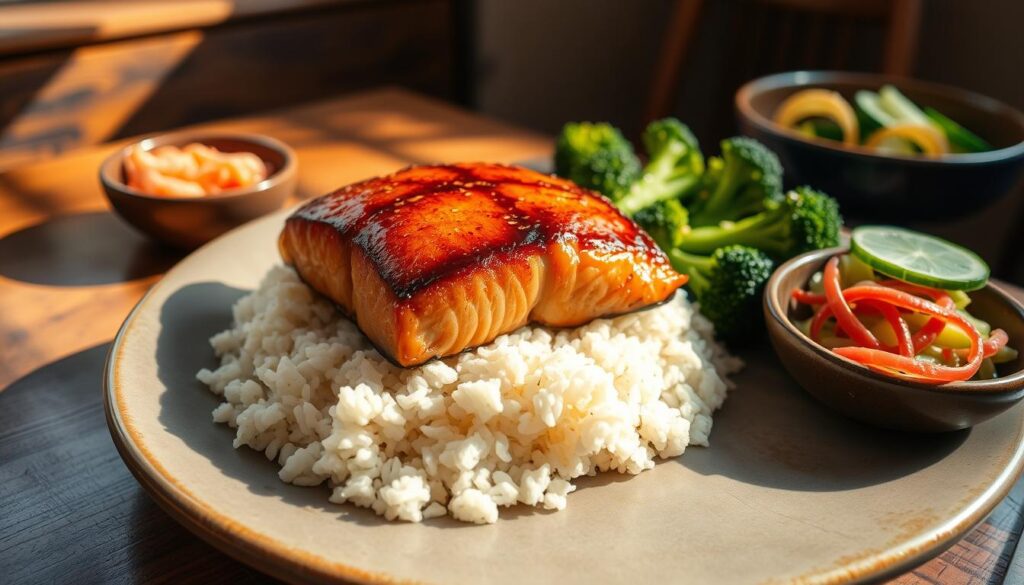
Teriyaki salmon goes well with sides that complement its flavors. Steamed or fried rice soaks up the teriyaki glaze, making a great base. Stir-fried veggies like broccoli and carrots add crunch. A cucumber salad with rice vinegar dressing offers a refreshing contrast.
- Jasmine or white rice
- Edamame beans
- Sesame-crusted asparagus
- Pickled ginger slices
- Steamed bok choy
- Miso soup
Recommended Beverages
Choosing the right drink complements your teriyaki salmon. Light, crisp white wines like Riesling or Pinot Grigio pair well. Sake served chilled adds an authentic Japanese touch.
For non-alcoholic options, green tea is a great choice. It cleanses your palate between bites. Light beers and sparkling water with citrus also offer refreshing contrasts.
| Beverage Type | Best Options | Flavor Profile | Occasion |
|---|---|---|---|
| White Wine | Riesling, Pinot Grigio, Sauvignon Blanc | Crisp, light, slightly fruity | Dinner parties, weeknight meals |
| Rice Wine | Sake, Mirin | Delicate, slightly sweet, authentic | Japanese-themed dinners |
| Beer | Japanese lagers, pilsners, light ales | Refreshing, crisp, slightly hoppy | Casual gatherings, family meals |
| Non-Alcoholic | Green tea, sparkling water with citrus | Light, refreshing, palate-cleansing | Any occasion, family-friendly |
Ideal Serving Styles
Your presentation method sets the tone for your meal. Different approaches suit various occasions and guest counts.
Family-style with salmon fillets on a platter is perfect for casual dinners. It’s welcoming and works well for four to six people. Everyone serves themselves, making the meal feel relaxed.
Individual plated servings impress at dinner parties. You control portion sizes and create a polished presentation. Arrange the salmon in the center, garnish with sesame seeds, and position your side dishes with intention.
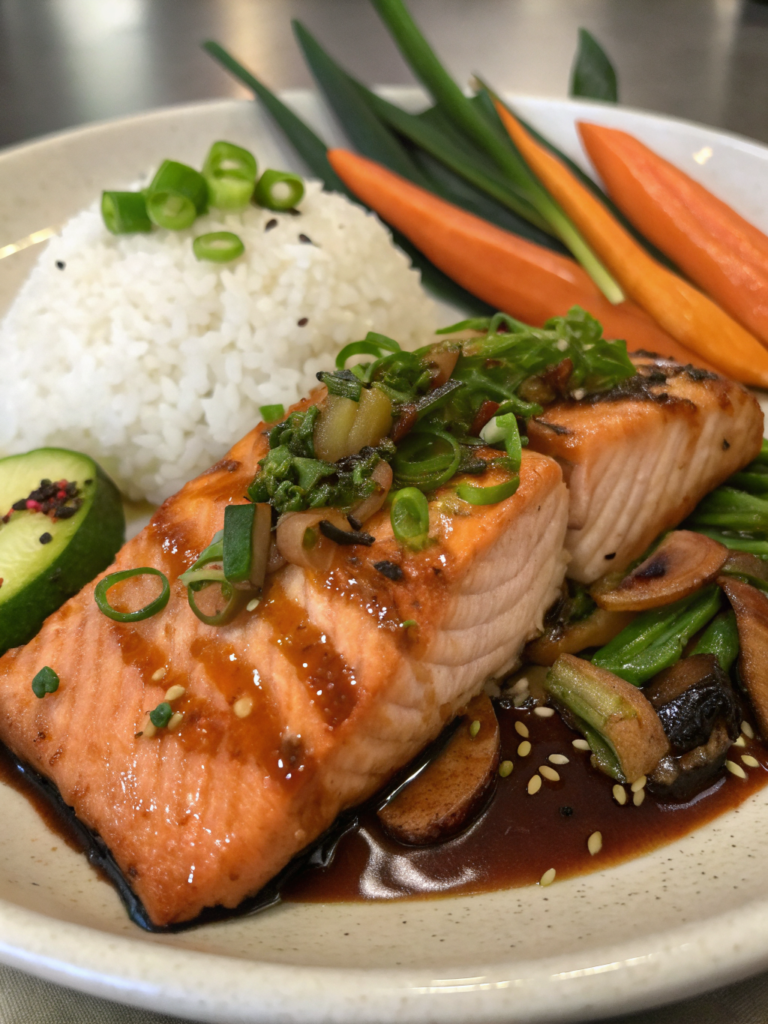
Bowl-style presentations are modern and casual. They’re perfect for entertaining where guests can customize their portions. Place warm rice at the bottom, arrange vegetables around it, top with flaked salmon, and drizzle extra teriyaki sauce over everything.
Deconstructed approaches let guests build their own plates. Set out salmon, rice, vegetables, and sauce separately. This interactive method keeps the conversation flowing and accommodates different dietary needs.
- Family-style: Whole fillets on a shared platter with surrounding vegetables
- Individual plating: Single fillet per plate with garnishes and artistic arrangement
- Bowl-style: Layered presentation with rice base, vegetables, and flaked salmon
- Deconstructed: Separate components allowing guest customization
Each serving style works well for different situations. Your choice depends on your guest count, available time, and the formality level you want to achieve. All approaches ensure your teriyaki salmon impresses from first glance to final bite.
Common Mistakes to Avoid
Making teriyaki salmon at home needs careful attention. Small mistakes can ruin your dish. Knowing what to avoid helps you cook this Asian-inspired meal perfectly every time.
Overcooking the Salmon
Home cooks often overcook salmon. This makes it dry, chalky, and loses its texture. The moist flesh turns tough and unpleasant.
Your salmon should be opaque but slightly translucent in the center. It should register 145°F on an instant-read thermometer. This is the perfect doneness.
Timing depends on the fillet’s thickness. Use 4-6 minutes per half-inch as a guide. A half-inch thick fillet cooks in 4-5 minutes, while a full-inch takes 8-10 minutes.
Try the poke test for doneness without a thermometer. Cooked salmon feels firm but gives slightly when pressed. If it’s too firm, it’s overcooked.
| Fillet Thickness | Cooking Time | Temperature Target | Texture Result |
|---|---|---|---|
| 1/2 inch | 4-5 minutes | 145°F | Moist and tender |
| 3/4 inch | 6-7 minutes | 145°F | Flaky but juicy |
| 1 inch | 8-10 minutes | 145°F | Opaque center with translucence |
| 1.5 inches | 12-15 minutes | 145°F | Perfectly cooked throughout |
Neglecting Marinade Time
Marinade timing is key. It affects both flavor and texture.
Marinating for under 15 minutes means flavors won’t penetrate well. Your salmon will taste bland, missing the rich teriyaki flavor you want.
Marinating too long, over 2 hours, damages the fish’s texture. The salt and sugar in the marinade break down the protein, making the fish mushy and unappetizing.
Aim for 15-30 minutes of marinating. This allows flavors to develop without harming the fish’s texture. In the fridge, 20-25 minutes is perfect for most cooks.
Short on time? Skip marinating and brush the salmon with teriyaki sauce while cooking. This method gives delicious results without compromising texture or timing. Brush the sauce on both sides about halfway through cooking for the best flavor.
- 15 minutes: Light flavor, firm texture
- 20-25 minutes: Ideal balance of taste and texture
- 30 minutes: Strong flavor, firm
- Over 2 hours: Mushy texture, oversaturated
Choosing Low-Quality Ingredients
Quality ingredients are essential. Using fresh, high-quality salmon makes a big difference in taste and texture.
Choose salmon with firm flesh, bright color, and a mild ocean smell. Avoid fish that smells fishy or feels soft. These signs indicate old or poorly stored fish.
Wild-caught salmon has deeper flavor and leaner texture. Farm-raised salmon is fattier and milder. Choose based on your preference and budget.
Real mirin and naturally brewed soy sauce offer better flavor than imitation products. Pre-made teriyaki sauces often have corn syrup and artificial flavors, making your dish taste generic and overly sweet.
Invest in quality components. Real mirin adds authentic sweetness and depth. Naturally brewed soy sauce provides complex umami flavor. These upgrades make your teriyaki salmon exceptional.
| Ingredient Type | Low Quality Option | High Quality Option | Flavor Difference |
|---|---|---|---|
| Salmon | Mushy, strong smell, dull color | Firm, mild ocean smell, bright color | Fresh and clean vs. unpleasant |
| Soy Sauce | Pre-mixed teriyaki sauce with corn syrup | Naturally brewed soy sauce | Complex umami vs. artificial sweetness |
| Mirin | Imitation aji-mirin with additives | Real mirin with natural fermentation | Subtle sweetness vs. cloying taste |
| Source | Farm-raised with added dyes | Wild-caught or responsibly farmed | Rich depth vs. bland flavor |
Avoiding these mistakes ensures successful teriyaki salmon. Focus on temperature, cooking time, marinade timing, and quality ingredients. Your effort will result in a delicious dish that looks professional.
Making Teriyaki Salmon Ahead of Time
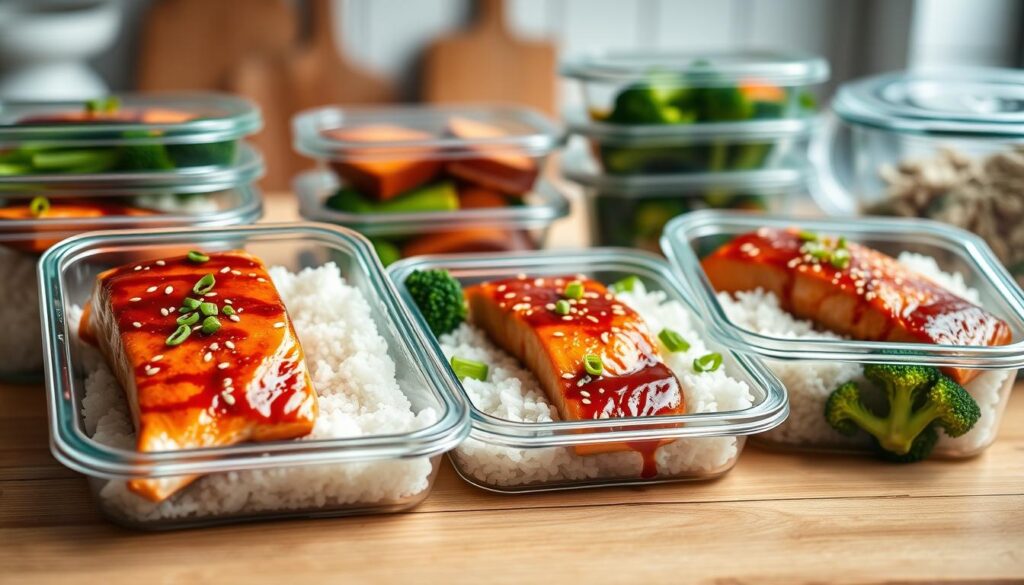
Planning meals in advance saves time, which is great for busy weekdays. Teriyaki salmon is perfect for meal prep. You can prepare parts at different times. This way, you can fit your meal prep into your schedule and cooking style.
Meal Prep Tips
Begin by preparing ingredients in stages. Make the teriyaki sauce up to a week ahead and keep it in the fridge. This saves time when cooking your salmon fillets.
For salmon, portion and marinate in freezer bags for up to three months. Thaw overnight in the fridge before cooking. You can also pre-cut veggies and store them in separate containers for easy access.
Cooking multiple fillets at once is efficient. Set aside a Sunday to cook several portions. Cooked salmon can be stored in the fridge for 3-4 days, perfect for adding to meals throughout the week.
| Prep Component | Storage Method | Duration | Preparation Time |
|---|---|---|---|
| Teriyaki Sauce | Airtight Container (Refrigerated) | 1 Week | 10 Minutes |
| Marinated Salmon Fillets | Freezer Bags (Frozen) | 3 Months | 15 Minutes |
| Pre-Cut Vegetables | Storage Containers (Refrigerated) | 4-5 Days | 20 Minutes |
| Cooked Salmon Fillets | Airtight Containers (Refrigerated) | 3-4 Days | 25 Minutes |
Reheating Suggestions
Reheating fish gently is key to avoid drying it out. Reheat in a 275°F oven for 10-12 minutes, covered with foil and a bit of water or sauce. This method keeps your salmon moist and flavorful.
You also have other reheating options. Try brief microwave heating at 50% power in 30-second intervals for quick meals. Or, enjoy the salmon cold or at room temperature in salads and bowls where reheating isn’t necessary. Cold teriyaki salmon is refreshing in summer salads.
- 275°F oven method: 10-12 minutes covered with foil
- Microwave method: 50% power in 30-second intervals
- Cold serving: Perfect for salads and grain bowls
- Steam creation: Add water or sauce under foil
Storing Leftovers
Food safety is important when storing meals. Cooked teriyaki salmon should be refrigerated within two hours of cooking. Store it in airtight containers for 3-4 days maximum. Properly sealed containers prevent bacteria growth and keep food fresh.
Freezing extends storage time. Cooked salmon can be frozen for up to three months, though it’s best fresh. When thawing frozen salmon, thaw it in the fridge overnight for the best results.
Leftover salmon is versatile. Use it in fried rice, pasta, salads, wraps, or sandwiches. These uses make meal prep a breeze throughout the week. This way, teriyaki salmon becomes a key part of your weekly meal planning.
- Cool cooked salmon to room temperature
- Place in airtight containers within 2 hours
- Refrigerate for 3-4 days maximum
- Freeze for extended storage up to 3 months
- Thaw overnight in refrigerator before reheating
Variations of Teriyaki Salmon
One basic teriyaki salmon recipe opens doors to countless culinary possibilities. You can turn your weeknight dinner into something fresh and exciting. Explore different cooking methods and flavor combinations to prevent dinner monotony. Each variation brings its own unique taste and texture to your table.
Spicy Teriyaki Salmon
Add sriracha, red pepper flakes, or fresh jalapeños to your teriyaki sauce for a bold kick. Spicy teriyaki salmon wakes up your taste buds. You can adjust the spice level based on your preference and heat tolerance.
Start by mixing your base teriyaki sauce with hot sauce or chili paste. Let your salmon fillets soak in this mixture for at least 30 minutes. Use the baked teriyaki salmon method for a reliable, hands-off approach. Simply arrange marinated fillets on a lined baking sheet and bake at 400°F for 12-15 minutes.
Teriyaki Salmon Bowls
Serve your teriyaki salmon over rice or quinoa with fresh vegetables for a complete meal. Teriyaki salmon bowls make lunch prep simple and satisfying. Layer cooked rice, shredded cucumber, avocado, steamed broccoli, and sliced teriyaki salmon for a balanced dish.
- White or brown rice as your base
- Cucumber slices for crunch
- Steamed edamame for protein
- Pickled ginger for tang
- Sesame seeds for texture
- Green onions for freshness
You can prepare these bowls ahead of time, keeping components separate until serving. This meal format works great for meal prep throughout the week.
Grilled Teriyaki Salmon
Grilling brings amazing flavor and visual appeal to your teriyaki salmon. Start by preheating the grill to medium-high (around 400°F) to ensure proper cooking temperature. Next, oil the grates to prevent sticking, which protects your delicate fish and keeps it intact.
Place your marinated salmon skin-side down first for 6-8 minutes without moving it. This time develops beautiful grill marks that make your dish look restaurant-quality. Carefully flip and cook for an additional 4-6 minutes while basting with reserved sauce. The sauce caramelizes on the grill, creating a stunning glaze.
| Cooking Method | Temperature | Time | Best For |
|---|---|---|---|
| Grilled Teriyaki | 400°F | 10-14 minutes | Outdoor cooking and flavor |
| Baked Teriyaki | 400°F | 12-15 minutes | Beginners and busy weeknights |
| Spicy Teriyaki | 400°F | 12-15 minutes | Heat lovers and spice enthusiasts |
Each variation demonstrates how one basic recipe transforms into multiple distinct dishes. You gain confidence in the kitchen while keeping meals exciting and flavorful. Your family will appreciate the creativity and taste you bring to the dinner table.
Where to Find the Best Teriyaki Salmon
Looking for the best teriyaki salmon? Start by asking the right questions and exploring different places. You can find it in top restaurants, food trucks, or even make it at home with help from online recipes. Each option brings its own unique experience and flavors.
Top Restaurants in the U.S.
Upscale and casual restaurants across America serve amazing teriyaki salmon. Ask if the sauce is homemade. This shows their dedication to quality and flavor. Also, ask about the salmon’s origin to ensure it’s wild or farm-raised.
Check how the fish is prepared. Look for a shiny glaze that shows care, not too much sauce. Good restaurants get the glaze just right, making the salmon taste amazing.
- Check online reviews on Google Maps and Yelp for teriyaki salmon ratings
- Ask your server about cooking methods and ingredient sourcing
- Look for restaurants with Japanese chefs or Japanese cuisine specialization
- Visit establishments that display their kitchen or preparation area
Popular Food Trucks
Food trucks are everywhere, and teriyaki salmon is a hit. Pacific Northwest cities, California, and Hawaii love these mobile vendors. They serve teriyaki salmon in creative ways, like tacos and rice bowls.
Food trucks offer great value and unique dishes. You’ll find everything from teriyaki salmon tacos to rice bowls with fresh veggies. They use quality ingredients and make fresh glazes every day.
| Region | Popular Truck Specialties | Best Locations |
|---|---|---|
| Pacific Northwest | Teriyaki salmon rice bowls with Asian vegetables | Seattle, Portland food pod gatherings |
| California | Teriyaki salmon tacos and poke bowls | Los Angeles, San Francisco, San Diego waterfront areas |
| Hawaii | Teriyaki salmon with local rice and papaya | Honolulu street fairs and tourist districts |
Find these trucks on social media. Follow local apps and hashtags for their locations and menus.
Online Recipe Sources
Cooking teriyaki salmon at home is exciting. Websites, blogs, and YouTube channels have great recipes. They include videos, reviews, and tips to help you.
You’ll find authentic Japanese recipes and American twists. Sites like America’s Test Kitchen and YouTube channels like Maangchi offer tested recipes. Online cooking communities share tips and experiences, connecting you with others who love teriyaki salmon.
- Watch video demonstrations to understand proper glazing techniques
- Read reader reviews to learn about common challenges and solutions
- Join cooking forums and Facebook groups dedicated to Japanese cuisine
- Compare recipes from multiple sources to understand different approaches
- Look for sources that explain the science behind teriyaki flavors
These resources inspire and help you learn more about making teriyaki salmon. They guide you in mastering this dish at your own pace.
Conclusion: Enjoying Teriyaki Salmon
Making teriyaki salmon at home is easier than you think. Its beauty is in its simplicity. You don’t need to be a pro to make it taste like a restaurant dish. Choose good salmon and adjust the sauce to your liking.
Be careful not to overcook it. Remember, the more you make it, the better you’ll get. Your teriyaki salmon will get better with each try.
Final Thoughts on Preparation
Start with the basics and build from there. Focus on the fundamentals first. Choose the best salmon you can find. A good piece of salmon makes a big difference.
Once you have your ingredients ready, follow the recipe step by step. This helps you understand how each element works together. As you get more comfortable, you’ll feel more confident in the kitchen.
Encouragement to Experiment
See the basic recipe as a starting point, not a strict rule. Your personal touches will make your dish unique. Cooking is all about creativity.
Try adjusting the sweetness to your liking. Experiment with different cooking methods. Add seasonal vegetables and try new garnishes. You can even use other fish like trout or arctic char. The kitchen is your space to explore and discover what you enjoy most.
Your Next Steps in Cooking
Start by gathering your ingredients and trying the basic recipe exactly as written. This establishes a baseline for your cooking. Once you’ve mastered the fundamentals, begin introducing variations.
Consider making extra sauce for quick meals. Share your dish with family and friends to build confidence. Document your results through photos or notes to track your progress and preferences. Teriyaki salmon is more than just a recipe. It’s a way to explore Japanese cooking and improve your skills. You’ll create healthy eating habits that your family will enjoy for years. Every expert cook started as a beginner. Your journey with teriyaki salmon begins with simply taking that first step into the kitchen.