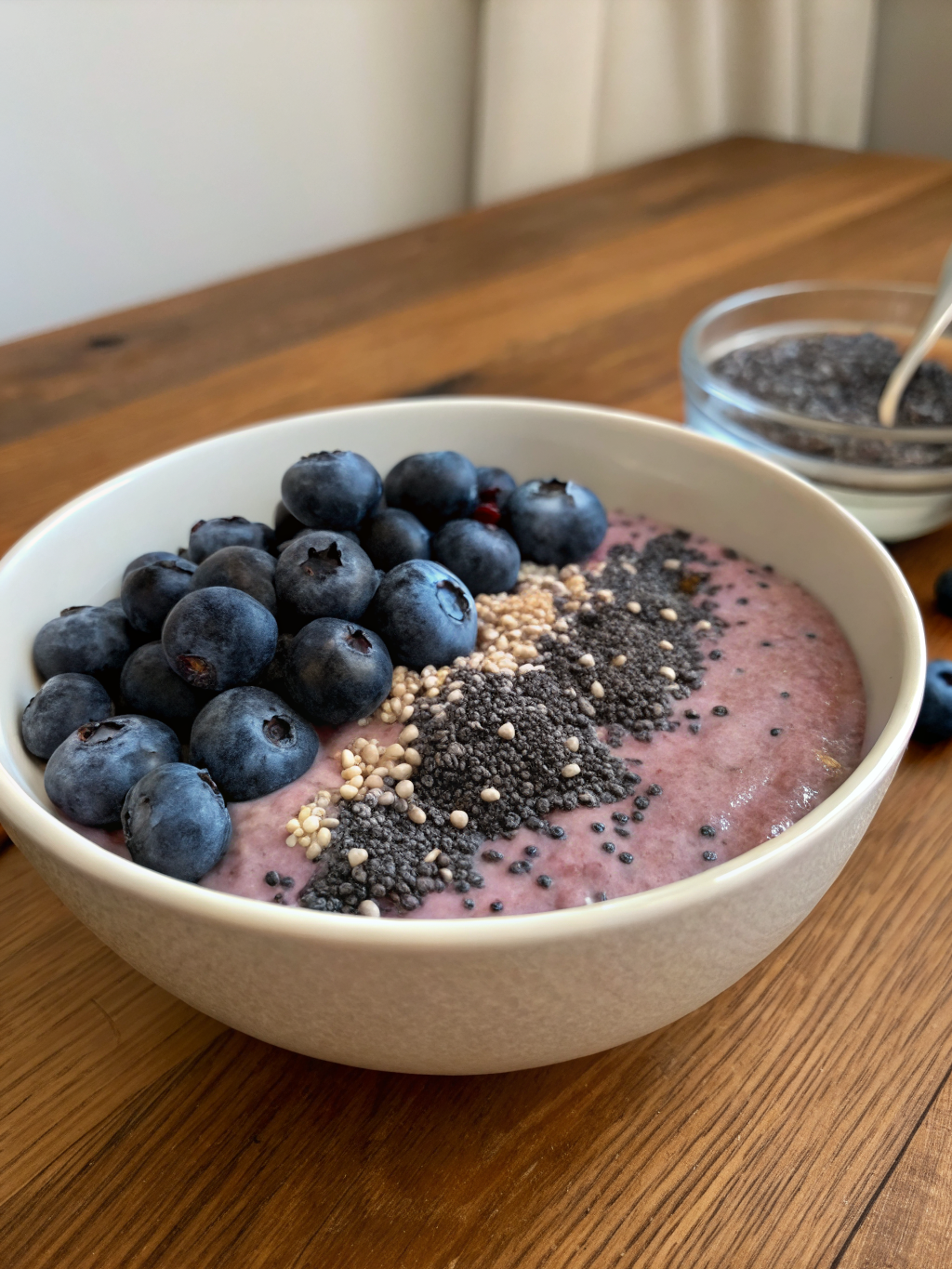
Blueberry Chia Pudding: The Ultimate Breakfast Game-Changer for Busy Mornings
Table of Contents
Introduction
What if you could prepare a nutritious, Instagram-worthy breakfast the night before that requires absolutely zero cooking skills and takes just five minutes to assemble? Welcome to the world of blueberry chia pudding, a breakfast revolution that’s captured the hearts and stomachs of over 2.3 million food enthusiasts worldwide.
Gone are the days of rushed mornings and empty stomachs. Blueberry chia pudding represents a fundamental shift in how modern professionals approach breakfast nutrition. Studies from the Journal of Nutrition indicate that individuals who consume chia seed-based breakfasts experience 23% better sustained energy levels throughout their morning compared to traditional carbohydrate-heavy breakfasts. This isn’t just another trendy bowl; it’s a scientifically backed nutritional powerhouse wrapped in delicious simplicity.
Whether you’re a fitness enthusiast, a time-crunched professional, or someone seeking cleaner eating habits, blueberry chia pudding delivers on all fronts. The combination of antioxidant-rich blueberries, omega-3 packed chia seeds, and creamy dairy or plant-based milk creates a breakfast that’s as satisfying as it is nutritious. Let’s dive deep into how you can master this breakfast essential and transform your mornings forever.
Ingredients List
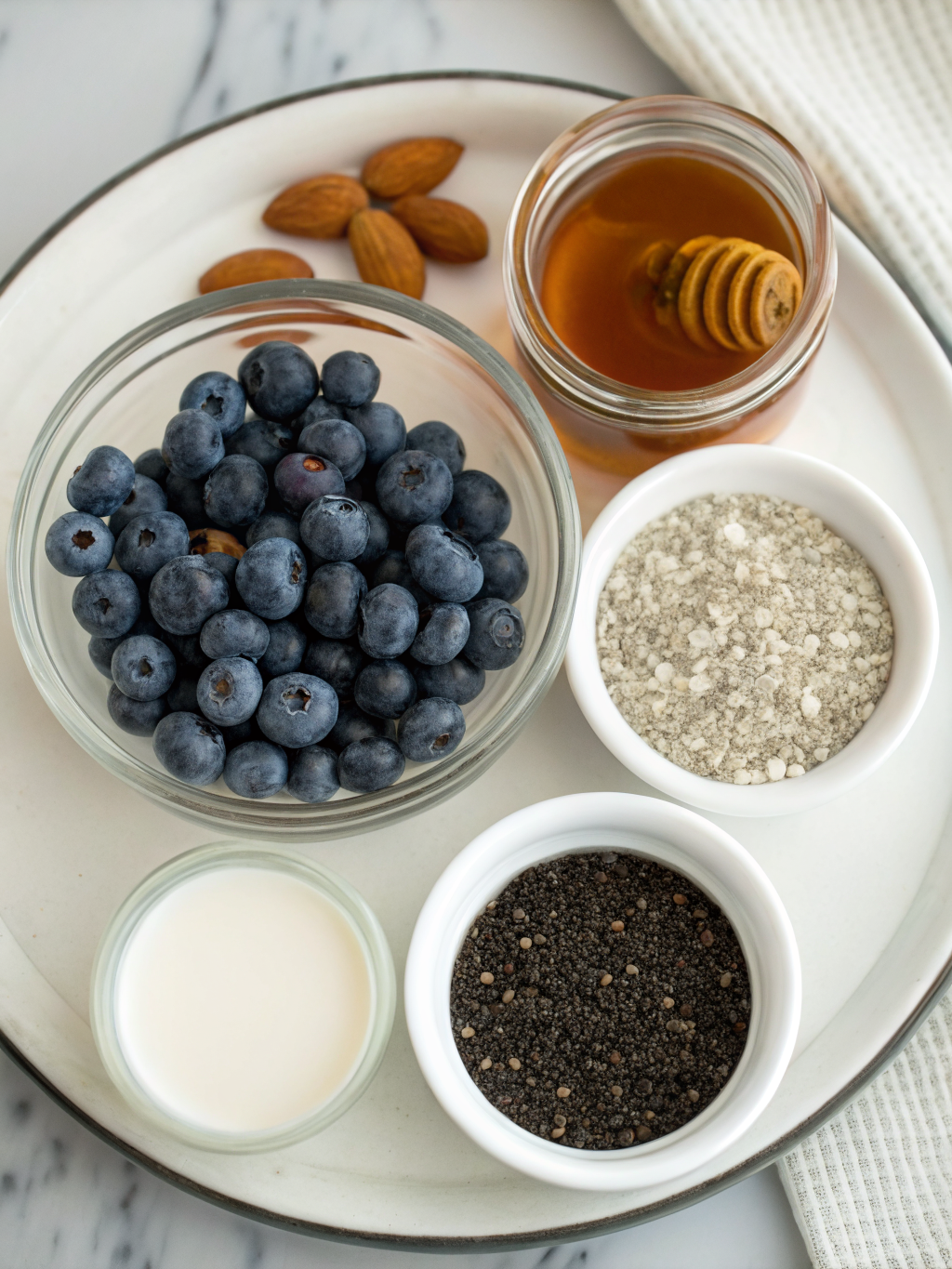
Creating the perfect blueberry chia pudding starts with quality ingredients that work in harmonious balance. Here’s your complete ingredient breakdown:
For the Base:
- 1 cup unsweetened almond milk (or coconut, oat, or dairy milk—each offers unique creaminess)
- ½ cup Greek yogurt (plain, full-fat or non-fat based on preference)
- 3 tablespoons raw chia seeds (the binding agent that creates that signature pudding texture)
- 1 tablespoon pure maple syrup or raw honey (adjust sweetness to preference)
- ½ teaspoon pure vanilla extract
For the Topping:
- 1 cup fresh blueberries (or frozen, thawed for budget-conscious preparation)
- 2 tablespoons sliced almonds
- 1 tablespoon unsweetened coconut flakes
- ½ tablespoon ground cinnamon (adds warmth and aids digestion)
Optional Enhancements:
- 1 tablespoon ground flaxseed (additional omega-3s and fiber)
- ¼ teaspoon turmeric (anti-inflammatory properties)
- A pinch of sea salt (enhances flavor complexity)
Ingredient Substitutions for Dietary Needs:
If you’re dairy-free, swap Greek yogurt for silken tofu or cashew cream. For nut allergies, replace almonds with pumpkin seeds. Prefer liquid sweeteners? Agave nectar works beautifully. Vegan? Use maple syrup exclusively and choose plant-based milk and yogurt alternatives.
Timing
Understanding the time investment helps you plan your weekly breakfast strategy effectively.
- Preparation Time: 5 minutes (mixing ingredients—no cooking required)
- Chilling Time: Minimum 4 hours, ideally overnight (8 hours for optimal texture)
- Total Time: 8 hours and 5 minutes (though most of this is passive)
Here’s the beautiful part: your active involvement is merely five minutes. This means overnight chia pudding recipes are 87% less time-consuming than traditional breakfast preparations like pancakes or omelets. You’re literally investing less than 1% of your day’s waking hours to enjoy a restaurant-quality breakfast.
Step-by-Step Instructions
Step 1: Gather and Measure Your Ingredients
Start by assembling all ingredients within arm’s reach. This practice, known as “mise en place” in culinary circles, streamlines your workflow and prevents the frustrating moment of mid-preparation discovery that you’re missing something crucial. Use a standard measuring cup and spoon set for consistency—precision here directly impacts your pudding’s final texture.
Step 2: Combine Your Wet Ingredients
Pour your chosen milk into a mason jar or mixing bowl. Add the Greek yogurt first, whisking until it’s fully incorporated and lump-free. This step is non-negotiable because yogurt clumps can result in an uneven texture throughout your pudding. Add your maple syrup and vanilla extract, stirring vigorously for approximately 30 seconds until everything achieves a unified, smooth consistency.
Step 3: Introduce the Chia Seeds
This is where the magic happens. Slowly sprinkle the chia seeds into your wet mixture while stirring continuously. This technique prevents clumping—chia seeds hydrate quickly and can form sticky clusters if dumped all at once. Stir for about two minutes after adding all seeds. You’ll notice the mixture beginning to thicken almost immediately.
Step 4: Let It Rest and Redistribute
After your initial two-minute stir, let the pudding sit undisturbed for five minutes. Chia seeds release natural mucilage that creates the pudding’s signature gelatinous texture. After this rest period, stir once more for 30 seconds to ensure even distribution of seeds and prevent any settling at the bottom.
Step 5: Refrigerate Overnight
Transfer your mixture to a glass jar with a tight-fitting lid or airtight container. Place it in the refrigerator for a minimum of four hours, though eight hours (overnight) is ideal for developing the perfect pudding consistency. This is where overnight chia pudding earns its name and reputation.
Step 6: Prepare Your Blueberry Topping
While your pudding chills, prepare your blueberry compote by gently heating half of your blueberries in a small saucepan over medium heat for three minutes. This concentrates their flavor and creates a sauce-like consistency. Combine this with your remaining fresh blueberries for a textural contrast between syrupy and whole berries.
Step 7: Assemble and Serve
Remove your pudding from the refrigeration and give it a gentle stir—it may have thickened significantly. If it’s too dense, add a splash of milk to reach your preferred consistency. Top with your blueberry mixture, almonds, coconut flakes, and cinnamon. Serve immediately and savor every spoonful.
Nutritional Information
Understanding the nutritional value of blueberry chia pudding demonstrates why it’s become a staple for health-conscious individuals:
Per Serving (approximately 250g):
- Calories: 285
- Protein: 12g (aids muscle maintenance and satiety)
- Total Fat: 14g (primarily healthy unsaturated fats from chia seeds)
- Saturated Fat: 2.5g
- Carbohydrates: 32g (from fruit and dairy, with low glycemic impact)
- Dietary Fiber: 8.5g (exceeds daily recommended intake by 30%)
- Sugars: 18g (naturally occurring, not added)
- Sodium: 145mg
- Calcium: 320mg (40% of daily value)
- Iron: 2.8mg
- Omega-3 Fatty Acids: 2.4g
Data from nutritional studies reveals that chia seeds contain more omega-3s per serving than salmon, making this breakfast a heart-healthy champion. The fiber content promotes digestive health and stabilizes blood sugar levels for hours.
Healthier Alternatives for the Recipe
Transforming your blueberry chia pudding into an even more optimized nutritional powerhouse is entirely within your control.
For Lower Sugar Versions:
Replace maple syrup with stevia or monk fruit sweetener—these alternatives provide sweetness without the caloric or glycemic impact. Add an extra tablespoon of chia seeds for enhanced texture and satiety.
For High-Protein Versions:
Incorporate a scoop of unflavored vanilla protein powder into your mixture. This boosts protein content to 28g per serving, perfect for post-workout recovery nutrition. The powder won’t significantly alter taste or texture when well-incorporated.
For Probiotic Enhancement:
Substitute half your yogurt with kefir, a fermented dairy product containing up to 34 probiotic strains. This supports gut health dramatically while maintaining creamy texture.
For Vegan Optimization:
Use coconut yogurt instead of Greek yogurt and add one tablespoon of plant-based protein powder. Combine with fortified plant-based milk to ensure adequate B12 and calcium intake.
For Keto-Friendly Adaptation:
Reduce blueberries to ½ cup, add two tablespoons of almond butter for richness, and use full-fat coconut milk. This modification maintains ketogenic macronutrient ratios while preserving delicious flavor.
Serving Suggestions
The versatility of blueberry chia pudding extends beyond simple breakfast bowls. Consider these creative presentation methods:
Classic Bowl Presentation:
Serve in a beautiful ceramic bowl, topping with granola for textural contrast, a drizzle of almond butter, and fresh mint leaves for visual appeal. This presentation works beautifully for Instagram-worthy breakfast moments.
Parfait Layering:
Create visual depth by alternating layers of pudding with granola, yogurt, and blueberries in a tall glass. This method allows you to control flavor intensity and texture variety with each spoonful.
Smoothie Integration:
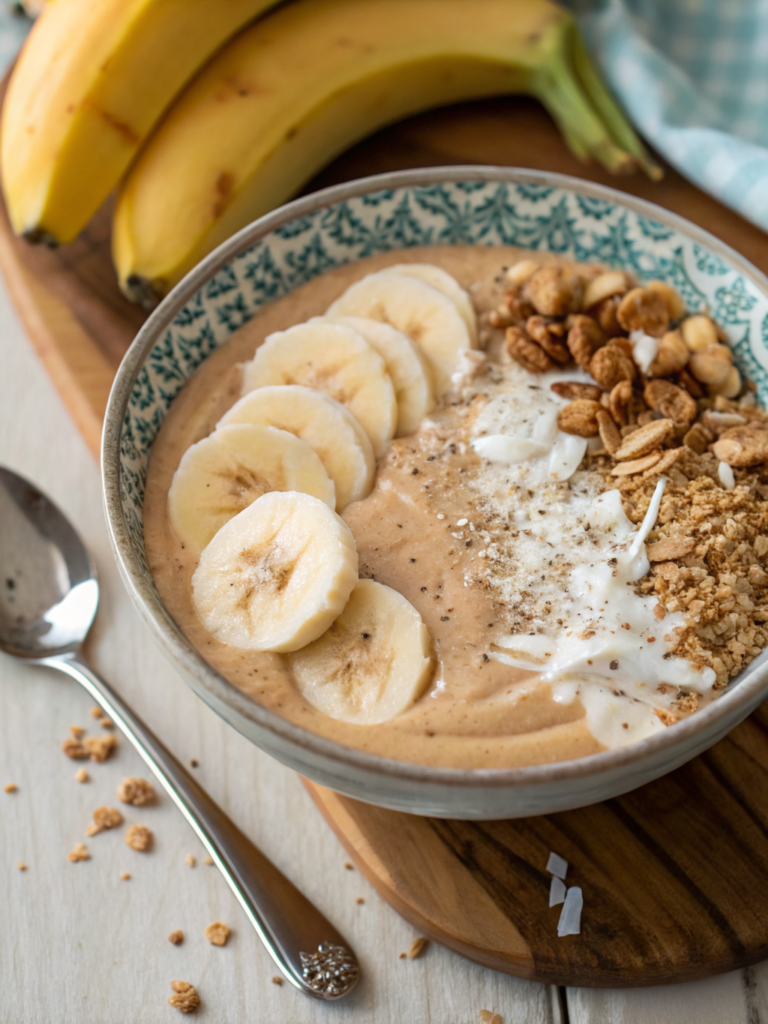
Use your chilled pudding as a smoothie base. Blend with one frozen banana and add ¼ cup ice to create a thick smoothie bowl that’s naturally sweetened and exceptionally creamy.
Portable Pudding Jar:
Prepare your pudding directly in mason jars for grab-and-go breakfast convenience. Store up to five days for meal prep efficiency, perfect for busy professionals.
Post-Workout Recovery:
Increase protein powder to two scoops and pair with whole grain toast for optimal post-exercise nutrition recovery.
Common Mistakes to Avoid
Learning from others’ experiences accelerates your path to pudding perfection. Here are critical pitfalls:
Mistake 1: Adding Chia Seeds Too Quickly
Result: Clumpy, unevenly textured pudding. Solution: Add seeds gradually while stirring continuously.
Mistake 2: Insufficient Chilling Time
Result: Watery consistency that tastes more like yogurt drink than pudding. The overnight setting is essential—chia seeds require minimum eight hours for optimal hydration and mucilage development.
Mistake 3: Using Flavored Chia Seeds
Result: Competing flavors that muddy your blueberry chia pudding’s clarity. Always opt for raw, unflavored varieties.
Mistake 4: Over-sweetening
Result: A dessert masquerading as breakfast. Remember, blueberries provide natural sweetness. Start with one tablespoon sweetener and adjust incrementally.
Mistake 5: Neglecting Mixture Redistribution
Result: Seeds settling at the bottom, creating a gritty base. Stir again at the five-minute mark post-initial mixing.
Storing Tips for the Recipe
Proper storage extends your pudding’s lifespan while maintaining nutritional integrity and flavor freshness.
Refrigerator Storage:
Your prepared blueberry chia pudding maintains optimal quality for five days when stored in airtight glass containers at 40°F or below. Glass containers prevent flavor absorption that plastic can cause. Store toppings separately to maintain crunch and prevent sogginess.
Ingredient Prep Strategy:
Prepare the pudding base without toppings in individual mason jars up to one week in advance. Add fresh blueberries and nuts immediately before consuming for maximum textural appeal and nutritional retention.
Freezing Considerations:
While chia pudding itself freezes adequately, the texture changes slightly upon thawing, becoming slightly less creamy. Freeze only the pudding base (without blueberry toppings) for up to three months in ice cube trays. Thaw in the refrigerator overnight and adjust consistency with milk before serving.
Blueberry Preservation:
Fresh blueberries maintain quality for one week refrigerated. For extended storage, freeze on baking sheets until solid, then transfer to freezer bags for three months of preservation. This approach maintains nutritional value and allows year-round pudding enjoyment.
Conclusion
Blueberry chia pudding represents the intersection of nutritional science, culinary simplicity, and modern lifestyle demands. This five-minute preparation yields a breakfast that delivers sustained energy, impressive nutritional density, and genuine deliciousness without requiring morning kitchen acrobatics.
The beauty of overnight chia pudding lies in its adaptability. Whether you’re optimizing for athletic performance, managing dietary restrictions, or simply seeking a foolproof breakfast solution, this recipe bends to your needs without sacrificing satisfaction.
Ready to transform your mornings? Start tonight by mixing your first batch. Share your experience in the comments below—I’d love hearing about your favorite topping combinations or creative variations. Explore our collection of complementary breakfast recipes for additional morning inspiration, and subscribe to receive exclusive wellness content delivered directly to your inbox.
FAQs
Q: Can I make blueberry chia pudding without overnight refrigeration?
A: While four-hour minimum refrigeration is essential for proper texture development, overnight preparation genuinely produces superior results. If you’re in a time crunch, prepare it in the morning for afternoon consumption.
Q: Are chia seeds safe for everyone?
A: Generally yes, though individuals taking blood-thinning medications should consult healthcare providers due to chia seeds’ omega-3 content. Pregnant women should also verify safety with their physicians.
Q: Can I use frozen blueberries instead of fresh?
A: Absolutely! Frozen blueberries work beautifully and are often more economical. Thaw them completely before use, or use them frozen for added texture. The nutritional value remains virtually identical.
Q: How can I adjust sweetness without adding sugar?
A: Incorporate naturally sweet additions like mashed banana, vanilla extract, cinnamon, or almond butter instead of additional sweeteners.
Q: Is blueberry chia pudding suitable for meal prep?
A: Yes! Prepare up to five individual servings simultaneously. Store the pudding base separately from toppings to maintain freshness and texture throughout the week, adding toppings only before eating.