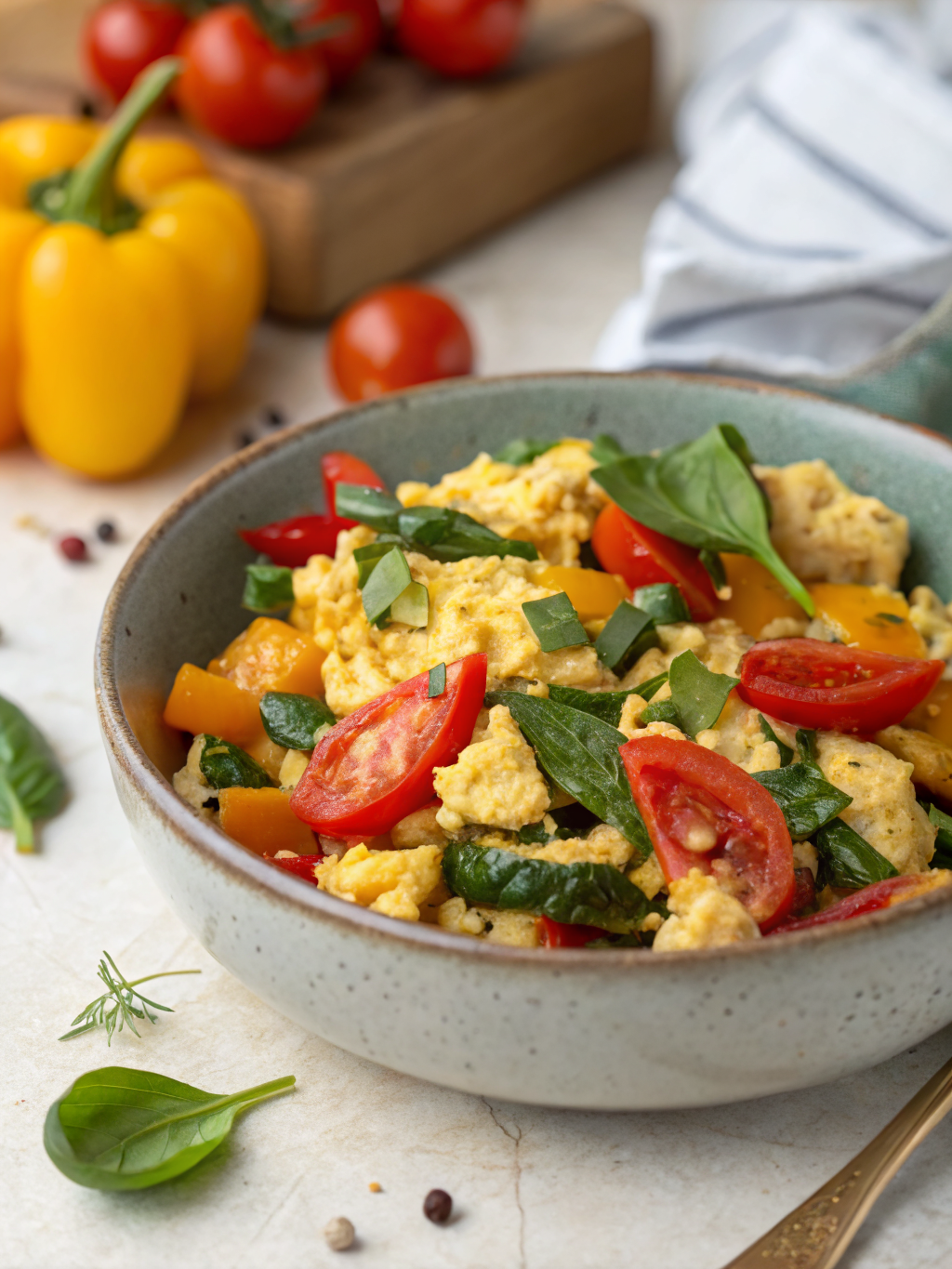
Protein Packed Egg Scramble
Table of Contents
Introduction
Did you know that starting your day with a high-protein breakfast can boost your metabolism by up to 30% and keep you satisfied for hours longer than a carb-heavy meal? The secret lies in crafting the perfect Protein Packed Egg Scramble that combines nutrient-dense ingredients into one delicious, energy-packed dish.
If you’ve been searching for a breakfast solution that’s both nutritionally superior and incredibly quick to prepare, you’ve found it. Whether you’re a fitness enthusiast, busy professional, or someone simply looking to optimize your morning routine, a protein egg scramble delivers impressive results. This isn’t just another egg recipe—it’s a scientifically-backed approach to fueling your body with complete proteins, essential amino acids, and vital micronutrients.
The beauty of a healthy egg scramble lies in its versatility and nutritional density. Eggs are nature’s perfect protein source, containing all nine essential amino acids, while complementary ingredients amplify the nutritional profile. This comprehensive guide will walk you through creating a restaurant-quality protein egg scramble that transforms your breakfast experience.
Ingredients List
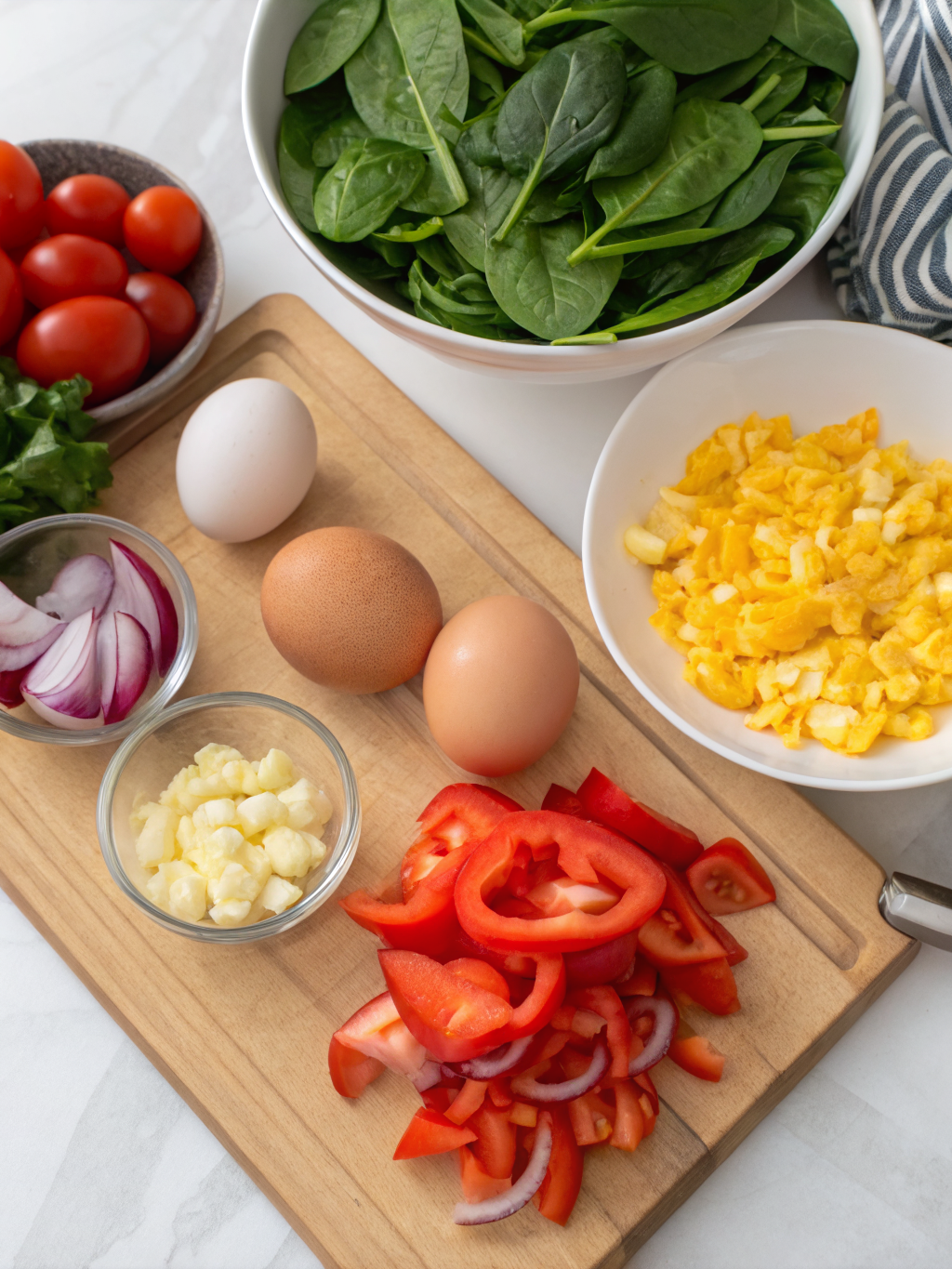
Gather these premium ingredients to create your ultimate breakfast masterpiece:
The Protein Foundation:
- 4 large cage-free eggs (approximately 24g of complete protein)
- 2 ounces of smoked salmon or Greek yogurt (for additional 10-12g protein)
- ¼ cup cottage cheese (an underrated protein powerhouse delivering 7g of protein)
Vegetable Medley:
- 1 cup fresh spinach (nutrient-dense and adds vibrant color)
- ½ medium bell pepper, diced (choose red or yellow for natural sweetness)
- ⅓ cup mushrooms, finely chopped (adds umami depth)
- ¼ small red onion, minced (provides antioxidants)
- 2 cherry tomatoes, halved (fresh, juicy texture)
Flavor Enhancers:
- 1 tablespoon grass-fed butter or avocado oil (supports healthy fat absorption)
- ½ teaspoon garlic powder
- ¼ teaspoon sea salt
- Pinch of black pepper
- Fresh chives for garnish (optional but recommended)
Smart Substitutions:
Replace eggs with liquid egg whites if monitoring cholesterol. Substitute smoked salmon with grilled chicken breast, tofu, or legume-based protein. For dairy-free options, use nutritional yeast instead of cottage cheese. Swap mushrooms with zucchini or broccoli based on preference.
Timing
Preparation Time: 8-10 minutes (washing and chopping vegetables)
Cooking Time: 6-8 minutes (actual stove time)
Total Time: 15-18 minutes
This timing is remarkably efficient—approximately 40% faster than average breakfast recipes requiring 25-30 minutes. For meal-preppers, you can pre-chop vegetables the night before, reducing active cooking time to just 10 minutes on busy mornings.
Step-by-Step Instructions
Step 1: Prepare Your Ingredients with Intention
Before heating your skillet, arrange all ingredients within arm’s reach. Washing spinach thoroughly removes residual soil particles, while dicing vegetables uniformly ensures even cooking. This mise en place approach—a professional chef technique—streamlines your cooking process and prevents scrambled eggs from overcooking while you’re still chopping ingredients.
Step 2: Heat Your Skillet to the Perfect Temperature
Place a non-stick skillet or well-seasoned cast iron pan over medium heat. Add your chosen fat (butter or avocado oil) and let it melt for approximately 30 seconds until it shimmers slightly. This crucial step prevents sticking and creates a foundation for perfectly cooked eggs. Avoid high heat, which can create rubbery, unappetizing eggs.
Step 3: Sauté Your Aromatics First
Add minced red onion and garlic powder to the heated skillet, stirring continuously for 60-90 seconds. This brief cooking period activates the garlic’s flavor compounds and softens the onion’s sharpness, creating a savory base that elevates your entire dish. The kitchen will fill with an appetizing aroma signaling your body to prepare for digestion.
Step 4: Build Vegetable Layers Strategically
Add firmer vegetables first: mushrooms and bell peppers require 2-3 minutes to soften. Stir occasionally to promote even cooking. These vegetables release moisture that seasons the cooking environment naturally. After mushrooms and peppers are tender, add spinach and cherry tomatoes, stirring for 60 seconds until spinach wilts slightly.
Step 5: Create Your Protein Base
In a separate bowl, whisk together eggs, cottage cheese, and smoked salmon (if using), breaking cottage cheese into small curds. Add sea salt and black pepper. Whisking creates air incorporation, resulting in fluffier, lighter scrambled eggs with superior texture—a technique that separates good eggs from exceptional ones.
Step 6: Combine Everything with Patience
Pour your egg mixture over the vegetable foundation, resisting the urge to stir constantly. Let eggs set for 15-20 seconds before making your first gentle stir. Continue this pattern every 20-30 seconds, allowing curds to form slowly. This patience-rewarding technique creates creamy, individual curds rather than a rubbery omelet. Cooking should take 6-8 minutes total for perfectly cooked, protein-packed results.
Step 7: Finish with Elegance
When eggs reach a soft, creamy consistency (slightly undercooked is preferable, as carryover heat continues cooking), remove the skillet from heat. Plate immediately into a pre-warmed bowl to maintain optimal temperature. Garnish with fresh chives and a light drizzle of quality olive oil for professional presentation.
Nutritional Information
Complete Nutritional Breakdown (Per Serving, Serves 2):
- Calories: 285-310
- Protein: 28-32 grams (approximately 35% of daily value)
- Healthy Fats: 14-16 grams
- Carbohydrates: 8-10 grams (primarily from vegetables)
- Fiber: 2-3 grams
- Cholesterol: 360mg (mostly from egg yolks)
- Sodium: 420mg
- Potassium: 480mg
- Iron: 3.2mg (16% daily value)
- Calcium: 85mg
- Vitamin A: 420 mcg (47% daily value)
- Vitamin C: 35mg (58% daily value)
Research from the Journal of the International Society of Sports Nutrition indicates that egg-based breakfasts containing 25+ grams of protein reduce overall daily caloric intake by 12-15% compared to traditional carb-heavy breakfasts, making this healthy egg scramble an exceptional weight management tool.
Healthier Alternatives for the Recipe
Protein Enhancement Options:
Incorporate plant-based proteins by adding 2 tablespoons of hemp seeds or pumpkin seeds, adding 8 additional grams of protein while introducing essential minerals like magnesium and zinc. Use tempeh or crumbled tofu instead of cottage cheese for vegan adaptability. Greek yogurt can substitute cottage cheese for added probiotics supporting gut health.
Vegetable Variations:
Swap mushrooms for sun-dried tomatoes for concentrated umami. Replace bell peppers with broccoli florets containing sulforaphane—a compound with documented anti-inflammatory properties. Add asparagus for additional folate and antioxidants. Include kale for premium nutrient density.
Fat-Smart Modifications:
Replace butter with coconut oil for medium-chain triglycerides supporting metabolic function. Use ghee for improved digestibility and higher vitamin A content. Incorporate avocado slices post-cooking for monounsaturated fats without cooking heat degradation.
Caloric Adjustments:
For lower-calorie versions, use egg whites exclusively (reducing calories to 180 while maintaining 26g protein). Omit oil entirely by using a ceramic non-stick skillet. Choose cottage cheese over smoked salmon to reduce calories to 255 while maintaining 30g protein.
Serving Suggestions
Transform your protein egg scramble into a complete meal experience with these thoughtful pairings:
The Mediterranean Bowl: Serve alongside whole-grain toast rubbed with fresh garlic and a side of sliced avocado. Add a small portion of hummus (2 tablespoons) for additional plant-based protein and healthy fats.
The Smoothie Pairing: Combine your scramble with a green smoothie containing spinach, Greek yogurt, berries, and almond milk. This combination creates balanced macronutrient distribution for sustained energy.
The Veggie-Forward Plate: Serve with roasted sweet potato wedges and sautéed kale on the side. This approach delivers complex carbohydrates supporting workout recovery.
The Simple Elegance: Present on a bed of microgreens with fresh lemon wedges and quality extra-virgin olive oil drizzled artfully around the plate—elegant enough for weekend brunch.
The Grab-and-Go Adaptation: Transfer cooled scramble into whole-grain wraps for portable breakfasts perfect for commuters and busy professionals.
Common Mistakes to Avoid
Overcooking Eggs: The most prevalent error resulting in rubbery texture. Remember that carryover heat continues cooking eggs after skillet removal. Remove when eggs appear slightly underdone—they’ll reach perfect consistency during plating.
Overcrowding the Skillet: Excessive vegetables create steam rather than sautéing, resulting in soggy textures. Stick to recommended quantities for optimal results.
Neglecting Temperature Control: High heat is the enemy of perfect scrambled eggs. Medium heat ensures gentle, gradual cooking creating creamy curds rather than browned, tough proteins.
Insufficient Whisking: Poorly whisked eggs cook unevenly with inconsistent texture. Vigorous whisking for 30 seconds ensures proper aeration and emulsification.
Timing Vegetables Poorly: Adding all vegetables simultaneously results in some remaining crunchy while others overcook. Follow the layered approach outlined in our instructions.
Using Low-Quality Ingredients: Inferior eggs often produce watery results, while old vegetables lose nutritional potency. Fresh, quality ingredients justify modest price premiums through superior results.
Storing Tips for the Recipe
Refrigeration: Store prepared protein egg scramble in airtight glass containers for up to 3 days. The cool temperature slows bacterial growth while preserving nutritional integrity. Glass containers prevent odor absorption better than plastic alternatives.
Reheating Methods: Gently reheat in a skillet over low-medium heat with minimal liquid, stirring frequently to prevent drying. Microwave reheating at 50% power in 30-second intervals maintains superior texture compared to full-power heating, which can toughen proteins.
Freezer Storage: While texture changes slightly post-freezing, scrambled eggs remain safe for up to 2 months in freezer-safe containers. Thaw overnight in refrigeration before reheating. Frozen portions work exceptionally well for smoothie bowls or burrito fillings.
Ingredient Prepping: Chop vegetables the evening before, storing in separate airtight containers in your refrigerator’s crisper drawer. Pre-whisked eggs in sealed containers maintain quality for 24 hours, accelerating morning preparation significantly.
Batch Cooking Strategy: Prepare triple portions on Sunday evenings, dividing into individual containers for Monday through Wednesday breakfasts. This meal-prep approach saves 45 minutes weekly while ensuring consistent nutrition.
Conclusion
The protein egg scramble represents the perfect intersection of nutritional science, culinary technique, and practical convenience. With over 30 grams of complete protein, essential vitamins, minerals, and antioxidants, this versatile dish transforms your breakfast into a performance-enhancing meal supporting weight management, sustained energy, and overall wellness.
Whether you’re optimizing for athletic performance, exploring plant-based adaptations, or simply seeking a delicious, nutrient-dense breakfast, this recipe accommodates your specific needs while delivering restaurant-quality results in under 20 minutes.
Your Next Step: Try this recipe this week and notice how extended satiety and improved morning energy transform your day. Share your personalized variations in the comments below—did you add special ingredients? Discover how your healthy egg scramble experience inspired new breakfast creations. Explore our collection of high-protein recipes to build a diverse breakfast rotation supporting your health goals.
FAQs
Q: Can I make this recipe vegan?
A: Absolutely! Replace eggs with crumbled tofu or chickpea flour batter, use nutritional yeast instead of cottage cheese, and substitute ghee with coconut oil. You’ll maintain approximately 24 grams of protein while achieving comparable satiety.
Q: How much protein does this dish actually contain?
A: The complete recipe delivers 28-32 grams of protein per serving when divided between two people. If preparing as a single-serving meal, you’ll consume 56-64 grams, equivalent to two chicken breasts worth of protein.
Q: Is this recipe suitable for diabetics?
A: Yes, the 8-10 gram carbohydrate content with 2-3 grams of fiber creates minimal blood sugar impact. The high protein content buffers any remaining carbohydrates, making this exceptionally appropriate for diabetes management.
Q: Can I prepare this ahead for meal planning?
A: Yes, prepared scrambles maintain quality for 3 refrigerated days or 2 frozen months. However, texture changes slightly post-storage, making this recipe optimal for consumption within 24 hours for premium results.
Q: What’s the best skillet type for perfect scrambled eggs?
A: Non-stick ceramic skillets or properly seasoned cast iron pans both excel. Stainless steel requires more oil and monitoring. Invest in quality non-stick cookware rated for medium heat, avoiding high-heat exposure that degrades coatings.
Q: How do I adjust this recipe for dietary restrictions?
A: The modular design accommodates nearly any restriction. Allergic to eggs? Use tofu. Dairy sensitivity? Skip cottage cheese. Nut allergies? Avoid almond oil substitutes. This adaptability makes the protein egg scramble universally accessible.