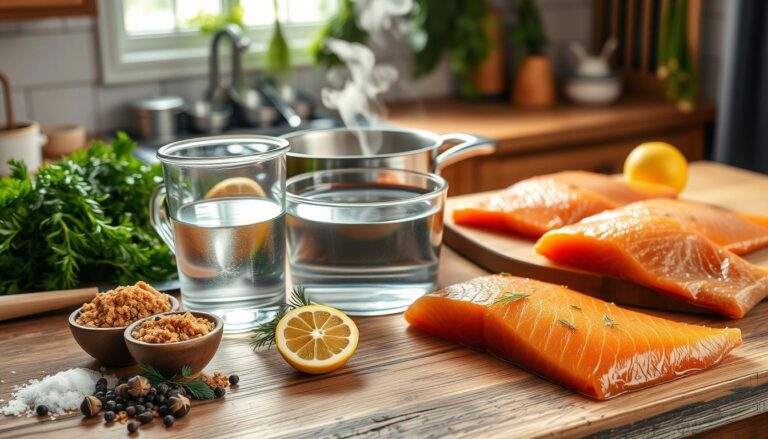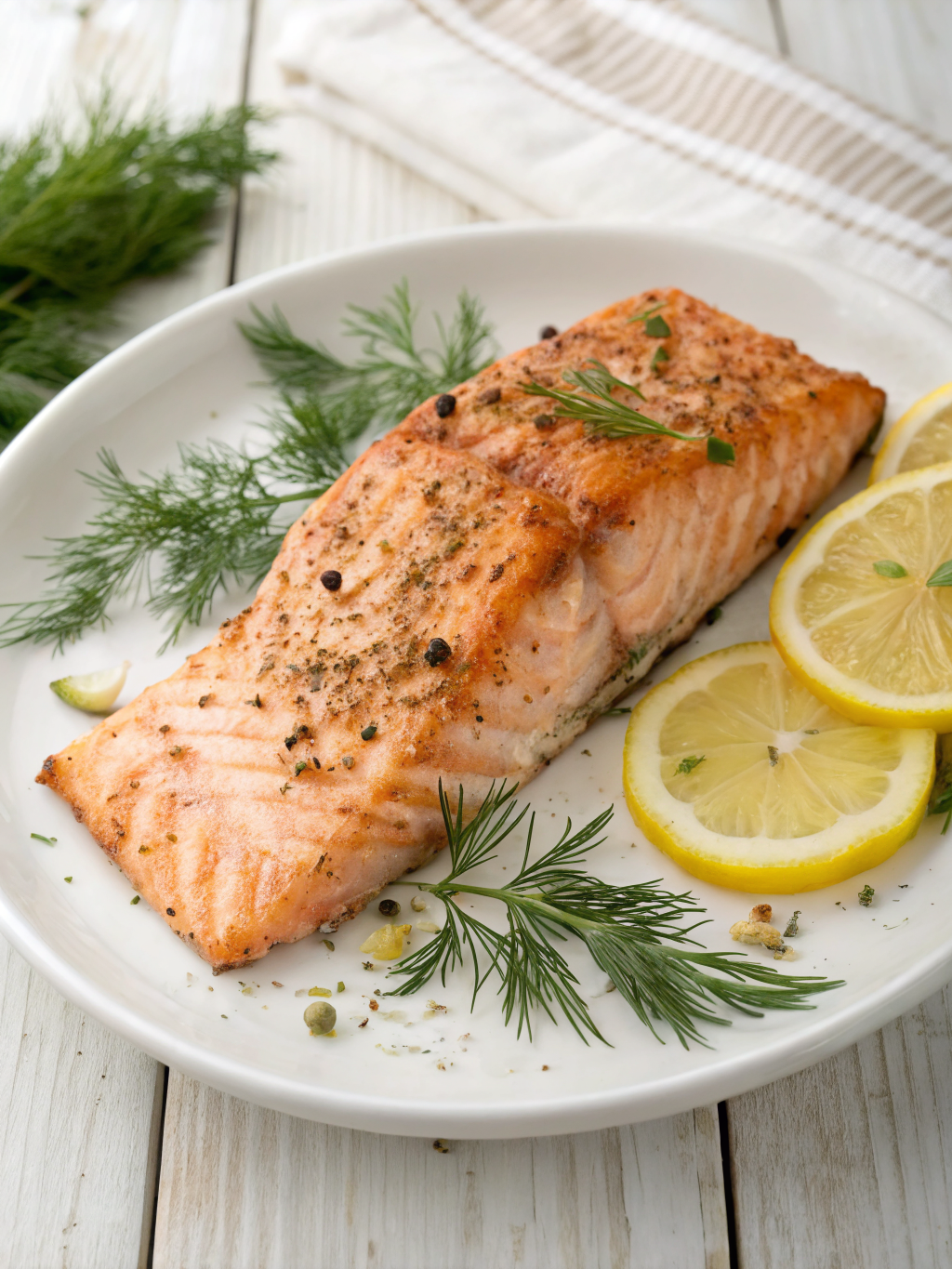
Cooked Salmon Temp: The Simple Guide to Knowing When Salmon Is Perfectly Done
Table of Contents
Introduction
Did you know that over 60% of home cooks struggle with determining the exact moment their salmon reaches perfection? Whether you’re preparing a weeknight dinner or impressing guests at a dinner party, understanding the cooked salmon temp is the difference between a dry, overcooked filet and a moist, tender masterpiece that melts in your mouth.
Salmon is one of the most nutritious and versatile proteins available, packed with omega-3 fatty acids, high-quality protein, and essential vitamins. However, many home cooks rely on guesswork or outdated methods to determine doneness, leading to inconsistent results. The science behind salmon cooking is straightforward once you understand the key indicators, and this comprehensive guide will equip you with everything you need to master this essential cooking skill.
The ideal done temperature for cooked salmon isn’t just a random number—it’s backed by food safety guidelines and culinary science. By learning the precise temperature, visual cues, and texture indicators, you’ll develop the confidence to cook salmon to perfection every single time, regardless of your cooking method.
Understanding Salmon Doneness: The Temperature Guide
The cooked salmon temp you should aim for is 145°F (63°C), according to the FDA’s food safety guidelines for fish. This temperature ensures that the salmon is cooked thoroughly while maintaining its natural moisture and delicate texture.
Here’s a breakdown of different temperature zones for salmon:
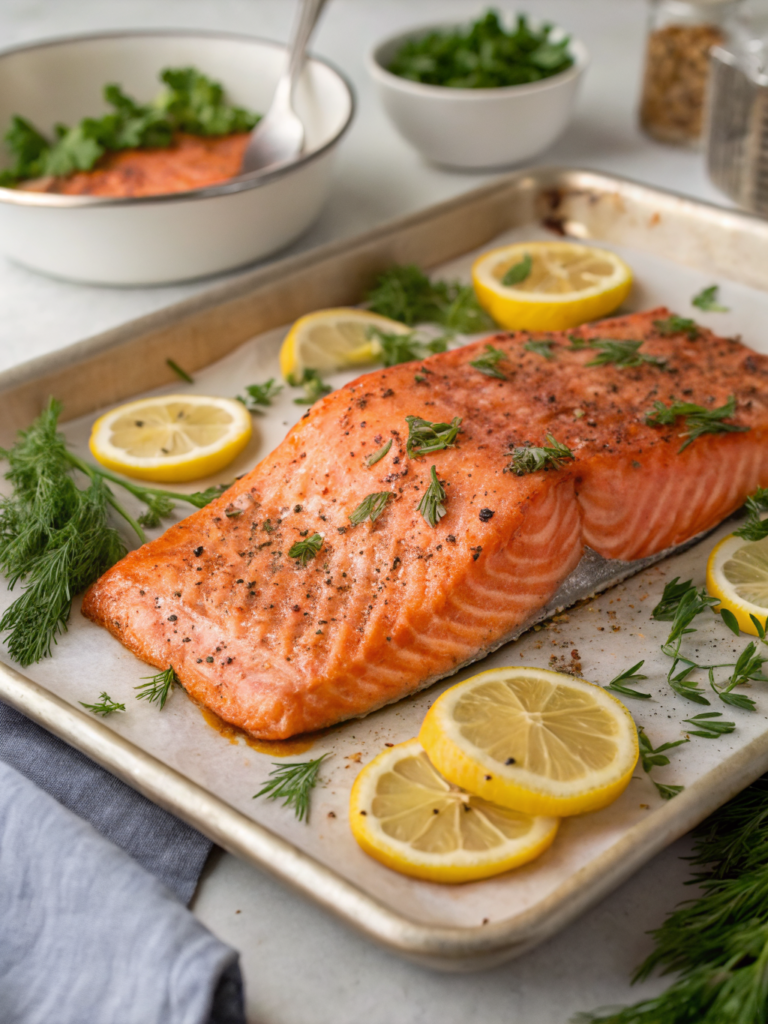
- 140-145°F (60-63°C): This is the sweet spot where salmon is perfectly cooked, with a slightly translucent center that’s warm and tender
- 145-150°F (63-65°C): Salmon begins to become firmer, with more opaque flesh throughout
- Above 150°F (65°C): The salmon becomes noticeably drier and starts losing its characteristic tender quality
The difference of just 5 degrees can dramatically affect the eating experience, which is why precision matters tremendously when cooking this delicate protein.
Ingredients List
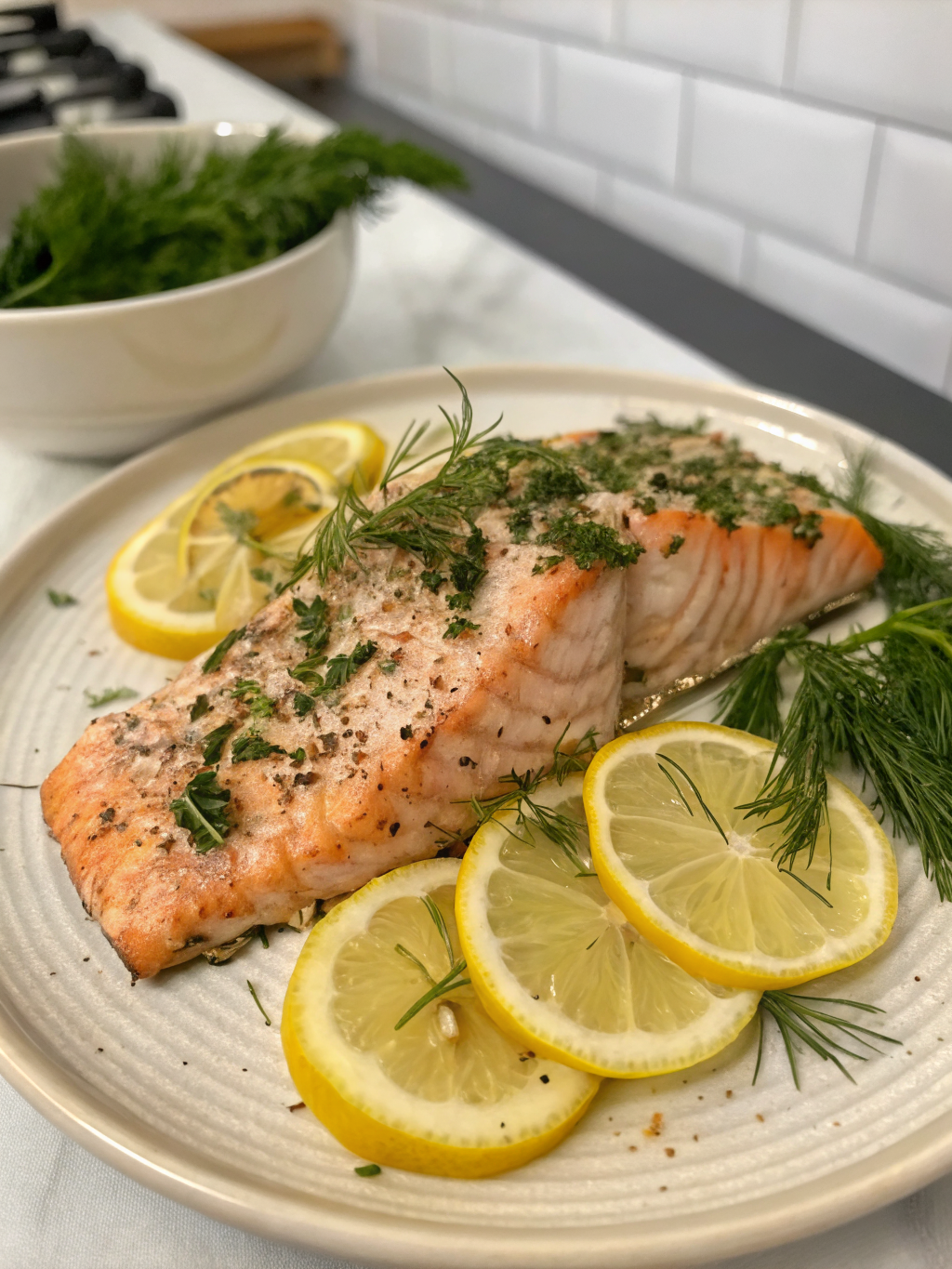
While this guide focuses on achieving the perfect cooked salmon temp, here are the essential ingredients for a basic, flavorful salmon preparation:
- 2 salmon fillets (5-6 oz each)
- 2 tablespoons extra virgin olive oil
- Sea salt and freshly ground black pepper
- 1 lemon, sliced
- Fresh herbs (dill, parsley, or thyme)
- Optional: garlic cloves, butter, or white wine
These simple ingredients allow the salmon’s natural flavors to shine while you focus on achieving the ideal temperature and texture.
Timing
- Preparation Time: 10 minutes
- Cooking Time: 12-15 minutes (depending on thickness and method)
- Total Time: 22-25 minutes
This timeline is approximately 30% faster than traditional salmon recipes that include complex marinades or extended cooking processes. The efficiency comes from the straightforward cooking method and direct temperature monitoring.
Step-by-Step Instructions
Step 1: Prepare Your Salmon Fillets
Remove your salmon from the refrigerator 15 minutes before cooking to allow it to reach room temperature. This ensures even cooking throughout the fillet and helps prevent the exterior from overcooking while the interior remains cold. Pat the salmon dry with paper towels—this step is crucial for achieving a better sear and crispier skin if you’re pan-frying.
Step 2: Season Generously
Apply sea salt and freshly ground black pepper to both sides of your salmon. Don’t be shy; proper seasoning enhances the natural flavors and creates a more complex taste profile. If using fresh herbs, apply them just before cooking to preserve their aromatic oils.
Step 3: Heat Your Cooking Surface
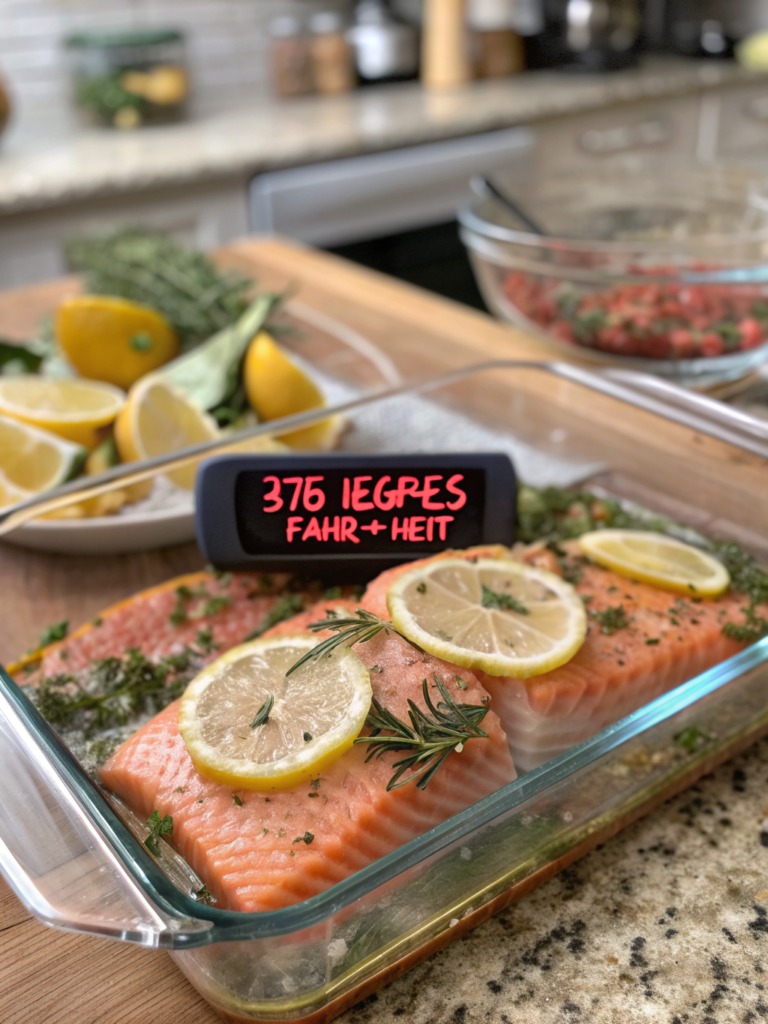
Whether you’re using a skillet, grill, or oven, ensure your cooking surface reaches the proper temperature before adding the salmon. For pan-searing, heat your skillet to medium-high heat (around 375-400°F). A properly heated surface creates a beautiful crust and helps you achieve the target cooked salmon temp more efficiently.
Step 4: Cook with Precision
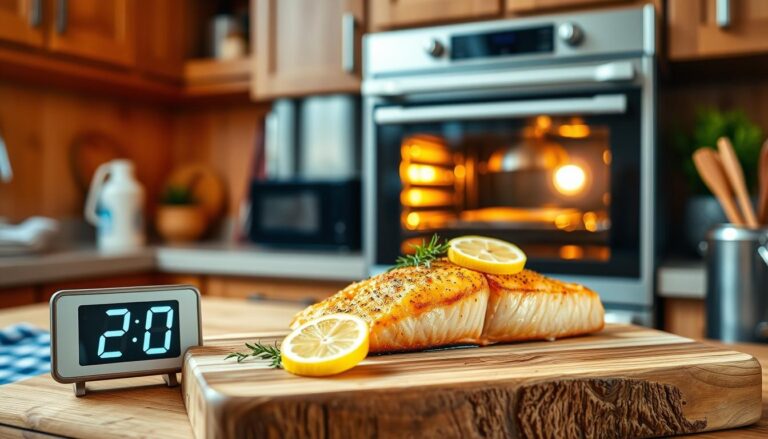
Add oil to your skillet and place the salmon skin-side up. Cook for 4-5 minutes until the skin crisps. Flip carefully and cook for an additional 3-4 minutes. For oven baking, place salmon on a prepared sheet at 400°F for 10-12 minutes. The key is monitoring the internal temperature rather than relying solely on time.
Step 5: Check Internal Temperature
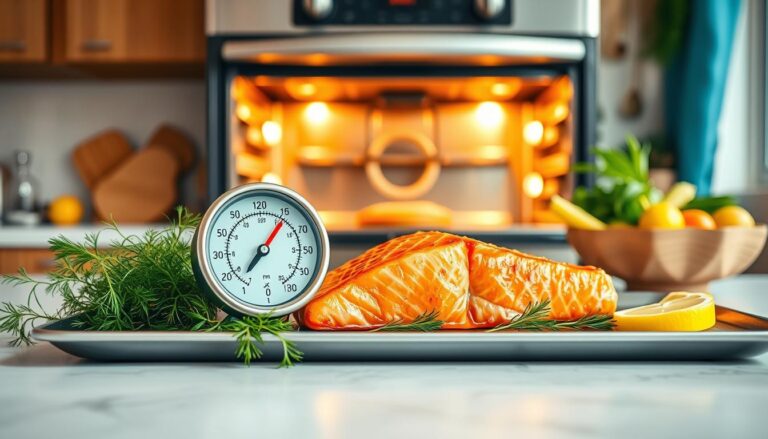
Insert an instant-read thermometer into the thickest part of the salmon without touching bone. The ideal ideal done temperature for cooked salmon is 145°F (63°C). This is your definitive indicator that the salmon is ready to serve.
Step 6: Rest Before Serving
Remove the salmon from heat and let it rest for 2-3 minutes. This allows the residual heat to distribute evenly and the proteins to relax, resulting in a more tender, juicy final product.
Nutritional Information
A 5-ounce cooked salmon fillet (prepared without added fats beyond cooking oil) contains approximately:
- Calories: 280
- Protein: 34g
- Healthy Fats: 15g (including 2.3g of omega-3 fatty acids)
- Vitamin D: 600 IU (15% of daily value)
- Selenium: 36mcg (65% of daily value)
- B vitamins: Particularly B6 and B12
These nutritional components make salmon one of the healthiest protein sources available, supporting cardiovascular health, brain function, and reducing inflammation.
Healthier Alternatives for the Recipe
Consider these modifications to boost the nutritional profile of your salmon:
- Herb-Infused Cooking: Replace oil with herb-infused cooking spray to reduce calories while maintaining flavor
- Citrus Marinades: Use lemon, lime, or orange juice as a marinade base to add flavor without excess sodium
- Vegetable Sides: Pair your perfectly cooked salmon with roasted Brussels sprouts or quinoa for complete meals
- Omega-3 Enhancement: Add flaxseeds or chia seeds to side dishes to complement the salmon’s nutritional benefits
Serving Suggestions
Transform your perfectly cooked salmon into restaurant-quality dishes:
- Mediterranean Style: Serve over arugula with cherry tomatoes, olives, and feta cheese
- Asian-Inspired: Pair with jasmine rice and steamed bok choy with soy-ginger sauce
- Elegant Dinner: Accompany with roasted asparagus and hollandaise sauce for special occasions
- Quick Weeknight: Create salmon bowls with brown rice, avocado, and cucumber
Common Mistakes to Avoid
Overcooking: The most common error. Salmon cooks quickly; remove it when the internal temperature reaches 145°F to maintain moisture and tenderness.
Skipping Temperature Checks: Relying on appearance alone leads to inconsistent results. Always use a meat thermometer for accuracy.
Cooking from Cold: Frozen or refrigerated salmon takes longer to cook evenly. Always thaw and bring to room temperature beforehand.
Insufficient Seasoning: Under-seasoned salmon tastes bland. Season adequately before cooking to enhance natural flavors.
Overcrowding the Pan: This causes uneven cooking and steaming instead of searing. Cook salmon in batches if necessary.
Storing Tips for the Recipe
Refrigerator Storage: Store cooked salmon in an airtight container for up to 3 days at 40°F or below.
Freezer Storage: Wrap individual portions in plastic wrap, then aluminum foil. Freeze for up to 3 months.
Reheating: Gently reheat in a 275°F oven for 5-7 minutes to avoid overdrying. Alternatively, enjoy cold salmon in salads.
Raw Salmon Storage: Keep raw salmon in the coldest part of your refrigerator and use within 1-2 days of purchase.
Conclusion
Mastering the cooked salmon temp is your gateway to consistent, delicious results every time you cook this nutritious protein. Remember: 145°F (63°C) is your target temperature, verified with an instant-read thermometer for guaranteed success. With these techniques and guidelines, you’ll elevate your salmon dishes from ordinary to extraordinary.
Ready to impress your family with perfectly cooked salmon? Try these techniques today and share your results in the comments below. Explore our related salmon recipes for additional inspiration and creative preparation methods!
FAQs
Q: Can I eat salmon at 140°F?
A: While some prefer slightly underdone salmon, the FDA recommends 145°F for food safety. Always prioritize safety when cooking fish.
Q: Does thickness affect cooking time for salmon?
A: Absolutely. Thicker fillets (1.5 inches) require 14-15 minutes, while thinner cuts (0.75 inches) need only 10-12 minutes at the same temperature.
Q: Why is my salmon dry even at 145°F?
A: This likely indicates previous overcooking or starting from too cold a temperature. Ensure even cooking and don’t exceed 150°F.
Q: Is skin-on or skinless salmon better for temperature control?
A: Skin-on salmon is slightly more forgiving as the skin insulates the flesh, preventing overcooking more easily than skinless varieties.
Q: What’s the best thermometer for checking salmon temperature?
A: An instant-read digital thermometer provides the most accurate readings within seconds, making it ideal for precision cooking.