Irresistible Slow Cooked Beef Ribs in Crock Pot: Mouthwatering Meal
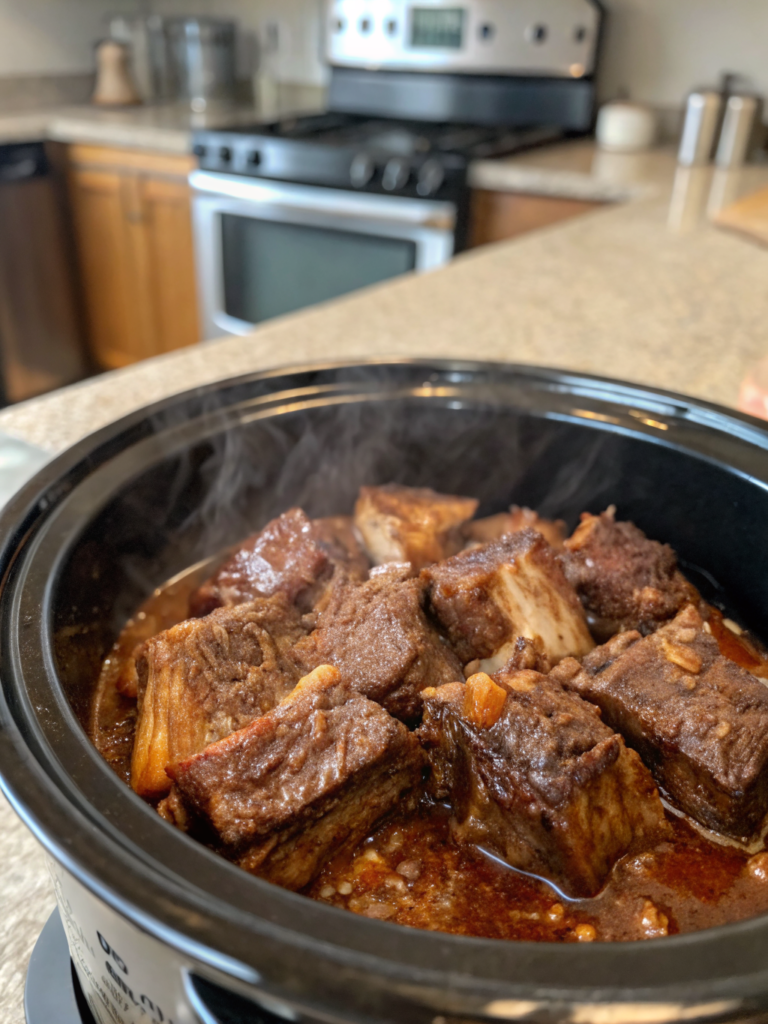
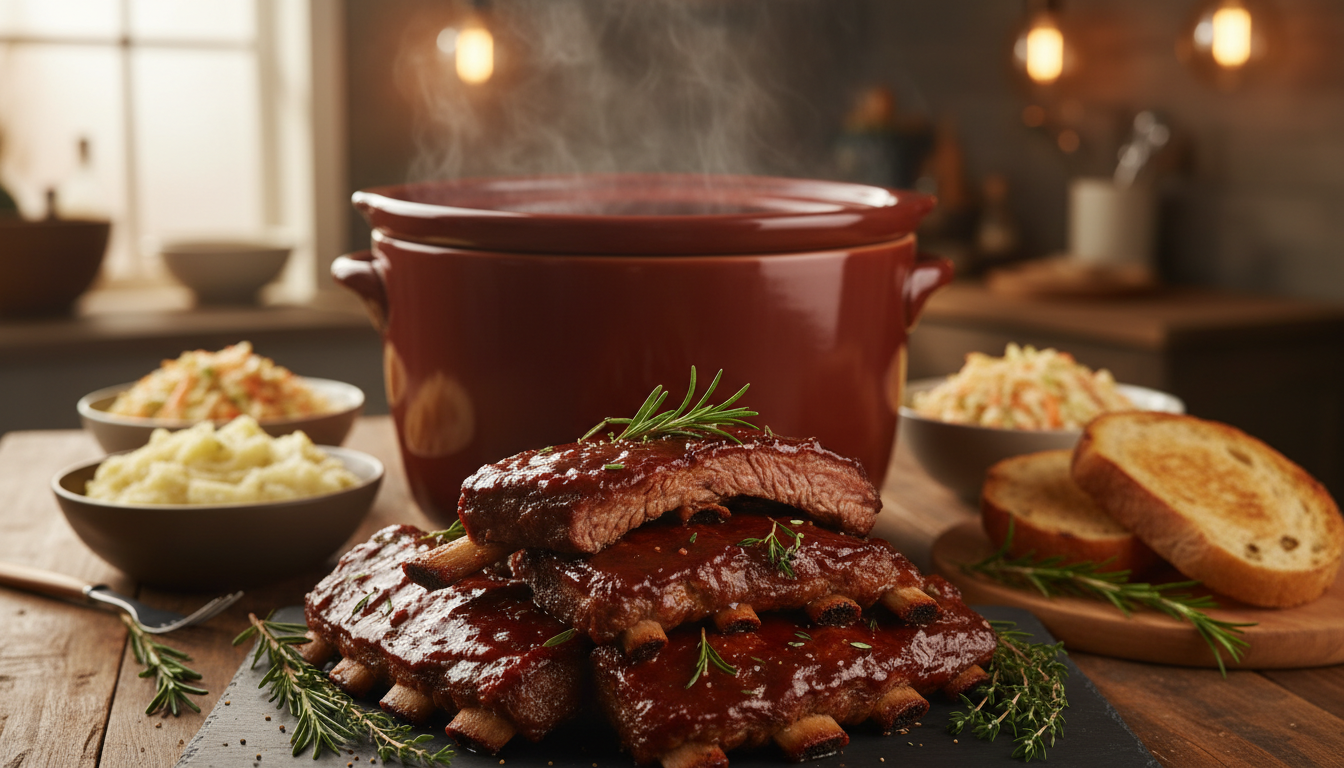
Beef ribs in crock pot are the perfect way to fill your home with an irresistible, mouth-watering aroma. Ever had that moment when a delicious smell spreads through the house and everyone suddenly gets hungry? That’s exactly what happens when you slow cook beef ribs. They turn incredibly tender, juicy, and so soft they fall right off the bone.
This guide will show you how to make mouthwatering slow cooked beef ribs in a crock pot. It’s a simple recipe that always gives juicy, flavorful results. You’ll learn how to make it for weeknights or when you have guests over.
It covers different flavors like Asian-inspired and classic barbecue. You’ll also get tips on serving and storing your ribs. It’s perfect for anyone in the United States who wants to make great beef ribs in a crock pot without hassle.
Expect your ribs to be tender and full of flavor. The long, low heat makes all the difference. Plus, you can cook them at your own pace, fitting into your busy schedule.
Table of Contents
What are Beef Ribs?
Beef ribs come from the rib primal of cattle. They are large and flavorful, with different cuts and fat levels. These ribs are perfect for tender, rich meat in a crock pot or slow cooker.
Choosing the right cut is crucial for texture and cooking time. The best crock pot recipe for beef ribs depends on the cut. You can use short ribs, back ribs, or plate ribs.
Different Cuts of Beef Ribs
Short ribs are meatier and often sold as English cut or flanken style. They are great with slow, moist heat because of their connective tissue.
Back ribs come from the rib roast area. They have less meat but offer deep beef flavor when cooked low and slow.
Plate ribs, also known as Dino ribs, are large, fatty, and meaty. They become tender and succulent with long, low-heat cooking.
How They Differ from Other Cuts
Brisket is from the chest and has broader muscle groups. Ribs have more intercostal muscle and connective tissue. This means different cooking times and techniques for each cut.
Beef ribs are larger and richer in flavor than pork ribs. They have more fat and collagen. Beef ribs need longer cooking to break down the connective tissue.
Collagen turns into gelatin during slow cooking. This transformation makes slow cooker beef ribs silky and juicy.
Nutritional Value of Beef Ribs
A typical serving of beef ribs is high in protein, iron, zinc, and B vitamins like B12. Fat content varies by cut and trimming, with calories higher than leaner beef cuts.
- Protein: supports muscle and repair.
- Fats: both saturated and unsaturated; trim to reduce intake.
- Minerals: iron and zinc help energy and immunity.
Practice portion control and pair ribs with vegetables for a balanced meal. The right cut ensures the desired texture and flavor without excess fat.
Why Use a Crock Pot for Beef Ribs?
Slow cooking makes tough beef tender, so tender you can pull it apart with a fork. A crock pot uses low heat to break down collagen into gelatin. This makes the beef ribs in the crock pot juicy and silky, feeling luxurious on your plate.
Crock pots keep the temperature steady, which prevents overcooking and keeps moisture in. They use less energy than ovens or smokers, making them efficient for long cooks without constant attention.
Benefits of Slow Cooking
Collagen turns into gelatin with long, gentle heat. This results in meat that falls off the bone, perfect for beef ribs in the crock pot. You also get rich pan juices that can be spooned over the ribs or reduced into a sauce.
Slow cooking lets aromatics and seasonings deeply infuse into the meat. Onions, garlic, herbs, and marinades become part of the rib, not just a surface flavor. This is great for easy beef ribs in the crock pot on weeknights.
Enhanced Flavor Profiles
Pre-searing adds a Maillard crust that enhances flavor before slow cooking. Sear for a caramelized surface and deeper savory notes. Or skip searing for a gentler, more hands-off method.
As collagen turns into gelatin, the meat becomes more tender and sauces thicken naturally. This process deepens flavors, giving you a satisfying, restaurant-style finish without complicated steps.
Saving Time in the Kitchen
Crock pots save your day. Prep in the morning, go out, and come back to tender beef ribs in the crock pot ready for a quick glaze or rest. Recipes can handle extra hours on low, fitting into busy schedules.
Work is minimal: just trim, season, and layer ingredients. This makes easy beef ribs in the crock pot a great choice for high-impact results with low effort. The crock pot makes restaurant-quality ribs accessible at home.
Selecting the Best Beef Ribs
Choosing the right ribs is key for a memorable slow-cooked meal. Look for ribs that fit your budget and taste preferences. The quality of the cut and source greatly affects the flavor and texture of your dish.
Where to Buy Quality Beef Ribs
Local butchers often have the best ribs, as they know their suppliers well. Stores like Whole Foods and Kroger also have good options if you check the labels. Farmers markets and direct farm sales offer pasture-raised ribs with clear origins.
For a special treat, try online retailers like Omaha Steaks, Porter Road, or Snake River Farms. They offer premium cuts right to your doorstep. These sources ensure your crock pot beef ribs start with the best ingredients.
How to Choose Fresh Cuts
Look for ribs with bright red meat and a creamy white fat cap. Avoid any with grayish tones or bad smells. Make sure the ribs are fresh by checking the sell-by date and packaging.
Opt for bone-in short ribs for richer flavor and easier portioning. Thicker slabs take longer to cook, so choose the right size for your recipe.
Tips for Sustainable Sourcing
Choose ribs labeled as USDA Organic, Certified Humane, or grass-fed. These labels support better animal care and land use. Talk to your butcher about their farming practices and any certifications they have.
- Buy local pasture-raised ribs to reduce food miles.
- Ask your supplier about the origin of the ribs for responsible sourcing.
- Balance your budget with ethical choices by mixing conventional and certified ribs.
Spending time on sourcing is worth it. The taste, texture, and success of your crock pot beef ribs depend on your choices.
Essential Ingredients for a Flavorful Dish
Before you start, gather the building blocks that turn good ribs into a delicious crock pot beef ribs dinner. A thoughtful mix of dry rub, liquid marinade, fresh aromatics, and pantry staples sets you up for the best beef ribs crock pot recipe every time.
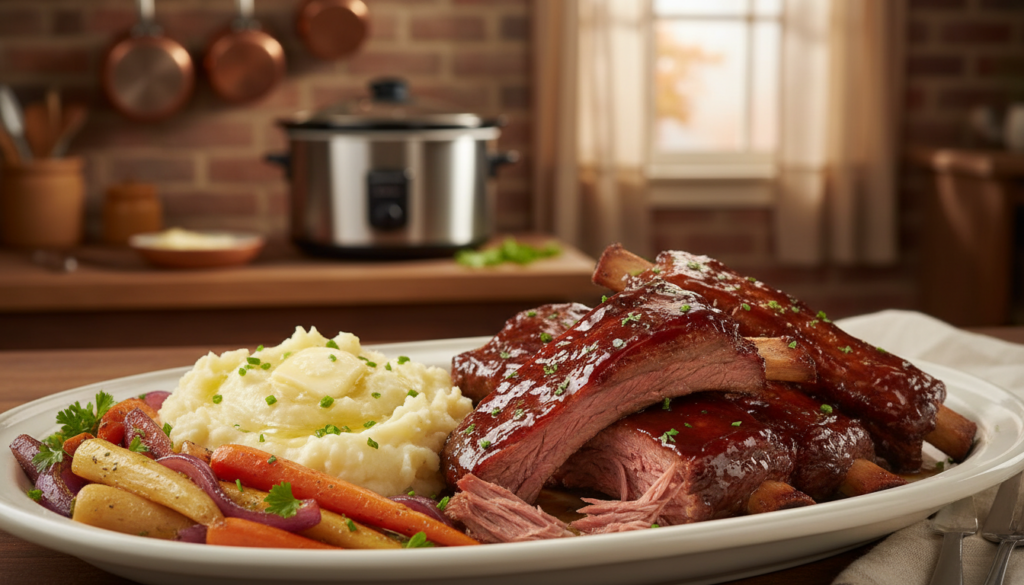
Use a balanced dry rub to create depth. Brown sugar and smoked paprika add sweetness and smoke. Kosher salt and black pepper bring savory balance. Garlic powder, onion powder, ground cumin, and chili powder round out the profile for a flavorful beef ribs crock pot result.
For tender, infused meat, layer in a liquid marinade. Try soy sauce with Worcestershire, beef broth, apple cider vinegar, or a splash of cola. These liquids help break down connective tissue and boost taste when you slow cook.
Marinades and Seasonings
Fresh aromatics lift the overall dish. Add garlic cloves, yellow or sweet onions, sprigs of thyme or rosemary, and bay leaves. For a sticky glaze, finish with store-bought sauces like Sweet Baby Ray’s or a homemade barbecue sauce that matches your preferred sweetness and heat.
Suggested Vegetables and Sides
Cook vegetables with the ribs to absorb juices and form a full meal. Carrots, potatoes, celery, and pearl onions are classic picks that hold up in a crock pot.
- Creamy mashed potatoes or buttered egg noodles to catch the sauce
- Cornbread, coleslaw, or a simple green salad for contrast
- Roasted Brussels sprouts or grilled corn for a smoky side
- Rice or polenta if you want a different starch base
Must-Have Pantry Staples
Stock these staples so your next batch of ribs is effortless. Keep beef broth or stock, tomato paste, cooking oil like canola or olive, kosher salt, black pepper, and brown sugar on hand. Soy sauce and Worcestershire are key for umami. Cornstarch comes in handy for thickening sauces.
Essential tools speed prep and ensure safety. A 3–6 quart crock pot or larger fits most rib quantities. Use tongs, a sharp knife, a roomy cutting board, and an instant-read thermometer to check doneness.
If you prefer a sweeter profile, increase the brown sugar or maple syrup. For tang, add more vinegar. For heat, stir in hot sauce or extra chili powder. Tweaking these elements creates the flavorful beef ribs crock pot dish that matches your taste and turns this into the best beef ribs crock pot recipe for your table.
Preparing Beef Ribs for Cooking
Before you start, take a few minutes to prep your ribs for the best results. Proper trimming, seasoning, and crock pot setup make a big difference. This way, you get slow cooker beef ribs that fall off the bone and taste amazing.
Trimming and seasoning tips
Remove excess silver skin and large fat caps to cut down on grease. But keep some fat to keep the meat moist. Trim around the bone to remove loose cartilage or fragments; use a sharp boning knife or ask your butcher for help.
Pat ribs dry so the rub will stick. Apply a dry rub at least 30 minutes before cooking. For deeper flavor, season overnight in the refrigerator. Press the rub gently into all sides for even coverage.
Marinating techniques
Use wet marinades that combine an acid—such as vinegar, citrus, or cola—with oil and seasonings. Marinate ribs 4–24 hours in the refrigerator. Avoid over-marinating, since excess acid can change texture.
Vacuum sealing or using a zip-top bag improves contact and speeds flavor infusion. If you need a faster option, use a dry rub and let ribs rest at room temperature for 30–60 minutes before cooking.
Prepping the crock pot
Lightly oil the crock pot insert or use a liner for easier cleanup. Layer aromatics and vegetables on the bottom to elevate the meat and add depth to the cooking liquid. Place ribs on top in a single layer if possible so heat circulates evenly.
- Add 1 to 2 cups of beef broth, stock, or a mix of broth and barbecue sauce. The liquid should create steam and keep meat moist but not fully submerge the ribs.
- Optionally sear ribs in a hot skillet with a bit of oil for 2–3 minutes per side before transferring to the crock pot to boost flavor.
- Follow safe handling: use clean utensils, refrigerate marinated meat promptly, and cook to a safe internal temperature for tender beef ribs in crock pot results.
With this prep, you set the stage for easy beef ribs in crock pot cooking. You’ll get richly flavored, tender slow cooker beef ribs every time.
Step-by-Step Cooking Instructions
Follow these clear steps to turn pantry staples into a standout crock pot beef rib recipe. Start with the right quantities and gear, layer flavors, and finish with a glaze for a restaurant-style result. Read each short paragraph before you begin to ensure smooth timing in the kitchen.
Setting Up the Crock Pot
Use 3–4 pounds of beef short ribs and a 4–6 quart crock pot for a family meal. Place 2–3 carrots, 2–3 potatoes, and 1 onion chopped on the bottom to lift the ribs and add sweetness.
Pour in 1–2 cups of beef broth and 1/2 cup barbecue sauce or 2 tablespoons Worcestershire sauce. Add 2 smashed garlic cloves for depth. If you prefer extra sear, brown ribs 2–3 minutes per side in a cast-iron skillet before adding them to the pot.
Season ribs, then arrange them bone-side down or standing on edge if space is tight. Cover with the lid and resist lifting it during the cook so heat stays steady and you avoid added time.
Cooking Times and Temperatures
For fall-off-the-bone meat, set the crock pot on Low for 6–8 hours most of the time. Use High for a quicker finish in 4–5 hours, but check early to avoid overcooking.
Thicker plate ribs may need 8–10 hours on Low. Remember that each time you lift the lid you add about 15–20 minutes to the overall cook time, so plan for the best results.
Checking for Doneness
Measure internal temperature in the thickest part of the meat. While 145°F is safe for beef, you want connective tissue breakdown for very tender ribs, which occurs around 195–205°F.
Use visual and tactile cues as well. The meat should pull away from the bone easily and a fork should slide in without resistance. If you prefer a glossy finish, remove ribs, reduce the cooking liquid on the stovetop until syrupy, brush it onto the ribs, then broil 2–3 minutes to caramelize.
Let ribs rest 10 minutes before serving so juices redistribute. These steps help you deliver a reliably juicy beef ribs crock pot result whether you follow a family favorite or the best beef ribs crock pot recipe for guests.
Tasty Variations on Classic Beef Ribs
Explore three new ways to enjoy slow cooker beef ribs. Each method keeps the same cooking time. So, you can easily switch up the flavors and sauces without changing the cooking process. Just tweak the sugar, vinegar, or spices a bit to keep the meat tender during the long cooking time.
Asian-Inspired Recipes
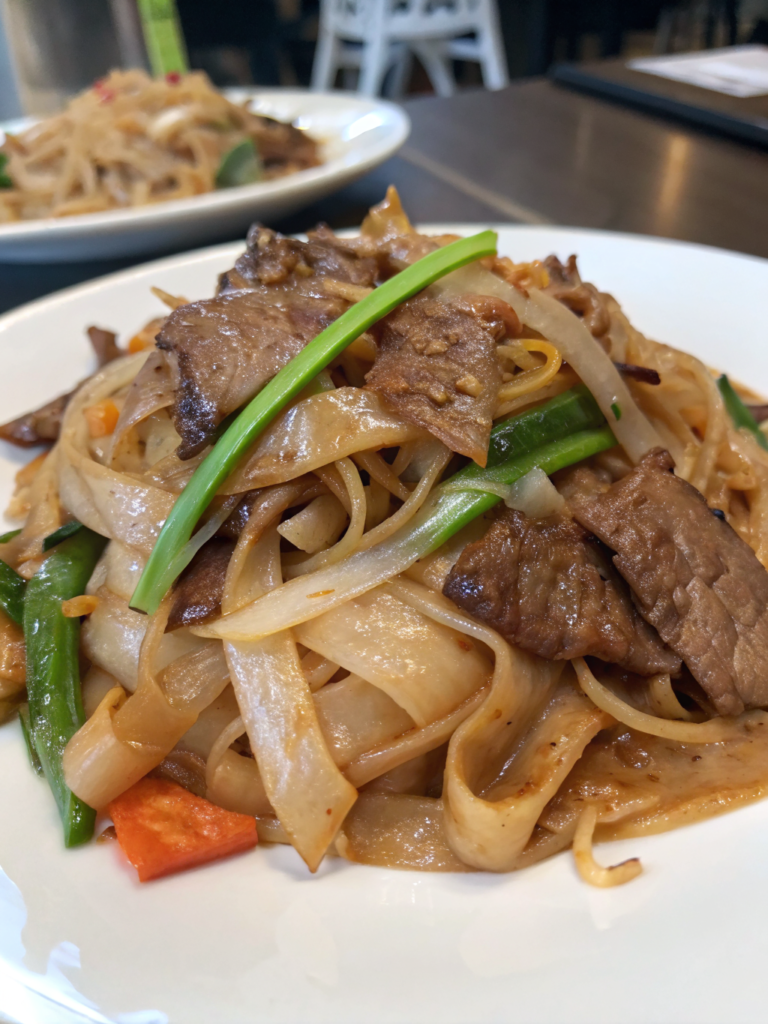
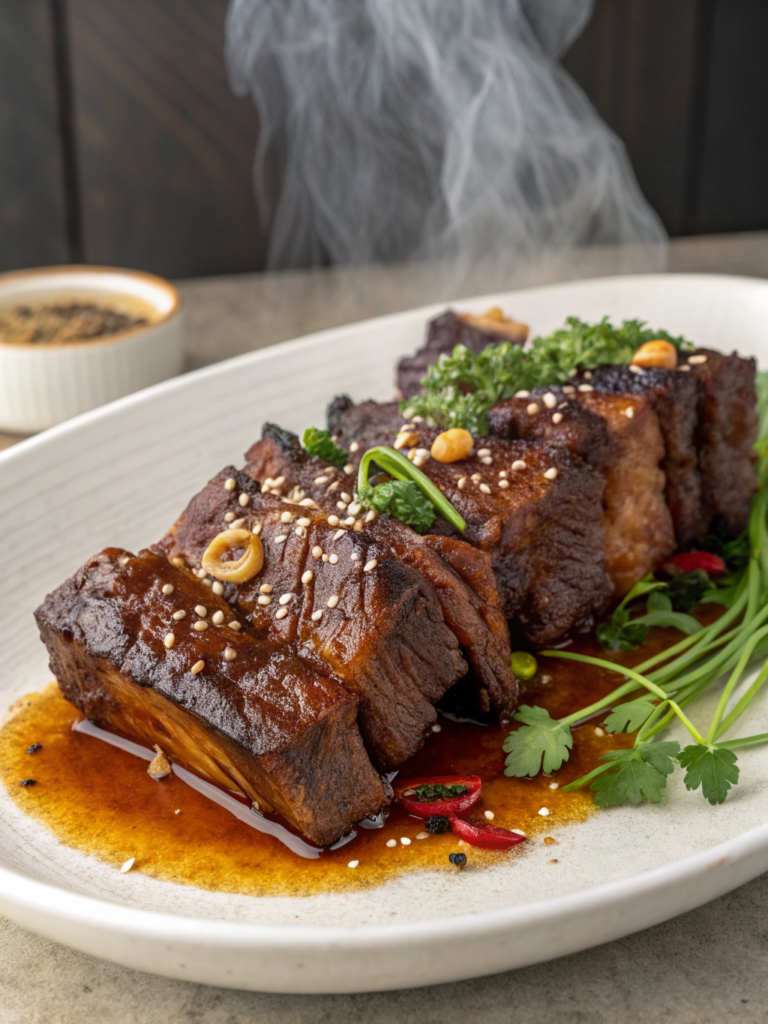
Start by marinating the ribs in a mix of soy sauce, hoisin, and mirin. Add grated ginger, minced garlic, and a bit of brown sugar or honey. Then, add star anise and sliced ginger to the pot for extra flavor.
- Finish with toasted sesame seeds and sliced scallions for crunch.
- Serve over jasmine rice or alongside steamed bok choy for a clean balance.
Barbecue Beef Ribs
Coat the ribs with a dry rub of smoked paprika, brown sugar, and spices. Then, pour in beef broth and your favorite barbecue sauce. This keeps the ribs moist as they cook.
- Brush extra sauce on ribs and char briefly on the grill or under a broiler for 3–5 minutes to build a caramelized bark.
- Choose regional sauces to tailor flavor: Kansas City sweet tomato-based, Carolina vinegar-forward, or Texas-style beefy and spicy.
Spicy and Smoky Options
Add smoked paprika or liquid smoke to the braising liquid for smokiness. For heat, mix in chipotle, sriracha, or cayenne. Balance the heat with brown sugar or honey.
- Pair smoky or spicy ribs with cooling sides like coleslaw, cucumber salad, or ranch-dressed potato salad.
- Keep most crock pot timings the same; only tweak acidic ingredients to avoid over-tenderizing the meat during long cooks.
These variations will help you create flavorful beef ribs crock pot meals for any occasion. Use the same slow cooker beef ribs framework to test combinations until you find your signature dish of delicious crock pot beef ribs.
Serving Suggestions for Beef Ribs
Let your ribs rest for about ten minutes after cooking. This allows the juices to settle. You’ll get warm, tender meat that looks and tastes great.
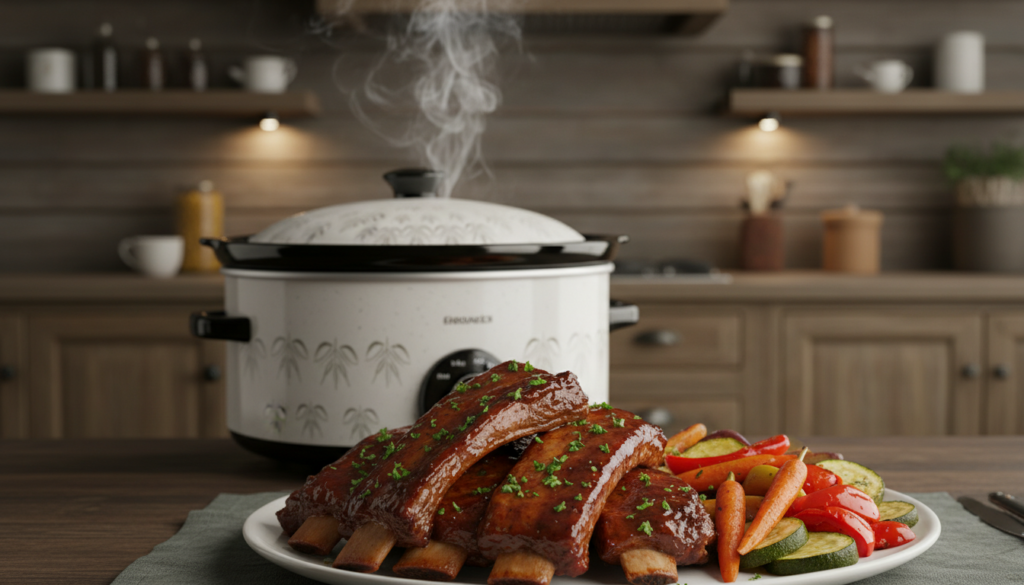
- Classic comfort: creamy mashed potatoes, mac and cheese, or buttered egg noodles soak up sauce and balance texture.
- Barbecue board: cornbread and baked beans make a hearty spread for delicious crock pot beef ribs.
- Lighter choices: mixed greens with vinaigrette, steamed green beans, or a citrusy slaw cut richness and refresh the palate.
- Vegetable options: roasted Brussels sprouts, grilled corn on the cob, or roasted root vegetables add color and bite.
Ideal beverage choices
- Beer pairings: try a robust ale, a brown ale, or a malty amber lager to match the meat’s depth.
- Wine matches: reach for full-bodied reds like Cabernet Sauvignon, Syrah, or Malbec; a Zinfandel works with sweeter sauces.
- Non-alcoholic: iced tea, sparkling water with lemon, or ginger beer give bright contrasts to the savory ribs.
Presenting the dish
- Plating tip: lay a bed of mashed potatoes or creamy polenta, place 1–2 ribs on top, and spoon reduced sauce over the meat.
- Garnish: sprinkle chopped parsley or sliced scallions for freshness and a pop of color.
- Family style: serve ribs on a large wooden board with bowls of extra sauce and sides for casual sharing.
- Practical note: provide napkins or wet wipes; ribs are delicious crock pot beef ribs that can be delightfully messy.
For the best beef ribs crock pot recipe experience, balance richness with acidic or fresh sides. This contrast makes each bite more satisfying and keeps guests reaching for seconds.
Storing and Reheating Leftovers
After enjoying tender beef ribs in crock pot, store leftovers right away. Let ribs cool to room temperature in two hours. Then, put them in airtight containers.
In the fridge, they last 3–4 days. For longer, wrap them tightly and freeze in bags or containers for 2–3 months. Remember to label containers with the date and reheating instructions.
To reheat, choose a method that keeps the ribs tender. The oven is best. Place ribs in a dish, add broth or sauce, cover with foil, and heat at 300°F for 20–30 minutes.
For a quicker method, simmer ribs in a covered skillet with sauce for 10–15 minutes. The microwave is quick too—use medium power in 1–2 minute bursts and cover. Always check the temperature with an instant-read thermometer to ensure it reaches 165°F.
Leftover beef ribs can become new meals. Shred the meat for tacos or burritos with onions, cilantro, and lime. Make sandwiches with extra sauce and coleslaw.
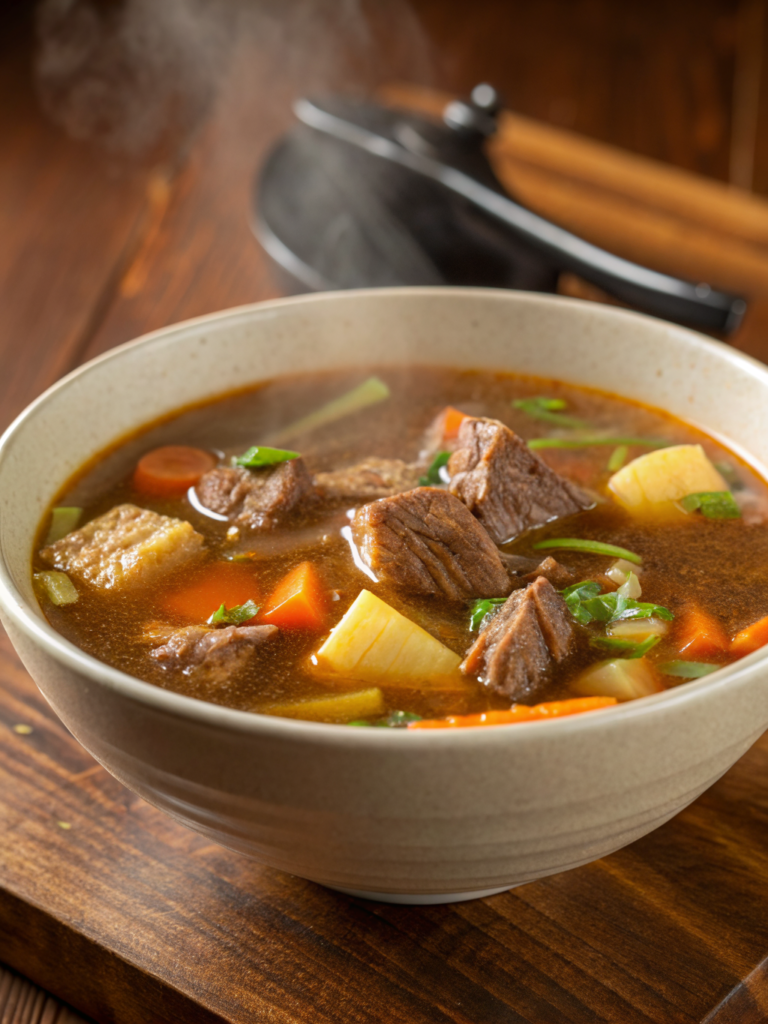
Use shredded ribs in pasta, noodle bowls, or shepherd’s pie. You can also add them to soups, chili, or bean stews for extra flavor.
For safety, thaw frozen ribs in the fridge overnight or use the microwave’s defrost setting. Don’t refreeze cooked ribs unless they’re reheated to safe temperatures and cooled properly. These steps ensure your ribs stay delicious and safe.