Boneless Beef Short Ribs: Ultimate Melt-in-Your-Mouth Recipe
Imagine a meal that brings everyone together and stays in their memory. Boneless beef short ribs offer that quiet satisfaction. They are rich, tender, and taste like they were made with care.
In this article, you’ll learn why these cuts are special. You’ll see why slow cooking is key and how a simple recipe can elevate dinner. You’ll get tips on braising, grilling, and slow cooking, along with flavor pairings and buying advice.
There are also full recipes, including a classic braised short ribs and an Asian-inspired version. This guide is for cooks in the United States, using American English and familiar measurements. Whether you’re a beginner or looking to improve, you’ll find clear steps to cook with confidence.
Table of Contents
What Are Boneless Beef Short Ribs?
Short ribs come from the cow’s plate, chuck, or brisket area. When the bone is removed, you get boneless beef short ribs. These pieces have layers of muscle and fat, making them perfect for slow cooking.
The Cut Explained
Boneless beef cuts are sold as cross-cut portions or thicker chuck-style pieces. They usually weigh between 6 and 12 ounces. Butcher shops can cut them to your liking.
Ask your butcher if the pieces come from the plate or chuck primal. Plate cuts are richer and fattier. Chuck cuts are meatier and leaner. Flanken-style slices are great for grilling or Korean recipes.
Why They’re Popular
Home cooks love these ribs for their deep flavor and tender texture. They’re perfect for stews, tacos, Korean galbi, and sandwiches. Boneless pieces are easier to carve and portion for weeknight meals.
When buying, look for even marbling and firm, moist meat. This balance is key for braising or simmering for hours.
Comparison with Bone-In Ribs
Bone-in short ribs have extra flavor from the bone and marrow. Boneless ribs cook faster and are easier to serve. They’re great for neat presentations, like sliders or plated entrees.
Prices and availability vary by region. Boneless cuts might cost more due to trimming labor. Choose boneless for convenience or bone-in for more flavor.
When shopping, ask your butcher about cross-cut or flanken slices and the primal source. This helps you find the best boneless beef short ribs for your recipe and budget.
Nutritional Benefits of Boneless Beef Short Ribs
Boneless beef short ribs are packed with nutrients for a balanced diet. They offer great taste and calories, so it’s important to watch your portions. Here are the key nutrition points and tips for enjoying these cuts.
High-Quality Protein Source
Boneless beef short ribs are a top-notch protein source. A 3-oz cooked serving has about 20–25 grams of protein. This protein is complete, with all essential amino acids for muscle repair and tissue health.
Calories vary based on trimming and cooking. Expect 200–300 kcal per 3-oz serving, depending on fat and cooking method. Always check nutrition labels or USDA data for exact values when planning meals.
Essential Vitamins and Minerals
Boneless beef is rich in vitamins and minerals for energy and immune health. Key nutrients include:
- Iron — mainly heme iron, which the body absorbs well.
- Zinc — crucial for immune function and healing.
- B vitamins — like B12, niacin (B3), riboflavin (B2), and B6, for energy and nervous system health.
- Phosphorus and selenium — minerals for bone health and antioxidants.
Adding these cuts to a varied diet can help fill nutrient gaps while offering rich flavor.
Fat Content and Considerations
Short ribs are known for their marbling, which adds tenderness and flavor. To lower saturated fat, trim visible fat before cooking and choose leaner sides.
Controlling portions is key to managing saturated fat. Simple swaps, like pairing with steamed veggies or whole-grain sides, help balance meals without losing flavor.
Suitability for Special Diets
Boneless beef short ribs may not fit strict low-fat diets, but they’re great for high-protein, low-carb, and keto menus with portion control. For exact macros, refer to USDA data or product labels and adjust servings to meet your dietary needs.
Cooking Methods for Boneless Beef Short Ribs
Low and slow cooking breaks down connective tissue for tender meat. Grilling adds a smoky flavor. Choose your method based on time, equipment, and flavor preferences. Here are practical steps and tips for tender, rich boneless beef short ribs every time.
Braising for maximum flavor
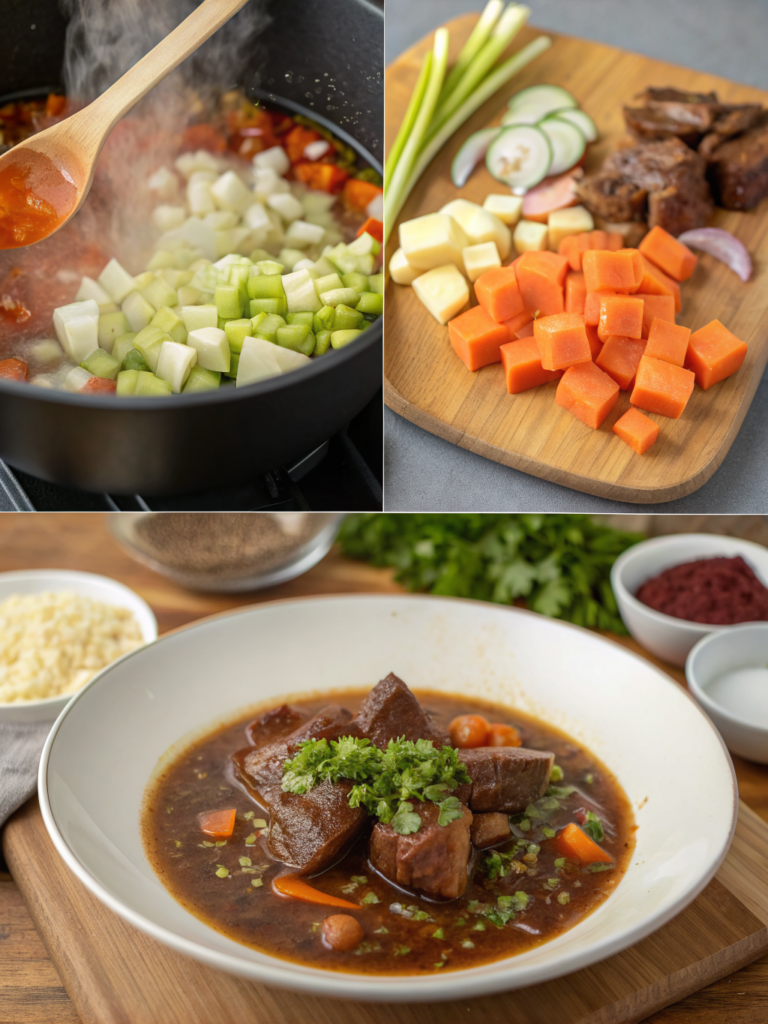
Start by seasoning and searing the ribs in a Dutch oven until browned. Then, deglaze with red wine, beef stock, or a mix, scraping the fond. Add onion, carrot, celery, garlic, thyme, and bay leaf.
Pour braising liquid to about halfway up the meat. Cover and roast at 300–325°F for 2.5–3.5 hours until tender. Remove ribs and reduce the braising liquid to concentrate flavors. Skim or chill to remove excess fat.
For depth, use Cabernet or Merlot with beef stock and tomato paste. These tips help build a rich sauce from pan drippings.
Grilling: a unique twist
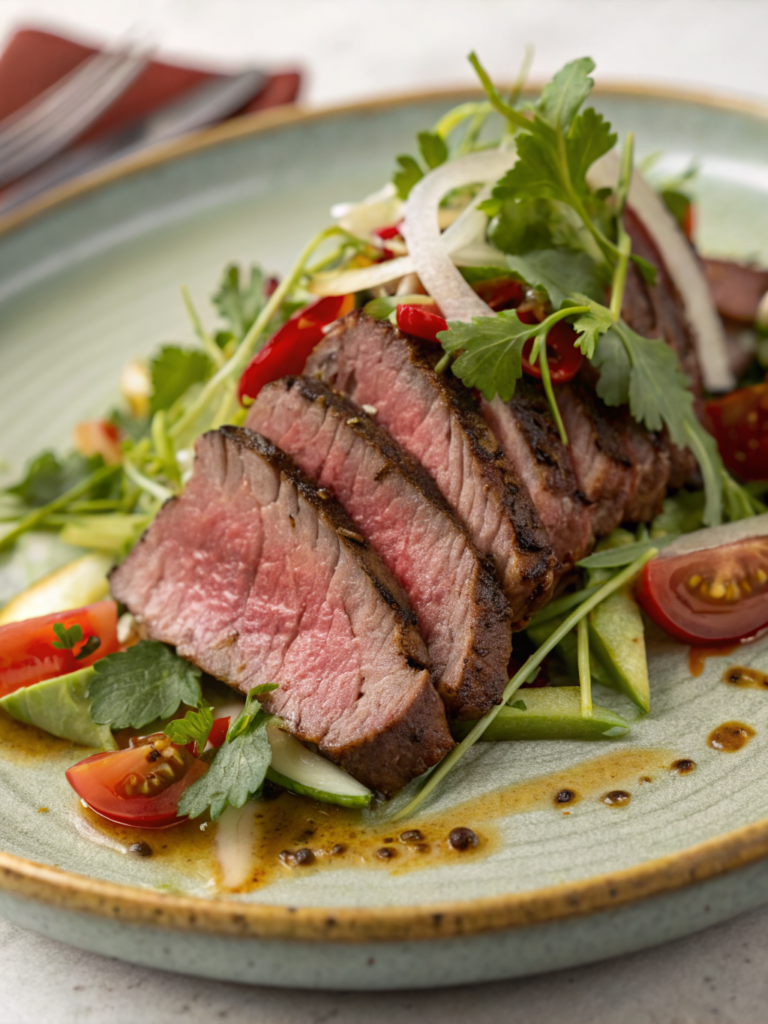
If you have flanken-style cuts, grill them quickly over high heat for a charred edge and tender center. For thicker pieces, par-cook by braising or sous-vide, then grill to caramelize the exterior.
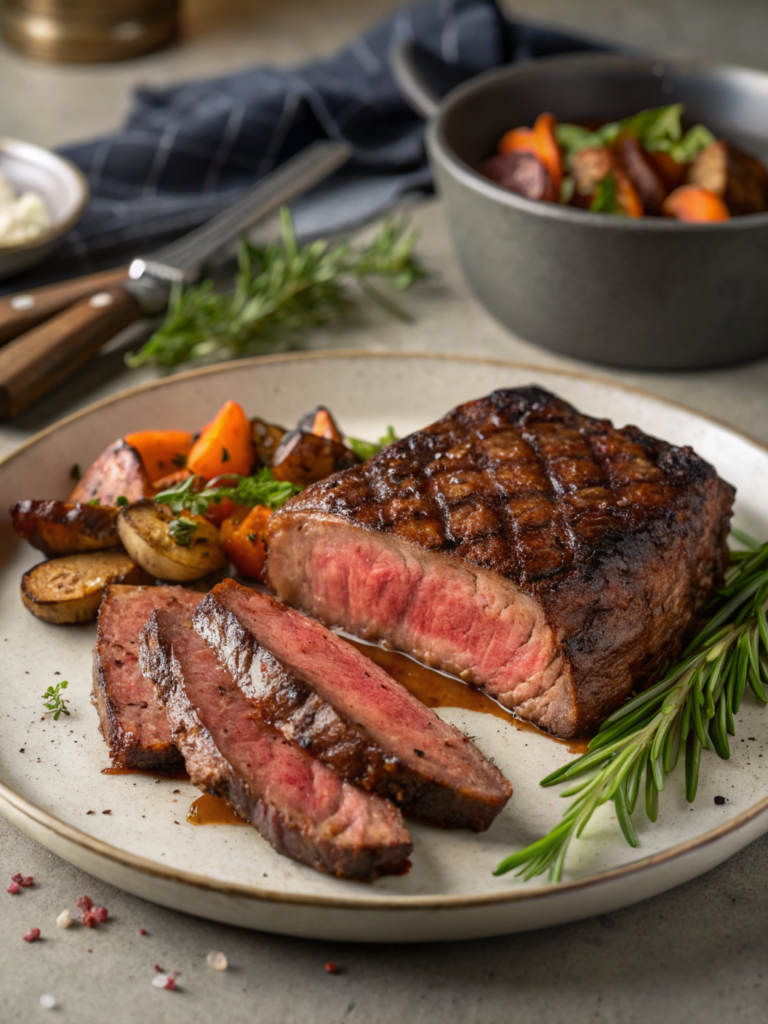
Try a reverse-sear for thick pieces: cook over indirect low heat until almost at the target internal temperature, then sear over direct high heat to form a crust. Use marinades or basting glazes with soy, Worcestershire, or balsamic for flavor. These techniques give a different texture while keeping the interior juicy.
Slow cooking: set it and forget it
Place browned ribs in a slow cooker with aromatics and enough braising liquid to partially cover the meat. Cook on low for 6–8 hours for tender results. Resist lifting the lid; heat loss slows the process.
Finish by thickening the sauce with a cornstarch slurry or reduce it on the stovetop. Slow cooking boneless beef is convenient for busy days and yields a reliably soft texture. Brown first when possible to develop deeper flavor.
Alternative: sous-vide precision
Seal seasoned ribs and cook at 165°F for 18–24 hours for consistent fall-apart tenderness. Pat dry and sear in a hot skillet or with a torch before serving. Pair this with a classic braised boneless beef recipe or use as a base for more adventurous sauces.
- Brown meat before wet cooking to improve flavor.
- Use beef stock and red wine for a balanced braise.
- Don’t over-stir during slow cooking; let the meat relax in its juices.
- Chill and defat sauces when you need a cleaner finish.
Flavor Profiles That Pair Well
You can make boneless beef short ribs even better by mixing savory, sweet, acidic, and spicy flavors. These bold tastes enhance the meat’s rich flavor, making the dish both hearty and elegant.
Begin with marinades that add depth without hiding the beef’s taste. A short marinating time adds complexity. Always refrigerate while marinating and discard or boil used marinade before serving.
Classic Marinades
Try a Mediterranean mix of red wine, garlic, rosemary, and olive oil for a herb-rich layer that brightens the meat.
For an Asian twist, use soy sauce with brown sugar, garlic, and sesame oil. This creates a savory-sweet glaze that caramelizes beautifully.
For a smoky-sweet flavor, mix minced chipotle in adobo with lime and honey. This pairs well with slow braising. Marinate for 2 to 24 hours, depending on the cut’s thickness and desired flavor.
Spice Blends to Enhance Taste
- For a BBQ-style flavor, use kosher salt, cracked black pepper, and smoked paprika. This lets the beef’s natural taste shine while adding smoky warmth.
- Try a coffee and ancho chili rub for earthy, slightly bitter notes that intensify during long cooking.
- For a Korean-inspired kick, use gochugaru or a gochujang-based paste. This creates spicy-sweet layers that complement rich braising liquids.
Apply rubs to dry meat and let it rest for 30 minutes to overnight. Bring the ribs to room temperature before cooking for even doneness.
Aromatics and condiments complete the dish. Shallots, garlic, ginger, and scallions add bright notes. Fresh parsley or cilantro provides a nice herb contrast. Use gremolata, chimichurri, or a pan sauce made from braising liquid, butter, or demi-glace to tie flavors together. This makes the dish truly delicious.
Best Side Dishes to Serve
You want to balance the richness of the best boneless beef short ribs. Look for bright, bitter, and acidic notes to cut the fat. Also, a hearty starch to soak up the sauce. Here are simple, proven pairings to create a balanced meal.
Perfect pairings: vegetables
- Roasted root vegetables — carrots, parsnips, and beets caramelize and add natural sweetness that plays well with braised ribs.
- Braised greens — kale, collard greens, or Swiss chard give a savory, slightly bitter counterpoint to rich meat.
- Sautéed mushrooms and caramelized onions add umami and depth. Finish with a splash of sherry or red wine vinegar.
- Oven-roasted Brussels sprouts with a balsamic glaze brighten the plate. Grilled asparagus offers a lighter, grassy contrast on warm nights.
- A crisp green salad with a lemon vinaigrette refreshes the palate between bites of tender short ribs.
Starches that complement
- Creamy mashed potatoes made from Yukon Golds are a classic choice. They absorb sauce and add comfort to every forkful.
- Polenta, served creamy or firm and grilled, brings a corn sweetness that pairs nicely with robust braising liquids.
- Buttered egg noodles work for Eastern European-style preparations and carry gravy evenly across the plate.
- Steamed jasmine rice suits Asian-inspired short ribs and keeps flavors clean and simple.
- Crusty bread is ideal when you want to mop up sauce. Add roasted garlic or grated Parmesan to any starch for extra flavor.
For serving-size guidance, plan roughly 4–6 ounces of cooked meat per person, 3–4 ounces of vegetables, and 4–6 ounces of starch. This balance helps each element shine without overwhelming the palate.
For drinks, reach for a full-bodied red like Cabernet Sauvignon or Zinfandel. Try an amber ale or brown ale for beer lovers. Or offer iced tea and sparkling water with lemon as crisp non-alcoholic options. These choices will match the intensity of the best boneless beef short ribs and enhance your meal.
Tips for Choosing the Best Boneless Beef Short Ribs
When shopping for boneless beef, a few simple checks can help. Look at color and marbling, ask about the meat’s origin, and consider portion size and price. These tips will ensure you get the best flavor and value.
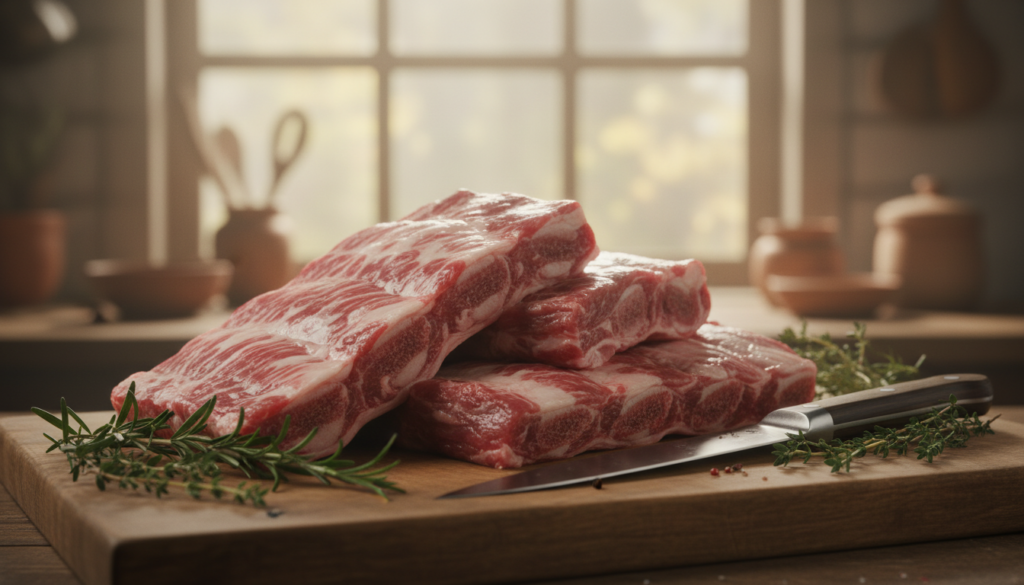
What to look for at the counter:
- Color: pick pieces with a bright, deep red hue; dull or brown tones can signal age.
- Marbling: look for small flecks of fat throughout the muscle for tenderness and flavor.
- Thickness: choose even portions so cooking time stays consistent across pieces.
- Smell: fresh beef should have a clean scent, not sour or overly strong odors.
At Whole Foods, Costco, or a local butcher, ask about the cut’s origin. Request even portions. Buying in bulk can save money if you freeze for later.
Organic vs. conventional beef impacts taste and texture. Organic or grass-fed beef is leaner and has a firmer bite. Grain-finished conventional beef is often more succulent.
Look for USDA Organic or American Grassfed Association certifications. State labels can show local standards and traceability.
Consider budget and quality tradeoffs. If price is a concern, ask your butcher to remove bones from bone-in short ribs. This can save money while getting quality boneless cuts.
When deciding what to buy, weigh convenience against cost. Boneless cuts are easier to portion and cook evenly. Bone-in cuts offer more flavor per dollar but require extra trimming.
Storage and Safety Tips
Keeping boneless beef short ribs safe and tasty is easy. Just follow some simple steps. Use clear timelines, avoid cross-contamination, and thaw and reheat correctly. This keeps the flavor and quality just right.
Proper Refrigeration
Keep fresh short ribs at or below 40°F. Use them within 3–5 days for the best taste. Place the meat on a plate or tray to catch juices, then wrap it tightly or put it in an airtight container.
After cooking, cool leftovers quickly and refrigerate within 2 hours. Then, eat them within 3–4 days.
To prevent cross-contamination, use separate cutting boards for raw meat and produce. Sanitize surfaces and utensils after touching raw beef. Wash your hands thoroughly before and after handling meat.
Freezing for Future Meals
Freezing boneless beef is great for longer storage. Wrap each portion tightly in plastic wrap, then in foil, or use a vacuum-sealed bag. This reduces freezer burn. Label packages with the date to track quality.
Raw boneless short ribs last 6–12 months in the freezer. Cooked ribs last about 2–3 months. Thaw safely in the refrigerator for 24–48 hours, depending on size. For faster thawing, use the cold-water method with the meat sealed in a leakproof bag.
Food Safety and Reheating
When cooking, aim for tenderness rather than a strict internal temperature for short ribs. Use time and feel to break down connective tissue. If you sear or finish pieces, the USDA minimum for whole muscle beef is 145°F with a 3-minute rest.
Reheat braised short ribs gently to protect texture. Warm them in an oven at 300°F covered with sauce, or simmer in a saucepan over low heat. Avoid repeated reheating. Use these boneless beef cooking tips to keep meals safe and satisfying.
How to Get the Most Tender Results
Tenderness comes from breaking down collagen into gelatin with moist heat. Steady temperature control is key. You can get the most tender boneless beef by matching method to time and rest. Small adjustments, like low oven heat or a slow cooker, make a big difference.
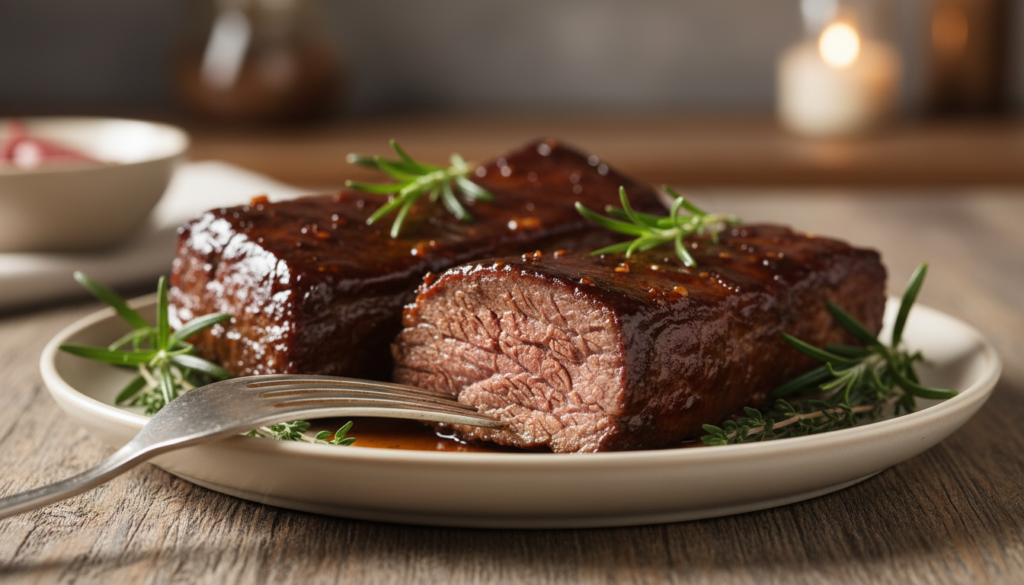
Here are clear, practical guidelines for reliable results. These cooking times guide how long to coax connective tissue into softness without drying the meat.
Cooking Times and Temperatures
Oven braise: set 300–325°F and cook 2.5–4 hours depending on piece size and thickness. Slow cooker: low for 6–8 hours yields fall-apart results. Sous-vide: 165°F for 18–24 hours produces ultra-tender, consistent texture.
If you prefer grilling or reverse-sear, cook low until internal target is near 125–135°F for medium-rare to medium, then finish with a high-heat sear. Many braised short rib recipes aim higher to render more connective tissue; adjust your plan to the final texture you want.
Resting Period Importance
After cooking, rest ribs at least 10–15 minutes to let juices redistribute. For large cuts, rest 20–30 minutes loosely tented with foil for easier slicing and better sauce retention.
For braised dishes, a brief chill helps degrease the sauce as fat firms on the surface. This step sharpens flavor and improves presentation.
Use tenderness cues rather than temperature alone. Test doneness by inserting a fork and twisting; the meat should pull apart with little resistance. If it resists, give it more time.
- Boneless beef cooking tips: Marinate overnight when possible to add flavor and tenderize slightly.
- Boneless beef cooking tips: Use a meat mallet sparingly on thinner pieces to avoid shredding.
- Boneless beef cooking tips: Slice across the grain to maximize tenderness when serving.
Boneless Beef Short Ribs in Cuisine
Boneless beef short ribs are popular in kitchens across the U.S. and worldwide. Chefs and home cooks love them for their rich beef taste and easy texture. This introduction will explore how this versatile cut is used in different dishes.
Regional short ribs recipes in the U.S. show off local flavors. In the South, they’re braised with spices, molasses, or brown sugar. This creates a smoky, sweet flavor that goes well with collard greens.
In the Midwest, short ribs are braised for comfort food. They’re served over mashed potatoes with a rich sauce. California chefs add citrus, soy, or chimichurri for a lighter dish.
New England cooks make hearty stews with red wine and root vegetables. These stews highlight seasonal carrots, parsnips, and potatoes. Across the U.S., boneless beef is adapted to local ingredients and creativity.
Regional Variations Across the U.S.
- Southern-style braised short ribs: barbecue rubs, molasses, brown sugar.
- Midwestern braises: thick gravy, mashed potatoes, simple aromatics.
- California fusion: citrus, soy, chimichurri, fresh herbs.
- New England adaptation: red wine, root vegetables, slow braise.
International Dishes Featuring Short Ribs
Boneless beef short ribs are also popular globally. Korea offers galbi and kalbi jjim with soy, sugar, and spices. Vietnam has braised ribs with fish sauce and star anise for a fragrant taste.
Mexico uses barbacoa-style spices for tacos and stews. Argentina tops grilled or roasted ribs with chimichurri. Japan makes nikujaga or sukiyaki with mirin and soy.
Cut style is important in each cuisine. Thin flanken cuts are good for quick marinades and grilling. Thick chunks are better for slow braising, changing the dish’s texture and flavor.
These examples show the versatility of boneless beef in cuisine. Use these recipes and dishes as inspiration for your own cooking. Experiment with flavors, cooking times, and presentation.
Recipe Ideas for Boneless Beef Short Ribs
Try two easy recipes in your U.S. kitchen with common items. Each recipe lists ingredients, steps, cooking times, and serving ideas. Follow these tips for tender results and delicious dishes every week.
Classic Braised Short Ribs
Ingredients:
- 3–4 lbs boneless beef short ribs
- Salt and pepper
- 2 tbsp vegetable oil
- 1 large onion, chopped
- 2 carrots, chopped
- 2 celery stalks, chopped
- 4 garlic cloves, minced
- 2 tbsp tomato paste
- 1 cup red wine (Cabernet or Merlot)
- 2–3 cups beef stock
- 2 sprigs fresh thyme
- 2 bay leaves
- 1 tbsp Worcestershire sauce (optional)
Method:
- Preheat oven to 325°F. Season ribs with salt and pepper.
- Heat oil in a Dutch oven. Sear ribs until deeply browned on all sides, about 8–10 minutes. Remove ribs and set aside.
- Sauté onion, carrots, and celery until softened, 6–8 minutes. Add garlic and tomato paste; cook 1 minute.
- Deglaze with wine, scraping browned bits. Reduce wine by half, 3–5 minutes.
- Add beef stock, thyme, bay leaves, and Worcestershire sauce. Return ribs so liquid comes halfway up the sides.
- Cover and braise in oven 2.5–3.5 hours until fork-tender.
- Remove ribs. Strain sauce, skim fat, then reduce on stovetop to thicken. Spoon sauce over ribs and serve.
Cooking time: Active prep 25–35 minutes, braise 2.5–3.5 hours.
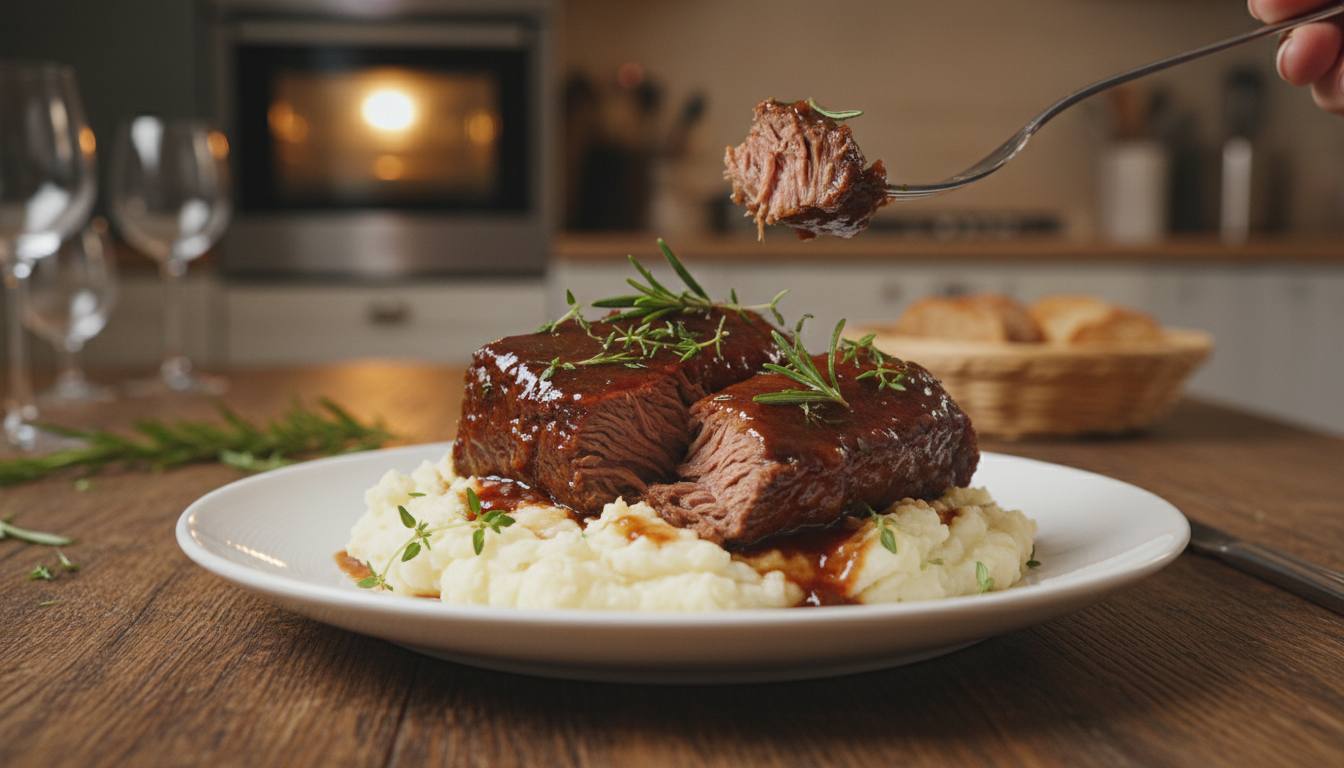
Serving suggestion: Serve over mashed potatoes or creamy polenta. Use the braising sauce as a gravy.
Practical tips: Brown well for deep flavor. Check liquid level halfway through braising and top off if needed. Chill any leftovers briefly to make fat removal easy.
Asian-Inspired Short Ribs
Ingredients:
- 3–4 lbs boneless short ribs (flanken or thick-cut)
- 1/2 cup soy sauce
- 1/4 cup brown sugar or honey
- 2 tbsp rice vinegar
- 2 tbsp sesame oil
- 4 garlic cloves, minced
- 1 inch ginger, minced
- 2 tbsp gochujang or 1 tbsp gochugaru (optional)
- 2 green onions, sliced
- 1 cup beef broth or water
- Sesame seeds and cilantro for garnish
Method:
- Combine soy sauce, brown sugar, rice vinegar, sesame oil, garlic, ginger, and gochujang. Marinate ribs 2–12 hours refrigerated.
- For braise: Preheat oven to 300°F. Sear ribs briefly on high heat, 3–4 minutes per side.
- Add broth, cover, and braise 2–3 hours until tender.
- For slow-cooker: Sear then transfer to slow cooker with marinade and broth. Cook low 6–8 hours.
- Finish under broiler or on a hot grill to add char, 2–4 minutes per side if desired.
- Garnish with sesame seeds and sliced green onions. Serve over steamed rice with kimchi or pickled vegetables.
Cooking time: Marinate 2–12 hours, braise 2–3 hours, slow-cooker 6–8 hours.
Practical tips: Adjust sweetness and heat to taste. Add grated pear or apple to the marinade to help tenderize and add brightness. Use these boneless beef cooking tips to balance salt and sweetness for best results.
Quick extra ideas for busy nights:
- Shredded short rib tacos with pickled onion for contrast.
- Short rib ragu tossed with pappardelle for a cozy pasta night.
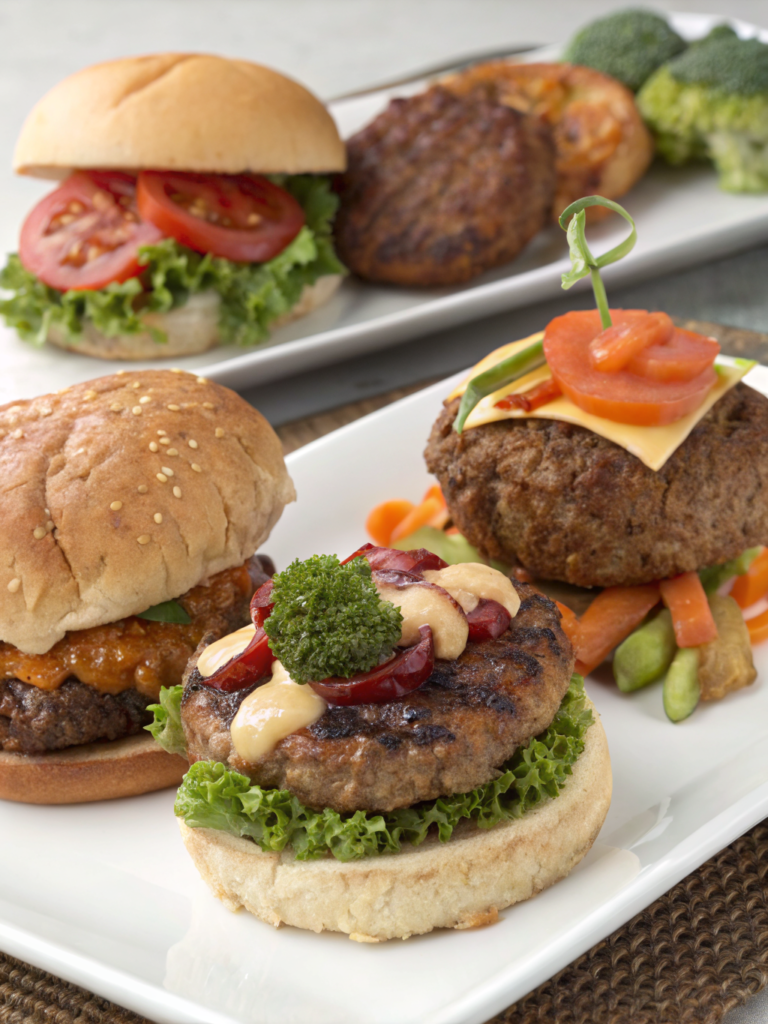
- Mini short rib sliders topped with tangy pickled slaw.
Each of these boneless beef recipe ideas converts braised leftovers into new tasty boneless beef dishes in minutes.
Final Thoughts on Boneless Beef Short Ribs
Boneless beef short ribs offer deep, beefy flavor and work well with many cooking styles. They are great for slow cooking and make any meal special. Plus, they’re easy to serve, making them perfect for gatherings.
Why You Should Try Them
They’re worth trying for their rich taste and versatility. You can braise, grill, or sous-vide them for tender results. Pair them with mashed potatoes, roasted veggies, or tangy salsas for a delicious meal.
Exploring Beyond the Basics
Once you get the hang of braising, try marinades from Korean, Mexican, and Argentine styles. Use reverse-sear or sous-vide for perfect doneness, then sear on a hot pan for a nice crust. Leftovers can be turned into tasty dishes like tacos, sandwiches, soups, and ragu.
Before cooking, choose high-quality cuts and ask your butcher for advice if needed. Always store and handle meat safely. Follow recommended cooking methods and start with classic and Asian-inspired recipes. Adapt seasonings and sides to your taste, and use these tips to make each dish unique.