How to Make Smoked Salmon: Easy Step-by-Step Recipe Guide
There’s something magical about biting into a perfectly smoked salmon. The rich, smoky flavor melts on your tongue. The tender, flaky texture reminds you of meals at upscale seafood restaurants. What if you could create that same experience at home?
Many people think smoking salmon is complicated. They assume you need fancy equipment or years of cooking experience. The truth is different. With the right guidance, you can learn how to make smoked salmon that tastes restaurant-quality. Your family and friends will be amazed at what you’ve created in your own kitchen.
This smoked salmon recipe guide walks you through everything. You’ll discover simple techniques that produce delicious results. You’ll gain confidence in the smoking process. Best of all, you’ll control every ingredient and flavor to match your personal taste.
Whether you’re smoking salmon for the first time or refining your skills, this guide helps you succeed. You’ll learn timing, temperature control, and flavor combinations. You’ll understand why fresh salmon matters. You’ll see how different smoking methods create different tastes.
Ready to dive in? Let’s explore how simple it is to create amazing smoked salmon right where you live. This smoked salmon recipe journey starts now.
Table of Contents
How to Make Smoked Salmon: Understanding the Basics
Before diving into homemade smoked salmon, it’s good to know the basics. Smoked salmon is fresh fish cured with salt and smoked from wood. This method preserves the fish and adds rich flavors. It’s a centuries-old technique that’s now a favorite cooking art.
The magic of smoked salmon lies in two steps. First, salt curing removes moisture. Then, wood smoke adds flavor and a protective layer. This turns plain salmon into a special treat. Making it at home lets you control every step.
What is Smoked Salmon?
Smoked salmon is more than just heated fish. It’s cooked with smoke to add smoky flavors. Heat and smoke penetrate the fish, while salt concentrates its taste. This creates the silky texture and bold flavor you love.
Knowing how it’s made helps you see why homemade smoked salmon is better. You start with fresh salmon and control the salt, smoke, and temperature. This lets you make it exactly how you like it.
Different Types of Smoked Salmon
There are many styles of homemade smoked salmon. Each offers unique textures and flavors:
- Cold-smoked salmon: This type is cured and smoked at low temperatures. It’s buttery and silky, almost melting in your mouth.
- Hot-smoked salmon: Cooked and smoked at higher temperatures, it’s flaky and breaks apart easily.
- Lox: Salt-cured but not smoked, lox is silky and very salty.
- Nova-style salmon: A mild cold-smoked variety, it’s between lox and traditional cold-smoked salmon.
Knowing these differences helps you choose the right style for you. Cold-smoked salmon is great for bagels and appetizers. Hot-smoked salmon is perfect for warm dishes. Choose the style that excites you most, and start your smoking journey.
Choosing the Right Salmon
Choosing quality salmon is key to making the best smoked salmon. You can’t make a great final product without starting with the best raw materials. The salmon you pick at the fish counter sets the stage for your smoking journey. The right salmon turns your hard work into something truly special.
Freshness Matters
Fresh salmon should feel firm and moist, springing back when touched. It should have bright colors, from deep red for sockeye to pale pink for coho. A clean ocean smell is a sign of freshness; any fishy smell means it’s old. If buying a whole fish, check for clear, alert eyes.
Different salmon species are better for smoking. King (Chinook) salmon is rich because of its high fat content. Sockeye salmon adds deep color and flavor to your smoked salmon. Coho and Atlantic salmon are more affordable but also great for smoking.
| Salmon Species | Fat Content | Color | Best For |
|---|---|---|---|
| King (Chinook) | High | Deep orange-red | Premium smoking projects |
| Sockeye | Moderate-High | Deep red | Rich, robust flavor |
| Coho | Moderate | Pale pink | Budget-friendly smoking |
| Atlantic | Moderate | Light pink | Consistent results |
Sustainable Sourcing
Choosing sustainable salmon helps the ocean and tastes better. Look for MSC (Marine Stewardship Council) certification. Knowing if your salmon is wild-caught or farm-raised affects both taste and the environment.
Ask your fishmonger these important questions:
- Where was this salmon caught or raised?
- When did it arrive at the store?
- Is it certified by MSC or similar organizations?
- What species is this salmon?
- Can you recommend the freshest option available today?
Choosing sustainable salmon is good for everyone. It keeps your conscience clear and makes your smoked salmon taste amazing. Wild-caught salmon from trusted sources often has better flavor and texture for smoking.
Preparing the Salmon
Getting your salmon ready for smoking is key to a great result. Before you start smoking, your salmon needs some prep work. Whether you have a whole fish or fillets, knowing how to prepare them makes a big difference. These steps might take practice, but they get easier with time.
Cleaning and Gutting
If you have a whole salmon, you need to clean and gut it. Place the fish on a clean cutting board and rinse it with cold water. Make a cut along the belly from the anus to the gills carefully.
Remove the internal organs by hand, being careful not to damage the flesh. Rinse the cavity well under cold water until it’s clean. Look for a dark red blood line along the spine and remove it gently.
Filleting Techniques
Filleting needs a sharp knife and steady hands. Hold the salmon with the head to the left. Start cutting behind the gill plates at an angle toward the head.
Continue cutting along the backbone to the tail. Be careful to follow the bone structure. After removing the fillet, check for pin bones by feeling along the flesh. Use tweezers or needle-nose pliers to remove them at an angle toward the head. Keeping the skin on helps protect the fillet during smoking.
| Preparation Step | Purpose | Time Required |
|---|---|---|
| Cleaning and rinsing | Remove dirt and exterior debris | 5-10 minutes |
| Gutting | Remove internal organs completely | 10-15 minutes |
| Removing blood line | Eliminate bitter flavors from blood | 5 minutes |
| Filleting | Separate flesh from bones | 15-20 minutes |
| Removing pin bones | Create smooth, bone-free texture | 10 minutes |
Here are key tips for successful smoked salmon preparation:
- Keep your knife sharp for clean cuts through flesh and bone
- Work on a clean, sanitized cutting board
- Use cold water throughout the cleaning process
- Pat your fillets dry with paper towels before the next step
- Trim any dark flesh or discoloration from the sides
- Keep portions to manageable sizes for even smoking
Once your salmon is cleaned, gutted, and filleted, you’re ready to move forward with brining. These preparation steps take time, yet they transform raw fish into pieces perfect for smoking.
Brining the Salmon
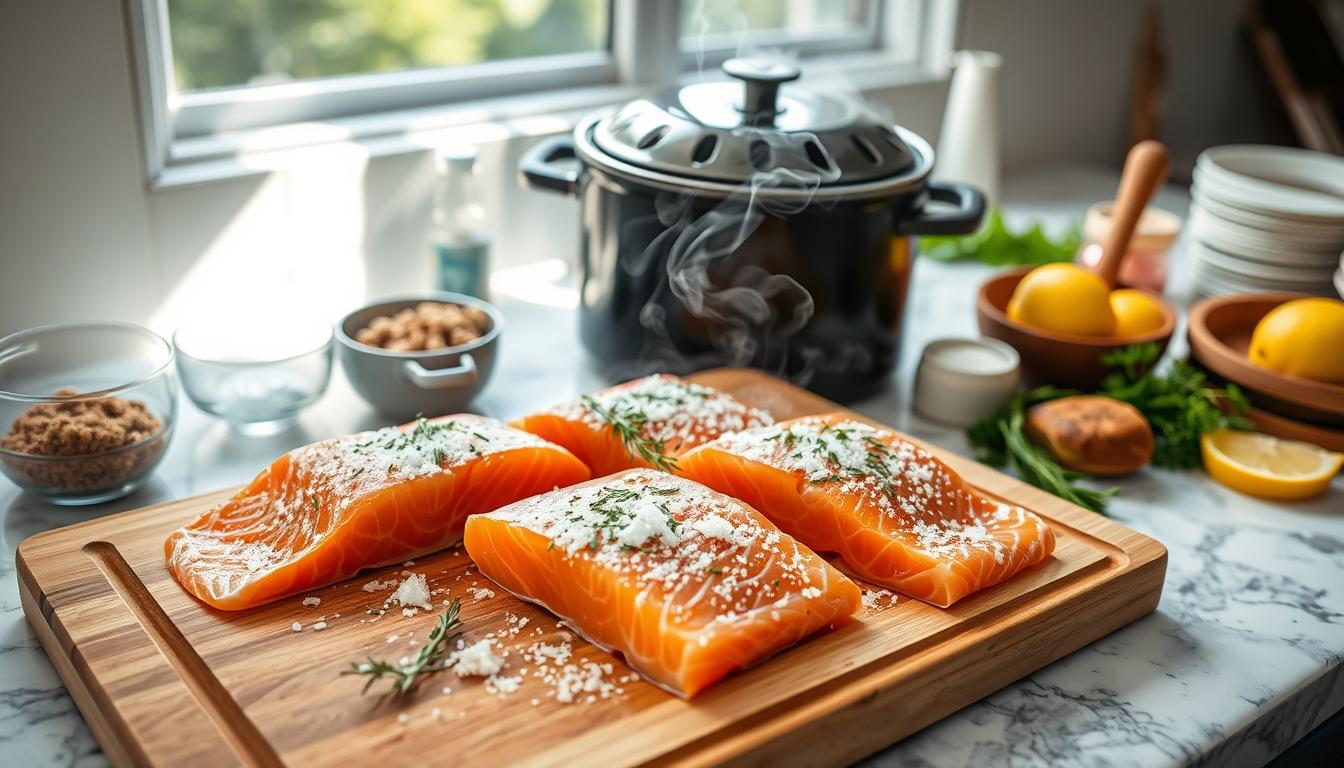
Brining is a secret step that makes your salmon special. It draws out moisture and locks in flavor. This keeps your fish tender. When done right, your salmon will taste like it’s from a restaurant.
There are two brining methods to choose from. Both are great for easy smoked salmon, depending on your schedule and preferences.
Ingredients for Brine
Your brine needs just a few basic ingredients. These simple components create magic when combined with fresh salmon.
For Wet Brine:
- 4 cups water
- 1/3 cup kosher salt
- 1/3 cup brown sugar
- Bay leaves (optional)
- Black peppercorns (optional)
- Garlic cloves (optional)
For Dry Brine (Salt Cure):
- 1/2 cup kosher salt
- 1/2 cup brown sugar
- Fresh dill (optional)
- Lemon zest (optional)
- Crushed black pepper (optional)
Brining Methods
Both brining methods work well. The wet brine is quicker, while the dry brine has a deeper flavor.
| Method | Time Required | Process | Best For |
|---|---|---|---|
| Wet Brine | 8-12 hours | Dissolve salt and sugar in water, submerge salmon in glass or plastic container, refrigerate covered | Quick turnaround, milder brine flavor |
| Dry Brine | 12-24 hours | Coat salmon thoroughly with salt-sugar mixture, place on tray in refrigerator, liquid drains naturally | Deeper flavor, more concentrated taste |
Wet Brining Steps:
- Combine water, kosher salt, and brown sugar in a pot
- Heat gently until salt and sugar dissolve completely
- Cool the brine to room temperature
- Place your salmon in a non-reactive container (glass or plastic)
- Pour brine over salmon until completely submerged
- Cover and refrigerate for 8-12 hours
- Remove salmon, rinse thoroughly under cold water
- Pat completely dry with paper towels
Dry Brining Steps:
- Mix kosher salt and brown sugar in a small bowl
- Add optional seasonings if desired
- Pat salmon skin dry
- Coat all flesh sides generously with salt mixture
- Place on a lined baking tray to catch liquid
- Refrigerate uncovered for 12-24 hours
- Rinse away remaining salt and seasonings
- Pat salmon dry thoroughly
The Pellicle: Your Secret Weapon
After rinsing your brined salmon, you need to form a pellicle. This glossy, tacky surface is key for easy smoked salmon success. Air-dry your salmon uncovered in your refrigerator for 2-4 hours. The pellicle forms when the surface becomes slightly sticky to the touch. This shiny layer helps smoke stick to your salmon beautifully, creating that gorgeous mahogany color and rich smoke flavor everyone loves.
The pellicle is what separates good smoked salmon from great smoked salmon—it’s the difference between smoke that slides off and smoke that clings perfectly.
Your salmon is now ready for the smoking process. The brining step you’ve completed ensures your fish will stay moist, develop incredible flavor, and look absolutely stunning when finished. You’ve just completed the most important step toward creating truly easy smoked salmon that impresses everyone.
Choosing a Smoking Method
Now that your salmon is brined and ready, it’s time to choose a smoking method. Your choice depends on your equipment, time, and desired texture. Each method gives a unique result, so knowing your options is key.
The smoking method you choose affects your final product. Some methods take just a few hours, while others take longer. Your equipment and space also play a role in your decision.
Cold Smoking vs. Hot Smoking
Cold smoking and hot smoking are two different techniques. Cold smoking happens at 60-80°F over 12-24 hours or longer. It creates a silky, translucent texture, like traditional lox-style salmon.
Hot smoking, on the other hand, takes place at 180-225°F over 3-6 hours. It cooks your salmon while adding smoke flavor. The result is firmer, flakier salmon that’s fully cooked and safer for beginners.
| Smoking Method | Temperature Range | Cooking Time | Texture Result | Best For |
|---|---|---|---|---|
| Cold Smoking | 60-80°F | 12-24+ hours | Silky, translucent | Advanced cooks, traditional lox |
| Hot Smoking | 180-225°F | 3-6 hours | Firm, flaky | Home cooks, beginners |
Using a Smoker vs. Oven
Your equipment choices affect which smoked salmon techniques work best. A dedicated smoker gives you the most control. Electric, propane, and charcoal smokers all work great for smoking salmon.
Gas or charcoal grills can also work if you already own one. Use indirect heat and add wood chips to create smoke. Place your salmon away from direct flames.
Your kitchen oven can be used for hot smoking. This method is good when outdoor smoking is not possible. Oven methods take less time but give good results.
- Electric smokers maintain steady heat with minimal effort
- Propane smokers heat up quick and stay consistent
- Charcoal smokers offer authentic smoke but need more attention
- Gas grills work with indirect heat setup
- Kitchen ovens handle stovetop smoking for quick batches
Choose the method that fits what you have right now. You don’t need expensive gear to make amazing smoked salmon.
Smoking with Wood Chips
Wood chips are key to smoked salmon’s smoky flavor. Choosing the right wood and preparing it well is important. Let’s look at how to pick and prepare wood chips like a pro.
Best Wood Chips for Salmon
Different woods add unique flavors to salmon. Alder wood is a classic choice in the Pacific Northwest. It offers a light, sweet smoke that complements the fish’s taste.
Apple wood is great for a mild, fruity flavor. Cherry wood adds a sweet, rich taste and a beautiful color. Maple wood gives a gentle smoke that’s perfect for salmon.
Hickory and oak are stronger options. Use them in small amounts or mix with milder woods for balance.
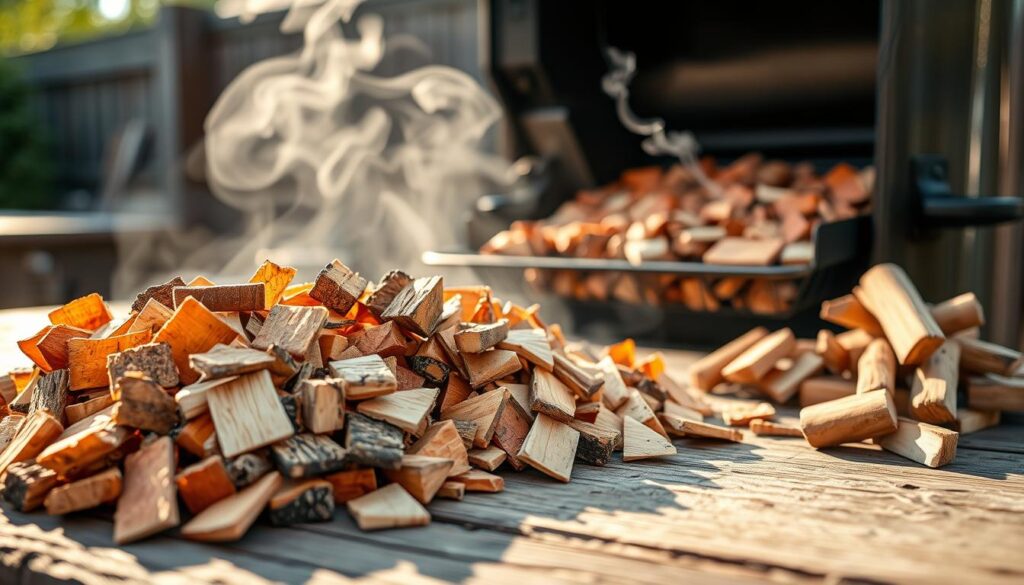
Experts often recommend starting with alder or fruit wood. These woods enhance salmon’s flavor without overpowering it. Buy quality wood chips from hardware stores, cooking shops, or online. Avoid treated woods, softwoods like pine, or chips with chemicals.
Soaking and Preparing Wood Chips
Soaking wood chips is a debated topic. Traditional methods soak chips for 30 minutes to an hour. This makes them smolder slowly and produce steady smoke. Some prefer dry chips for cleaner smoke.
Here’s what you need to know:
- Use 2 to 4 cups of wood chips per smoking session
- Soak chips in water for 30 minutes to 1 hour for slower burning
- Use dry chips if you prefer quicker, cleaner smoke
- Place chips in a smoker box or wrap them in foil packets
- Add fresh chips every 30 to 45 minutes for longer sessions
- Keep smoke production steady throughout cooking
For gas grills, wrap soaked or dry chips in foil. Poke holes on top for smoke to escape. Place the packet over heat. Check and add new chips as needed to keep smoke steady.
The Smoking Process
Now it’s time to put everything you’ve prepared to the test. Learning to make smoked salmon means mastering the smoking process. This step requires patience and attention to detail for the best results. Your salmon is brined, your smoker is ready, and your wood chips are soaking. Let’s go through each step to ensure perfect smoked salmon every time.
Temperature Control
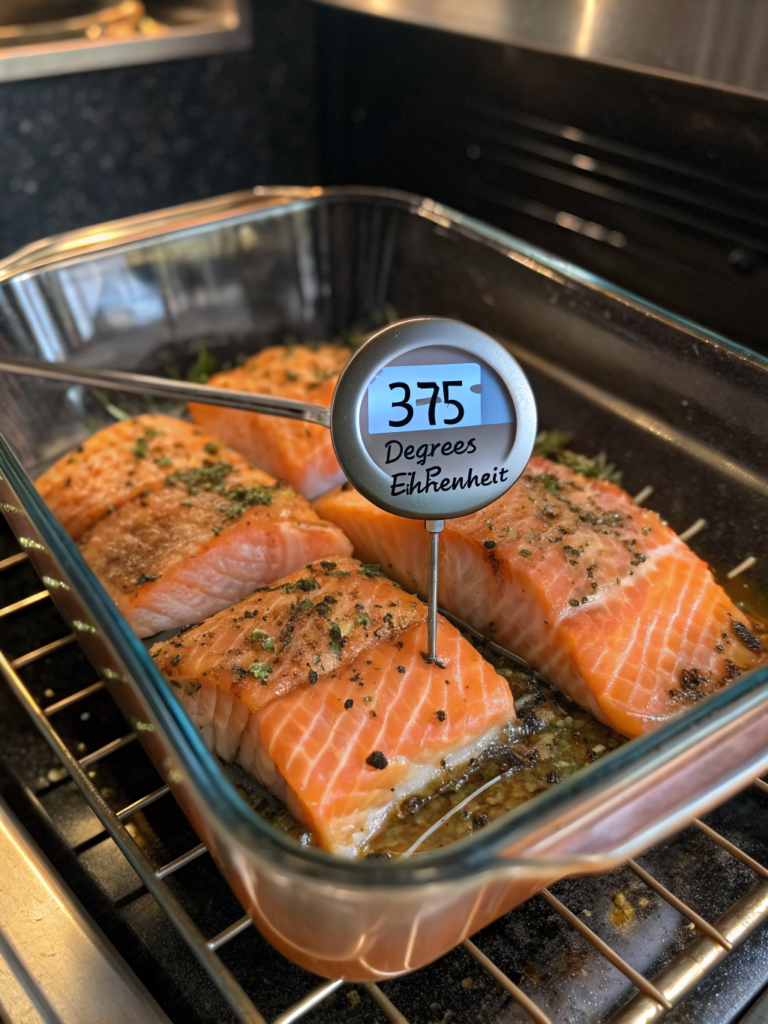
Temperature is key when making smoked salmon. Keeping the heat steady is what makes your salmon tender or dry. For hot smoking, aim for 180°F to 225°F, with 200°F being the best temperature for most home smokers.
Start by heating your smoker for 15-20 minutes before adding the salmon. Use a probe thermometer to check both the smoker’s and salmon’s temperatures. Check these readings every 30 minutes in the first two hours.
Weather can impact your smoking. On cold or windy days, your smoker might have trouble keeping a steady heat. Make small adjustments to your vents or burners to keep the temperature stable.
Watch for signs of temperature changes. If it’s too hot, open the lid slightly or reduce airflow. If it’s too cool, increase the heat slowly.
Timing Tips for Perfect Smoke
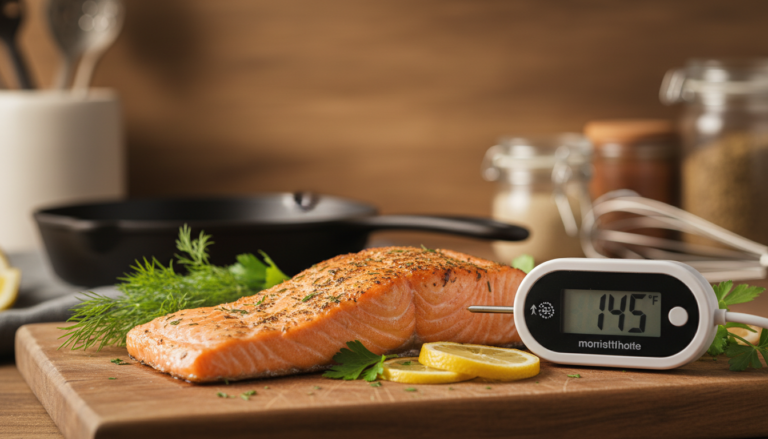
Timing depends on the salmon’s thickness and the smoking temperature. For salmon about 1 inch thick smoked at 200°F, plan for 3-4 hours. Your salmon should reach 145°F for full cooking, but many prefer it at 135-140°F for tenderness.
Here’s how to smoke your salmon:
- Place your brined and dried salmon skin-side down on oiled racks
- Position the salmon away from direct heat
- Add wood chips to the smoker box
- Close the lid and avoid opening it too often
- Add more wood chips after an hour for stronger flavor
- Start checking internal temperature after 2 hours
- Remove salmon when it reaches your target temperature
Look for these signs that your salmon is done:
- Flesh turns from translucent to opaque
- White albumin beads form on the surface
- Fish flakes easily with a fork
- Skin separates from the flesh
Thicker pieces need more time than thinner ones. Salmon will continue cooking a bit after removal. It’s better to remove it slightly undercooked than overcooked. You can always smoke it longer, but you can’t fix overcooked fish.
Flavoring Your Salmon
After smoking, you can make your salmon even better. The right flavors can turn it into something amazing. Your salmon is a blank canvas for different tastes. You can choose from classic or new flavors to make it your own.
Adding Spices and Herbs
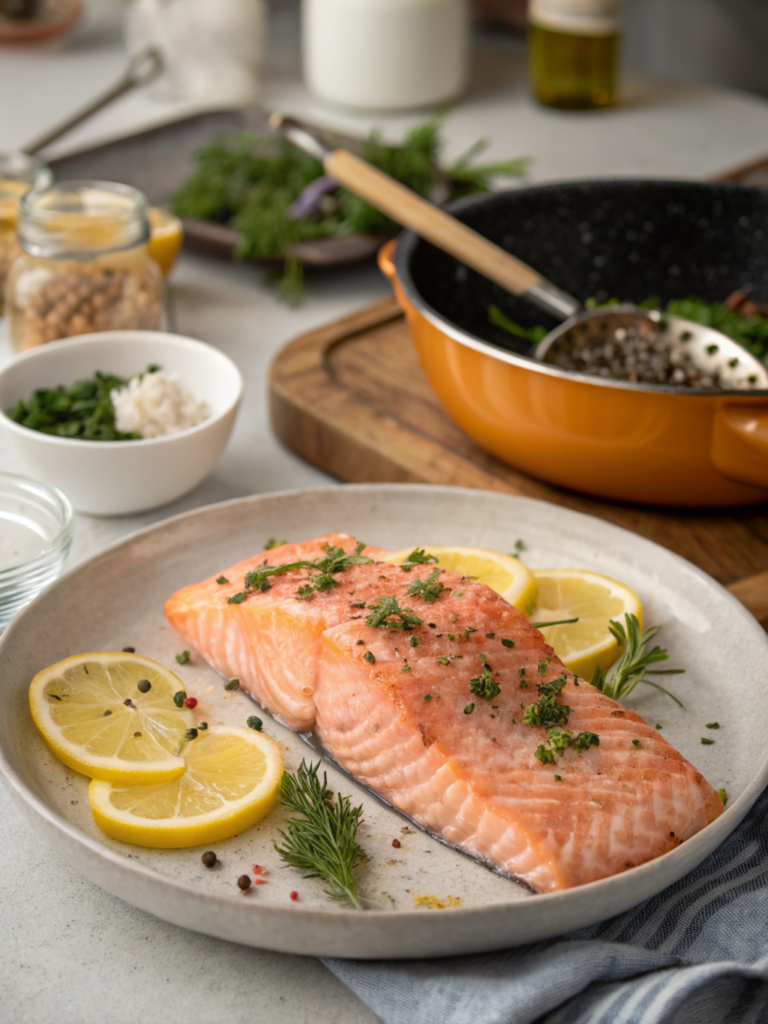
Spices and herbs make your salmon taste great. You can mix them into the brine or cure before smoking. Fresh dill is a classic choice, adding a tangy taste. Black pepper adds heat and looks good too.
Here are some flavors to try:
- Garlic powder or fresh garlic for a savory taste
- Lemon or orange zest for a bright flavor
- Juniper berries for a piney taste
- Coriander seeds for a citrusy flavor
- Brown sugar or maple syrup for a sweet crust
Experiment with different mixes. Try a Scandinavian cure with dill and white pepper. Or an Asian mix with ginger and soy sauce. For something sweet, try maple syrup and bourbon.
Marinade Options
Glazes and coatings add flavor in the last hour of smoking. They’re different from brines and add a final touch. Apply them carefully to avoid burning and build flavor.
| Flavor Profile | Key Ingredients | Best Application Time |
|---|---|---|
| Maple Dijon | Maple syrup, Dijon mustard, black pepper | Last 60 minutes of smoking |
| Honey Soy | Honey, soy sauce, minced garlic, ginger | Last 45 minutes of smoking |
| Bourbon Brown Sugar | Bourbon, brown sugar, mustard powder, paprika | Last 30 minutes of smoking |
| Citrus Herb | Lemon juice, fresh dill, olive oil, garlic | Last 20 minutes of smoking |
Balance your flavors well. Your additions should enhance the salmon and smoke. Keep the salmon the main star, with flavors supporting it. This way, your smoked salmon will always taste perfect.
Cooling and Storing Smoked Salmon
After smoking your salmon, how you cool and store it is key. These tips will help keep your salmon fresh and safe. The steps right after smoking affect its taste and texture.
Proper Cooling Techniques
When your salmon is done, take it out of the smoker quickly. Move it to a clean cooling rack to let air circulate. Don’t cover it with plastic wrap or foil, as this can make it soggy.
Let it cool at room temperature for 30 to 60 minutes. This lets the fish cook a bit more and juices spread evenly. It also makes handling easier when you’re ready to package it.

Storage Tips for Freshness
Once it’s cool, wrap it tightly in plastic wrap or use airtight containers. This keeps it moist and prevents fridge odors from affecting taste.
Here are important storage tips:
- Refrigerator storage: Keep smoked salmon at 40°F or below for up to 2 weeks, though the first week offers the best flavor and texture
- Freezer storage: Wrap portions in plastic wrap, then aluminum foil or freezer bags, removing as much air as possible for up to 3 months
- Thawing method: Place frozen salmon in the refrigerator overnight—never thaw at room temperature
- Spoilage signs: Discard any salmon with off odors, slimy texture, or discoloration
Following these food safety tips is vital. Refrigerate your smoked salmon right after cooling. If in doubt, throw it away. Your health is more important than saving a questionable piece of fish.
Serving Smoked Salmon
Your delicious smoked salmon deserves a presentation that matches its quality and flavor. How you serve it makes a big difference. From simple platters to creative dishes, there are many ways to showcase your homemade delicious smoked salmon at any meal or gathering.
Creative Presentation Ideas
Slicing your delicious smoked salmon the right way is the first step. Use a sharp, thin-bladed knife to cut thin slices on the bias. This technique creates wider pieces that look beautiful on any plate. Some people prefer removing the skin before slicing, while others leave it on for visual appeal and easier handling.
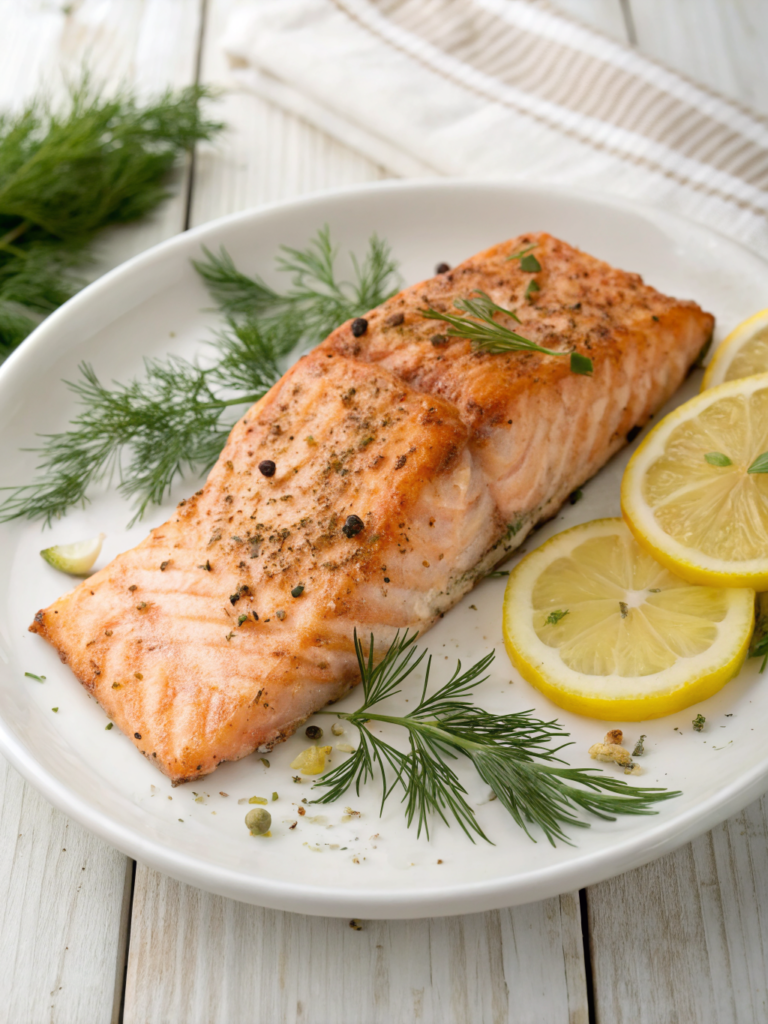
Start with the classic approach by arranging thin slices on a platter with fresh lemon wedges, capers, thinly sliced red onion, and bright green dill. This traditional style never disappoints. For brunch, pair your delicious smoked salmon with bagels, cream cheese, sliced tomatoes, and crisp cucumbers. Your guests will love building their own combinations.
Modern presentations offer exciting options. Flake the salmon over fresh salads, fold it into scrambled eggs, or toss it with pasta in a light cream sauce. You can even use it as a pizza topping or layer it into tea sandwiches for elegant finger foods.
Plan your portions wisely. Serve 2-3 ounces per person for appetizers and more for main courses. Arrange your salmon attractively with complementary colors and fresh garnishes to catch your guests’ eyes.
Pairing Suggestions
The right beverage makes your delicious smoked salmon shine. Champagne and sparkling wine offer elegant contrast with their acidity and bubbles. Crisp white wines like Sauvignon Blanc, Pinot Grigio, or unoaked Chardonnay complement the salmon without overwhelming its delicate flavor.
| Beverage Type | Specific Options | Why It Works |
|---|---|---|
| Sparkling Wine | Champagne, Prosecco, Cava | Acidity cuts through richness and saltiness |
| White Wine | Sauvignon Blanc, Pinot Grigio, Chardonnay | Clean flavors enhance without overpowering |
| Light Beer | Wheat beer, pilsner | Refreshing balance with subtle sweetness |
| Non-Alcoholic | Sparkling water, cucumber-infused water | Cleanses palate between bites |
Build your serving board with complementary foods that enhance your delicious smoked salmon:
- Cream cheese or crème fraîche to balance saltiness and smoke
- Pickled vegetables for acidity and crunch
- Fresh herbs like dill or chives
- Whole grain crackers or artisan bread
- Fresh cucumber, radishes, or cherry tomatoes
Your delicious smoked salmon works beautifully in so many dishes. Fold it into omelets, mix it into pasta, layer it in sandwiches, or feature it in sushi rolls. These endless possibilities mean you’ll enjoy your homemade creation in countless delicious ways.
Health Benefits of Smoked Salmon
Making homemade smoked salmon is more than just cooking a meal. It’s about making a food that’s full of nutrients and supports your health. By smoking salmon at home, you choose the ingredients and how it’s cooked. This way, you avoid additives and get the most health benefits.
Homemade smoked salmon is packed with protein, healthy fats, and vitamins. It’s a great choice for a balanced diet.
Nutritional Value
A 3-ounce serving of homemade smoked salmon is very nutritious. It has about 130-150 calories and 18-20 grams of protein. This protein has all the amino acids your body needs.
The fat in homemade smoked salmon is mostly from healthy sources. It ranges from 5-8 grams.
Your homemade smoked salmon also has important vitamins and minerals. These support your health:
- Vitamin D (often 100% or more of daily value)
- Vitamin B12 for nerve function and red blood cells
- Selenium as a powerful antioxidant
- Potassium for heart health
- Niacin and vitamin B6 for energy
- Phosphorus for bone strength
Homemade smoked salmon can have 600-1200mg of sodium per serving. This depends on your brining method. You can make it healthier by using less salt or rinsing more.
Omega-3 Fatty Acids
The omega-3 fatty acids in homemade smoked salmon are its biggest nutritional benefit. A 3-ounce serving has 1.5-2 grams of EPA and DHA. These fats help your heart by reducing inflammation and lowering triglycerides.
Omega-3s do more than just protect your heart. They support brain health, reduce depression and anxiety, and promote eye health. They might also lower the risk of chronic diseases.
The smoking process doesn’t reduce the omega-3s in your salmon. Your homemade smoked salmon is full of these benefits and tastes great. Wild-caught salmon has more omega-3s than farmed, but both are good for your diet.
“Omega-3 fatty acids are essential nutrients that your body cannot produce on its own, making salmon one of nature’s best sources.”
Troubleshooting Common Issues
Even the most skilled cooks face problems when smoking salmon. Spotting and fixing these issues can turn setbacks into learning moments. These tips will help you understand what went wrong and how to avoid it next time.
Overcooked Salmon
Overcooked smoked salmon quickly loses its appeal. It looks very opaque with a white chalky coating. The texture becomes dry, tough, or crumbly.
Several things can cause overcooking. Your smoker temperature might be too high. Or, you might have left the salmon in for too long. Thin fillets cook faster than thicker cuts.
If you catch it early, remove the salmon right away. Brush the surface with olive oil or melted butter to restore moisture. For already-overcooked salmon, flake it and mix it with cream cheese or mayonnaise to create a tasty spread.
Follow these prevention steps for future batches:
- Use a reliable thermometer to monitor temperatures
- Check internal temperature starting at the 2-hour mark
- Pull salmon at 135-140°F for moister results
- Keep smoker steady at 200-225°F
Too Little Smoke Flavor
Your salmon looks beautiful but tastes bland. This happens when smoke flavor doesn’t develop enough. The problem usually comes from not using enough wood chips, chips burning too fast, or poor smoke circulation in your smoker.
Boost your smoke flavor with these smoked salmon tips:
| Problem | Solution |
|---|---|
| Weak smoke taste | Use 3-4 cups of wood chips instead of 1-2 |
| Chips burn too quickly | Soak chips or use a smoker box for steady smoldering |
| Flavor doesn’t develop | Extend smoking time, specially the first 2-3 hours |
| Poor smoke circulation | Adjust vents to maintain smoke without losing heat |
| Weak pellicle formation | Allow 2-4 hours for drying after brining |
The pellicle layer is key for smoke sticking to your fish. If you rushed the drying phase after brining, smoke flavor will be weak. Always give yourself plenty of time for proper pellicle development in future batches.
Conclusion
You now know how to make delicious smoked salmon at home. You’ve learned all the key steps. First, pick fresh, quality salmon from sustainable sources.
Then, clean, fillet, and remove pin bones. Next, brine the fish for 8-24 hours to season it. This step prepares it for smoking.
Recap of Key Steps
Creating a pellicle is very important. Air-dry the salmon for 2-4 hours to make a sticky layer. This layer helps the smoke stick to the fish.
Choosing the right wood chips for your smoker is also key. Keep the temperature steady at 200-225°F for even cooking.
Smoke the salmon for 3-6 hours until it reaches 135-145°F. This gives it the perfect texture. Cool it properly and store it well to keep it fresh.
Present your smoked salmon beautifully to impress your guests. Patience is key in this process. Rushing can ruin the quality of your smoked salmon.
Encouragement to Experiment
Don’t stop with your first batch. Now that you know the basics, start making it your own. Try different wood chips and spices in your cure.
Play with smoke intensity and cooking times to find your favorite texture. Once you get the hang of hot smoking, try cold smoking. Keep notes on each batch to improve your skills.
Even if your batches aren’t perfect, they’re delicious and teach you a lot. Small mistakes are just learning opportunities. Share your smoked salmon with others and give it as gifts.
Your kitchen or backyard is now a smokehouse. You can make restaurant-quality smoked salmon whenever you want. Enjoy the journey and the tasty results.