Smoked Salmon Recipe: Elevate Your Meals with This Tasty Dish
There’s something magical about the moment you first taste homemade smoked salmon. The aroma fills your kitchen. The flavor is rich and sophisticated.
You realize this restaurant-quality dish is something you can make at home. This feeling of accomplishment stays with you long after your guests finish their plates.
Creating an easy smoked salmon recipe is within your reach. You don’t need fancy equipment or years of cooking experience. This guide walks you through every step.
You’ll learn how to pick the best salmon, prepare it correctly, and smoke it to perfection. Your family and friends will be impressed by what you can do.
Your smoked salmon recipe adventure starts here. Whether you want to prepare a special brunch, create impressive appetizers, or simply make weeknight dinners more exciting, this guide has you covered. You’ll discover two main smoking methods.
One uses traditional techniques. The other uses modern electric smokers. Both deliver outstanding results when you follow the right steps.
Throughout this complete guide, you’ll find practical tips and expert advice. You’ll understand timing, temperature control, and flavor combinations. By the end, you’ll feel confident experimenting with different seasonings and serving styles.
Your easy smoked salmon recipe will become a skill you use again and again.
Table of Contents
What is Smoked Salmon?
Smoked salmon is fresh salmon that’s been salted and smoked. This makes it taste unique and keeps it fresh longer. Knowing about smoked salmon helps you enjoy it more when you make your own.
The smoking process turns regular salmon into something special. Salt draws out moisture, then smoke from wood adds rich flavors. This makes the salmon taste great and last longer than raw fish.
Brief History of Smoked Salmon
Smoking fish was first done by Pacific Northwest and Northern European tribes. They used it to keep fish fresh during winter. Smoking was their solution.
What began as a way to preserve food turned into an art form. Today, smoked salmon is loved worldwide. It’s a favorite in fancy restaurants and home kitchens. Your own smoked salmon recipe connects you to a long history of cooking.
Different Types of Smoked Salmon
There are two main types of smoked salmon, each with its own use:
- Cold-Smoked Salmon: This is cured but not cooked. It’s silky and tastes delicate. Lox and Nova Scotia salmon are examples.
- Hot-Smoked Salmon: This is cooked during smoking. It’s flaky and tastes robust, like baked salmon.
Each type is great for different dishes. Cold-smoked salmon is perfect on bagels. Hot-smoked salmon is great in pasta or salads.
Nutritional Benefits of Smoked Salmon
Eating smoked salmon is good for you. It’s full of omega-3s for your heart and brain. It also has high-quality protein for muscles.
| Nutrient | Amount per 3-Ounce Serving | Health Benefit |
|---|---|---|
| Omega-3 Fatty Acids | 1.5-2 grams | Heart and brain health |
| Protein | 15-17 grams | Muscle development |
| Vitamin D | 570-650 IU | Bone health |
| Vitamin B12 | 3-4 micrograms | Energy and nerve function |
| Selenium | 36-40 micrograms | Antioxidant protection |
| Calories | 100-150 | Healthy, moderate serving |
Smoked salmon has only 100 to 150 calories per serving. It’s good for those watching their weight. Selenium in it protects your cells.
But, remember, smoked salmon has more salt than raw fish. If you’re watching your salt intake, eat it in moderation. Always check the label to know the salt content.
Now you’re ready to make your own smoked salmon recipe. You know its history, its special qualities, and why it’s a great choice for dinner.
Essential Ingredients for the Perfect Smoked Salmon
To make the best smoked salmon, start with the right ingredients. Think about each part, from the fish to the seasonings and wood chips. Knowing what makes good ingredients great will help you make smoked salmon that tastes like it’s from a restaurant.
Quality Salmon: What to Look For
Choosing the right fish is key for a top-notch smoked salmon. Opt for wild-caught salmon, like King, Sockeye, or Coho. These have more fat, making the fish moist and tender.
At the fish counter, check the salmon’s firmness and bright color. It should smell fresh and not fishy. If buying frozen, ensure it’s flash-frozen without freezer burn.
Best Seasonings and Additions
Seasonings make your smoked salmon stand out. Use fresh dill, lemon zest, and bay leaves for a classic taste. For a recipe that serves 6 to 8, you’ll need:
- 2 to 3 pounds of salmon fillet (skin-on preferred)
- 1/2 cup kosher salt
- 1/2 cup brown sugar
- 1 tablespoon black pepper
- 1 teaspoon garlic powder
- 2 tablespoons fresh dill
- Zest from 1 lemon
- 2 to 3 bay leaves
Optional Ingredients for Customization
Once you know the basics, you can add your own twist. Maple syrup adds sweetness, while cayenne pepper adds a bit of heat. Juniper berries give a gin-like flavor that pairs well with salmon.
Try these to make your dish unique:
- Soy sauce for a deep, savory taste
- Fresh thyme or rosemary for earthy flavors
- Coriander seeds for warm spice
- Paprika for color and a mild pepper taste
Having all your ingredients ready before you start makes the process smoother. This way, you’ll always make the best smoked salmon.
How to Prepare the Salmon for Smoking
Preparing your salmon for smoking is key to making delicious smoked salmon. You need to remove pin bones, clean the fish, and brine it right. These steps ensure your smoked salmon will taste amazing and have the right texture.
A good smoked salmon brine recipe starts with knowing your brining options. It also involves following the right timing.
Choosing the Right Brine
You can choose between a dry brine or a wet brine. A dry brine uses salt and brown sugar mixed together. A wet brine dissolves these ingredients in water. For most home smokers, a dry brine is best because it’s easier to manage and gives great results.
Your basic dry brine is equal parts kosher salt and brown sugar. The salt cures the fish and creates a sticky surface layer. This layer helps the smoke stick to the salmon. The sugar balances the salt and helps create browning during smoking. A wet brine is better for thinner fillets or if you want a moister result.
| Brine Type | Main Ingredients | Best For | Ease of Use |
|---|---|---|---|
| Dry Brine | Kosher salt, brown sugar, seasonings | Thick fillets, home smokers | Very easy |
| Wet Brine | Salt, sugar, water, aromatics | Thinner fillets, moister fish | Moderate difficulty |
Steps to Brine Your Salmon
Here’s how to prepare your salmon using a smoked salmon brine recipe:
- Check your salmon fillet for pin bones by running your fingers along the flesh from the thick end toward the tail
- Remove pin bones using fish tweezers or needle-nose pliers by pulling at a slight angle
- Rinse the fillet under cold water and pat it completely dry with paper towels
- Place the salmon skin-side down in a glass or plastic container
- Mix kosher salt, brown sugar, and your chosen seasonings in a small bowl
- Evenly coat the flesh side of the salmon with the brine mixture, pressing gently
- Cover the container with plastic wrap and refrigerate for 8 to 12 hours for a 2-pound fillet
- After brining, rinse the salmon thoroughly under cold water to remove excess salt
- Pat the salmon dry with paper towels
- Place it on a wire rack and refrigerate uncovered for 2 to 4 hours to develop the pellicle
The pellicle is ready when the surface feels tacky to the touch. This entire process takes 12 to 16 hours total, but most of that time is hands-off work.
“A proper pellicle makes all the difference in how smoke adheres to your salmon and creates that beautiful finish.”
Timing is key when using your smoked salmon brine recipe. For fillets larger than 2 pounds, add about 4 more hours to your brining time. Adjust the timing based on the thickness of your fish, not just the weight. Thinner fillets need less time, while thicker pieces need more time to cure properly.
- Use kosher salt instead of table salt for better control
- Keep your salmon cold throughout the entire process
- Don’t skip the pellicle development stage
- Write down your exact brining time for future reference
Proper preparation using the right smoked salmon brine recipe sets you up for success in the smoking stage ahead.
Smoking Methods: Traditional vs. Electric
When you start smoking salmon, you’ll face an important choice about which smoking method to use. Each approach offers distinct advantages and challenges. Understanding the differences helps you pick the right technique for your skill level and lifestyle. Whether you’re preparing a hot smoked salmon recipe or exploring a cold smoked salmon recipe, the smoking method you select will significantly impact your final results.
Overview of Traditional Smoking Techniques
Traditional smoking methods connect you to centuries-old cooking practices. You’ll use charcoal, wood, or gas smokers where you manually manage heat and smoke levels throughout the process. This hands-on approach appeals to enthusiasts who love the craftsmanship involved in creating smoked salmon.
Traditional smokers come in several styles you should know about:
- Offset smokers with separate fireboxes for better heat control
- Vertical water smokers that regulate temperature with water pans
- Kettle grills adapted and modified for smoking purposes
With traditional methods, you’ll build a fire using charcoal and wood chunks. You manage airflow through vents to keep temperatures steady. This works well for preparing a hot smoked salmon recipe at temperatures between 225-250°F. Traditional smoking also suits cold smoked salmon recipe techniques, though you’ll need specialized smoke generators for temperatures below 90°F.
Using an Electric Smoker
Electric smokers make the smoking process much simpler. These units have built-in heating elements and wood chip trays with digital controls that maintain exact temperatures automatically. You set your desired temperature, add wood chips, place your salmon on the racks, and let the smoker handle everything else.
Electric smokers work wonderfully for both hot smoked salmon recipe preparation and beginners learning to smoke salmon. The digital controls eliminate guesswork about temperature management.
Pros and Cons of Each Method
| Smoking Method | Advantages | Disadvantages |
|---|---|---|
| Traditional Smoking | Authentic flavor, satisfying craft experience, excellent smoke penetration, superior taste complexity | Requires constant attention, steep learning curve, weather-dependent, needs practice for stable temperatures |
| Electric Smoking | Convenient operation, precise temperature control, consistent results, beginner-friendly, ideal for hot smoked salmon recipe consistency | Requires electrical access, may produce less complex smoke flavor, limited portability |
Your choice depends on your experience level and available time. Traditional smoking offers that authentic connection to cooking heritage. Electric smoking provides reliability and ease, making it perfect when you want dependable results without constant monitoring. Both methods produce excellent smoked salmon when you follow proper techniques and maintain appropriate temperatures throughout the smoking process.
Tips for Cold Smoking Salmon
Cold smoking makes salmon silky and delicate, like lox. It’s different from hot smoking because it doesn’t cook the fish. You need to manage temperatures and use special techniques. The smoking time is 12-24 hours, depending on the smoke flavor you want.
Success in cold smoking comes down to three things: keeping temperatures low, picking the right wood, and following safety rules.
Temperature Control Techniques
The biggest challenge is making smoke without heat. Your smoking chamber should be between 70-90°F. Many use a smoke generator in a separate chamber to cool the smoke.
If you’re using a regular smoker, smoke during cooler months or at night. Use ice pans to keep the salmon cold. Always check the temperature with a meat thermometer.
Recommended Wood Chips for Flavor
The right wood makes a big difference. Here are your best choices:
- Alder – Traditional choice for Pacific Northwest-style salmon with clean, slightly sweet smoke
- Apple wood – Adds fruity notes and creates beautiful golden color
- Cherry wood – Provides subtle sweetness without overpowering the fish
- Maple – Offers gentle, delicate smoke flavor
Avoid strong woods like mesquite or hickory. They can make salmon taste bitter. Soak your wood chips for 30 minutes before use.
Safety Precautions
Because cold smoking doesn’t cook the fish, safety is key. Start with the freshest salmon. Keep it refrigerated until smoking starts. Maintain proper temperatures during smoking.
Store finished salmon in the refrigerator and eat within one week. Or vacuum-seal and freeze for longer storage.
| Safety Step | Why It Matters | Your Action |
|---|---|---|
| Use Fresh Fish | Reduces bacterial risk | Buy salmon within 24 hours of smoking |
| Maintain Cold Temperature | Prevents bacterial growth | Keep chamber between 70-90°F |
| Refrigerate After Smoking | Slows spoilage | Store at 40°F or below |
| Consume Quickly | Ensures quality and safety | Eat within 7 days or freeze |
If you’re immunocompromised or pregnant, hot smoking might be safer. These tips help you make delicious cold smoked salmon safely and with confidence.
Tips for Hot Smoking Salmon
Hot smoking is a great way to make delicious hot smoked salmon. It cooks the fish completely and adds a rich smoky flavor. Unlike cold smoking, hot smoking uses higher temperatures to cook and smoke the salmon at the same time.
To master hot smoking, you need to know the right temperatures, timing, and flavoring methods. This way, you can make perfectly cooked salmon every time.
Ideal Cooking Temperatures
The key to a great hot smoked salmon recipe is proper temperature control. Aim for a smoker temperature between 225°F and 250°F. This low-and-slow method lets smoke penetrate the fish while cooking it gently.
Some cooks prefer higher temperatures up to 275°F for shorter cooking times. Lower temperatures, though, make the salmon more tender and moist. Always preheat your smoker to the target temperature before adding the salmon. This ensures consistent heat and a perfect smoky finish.
Timing for Perfectly Cooked Salmon
Cooking time for hot smoked salmon depends on the fillet’s thickness and the smoker’s temperature. A 2-pound fillet smoked at 225°F takes 1.5 to 3 hours to cook.
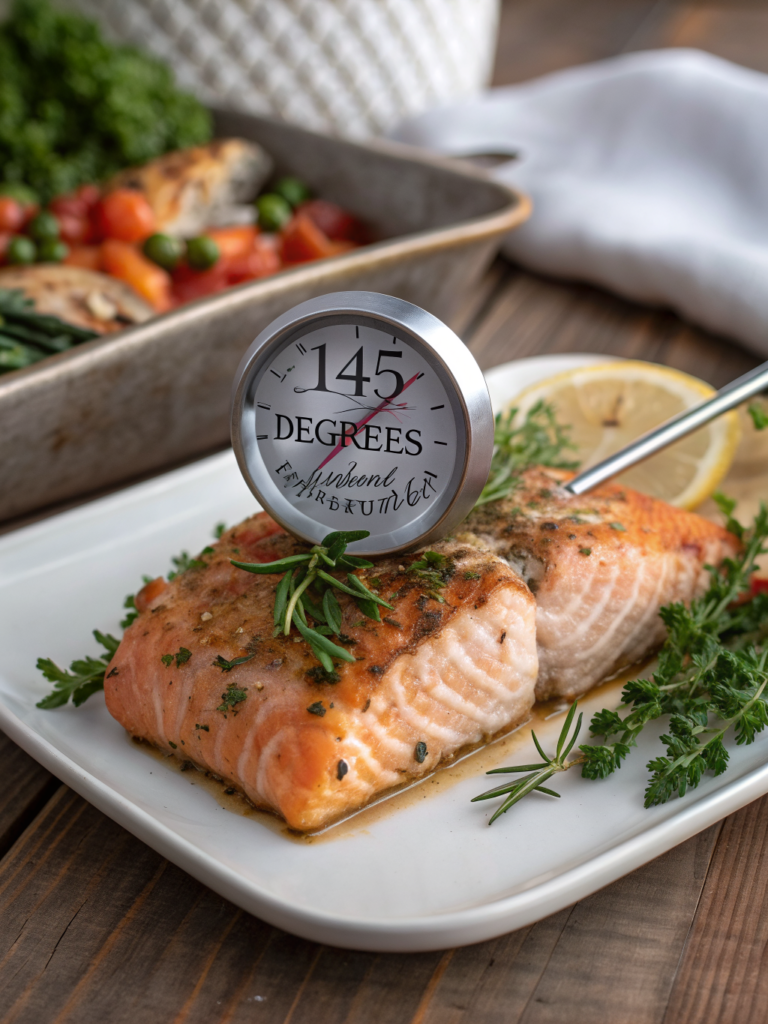
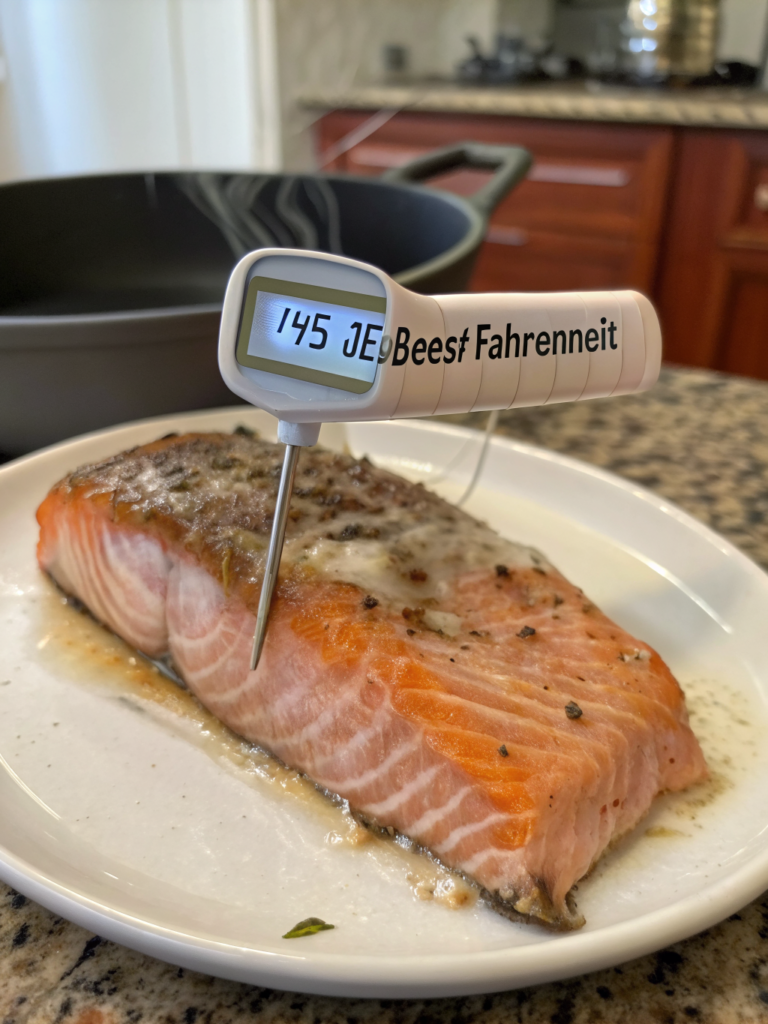
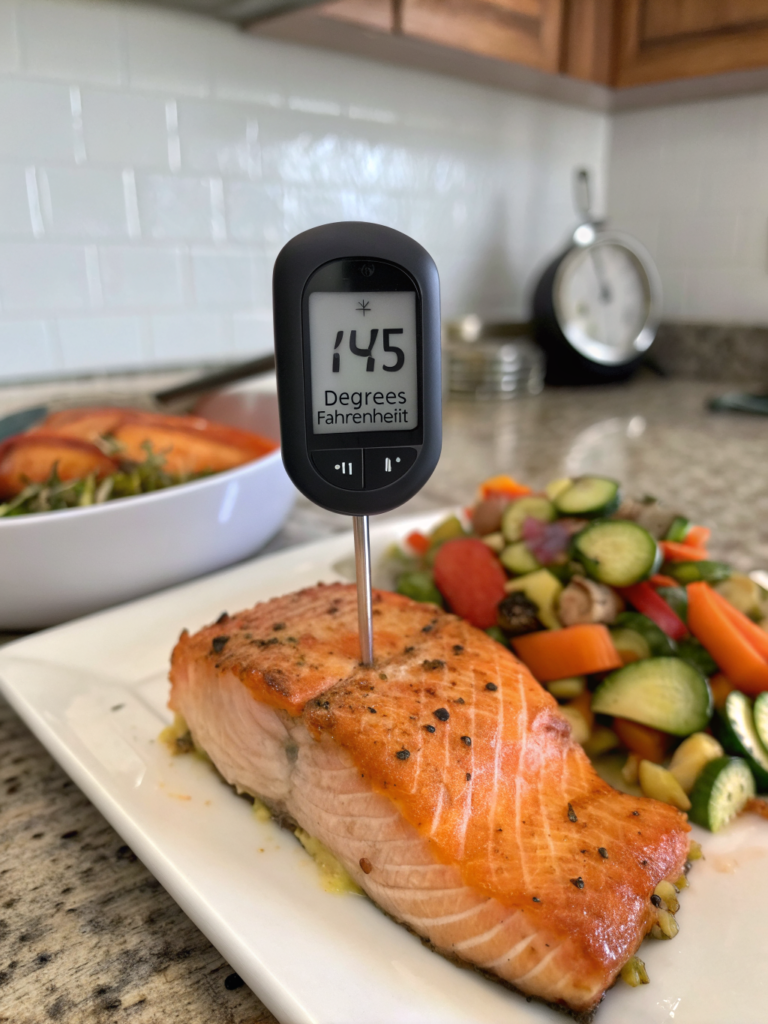
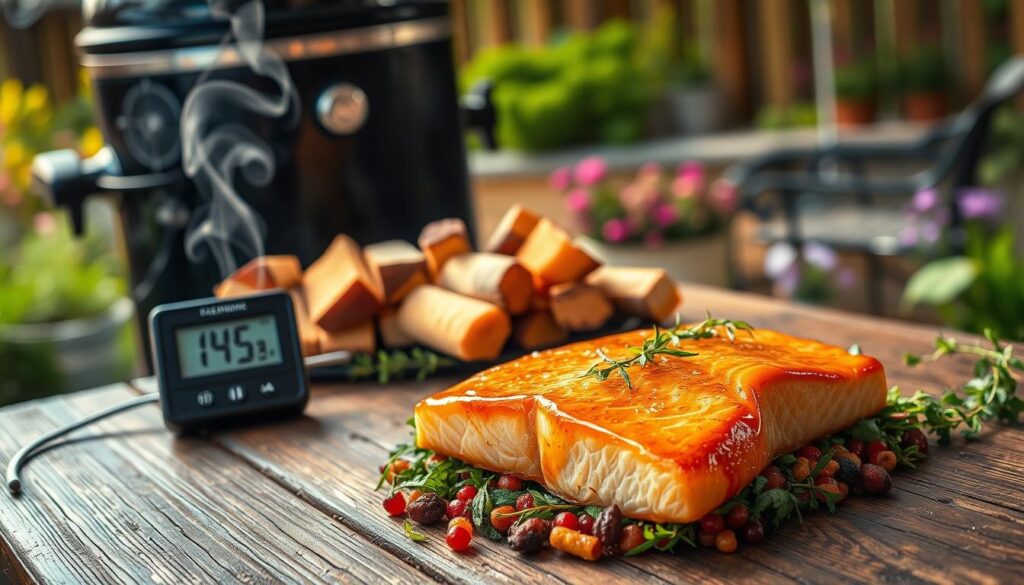
Use an instant-read thermometer to check if the salmon is done. It’s ready when the thickest part reaches 145°F. The flesh should be opaque and flake easily with a fork. Some prefer removing salmon at 135°F to 140°F for a softer texture.
| Salmon Weight | Smoker Temperature | Cooking Time | Internal Temperature |
|---|---|---|---|
| 1.5 pounds | 225°F | 1 to 1.5 hours | 145°F |
| 2 pounds | 225°F | 1.5 to 2.5 hours | 145°F |
| 3 pounds | 225°F | 2.5 to 3.5 hours | 145°F |
| 2 pounds | 250°F | 1 to 1.5 hours | 145°F |
Flavoring Techniques: Marinades and Rubs
Adding glazes during the last 30 minutes of smoking can enhance your hot smoked salmon recipe. Try maple syrup with bourbon, honey and Dijon mustard, or brown sugar and soy sauce for rich flavors.
Dry rubs before smoking create a tasty crust. Mix brown sugar, paprika, garlic powder, and black pepper for a sweet-savory mix. You can also add fresh lemon slices, herbs, or onion rings for extra aroma.
- Add wood chips every 30 to 45 minutes to keep the smoke consistent
- Avoid opening your smoker too much as it loses heat
- Let your salmon rest for 10 minutes after smoking before serving
- Use fresh herbs like dill or thyme for better aroma
- Try citrus glazes for bright, fresh flavors
These expert techniques ensure your hot smoked salmon recipe turns out perfectly cooked with maximum flavor every time.
Flavor Pairings for Smoked Salmon
Creating the perfect smoked salmon appetizer needs careful pairing choices. These choices should highlight the fish’s rich, smoky flavor. The right sides, drinks, and spreads make your dish elegant and memorable.
Think of your smoked salmon appetizer as the main attraction. Every accompaniment should support it without taking over.
Complementary Wines and Spirits
Beverages are key in balancing smoked salmon’s saltiness and fattiness. White wine is a top pick for smoked salmon. It pairs well with the fish’s flavor.
Champagne and sparkling wine add a crisp touch. Sauvignon Blanc brings herb notes, while unoaked Chardonnay offers clean flavors. These wines don’t overpower the fish.
Rosé wines are great with smoked salmon, with their fruity and balanced acidity. For spirits, ice-cold vodka is traditional. Gin with botanical notes also complements the fish well.
Light cocktails like French 75 or Aperol Spritz add a refreshing contrast. For non-alcoholic options, try sparkling water with lemon or chilled white tea.
Best Breads and Crackers to Serve
When choosing breads, texture and neutrality are key. You want something that contrasts with the salmon’s flavor without overpowering it.
- Toasted bagels (everything or plain varieties work best)
- Dark rye or pumpernickel bread (traditional Scandinavian choice)
- Crisp baguette slices
- Blini (small Russian pancakes)
- Water crackers
- Whole grain crackers
- Cucumber slices (low-carb alternative)
- Endive leaves (fresh and elegant)
Delicious Dips and Spreads
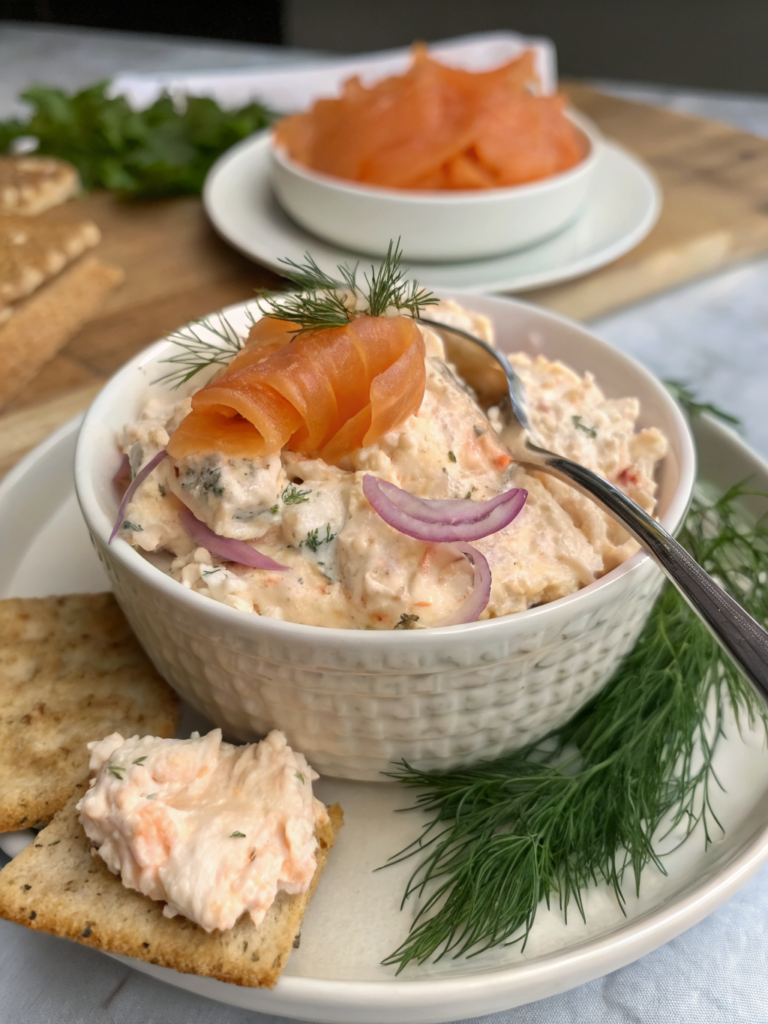
Creamy accompaniments can make your smoked salmon appetizer stand out. Cream cheese is essential for classic bagel and lox. Mix it with fresh herbs like dill for extra flavor.
Crème fraîche adds tangy richness, while sour cream cools the fish’s intensity. Compound butters with dill and lemon zest are also great. Greek yogurt with lemon, capers, and dill makes a lighter sauce option.
Don’t forget traditional accompaniments like thinly sliced red onion, capers, fresh dill sprigs, lemon wedges, and chopped hard-boiled eggs. These pairings create a complete sensory experience that highlights your smoked salmon.
Serving Suggestions for Smoked Salmon
Your homemade smoked salmon is ready to impress. How you serve it can make a big difference. Whether it’s a casual brunch or an elegant dinner, there are many ways to present your dish. Simple presentations can often be the most impressive.
This section will explore classic and creative ways to serve your smoked salmon. You’ll learn how to make your appetizer truly special.
Classic Bagel and Lox
The bagel and lox combo is a classic New York tradition. Start with a fresh bagel, toasted until crispy. Spread cream cheese on both halves, then add thin slices of smoked salmon.
Top it with tomato, red onion, capers, and fresh dill. Serve with lemon wedges and a sprinkle of black pepper. Cold-smoked salmon is best for this, as it slices well and highlights the smoking process.
Creating a Smoked Salmon Platter
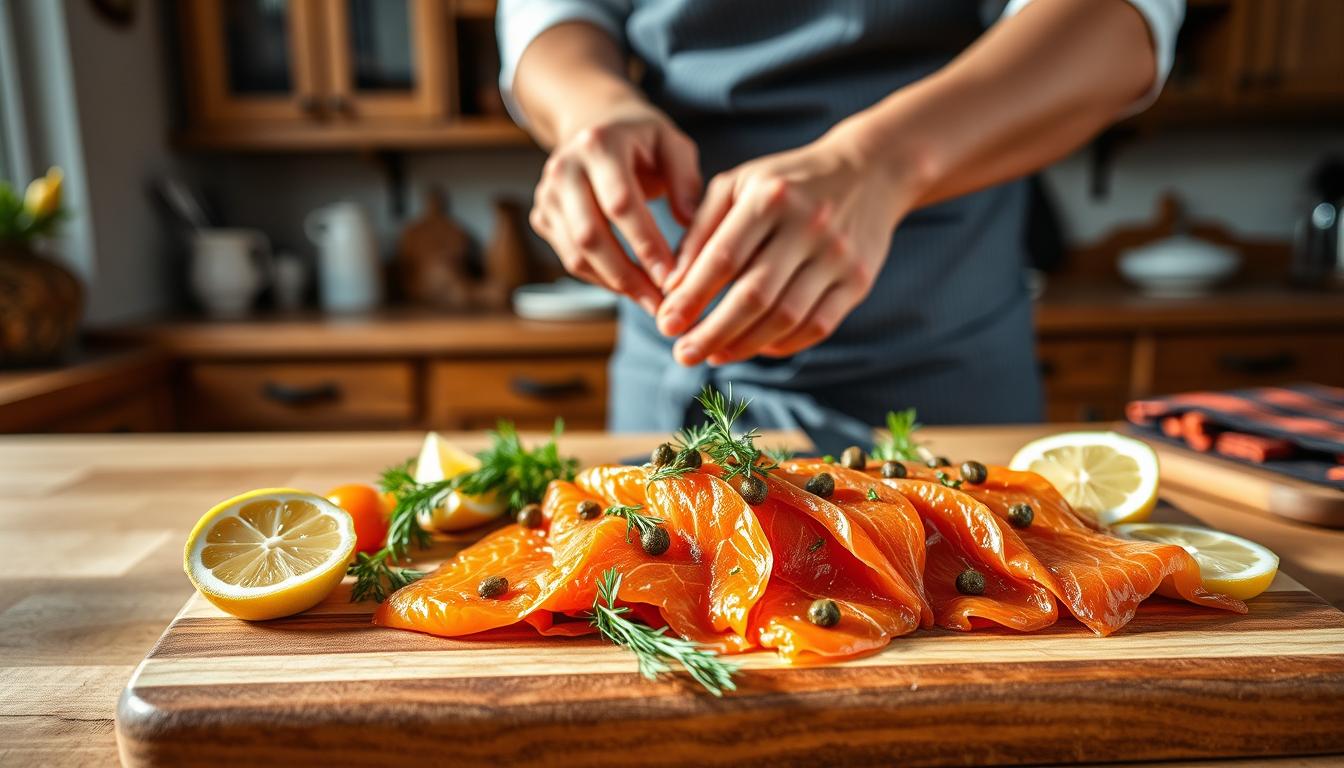
Turn your smoked salmon into a stunning centerpiece for any event. Place it on a large wooden board or ceramic platter. You can fold it neatly or break it into chunks, depending on your preference.
Surround the salmon with colorful, tasty sides. Use small bowls or sections for:
- Cream cheese, crème fraîche, and herb-infused cheese spreads
- Capers, cornichons, and pickled vegetables
- Thinly sliced red onions and fresh dill sprigs
- Lemon wedges and cherry tomatoes
- Sliced cucumbers and quartered hard-boiled eggs
- Assorted breads, crackers, and crostini
- Fresh greens like arugula or watercress for color
This setup lets guests create their own perfect bites. It’s a classy way to serve smoked salmon without the hassle of last-minute prep.
Unique Recipe Ideas to Try
Try new recipes to make your smoked salmon even more exciting. These ideas will turn your dish into a hit at any event.
| Recipe Idea | Preparation Method | Best Occasion |
|---|---|---|
| Deviled Eggs | Mix egg yolks with cream cheese, Dijon mustard, and minced smoked salmon. Pipe into egg white halves and garnish with dill | Appetizers, Brunches |
| Cucumber Bites | Top cucumber rounds with herbed cream cheese and small pieces of smoked salmon | Parties, Receptions |
| Pinwheels | Spread cream cheese and salmon on tortillas, roll tightly, and slice into pinwheels | Potlucks, Casual Gatherings |
| Bruschetta | Layer crostini with avocado, smoked salmon, and microgreens for a smoked salmon appetizer with modern flair | Cocktail Parties, Dinners |
| Scrambled Eggs | Fold smoked salmon pieces into scrambled eggs with cream cheese and fresh chives | Breakfast, Brunch |
| Frittata | Bake eggs with smoked salmon, cream cheese, and chives for an elegant entree | Brunch, Light Dinners |
Each recipe offers a new twist on smoked salmon. Deviled eggs add protein and sophistication. Cucumber bites are refreshing for summer. Pinwheels are great for parties. Bruschetta makes your salmon taste like a restaurant dish. Breakfast dishes are perfect for morning meals.
Try these ideas to find your favorite ways to enjoy smoked salmon. Its versatility means you’ll always have new presentation options.
Common Mistakes to Avoid When Smoking Salmon
Creating a great smoked salmon recipe needs careful attention. Many home smokers face the same issues that stop them from getting top-notch results. Knowing these common mistakes helps you avoid disappointment and master the smoking process.
Over-Brining Issues
Getting the brining time and salt ratio right is a big challenge. If you brine your salmon too long or use too much salt, it can turn out too salty. It might also become mushy or too firm.
Watch for these signs of over-brining:
- A very hard pellicle that forms on the surface
- Flesh that appears translucent or “cooked” from the salt
- Taste remains salty even after rinsing thoroughly
Here are some brining guidelines for your smoked salmon recipe:
| Brining Method | Recommended Time | Key Consideration |
|---|---|---|
| Dry Brining | 8-12 hours | Use for standard fillets |
| Wet Brining | 4-6 hours | Maintains moisture better |
If you over-brine your salmon, soak it in fresh cold water for 30 to 60 minutes before smoking. This helps remove excess salt and can save your batch.
Temperature Mismanagement
Controlling temperature is key for any smoked salmon recipe. Different smoking methods need different temperature ranges. Getting this wrong can ruin your fish.
Common temperature problems include:
- Cold smoking above 90°F starts cooking the fish instead of just smoking it
- Hot smoking temperatures above 275°F cause proteins to seize, making the salmon dry and tough
- Temperatures in the danger zone (40°F to 140°F) for too long risk bacterial growth
Invest in a reliable meat thermometer to monitor both your smoker and the salmon’s internal temperature. Make temperature adjustments gradually and stay patient. Small changes can make a big difference in your smoked salmon recipe.
Flavor Imbalances
Your smoked salmon recipe can taste bitter or unpleasant if smoke flavor overwhelms the fish. This happens when you use too much wood, smoke for too long, or don’t provide proper airflow in your smoker.
Keep these flavor tips in mind:
- Use wood sparingly for subtle smoke flavor that complements the fish
- Avoid green or treated wood that produces acrid, unpleasant smoke
- Balance seasonings carefully so no single flavor dominates
- Never use burned or overheated wood in your smoker
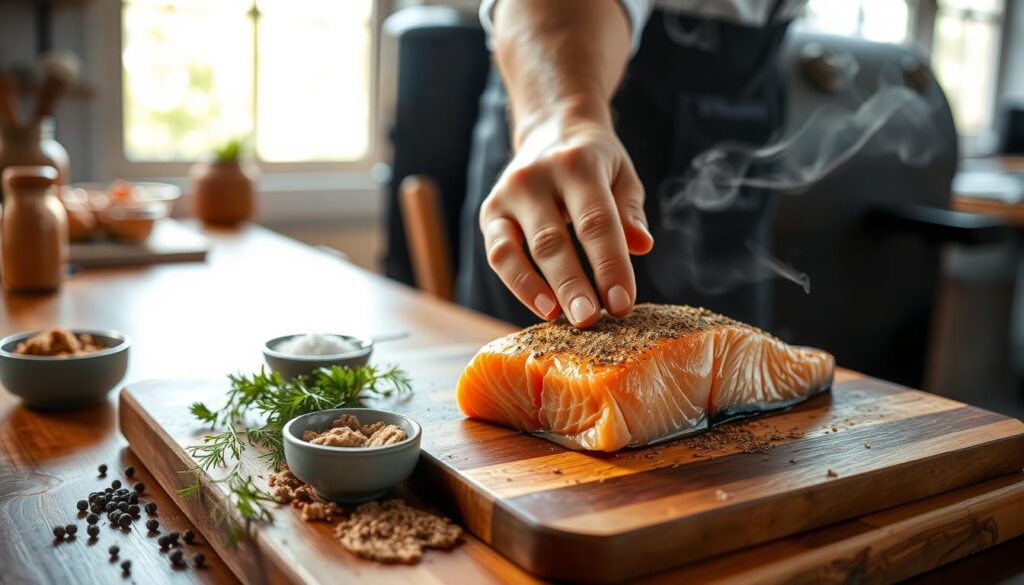
“You want a subtle smoke flavor that complements the natural taste of the salmon.”
By understanding these common mistakes, you’ll troubleshoot problems before they occur. You’ll gain confidence in your smoked salmon recipe and produce consistently excellent results every time you smoke salmon.
How to Store Leftover Smoked Salmon
After smoking your salmon, it’s important to store it right. This keeps it fresh for days or weeks. The way you store it affects its taste and quality.
Best Practices for Refrigeration
Let your salmon cool down to room temperature before storing. Don’t leave it out for more than two hours. Wrap it tightly in plastic wrap or foil, pressing out air to prevent drying.
Place it in the coldest part of your fridge. The back of the bottom shelf is best. Hot-smoked salmon lasts 5-7 days. Cold-smoked salmon can last 2-3 weeks because of its salt and moisture.
Before eating, check for spoilage. If it smells bad, feels slimy, or looks off, throw it away. Slice only what you need to keep it fresh.
Freezing Smoked Salmon
Freezing is a great way to keep your salmon for months. Cut it into portions for easy thawing later.
Wrap each portion in plastic wrap, then in foil or a freezer bag. Remove air to prevent freezer burn. Vacuum sealers are best for up to 6 months. Always label your packages with the date and smoking method.
| Storage Method | Temperature | Duration | Best For |
|---|---|---|---|
| Refrigeration (Hot-Smoked) | 38-40°F | 5-7 Days | Short-term storage |
| Refrigeration (Cold-Smoked) | 38-40°F | 2-3 Weeks | Extended fridge storage |
| Freezer (Standard Wrap) | 0°F or Below | 3 Months | Long-term preservation |
| Freezer (Vacuum Sealed) | 0°F or Below | 6 Months | Maximum freshness |
To thaw frozen salmon, put it in the fridge overnight. This method keeps it better than quick thawing. Never refreeze it again. Once thawed, eat it within 2-3 days.
- Cool salmon to room temperature before storing
- Wrap tightly in plastic wrap and aluminum foil
- Store in the coldest refrigerator section
- Cut portions before freezing for convenience
- Label frozen packages with dates
- Use vacuum sealer for extended freezer life
- Thaw in refrigerator overnight
- Check for spoilage before consuming
With these tips, your smoked salmon stays delicious and safe. Proper storage means you’ll always have tasty salmon ready.
Exploring Smoked Salmon Recipes Beyond the Basics
Smoked salmon is more than just for appetizers. It can be the star of main courses and creative dishes. These ideas will wow your family and friends.
Smoked Salmon Pasta Ideas
Smoked salmon pasta is perfect for elegant dinners. Try creamy fettuccine Alfredo with hot-smoked salmon, peas, and fresh dill. The smoky flavor pairs well with the buttery sauce.
For something lighter, try angel hair pasta with olive oil, garlic, cherry tomatoes, and capers. Top it with cold-smoked salmon. Another favorite is penne with lemon cream sauce, asparagus, and smoked salmon for a fresh taste.
- Use 4-6 ounces of smoked salmon per pound of pasta
- Add salmon toward the end of cooking to prevent toughness
- Reserve pasta water to adjust sauce consistency
- Pair with fresh herbs like dill or tarragon
Unique Salads Featuring Smoked Salmon
Smoked salmon salads make great lunches and dinners. Create a Niçoise salad with mixed greens, smoked salmon, hard-boiled eggs, green beans, cherry tomatoes, olives, and capers. Dress it with lemon vinaigrette.
For a bright flavor, try an arugula salad with shaved fennel, orange segments, and citrus dressing. A Scandinavian potato salad with smoked salmon, dill, and sour cream dressing adds Nordic flair. Grain bowls with quinoa, roasted vegetables, avocado, and smoked salmon with tahini dressing are nutritious and filling.
Creative Sandwich Combinations
Smoked salmon is great in sandwiches too. Try it on sourdough with avocado, cucumber, and sprouts for a modern take. Open-faced rye sandwiches with butter, salmon, and pickled onions offer classic charm. Pressed paninis with smoked salmon, Brie cheese, and fig jam mix sweet and savory perfectly.
Tea sandwiches on white bread with cucumber, cream cheese, and salmon are perfect for gatherings. Smoked salmon clubs with bacon, lettuce, tomato, and aioli are great for those with bigger appetites.
Conclusion: Enjoy Your Smoked Salmon Adventure!
You’ve learned how to make easy smoked salmon at home. You know about different types, brining, and smoking. Now, you can make delicious smoked salmon for your loved ones.
Your recipe makes 6 to 8 servings from a 2 to 3 pound salmon. It takes about 30 minutes to prepare. Brining and pellicle formation take longer, but smoking is quick.
Each serving has 140 calories, 20 grams of protein, and 6 grams of fat. It also has 600 milligrams of sodium and 2 grams of carbs. Plus, it’s packed with omega-3s, vitamin D, and vitamin B12.
Experimentation Opens New Possibilities
Now, it’s time to try new flavors. Use different woods and spices to find your favorite. Try glazes and regional flavors for more taste.
Keep notes on what works best for you. Each batch teaches you something new. Adjust recipes to your liking.
Share Your Creations with Others
Sharing your smoked salmon is rewarding. Host a tasting event or share on social media. Your creations inspire others and add to the tradition of smoked salmon.
Feel confident in your ability to make this dish. Enjoy every step and every bite. You’ve mastered a technique that connects you to history.