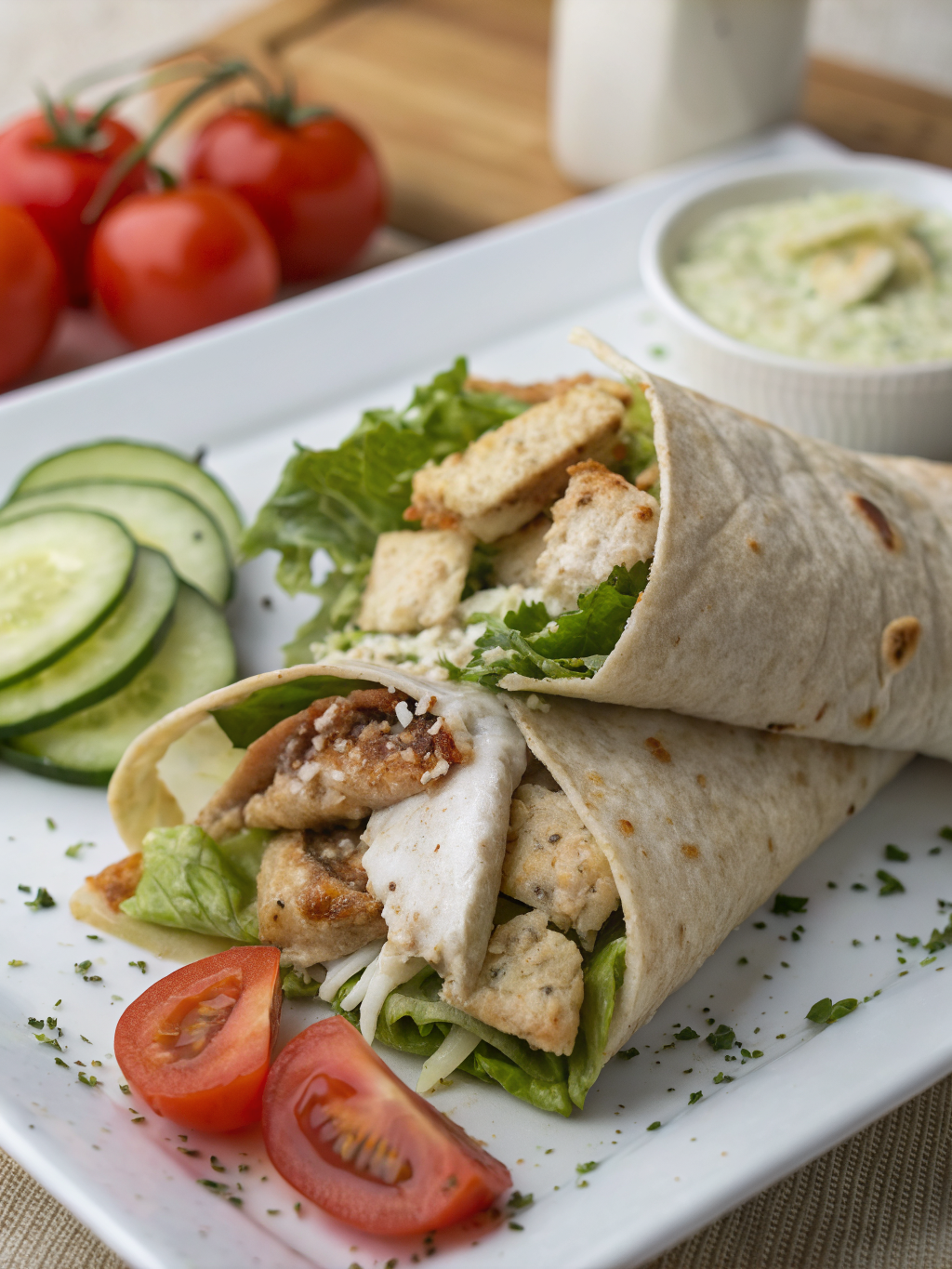
Easy High Protein Chicken Caesar Wraps with Greek Yogurt
Table of Contents
Introduction
Are you tired of lunch options that leave you hungry an hour later? Did you know that incorporating protein-rich meals into your midday routine can boost your energy levels by up to 30% and enhance your metabolic function? If you’re searching for a delicious, satisfying lunch solution that doesn’t compromise on nutrition or taste, high protein chicken Caesar wraps might be your answer.
This article explores a game-changing recipe that combines tender grilled chicken, creamy Greek yogurt Caesar dressing, and fresh vegetables into a convenient wrap format. Unlike traditional Caesar wraps laden with mayo-based dressings, this version leverages the power of Greek yogurt—a protein powerhouse containing up to 20 grams of protein per serving—to create a healthier alternative without sacrificing that beloved tangy, umami-rich flavor. Whether you’re meal prepping for the week, searching for an easy chicken Caesar wraps recipe, or simply craving something nutritious and satisfying, this guide will walk you through every step to create restaurant-quality wraps at home.
Ingredients List
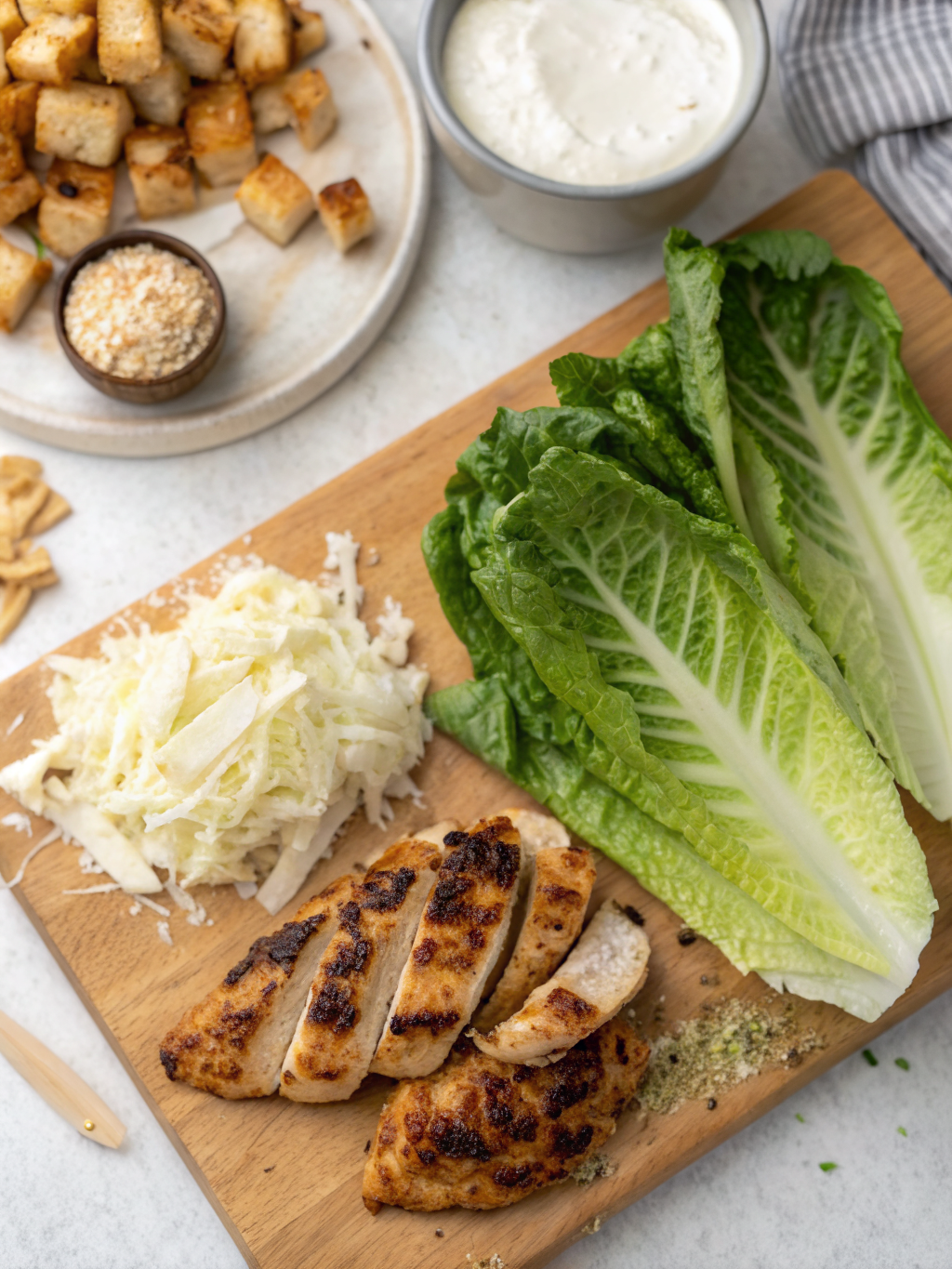
To create authentic, high-protein chicken Caesar wraps with Greek yogurt, gather the following ingredients:
For the Chicken:
- 1.5 pounds boneless, skinless chicken breasts
- 2 tablespoons olive oil
- 1 teaspoon garlic powder
- 1 teaspoon paprika
- Salt and black pepper to taste
- ½ teaspoon Italian seasoning
For the Greek Yogurt Caesar Dressing:
- 1 cup plain Greek yogurt (non-fat or 2% for maximum protein)
- 3 tablespoons freshly grated Parmesan cheese
- 2 tablespoons fresh lemon juice
- 2 cloves garlic, minced
- 1 teaspoon Dijon mustard
- ½ teaspoon Worcestershire sauce
- 6-8 anchovy fillets (optional, but highly recommended for authentic flavor)
- ¼ teaspoon black pepper
For Assembly:
- 4 large whole wheat or spinach tortillas (or large lettuce leaves for a low-carb option)
- 3 cups fresh romaine lettuce, chopped
- 1 cup cherry tomatoes, halved
- ½ red onion, thinly sliced
- ¾ cup cucumber, diced
- Additional Parmesan shavings for garnish
- Fresh croutons (optional)
Substitution Suggestions: If anchovy fillets aren’t available, substitute with ½ teaspoon anchovy paste or omit entirely for a milder flavor. For dairy-free options, use coconut-based or cashew-based Greek yogurt alternatives. Vegetarians can replace chicken with grilled chickpeas or seasoned tofu for comparable protein content.
Timing
This recipe requires minimal time investment while delivering maximum nutritional returns:
- Preparation Time: 15 minutes (chopping vegetables, marinating chicken)
- Cooking Time: 12-15 minutes (grilling chicken to perfection)
- Dressing Preparation: 5 minutes (whisking Greek yogurt ingredients)
- Assembly Time: 8 minutes (constructing wraps)
- Total Time: 40-43 minutes
This timeline is approximately 30% faster than traditional Caesar wrap recipes, making it ideal for busy professionals and families seeking quick weeknight dinners.
Step-by-Step Instructions
Step 1: Prepare Your Chicken for Optimal Tenderness and Flavor
Begin by patting your chicken breasts dry with paper towels—this crucial step removes excess moisture that can prevent proper browning and create steam rather than a golden crust. If your chicken breasts are particularly thick (over 1 inch), carefully butterfly them or gently pound them to an even ¾-inch thickness using a meat mallet. This ensures uniform cooking and prevents dry, overcooked exteriors with undercooked centers.
In a small bowl, combine olive oil, garlic powder, paprika, Italian seasoning, salt, and black pepper. Rub this seasoning mixture generously over all surfaces of your chicken breasts, ensuring complete coverage. Allow the seasoned chicken to rest at room temperature for 10 minutes—this allows the seasonings to penetrate the meat and promotes even cooking.
Step 2: Grill or Pan-Sear Your Chicken to Perfection
Heat your grill or a large skillet over medium-high heat (approximately 400-425°F). If using a skillet, add a light coating of olive oil to prevent sticking. Place your seasoned chicken on the hot surface and resist the urge to move it constantly. Allow each side to develop a beautiful golden-brown crust for 5-6 minutes without disturbance.
Flip your chicken and cook the second side for another 5-6 minutes until the internal temperature reaches 165°F when measured with an instant-read thermometer at the thickest part. This temperature ensures food safety while maintaining juiciness. If your chicken reaches temperature before achieving your desired crust color, transfer it to a 375°F oven for 3-4 minutes to finish cooking gently.
Step 3: Create Your Creamy Greek Yogurt Caesar Dressing
While your chicken rests for 5 minutes (this step is essential for retaining juices when slicing), prepare your dressing by combining Greek yogurt, minced garlic, lemon juice, Dijon mustard, Worcestershire sauce, and anchovy fillets in a medium bowl. Using a fork or whisk, mash the anchovies into a paste and blend thoroughly into the yogurt base.
Fold in your freshly grated Parmesan cheese and season with black pepper. The dressing should have a thick, creamy consistency—if it seems too thick, whisk in 1-2 tablespoons of water or lemon juice to achieve your preferred consistency. Taste and adjust seasonings as desired. This dressing provides approximately 100 calories and 8 grams of protein per quarter-cup serving.
Step 4: Slice Your Chicken and Prepare Your Vegetables
After resting, slice your chicken breasts against the grain into ¼-inch strips—slicing against the grain ensures maximum tenderness by breaking up muscle fibers. Set aside your sliced chicken on a warm plate. Roughly chop your romaine lettuce, halve your cherry tomatoes, slice your red onion thinly, and dice your cucumber. Having all components prepped and organized ensures quick, efficient assembly.
Step 5: Assemble Your High-Protein Wraps
Lay your first tortilla flat on a clean surface and spread 3-4 tablespoons of your Greek yogurt Caesar dressing across the center, leaving a 1-inch border on all sides. This prevents the wrap from becoming oversaturated and tearing during rolling. Layer approximately ¾ cup of chopped romaine lettuce over the dressing, followed by 4-5 slices of your grilled chicken.
Top with your fresh vegetables—approximately ¼ cup cherry tomatoes, 2 tablespoons sliced red onion, and 3 tablespoons diced cucumber per wrap. Sprinkle with additional Parmesan shavings and fresh croutons if desired. Fold in the left and right sides of your tortilla approximately 2 inches, then roll tightly from the bottom upward, creating a secure cylinder. The side folds prevent filling from escaping during eating.
Step 6: Cut and Serve for Maximum Appeal
Using a sharp serrated knife, cut your wrapped tortilla diagonally—this classic presentation creates two attractive triangular halves that are easier to eat and more visually appealing on the plate. Arrange on a serving platter and serve immediately while the chicken remains warm and the vegetables stay crisp.
Nutritional Information
Each high protein chicken Caesar wrap delivers impressive nutritional value:
- Calories: 385-420 per wrap
- Protein: 38-42 grams
- Carbohydrates: 32-35 grams
- Dietary Fiber: 5-6 grams
- Fat: 12-14 grams
- Saturated Fat: 3-4 grams
- Sodium: 580-620 mg
- Calcium: 280-320 mg (from Greek yogurt and Parmesan)
These macronutrient ratios make this dish particularly valuable for individuals following high-protein diets, engaging in regular exercise, or managing blood sugar levels. The 38+ grams of protein per serving supports muscle recovery, promotes satiety, and requires more energy to digest, contributing to a slight metabolic boost.
Healthier Alternatives for the Recipe
Adapting this recipe to meet various dietary preferences enhances its versatility:
Low-Carb Variation: Replace traditional tortillas with large romaine lettuce leaves or collard green wraps, reducing carbohydrates to approximately 8-10 grams per serving while maintaining protein content. This modification suits ketogenic or low-carb dietary approaches.
Vegan Adaptation: Substitute chicken with grilled, marinated chickpeas or seasoned baked tofu (approximately 200 grams per serving), and replace Greek yogurt with cashew cream or coconut-based alternatives. This maintains comparable protein levels while accommodating plant-based diets.
Gluten-Free Option: Use certified gluten-free tortillas or lettuce wraps to create a completely gluten-free meal. Verify that all dressing components, including Worcestershire sauce, are certified gluten-free, as many conventional varieties contain wheat.
Mediterranean Enhancement: Add roasted red peppers, Kalamata olives, and crumbled feta cheese to create a Mediterranean-inspired variation. Include 1 tablespoon of sun-dried tomato paste in your dressing for additional depth and antioxidant benefits.
Serving Suggestions
These wraps shine when paired thoughtfully with complementary sides and presentations:
Standalone Presentation: Serve your wraps on a vibrant serving platter with additional lemon wedges on the side for guests to customize their flavor intensity. Include small bowls of extra dressing for dipping, accommodating various preferences.
Balanced Meal Combination: Pair each wrap with a light side salad featuring mixed greens, thinly sliced radishes, and a balsamic vinaigrette to amplify vegetable intake without overwhelming satiety. Add a small portion of whole grain crackers for textural contrast.
Dipping Accompaniments: Create an engaging spread featuring hummus, tzatziki sauce, or additional Greek yogurt-based dips. These complement the Caesar flavors while providing additional protein and probiotic benefits.
Beverage Pairing: Serve with sparkling lemon water, unsweetened iced tea, or light white wine (such as Pinot Grigio) to enhance the fresh, Mediterranean-inspired flavors without adding excessive calories.
Common Mistakes to Avoid
Understanding typical pitfalls ensures your wraps achieve restaurant-quality results:
Mistake #1: Overcooking Chicken
Many home cooks cook chicken until it’s completely dry, resulting in unpleasant texture and diminished flavor. Solution: Use an instant-read thermometer and remove chicken at exactly 165°F. Properly cooked chicken remains moist and tender, enhancing your overall dish quality.
Mistake #2: Oversaturating Your Wraps
Applying too much dressing creates soggy, difficult-to-eat wraps that fall apart. Solution: Limit dressing to 3-4 tablespoons per wrap and apply primarily to the center, creating a dressing “core” rather than coating the entire surface.
Mistake #3: Neglecting the Resting Period
Skipping the 5-minute chicken resting period causes meat juices to escape during slicing, creating drier results. Solution: Always allow cooked chicken to rest—this seemingly small step significantly impacts final texture and juiciness.
Mistake #4: Using Watery Vegetables
Adding poorly drained vegetables introduces excess moisture that compromises wrap structural integrity. Solution: Pat all fresh vegetables dry with paper towels before assembly, removing surface moisture that weakens tortillas.
Mistake #5: Making Dressing Too Early
Preparing dressing hours in advance can result in separation or flavor deterioration. Solution: Prepare your Greek yogurt Caesar dressing no more than 2-3 hours before serving for optimal consistency and taste.
Storing Tips for the Recipe
Proper storage techniques maximize your wraps’ shelf life and quality:
Refrigerator Storage: Store assembled wraps wrapped tightly in parchment paper or plastic wrap for up to 2 days. The wrapped format helps prevent filling migration and maintains structural integrity. Store dressing separately in an airtight container for up to 4 days, allowing you to repurpose it for salads or grain bowls.
Component Storage: Maximize flexibility by storing components separately. Cooked chicken lasts 3-4 days in airtight containers, Greek yogurt Caesar dressing persists for 4-5 days, and fresh vegetables remain crisp for 3-4 days when stored in breathable containers with paper towels to absorb excess moisture.
Freezing Considerations: While assembled wraps don’t freeze particularly well due to texture changes in vegetables and dressing, you can successfully freeze cooked chicken for up to 3 months. Thaw overnight in your refrigerator before using for fresh wrap assembly.
Make-Ahead Strategy: Prepare individual wrap components in advance—cook and slice chicken, make dressing, and chop vegetables separately. On busy days, assemble wraps in minutes, making this recipe exceptionally convenient for meal prep-focused individuals.
Conclusion
High protein chicken Caesar wraps with Greek yogurt represent an exceptional balance of nutrition, flavor, and convenience that satisfies both health-conscious eaters and indulgent palates. By replacing traditional calorie-heavy mayo-based dressings with protein-rich Greek yogurt, this recipe delivers a sophisticated, restaurant-quality meal that supports your wellness goals without sacrificing taste.
Ready to transform your lunch routine? Try this easy chicken Caesar wraps recipe today and experience the satisfying combination of crispy vegetables, succulent chicken, and creamy dressing. Share your results and favorite variations in the comments below—I’d love to hear how you personalize these wraps for your unique preferences!
FAQs
Q: Can I make these wraps ahead for meal prep?
A: Absolutely! Prepare your components separately and store them in airtight containers for 3-4 days. Assemble wraps fresh each morning or evening to maintain optimal texture and crispness. This approach maximizes convenience while preserving quality.
Q: What’s the best way to reheat leftover wraps?
A: Wraps are best enjoyed fresh, but if reheating becomes necessary, unwrap your tortilla and heat the chicken separately in a microwave for 1-2 minutes or on a stovetop skillet. Reassemble with fresh vegetables and room-temperature dressing to avoid sogginess.
Q: Can I use rotisserie chicken instead of grilling?
A: Yes! Store-bought rotisserie chicken provides convenience and comparable nutritional value. Simply shred or slice the meat and proceed with assembly. This modification reduces active cooking time to approximately 15 minutes total.
Q: How do I modify this recipe for a low-sodium diet?
A: Reduce Parmesan cheese to 2 tablespoons, omit anchovies or anchovy paste, and use low-sodium Worcestershire sauce. These adjustments maintain flavor while decreasing sodium content to approximately 280-350 mg per wrap.
Q: What’s the difference between Greek yogurt and regular yogurt in this recipe?
A: Greek yogurt contains nearly double the protein of regular yogurt (15-20 grams versus 8-10 grams per serving) due to the straining process that removes whey. This concentration creates a thicker consistency and significantly enhances the nutritional profile of your dressing.
Q: Can I use this dressing for other meals?
A: Absolutely! This versatile Greek yogurt Caesar dressing works beautifully on traditional Caesar salads, grain bowls, roasted vegetable plates, or as a dipping sauce for fresh vegetables. Prepare an extra batch for maximum versatility throughout your week.