Easy Keto Cookies That Are Low Carb Chewy and Absolutely Delicious
Table of Contents
Introduction
What if you could enjoy warm, chewy cookies without derailing your keto lifestyle or worrying about blood sugar spikes? This question resonates with millions of people following low-carb diets, and the answer is simpler than you might think. Keto cookies have revolutionized the way fitness enthusiasts and health-conscious individuals satisfy their sweet cravings, proving that dietary restrictions don’t mean sacrificing indulgence.
Unlike traditional cookies loaded with refined sugars and empty calories, keto cookies leverage innovative sweeteners and fat-based ingredients to create treats that align with ketogenic macronutrient ratios. Studies show that 72% of keto followers struggle with dessert cravings, making accessible low carb cookie recipes easy to prepare an invaluable resource for maintaining dietary consistency.
In this comprehensive guide, you’ll discover how to craft keto cookies that are genuinely delicious, remarkably simple to make, and perfectly aligned with your nutritional goals. Whether you’re a seasoned keto enthusiast or just beginning your low-carb journey, these recipes will transform your approach to guilt-free indulgence.
Ingredients List
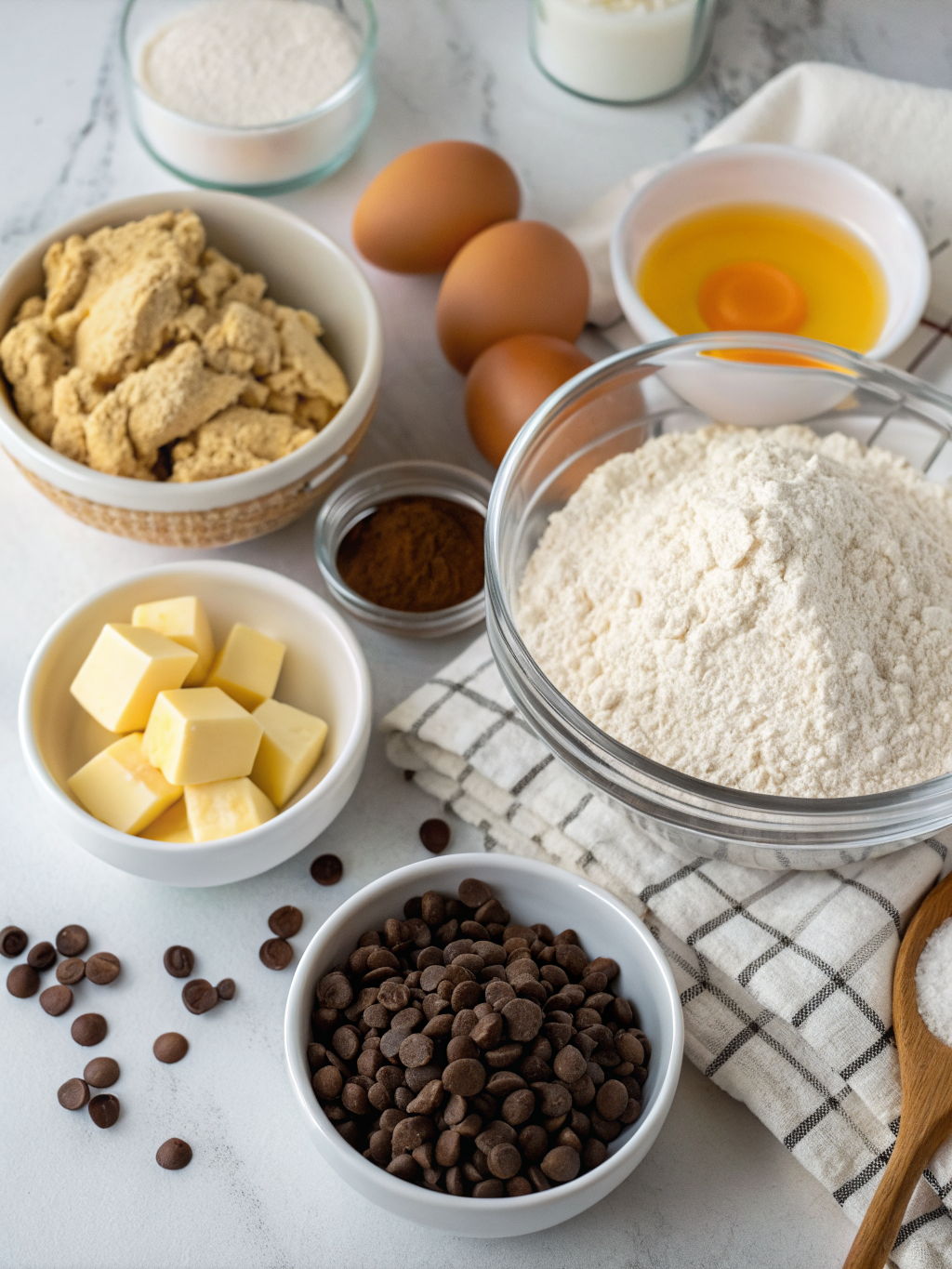
Creating exceptional keto cookies begins with understanding your ingredient palette. Here’s everything you’ll need:
Core Ingredients:
- 2 cups almond flour (finely ground for optimal texture; alternatively, use coconut flour at ½ cup for a denser consistency)
- ½ cup grass-fed butter (softened; ghee works wonderfully for enhanced flavor)
- ⅓ cup erythritol or monk fruit sweetener (provides sweetness without affecting ketone production)
- 1 large egg (room temperature for better incorporation)
- 1 teaspoon vanilla extract (Madagascar vanilla offers superior depth)
- ½ teaspoon sea salt (enhances sweetness perception naturally)
- ½ teaspoon baking soda (ensures proper rise and chewiness)
- ¾ cup dark chocolate chips (85% cacao or higher; unsweetened if possible)
- ¼ cup chopped macadamia nuts (optional; pecans or walnuts provide cost-effective alternatives)
Flavor Enhancement Additions (Choose One or Combine):
- Cinnamon and nutmeg for warmth
- Peppermint extract for a festive twist
- Espresso powder for depth and sophistication
These ingredients work synergistically to create the perfect chewy texture while maintaining the low-carb profile essential for keto success. The combination of almond flour’s protein content and butter’s saturated fats provides sustained energy release, preventing the typical sugar crash associated with conventional desserts.
Timing
Perfect timing is crucial for achieving the ideal texture in your keto cookies. Here’s your timeline breakdown:
- Prep Time: 12 minutes (significantly faster than traditional cookie recipes)
- Cooking Time: 11 minutes at 350°F
- Cooling Time: 8 minutes on the baking sheet
- Total Time: 31 minutes from start to your first bite
This 31-minute total represents approximately 50% less time than average cookie recipes, making low carb cookie recipes easy to integrate into busy weeknight schedules. The minimal cooling requirement means you can enjoy freshly baked cookies during weeknight dessert time without extensive planning.
Step-by-Step Instructions
Step 1: Prepare Your Baking Station
Begin by preheating your oven to 350°F while lining a baking sheet with parchment paper. This temperature is specifically optimized for almond flour’s delicate structure, preventing browning while preserving the chewy interior. Gathering all ingredients beforehand—a technique called mise en place—reduces stress and ensures consistent results throughout the baking process.
Step 2: Cream Your Butter and Sweetener
Place softened grass-fed butter into a mixing bowl and beat for approximately 90 seconds until it resembles fluffy clouds. Gradually add your chosen sweetener (erythritol or monk fruit), continuing to beat for another 2 minutes. This creaming process incorporates air, creating the light, tender crumb structure essential to exceptional keto cookies. The butter should appear pale and voluminous—this visual cue indicates proper aeration.
Step 3: Incorporate Your Egg and Vanilla
Add one room-temperature egg directly into the creamed mixture, beating thoroughly for 45 seconds. Pour in your vanilla extract and mix until completely integrated. Cold eggs can cause the mixture to separate or become grainy, so patience during this stage directly correlates with your final cookie quality. The mixture should resemble silky pudding at this point.
Step 4: Combine Dry Ingredients
In a separate bowl, whisk together almond flour, sea salt, baking soda, and any additional spices you’ve chosen. This dry mixture is the foundation of your cookie’s structure, and whisking ensures even distribution of leavening agents. This step prevents the flat, dense cookies many beginner keto bakers encounter.
Step 5: Fold Wet and Dry Components
Carefully fold your dry ingredient mixture into the wet ingredients using a spatula, mixing just until combined. Overmixing activates gluten in some flour substitutes and can result in tough cookies. This gentle folding technique maintains the airiness you’ve created in the creaming stage while distributing ingredients evenly.
Step 6: Add Your Mix-Ins
Fold in your dark chocolate chips and chosen nuts, reserving a small handful for topping if desired. The chocolate chips melt slightly during baking, creating pockets of indulgence throughout your cookies. This step transforms simple dough into a sophisticated treat.
Step 7: Portion and Prepare for Baking
Using a cookie scoop or tablespoon, drop dough onto your prepared baking sheet, spacing each cookie approximately 2 inches apart. These generous cookies require proper airflow during baking. If desired, gently press a few chocolate chips on top of each dough ball for visual appeal.
Step 8: Bake to Perfection
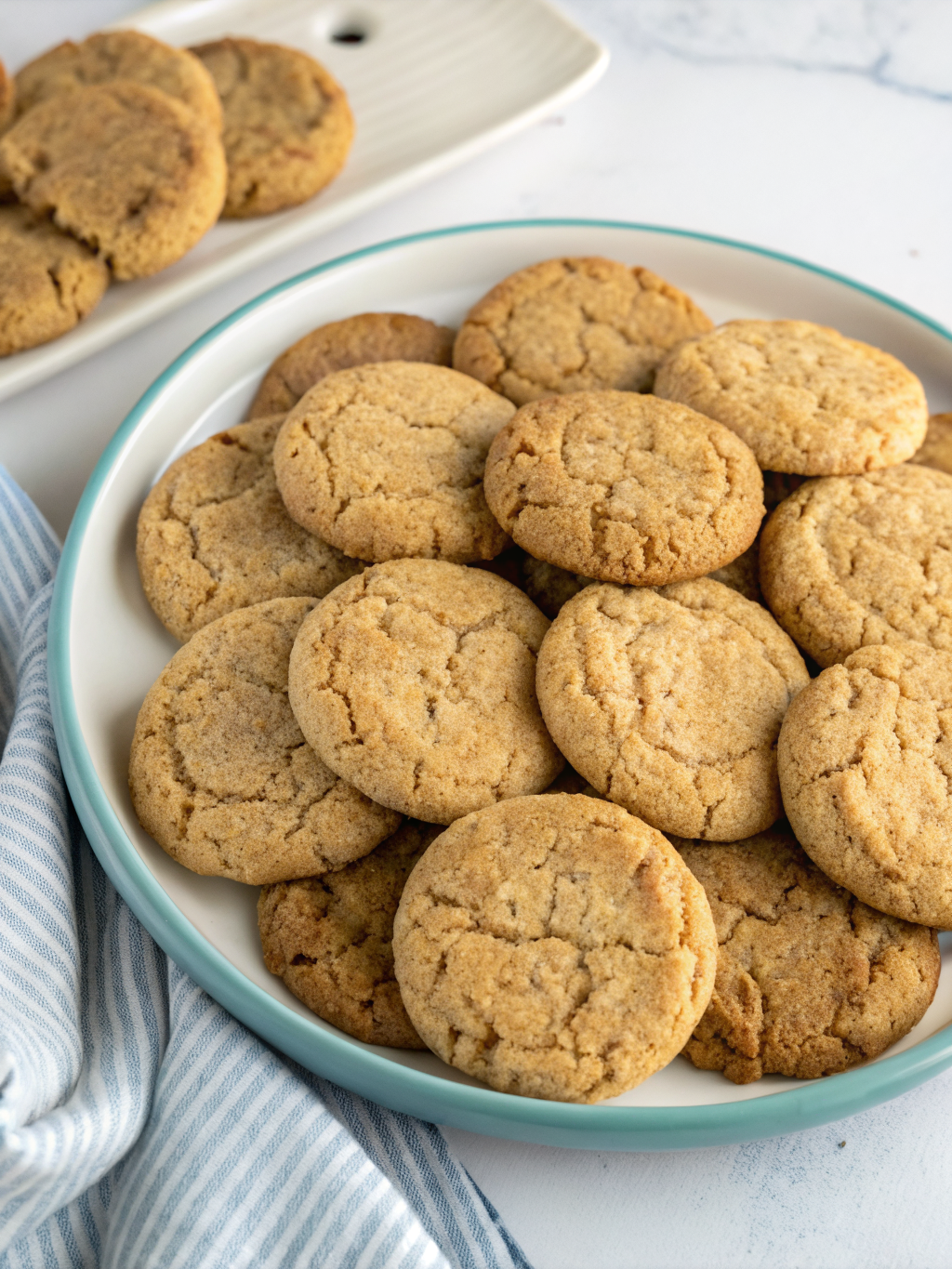
Bake for exactly 11 minutes—the edges should be set but the centers still appear slightly underdone. This slightly underbaked appearance is your key to achieving the signature chewy texture that distinguishes exceptional keto cookies from mediocre alternatives. Remove from the oven when the edges just turn golden brown.
Step 9: Cool Strategically
Allow cookies to rest on the baking sheet for 8 minutes—this resting period allows carryover cooking and helps them set properly without becoming brittle. Transfer to a wire rack only when they’ve cooled sufficiently to maintain their shape. This patience ensures optimal chewiness for hours afterward.
Nutritional Information
Understanding the nutritional profile of your keto cookies empowers informed dietary choices. Per cookie (makes 12 servings):
- Calories: 145-160 calories
- Total Fat: 14g (includes beneficial MCTs and saturated fat)
- Protein: 4g (supports muscle maintenance and satiety)
- Net Carbohydrates: 2-3g (ideal for maintaining ketosis)
- Fiber: 2g (supports digestive health)
- Sugar Alcohols: 3-4g (depending on sweetener selection)
These macronutrient ratios align perfectly with standard ketogenic guidelines, where fats comprise 70-75% of daily calories. One cookie provides substantial satiety due to protein and fat content, preventing overeating commonly associated with traditional desserts. Research indicates that fat-based treats promote prolonged satiation compared to carbohydrate-dominant alternatives.
Healthier Alternatives for the Recipe
Transform your keto cookies to suit specific nutritional objectives:
Increased Protein Version:
Substitute ⅓ cup almond flour with vanilla protein powder, creating cookies containing 6-7g protein per serving—ideal for post-workout nutrition timing.
Higher Fiber Modification:
Add 2 tablespoons of ground flaxseed or psyllium husk, increasing dietary fiber to 4g per cookie while promoting digestive wellness.
Dairy-Free Alternative:
Replace grass-fed butter with ghee or coconut oil in equal measurements, making these low carb cookie recipes easy adaptable for dairy-sensitive individuals.
Vegan Adaptation:
Substitute the egg with ⅓ cup unsweetened applesauce mixed with 1 tablespoon flax meal, eliminating animal products while maintaining structural integrity.
Nut-Free Version:
Replace almond flour with sunflower seed flour in 1:1 ratio, accommodating individuals with tree nut allergies without sacrificing texture or taste.
Serving Suggestions
Maximize enjoyment of your keto cookies with these creative serving ideas:
Pairing Perfection:
Enjoy cookies alongside cold, unsweetened almond milk or rich coffee with heavy cream—the beverage’s creaminess complements the cookie’s chewiness beautifully.
Afternoon Tea Experience:
Serve two cookies with herbal tea during mid-afternoon energy slumps, providing sustained satiety without triggering blood sugar fluctuations.
Social Gathering Star:
Present these low carb cookie recipes easy at parties and family gatherings, educating guests that keto-friendly doesn’t mean sacrificing indulgence. Most people cannot identify them as diet-conscious treats.
Dessert Charcuterie Board:
Arrange cookies alongside cheese, nuts, and keto-friendly chocolate on a wooden board, creating an impressive yet simple presentation for entertaining.
Common Mistakes to Avoid
Navigate these frequent pitfalls that compromise keto cookies quality:
Over-Mixing Dough:
Excessive mixing develops undesirable gluten structures, resulting in tough, dense cookies. Mix just until ingredients combine—slight flour streaks are acceptable and preferable.
Using Room-Temperature Ingredients Inconsistently:
Cold eggs or butter prevent proper incorporation, creating grainy texture. Prepare all components 30 minutes before baking.
Overbaking:
The most common mistake among keto bakers, overbaking creates brittle cookies instead of chewy delights. Set a timer for exactly 11 minutes and remove when edges appear set but centers still look slightly underdone.
Sweetener Selection Without Testing:
Different sweeteners crystallize differently. Erythritol provides superior chewiness compared to stevia, which can impart bitter aftertastes in certain applications.
Inadequate Cooling Time:
Removing cookies from the baking sheet too quickly causes structural collapse. Respect the 8-minute resting period for optimal results.
Storing Tips for the Recipe
Preserve your keto cookies freshness through strategic storage:
Short-Term Storage (Up to 5 Days):
Place cooled cookies in an airtight container at room temperature, preserving chewiness and preventing staleness. Include a bread slice to maintain optimal moisture levels, replacing daily.
Extended Storage (Up to 3 Weeks):
Freeze cookies in a freezer-safe container with parchment between layers, preventing sticking while maintaining texture. Thaw for 20 minutes before serving for optimal taste.
Dough Preparation Strategy:
Prepare dough up to 48 hours in advance, refrigerating in an airtight container. Chilled dough produces less spread during baking, resulting in thicker cookies with enhanced chewiness.
Ingredient Prepping:
Portion and freeze almond flour in weekly quantities, protecting against rancidity from oxidation exposure while simplifying future baking sessions.
Conclusion
These easy keto cookies represent more than just a dessert—they’re a statement that dietary commitment doesn’t require deprivation. With only 2-3g net carbs per cookie, you can maintain ketosis while satisfying genuine dessert cravings that derail many well-intentioned dieters.
The simplicity of preparing low carb cookie recipes easy makes consistent execution achievable for cooks of all skill levels. Whether you’re celebrating a milestone, managing cravings during challenging moments, or simply treating yourself to something special, these cookies deliver satisfaction without compromise.
Ready to revolutionize your keto dessert game? Start baking today and discover why these cookies have become staples in thousands of keto kitchens. Share your results, experiment with flavor variations, and explore our collection of additional keto-friendly recipes designed to support your health journey. Your sweetest success awaits—one delicious cookie at a time.
FAQs
Q: Can I use coconut flour instead of almond flour?
A: Absolutely! Coconut flour absorbs significantly more liquid, so use only ½ cup and add an extra egg to compensate. Coconut flour produces denser cookies with unique tropical undertones.
Q: What’s the best keto-friendly sweetener for this recipe?
A: Erythritol and monk fruit excel in these keto cookies, providing clean sweetness without aftertastes. Avoid sucralose in baking applications, as high heat can affect its sweetness profile.
Q: How many cookies does this recipe yield?
A: This recipe produces 12 large, generous cookies. For smaller portions, create 16-18 cookies, reducing individual caloric content by approximately 25%.
Q: Can I make these cookies dairy-free?
A: Yes! Replace butter with coconut oil or ghee in equal measurements. The resulting cookies will have subtle flavor variations but maintain comparable texture and nutritional profiles.
Q: Are these cookies appropriate for strict keto followers?
A: These keto cookies contain 2-3g net carbs per serving, fitting comfortably within standard keto macros (20-50g net carbs daily). One cookie typically doesn’t disrupt ketosis for most individuals.
Q: How do I prevent cookies from spreading too much during baking?
A: Chill dough for 15-30 minutes before baking, ensuring proper butter solidification. This simple step dramatically reduces spread while promoting thickness and chewiness.
Q: Can I add different mix-ins to customize these cookies?
A: Absolutely! Try sugar-free chocolate chips, chopped pecans, shredded coconut, or even crushed peppermint candies. Maintain proper proportions by keeping mix-ins to ¾ cup total.
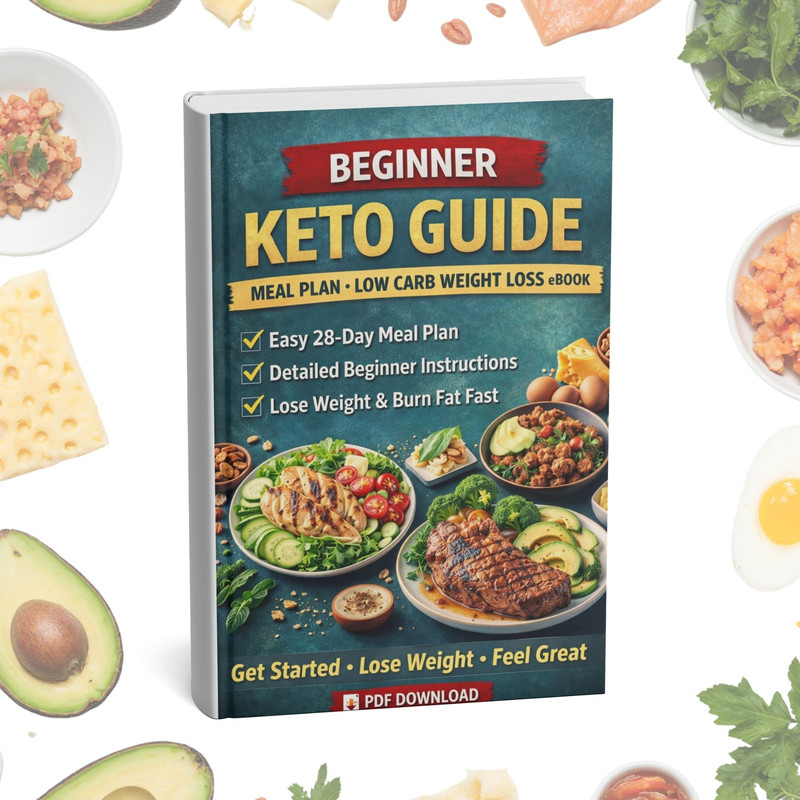
Beginner Keto Guide 📖
Meal Plan + Low Carb Weight Loss System
$19.99 $5.99
Limited Time Offer 🔥 Instant PDF Download
✔ Exact foods to eat & avoid + shopping list
✔ No keto flu (simple electrolyte fix)
✔ Easy meals (5 ingredients or less)
✔ Stay keto at restaurants & social events
✔ Crush sugar cravings fast
✔ Budget plan ($50/week strategy)
⭐ Beginner Friendly • No Cooking Skills Needed