Country Fried Steak: The Ultimate Guide to Cooking It Perfectly
Do you remember that last plate of country fried steak that amazed you? It had a crispy, golden crust and meat so tender it seemed to melt.
For many, finding that perfect bite is the ultimate goal. It can seem hard to achieve at home, but it’s not impossible.
This guide will help you get that perfect result every time. We’ll cover everything from choosing the right tender cut of beef to mastering the seasoned flour and buttermilk soak.
You’ll learn how to get a coating that stays crispy, not greasy. We’ll also talk about the best heat for your cast iron skillet and when your dish is done.
By the end, you’ll be confident in making this comfort food classic. Your guests will be asking for seconds for sure.
Table of Contents
What is Country Fried Steak?
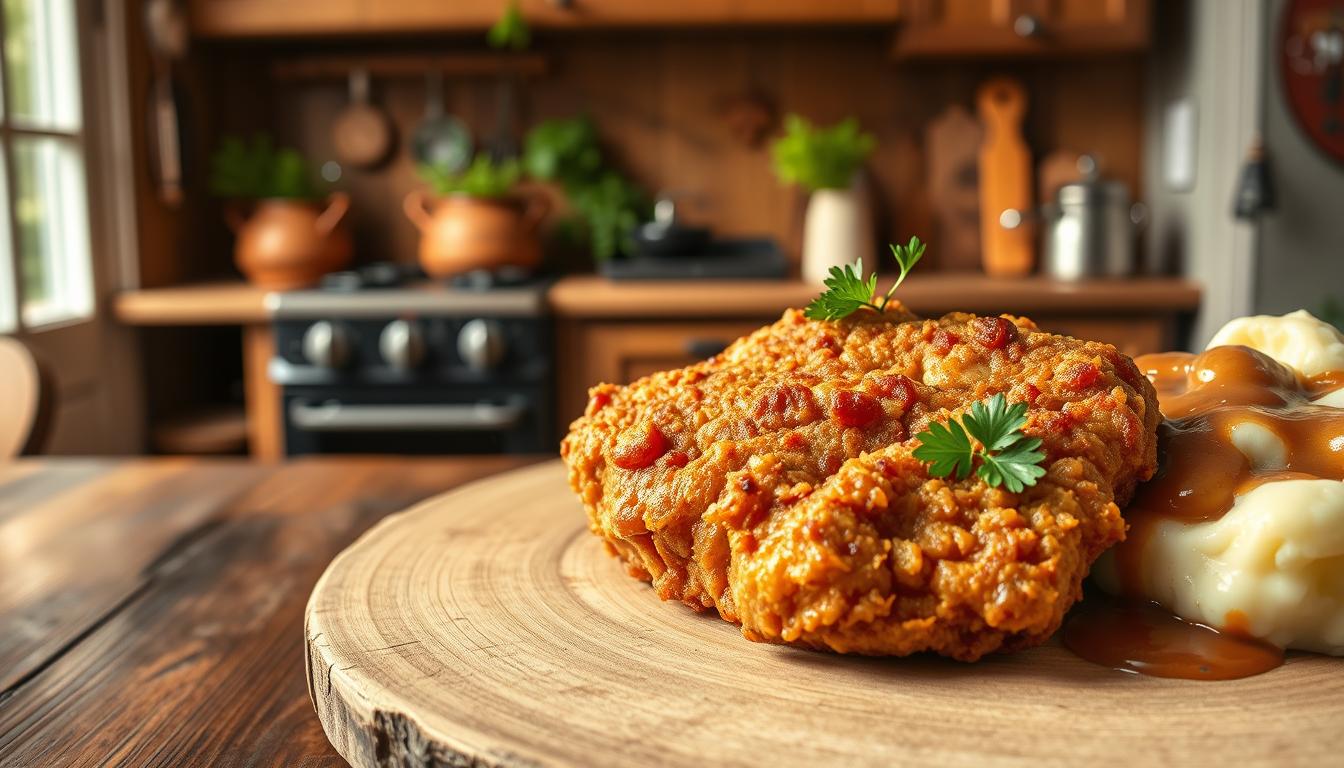
Imagine a thin steak, tenderized, breaded, fried until crispy, and then draped in a rich, peppery gravy—that’s country fried steak. This traditional dish is a cornerstone of Southern American cuisine. It turns an affordable cut of beef into a hearty, satisfying meal. You might hear it called “chicken fried steak,” but there’s a subtle difference. Country fried steak is typically smothered in brown gravy after frying, while chicken fried steak is often served with cream gravy on the side. Both, southern comfort food favorites.
A Brief History of Country Fried Steak
The roots of country fried steak dig deep into the resourceful kitchens of the American South. In the late 19th and early 20th centuries, cooks needed to make tough, inexpensive cuts of meat palatable. They borrowed techniques from European immigrants, like the breading method from German schnitzel. By pounding the meat thin and coating it in flour, they created a tender, crispy entrée. This frugal invention quickly became a staple on farmhouse tables and later in diners across the region. It embodies the spirit of making something delicious from simple, available ingredients.
Ingredients You’ll Need
Gathering your ingredients is the first step to creating this classic meal. The list is refreshingly simple, relying on pantry staples. You will need the following items to prepare authentic country fried steak:
- Cubed Steak: These are pre-tenderized round or chuck steaks, perfect for quick cooking.
- All-Purpose Flour: The base for your breading and often for thickening the gravy.
- Eggs and Milk: Combined to create a wash that helps the flour coating adhere.
- Seasonings: Salt, black pepper, and paprika are essential for flavor.
- Cooking Oil: A neutral oil with a high smoke point, like vegetable or canola oil, for frying.
With these basics, you’re well on your way to crafting a genuine traditional dish.
Regional Variations in Preparation
While the core concept remains the same, country fried steak preparation changes as you travel across the South. The most notable differences lie in the gravy and serving style. In Texas, you’ll often find a peppery white cream gravy, sometimes called “country gravy,” generously poured over the top. Moving eastward, “sawmill gravy” might appear, featuring bits of sausage for added richness. Some areas in the Deep South prefer a brown onion gravy instead. The side dishes also vary, from creamy mashed potatoes to buttery biscuits or collard greens. Exploring these variations is part of the joy of this southern comfort food.
Choosing the Right Cut of Meat
Starting your country fried steak journey means picking the right beef cut. Not all steaks are good for this dish. You want one that’s tasty, tender, and affordable. The right choice makes your steak juicy and satisfying, not tough.
This choice is key to your hearty meal. A good cut, cooked right, will be tender and melt in your mouth. Let’s look at the best cuts and how to prepare them.
Best Cuts for Country Fried Steak
You don’t need expensive steak for country fried. Leaner cuts are better and more affordable. They have great flavor and become tender with the right prep.
- Cube Steak: This is the classic choice. It’s a pre-tenderized top round or sirloin ready to bread and fry.
- Top Round: A budget-friendly cut from the rear leg. It’s lean and tasty but needs tenderizing.
- Top Sirloin: Slightly tenderer than top round, with a strong beef flavor. It’s a good choice for those who like to tenderize.
- Eye of Round: Another lean cut that needs careful tenderizing and slicing for the best texture.
Thickness is important. Aim for steaks about 1/2 to 3/4-inch thick. This ensures even cooking without drying out.
Tips for Tenderizing Your Meat
For cuts not pre-tenderized, like top round or sirloin, tenderizing is essential. You aim to break down tough fibers and connective tissue. You can use mechanical or enzymatic methods.
Mechanical Tenderizing breaks fibers physically. Here’s how to do it:
- Meat Mallet (Pounder): Place the steak between plastic wrap. Pound it evenly until it’s 1/4-inch thick. This helps it cook evenly.
- Jaccard Tool: This device has small blades that pierce the meat. It creates channels without flattening the steak. It’s great for keeping the steak thick.
- Scoring: Make shallow diagonal cuts across the surface. This prevents curling and lets seasonings in.
Enzymatic Tenderizing uses natural or commercial agents to soften the meat chemically.
- Buttermilk Soak: Soaking steak in buttermilk for 4-12 hours is a Southern secret. It breaks down proteins and adds a tang. It’s a great start for a hearty meal.
- Commercial Meat Tenderizers: These powders contain enzymes like papain or bromelain. Sprinkle lightly, as too much can make the meat mushy.
- Natural Fruit Juices: Fresh pineapple or papaya juice can work. A brief marinade of 30 minutes is often enough.
Using both methods often gives the best results. For example, a quick pound followed by a buttermilk soak makes your steak tender and flavorful. This care turns a simple cut into a memorable hearty meal.
Preparing the Meat
Mastering seasoning and tenderizing is key to a great country fried steak. This step is crucial for flavor and tenderness. It ensures every bite is just right, not tough or uneven.
Marinating vs. Dry Seasoning
Choosing how to season the meat is your first big decision. Both methods have their own benefits for homemade cooking.
Marinating involves soaking the steak in a liquid like buttermilk, often with spices. This deeply infuses flavor and tenderizes the meat. It’s ideal if you have a few extra hours.
Dry seasoning is a quick rub of salt, pepper, garlic powder, and paprika. It creates a tasty crust and is great for when time is short. The flavor is immediate and focused on the surface.
The Importance of Pounding the Meat
Pounding your steak is essential. Even the best cut can cook unevenly if it’s too thick. Use a meat mallet or a heavy pan to flatten the steak to about 1/4 to 1/2 inch.
This simple step has big benefits:
- Promotes even cooking: No more burnt edges with a raw center.
- Prevents toughness: It tenderizes the meat by breaking down tough fibers.
- Creates more surface area: This means more room for seasoning and crispy breading.
For successful homemade cooking, never skip the pound. It’s the secret to a steak that’s tender all the way through.
Breading Techniques for Country Fried Steak
A great country fried steak has a crispy, golden-brown crust. This comes from mastering the breading process. The right method keeps juices in and adds crunch with every bite.
Your breading station is key. Organize it before starting for a clean, efficient process.
Traditional Breading Method
The classic three-step dredge is a winner for a reason. It creates layers that fry up into a sturdy crust.
First, coat your seasoned steak in all-purpose flour. Shake off any extra. Then, dip it fully into an egg wash, made with beaten eggs and a bit of milk or water. This wet layer creates a secure bond for the final coat.
Press the steak back into the flour mixture for a crispy coating. Some cooks repeat the egg and flour steps for extra thickness. Let the breaded steak rest for a few minutes on a rack. This helps the coating set and prevents it from sliding off during frying.
Creative Variations on Breading
While the traditional flour dredge is loved, you can try different ingredients for unique textures and flavors. These swaps can add a wonderful crunch and personality to your dish.
Consider mixing one of these into your final breading stage:
- Crushed Saltine Crackers: These create a super flaky, tender-crisp crust with a subtle saltiness.
- Panko Breadcrumbs: Japanese-style panko fries up incredibly light and airy. It delivers an ultra-crunchy, craggy exterior that stays crisp longer.
- Cornmeal: Adding cornmeal, specially stone-ground, introduces a pleasant grit and a sweet, toasty flavor. It creates a wonderfully textured coating.
You can also mix these with your regular flour. A half-and-half mix of flour and panko, for example, gives you the best of both worlds. The goal is to find the crunchy breading that makes your perfect country fried steak.
Cooking Methods for Country Fried Steak
The way you cook your country fried steak affects its texture and taste. You can use a hot pan or deep oil for different results. Knowing these methods helps you pick the best recipe for your taste and kitchen.
Pan-Frying vs. Deep-Frying
Pan-frying is the traditional way. You heat a lot of oil in a heavy skillet, like cast iron. The breaded steak cooks in a single layer, making a golden crust.
This method lets you control the heat well. You can adjust it to avoid burning. Plus, cleaning up is easier than with deep-frying.
Deep-frying means fully submerging the steak in hot oil. It makes the steak maximum crispiness on all sides. The steak cooks fast and evenly in the constant heat.
You need a dedicated fryer or a deep, heavy pot for deep-frying. More oil is needed. The result is a crunchy exterior that many enjoy.
Go for pan-frying for a simpler, everyday meal. Choose deep-frying for that extra-crunchy texture. Both ways can make a great best recipe.
Oven-Baking as a Healthier Option
Oven-baking is a lighter choice. It uses little to no added oil. Place the breaded steak on a wire rack over a baking sheet.
Hot air circulates around the meat. This cooks it evenly and still gives a satisfying crunch. It’s perfect if you’re watching your fat intake.
The benefits of oven-baking include:
- Less mess and splatter in your kitchen.
- A hands-off cooking process once the steak is in the oven.
- A consistently cooked result without the need to flip.
While the crust might be different from frying, it’s still delicious. This method is a healthier way to enjoy a comforting meal. It might become your new favorite way to make this classic dish.
Making the Perfect Gravy
Creating the perfect gravy might seem daunting, but with a few key steps, you’ll achieve a classic favorite that elevates your entire meal. This creamy, savory sauce is more than just a topping; it’s the soul of the dish, soaking into the crispy breading and adding a layer of comforting flavor. Let’s break down how to make a flawless gravy from your pan drippings.
Classic White Gravy Recipe
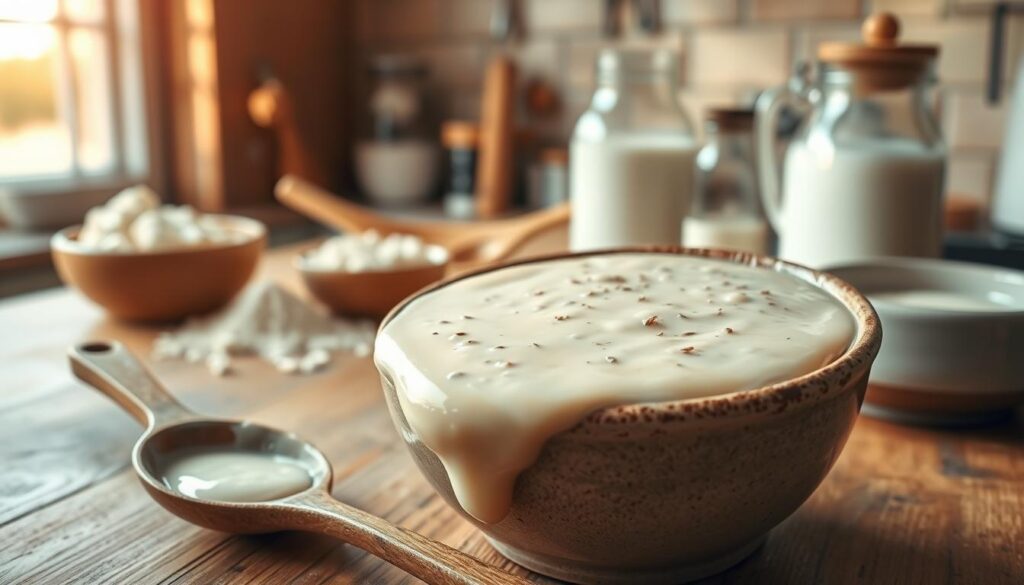
This simple, creamy white gravy, often called cream gravy or country gravy, is the traditional partner for country fried steak. It builds flavor directly from the fond—those tasty browned bits left in the pan after frying your steak.
You will need these ingredients:
- Pan drippings from cooking the steak (about ¼ cup of fat)
- All-purpose flour (¼ cup)
- Whole milk (2 to 2 ½ cups)
- Freshly ground black pepper (1 to 2 teaspoons, to taste)
- Salt (adjust to taste)
Follow these steps for a lump-free, velvety gravy:
- After removing your cooked steaks, keep the pan on medium-low heat. You should have about a quarter cup of oil and drippings. If you have less, add a bit of butter or oil.
- Sprinkle the flour into the hot fat. Whisk constantly for 2-3 minutes. This mixture is called a roux, and it cooks out the raw flour taste while thickening your gravy.
- Slowly pour in the milk, about half a cup at a time, whisking vigorously after each addition. This prevents lumps from forming.
- Continue cooking and whisking until the gravy thickens to your desired consistency. It should coat the back of a spoon.
- Season generously with black pepper and salt. Remember, your steak and drippings are already seasoned, so taste first.
Simmer for another minute or two, then pour it hot over your steaks. This rich, peppery sauce is the classic favorite for a reason.
Variations to Try
Once you master the basic recipe, you can easily customize your gravy to match your mood or menu. These twists keep the meal exciting while honoring its comforting roots.
Sausage Gravy: Before making the roux, brown ½ pound of breakfast sausage (casings removed) in the pan. Remove the cooked sausage, leave the fat, and proceed with the flour. Stir the crumbled sausage back into the finished gravy for a hearty, meaty version.
Mushroom Gravy: Sauté a cup of sliced cremini or button mushrooms in the pan drippings until golden. Remove the mushrooms, make your roux, and add the mushrooms back with the milk. This adds an earthy, umami depth perfect for a more sophisticated twist.
Spicy Peppered Gravy: Kick up the heat by adding a teaspoon of cayenne pepper or a few dashes of hot sauce to the roux along with the black pepper. You can also incorporate a finely diced jalapeño when you cook the roux for an extra punch.
Experimenting with these variations allows you to personalize this classic favorite and discover new family traditions. Whether you stick with the original or try something new, great gravy is the final, delicious touch.
Sides That Pair Well with Country Fried Steak
The sides you choose with your crispy steak can make or break your meal. A good side dish soaks up the flavorful gravy and balances the rich, fried steak. This makes your plate a harmonious mix that satisfies all your cravings.
From classic favorites to modern twists, the right sides can make your meal unforgettable. They add texture, color, and different flavors to each bite.
Southern Classics to Complement Your Meal
For a true taste of the South, try these beloved classics. They’re made to complement the hearty country fried steak.
These sides often have creamy, buttery, or savory flavors. They cut through the richness of the steak.
- Creamy Mashed Potatoes: This is the ultimate gravy vehicle. Fluffy, buttery potatoes create a perfect base for that creamy white gravy.
- Buttery Corn: Sweet corn kernels, often cooked with butter and a pinch of salt, add a delightful sweetness. It contrasts beautifully with the savory, peppery notes of the steak.
- Slow-Cooked Collard Greens: Traditionally prepared with smoked meat, these greens offer a slightly bitter, earthy flavor. They provide a wonderful textural contrast and a dose of nutrients.
- Flaky Buttermilk Biscuits: Warm, homemade biscuits are essential for sopping up every last drop of gravy from your plate. They add a comforting, carb-rich element.
- Fried Okra: Crispy on the outside and tender inside, fried okra doubles down on the satisfying crunch. It’s a fun and flavorful addition.
Healthier Side Options
You can still enjoy southern comfort food with a lighter twist. These alternatives provide freshness and balance without sacrificing flavor.
They introduce vibrant colors and crisp textures to your plate. This makes the meal feel more complete and nutritious.
- Fresh Green Salad: A simple salad with a tangy vinaigrette cuts through the fat of the fried steak. Use crisp greens like romaine or spinach for the best effect.
- Roasted Seasonal Vegetables: Toss carrots, broccoli, or Brussels sprouts with olive oil and herbs. Roasting caramelizes their natural sugars, creating a sweet and savory side.
- Steamed Green Beans: Lightly steamed green beans tossed with a squeeze of lemon and almonds offer a crisp, clean counterpoint. They are quick to prepare and full of freshness.
- Quinoa or Farro Salad: For a hearty yet healthy grain, try a quinoa salad with diced vegetables and a light herb dressing. It adds protein and fiber to your meal.
Mixing one classic side with a healthier option gives you the best of both worlds. You get that comforting feel while keeping the meal balanced and satisfying.
Serving Suggestions and Presentation
The final touch to your homemade dish is how you present it. Thoughtful plating makes a meal memorable. It shows care and makes everyone excited to eat.
Great presentation starts with your dishware and how you arrange things. Follow these tips to make your meal look as good as it tastes.
Plating Tips for a Rustic Appearance
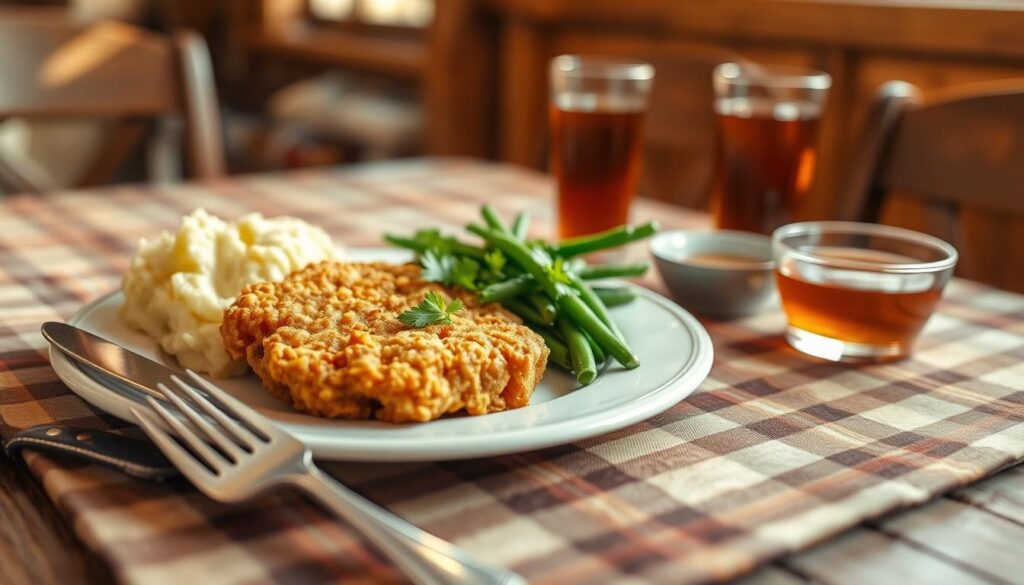
For a country-style feel, use warm, earthy-toned ceramic plates or a simple wooden board. These add a welcoming and authentic touch to your table.
Put your fried steak slightly off-center on the plate. Pour creamy gravy beside it, not on top. This keeps the crispy breading crispy longer.
Arrange your sides neatly. Make a mound of mashed potatoes or put collard greens in a small bowl. Line up asparagus spears or green beans in a row. This organized chaos is rustic charm.
Garnishes to Enhance Flavors
Garnishes do more than look good. A well-chosen garnish adds color and flavor. It’s the perfect finishing touch for your homemade cooking.
Here are a few simple, effective garnishes to try:
- Fresh Parsley: A sprinkle of chopped parsley adds a vibrant green color and a hint of freshness.
- Paprika: A light dusting of smoked or sweet paprika adds a warm red hue and a subtle, smoky depth.
- Cracked Black Pepper: A few coarse grinds right before serving enhance the savory notes visually and on the palate.
- Lemon Wedge: A small wedge on the side offers a bright, acidic contrast that cuts through the rich gravy.
Each garnish adds its own character. Choose one or two that complement your meal. This small step makes your plate look professional and complete.
Troubleshooting Common Issues
Even the most careful recipes can run into problems in the kitchen. Knowing how to fix common issues makes a cook great. With the right solutions, you can make your best recipe perfect every time.
Tips for Avoiding a Tough Steak
A tough country fried steak often comes from the meat or cooking. The trick is to treat the steak right before cooking.
Use a tender cut like cube steak. If it’s tougher, you must tenderize it. Pounding the meat breaks down tough fibers.
Don’t skip the resting time after breading. Letting it sit for 5-10 minutes helps the coating stick and cook evenly.
Keep your oil temperature steady. Too hot oil burns the outside before the inside cooks. Too cool oil makes it greasy. Aim for 350°F to 375°F.
Lastly, don’t overcook. Country fried steak should be juicy. Cook until golden and just done. These steps ensure a tender, tasty steak.
How to Fix Overly Salty Gravy
An overly salty gravy can ruin your dish. But, it’s easy to fix without starting over.
The simplest way is to dilute it. Slowly add unsalted liquid like milk or broth until it’s less salty. You might need to cook it longer to thicken.
If you don’t have extra liquid, use a starch slurry. Mix cornstarch with cold water, then whisk it into the gravy. As it heats, it thickens and reduces saltiness.
For a more detailed fix, balance the flavor. A bit of sugar or lemon juice can balance the salt. Add these in small amounts, tasting as you go.
With these quick fixes, you can save your best recipe. You’ll serve a delicious, balanced meal.
Conclusion: Mastering Country Fried Steak
You’ve made it to the end of your guide on cooking perfect country fried steak. This journey took you from history to plating. Now, you have the skills to make this beloved Southern dish from scratch.
Recap of Key Points
Remember the key steps. Start with a good cut like cube steak. Make sure to tenderize and season your meat well. Use a solid breading station with flour, egg, and crumbs.
Cook your country fried steak in hot oil until it’s golden. Don’t forget the creamy white gravy made from pan drippings.
Encouragement to Experiment in the Kitchen
Your kitchen is your workshop. Now that you know the basics, make the recipe your own. Try adding smoked paprika to the flour.
Use buttermilk in your egg wash. Serve your country fried steak with collard greens or a fresh salad. Each attempt will improve your skill and confidence.