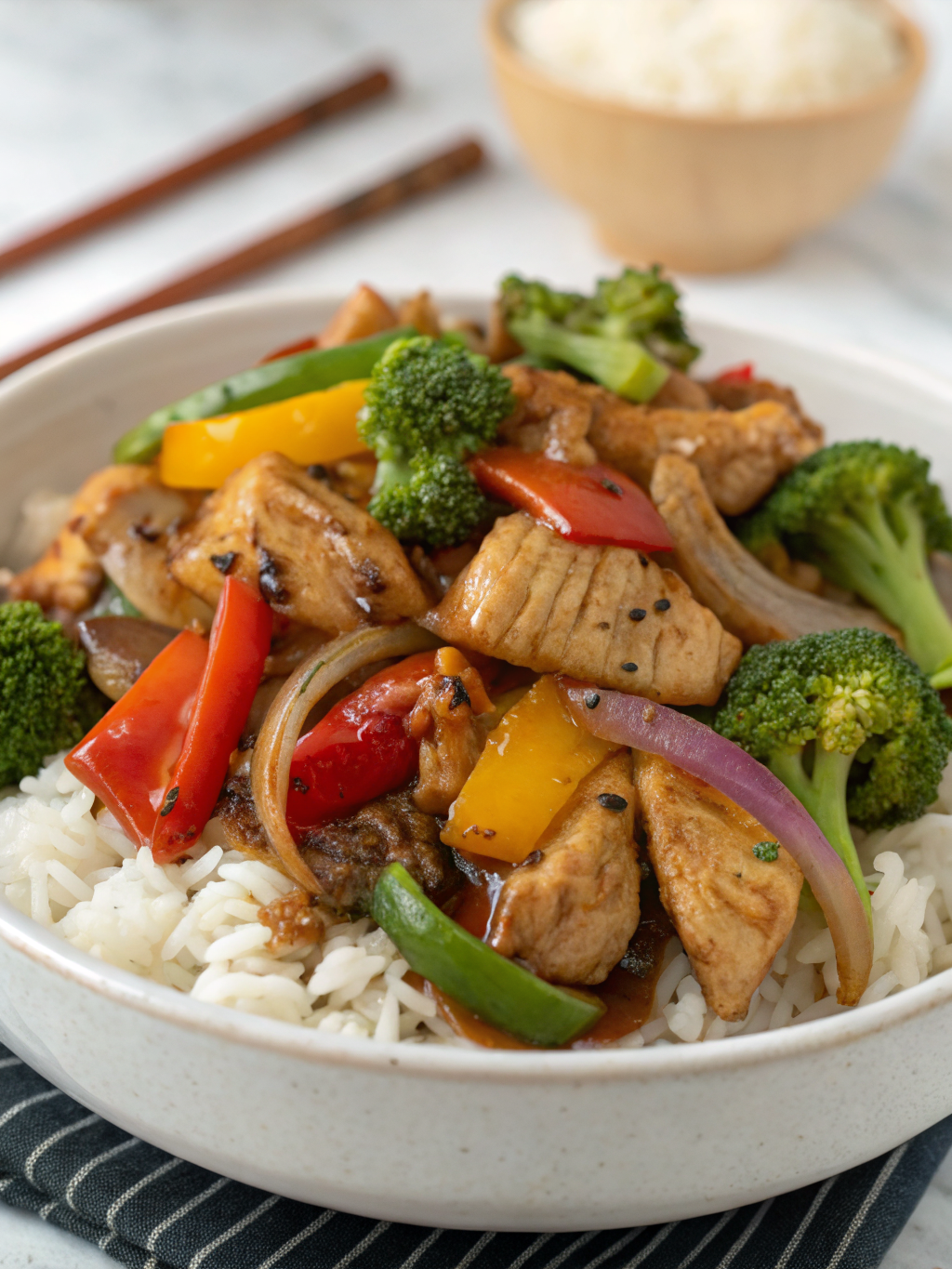
Teriyaki Chicken Stir Fry: Master This Asian-Inspired Favorite in Under 30 Minutes
Table of Contents
Introduction
Did you know that teriyaki chicken stir fry ranks among the top 10 most-searched weeknight dinner recipes globally, with over 2.8 million monthly searches? This shouldn’t surprise you, it’s delicious, remarkably quick to prepare, and delivers restaurant-quality results from your home kitchen. Whether you’re a seasoned home cook or someone just beginning to explore Asian cuisine, teriyaki chicken stir fry offers the perfect balance of sweet, savory, and umami flavors that keep families coming back for seconds.
In this comprehensive guide, I’ll walk you through everything you need to know to create an authentic, mouth-watering teriyaki chicken stir fry that rivals your favorite takeout spot. From ingredient selection to advanced cooking techniques, you’ll discover insider tips that transform this simple chicken stir fry into an unforgettable meal that impresses everyone at your table.
Ingredients List
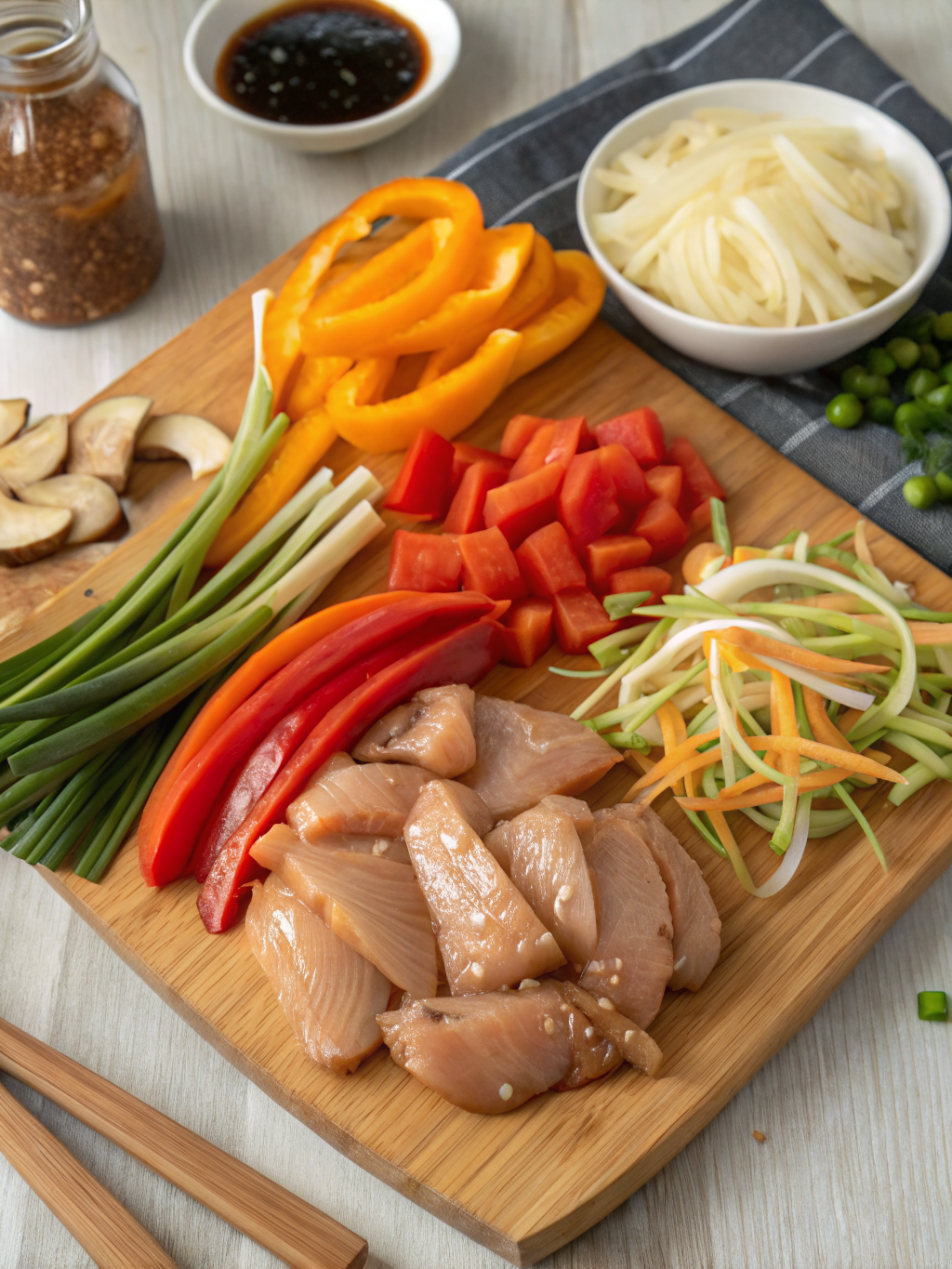
Creating an authentic teriyaki chicken stir fry starts with quality ingredients. Here’s your complete ingredient breakdown:
For the Protein & Vegetables:
- 1.5 lbs boneless, skinless chicken breasts (or thighs for extra juiciness), cut into bite-sized pieces
- 2 cups broccoli florets
- 1 red bell pepper, sliced into strips
- 1 cup snap peas
- 1 medium onion, cut into wedges
- 3 cloves garlic, minced
- 1 tablespoon fresh ginger, minced
- 2 tablespoons sesame oil
For the Teriyaki Sauce:
- ½ cup soy sauce or tamari (gluten-free option)
- ¼ cup mirin or honey
- 2 tablespoons rice vinegar
- 1 tablespoon brown sugar
- 1 teaspoon cornstarch mixed with 2 tablespoons water
Garnish & Finishing Touches:
- 2 tablespoons sesame seeds (white or black)
- 2 green onions, sliced
- Optional: red pepper flakes for heat
Substitution Suggestions:
- Swap chicken with firm tofu, shrimp, or beef for dietary preferences
- Replace mirin with agave nectar for a vegan approach
- Use coconut aminos instead of soy sauce for a lower-sodium alternative
Timing
Understanding the time breakdown helps you plan your evening effectively:
- Preparation Time: 15 minutes (ingredient chopping, sauce mixing)
- Cooking Time: 12 minutes (cooking the protein and vegetables)
- Total Time: 27 minutes
This represents approximately 50% less time than traditional Asian restaurant cooking, making it ideal for busy weeknight dinners. Most home cooks report completing this dish in under 30 minutes, including plating.
Preparing Your Ingredients
Step 1: Gather and Prep Your Ingredients
Begin by arranging all ingredients on your counter—a technique chefs call “mise en place.” Cut your chicken into uniform pieces (approximately 1.5-inch cubes) to ensure even cooking. This step is crucial for achieving consistent texture throughout your chicken stir fry.
Step 2: Create Your Teriyaki Sauce Base
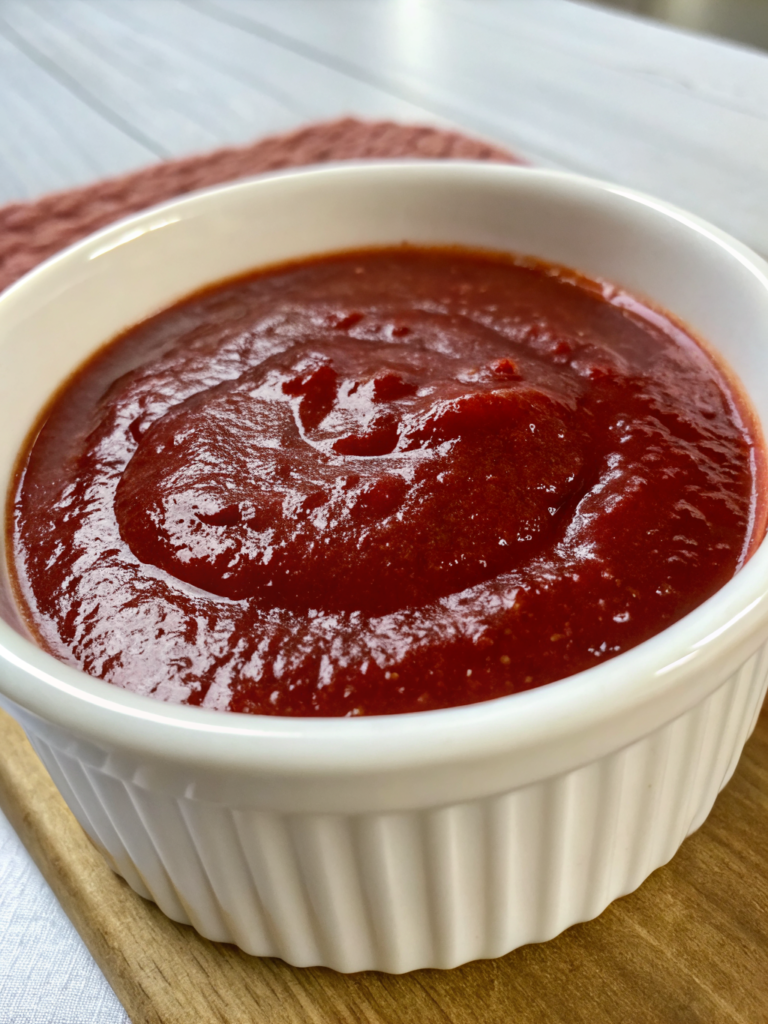
In a small bowl, whisk together soy sauce, mirin, rice vinegar, and brown sugar until the sugar dissolves completely. The sauce should taste balanced—slightly sweet with a savory kick. Pro tip: Create this sauce first so it’s ready when you need it most.
Step 3: Heat Your Wok or Large Skillet
Set your wok or large skillet over medium-high heat for 2-3 minutes until it’s shimmering hot. The high heat is essential for achieving that signature caramelized exterior on your chicken while maintaining juiciness inside. Add one tablespoon of sesame oil and let it coat the entire cooking surface.
Step 4: Sear the Chicken Perfectly
Add your diced chicken to the hot wok in a single layer. Resist the urge to stir immediately—let it cook undisturbed for 3-4 minutes until golden brown on one side. This creates the Maillard reaction, that irresistible browned crust. Stir and cook for another 2-3 minutes until cooked through. Remove the chicken and set aside.
Step 5: Build Flavor with Aromatics
Add the remaining tablespoon of sesame oil to your wok. Stir-fry the minced garlic and ginger for exactly 30 seconds—this releases their aromatic oils without burning them. The fragrance becomes intoxicating at this point, signaling your dish is on track.
Step 6: Cook Your Vegetables to Perfect Crispness
Add harder vegetables first (broccoli and onions), cooking for 4 minutes. Then add bell peppers and snap peas, cooking for another 2 minutes. The vegetables should be tender-crisp, maintaining their vibrant colors and nutritional integrity.
Step 7: Bring It All Together
Return the cooked chicken to the wok. Pour in your teriyaki sauce and the cornstarch slurry, stirring constantly for 1-2 minutes until the sauce thickens and coats every ingredient in a glossy glaze. This is the moment your teriyaki chicken stir fry transforms into restaurant-quality magic.
Step 8: Final Garnish and Serve
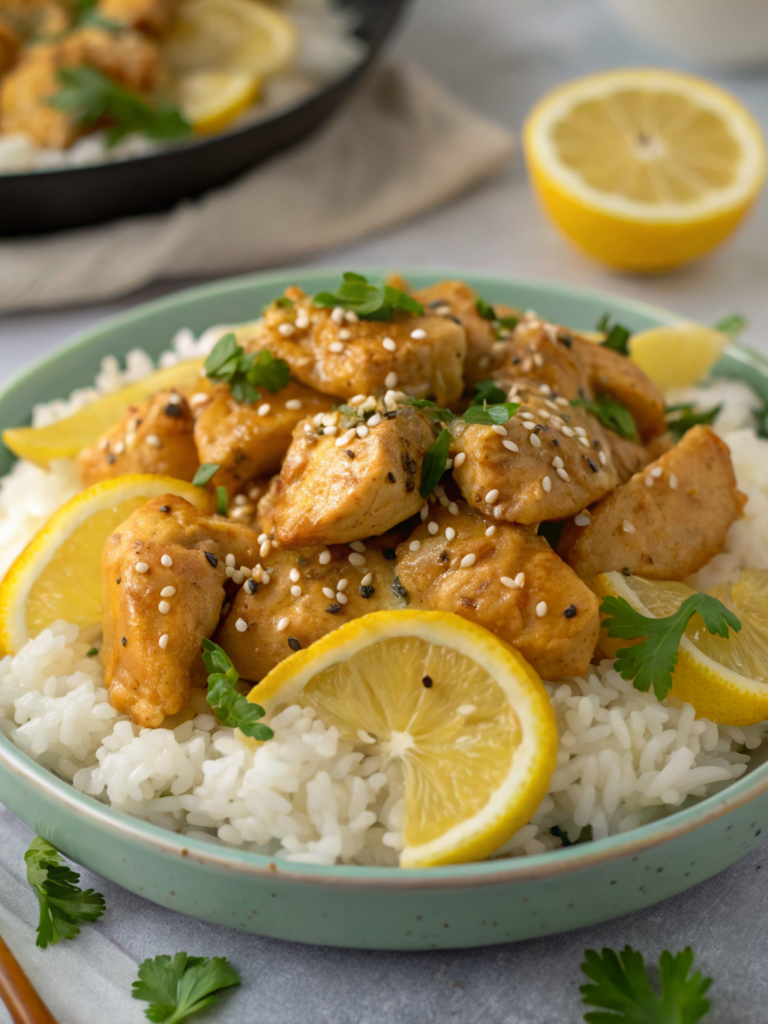
Remove from heat and transfer to your serving dish. Sprinkle generously with sesame seeds, sliced green onions, and optional red pepper flakes. Serve immediately over steamed rice or noodles.
Nutritional Information
A standard serving of teriyaki chicken stir fry (approximately 1.5 cups without rice) contains:
- Calories: 285
- Protein: 34g
- Carbohydrates: 18g
- Dietary Fiber: 3g
- Fat: 9g (primarily from sesame oil)
- Sodium: 520mg
- Sugar: 12g
This macronutrient profile makes it an excellent choice for balanced meals, delivering substantial protein for muscle recovery while maintaining reasonable calorie counts for health-conscious diners.
Healthier Alternatives for the Recipe
Lower-Sodium Version
Reduce soy sauce to ¼ cup and compensate by adding an extra tablespoon of rice vinegar and sesame oil. This modification maintains flavor complexity while cutting sodium by 35%.
Lower-Sugar Adaptation
Replace mirin and brown sugar with stevia or monk fruit sweetener in equal amounts. This creates a diabetes-friendly version without sacrificing that signature teriyaki sweetness.
Protein Boost Modification
Add 2 tablespoons of hemp seeds or chia seeds just before serving, increasing protein content by 4g per serving while adding omega-3 fatty acids.
Vegetable-Centric Version
Double the vegetables and use 1 lb chicken instead of 1.5 lbs. This increases fiber content and creates a more nutrient-dense meal perfect for plant-forward eating styles.
Serving Suggestions
Transform your chicken stir fry into a complete meal with these creative pairings:
- Jasmine Rice Foundation: Serve over fragrant jasmine rice for authentic flavor harmony
- Brown Rice Alternative: Choose brown rice for added fiber and sustained energy
- Noodle Pairings: Try udon noodles for a heartier option or soba noodles for gluten-free dining
- Cauliflower Rice: Pair with cauliflower rice for low-carb adaptation
- Lettuce Wraps: Serve as a filling for butter lettuce leaves for a lighter option
- Quinoa Base: Create a protein-packed bowl with quinoa as your foundation
Common Mistakes to Avoid
Overcrowding the Wok: Cooking all ingredients simultaneously creates steam instead of sear. Work in batches for optimal browning and texture.
Underseasoning: Taste your teriyaki sauce before combining with ingredients. It should taste slightly too strong—it balances once combined with chicken and vegetables.
Cutting Vegetables Unevenly: Inconsistent sizes lead to uneven cooking. Aim for uniform pieces approximately ½-inch thick.
Overcooked Chicken: Chicken continues cooking with residual heat. Remove it slightly underdone—it finishes cooking when sauce is added.
Using Low Heat: Stir-frying demands high heat. Low temperatures produce steamed rather than stir-fried vegetables, diminishing that authentic texture and flavor.
Storing Tips for the Recipe
Refrigerator Storage: Place leftovers in an airtight container within 2 hours of cooking. They keep fresh for up to 3 days. Reheat gently in a wok or skillet over medium heat for 3-4 minutes.
Freezing Method: Freeze in portion-sized containers for up to 2 months. Thaw overnight in the refrigerator before reheating.
Sauce Separation: Store sauce separately from vegetables to prevent sogginess. Combine just before serving or reheating.
Advance Prep Strategy: Chop vegetables and make sauce the day before. Store chicken separate from vegetables in dedicated containers, then cook fresh when ready.
Conclusion
Creating an exceptional teriyaki chicken stir fry requires understanding timing, temperature, and technique—all of which you now possess. This versatile dish adapts beautifully to dietary preferences, ingredient availability, and personal taste preferences. Whether you’re cooking for a family of four or meal-prepping for the week ahead, this chicken stir fry delivers consistent, impressive results that rival professional restaurants.
Ready to elevate your weeknight dinners? Prepare this recipe this week and experience the transformation yourself. Share your results in the comments below—I’d love to hear about your variations and successes. For more Asian-inspired recipes and weeknight dinner solutions, explore our complete recipe collection.
FAQs
Can I prepare teriyaki chicken stir fry ahead of time?
Yes! Prepare ingredients the evening before and store separately. Cook fresh for optimal texture and flavor, though leftovers maintain quality for three days when properly stored.
What’s the best oil for high-heat stir-frying?
Sesame oil provides authentic flavor, though avocado oil or peanut oil tolerate higher temperatures better. Use sesame oil primarily for flavor, with neutral oil for the initial cooking.
How do I prevent mushy vegetables in my chicken stir fry?
Add vegetables according to cooking time requirements—harder vegetables first. Maintain high heat throughout and avoid stirring constantly; let vegetables sear between stirring.
Can I substitute the chicken?
Absolutely! Shrimp, beef, tofu, or pork all work beautifully. Adjust cooking times accordingly—shrimp needs only 2-3 minutes, while beef requires similar time to chicken.
Is this recipe gluten-free?
Traditional soy sauce contains gluten. Substitute tamari or coconut aminos for a completely gluten-free version without compromising flavor.
What rice pairs best with teriyaki chicken stir fry?
Jasmine rice is traditional and authentic. Brown rice provides more nutrition, while sushi rice offers a slightly sticky texture that complements the sauce beautifully.