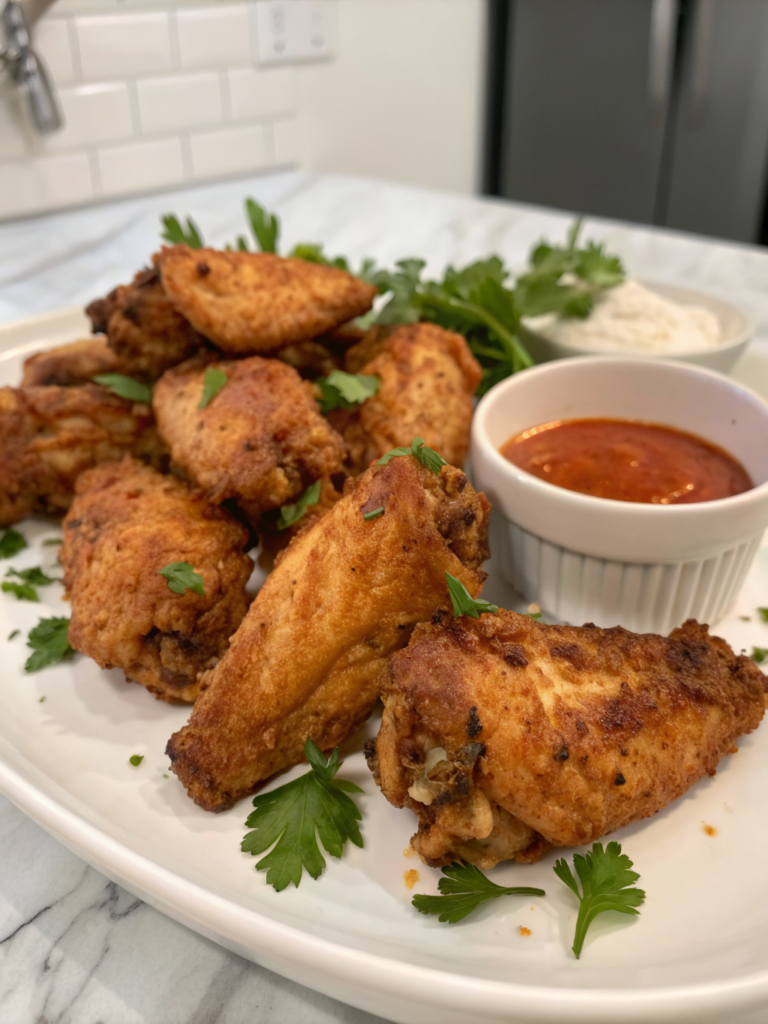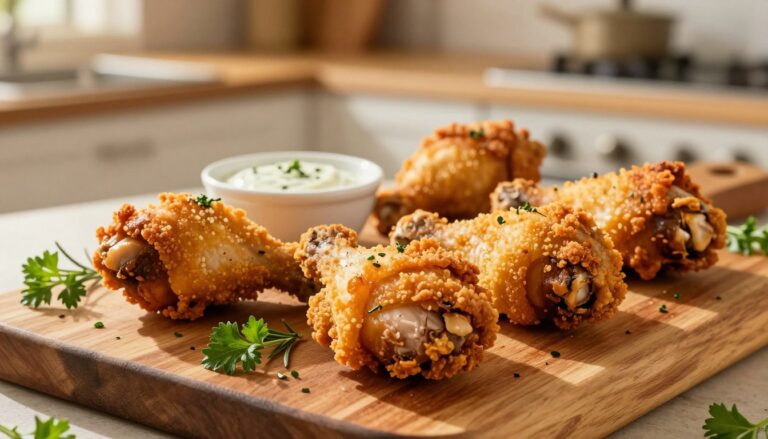
Chicken Liver Onion Recipe – Irresistible, Flavor-Packed Classic
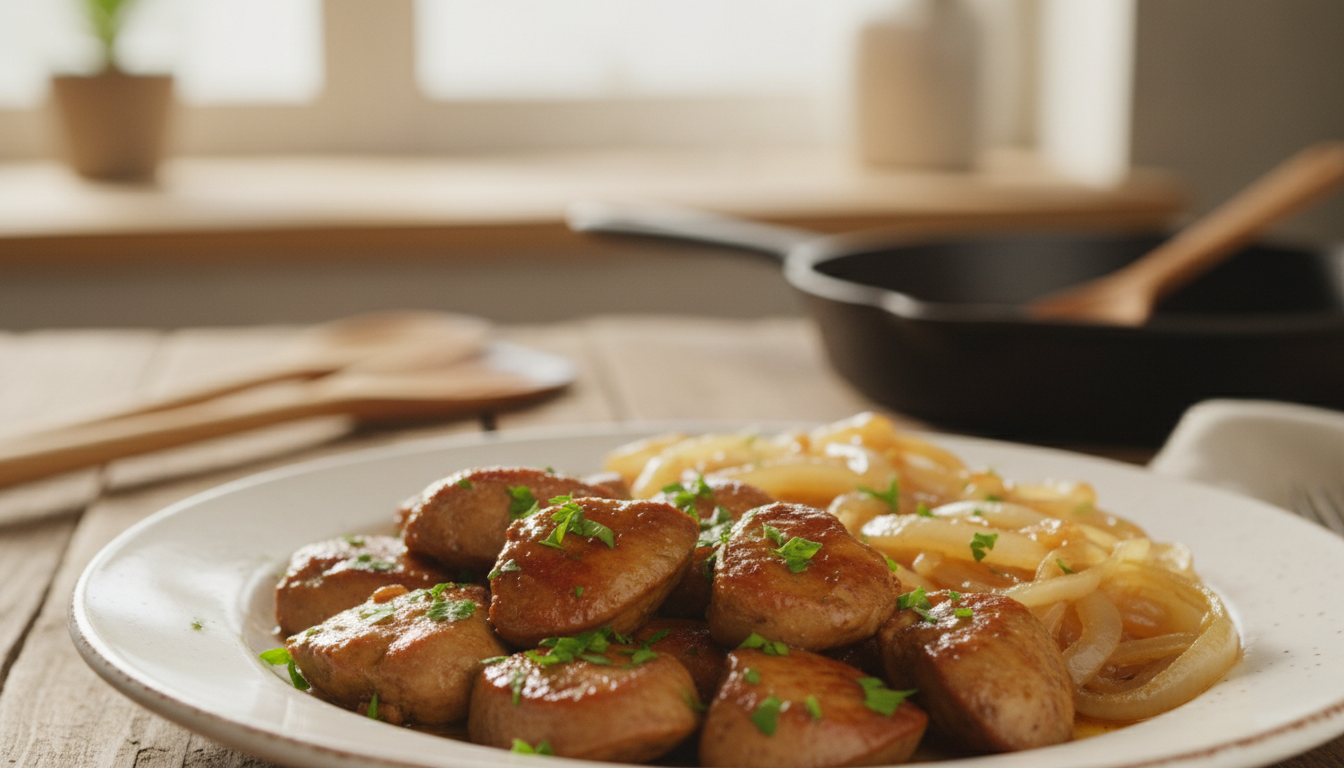
Chicken liver onion recipe lovers know that slow, satisfied sigh when a weeknight meal truly lands. This skillet dish delivers exactly that moment. You’ll get a fast, comforting dinner that comes together in about thirty minutes, with tender chicken livers and perfectly caramelized onions creating a rich, savory flavor that feels both classic and satisfying.
You’ll taste savory, creamy-centered pieces and sweet, caramelized slices. An optional tangy-sweet glaze of balsamic, honey, and wine or broth adds a glossy balance so the flavor won’t feel overpowering.
This is for you whether you’re trying these morsels for the first time, returning to diner-style memories, or feeding a family on a budget without losing feeling-special. I’ll show simple prep choices like soaking in milk, lemon water, or cold water.
Table of Contents
Quick roadmap: ingredients, prep tips, a step-by-step skillet method, a clear recipe card with times and nutrition, plus variations, serving ideas, and storage. You’ll also get practical doneness cues so pieces brown outside and stay slightly pink and creamy inside.
What You’ll Make and Why This Dish Works
You’ll get tender, slightly pink centers with browned rims and soft, sweet onions in every bite. This skillet dish cooks fast and focuses on simple, bold contrasts.
Flavor and texture
Flavor comes from the sweet aromatics and a tangy glaze that balances richness. The right texture is creamy inside, lightly crisp outside. Aim for that contrast so each bite feels complete.
What keeps it from tasting “gamey”
Soaking the pieces briefly in milk mellows stronger notes. Long cooking or residual blood can cause an off taste; a quick sear and a splash of acid in the glaze fix that.
Why this is budget-friendly and nutrient-dense
This is a high-protein option that cooks quickly and stretches into a full meal. It also delivers key nutrients like iron and B vitamins without a big grocery bill.
| Goal | Doneness cue | Nutrients (per serving) |
|---|---|---|
| Creme-like center, browned edge | Lightly pink inside, golden crust | Protein: 20g, Iron: 5mg, Vitamin B: present |
| Tender, sweet onions | Deep golden color, soft texture | Carbs: 8g, Calories: ~220 |
| Balanced glaze | Glossy, reduced sauce coating | Serve with toast or mash for balance |
Ingredients for Chicken Livers and Onions
Collect these core components so you can shop once and cook confidently.
You need 1 lb chicken livers (fresh preferred; frozen can become chalky), sliced or halved. Soak briefly in milk or water + lemon to mellow flavor.
What to look for at the store
Choose fresh, intact pieces with a clean, neutral smell. Frozen livers thaw softer and may break during handling.
Fats and aromatics
Use olive oil for sautéing and add butter at the end for richness. Garlic, salt, and black pepper round the base flavor.
Seasoning, coating, and soaking
- Seasoning blend: garlic powder, onion powder, smoked paprika, salt, pepper—adds depth without masking taste.
- Soaking: milk = mellow and tender; lemon water = quick acid rinse; cold-water soak (30–60 min, change water) = cleaner finish.
- Coating options: light dusting of flour, cornstarch for a thin crisp, or gluten-free flour swap.
Glaze and broth options
Balsamic + honey gives a tangy-sweet balance. Use red wine for richness or swap chicken or beef broth if you skip wine. Add a splash of water to thin the glaze as needed.
| Ingredient | Role | Swap |
|---|---|---|
| Chicken livers (1 lb) | Main protein; tender when quick-seared | Frozen (thaw carefully) |
| Olive oil + butter | Sautéing and finish for depth | All butter for richer finish |
| Seasoning mix | Garlic powder, onion powder, smoked paprika, salt, pepper | Adjust spices to taste |
| Balsamic, honey, wine or broth | Glaze: balance and shine | Chicken or beef broth if no wine |
Prep Tips for Tender Chicken Liver
Prep makes all the difference—small choices at the sink and cutting board set you up for perfect texture in the pan.
Trim and clean
Remove any whitish sinew, membranes, and visible fat. Discard green bits—they taste bitter and ruin a good batch.
Work gently. The pieces tear easily, especially if thawed from frozen.
Cut size for cooking style
For a classic pan-fry, halve larger lobes to about 1-inch pieces. For faster, even cooking, slice to roughly 1/4-inch.
Smaller, uniform pieces give predictable browning and better texture.
Drying and soaking
A cold-water soak for 30–60 minutes (change the water once) reduces stronger notes. After soaking or rinsing, pat very dry to cut splatter and improve browning when frying.
Pan choice and mise en place
Use a nonstick if you dust with flour or cornstarch — it prevents tearing and sticking. Cast iron or carbon steel works too, but add a little more oil and flip carefully.
- Prep onions, spices, and glaze before you heat the skillet.
- Have tongs or a spatula ready to move pieces quickly to avoid overcooking.
| Step | Why it matters | Quick tip |
|---|---|---|
| Trim | Removes chewiness | Cut away sinew with a small knife |
| Dry | Better browning, less splatter | Use paper towels; press gently |
| Pan | Controls sticking and crust | Nonstick for coated pieces; cast iron for high heat |
How to Cook the chicken liver onion recipe in a Skillet
Work in stages so nothing overcooks. Begin by softening the sliced aromatics on medium heat, then move to fast, high-heat sears for the protein.
Caramelize the onions
Heat 1–2 tablespoons oil over medium heat. Add sliced onions and a pinch of salt.
Sauté 5–8 minutes until golden, or ~10 minutes for deeper color. Stir every few minutes to avoid burning.
Season and lightly coat
Pat pieces dry, season with salt, pepper, garlic powder, and smoked paprika. Toss with a light dusting of flour for a thin crust that stays crisp.
Pan-fry in batches
Use high to medium-high heat in the skillet. Fry in roomy batches about 2–3 minutes per side for a good sear. Do not overcrowd the pan.
Doneness and deglaze
Look for browned outsides and a slightly pink, creamy center. Overcooked pieces turn dry and grainy.
Deglaze with red wine or broth, scrape browned bits, then add butter, minced garlic, balsamic, and a touch of honey. Simmer ~30 seconds until glossy.
Finish and serve
Toss the seared pieces and onions in the glaze for full coating, or plate and drizzle to keep the crust. Remove from heat promptly and serve right away to preserve texture and flavor.
Recipe Card: Chicken Liver and Onions
A tight, phone-friendly recipe card lays out minutes, servings, and every ingredient in U.S. measures.
Times & servings
Prep time: 15 minutes (includes a 10-minute soak). Cook time: 15 minutes. Total time: 30 minutes.
Servings: 4. Serving size: about 4 oz protein + onions per person.
Ingredients (U.S. measures)
- Livers: 1 lb chicken livers; optional soak: 1 cup milk (or lemon water/cold water), 10 minutes
- Onions: 1 large onion, sliced
- Pan & fat: 2 tbsp olive oil, 1 tbsp butter
- Seasoning: 1 tsp salt, 1/2 tsp black pepper, 1 tsp garlic powder, 1 tsp smoked paprika
- Glaze: 1/4 cup red wine or broth, 1 tbsp butter, 1 clove garlic (sliced), 1 tbsp balsamic, 2 tsp honey
Step-by-step (follow minutes)
- Soak pieces 10 minutes in milk or chosen liquid; pat very dry.
- Sauté onions in 1–2 tbsp olive oil, 5–8 minutes until golden.
- Season pieces, then pan-fry in batches on medium-high ~3 minutes per side; don’t overcrowd.
- Deglaze with 1/4 cup wine or broth, add garlic, 1 tbsp butter, balsamic, and honey. Simmer ~30 seconds until glossy.
- Toss gently with onions; pull when centers are slightly pink to preserve creaminess.
| Per serving | Amount | Notes |
|---|---|---|
| Calories | ~320 | Estimate |
| Protein | 20 g | High-protein option |
| Fat | 22 g | Depends on oil/butter used |
| Carbs | 8 g | From onions and glaze |
| Iron | 5 mg | Nutrient-dense |
| Sodium | 380 mg | Varies by salt and broth |
Note: Nutrition can vary by brand and exact amounts of oil or butter. Adjust seasoning and fats to control calories, fat, and sodium.
Flavor Variations and Ingredient Swaps
A few smart ingredient swaps let you change the mood of this dish in under ten minutes and keep each meal interesting.
No-wine glaze: swap the red wine for chicken broth for a lighter finish or beef broth for a deeper, diner-style vibe. Keep the balsamic and honey for balance. Reduce by a tablespoon or two until glossy, then taste and finish with a teaspoon of butter if you want extra shine.
Add-ins that work with the skillet timeline: cook bacon or mushrooms first and remove them. Sear the livers in roomy batches, then return bacon, sliced peppers, or a splash of cream at the end. This avoids crowding and keeps textures distinct.
Ginger-garlic stir-fry direction
Sauté minced ginger and garlic briefly in a little oil, toss in pieces dusted with cornstarch instead of flour, and finish fast. A drizzle of sesame oil gives an aromatic edge for an Asian-style finish.
“Aim for browned outsides and creamy centers—pull off the heat as soon as the sauce coats.”
| Swap | Effect | When to use |
|---|---|---|
| Chicken broth | Lighter, tang-balanced glaze | Everyday meals |
| Beef broth | Richer, deeper taste | Hearty, diner-style plates |
| Cornstarch coating | Light crust, better sauce cling | Stir-fry or Asian-leaning turns |
Serving Suggestions for a Complete Meal
Match textures and flavors so each plate feels balanced. Pairing choices decide whether the dish reads as comfort food or a lighter dinner.
Classic comfort sides: spoon the pan portion over buttery mashed potatoes so the glaze soaks in. Or pile the pieces and caramelized onions onto crusty toast for a crunchy contrast that mops up every drop.
Everyday pairings: serve over steamed rice for a one-bowl meal, toss with noodles for a heartier plate, or add blanched green beans for freshness and snap.
How to plate for best taste and texture
Plate the protein first, then lay the onions on top to protect the crust. Drizzle the glaze at the end so the edges stay crisp.
Serve immediately—within a few minutes—because residual heat softens the exterior and changes mouthfeel. Add a simple salad or steamed greens to cut richness and finish the meal.
| Pairing | Why it works | Best when |
|---|---|---|
| Mashed potatoes | Soaks up glaze; creamy contrast | Comfort dinners |
| Crusty toast | Crunchy mop; highlights the sauce | Casual open-faced servings |
| Steamed rice / noodles | Stretches the plate; tames intensity | Weeknight meals |
| Green beans or salad | Adds freshness and cuts richness | Balanced plates |
Storage, Reheating, and Make-Ahead Notes
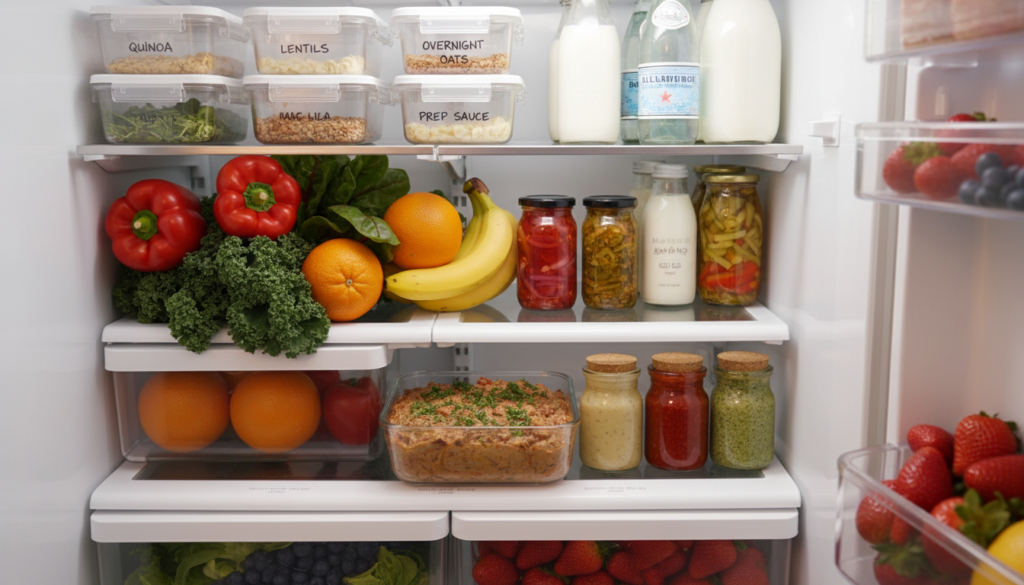
Leftovers keep best when you follow a few simple storage rules. Store the cooked pieces and caramelized onions together in an airtight container in the fridge for up to 3 days for best quality.
Fridge time and containers
Use a shallow, airtight container and press out extra air to slow off-flavors. Keep the glaze with the food so it does not dry out and so the taste stays balanced.
Reheating gently in a skillet
Reheat on low heat in a skillet. Add a splash of water or broth, warm just until tender and heated through, then remove immediately.
Aim for “just warm” — long reheats make the texture firm and grainy. Avoid microwaving when you can because it often heats unevenly.
Make-ahead workflow
Trim and do your cold-water soak 30–60 minutes earlier (change the water once). Pat pieces very dry, pre-season and lightly coat, then chill until cooking time.
Caramelize the onions ahead, refrigerate, and rewarm briefly in the pan before serving to save active steps.
| Item | Storage | Best practice |
|---|---|---|
| Cooked plate | Fridge — up to 3 days | Keep glaze; use airtight, shallow container |
| Reheat | Minutes on low heat | Splash of water/broth; remove when just warm |
| Freezing | Not recommended | Texture often becomes grainy after thawing |
Planning tip: place an email signup near these notes so readers can get more budget skillet steps and make-ahead ideas when they plan meals ahead.
Conclusion
Focus on quick, high-heat sears and a brief finish to lock in creamy centers and browned edges.
Caramelize the onions, sear the pieces hot and fast in small batches, then finish with a glossy pan sauce. Trim and, if you like, soak briefly to mellow stronger notes before you dry and season.
The single most important tip: do not overcook. Pull when the outside is browned and the inside stays slightly pink for the best texture.
Try the no-wine broth finish or the ginger-garlic stir-fry twist next time for a different direction without new technique. Leftovers keep up to three days refrigerated, but this is best served fresh.
Please rate and comment with which soak or sauce you used and what side you paired it with so other cooks can learn from your take.