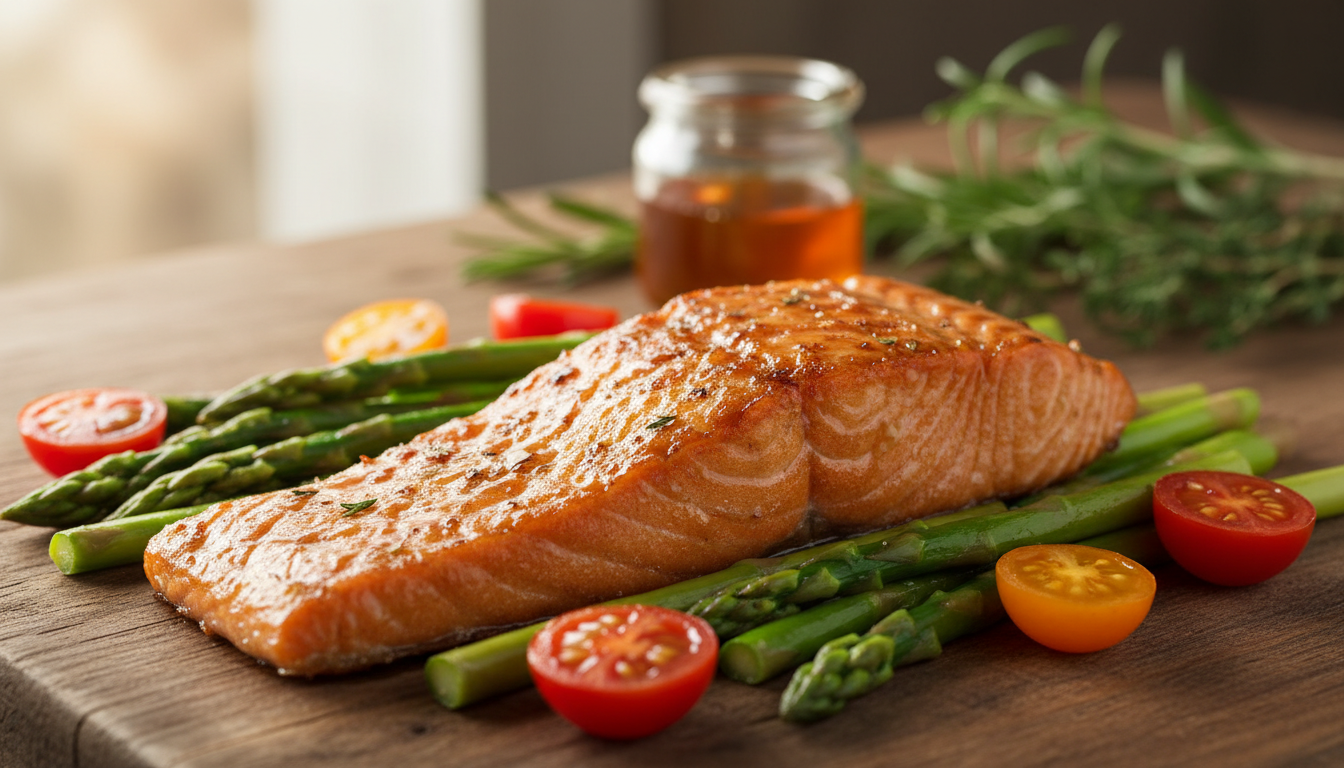
Honey Salmon Recipe: A Tasty, Healthy Dinner Option
Ever feel stuck when it’s time for dinner? You want something tasty but also quick. The best honey salmon recipe is the perfect answer.
This recipe is easy yet impressive. The honey glaze makes the fish taste like it’s from a fancy restaurant. Your family will love it so much, they’ll ask for it again and again.
The flavors in this recipe are spot on. Honey’s sweetness complements salmon’s rich taste. It’s quick to make but tastes like you spent hours cooking.
This recipe needs just a few ingredients, probably ones you already have. It’s easy to follow, making it great for beginners and pros alike.
Table of Contents
This article will teach you how to make this honey salmon recipe like a pro. You’ll get all the ingredients, cooking steps, and expert tips. Get ready to make your dinner table a lot tastier.
Introduction to Honey Salmon
Making a delicious honey salmon dish is a great way to enjoy two amazing ingredients. Salmon and honey are a perfect pair in cooking. They make a meal that tastes great and is good for you.
Understanding why this recipe is so good starts with knowing what each ingredient offers. Salmon and honey are both super healthy. They taste great together and are good for you, making this recipe perfect for dinner.
What Makes Salmon a Superfood?
Salmon is a top choice for its health benefits. It’s full of omega-3 fatty acids that are good for your heart and brain. These healthy fats help your body grow and protect you from inflammation.
Salmon also has lots of protein for building and fixing muscles. It’s packed with:
- Vitamin D for strong bones
- B vitamins for energy
- Selenium for a strong immune system
- Astaxanthin for antioxidants
Nutritionists say salmon is great for your health. It’s good for your heart, brain, and helps fight inflammation.
Benefits of Honey in Cooking
Honey is more than just sweet in your honey salmon dish. It’s full of antioxidants that protect your cells. Honey also fights off bad bacteria, thanks to its antimicrobial properties.
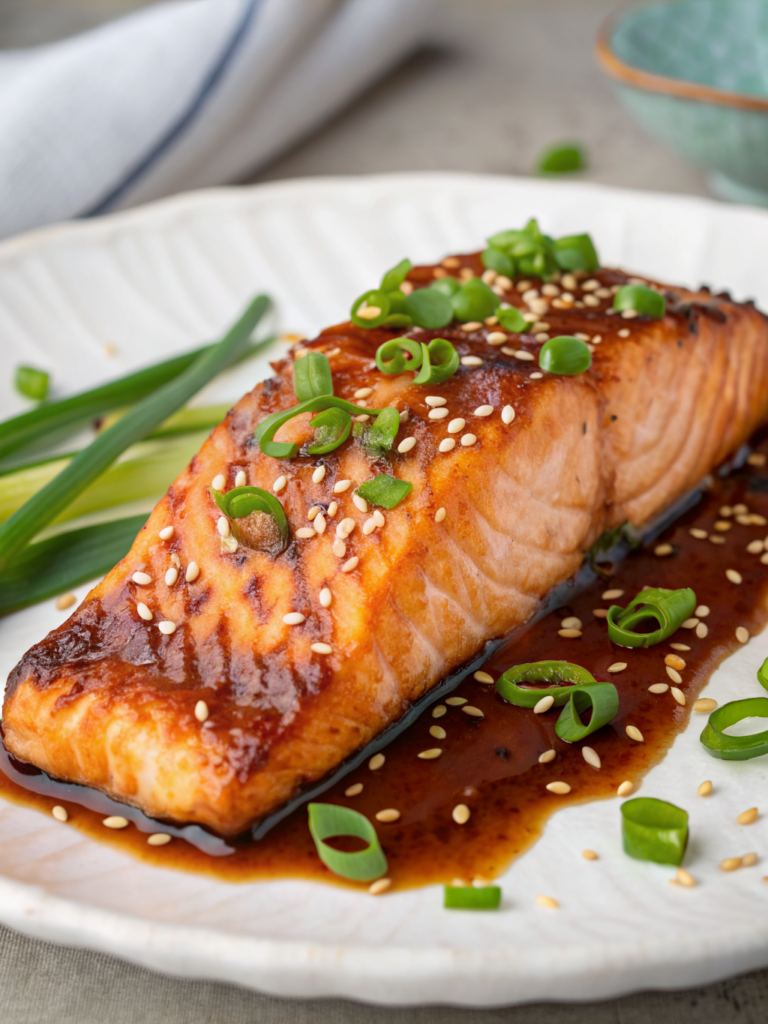
Cooking honey with salmon makes a beautiful glaze. This glaze makes your dish look like it came from a restaurant. The honey’s sweetness balances out the salmon’s richness without hiding its flavor.
This combo is great because honey makes salmon taste even better. It adds a sweet touch that complements the savory salmon. Your taste buds will love the perfect mix of sweet and savory.
Ingredients You’ll Need
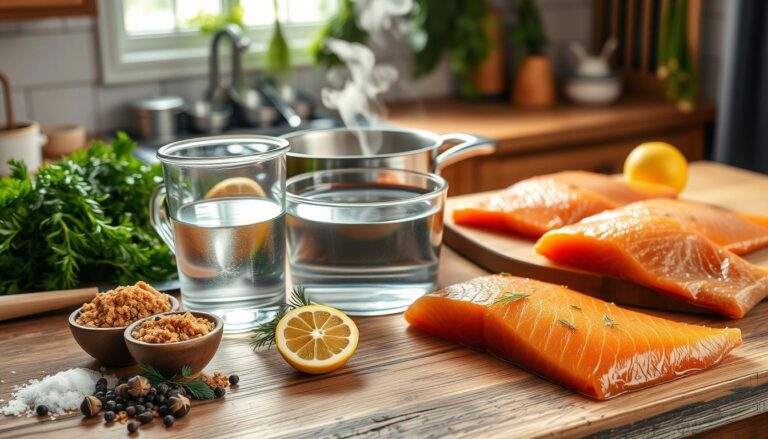
To make the perfect honey glazed salmon, start by gathering the right ingredients. Quality is key, so shop carefully. Most items can be found at your local grocery store. Let’s go over what you need to buy.
Fresh Salmon Fillets
Your salmon fillets are the base of this recipe. Look for fillets that are about one inch thick and weigh six ounces each. You’ll need four fillets for four people. The flesh should feel firm and smell fresh.
When choosing salmon, you have options. Atlantic salmon has a mild flavor, while sockeye salmon is richer. King salmon is the largest and works well for this dish. Choose between skin-on or skinless fillets—both are great for honey glazed salmon.
Honey: The Sweet Star
The honey makes this dish special. Use one-third cup of raw or pure honey instead of processed. Raw honey adds deeper flavor. Different types offer different tastes.
Clover honey is mild and sweet. Wildflower honey adds complexity. Orange blossom honey brings a subtle citrus note that pairs well with fish.
Essential Seasonings and Herbs
These ingredients add layers of flavor that make your dish unforgettable. Here’s what you need:
- Three tablespoons of soy sauce for umami depth
- Two tablespoons of fresh lemon juice for brightness
- Three cloves of minced garlic for aromatic warmth
- One tablespoon of olive oil for cooking and richness
- One-half teaspoon of black pepper for bite
- One-quarter teaspoon of salt to enhance flavors
- Fresh thyme or parsley for optional garnish
Each ingredient is important for the complex flavor profile that makes honey glazed salmon taste like a restaurant dish at home.
Preparing the Salmon
Getting your salmon ready is key before cooking. It ensures even cooking and flavor absorption from the honey salmon marinade. You’ll spend 10 minutes on prep and 15 to 30 minutes marinating. This time lets you get your cooking space and side dishes ready.
How to Clean and Prep Salmon
Rinse your salmon fillets under cold water. Then, pat them dry with paper towels. Dry skin is important for a good sear.
Check for pin bones by feeling the flesh. Use tweezers to remove any bones. Trim uneven edges for even cooking.
- Rinse fillets under cold water
- Pat dry with paper towels
- Feel for pin bones and remove them
- Trim uneven edges for uniform cooking
Marinating the Salmon: Best Practices
Making your honey salmon marinade is easy. Mix honey, soy sauce, lemon juice, garlic, and olive oil in a bowl until smooth.
Put your salmon fillets in a shallow dish or bag. Pour the marinade over them, making sure they’re coated. Remember to set aside 2 to 3 tablespoons of marinade for basting.
Refrigerate your salmon for 15 to 30 minutes. Don’t marinate it for too long. The lemon juice can start to cook the fish.
- Whisk honey, soy sauce, lemon juice, garlic, and olive oil together
- Reserve 2-3 tablespoons of marinade for basting
- Place salmon in a shallow dish or bag
- Pour marinade over fillets, coating all sides
- Refrigerate for 15-30 minutes
Your salmon is now ready for cooking. The honey salmon marinade will make a delicious glaze and rich flavor when heated.
Cooking Methods for Honey Salmon
You have three great ways to cook your marinated salmon. Each method takes about 12 to 15 minutes. Your choice depends on your kitchen and cooking style. Let’s look at each option so you can choose the best for tonight.
Grilling: Getting That Smoky Flavor
Grilling adds a smoky taste to your salmon. Start by heating your grill to medium-high, about 375 to 400 degrees Fahrenheit. Make sure to oil the grates to prevent sticking.
Put your marinated salmon skin-side down on the grate. Grill for 6 to 8 minutes without moving it. Flip it carefully and brush with leftover marinade. Cook for another 4 to 6 minutes until it reaches 145 degrees Fahrenheit. The flesh will turn opaque when it’s done.
Baking: Easy and Delicious
Baking is the simplest way to make a quick honey salmon recipe. Preheat your oven to 400 degrees Fahrenheit. Line a baking sheet with parchment paper or foil.
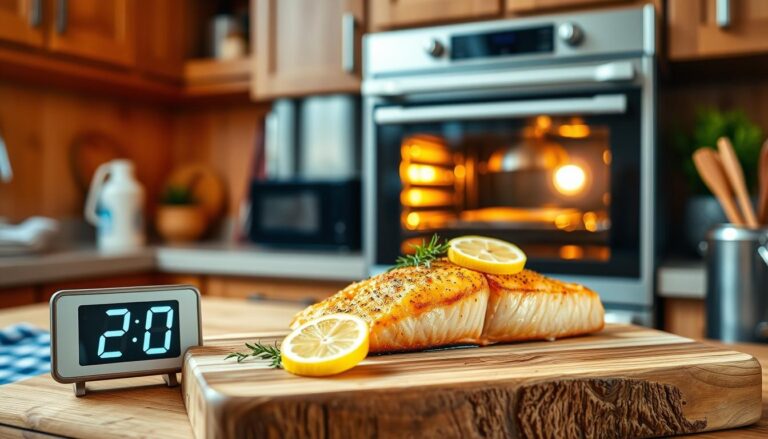
Put your salmon fillets skin-side down on the sheet. Brush them with honey marinade. Bake for 12 to 15 minutes, depending on the thickness. For extra caramelization, broil for 2 minutes. Baked honey salmon is always tender and juicy.
Pan-Searing: A Quick Option
Pan-searing is great for a fast honey salmon recipe. Heat 1 tablespoon of oil in a large oven-safe skillet over medium-high heat.
Put your salmon skin-side up in the hot pan. Sear for 4 to 5 minutes until the bottom is golden. Flip it carefully. Pour the marinade into the pan around the fish. Put your skillet in a preheated 400-degree oven. Finish cooking for 5 to 7 minutes.
- Watch for the flesh to turn opaque
- Check that the thickest part flakes easily with a fork
- Internal temperature should reach 145 degrees Fahrenheit
- The honey glaze should caramelize beautifully on top
Choose the method that fits your kitchen best. All three ways make delicious, restaurant-quality salmon in about 15 minutes.
Tips for Perfectly Cooked Salmon
Mastering the cooking process is key to a great simple honey salmon recipe. The difference between dry fish and tender salmon is knowing when it’s done. Pay close attention to your fish in the last minutes of cooking.
Checking for Doneness
Your salmon is ready when it hits the right internal temperature. Use an instant-read thermometer in the thickest part of the fish. The USDA says 145°F is best, but many prefer 125-130°F for a moist finish.
Look for these visual signs in your simple honey salmon recipe:
- The flesh changes from translucent to opaque
- Fish flakes easily with a fork but holds together
- White protein begins appearing on the surface
- The color deepens from pale pink to salmon pink
Try the touch test too. Properly cooked salmon feels firm but has a soft give, like the fleshy part of your palm.
Avoiding Overcooking
Overcooking is a common mistake in simple honey salmon recipes. Dry, tough salmon happens quickly. Start checking doneness 2-3 minutes before the minimum cooking time in your recipe.
Follow these expert techniques:
- Remove your salmon slightly early from heat
- Remember carryover cooking continues after removal
- Let cold salmon sit at room temperature for 10-15 minutes before cooking
- Account for different thicknesses—tail pieces cook faster than thick portions
These simple adjustments keep your honey salmon recipe moist, tender, and delicious every time.
Serving Suggestions
Your honey salmon dish serves four people beautifully. To create a complete meal, think about what goes on the plate with your glazed fish. The right sides and beverages make a simple dinner special. Your choices matter because they either complement or balance the sweet, savory flavors of the salmon.
Pairing with Vegetables
Fresh vegetables work wonderfully with honey salmon. Choose vegetables that cook at similar times so everything finishes together. Here are your best options:
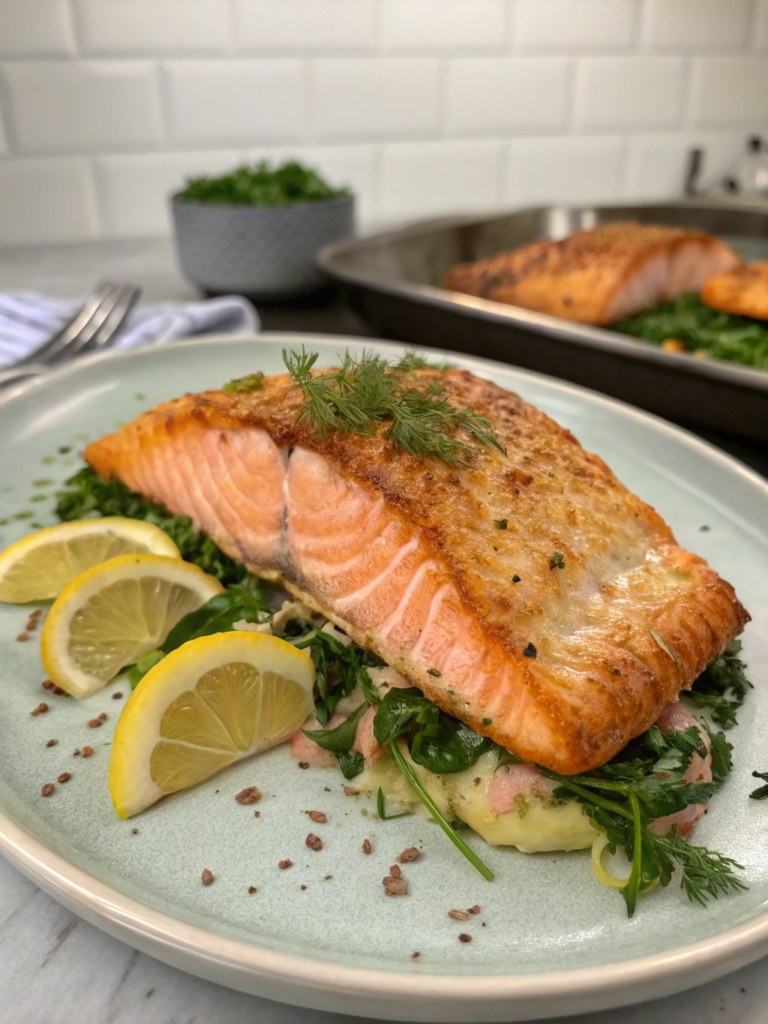
- Roasted asparagus with lemon juice adds brightness
- Sautéed green beans with garlic bring earthiness
- Steamed broccoli offers a mild, clean taste
- Glazed carrots echo the honey sweetness perfectly
- Fresh arugula salad with citrus vinaigrette cuts through the richness
These vegetables prepare quickly while your salmon cooks. The acidity in lemon and vinaigrette balances the sweet glaze beautifully.
Delicious Side Dishes for Honey Salmon
Starchy sides work well because they absorb the delicious honey sauce. Consider these options for your four servings:
- Fluffy jasmine or basmati rice
- Creamy mashed potatoes
- Quinoa pilaf with fresh herbs
- Roasted baby potatoes with rosemary
- Cauliflower rice for a low-carb choice
Rice and potatoes soak up every drop of that sweet glaze. Quinoa adds nutrition and protein to round out your meal.
Wine and Drink Pairings
Your beverage selection completes the dining experience. For wine lovers, white varieties work best:
- Pinot Grigio offers crisp, clean flavors
- Chardonnay brings richness
- Riesling complements the sweetness
- Pinot Noir works for red wine enthusiasts
- Rosé offers a middle-ground option
Prefer non-alcoholic drinks? Sparkling water with lemon, iced green tea, or crisp apple cider pair nicely with your meal.
“The right side dish transforms dinner into an unforgettable experience.”
Storing Leftovers
You’ve cooked a tasty honey salmon dinner, but you can’t eat it all at once. Knowing how to store leftovers keeps them safe and tasty for later. Proper steps after cooking help your salmon stay fresh and flavorful for your next meal.
How to Store Cooked Salmon
Let your cooked salmon cool to room temperature within two hours of cooking. This step prevents bacteria from growing on your fish. Once cooled, place your salmon into an airtight container or wrap it tightly with plastic wrap or aluminum foil.
Store your wrapped salmon in the refrigerator for three to four days. Label your container with today’s date so you can track how long it has been stored. Your salmon will keep its moisture and flavor best when stored this way.
For longer storage, you can freeze cooked honey salmon for two to three months. Wrap each portion in plastic wrap first, then wrap again in foil. Place your wrapped portions into freezer bags and remove as much air as possible before sealing.
Reheating Tips for Best Flavor
Reheating salmon requires care so your fish stays moist and tender. Your best option is gentle oven reheating at 275°F for about fifteen minutes covered with foil. This method keeps your salmon from drying out and tastes closest to fresh-cooked fish.
You can also use your microwave at fifty percent power in thirty-second intervals for quick meals. Your texture will suffer slightly, so save this method for when you are in a hurry. Another great option is enjoying your salmon cold by flaking it over fresh salads or grain bowls.
- Add a tablespoon of water or extra marinade before reheating to restore moisture
- Never reheat more than once for food safety reasons
- Remove salmon from the refrigerator five minutes before reheating
- Let cooled salmon rest for two minutes after reheating
Proper storage and reheating methods keep your honey salmon enjoyable beyond your first meal. Your leftovers can taste nearly as good as fresh-cooked salmon when you follow these simple steps.
Nutritional Value of Honey Salmon
Knowing what you eat is key to making good dinner choices. Honey salmon is not just tasty; it’s also packed with nutrients. One serving of this dish offers your body essential nutrients for wellness. Let’s explore why this recipe is so good for you.
Caloric Breakdown and Health Benefits
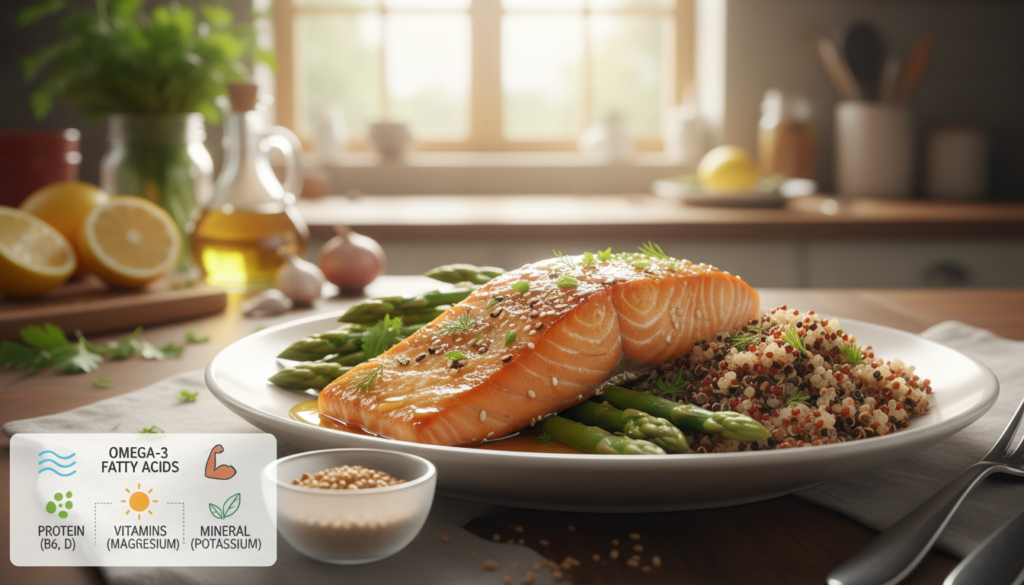
A 6-ounce honey salmon fillet with glaze has about 380 calories. These calories are filled with nutrients your body needs to work well.
- 34 grams of protein for muscle strength and repair
- 18 grams of carbohydrates from honey and marinade
- 18 grams of fat (including heart-healthy omega-3 fatty acids)
- 95 milligrams of cholesterol
- 580 milligrams of sodium
- 2 grams of dietary fiber
- 14 grams of sugar
The nutrient profile is impressive. You get 100% of your daily vitamin D, 70% of vitamin B12, and 50% of selenium. Niacin, vitamin B6, and potassium are also present.
The omega-3 fatty acids in honey salmon are about 2,200 milligrams per serving. These fats reduce inflammation and support heart health. The protein keeps you full and builds lean muscle. Vitamin D strengthens bones and boosts immunity. B vitamins help turn food into energy.
Comparing to Other Protein Sources
Salmon is unique compared to other proteins. Chicken breast has similar protein but no omega-3s. Beef and pork have less omega-3s than salmon.
Here are some benefits:
- Salmon has more omega-3s than any land-based protein
- Only salmon rivals fortified milk for natural vitamin D
- The fat in salmon helps with better cholesterol levels than lean beef
- White fish has fewer calories but less nutritional value
While honey salmon has more calories, it offers better nutrition than other proteins.
Variations of the Recipe
The basic honey salmon recipe is a tasty start for dinner. You can make it even better by changing the flavors and seasonings. These changes keep your meals exciting and use the same easy cooking methods.
Spicy Honey Salmon: Add Some Heat
Make your honey marinade spicier. Start by adding one to two teaspoons of sriracha or red pepper flakes to your honey glaze. You can also use cayenne pepper for a smoother heat.
For a more complex flavor, try adding fresh jalapeños or a tablespoon of gochujang, a Korean chili paste. The sweetness of the honey balances the spice perfectly. This creates an addictive combination that satisfies anyone who enjoys bold flavors.
Asian-Inspired Honey Salmon Glaze
Take your salmon in an Asian direction with these simple additions:
- Mix one tablespoon of fresh grated ginger into your marinade
- Add one teaspoon of sesame oil for nutty flavor
- Include one tablespoon of rice vinegar for tanginess
- Top with toasted sesame seeds and sliced green onions
- Serve over steamed rice with stir-fried vegetables
These ingredients transform your salmon into a complete Asian fusion meal that feels restaurant-quality at home.
Sweet and Citrus: The Perfect Balance
Brighten your salmon with fresh citrus juices. Replace lemon with orange juice and add orange zest for a refreshing twist. Try lime juice with cilantro for a Latin-inspired version.
You can experiment with grapefruit for a sophisticated bitter note. Mixing different citrus juices together creates layered flavors that make each bite interesting. These bright variations prevent dinner boredom while keeping the honey salmon concept alive.
Common Mistakes to Avoid
Making honey salmon can be rewarding, but certain pitfalls can ruin your dish. Understanding these common errors helps you cook better meals. Your knowledge of what goes wrong separates good results from great ones.
Over-Brining the Salmon
Salmon’s delicate flesh needs careful handling during marinating. Your instinct might tell you that longer marinating means better flavor, but salmon tells a different story. Leaving your salmon in the honey-soy-lemon marinade for several hours actually breaks down the fish’s proteins too much, creating a mushy, unpleasant texture.
The ideal marinating window is 15 to 30 minutes. This timeframe allows flavors to penetrate the fish without damaging its structure. Your salmon stays tender and firm when you respect this window.
Over-salting creates a related problem. Too much soy sauce or added salt pulls moisture from the fish, leaving you with dry, tough salmon that disappoints at dinner time.
Using Old Honey: Freshness Matters
The quality of your honey directly impacts your final dish. Old honey loses its clean sweetness and can develop bitter or off-flavors that become even more pronounced when heated.
- Crystallized honey can be gently warmed to restore liquid consistency
- Improperly stored honey may taste stale or fermented
- Fresh, high-quality honey provides better caramelization
- Check your honey’s storage date before cooking
Your salmon deserves fresh ingredients. Quality honey creates that beautiful glaze your family loves.
Additional mistakes worth noting include skipping the paper towel step (wet salmon won’t sear properly), cooking at excessive heat (burning the honey coating), and cooking without an instant-read thermometer (guessing leads to inconsistent results).
Frequently Asked Questions
You might have questions about making this honey salmon recipe work for your kitchen. This section answers your most common concerns. You’ll find helpful tips about using different fish and preparing meals ahead of time.
Can I Use Other Fish Instead of Salmon?
Yes, you can swap salmon for other fish varieties. The honey glaze works well with many options. Here are some great substitutes:
- Arctic char offers a flavor and texture closest to salmon
- Rainbow trout provides a milder taste with similar fat content
- Mahi-mahi gives you a firmer, meatier texture perfect for grilling
- Halibut or cod work but need shorter cooking times because they’re leaner
Fattier fish pair better with the sweet honey glaze. Lean fish cook faster, so watch them closely to avoid drying them out. Thicker fish like swordfish need longer cooking times than delicate varieties like trout.
Is This Recipe Good for Meal Prep?
This recipe is perfect for meal prep. You can marinate multiple portions at once. The cooked salmon stays moist when properly stored.
Here’s your best meal prep approach:
- Prepare 4 to 6 portions at the same time
- Store each portion in individual containers with your chosen sides
- Consume within 3 to 4 days
- Reheat gently or enjoy it cold over salads and grain bowls
Frozen salmon works for this recipe. You need to thaw it completely and pat it very dry before cooking. Most children enjoy the sweet honey glaze. The recipe is naturally dairy-free, and using tamari makes it gluten-free.
Conclusion
You now know how to make a tasty honey salmon recipe at home. It combines salmon with a honey glaze from simple ingredients. This dish is quick, ready in under 30 minutes.
Recap of Key Points
Your honey salmon recipe is flexible. You can bake, grill, or pan-sear it, depending on your kitchen. One serving has about 380 calories, with lots of protein and healthy fats.
Success comes from a few key steps. Dry your salmon before cooking. Marinate for 15 to 30 minutes, but don’t overdo it. Save some marinade for basting. Most importantly, cook to 145°F to avoid overcooking.
This recipe serves four and is perfect for weeknights. You can also experiment with different flavors. Add spice, use Asian flavors, or mix in citrus. The recipe is versatile and easy to modify.
Encouragement to Try the Recipe
This honey salmon recipe is a must-try for dinner. It’s nutritious and delicious. You don’t need special skills or ingredients to make it.
It’s great for weeknights, impressing guests, or meal prep. Your family and friends will love it. It’s fancy enough for special occasions but simple for everyday meals.
Bring this honey salmon recipe into your kitchen and make it your own. Try different variations. Share your success with others looking for healthy, tasty meals. Your table will thank you for this nutritious and versatile dish.