Foods to Avoid on Keto: The Complete Guide to Staying in Ketosis
Table of Contents
Introduction
Did you know that up to 70% of people new to the ketogenic diet accidentally consume foods that kick them out of ketosis within their first week? Understanding foods to avoid on keto isn’t just about following a list—it’s about mastering the metabolic shift that makes this diet transformative. Whether you’re pursuing weight loss, improved mental clarity, or better blood sugar control, knowing which foods sabotage your ketogenic goals is absolutely critical.
The ketogenic diet operates on a simple principle: by eliminating carbohydrates and maintaining moderate protein intake, your body enters ketosis, a metabolic state where fat becomes your primary fuel source. However, one innocent-looking snack or hidden carbohydrate can disrupt this delicate balance. This comprehensive guide explores the essential keto diet foods not allowed list, helping you navigate grocery stores, restaurants, and your own kitchen with confidence and clarity.
Understanding the Keto Carb Threshold
Before diving into specific foods, it’s crucial to understand that the typical ketogenic diet limits daily carbohydrate intake to 20-50 grams, depending on individual metabolism and activity levels. This restrictive carb allowance means that seemingly “healthy” foods can derail your progress. The key is identifying which everyday items contain hidden sugars and refined carbohydrates that accumulate quickly.
Foods to Avoid on Keto: The Complete Breakdown
Grains and Grain-Based Products
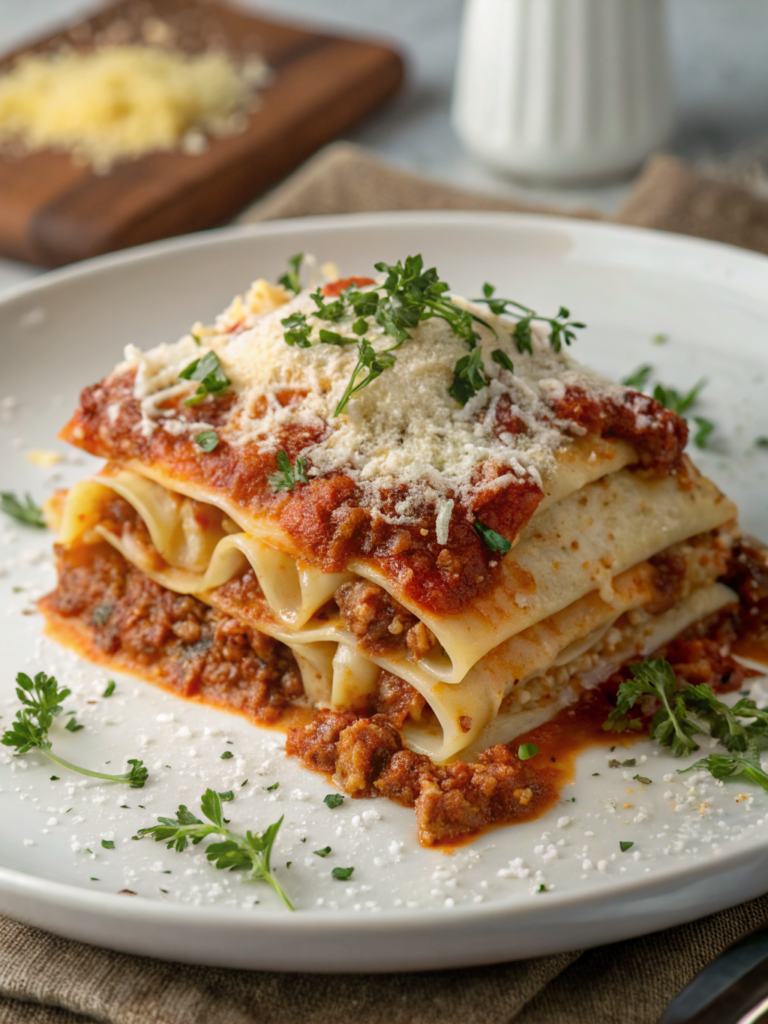
Grains represent the most obvious category of foods to avoid on keto. Wheat, rice, oats, and barley all contain substantial carbohydrates—often 40-50 grams per cup. This includes:
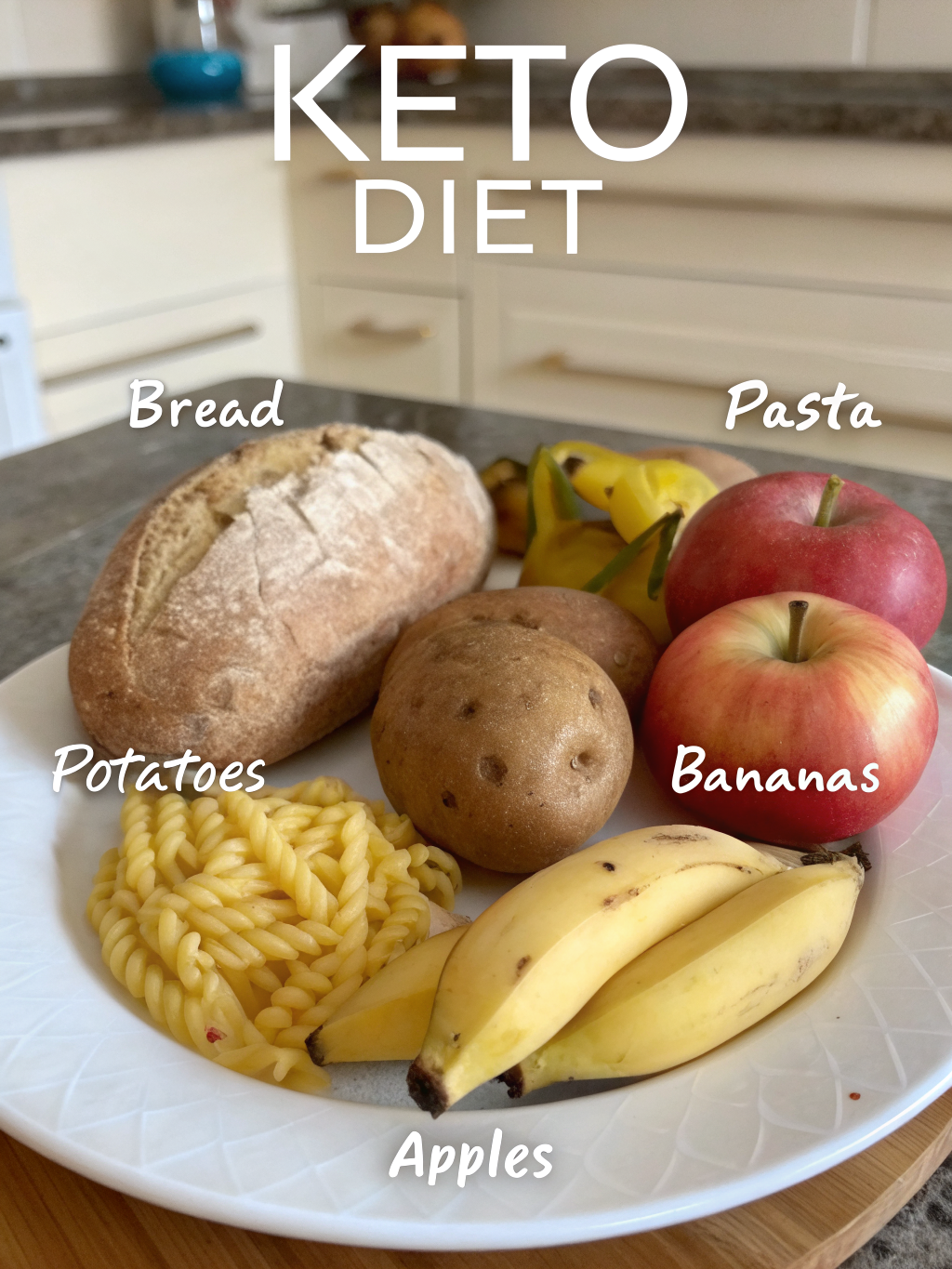
- Bread, pasta, and cereals
- Flour and baking mixes
- Quinoa (often mistakenly believed to be keto-friendly)
- Most granolas and breakfast bars
A single slice of whole wheat bread contains approximately 14 grams of net carbs, consuming your entire daily allowance for many strict keto dieters.
Sugary Foods and Beverages
Sugar is the obvious enemy on any keto diet foods not allowed list, but the culprits extend far beyond candy. Hidden sugars lurk in:
- Soft drinks and energy drinks (up to 40 grams per serving)
- Fruit juices and smoothies
- Flavored yogurts and desserts
- Ketchup and barbecue sauce (3-4 grams per tablespoon)
- Sports drinks and electrolyte beverages
Data shows that the average American consumes 17 teaspoons of added sugar daily—far exceeding keto parameters.
Fruits and High-Carb Vegetables
While fruits contain vitamins and minerals, most varieties contain excessive carbohydrates for ketogenic diets. Avoid:
- Bananas (27 grams per medium fruit)
- Grapes (17 grams per cup)
- Mangoes and pineapples
- Corn (19 grams per cup)
- Potatoes and sweet potatoes (26-37 grams per medium)
- Peas and beans (21 grams per cup)
Low-carb alternatives like berries (used sparingly), leafy greens, and cruciferous vegetables are suitable substitutions.
Processed and Ultra-Processed Foods
Modern processed foods disguise carbohydrates in unexpected ways. The foods to avoid on keto category includes:
- Low-fat salad dressings (often loaded with sugar)
- Protein bars (frequently containing 15-30 grams net carbs)
- Diet sodas with artificial sweeteners (controversial and potentially problematic)
- Processed lunch meats with added starches
- Flavored nuts and trail mixes
Alcoholic Beverages
While moderate alcohol consumption is sometimes permitted, certain beverages are problematic:
- Beer (4-7 grams per 12-ounce serving)
- Sweet wines and dessert wines (4-8 grams per glass)
- Cocktails mixed with sugary juices or sodas
- Pre-mixed alcoholic beverages
Dry wines, spirits, and sugar-free mixers are preferable alternatives.
Plant-Based and Low-Fat Products
Marketing claims of “healthy” often contradict ketogenic principles. Avoid:
- Low-fat plant-based meats (loaded with carbohydrates to replace fat)
- Fat-free salad dressings
- Reduced-fat peanut butter
- Plant-based “milks” with added sugars
- Artificial fruit spreads
Timing Your Keto Success
Successfully avoiding problematic foods requires strategic meal planning. Research indicates that individuals who meal prep weekly are 67% more likely to maintain their macronutrient targets. Allocating 2-3 hours on Sunday to prepare keto-compliant meals significantly reduces the temptation to reach for convenient, carb-laden alternatives.
Step-by-Step Guide to Identifying Hidden Carbs
Step 1: Master Nutritional Label Reading
Always check the nutrition facts panel for total carbohydrates, then subtract fiber to calculate net carbs. This simple calculation reveals deceptive products marketed as “keto-friendly” while containing substantial carbohydrates.
Step 2: Distinguish Between Net and Total Carbs
Total carbs include fiber, while net carbs represent digestible carbohydrates affecting blood sugar. For keto purposes, track net carbs exclusively, as fiber doesn’t significantly impact ketosis.
Step 3: Research Ingredient Lists
Look for hidden sugars listed as maltose, dextrose, fructose, honey, or agave nectar. Manufacturers often obscure sugar content by listing multiple sweetening agents separately.
Step 4: Calculate Daily Macronutrient Totals
Use tracking apps like MyFitnessPal or Cronometer to monitor cumulative carbohydrate intake. Many keto enthusiasts discover they exceed their carb threshold by day’s end without proper tracking.
Nutritional Information and Strategic Insights
Understanding nutritional profiles of avoided foods helps contextualize why they’re problematic. For example:
- One medium banana (118 grams) contains 27 grams total carbs, 3 grams fiber, leaving 24 grams net carbs
- A cup of cooked white rice (158 grams) contains 45 grams total carbs, nearly your entire daily allowance
- One regular soda (355 ml) contains 39 grams of pure sugar
Conversely, keto-approved alternatives like almond flour (3 grams net carbs per ounce) and full-fat Greek yogurt (3 grams per 100-gram serving) provide satisfying alternatives.
Healthier Alternatives Within Keto Framework
Successfully maintaining ketosis involves strategic substitutions:
- Replace regular pasta with zucchini noodles (4 grams net carbs per cup)
- Swap rice with cauliflower rice (5 grams net carbs per cup)
- Use almond or coconut flour instead of wheat flour
- Choose full-fat versions of dairy products
- Replace sugary sauces with sugar-free alternatives
- Substitute fruits with berries in limited quantities
Serving Suggestions for Keto Compliance
When dining out or at social gatherings, navigate potentially problematic situations by:
- Requesting vegetable sides instead of starches
- Choosing protein-based appetizers
- Avoiding bread baskets and complimentary chips
- Ordering sauces separately to control carbohydrate content
- Selecting full-fat dressings and prepared items without hidden sugars
Common Mistakes to Avoid
Mistake 1: Trusting “Keto” Marketing Claims
The keto industry generates substantial revenue through marketed products. Many contain 15-20 grams net carbs while claiming keto-friendliness, exceeding safe thresholds for certain individuals.
Mistake 2: Overlooking Condiments and Seasonings
A tablespoon of ketchup adds 4 grams of carbs. Cumulative condiment use can easily exceed daily allowances.
Mistake 3: Assuming All Low-Carb Sweeteners Are Equal
While stevia and erythritol are metabolically inert, sugar alcohols like maltitol spike blood sugar significantly, potentially disrupting ketosis for sensitive individuals.
Mistake 4: Neglecting Electrolyte Balance
Restrictive carbohydrate intake causes water and mineral loss. Avoiding electrolyte replenishment (sodium, potassium, magnesium) leads to “keto flu” and potential metabolic complications.
Storing Tips for Maintaining Keto Compliance
Proper food storage prevents reaching for non-compliant alternatives during busy periods:
- Prep keto-approved snacks (cheese, nuts, vegetables) in advance
- Store full-fat dairy products in visible locations
- Freeze compliant meals in individual portions for quick reheating
- Keep a keto-friendly pantry stocked with approved ingredients
- Remove tempting non-compliant foods from easily accessible storage areas
Research shows that food visibility increases consumption by up to 40%, so strategically position compliant options prominently.
Conclusion
Mastering the foods to avoid on keto transforms your ketogenic experience from frustrating to sustainable. By understanding hidden carbohydrates, reading nutritional labels carefully, and making informed substitutions, you’ll maintain consistent ketosis and achieve your health objectives.
The ketogenic journey isn’t about deprivation—it’s about conscious choices that align with your metabolic goals. Start today by auditing your current diet, identifying problematic foods, and implementing strategic replacements. Your future self will thank you for the commitment to understanding your nutritional needs.
Ready to optimize your keto journey? Share your experiences avoiding specific foods in the comments below, or explore our collection of keto-approved recipes for additional inspiration!
FAQs
Q: Can I ever reintroduce high-carb foods while maintaining ketosis?
A: Some individuals can reintroduce limited carbohydrates after establishing metabolic flexibility (typically 4-6 weeks in ketosis). However, most benefit from maintaining consistent carbohydrate restriction. Experimentation and tracking are essential.
Q: Are sugar alcohols truly keto-friendly?
A: Most sugar alcohols (erythritol, stevia) don’t significantly impact blood sugar. However, maltitol and sorbitol can disrupt ketosis for sensitive individuals. Read labels carefully and monitor personal response.
Q: What constitutes the “keto flu,” and how do I prevent it?
A: The keto flu—characterized by fatigue, headaches, and irritability—results from electrolyte depletion and carbohydrate withdrawal. Prevent it by maintaining adequate sodium (3,000-5,000 mg daily), potassium, and magnesium intake.
Q: How quickly will I experience results after eliminating problematic foods?
A: Most individuals enter ketosis within 3-5 days of consistent carbohydrate restriction. However, noticeable physical and cognitive improvements typically manifest after 2-3 weeks.
Q: Can I achieve ketosis with higher carbohydrate intakes (50-100 grams daily)?
A: Individual carbohydrate thresholds vary based on metabolism, activity level, and insulin sensitivity. Some people maintain ketosis with 50+ grams daily carbs, while others require stricter restriction. Personal monitoring through blood ketone testing provides clarity.
Beginner Keto Guide 📖
Meal Plan + Low Carb Weight Loss System
$19.99 $5.99
Limited Time Offer 🔥 Instant PDF Download
✔ Exact foods to eat & avoid + shopping list
✔ No keto flu (simple electrolyte fix)
✔ Easy meals (5 ingredients or less)
✔ Stay keto at restaurants & social events
✔ Crush sugar cravings fast
✔ Budget plan ($50/week strategy)
⭐ Beginner Friendly • No Cooking Skills Needed