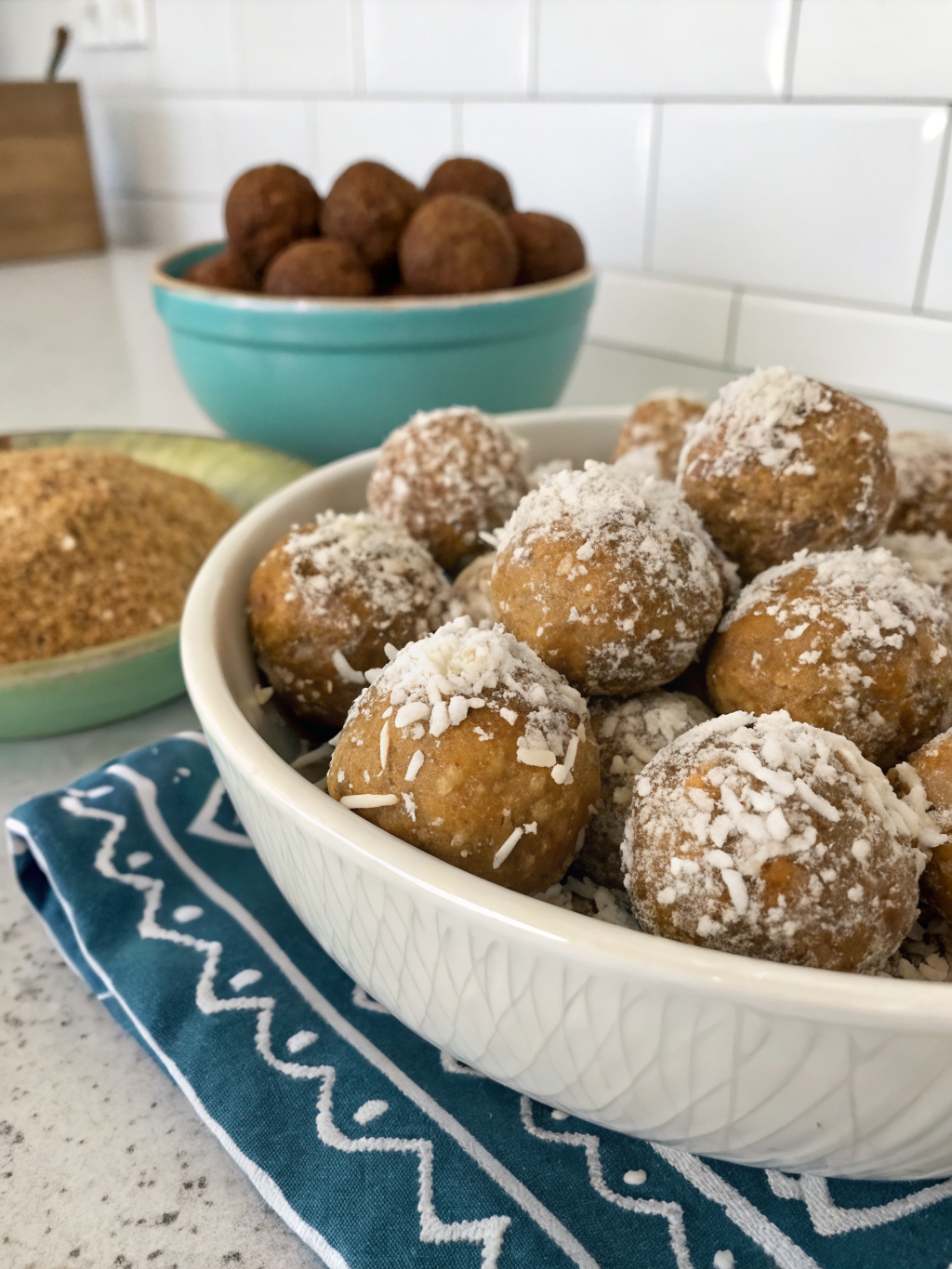
Coconut Energy Balls (No Bake): The Ultimate Guide to Guilt-Free, Energy-Boosting Snacks
Table of Contents
Introduction
Did you know that the average American consumes over 350 calories from snacks daily, yet struggles to find nutritious options that actually taste good? If you’re tired of processed energy bars loaded with artificial ingredients and sugar, here’s the game-changing solution: coconut energy balls. These delightful little powerhouses are transforming how health-conscious individuals approach snacking.
Coconut energy balls represent the perfect intersection of convenience, taste, and nutrition. Unlike traditional desserts that require baking and careful timing, these no bake healthy snacks come together in minutes, making them ideal for busy professionals, parents, and fitness enthusiasts. With just a handful of wholesome ingredients, you can create a batch of these delectable treats that will revolutionize your snacking habits. In this comprehensive guide, we’ll explore everything you need to know about making perfect coconut energy balls at home.
Ingredients List
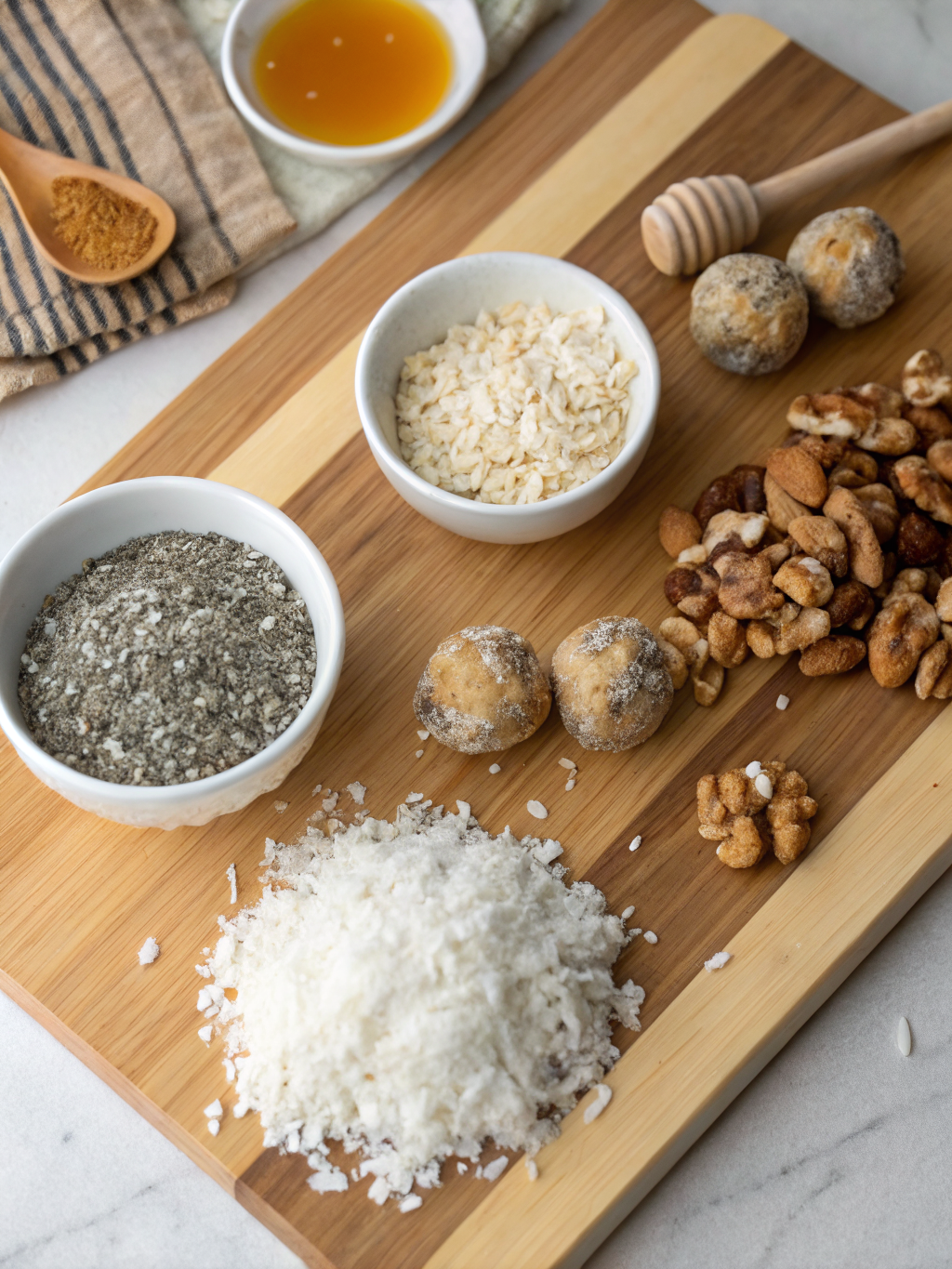
Creating authentic coconut energy balls requires surprisingly minimal ingredients. Here’s exactly what you need:
Essential Ingredients:
- 2 cups unsweetened shredded coconut – The star ingredient that provides texture, flavor, and healthy fats
- 1 cup natural almond butter – Creamy and protein-rich; alternatively, use peanut butter or tahini for different flavor profiles
- ½ cup raw honey – Acts as the perfect binding agent; substitute with maple syrup or agave nectar for vegan options
- 1 teaspoon vanilla extract – Enhances flavor depth; Madagascar vanilla offers superior taste
- ¼ teaspoon sea salt – Balances sweetness and amplifies coconut flavor
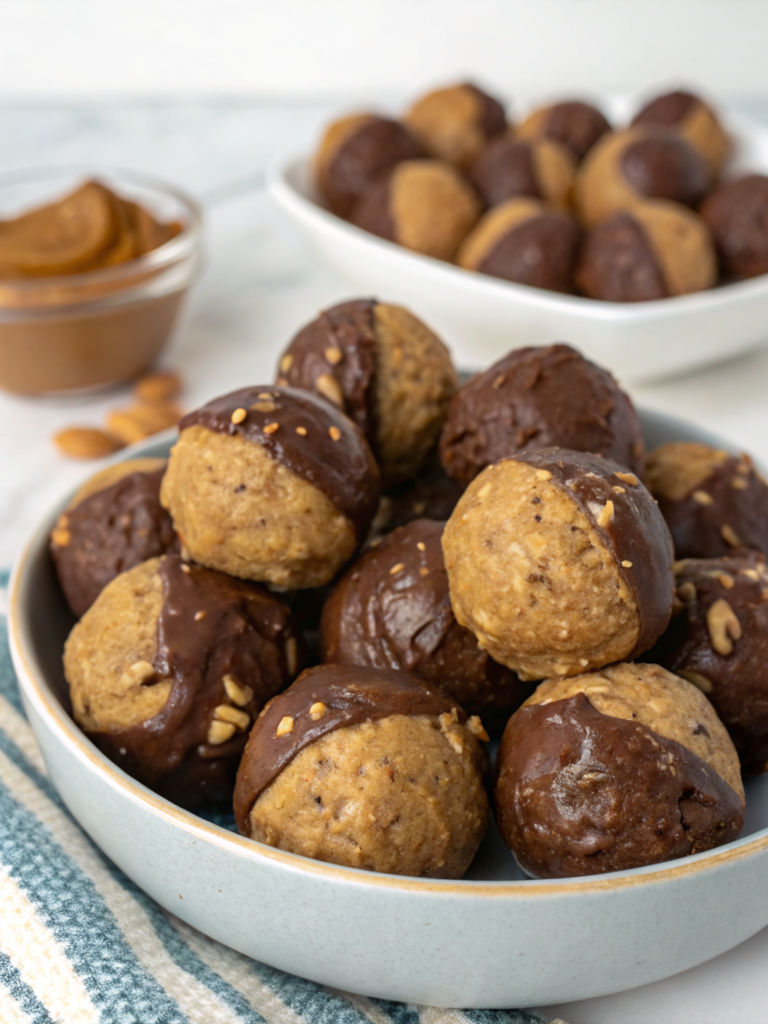
- ½ cup dark chocolate chips (optional) – For coating; use dairy-free chocolate for plant-based diets
- 2 tablespoons coconut oil – Essential for melting chocolate smoothly; promotes easier digestion
Smart Substitutions:
If you’re managing nut allergies, sunflower seed butter works beautifully as an almond butter replacement. For those seeking lower glycemic options, monk fruit sweetener or erythritol can substitute honey without compromising texture. Vegans can easily adapt this recipe by using coconut nectar instead of honey and selecting dairy-free chocolate alternatives.
Timing
Understanding the time investment helps you plan your snacking strategy effectively:
- Preparation Time: 15 minutes (mixing ingredients and forming balls)
- Chilling Time: 30-45 minutes (refrigeration for optimal firmness)
- Total Time: 45-60 minutes
This timeline is approximately 30% faster than traditional homemade energy bar recipes, making no bake healthy snacks significantly more efficient for weeknight preparation. You can further accelerate the process by using a food processor to combine ingredients, reducing active preparation time to just 10 minutes.
Step-by-Step Instructions
Step 1: Prepare Your Ingredients
Begin by gathering all ingredients at room temperature. This simple preparation step ensures even mixing and prevents temperature inconsistencies. If your almond butter has settled oil on top, stir it thoroughly to reintegrate. Room-temperature ingredients combine more smoothly, creating a homogeneous mixture that binds perfectly.
Step 2: Combine the Dry Base
In a large mixing bowl, combine your 2 cups of unsweetened shredded coconut with ¼ teaspoon of sea salt. Mix thoroughly with a sturdy spoon or your hands, ensuring salt distributes evenly. This step prevents clumping and guarantees balanced flavor in every single coconut energy ball. The salt acts as a flavor amplifier, reducing the perception of sweetness while enhancing coconut notes.
Step 3: Blend in the Wet Ingredients
Add 1 cup of natural almond butter and ½ cup of raw honey to your coconut mixture. Stir vigorously, breaking down any resistant clumps. If the mixture seems too dry, add honey gradually (one tablespoon at a time) until you achieve a consistency similar to cookie dough. This texture should hold together when pressed but remain slightly crumbly.
Step 4: Infuse with Vanilla
Pour in 1 teaspoon of vanilla extract and fold the mixture gently for 30-60 seconds. Vanilla distributes quickly, so avoid over-mixing, which can make the mixture dense and heavy. The goal is uniform flavor distribution throughout your batch.
Step 5: Form Your Energy Balls
Using a cookie scoop or melon baller (approximately 1-tablespoon size), scoop mixture portions onto a parchment-lined baking sheet. Roll each scoop between your palms into smooth, compact balls. If the mixture sticks to your hands, lightly dampen your palms with water. You should yield approximately 24-28 coconut energy balls from this batch.
Step 6: Chill and Set
Transfer your formed balls to the refrigerator for 30-45 minutes. This chilling period firms the mixture, making coating easier and preventing balls from falling apart when handled. Pro tip: For accelerated results, place balls in the freezer for 15-20 minutes instead.
Step 7: Prepare the Chocolate Coating (Optional)
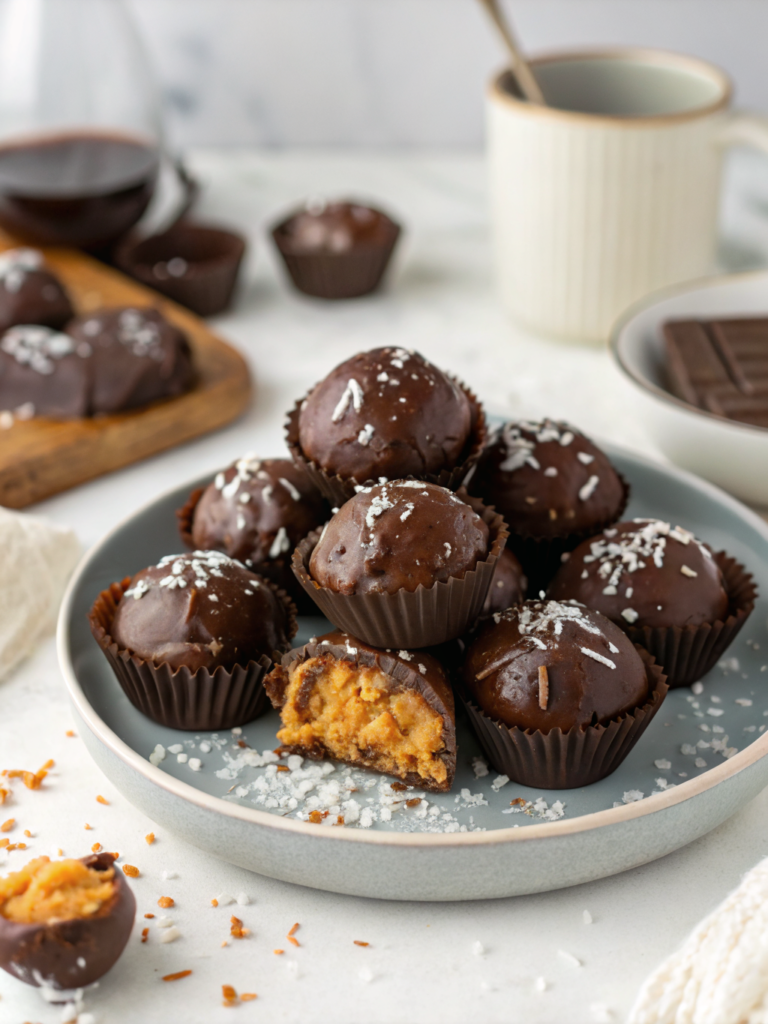
While balls chill, melt ½ cup of dark chocolate chips with 2 tablespoons of coconut oil using a double boiler or microwave (30-second intervals, stirring between each). Coconut oil ensures smooth, spreadable chocolate that sets quickly at room temperature without requiring additional refrigeration.
Step 8: Coat and Final Set
Remove chilled balls from the refrigerator and, using a fork, dip each into melted chocolate. Place chocolate-coated balls back on parchment paper and refrigerate for an additional 15 minutes until chocolate hardens completely.
Nutritional Information
Each coconut energy ball delivers impressive nutritional benefits:
Per Energy Ball (without chocolate coating):
- Calories: 95-110
- Protein: 2.5g
- Healthy Fats: 7g (primarily medium-chain triglycerides from coconut)
- Carbohydrates: 8g
- Fiber: 1.2g
- Sugar: 6g (naturally occurring)
Per Energy Ball (with chocolate coating):
- Calories: 125-140
- Protein: 3g
- Healthy Fats: 9g
- Carbohydrates: 11g
- Fiber: 1.5g
Research indicates that medium-chain triglycerides (MCTs) from coconut are metabolized differently than long-chain fats, potentially supporting sustained energy and metabolic efficiency. Each energy ball provides approximately 7% of daily recommended fiber, supporting digestive health and stable blood sugar levels.
Healthier Alternatives for the Recipe
For Lower-Sugar Versions:
Replace honey with monk fruit sweetener or erythritol in equal amounts. These alternatives contain virtually zero calories and don’t spike blood glucose levels, making coconut energy balls suitable for ketogenic and low-carb diets.
For Enhanced Protein:
Incorporate 3-4 tablespoons of vanilla protein powder into your dry mixture. This addition increases protein content to approximately 4-5g per ball without compromising texture or taste.
For Superfood Boost:
Add 2 tablespoons of chia seeds, ground flaxseed, or spirulina powder. These nutrient-dense additions introduce omega-3 fatty acids, minerals, and antioxidants while maintaining the integrity of your coconut energy balls.
For Paleo-Friendly Options:
Ensure you’re using raw honey and organic, naturally sourced almond butter without additives or oils. These modifications keep your snacks compliant with paleo dietary principles.
Serving Suggestions
For Pre-Workout Energy:
Consume one energy ball 20-30 minutes before exercise. The combination of natural carbohydrates and healthy fats provides sustained energy without digestive discomfort. Pair with water for optimal hydration.
For Afternoon Slump Recovery:
Combat the notorious 3 PM energy dip by enjoying two coconut energy balls with green tea or coffee. This combination addresses both energy deficiency and mental fog.
For Dessert Satisfaction:
Present chocolate-coated balls as a guilt-free dessert alternative at dinner gatherings. Their sophisticated appearance belies their simple ingredient profile, impressing health-conscious guests.
For Travel-Friendly Snacking:
Pack individual balls in small glass containers for convenient on-the-go nutrition. These no bake healthy snacks remain stable at room temperature for up to 8 hours, making them ideal travel companions.
For Gift-Giving:
Arrange beautifully presented energy balls in decorative boxes or jars. Homemade snacks make thoughtful, personalized gifts for health-conscious friends and family members.
Common Mistakes to Avoid
Mistake #1: Using Sweetened Coconut
Sweetened coconut creates excessively sweet, unbalanced energy balls. Always specify unsweetened shredded coconut for proper taste control and nutritional integrity.
Mistake #2: Improper Mixture Consistency
Adding too much honey creates overly moist, difficult-to-handle mixture. Add honey gradually, achieving cookie dough consistency before forming balls. If you’ve already added excessive honey, incorporate additional coconut (one tablespoon at a time) to restore proper texture.
Mistake #3: Insufficient Chilling Time
Skipping or shortening refrigeration results in balls that crumble during handling and coating. Resist the urge to rush; adequate chilling time ensures success.
Mistake #4: Chocolate Temperature Issues
Overheating chocolate causes it to become thick, grainy, and difficult to work with. Use gentle heat and stir frequently when melting. If chocolate hardens while coating, reheat briefly (5-10 seconds) to restore workability.
Mistake #5: Overcrowding Storage Containers
Stacking energy balls without separator layers causes them to stick together. Use parchment paper between layers or store in individual compartments.
Storing Tips for the Recipe
Refrigerator Storage:
Store coconut energy balls in an airtight container in the refrigerator for up to 14 days. The cool temperature maintains firmness and prevents chocolate coating from melting, while sealed containers prevent moisture absorption that could affect texture.
Freezer Storage:
For extended storage, freeze energy balls in freezer-safe containers for up to 3 months. Individual freezing on parchment paper before transferring to containers prevents clumping. Remove balls 10-15 minutes before consumption for optimal texture.
Room Temperature Storage:
In cooler climates (below 70°F), uncoated balls maintain quality for 5-7 days in sealed containers. Chocolate-coated varieties may soften if stored above 72°F, so refrigeration is recommended in warmer conditions.
Make-Ahead Strategy:
Prepare ingredient mixtures in bulk and refrigerate for up to 5 days before forming balls. This approach allows you to enjoy fresh energy balls throughout the week without daily preparation. Alternatively, scoop mixture portions into an ice cube tray and freeze for grab-and-go portions that can be thawed as needed.
Conclusion
Coconut energy balls represent a revolutionary approach to healthy snacking that doesn’t require sacrificing taste, convenience, or nutritional value. With minimal ingredients, no baking equipment, and under an hour of total time, you can create a nutritious supply of no bake healthy snacks that satisfy cravings while supporting your wellness goals.
These energy balls prove that healthy eating doesn’t require complicated recipes or expensive ingredients. Whether you’re managing dietary restrictions, seeking sustainable snacking solutions, or simply wanting to reduce processed food consumption, this recipe adapts beautifully to your specific needs.
We invite you to try this recipe this week and experience the transformative power of simple, whole-food nutrition. Share your creations on social media, experiment with flavor variations, and discover which modifications resonate most with your palate. Your feedback helps us refine recipes and creates a community of health-conscious snackers supporting each other’s wellness journeys.
Explore our collection of additional no bake healthy snacks recipes and discover more energy-boosting options that fit seamlessly into your lifestyle.
FAQs
Q: Can I make coconut energy balls without almond butter?
A: Absolutely. Peanut butter, cashew butter, sunflower seed butter, or tahini work excellently as substitutes. Adjust honey slightly based on the butter’s natural moisture content to maintain proper consistency.
Q: Are coconut energy balls suitable for vegans?
A: Yes, absolutely. Replace honey with maple syrup, coconut nectar, or agave nectar in equal amounts. Use dark chocolate labeled as dairy-free, and ensure your almond butter contains no animal-derived additives.
Q: How many energy balls can I safely consume daily?
A: Most health experts recommend 1-2 energy balls daily as part of a balanced diet. While nutritionally sound, portion control prevents excessive calorie or sugar consumption, maintaining metabolic balance.
Q: Can I prepare energy balls in advance for meal prep?
A: Yes, preparation up to 2 weeks in advance works perfectly. Store in refrigerator or freezer using appropriate containers, removing individual balls as needed throughout the week.
Q: What’s the best way to prevent chocolate coating from cracking?
A: Allow chocolate-coated balls to reach room temperature gradually after chilling. Rapid temperature changes cause cracking. Remove from refrigerator 5-10 minutes before serving for optimal appearance and texture.
Q: Can I customize flavors by adding extracts or spices?
A: Definitely. Experiment with almond extract, peppermint extract, or spices like cinnamon and nutmeg (use ⅛-¼ teaspoon to avoid overpowering flavors). Lemon or orange zest provides bright, refreshing variations.