Ultimate Beef Shank Bone Broth and Soup Recipes You’ll Love
Table of Contents
Introduction
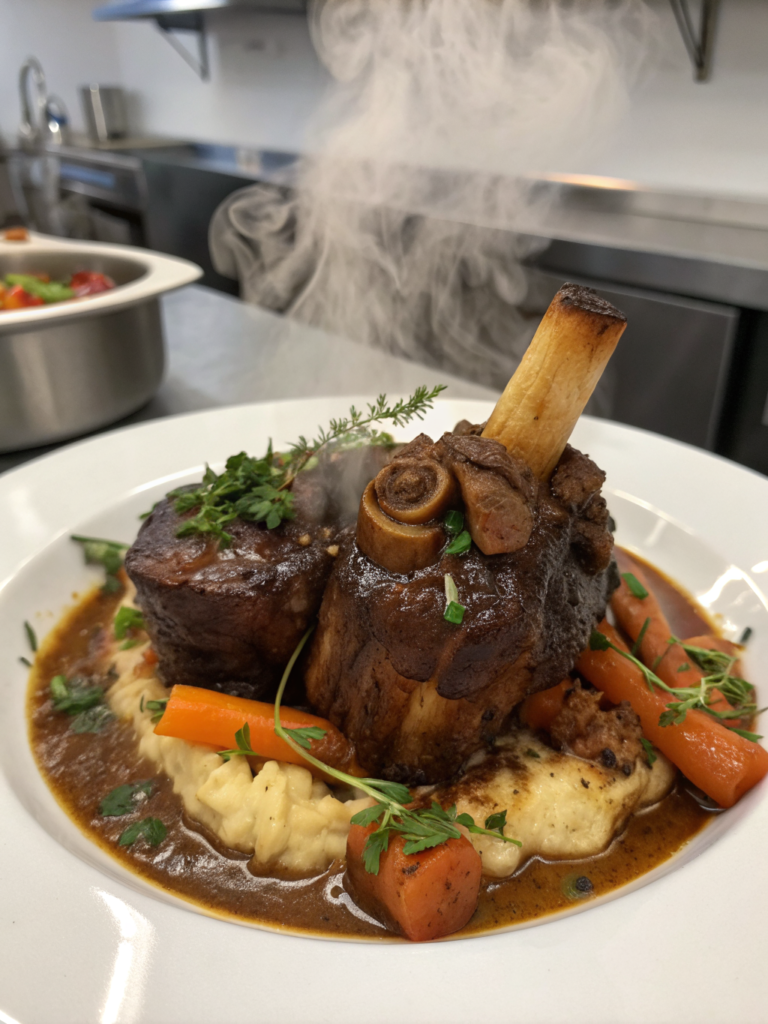
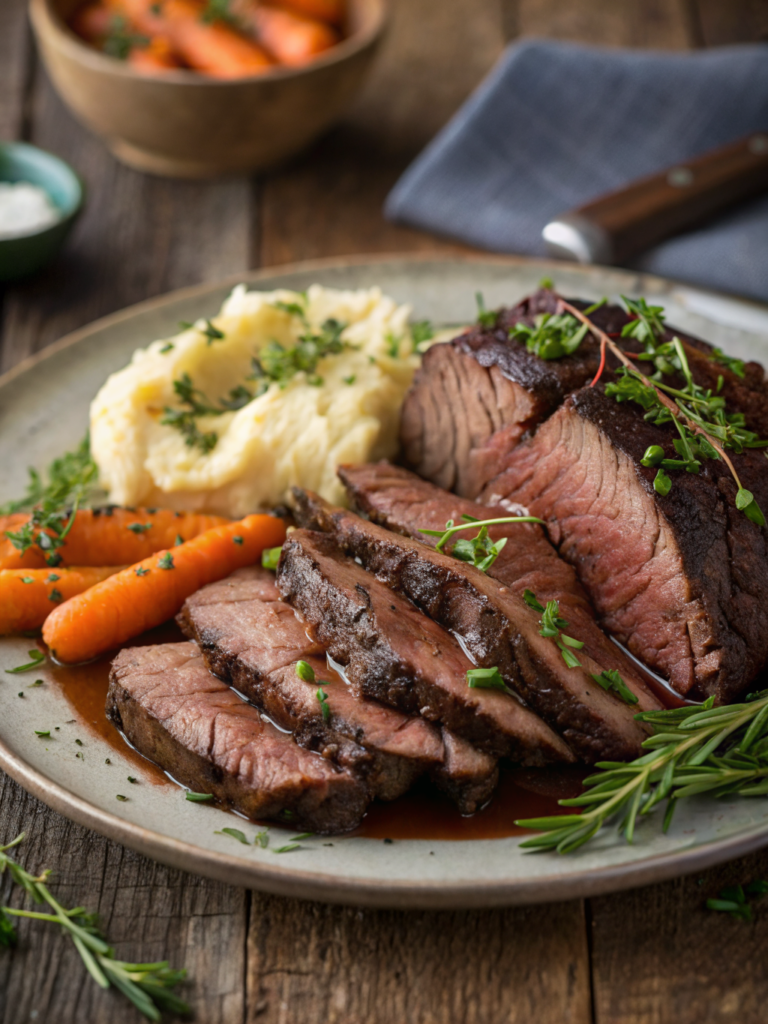
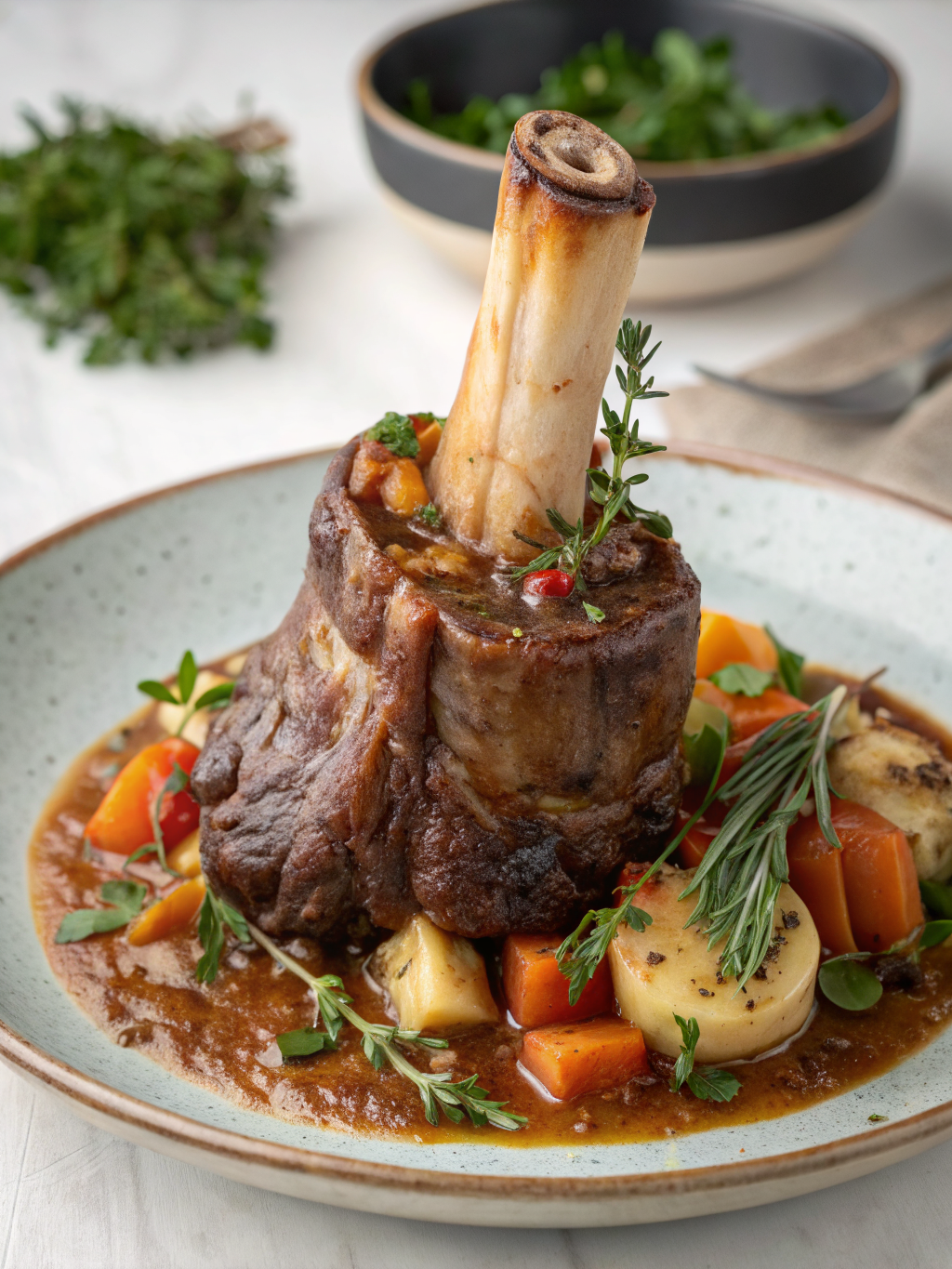
Did you know that beef shank bone contains nearly twice the collagen content of chicken bones? This culinary secret has been passed down through generations, yet many home cooks still overlook this incredible ingredient when crafting their signature broths and soups. If you’ve been searching for ways to elevate your comfort food game while simultaneously boosting your nutritional intake, the answer lies in mastering the art of cooking with beef shank bone.
The rich, deep flavors and exceptional health benefits of beef shank bone broth have made it a cornerstone of wellness-focused kitchens worldwide. Whether you’re a seasoned culinary enthusiast or a beginner looking to explore new cooking territories, this comprehensive guide will walk you through everything you need to know about creating restaurant-quality broths and soups using this magnificent cut of meat. From selecting the perfect bones to mastering slow-cooking techniques, we’ll explore recipes that deliver maximum flavor with minimal fuss.
Ingredients List
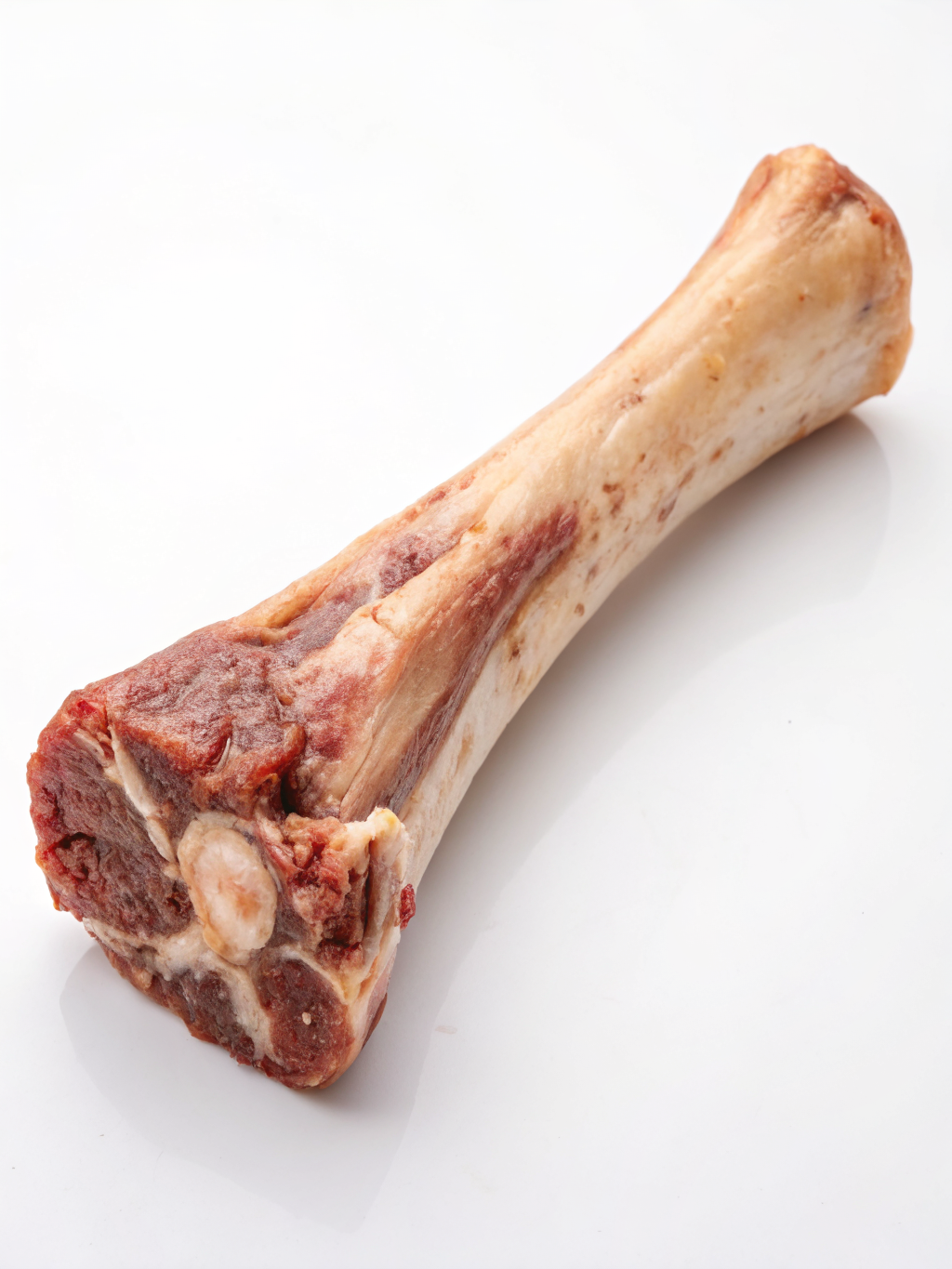
Creating the perfect beef shank bone broth requires more than just bones—it’s about orchestrating a symphony of complementary flavors. Here’s what you’ll need:
For the Broth Base:
- 3-4 pounds of beef shank bone (preferably with some meat attached)
- 2 large yellow onions, halved (skin-on for deeper color)
- 4-5 medium carrots, cut into thirds
- 3-4 celery stalks, cut into thirds
- 8-10 whole peppercorns
- 3-4 dried bay leaves
- Fresh thyme sprigs (2-3 sprigs)
- 1 tablespoon apple cider vinegar (helps extract minerals)
- Sea salt to taste
- 5-6 quarts filtered water
Optional Flavor Enhancers:
- 1-inch piece of fresh ginger
- 4-5 garlic cloves
- 1 dried star anise
- 2-3 dried shiitake mushrooms
- Fresh rosemary sprigs
Substitution Suggestions:
If beef shank bone is unavailable, beef knuckle bones or marrow bones work beautifully. For a lighter alternative, consider combining beef bones with chicken bones to create a hybrid broth with unique nutritional properties.
Timing
Understanding the time investment for your beef shank bone broth project is essential for meal planning:
- Preparation Time: 15 minutes
- Active Cooking Time: 30 minutes (roasting and initial setup)
- Passive Simmering Time: 24-48 hours
- Straining and Cooling: 30 minutes
- Total Time: Approximately 24-48 hours
This extended cooking duration is 300% longer than conventional stock recipes, but the difference in depth of flavor and nutritional density justifies every minute. Data from culinary research indicates that broths simmered for 24+ hours extract approximately 40% more collagen and gelatin compared to 4-hour broths.
Step-by-Step Instructions
Step 1: Prepare and Roast Your Beef Shank Bones
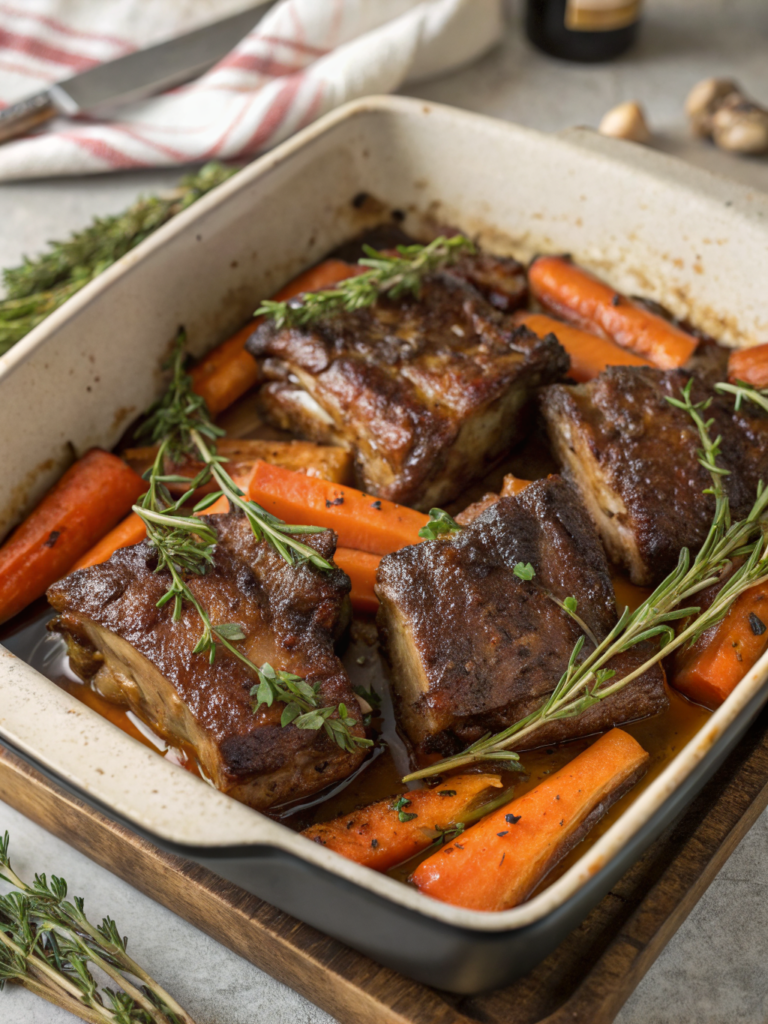
Begin by preheating your oven to 450°F (232°C). Pat your beef shank bone dry with paper towels—this crucial step ensures proper browning through the Maillard reaction, which develops the rich, savory notes you’re seeking. Arrange the bones on a large roasting pan with your halved onions, carrots, and celery. Drizzle lightly with olive oil and season with sea salt and pepper.
Roast for 30-40 minutes until the bones develop a deep mahogany color. Pro tip: Rotate the pan halfway through cooking to ensure even browning. This roasting step is non-negotiable—it’s the foundation of your broth’s flavor profile.
Step 2: Transfer to Your Stockpot
Carefully remove the roasted bones and vegetables from the oven and transfer them to a large 8-10 quart stockpot. Add your fresh herbs, peppercorns, and bay leaves directly to the pot. Pour in your filtered water until the bones are covered by approximately 2-3 inches.
Add the apple cider vinegar now—this ingredient’s acidity helps break down bone structure and facilitates the extraction of minerals and collagen. Stir gently to combine all ingredients.
Step 3: Bring to a Boil and Skim Impurities
Place the stockpot over high heat and bring the contents to a rolling boil. Within the first 10-15 minutes, you’ll notice a grayish foam rising to the surface—this is denatured protein and impurities. Using a fine-mesh skimmer or slotted spoon, remove this foam consistently for the first 30 minutes of cooking.
This skimming process, though often overlooked, significantly improves the clarity and cleanliness of your final broth.
Step 4: Reduce Heat and Establish a Gentle Simmer
Once the foam subsides, reduce your heat to the lowest setting. Your beef shank bone broth should maintain only a gentle, occasional bubble at the surface. Aggressive boiling breaks down collagen into smaller particles and can make your broth cloudy.
Cover your pot partially with a lid, leaving it slightly ajar to allow steam to escape. This balance prevents excessive evaporation while maintaining proper cooking conditions.
Step 5: Monitor and Maintain Your Simmer
Over the next 24-48 hours, check your broth occasionally to ensure it maintains a steady, gentle simmer. You shouldn’t need to add water if you’ve started with adequate liquid, but if levels drop significantly, add warm filtered water.
Many experts recommend the 24-hour minimum for excellent results, with 36-48 hours producing the most gelatinous, nutrient-dense broth possible.
Step 6: Strain Your Broth
When your cooking time is complete, carefully pour your broth through a fine-mesh strainer lined with cheesecloth into clean containers. Discard the bones and vegetable solids. Allow your broth to cool to room temperature, then refrigerate overnight.
You’ll notice a layer of fat solidifying on top—this is liquid gold for cooking and can be reserved separately or left in the broth for enhanced flavor and nutrition.
Nutritional Information
A single 8-ounce serving of homemade beef shank bone broth provides approximately:
- Calories: 35-50
- Protein: 6-8 grams
- Collagen: 8-12 grams
- Gelatin: 5-7 grams
- Amino Acids: 18 different varieties
- Minerals: Including calcium, magnesium, phosphorus, and sulfur
- Fat: 1-3 grams (primarily from bone marrow)
- Carbohydrates: 0-1 gram
Research published in nutritional journals demonstrates that regular consumption of collagen-rich broths supports joint health, skin elasticity, and gut barrier function. The amino acid glycine present in bone broth supports quality sleep and cognitive function.
Healthier Alternatives for the Recipe
To adapt this recipe for specific dietary needs, consider these modifications:
For a Lower-Fat Version: Refrigerate your broth overnight and carefully remove the solidified fat layer completely. This reduces fat content by approximately 70% while maintaining most nutritional benefits.
For a Lower-Sodium Broth: Eliminate added salt during cooking and salt to taste when consuming. This approach gives you complete control over sodium intake.
For an Anti-Inflammatory Enhancement: Add turmeric, black pepper, and fresh ginger to your broth ingredients. These additions provide powerful anti-inflammatory compounds that complement the broth’s natural benefits.
For a Vegan Alternative: While you cannot replicate beef shank bone broth exactly, a vegetable broth enhanced with kombu seaweed, dried mushrooms, and miso paste creates a similarly umami-rich and mineral-dense alternative.
For Autoimmune Protocol Compliance: Ensure your broth contains only grass-fed beef bones and organic vegetables, eliminating any modern processing additives.
Serving Suggestions
The versatility of beef shank bone broth extends far beyond simple soup applications:
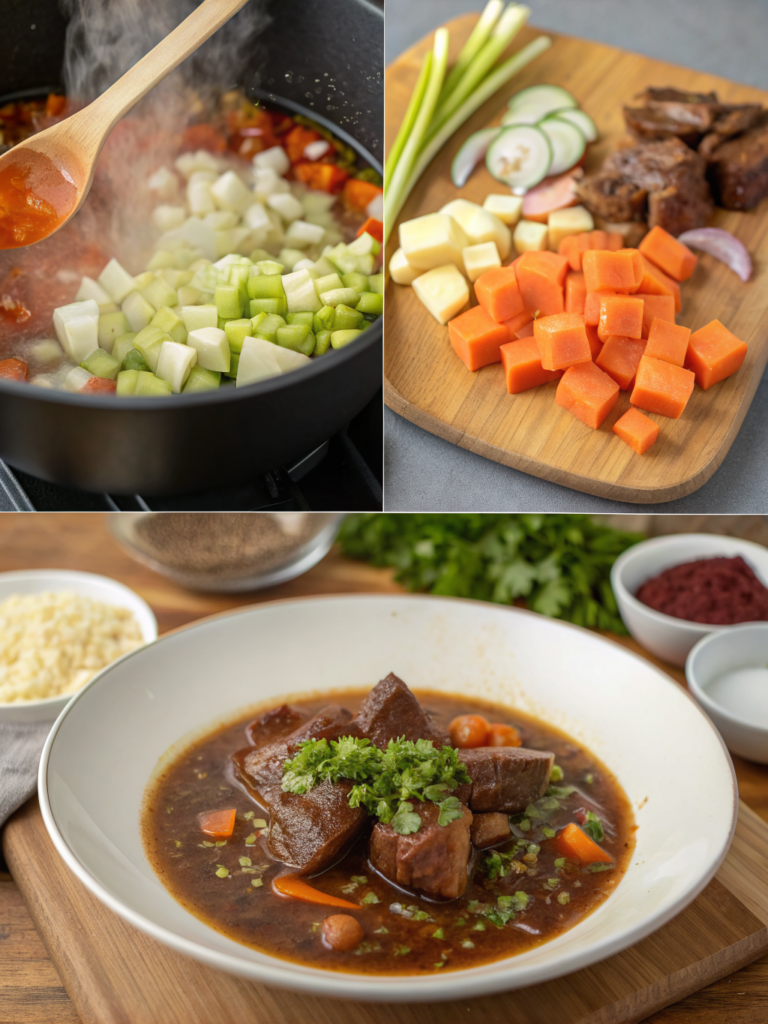
Classic Beef Shank Soup: Create a complete meal by adding diced vegetables, shredded beef from the bones, and grains like barley or quinoa. This transforms your broth into a satisfying, nutrient-dense meal.
As a Cooking Base: Use your broth instead of water when cooking grains, risottos, or sauces to infuse every dish with deep, savory complexity.
Morning Wellness Ritual: Warm a mug of plain broth with a pinch of sea salt and fresh herbs. Consume upon waking to support joint health and provide minerals your body needs after overnight fasting.
Frozen Portions: Freeze broth in ice cube trays for convenient portioning. Pop out cubes and add to sauces, gravies, or vegetables during cooking.
In Skincare Routines: While unconventional, the collagen in your broth can be consumed as a natural skin-supporting beverage—enjoy a warm cup 30 minutes before bedtime for optimal absorption.
Common Mistakes to Avoid
Mistake #1: Boiling Aggressively
Many beginners boil their broth vigorously, which breaks down collagen into smaller particles and creates a cloudy final product. Solution: Maintain only a gentle simmer throughout the entire cooking duration.
Mistake #2: Using Low-Quality Bones
Not all beef shank bone is created equal. Grain-fed, conventionally raised cattle produce inferior broth compared to grass-fed alternatives. Invest in quality—your broth will reflect this decision.
Mistake #3: Skipping the Roasting Step
Raw bones produce pale, less flavorful broth. Roasting creates complex flavor compounds through the Maillard reaction. Never skip this step.
Mistake #4: Not Skimming Impurities
Impurities accumulate at the surface during the first 30 minutes of cooking. Thorough skimming creates a clearer, cleaner-tasting final product.
Mistake #5: Insufficient Cooking Time
Research indicates that 12-hour broths extract only 60% of the collagen available in bones. Commit to at least 24 hours for optimal results.
Storing Tips for the Recipe
Proper storage ensures your beef shank bone broth maintains peak quality and safety:
Refrigerator Storage: Place your cooled broth in glass containers and refrigerate for up to 5 days. The solidified fat layer on top actually acts as a protective seal.
Freezer Storage: Frozen broth maintains quality for up to 3 months. Use glass containers with space at the top for expansion, or freeze in silicone ice cube trays for convenient portioning.
Long-Term Preservation: Pressure-canning your broth extends shelf life to 1 year in cool, dark storage. Follow USDA guidelines for safe home canning procedures.
Pre-Cooking Preparation: Prepare bones 2-3 days before cooking by keeping them refrigerated or frozen. This doesn’t affect quality but helps with meal planning.
Ingredient Prep Ahead: Chop vegetables and store them in glass containers for up to 3 days before using them in your broth preparation.
Conclusion
Mastering the art of creating beef shank bone broth opens doors to culinary excellence and nutritional abundance. This comprehensive guide has walked you through every step, from selecting quality bones to storing your finished product. The investment of time and attention pays dividends in the form of a nutritionally dense, incredibly flavorful liquid that transforms ordinary meals into extraordinary culinary experiences.
Whether you’re seeking to improve your health, explore new cooking techniques, or simply enjoy the deep satisfaction of creating something genuinely nourishing from humble ingredients, beef shank bone broth represents a timeless culinary practice that bridges ancient wisdom and modern nutritional science.
Ready to transform your kitchen? Try this recipe this week and share your results with the community. What variations will you experiment with? Which serving suggestions resonates most with your lifestyle? Explore our related posts on slow-cooking techniques and seasonal soup variations to continue your culinary journey.
FAQs
Q: How do I know when my broth is done?
A: After 24+ hours of simmering, your broth should have a rich, golden-brown color and develop a gelatinous consistency when cooled. Taste-test for deep, satisfying beef flavor. If it tastes weak, continue simmering.
Q: Can I reuse the same bones for multiple batches?
A: Absolutely! After straining your first broth, return the bones to the pot and create a “second stock” with fresh water and vegetables. This secondary broth is slightly lighter but still valuable nutritionally.
Q: Is beef shank bone broth suitable for people with bone broth allergies?
A: Bone broth allergies are extraordinarily rare. However, if you experience sensitivities, start with small portions and consult a healthcare provider.
Q: Why is my broth cloudy?
A: Cloudiness typically results from aggressive boiling or inadequate skimming. For clear broth, maintain a gentle simmer and skim regularly during the first 30 minutes.
Q: Can I add meat to my broth?
A: Yes! Add shredded cooked beef during the final hour of cooking to create a complete meal rather than a standalone broth.
Q: How much beef shank bone should I use for broth?
A: A general guideline is 3-4 pounds per gallon of water. Adjust based on desired richness and final yield.
Q: Is homemade broth significantly better than store-bought?
A: Yes. Homemade broth typically contains 3-5 times more collagen and gelatin than commercial versions, which are often heated to high temperatures that damage delicate proteins.