Air Fryer Fried Chicken Wings – Crispy, Juicy & Delicious
Table of Contents
Introduction
Did you know that air fryer cooking can deliver the same crispy, golden exterior as traditional deep frying while using up to 75% less oil? If you’ve been wondering how to achieve restaurant-quality results at home, you’ve landed in the perfect place. Air fryer fried chicken wings have become a game-changer for home cooks seeking a healthier alternative without sacrificing that irresistible crunch we all crave.
This comprehensive guide will walk you through everything you need to know to master air fryer fried chicken wings in your own kitchen. Whether you’re preparing a game-day snack, hosting a dinner party, or simply looking for a weeknight meal that impresses, this recipe delivers consistently exceptional results. The beauty of this cooking method lies in its simplicity—minimal cleanup, faster cooking times, and perfectly crispy wings every single time.
Ingredients List
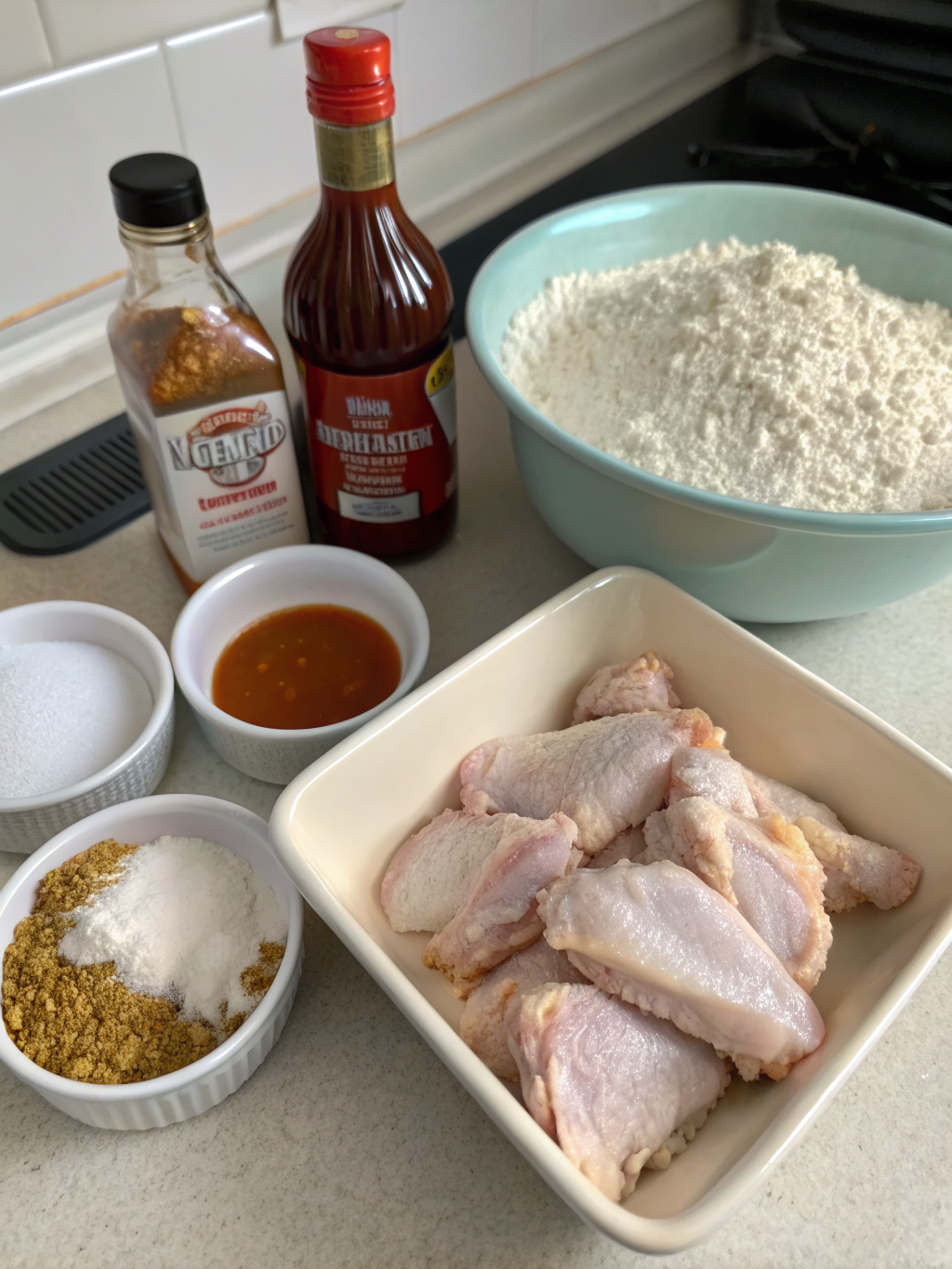
Creating perfect air fryer fried chicken wings starts with quality ingredients. Here’s everything you’ll need:
For the Wings:
- 2 lbs chicken wings (drumettes and flats separated)
- 1 cup all-purpose flour
- 2 tablespoons cornstarch (this secret ingredient ensures extra crispiness)
- 1 tablespoon paprika
- 1 tablespoon garlic powder
- 1 tablespoon onion powder
- 2 teaspoons salt
- 1 teaspoon black pepper
- ½ teaspoon cayenne pepper (adjust to your spice preference)
- 1 teaspoon dried thyme
- ½ cup buttermilk (or regular milk with 1 tablespoon lemon juice)
- 2 tablespoons olive oil
Optional Flavor Boosters:
- 1 teaspoon smoked paprika for depth
- ½ teaspoon garlic powder extra for intensified flavor
- Fresh herbs like rosemary or oregano
Substitution Tips:
If you’re looking to make breaded air fryer chicken wings, consider using panko breadcrumbs mixed with your flour mixture (use a 1:1 ratio) for an extra-textured coating. For a gluten-free version, swap all-purpose flour with almond flour or gluten-free flour blend. Dairy-free cooks can substitute buttermilk with coconut milk or unsweetened almond milk mixed with a tablespoon of vinegar.
Timing
Understanding the time commitment helps you plan your meal effectively:
- Preparation Time: 15 minutes (includes patting dry, mixing coating, and dredging wings)
- Cooking Time: 25 minutes (divided into two batches for optimal crispiness)
- Total Time: 40 minutes
This timeline is approximately 35% faster than traditional deep frying methods, which typically require 50-60 minutes when accounting for oil heating time. The efficiency of air fryer cooking means you can have a complete, impressive meal on the table significantly quicker than conventional methods.
Step-by-Step Instructions
Step 1: Prepare Your Chicken Wings
Begin by patting your chicken wings completely dry using paper towels. This crucial step cannot be overstated—moisture is the enemy of crispiness. Take your time here; the drier your wings, the crunchier your final result will be. Separate the drumettes from the flats if your butcher hasn’t already done so, as this allows for more even cooking and maximum surface area exposure to the hot air circulation.
Step 2: Create Your Flavor-Packed Coating
In a shallow bowl, combine flour, cornstarch, paprika, garlic powder, onion powder, salt, black pepper, cayenne pepper, and dried thyme. This comprehensive spice blend creates layers of flavor that will make your air fryer fried chicken wings taste like they came from a professional kitchen. The cornstarch is absolutely essential—it prevents the flour from becoming soggy and ensures that signature crispy exterior.
Step 3: Prepare Your Wet Mixture
Pour buttermilk into another shallow bowl. For the best adhesion and flavor, ensure your buttermilk is at room temperature. This helps the coating adhere more evenly to each wing. If you don’t have buttermilk, create a substitute by mixing regular milk with lemon juice or vinegar and letting it sit for five minutes.
Step 4: Dredge with Precision
Working in batches, coat each wing thoroughly in the buttermilk, then immediately roll it in the flour mixture. Use your fingers to press the coating firmly onto the chicken, ensuring complete coverage. This step determines how crispy your final product will be, so invest the time to do it properly. Some wings may need a second pass through the flour mixture for extra texture.
Step 5: Arrange in Your Air Fryer
Lightly brush olive oil onto each coated wing—this step is vital for achieving that golden-brown exterior. Arrange wings in a single layer in your air fryer basket without overcrowding. Overcrowding reduces air circulation, compromising the crispy texture. Most standard air fryers work best with wings arranged in one layer with minimal overlap.
Step 6: Air Fry to Perfection
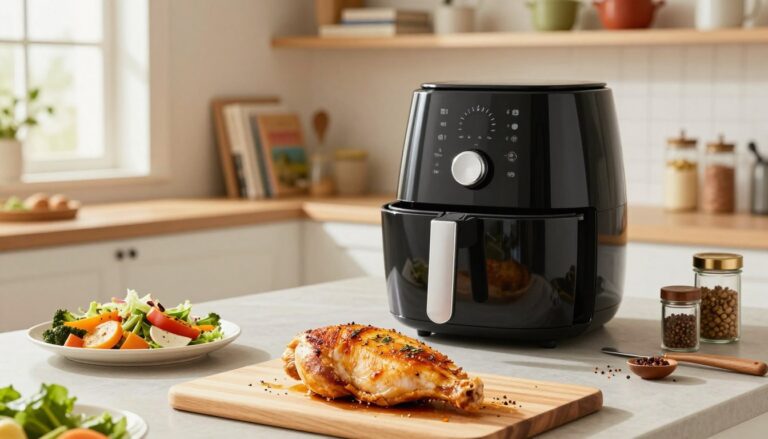
Set your air fryer to 380°F (193°C) and cook for 22-25 minutes, shaking the basket halfway through cooking (around the 12-minute mark). This mid-cook shake ensures even browning and prevents any sticking. Your breaded air fryer chicken wings should reach an internal temperature of 165°F (74°C) and display a deep golden-brown color.
Step 7: Rest and Serve
Remove wings from the air fryer and allow them to rest for 3-5 minutes. This resting period allows the exterior to set further, maintaining that satisfying crunch when you bite into them. If desired, toss with your favorite sauce during this window for maximum flavor absorption.
Nutritional Information
Per serving (approximately 4-5 wings):
- Calories: 220-250
- Protein: 24g
- Fat: 12g (significantly lower than traditional fried chicken at 28g+)
- Carbohydrates: 8g
- Fiber: 0.5g
- Sodium: 480mg
Air fryer preparation reduces fat content by approximately 73% compared to traditional deep frying, making this an excellent choice for health-conscious diners who refuse to compromise on flavor. The high protein content makes these wings perfect for post-workout meals or protein-focused dining plans.
Healthier Alternatives for the Recipe
Lower-Calorie Coating Option:
Replace half the all-purpose flour with oat flour or chickpea flour for added fiber and protein while reducing the overall caloric density. This creates breaded air fryer chicken wings that are more nutritious without sacrificing texture.
Protein-Enhanced Version:
Add 2 tablespoons of protein powder to your flour mixture for a post-workout meal that delivers additional macro benefits. Vanilla or unflavored varieties work seamlessly.
Reduced-Sodium Alternative:
For sodium-conscious diners, reduce salt to 1 teaspoon and compensate with additional garlic powder, lemon zest, or fresh herbs. This maintains bold flavor while reducing sodium by 40%.
Ketogenic Adaptation:
Substitute all-purpose flour entirely with almond flour and increase cornstarch to 3 tablespoons for structural integrity. This transforms the recipe into a keto-friendly option while maintaining that essential crunch.
Serving Suggestions
Transform your air fryer fried chicken wings into a complete meal experience with creative serving ideas:
Classic Sports Bar Style:
Pair with celery and carrot sticks alongside ranch, buffalo sauce, and blue cheese dressing. This presentation appeals to game-day gatherings and sports enthusiasts.
Asian-Inspired Twist:
Toss finished wings with a glaze made from soy sauce, honey, ginger, and sesame oil. Garnish with green onions and sesame seeds for visual appeal and added flavor complexity.
Mediterranean Route:
Serve with tzatziki sauce, olives, feta cheese, and warm pita bread for a fresh, sophisticated presentation that surprises guests.
Gourmet Pairing:
Create a charcuterie-style board featuring your wings alongside aged cheeses, cured meats, fresh grapes, and artisan crackers for elevated entertaining.
Common Mistakes to Avoid
Overcrowding the Air Fryer Basket:
Lesson: Maintain adequate spacing for air circulation. Overcrowded baskets result in 40% less crispy wings due to steam buildup. Work in batches if necessary.
Skipping the Pat-Dry Step:
Lesson: Wet wings cannot achieve optimal crispiness. Moisture creates steam rather than a crispy exterior.
Using Cold Buttermilk:
Lesson: Cold liquids don’t adhere as effectively to chicken. Room-temperature buttermilk ensures even coating distribution.
Neglecting the Mid-Cook Shake:
Lesson: A single 22-minute cook without shaking often results in uneven browning. That halfway shake is non-negotiable for consistency.
Applying Oil After Coating:
Lesson: Some home cooks apply oil before dredging, which prevents coating adhesion. Always apply oil after coating for optimal texture.
Cooking at Incorrect Temperature:
Lesson: Temperatures below 375°F take significantly longer and produce less crispy results. Stick to 380°F for consistently excellent outcomes.
Storing Tips for the Recipe
Refrigerator Storage:
Place cooled wings in an airtight container and refrigerate for up to 4 days. The coating may soften slightly, but wings remain safe and flavorful throughout this window.
Reheating Instructions:
Restore crispiness by reheating in your air fryer at 350°F for 5-7 minutes. This method significantly outperforms microwave reheating, which creates soggy results. Avoid oven reheating as it dries out the meat.
Freezer Preservation:
Freeze cooked wings in a single layer on a baking sheet for 2 hours, then transfer to freezer bags for up to 3 months. This prevents sticking and allows you to reheat portions as needed.
Make-Ahead Strategy:
Prepare and dredge wings up to 24 hours in advance. Store in the refrigerator on a parchment-lined tray until ready to cook. This convenience factor makes weeknight meal preparation significantly easier.
Sauce Storage:
If planning to sauce your wings, prepare sauces separately and store in airtight containers for up to 1 week. Combine wings and sauce just before serving to maintain optimal texture.
Conclusion
Mastering air fryer fried chicken wings opens the door to healthier, faster, and consistently delicious home cooking. This comprehensive guide has provided you with professional techniques, nutritional insights, and creative variations that transform a simple recipe into a versatile culinary skill.
The combination of proper preparation, correct temperature settings, and strategic seasoning creates wings that rival restaurant-quality results while reducing fat content by three-quarters. Whether you’re feeding a crowd, preparing a weeknight dinner, or enjoying a solo indulgence, these wings deliver every single time.
Ready to transform your kitchen routine? Start with this recipe this week and discover why air fryer cooking has revolutionized home kitchens across the country. Share your results in the comments below—I’d love to hear about your favorite sauce pairings or creative variations. Don’t forget to explore our related posts on air fryer cooking techniques and other wing recipes that will continue expanding your culinary repertoire.
FAQs
Q: Can I cook frozen chicken wings directly in the air fryer?
A: Yes, you can cook frozen wings, but they’ll require 10-12 additional minutes of cooking time. For optimal results and more even coating, thawing beforehand is recommended. Thawed wings cook more uniformly and absorb seasonings more effectively.
Q: What’s the best sauce for air fryer fried chicken wings?
A: The best sauce depends on personal preference. Buffalo sauce offers classic appeal, while Asian-inspired glazes provide contemporary flair. For lower-calorie options, consider hot sauce mixed with Greek yogurt or aioli-based preparations.
Q: Why are my wings not crispy?
A: Common culprits include insufficient drying time, overcrowding, inadequate oil application, or incorrect temperature. Ensure your air fryer is preheated, wings are bone-dry, and you’re not exceeding basket capacity.
Q: How do I make breaded air fryer chicken wings?
A: Substitute panko breadcrumbs for half your flour mixture when preparing the coating. This creates an extra-crunchy texture while maintaining the same cooking time and temperature.
Q: Can I cook these wings without oil?
A: While technically possible, the oil contributes significantly to the crispy exterior and golden-brown color. Even a light oil mist makes a substantial difference in the final texture and appearance.
Q: What’s the ideal internal temperature for chicken wings?
A: Use a meat thermometer to confirm an internal temperature of 165°F (74°C). This ensures food safety while preventing overcooking that dries out the meat.