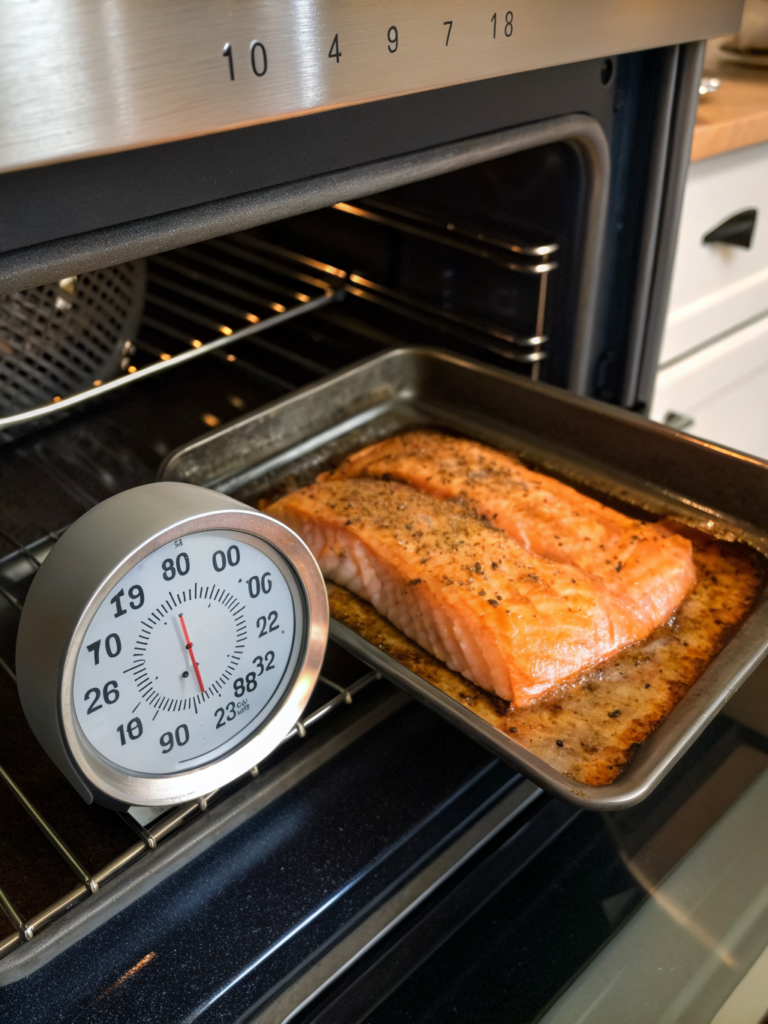
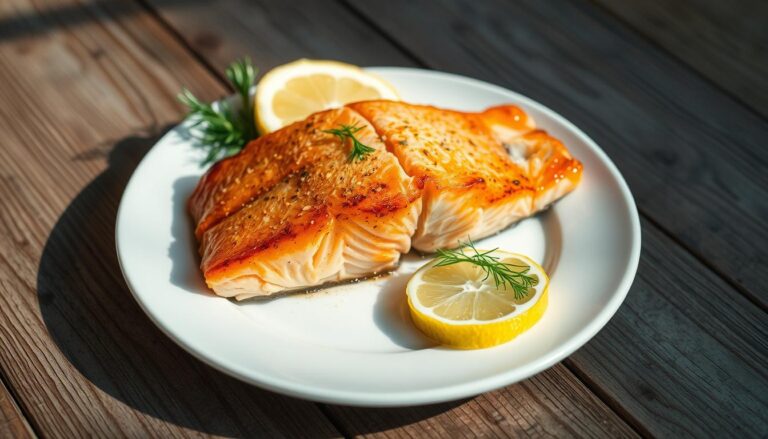
Smoked Salmon Internal Temp: The Key to Delicious Salmon
There’s something magical about biting into perfectly smoked salmon. The delicate texture melts on your tongue. The rich flavor tells a story of patience and skill.
Many home cooks think smoking salmon is about following a recipe. They believe it’s just about picking a smoker and waiting. But the truth is different. Smoking salmon is a science. Temperature control makes the difference between dry, tough fish and buttery, moist perfection.
Getting the smoked salmon internal temp right isn’t complicated. You just need to understand what to look for. Whether you’re new to smoking or you’ve been doing it for years, this guide changes how you approach salmon.
You’ll learn that smoked salmon temperature guide knowledge is your secret weapon. Understanding how heat transforms raw fish into a delicacy gives you power. You become confident. You get consistent results. Every batch tastes amazing.
This guide covers everything you need to know. You’ll explore the basics of smoked salmon first. Then you’ll dig into why temperature matters so much. You’ll discover the exact smoked salmon internal temp you should aim for.
You’ll learn how to check it without guessing. You’ll master different smoking methods. By the end, you’ll be ready to smoke salmon like a pro.
Temperature is the invisible hand that guides your smoking process. It affects how your salmon cooks. It impacts food safety. It shapes the taste and texture.
Your job is simple: learn what temperature means success and what it means trouble.
Table of Contents
Understanding Smoked Salmon: What You Need to Know
Before you start cooking smoked salmon, it’s important to know what makes it special. It begins as fresh fish, cured with salt and sugar, then smoked. This process gives it a rich flavor and silky texture.
Knowing the basics about smoked salmon helps you make better choices. It prepares you for the next steps in cooking and selecting your fish.
Learning about smoked salmon varieties and their health benefits is key. This knowledge is essential before you start worrying about temperature control.
What is Smoked Salmon?
Smoked salmon is fish preserved with salt and sugar, then smoked. The smoking process gives it a deep, complex flavor. This makes smoked salmon so delicious.
The smoke changes the fish’s taste and texture. It turns ordinary salmon into something extraordinary that you can enjoy in many ways.
Different Types of Smoked Salmon
You’ll find many styles of smoked salmon at stores or fish markets. Each type has unique flavors and textures based on how it’s prepared:
- Nova salmon has a mild, delicate smoke flavor with a soft texture
- Scottish smoked salmon has a stronger smoke taste and firmer consistency
- Gravlax uses salt and dill curing without smoking for a fresh, briny taste
- Atlantic smoked salmon offers a classic, balanced smoke flavor
- Pacific varieties like King, Sockeye, and Coho bring richer, more robust tastes
Understanding these differences helps you choose the right salmon for your needs. Knowing which variety works best for specific recipes and preferences improves your cooking advice.
| Salmon Type | Flavor Profile | Texture | Best Use |
|---|---|---|---|
| Nova | Mild and delicate | Soft and buttery | Bagels and cream cheese |
| Scottish | Strong and smoky | Firm and dense | Appetizers and platters |
| Sockeye | Rich and bold | Meaty | Salads and pasta |
| King | Deep and complex | Tender | Standalone servings |
| Coho | Medium smoke | Moderate firmness | Mixed dishes |
The Health Benefits of Smoked Salmon
Smoked salmon is not just tasty—it’s also full of nutrients. It’s packed with omega-3 fatty acids that are good for your heart and brain. These healthy fats reduce inflammation and support your overall wellness.
Smoked salmon also has high-quality protein for muscle building and repair. It’s a good source of vitamin D for strong bones and B vitamins for energy. Each serving also has selenium and astaxanthin, powerful antioxidants that protect your cells.
Proper temperature control during smoking preserves these valuable nutrients. Following temperature guidelines helps maintain the fish’s nutritional profile while creating amazing flavor. This balance makes smoked salmon a smart choice for your diet—it’s nutritious, delicious, and satisfying.
Understanding what smoked salmon is and why it matters to your health prepares you for the temperature guidelines that come next in this guide.
The Importance of Internal Temperature for Smoked Salmon
Getting the right temperature for smoked salmon is more than just following rules. It keeps your family safe and makes the dish taste and feel just right. Knowing how temperature works in smoking makes you confident in making this dish every time.
Food Safety Guidelines
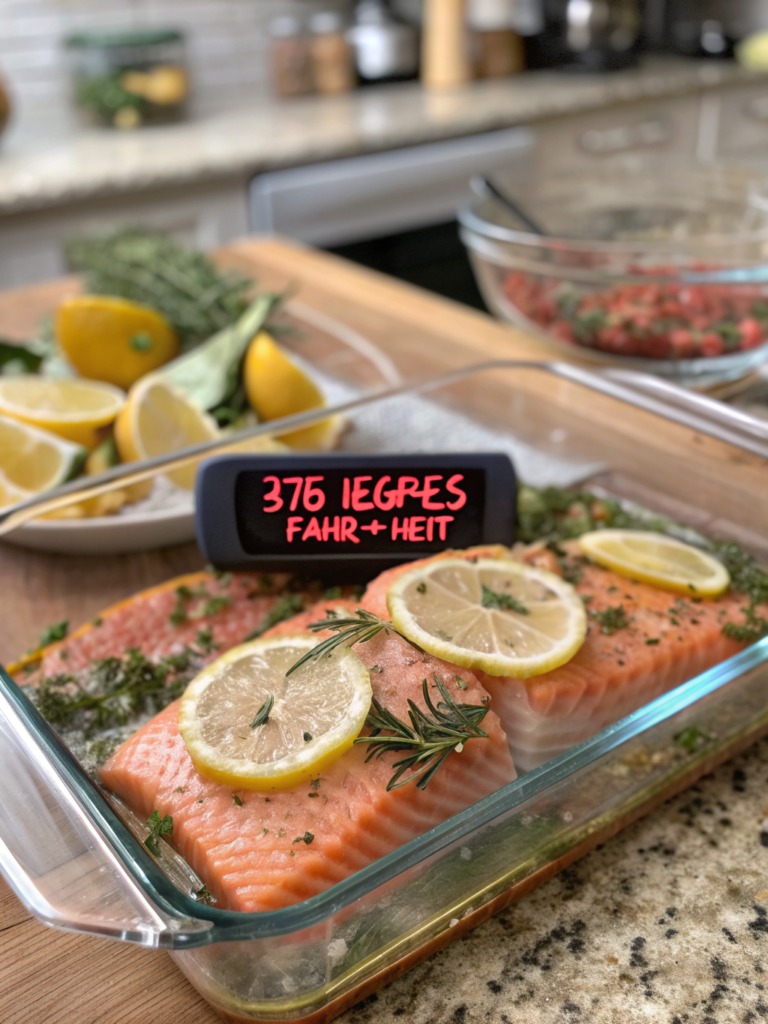
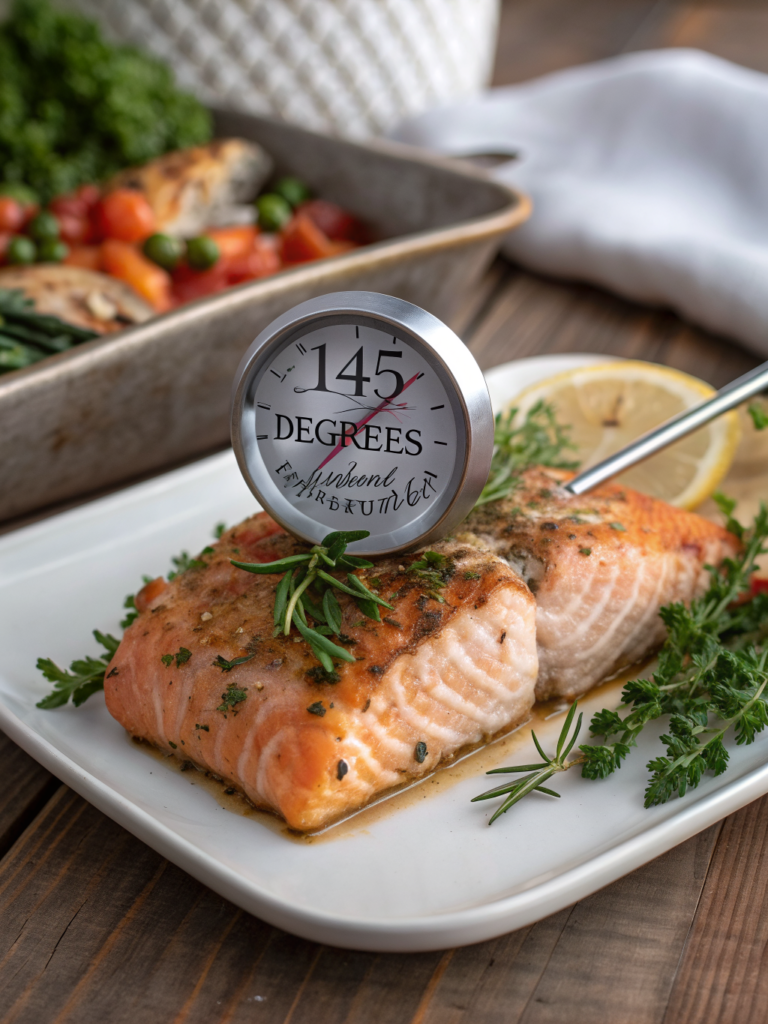
The USDA says to cook fish to 145°F (63°C) to kill harmful bacteria. This temperature ensures your smoked salmon is safe to eat. It gives you peace of mind when you serve it to your family.
It’s important to avoid the “danger zone” of 40°F to 140°F. Bacteria grow fast in this range. So, smoke your salmon quickly or keep it cold to stay safe.
- Maintain proper smoking temperatures throughout the process
- Use a reliable meat thermometer to check internal temperature
- Never leave smoked salmon in the danger zone for extended periods
- Store finished salmon below 40°F immediately
How Temperature Affects Flavor and Texture
Temperature changes your salmon in amazing ways. Heat changes the fish’s proteins and fibers, making it different. Cold-smoked salmon is silky, while hot-smoked is flaky.
The right temperature for smoking salmon depends on what you want. Lower temperatures keep it moist and tender. Higher temperatures make it flaky and smoky. Finding the right balance is key.
| Temperature Range | Smoking Method | Texture Result | Flavor Intensity |
|---|---|---|---|
| 90°F to 110°F | Cold Smoking | Silky and delicate | Subtle smoke notes |
| 145°F to 160°F | Warm Smoking | Moist and tender | Moderate smoke presence |
| 180°F to 220°F | Hot Smoking | Flaky and fully cooked | Rich and bold smoke |
Temperature control is key to keeping your salmon moist. Cooking too fast can dry it out. The right temperature ensures it stays juicy and flavorful.
“Perfect smoked salmon starts with understanding that temperature isn’t just about safety—it’s the secret ingredient to incredible flavor and texture.”
Ideal Internal Temperature for Smoked Salmon
Getting the right temperature is key to making great smoked salmon. The perfect internal temperature depends on your smoking method and taste. Knowing these temperature ranges helps you get the right balance of safety and texture.
Recommended Temperatures for Cooking
The best internal temperature for smoked salmon changes with your method. For hot-smoked salmon, aim for 140°F to 150°F, with 145°F being ideal. This ensures the fish is safe and stays moist and flaky.
Cold-smoked salmon is different. It stays below 90°F because you’re focusing on flavor, not cooking. The fish is safe due to proper curing, not heat.
Some chefs like a lower temperature of 120°F to 125°F for a sushi-like texture. This method needs high-quality, parasite-free fish from trusted sources.
| Smoking Method | Temperature Range | Safety Level | Texture Profile |
|---|---|---|---|
| Hot-Smoked Salmon | 140°F to 150°F | USDA Approved | Flaky and Opaque |
| Hot-Smoked (Chef Preference) | 120°F to 125°F | Premium Fish Only | Translucent and Tender |
| Cold-Smoked Salmon | Below 90°F | Requires Curing | Silky and Delicate |
How to Check the Temperature
An instant-read digital thermometer is the best tool for checking smoked salmon. Insert it into the thickest part of the fillet, avoiding bones. Take readings from different spots to ensure even cooking.
- Insert the thermometer at a 45-degree angle into the thickest part
- Avoid touching bones, which conduct heat differently
- Take readings from at least three different locations
- Wait for the reading to stabilize before removing the thermometer
Look for visual signs too. The flesh should be opaque and flake easily. The edges will be slightly darker than the center.
Remember carryover cooking. Remove your salmon when it reaches about 5°F below your target internal temperature. The fish will continue cooking while resting, reaching your desired doneness without overcooking.
Common Methods for Smoking Salmon
Learning to smoke salmon involves choosing between two main methods. Each method creates unique textures and flavors. Your choice depends on your equipment, time, and desired outcome. Let’s look at both methods to help you decide for your home smoking project.
Hot Smoking vs. Cold Smoking
Hot smoking uses higher heat to cook and add smoke flavor to salmon. Temperatures range from 120°F to 180°F. This process takes 2 to 4 hours, making the fish flaky and ready to eat.
Cold smoking is different. It keeps temperatures below 90°F and takes 12 to 24 hours or more. It results in a silky texture without cooking the fish. Cold smoking requires more equipment and experience. You must cure the salmon first for safety.
| Smoking Method | Temperature Range | Time Required | Texture Result | Difficulty Level | Food Safety |
|---|---|---|---|---|---|
| Hot Smoking | 120°F to 180°F | 2 to 4 hours | Flaky and fully cooked | Beginner-friendly | Safest for home use |
| Cold Smoking | Below 90°F | 12 to 24+ hours | Silky and lox-like | Advanced required | Requires prior curing |
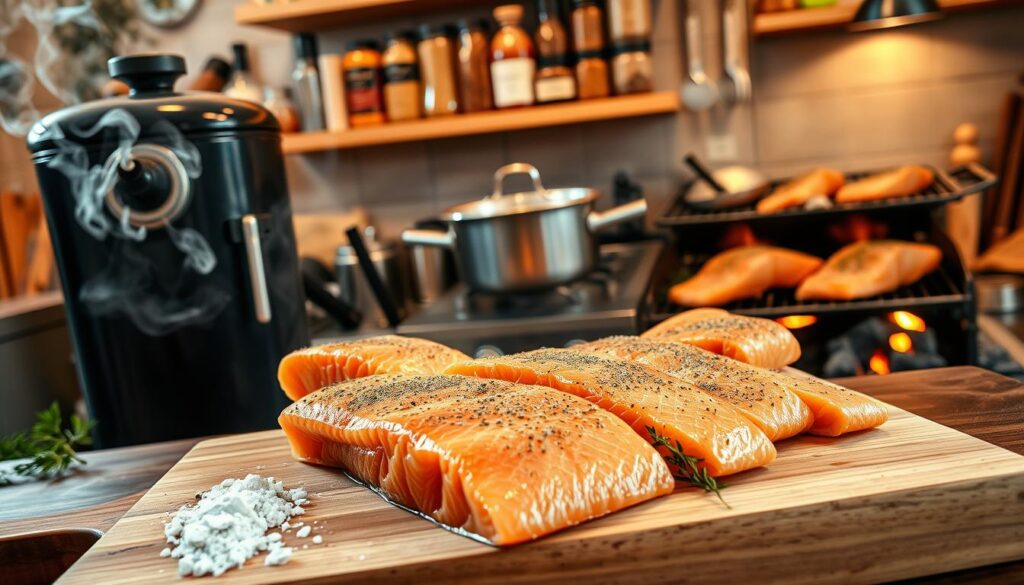
Choosing the Right Wood for Smoking
The wood you choose greatly affects the salmon’s flavor. Different woods create unique smoke flavors that enhance the fish’s taste. Knowing your options helps you achieve the perfect smoking experience.
Alder wood is the classic choice for salmon. It produces light smoke with a subtle sweetness that complements the fish’s flavor. Apple and cherry woods offer fruity, mild smoke that adds complexity. Hickory delivers strong, bacon-like flavors for those who like bold tastes. Maple wood adds gentle sweetness that pairs well with salmon’s rich oils.
- Alder wood: Light, slightly sweet smoke ideal for salmon
- Apple wood: Fruity and mild flavor profile
- Cherry wood: Mild with subtle fruity notes
- Hickory wood: Strong, bacon-like character
- Maple wood: Subtle sweetness that pairs well with salmon
- Avoid pine and other resinous woods: They create bitter, unpleasant tastes
When smoking salmon, consider using wood chips or chunks. Wood chips burn faster and are best for hot smoking. Chunks provide longer, slower burns for cold smoking. Your smoker type determines which option works best.
Choosing the right wood makes your smoked salmon extraordinary. Try different varieties to find your favorite flavors. Start with alder for traditional taste, then explore more as you gain experience.
Preparing Salmon for Smoking
Getting your salmon ready is key in smoked salmon cooking. What you do before smoking is as important as the smoke itself. Proper preparation ensures your salmon tastes great and feels just right.
Selecting the Best Salmon Cuts
When you go to the fish market, look for salmon with firm, shiny flesh. It should smell fresh, not fishy. Stay away from fillets with gaps or dull skin.
You can choose from three main types of salmon:
- Whole sides for big groups
- Thick fillets for even portions
- Steaks for personal servings
Choose larger, thicker cuts for smoking. They stay moist and are less likely to overcook. Keep the skin on to protect the flesh and keep moisture in. Use tweezers to remove pin bones before brining.
Essential Marinades and Brines
Brining is a must in smoked salmon cooking. It seasons the fish and creates a glossy coat that absorbs smoke flavor.
You can use two brining methods:
| Brine Type | What It Is | Time Needed |
|---|---|---|
| Wet Brine | Water, salt, sugar, and spices mixed together | 4-12 hours |
| Dry Cure | Salt and sugar rubbed directly on fish | 6-12 hours |
Start with this simple wet brine base:
- Mix one cup of salt with one gallon of water
- Add one cup of brown sugar
- Include garlic, bay leaves, and peppercorns
- Submerge your salmon completely
- Refrigerate for 4-12 hours
Try these flavor combinations for your brine:
- Maple syrup with black pepper
- Soy sauce with ginger
- Citrus with fresh herbs
- Honey with Dijon mustard
After brining, rinse and pat dry your salmon. Let it air-dry for 30 minutes before smoking. This step creates a sticky layer called the pellicle, helping smoke stick to your fish.
Equipment Needed for Smoking Salmon
Getting the right equipment makes smoking salmon at home easier and more enjoyable. You don’t need fancy or expensive gear to start your smoking journey. The right tools help you maintain the best temperature for smoking salmon while keeping the process simple and fun. Let’s explore what you need to succeed.
Best Smokers for Home Use
You have several great smoker options to choose from. Each type offers different benefits for your smoking experience.
- Electric smokers: These give you precise temperature control and are perfect for beginners. You can set the best temperature for smoking salmon and let the smoker handle the rest.
- Propane smokers: These are portable and deliver consistent heat. They work well for cooks who want reliable performance without much fuss.
- Charcoal smokers: These produce authentic smoke flavor but need more attention. You’ll manage the temperature manually for the best temperature for smoking salmon.
- Pellet smokers: These combine wood flavor with digital controls. Many come with built-in thermometers for tracking your cooking progress.
- Kettle grills: You can convert basic kettle grills for smoking with proper setup and placement of coals.
Look for smokers with built-in thermometers, multiple racks for capacity, good insulation for steady heat, and easy access for adding wood chips. These features make maintaining the best temperature for smoking salmon much simpler.
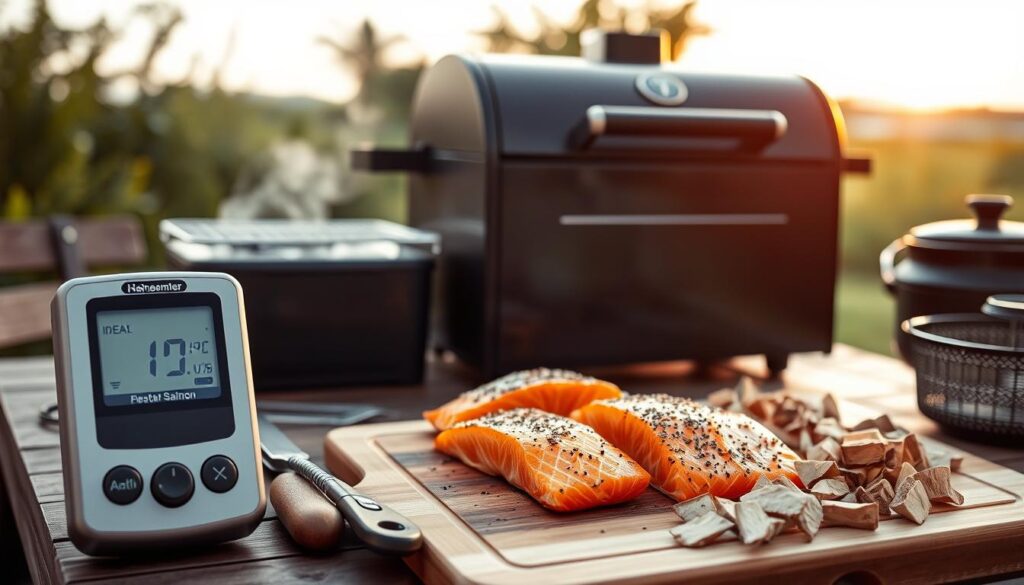
Necessary Accessories for Smoking
Certain accessories make your smoking sessions more successful and enjoyable. These tools give you better control and safety.
| Accessory | Purpose | Why You Need It |
|---|---|---|
| Digital instant-read thermometer | Monitor internal salmon temperature | Essential for food safety and perfect doneness |
| Wood chips or chunks | Provide smoke flavor | Different woods create different taste profiles |
| Spray bottle | Keep salmon moist during smoking | Prevents drying and adds tenderness |
| Heat-resistant gloves | Safe handling of hot equipment | Protects you from burns and injuries |
| Remote thermometer with probe | Monitor temperature without opening smoker | Maintains consistent heat for best results |
| Smoking mats | Prevent delicate fish from sticking | Keeps salmon intact and improves presentation |
A quality digital thermometer is absolutely essential. You need to check your salmon’s internal temperature to ensure it’s cooked perfectly. Cedar planks or aluminum foil offer alternative smoking methods for different tastes. Having these items on hand makes your smoking experience smoother and more professional.
Smoking Salmon: Step-by-Step Guide
Learning to smoke salmon is a fun cooking adventure. It requires patience and attention to detail. This guide will help you through every step, from preparing the fish to storing it. Follow these steps to make delicious smoked salmon in your backyard.
Preparing and Seasoning the Salmon
Start by picking high-quality salmon fillets. You’ll need 2-3 pounds of skin-on salmon without pin bones. Mix 1/4 cup kosher salt, 1/4 cup brown sugar, and 1 tablespoon black pepper for the dry brine. You can also add garlic powder, onion powder, or fresh dill for extra flavor.
Coat the salmon with the brine mixture and refrigerate for 8-12 hours. This step helps the fish develop a smoky crust. After brining, rinse the salmon and pat it dry with paper towels. Let it air-dry in the fridge for 1-2 hours until a sticky pellicle forms.
The Smoking Process Explained
Preheat your smoker to 180°F-200°F. Prepare 2-3 cups of wood chips, like alder, apple, or cherry. Place the salmon skin-side down on the smoker grate and insert a thermometer into the thickest part.
Keep the smoke steady and the temperature consistent. Add wood chips every 30-45 minutes. Watch the internal temperature of the salmon. It should reach 140°F-145°F in 2-4 hours, depending on the thickness. Use a water pan to keep the moisture up and avoid opening the door too much.
Thicker fillets are more forgiving than thin ones. Make sure the salmon is at room temperature before smoking. Smoke the salmon for 3-4 hours to get the best flavor without overdoing it.
Cooling and Storing Your Smoked Salmon
Once the salmon is cooked, remove it from the smoker and let it cool to room temperature. This prevents moisture from forming on the surface. Refrigerate it for at least 2 hours before serving. This improves the texture and flavor.
Store the smoked salmon in an airtight container in the fridge for up to 5 days. You can also freeze it for up to 3 months. When reheating, use low heat to prevent drying out.
| Stage | Time Required | Key Action |
|---|---|---|
| Preparation | 30 minutes | Mix brine and coat salmon |
| Brining | 8-12 hours | Refrigerate in brine mixture |
| Air-Drying | 1-2 hours | Allow pellicle to form |
| Smoking | 2-4 hours | Monitor to 140°F-145°F internal temp |
| Cooling | Room temperature | Allow salmon to rest naturally |
| Refrigeration | 2+ hours | Chill before serving |
Complete Smoked Salmon Recipe
Ingredients:
- 2-3 pounds skin-on salmon fillet with pin bones removed
- 1/4 cup kosher salt
- 1/4 cup brown sugar
- 1 tablespoon black pepper
- 1 teaspoon garlic powder (optional)
- 1 teaspoon onion powder (optional)
- 1 teaspoon dried dill (optional)
- 2-3 cups alder, apple, or cherry wood chips
- Water for smoker pan
Instructions:
- Mix kosher salt, brown sugar, black pepper, and optional aromatics in a small bowl
- Coat entire salmon fillet with dry brine mixture
- Refrigerate covered for 8-12 hours
- Rinse salmon under cold water and pat completely dry
- Place salmon on a rack in the refrigerator for 1-2 hours to form pellicle
- Preheat smoker to 180°F-200°F
- Add soaked wood chips to your smoker
- Place salmon skin-side down on grate
- Insert probe thermometer into thickest part
- Smoke for 2-4 hours, adding wood chips every 30-45 minutes
- Remove when smoked salmon internal temp reaches 140°F-145°F
- Cool to room temperature on counter
- Refrigerate for at least 2 hours before serving
Prep Time: 30 minutes (plus 8-12 hours brining and 1-2 hours air-drying)
Cooking Time: 2-4 hours
Servings: 6-8 people
Nutrition Facts (per 3-ounce serving):
- Calories: 180
- Fat: 10g
- Protein: 22g
- Carbohydrates: 0g
- Sodium: 450mg
- Omega-3 fatty acids: Rich source
- Vitamin D: Excellent source
Expert Tips for Success:
- Remove salmon from the refrigerator 30 minutes before smoking for even cooking
- Keep water in your smoker pan to maintain moisture
- Don’t open the smoker door unnecessarily—every opening drops internal temperature
- Use a reliable meat thermometer to monitor smoked salmon internal temp accurately
- Thicker fillets are more forgiving than thin cuts
- 3-4 hours of smoke is ideal—longer smoking doesn’t mean better salmon
- Allow proper cooling and refrigeration time for best flavor and texture
Mastering how to smoke salmon takes practice, but following these steps gives you the confidence to create delicious results every time. Pay close attention to your smoked salmon internal temp, and you’ll achieve perfectly cooked salmon with a beautiful smoky crust and moist, tender interior.
Serving Smoked Salmon
Now that you’ve made perfectly smoked salmon, it’s time to serve it. Your hard work deserves a creative presentation. The way you serve your smoked salmon is as important as the cooking temperature. Let’s explore exciting ways to enjoy your creation and pair it with drinks that complement your masterpiece.
Delicious Serving Suggestions
Your smoked salmon is great in many dishes. Start with classic presentations that let the salmon shine. A traditional bagel with cream cheese, capers, red onion, and tomatoes is timeless for a reason. The fresh flavors balance the smokiness perfectly.
Try serving your smoked salmon in new ways. Arrange thin slices on crackers with herbed cream cheese for elegant appetizers. Add flaked smoked salmon to pasta with a light cream sauce and fresh dill for a quick dinner. Toss pieces over salads with mixed greens, avocado, and citrus vinaigrette for a refreshing meal.
- Breakfast scrambles and omelets with herbs and cream
- Quiches with leeks and dill for brunch gatherings
- Cucumber rounds topped with cream cheese and fresh dill
- Salads with capers, red onion, and lemon dressing
- Simple platter with lemon wedges and fresh herbs
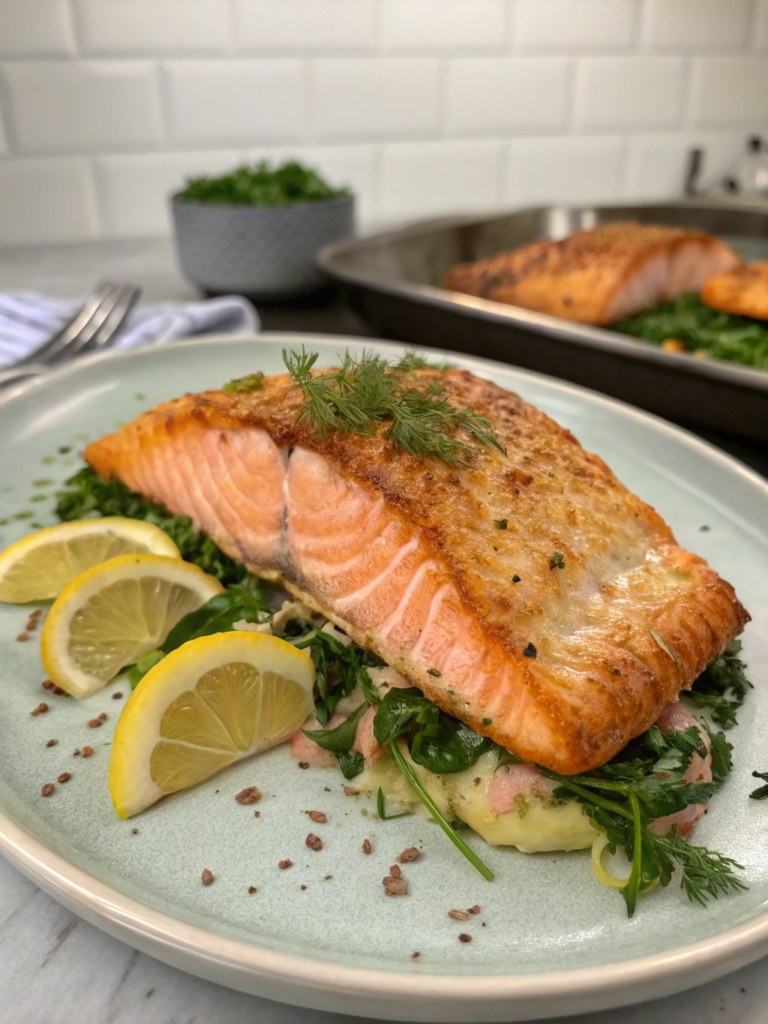
Presentation is key when serving smoked salmon. Arrange slices in rosettes for an elegant look. Garnish with fresh dill sprigs and capers to add color. Serve at cool room temperature to let the smoke flavors shine.
Pairing Smoked Salmon with Drinks
Choosing the right beverage can elevate your smoked salmon experience. Look for drinks that refresh your palate without overpowering the subtle flavors. Proper smoked salmon cooking temperature control is key here.
| Beverage Type | Specific Options | Why It Works |
|---|---|---|
| White Wine | Sauvignon Blanc, Pinot Grigio, Unoaked Chardonnay | Crisp acidity cuts through richness and complements smoke |
| Sparkling Wine | Champagne, Prosecco, Cava | Bubbles cleanse palate between bites perfectly |
| Beer | Light lagers, Wheat beers, Citrus IPAs | Carbonation and hop notes balance smoky flavors |
| Non-Alcoholic | Sparkling water with lemon, Iced herbal tea | Refreshing options that don’t compete with salmon |
Sparkling beverages pair well with smoked salmon. The carbonation refreshes your mouth and prepares it for the next bite. Avoid heavy, oaky wines that compete with the salmon’s delicate smoke profile. Stick with lighter options that enhance your dish.
Tips for Achieving Perfect Smoked Salmon
Smoking salmon to perfection takes practice and attention to detail. Success depends on knowing the key steps for great smoked salmon. By avoiding common mistakes and adding flavor, you’ll impress everyone with your smoked salmon.
Avoiding Common Mistakes
Many home smokers make mistakes that ruin their salmon. The biggest mistake is overcooking the salmon. This makes it dry and tough.
Patience is key during smoking. It’s more important than rushing the process.
Watch out for these common pitfalls:
- Over-brining your salmon, which makes it overly salty and unpleasant
- Skipping the pellicle formation, a critical step for smoke to stick to the fish
- Smoking at temperatures that are too high, causing white albumin protein to seep out
- Opening your smoker too frequently, which causes dangerous temperature fluctuations
- Failing to monitor smoked salmon doneness closely during the final stages
Learn to recognize when your salmon is approaching doneness. Watch for color changes and texture shifts. Remove it at the perfect moment for the best results.
Enhancing Flavor Profiles
Once you master the basics, try new flavor combinations. Mix alder wood with apple wood for complex smoke flavors. Add aromatic ingredients like juniper berries or citrus zest to your brine.
Try these flavor-boosting techniques:
- Incorporate bourbon or whiskey into your cure for added depth and richness
- Apply a glaze during the final 30 minutes using maple syrup, honey, or teriyaki sauce
- Finish with cracked black pepper, everything bagel seasoning, or fresh herbs
- Experiment with different wood combinations to find your signature taste
Always keep monitoring your optimal internal temp for smoked salmon during these enhancements. Creativity in flavor works best with proper temperature control. Your confidence grows with each batch you smoke, so don’t be afraid to try new ideas while staying true to fundamental smoking principles.
Storing and Reheating Smoked Salmon
You’ve spent time and effort creating perfectly smoked salmon. Now, it’s time to keep it fresh and delicious. Proper storage protects your hard work and maintains quality. Whether you plan to eat it soon or save it for later, knowing the best storage and reheating methods is key.
Best Practices for Storage
After cooling to room temperature, wrap your salmon tightly. Place it in plastic wrap or an airtight container before refrigerating. This way, your salmon stays fresh and tasty for five to seven days.
For longer storage, freezing is best. Wrap individual portions in plastic wrap, then in freezer bags with air removed. Your smoked salmon will stay good for up to three months in the freezer.
Vacuum-sealing is the best way to avoid freezer burn. It keeps your salmon fresh and firm for even longer. Vacuum-sealed portions can last longer than regular frozen storage.
| Storage Method | Location | Duration | Best For |
|---|---|---|---|
| Plastic Wrap or Airtight Container | Refrigerator | 5-7 Days | Short-term storage |
| Freezer Bags | Freezer | Up to 3 Months | Medium-term storage |
| Vacuum-Sealed Packages | Freezer | 3-4 Months | Long-term storage |
How to Reheat Without Drying Out
Many enjoy smoked salmon cold from the fridge or at room temperature. It’s great on bagels, in salads, and as appetizers. You don’t always need to reheat it.
When reheating, use gentle heat. Place your salmon in a covered dish with water or broth. Heat it in a 275-degree oven for ten to fifteen minutes until warmed through. Be careful not to exceed the original smoked salmon internal temp range.
Steaming is another excellent option. Place your salmon over simmering water for five to seven minutes. This method keeps moisture in and prevents drying.
- Use low, gentle heat instead of high temperatures
- Add moisture with water or broth during reheating
- Cover dishes to trap steam
- Monitor time carefully to prevent overcooking
- Consider adding warm salmon to dishes during final cooking minutes
The key to reheating success is avoiding high heat. High temperatures dry out your salmon and destroy the texture you worked hard to achieve. Keep temperatures low and reheating time short for the best results.
Conclusion: Mastering Smoked Salmon
You now have the tools to make amazing smoked salmon at home. The journey starts with picking quality salmon. Knowing the internal temperature is key for food safety and texture.
The internal temperature for perfect smoked salmon is 145°F. For hot-smoked salmon, aim for 140°F to 145°F. This knowledge ties together preparation, smoking methods, and choosing the right equipment.
Summary of Key Points
Success begins with the right salmon cuts and quality brines. Don’t skip the pellicle formation step. It helps the smoke cling to the fish.
Choosing between hot and cold smoking changes your approach. The right wood, like hickory, alder, or oak, shapes the flavor. An instant-read thermometer from brands like ThermoPro is essential.
Temperature control is the foundation of safe and delicious smoked salmon. Monitoring internal temperature ensures perfect results every time. Your equipment, like a reliable smoker, is key. Follow the smoking process with care and attention.
Encouraging Experimentation and Creativity
Smoking salmon is both science and art. Guidelines are important for safety, but your personal touch makes it special. Try different brines, wood combinations, and flavors to find your style.
Each smoking session teaches you about your equipment and how salmon responds to heat and smoke. Weather and humidity can affect results, so be flexible.
You can make restaurant-quality smoked salmon in your backyard. Impress family and friends with your skills. Trust your knowledge of internal temperature, stay curious, and enjoy the process. Every batch gets better with practice.