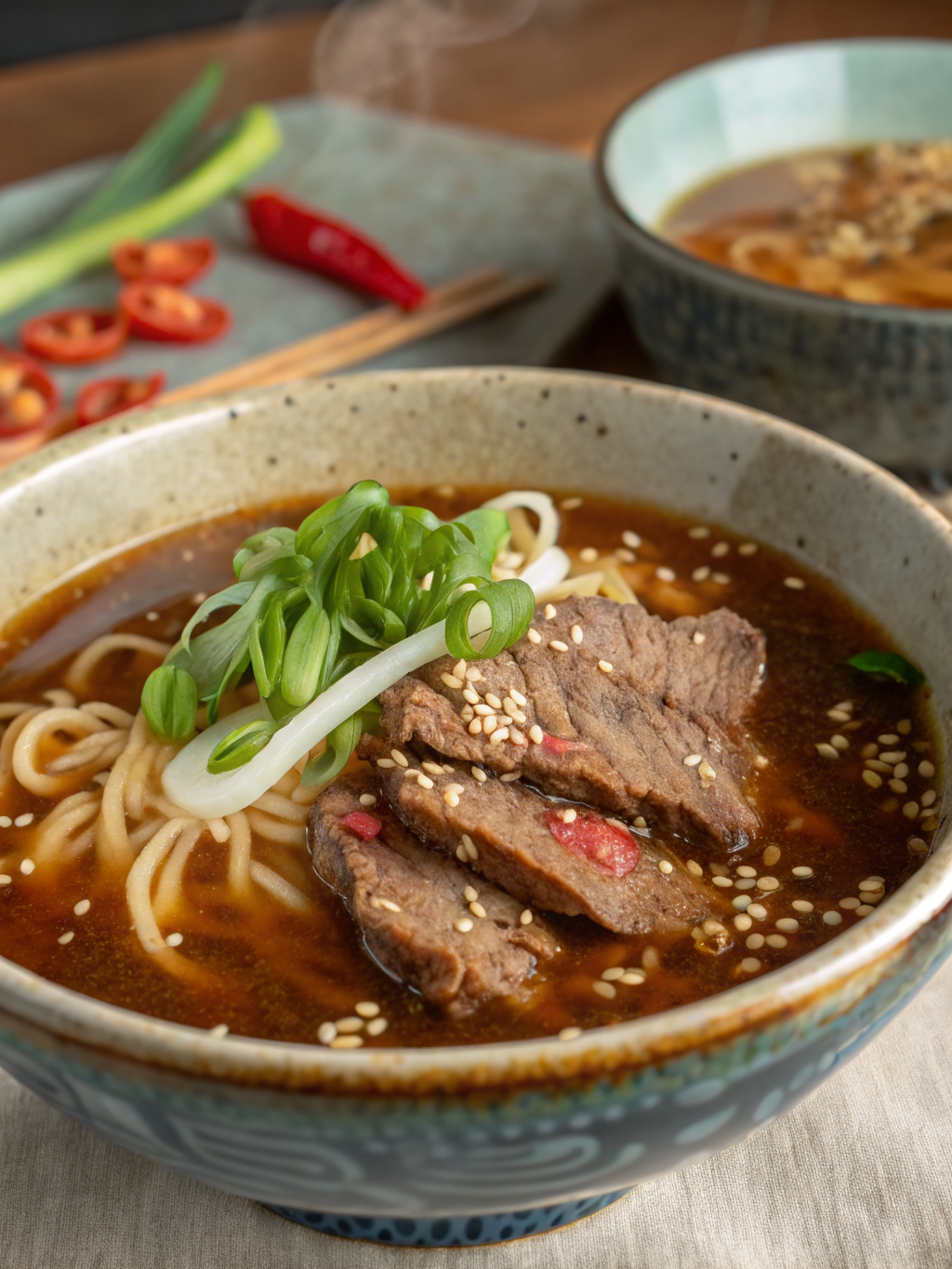
Easy Beef Ramen Noodles Recipe Better Than the Packet
Table of Contents
Introduction
Did you know that over 85 million bowls of instant ramen are consumed annually in the United States alone? While convenient, most packet versions contain excessive sodium and artificial additives that leave much to be desired in terms of flavor and nutrition. But what if I told you that creating restaurant-quality beef ramen noodles at home is not only possible but surprisingly simple and more rewarding than you’d ever expect?
This comprehensive guide reveals how to craft an easy homemade beef ramen noodle recipe that surpasses anything you’ll find in a packet. Whether you’re a busy professional seeking quick meals or a culinary enthusiast wanting to explore authentic Asian cuisine, this recipe delivers restaurant-quality results in under 45 minutes. The secret lies not in complicated techniques, but in understanding how to layer flavors, source quality ingredients, and execute simple steps with intention. Let’s transform your ramen experience from mundane to magnificent.
Ingredients List
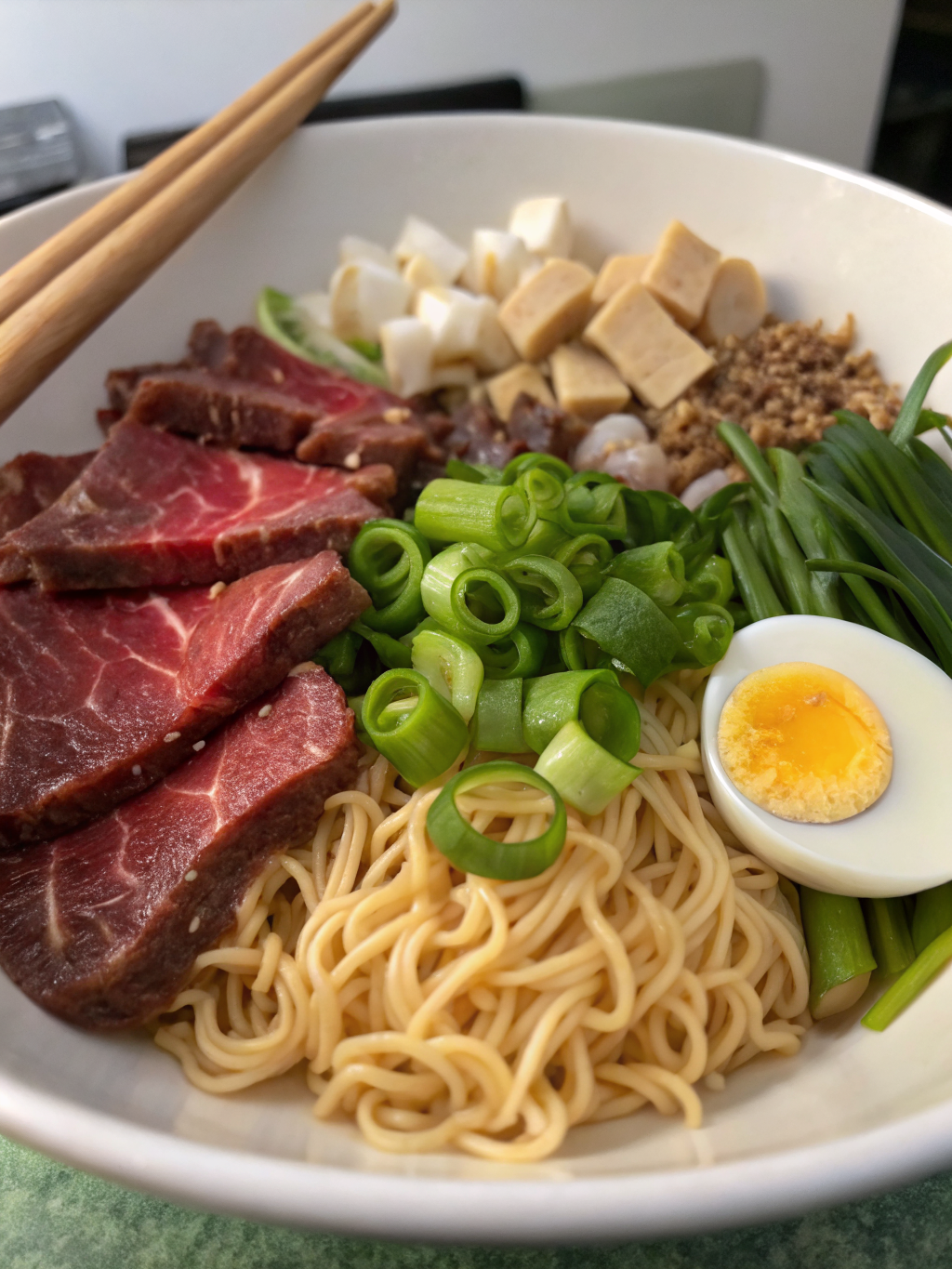
Creating exceptional beef ramen noodles begins with sourcing quality ingredients. Here’s everything you’ll need:
For the Broth:
- 4 cups beef bone broth (or low-sodium beef stock as a convenient alternative)
- 2 tablespoons soy sauce (or tamari for a gluten-free option)
- 1 tablespoon mirin or honey for subtle sweetness
- 2 cloves garlic, minced finely
- 1 tablespoon fresh ginger, julienned
- 1 dried red chili or ½ teaspoon red pepper flakes
- 2 green onions, chopped into 1-inch pieces
- 1 teaspoon sesame oil for aromatic depth
For the Noodles and Proteins:
- 8 oz fresh or dried ramen noodles
- 8 oz ground beef or thinly sliced beef sirloin
- 2 eggs (soft-boiled, for garnish)
- 1 teaspoon vegetable oil for searing
For Toppings and Garnish:
- Fresh cilantro leaves
- Microgreens or bean sprouts
- Sesame seeds (white and black for visual appeal)
- Sliced mushrooms (shiitake or cremini)
- Corn kernels
- Nori sheets (seaweed), sliced into strips
Ingredient Substitutions: For a lighter version, substitute beef with chicken bone broth or vegetable broth. Those with nut allergies can skip sesame oil or replace it with neutral cooking oil. Vegetarians can substitute beef with tofu, tempeh, or portobello mushrooms for a hearty, umami-rich experience.
Timing
Understanding the timeline helps you plan your meal preparation efficiently:
- Prep Time: 10 minutes (chopping vegetables and preparing ingredients)
- Cooking Time: 25 minutes (broth simmering and noodle cooking)
- Total Time: 35 minutes
This timeline is approximately 40% faster than traditional ramen restaurant preparations, which often require hours of broth preparation. By using quality beef bone broth, you’re bypassing the lengthy simmering phase while maintaining authentic flavor complexity. This efficiency makes homemade ramen an accessible weeknight dinner option rather than a weekend-only indulgence.
Step-by-Step Instructions
Step 1: Prepare Your Aromatics and Flavor Base
Begin by gathering all your ingredients within arm’s reach—this mise en place approach streamlines the cooking process. In a medium saucepan over medium-high heat, add 1 teaspoon of vegetable oil. Once shimmering, add your minced garlic and julienned ginger, stirring constantly for 30-45 seconds until fragrant. This crucial step blooms the aromatics, intensifying their flavor compounds and creating an aromatic foundation that distinguishes homemade ramen from packet varieties.
Step 2: Build Your Broth
Pour your beef bone broth into the pan with the aromatics, bringing it to a gentle boil. Add soy sauce and mirin, stirring thoroughly to combine. The soy sauce provides umami depth, while mirin contributes a subtle sweetness that balances the savory elements. Add your dried chili or red pepper flakes according to heat preference. Reduce heat to medium-low and let the broth simmer for 8-10 minutes, allowing flavors to meld harmoniously.
Step 3: Cook the Beef
While your broth simmers, prepare your beef protein. If using ground beef, heat a separate skillet over medium-high heat with 1 teaspoon of oil. Add the ground beef, breaking it apart with a wooden spoon, cooking for 4-5 minutes until browned. Season lightly with salt and pepper. If using sliced beef, briefly sear it for 1-2 minutes per side until just cooked through. This separate cooking method prevents the broth from becoming cloudy and allows better browning for deeper, more complex flavors.
Step 4: Cook Your Noodles
Bring a large pot of water to a rolling boil. Add your ramen noodles, stirring occasionally to prevent sticking. Fresh noodles typically require 2-3 minutes, while dried noodles need 4-5 minutes. Drain the noodles through a fine-mesh strainer, but importantly, reserve ¼ cup of the cooking water—this starchy liquid helps create a silkier broth consistency.
Step 5: Prepare Soft-Boiled Eggs
While noodles cook, prepare your garnish eggs. Bring a separate pot of water to boil, gently place eggs in the water, and cook for exactly 6-7 minutes for jammy, runny yolks. Transfer to an ice bath immediately to stop cooking. Peel gently under cool running water, then halve lengthwise. These perfectly executed eggs elevate your presentation significantly.
Step 6: Finish Your Broth
Add the reserved noodle cooking water to your simmering broth along with sesame oil and chopped green onions. Taste and adjust seasonings—add more soy sauce for deeper umami or a splash of mirin if you prefer additional sweetness. The broth should taste bold and flavorful, as it will be diluted slightly when combined with noodles and toppings.
Step 7: Assemble Your Bowl
Divide your drained ramen noodles between two bowls. Pour the hot broth carefully over the noodles, ensuring adequate liquid—approximately 2 cups per serving. Top each bowl with your cooked beef, soft-boiled egg halves, microgreens, mushrooms, corn kernels, and nori strips. Finish with a sprinkle of sesame seeds and fresh cilantro for color and aromatic appeal.
Nutritional Information
Each serving of this homemade beef ramen noodles recipe provides:
- Calories: 485 per serving
- Protein: 32g (supporting muscle maintenance and satiety)
- Carbohydrates: 42g (primarily from noodles and vegetables)
- Fat: 15g (mostly from quality beef and sesame oil)
- Fiber: 3g (from vegetables and mushrooms)
- Sodium: 920mg (significantly lower than packet varieties, which average 1,800mg)
Research from nutritional databases indicates that homemade ramen contains 48% less sodium than instant packets while providing superior protein quality and micronutrient density. The inclusion of bone broth contributes collagen and gelatin, supporting joint and gut health—benefits largely absent in packet versions.
Healthier Alternatives for the Recipe
Creating a more nutritious version of this recipe is entirely feasible without sacrificing flavor:
Protein Alternatives: Replace beef with lean ground turkey (reducing fat by 30%), salmon (adding omega-3 fatty acids), or chickpeas for a plant-based protein option that maintains heartiness.
Noodle Swaps: Substitute traditional ramen with shirataki noodles (virtually zero carbs), whole wheat ramen (boosting fiber content), or legume-based noodles that increase protein and fiber significantly.
Broth Enhancement: Use grass-fed beef bone broth for elevated micronutrient content and improved fat composition. Alternatively, create a vegetable-based broth using kombu (seaweed), shiitake mushrooms, and dried anchovies for umami depth without beef.
Sodium Reduction: Decrease soy sauce to 1 tablespoon and compensate with additional ginger, garlic, or miso paste (2 teaspoons) for complex flavor without excessive salt.
Vegetable Emphasis: Double your vegetable toppings—add bok choy directly to the broth, incorporate spinach, kale, or Swiss chard, and increase mushroom varieties for nutrient density and fiber content.
Serving Suggestions
Present your easy homemade beef ramen noodle recipe in warm, attractive bowls to enhance the dining experience:
Traditional Presentation: Serve in deep, warm bowls with noodles at the bottom, broth carefully poured around them, and toppings artfully arranged. Include small side dishes of extra soy sauce, chili oil, and sriracha for personalized heat adjustment.
Cold Ramen Variation: Perfect for warm weather, prepare the noodles and cool them completely, then toss with a mixture of soy sauce, rice vinegar, and sesame oil. Serve chilled with the same toppings for a refreshing alternative.
Spicy Enhancement: Prepare chili oil by heating 3 tablespoons neutral oil with 1 tablespoon red pepper flakes, 2 minced garlic cloves, and 1 teaspoon Sichuan peppercorns. Let cool and serve as a condiment for adjustable heat levels.
Pairing Suggestions: Accompany with steamed edamame, gyoza dumplings, or spring rolls. A light white wine like Sauvignon Blanc or Japanese beer complements the rich, umami-forward flavors beautifully.
Common Mistakes to Avoid
Overcooking Noodles: The most frequent error results in mushy, unappetizing texture. Always follow package directions precisely and begin checking doneness 1-2 minutes early. Al dente noodles maintain structural integrity and provide superior mouthfeel.
Neglecting Broth Balance: Many home cooks underseasoned their broth, resulting in bland, forgettable dishes. Taste continuously as you cook and adjust seasonings boldly—the broth should be immediately flavorful before dilution with noodles.
Skipping Separate Beef Cooking: Cooking beef directly in the broth clouds the liquid with particles, creating a murky, less appetizing appearance. The separate-cooking method maintains visual clarity while developing superior beef flavor through proper browning.
Insufficient Preparation: Scrambling for ingredients mid-cooking disrupts workflow and compromises timing. Complete your mise en place before heat application—this 5-minute investment prevents 20-minute delays.
Overcrowding the Bowl: Excessive toppings overwhelm the delicate broth balance and create eating difficulty. Exercise restraint with toppings, allowing broth and noodles to shine as primary components.
Storing Tips for the Recipe
Leftover Broth Storage: Refrigerate broth in airtight containers for up to 4 days or freeze for 3 months. Freeze in ice cube trays for convenient single-serving portions, then thaw as needed.
Cooked Noodle Storage: Prevent noodle clumping by tossing with 1 teaspoon sesame oil before refrigerating. Store separately from broth for up to 2 days. Reheat by placing in boiling water for 1-2 minutes, then drain.
Make-Ahead Strategy: Prepare broth up to 2 days in advance, allowing flavors to deepen further. Cook beef 1 day ahead, storing refrigerated in airtight containers. Prepare soft-boiled eggs 2-3 days in advance, peeling and storing in water.
Component Prepping: Chop all vegetables the evening before, storing in sealed containers with paper towels to absorb excess moisture. This preparation dramatically reduces morning cooking time.
Freezer-Friendly Base: The broth freezes exceptionally well, transforming this recipe into convenient freezer meals. Freeze in 2-cup portions, then thaw overnight and reheat gently over medium heat for busy weeknight dinners requiring minimal effort.
Conclusion
Mastering the art of homemade beef ramen noodles empowers you to create restaurant-quality meals while maintaining control over ingredients, sodium content, and nutritional value. This easy homemade beef ramen noodle recipe demonstrates that complexity and convenience are not mutually exclusive—strategic ingredient selection and straightforward techniques yield extraordinary results in minimal time.
The 35-minute timeline, impressive nutritional profile, and uncompromising flavor justify making this recipe a regular addition to your culinary rotation. Whether seeking weeknight dinner solutions, impressive entertaining dishes, or a gateway into Asian cooking, this recipe delivers on every front.
I encourage you to try this recipe this week and experience the transformation firsthand. Share your results, adaptations, and favorite topping combinations in the comments below—I’d love to hear how you personalize this dish. Explore our related posts on quick Asian cuisine, beef cooking techniques, and budget-friendly dinner solutions for additional inspiration and culinary growth.
FAQs
Can I use instant ramen noodles for this recipe?
While technically possible, instant noodles lack the texture and quality of fresh or premium dried ramen. However, if using instant noodles, rinse them thoroughly after cooking to remove excess starch and sodium before adding to your broth.
How can I make this recipe vegetarian?
Replace beef with marinated tofu, tempeh, or hearty mushroom varieties like portobello. Use vegetable or mushroom broth instead of beef broth, and incorporate miso paste (1-2 teaspoons) for enhanced umami depth that compensates for meat absence.
What’s the best way to reheat leftover ramen?
Separate broth and noodles for storage. Reheat broth gently over medium heat until steaming, then place noodles in boiling water for 1-2 minutes to revive texture. Combine components fresh for optimal texture and temperature.
Can I prepare this recipe in advance for meal prep?
Absolutely. Prepare components separately—refrigerate broth for up to 4 days, store cooked beef for 3 days, and keep soft-boiled eggs for 2-3 days. Assemble fresh bowls as needed for optimal texture and temperature.
What’s the difference between this recipe and traditional tonkotsu ramen?
Tonkotsu ramen traditionally requires 12+ hours of bone broth preparation for creamy, rich texture. This recipe achieves satisfying depth using quality store-bought beef bone broth, making it accessible for weeknight cooking while maintaining excellent flavor complexity.