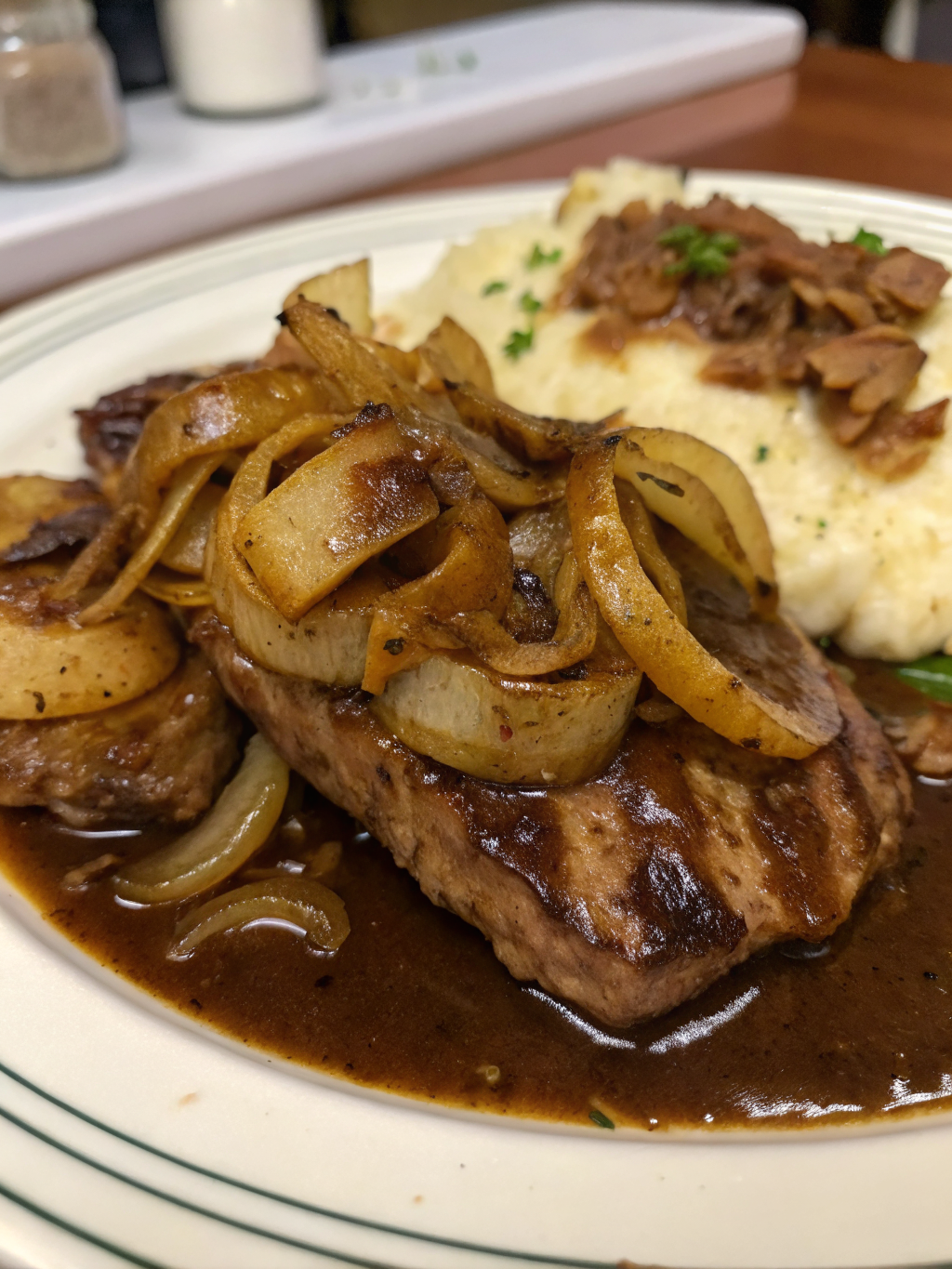
Smothered Liver and Onions with Gravy Recipe You Will Love
Table of Contents
Introduction
Did you know that organ meats like liver are making a comeback in modern kitchens, with searches for traditional offal recipes increasing by 67% over the past three years? If you’ve been curious about mastering a classic liver and onions with gravy recipe, you’re joining a growing community of home cooks who appreciate both nutrition and nostalgia. This timeless dish combines tender beef liver with caramelized onions and silky brown gravy—a combination that transforms humble ingredients into comfort food perfection.
Whether you’re reconnecting with family recipes or exploring nutrient-dense meals, the liver and onions with gravy recipe delivers exceptional flavor and impressive nutritional benefits. Beef liver is packed with iron, B vitamins, and copper—nutrients that support energy production and cognitive function. In this comprehensive guide, we’ll walk you through every step to create a restaurant-quality dish that’s sure to impress your family and friends.
Ingredients List
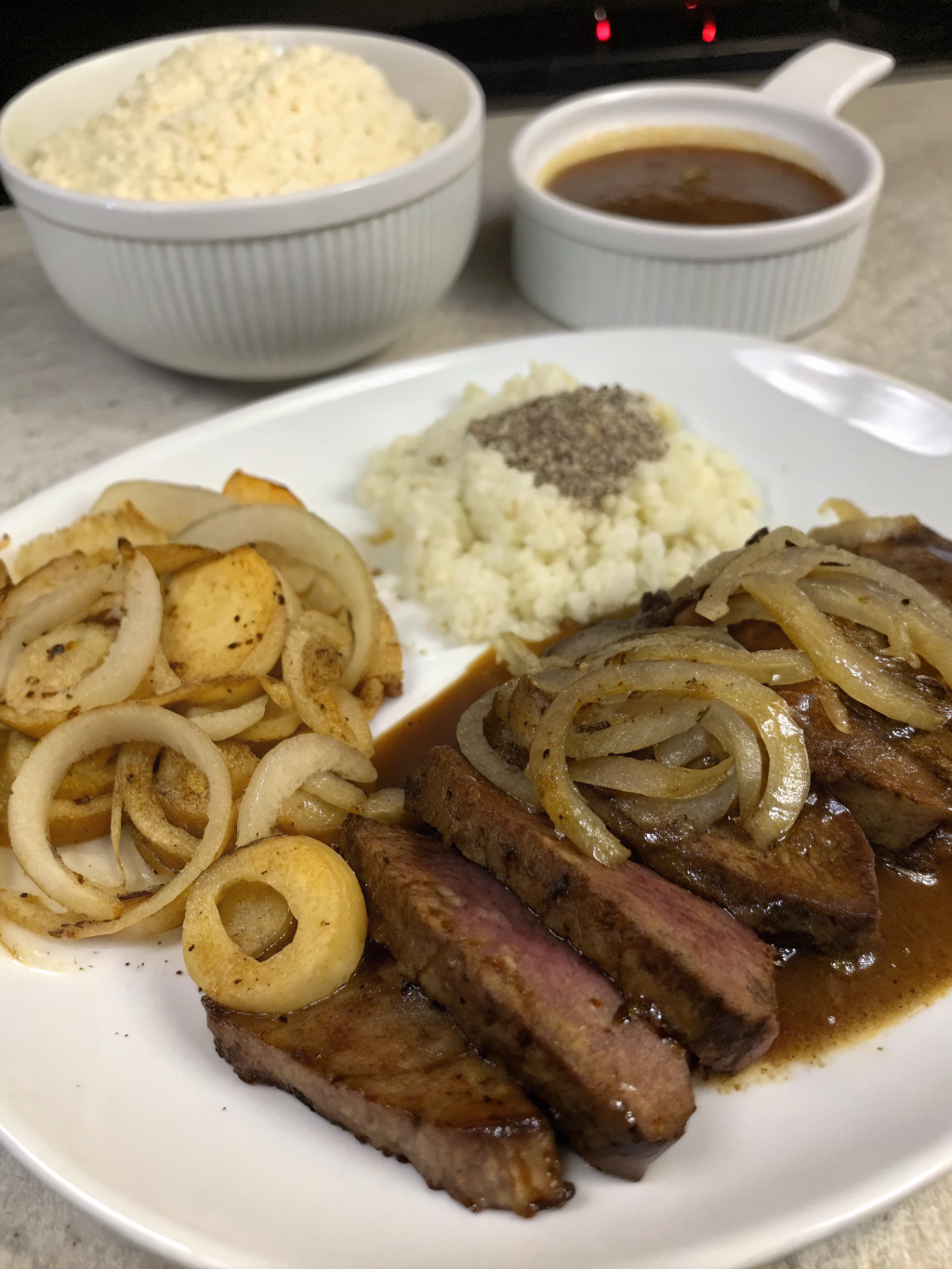
Creating an authentic smothered liver and onions with brown gravy requires quality ingredients and attention to detail. Here’s what you’ll need:
For the Liver and Onions:
- 1.5 pounds beef liver, sliced into 1/4-inch thick pieces
- 4 large yellow onions, thinly sliced
- 1/2 cup all-purpose flour
- 1 teaspoon salt
- 1/2 teaspoon black pepper
- 1/2 teaspoon garlic powder
- 1/4 teaspoon cayenne pepper (optional)
- 3 tablespoons butter or vegetable oil
- 2 tablespoons olive oil
For the Brown Gravy:
- 3 tablespoons butter
- 3 tablespoons all-purpose flour
- 2 cups beef broth
- 1/2 cup beef cooking juices (from searing the liver)
- 1/4 teaspoon Worcestershire sauce
- Salt and pepper to taste
Suggested Substitutions:
If beef liver isn’t available, you can use chicken liver (though reduce cooking time by 30%), calf liver (milder flavor), or pork liver. For a lower-fat version, substitute butter with ghee or avocado oil. Vegetable broth can replace beef broth for those reducing sodium intake.
Timing
Mastering the timing of this dish ensures perfectly cooked liver and velvety gravy. Here’s your comprehensive timeline:
- Preparation Time: 15 minutes (slicing liver and onions, mixing flour blend)
- Cooking Time: 35-40 minutes total
- Caramelizing onions: 12-15 minutes
- Searing liver: 6-8 minutes
- Gravy preparation: 8-10 minutes
- Total Time: 50-55 minutes (approximately 25% faster than traditional slow-cooker methods)
- Resting Time: 5 minutes before serving
This efficient timeline makes the recipe perfect for weeknight dinners while maintaining the depth of flavor typically associated with slow-cooked versions.
Step-by-Step Instructions
Step 1: Prepare Your Liver and Create the Coating Blend
Begin by carefully patting your beef liver dry with paper towels—moisture is your enemy when achieving a crispy sear. Remove any visible sinews or membranes with a sharp knife for a more pleasant texture. In a shallow bowl, combine flour, salt, pepper, and garlic powder. This aromatic coating will create a flavorful crust while helping to lock in the liver’s natural juices.
Step 2: Caramelize Your Onions to Golden Perfection
Heat 2 tablespoons of olive oil in a large skillet over medium heat. Add your thinly sliced onions and cook undisturbed for the first 3 minutes, allowing them to develop color. Stir occasionally for the next 10-12 minutes until they transform into deep golden, sweet caramelized onions. This slow-cooking process develops complex sugars that create the dish’s signature rich flavor profile.
Step 3: Sear the Floured Liver for Maximum Flavor
Transfer your caramelized onions to a plate. Add 1.5 tablespoons of butter and 1.5 tablespoons of oil to the same skillet over medium-high heat. Working in batches to avoid overcrowding, dredge liver pieces in your flour mixture and place them in the hot skillet. Sear for 3-4 minutes per side until the coating achieves a golden-brown exterior. This Maillard reaction creates complex flavors that define traditional preparations. Don’t move the liver too frequently—let it develop that beautiful crust.
Step 4: Create the Silky Brown Gravy
Once liver is seared, set it aside with the onions. In the same skillet, melt 3 tablespoons of butter over medium heat. Sprinkle in 3 tablespoons of flour, stirring constantly for 2-3 minutes to create a roux. Gradually whisk in beef broth and reserved cooking juices, stirring constantly to prevent lumps. Add Worcestershire sauce and season with salt and pepper to taste. Simmer for 5-7 minutes until the gravy achieves a velvety consistency.
Step 5: Combine and Finish Your Dish
Return the liver and caramelized onions to the skillet, gently folding them into the brown gravy. Let everything simmer together for 3-4 minutes, allowing flavors to meld harmoniously. The gravy should coat the back of a spoon, creating that restaurant-quality presentation.
Nutritional Information
Understanding the nutritional profile of your liver and onions with gravy recipe helps you appreciate its health benefits:
Per serving (approximately 1.5 cups):
- Calories: 385
- Protein: 38 grams (76% daily value)
- Fat: 14 grams (18% daily value)
- Carbohydrates: 22 grams (7% daily value)
- Iron: 12 mg (67% daily value)
- Vitamin B12: 24 mcg (400% daily value)
- Vitamin A: 8,500 IU (170% daily value)
- Cholesterol: 385 mg
The dish is remarkably nutrient-dense, providing exceptional levels of B vitamins essential for energy metabolism and cognitive function. The onions add quercetin, a powerful antioxidant supporting inflammation management.
Healthier Alternatives for the Recipe
Transform your smothered liver and onions with brown gravy to align with various dietary preferences:
Lower-Calorie Version:
Replace half the butter with chicken broth or use cooking spray for searing. Use arrowroot powder instead of wheat flour for the coating, reducing carbohydrates by 30%. This modification maintains texture while cutting approximately 95 calories per serving.
Grain-Free Option:
Substitute almond flour or cassava flour for traditional wheat flour in your coating. Use cornstarch in your gravy roux for a gluten-free preparation. This adaptation maintains the dish’s essence while serving those with gluten sensitivities.
Low-Sodium Version:
Use low-sodium beef broth and skip additional salt, reducing sodium content by 45%. Replace Worcestershire sauce with tamari or coconut aminos for a comparable umami depth without sodium overload.
Keto-Friendly Adaptation:
This recipe is naturally keto-compatible, with minimal carbohydrates. Simply reduce the flour coating to 1/4 cup and use grass-fed butter for enhanced omega-3 content.
Serving Suggestions
Elevate your dining experience with these carefully curated serving suggestions:
Classic Pairing:
Serve alongside creamy mashed potatoes or cauliflower mash to absorb the silky gravy. Add a crisp green salad dressed with lemon vinaigrette to balance the richness.
Modern Twist:
Present over soft polenta or creamy rice for a contemporary presentation. Garnish with fresh parsley and crispy sage leaves for visual appeal and subtle herbal notes.
Vegetable Combinations:
Accompany with roasted Brussels sprouts or sautéed mushrooms to add earthiness that complements liver’s natural flavors. Steamed carrots provide natural sweetness that echoes the caramelized onions.
Wine Pairing:
A full-bodied red wine like Cabernet Sauvignon or a medium-bodied Pinot Noir pairs beautifully with this dish’s rich, savory profile.
Common Mistakes to Avoid
Learning from others’ experiences helps ensure your success:
Mistake 1: Overcooking the Liver
Liver becomes rubbery and unpleasant when cooked beyond 4-5 minutes per side. Medium doneness maintains optimal tenderness—aim for a slight blush of pink in the center.
Mistake 2: Skipping the Soaking Step
Many experienced cooks soak liver in milk for 30 minutes before cooking to reduce its intense flavor. This optional step appeals to those unfamiliar with organ meats.
Mistake 3: Inadequate Onion Caramelization
Rushing the onion cooking process sacrifices the deep, sweet complexity that defines exceptional preparations. Allocate full 12-15 minutes without hurrying.
Mistake 4: Lumpy Gravy
Add broth gradually while whisking constantly to prevent flour clumps. Maintain medium heat—excessive temperature can cause seizing.
Mistake 5: Using Subpar Liver Quality
Fresh, grass-fed beef liver delivers superior flavor compared to frozen or processed varieties. Source from quality butchers for optimal results.
Storing Tips for the Recipe
Maximize freshness and flavor with proper storage techniques:
Refrigerator Storage:
Transfer leftovers to airtight glass containers within 2 hours of cooking. Properly stored, your dish maintains quality for 3-4 days. Reheat gently over low heat, adding a splash of broth if gravy thickens excessively.
Freezing Instructions:
This dish freezes exceptionally well for up to 3 months. Use freezer-safe containers or vacuum-sealed bags to prevent freezer burn. Thaw overnight in the refrigerator before reheating.
Advance Preparation:
Slice liver and onions 1 hour before cooking. Store separately in the refrigerator to prevent discoloration. Prepare the flour coating mixture in advance and store in an airtight container.
Fresh Liver Handling:
Purchase liver within 1-2 days of cooking for optimal freshness. Store on the coldest shelf of your refrigerator, away from other foods.
Conclusion
Mastering a liver and onions with gravy recipe opens doors to nutrient-dense, satisfying meals that reconnect us with traditional cooking. This comprehensive guide has equipped you with professional techniques, timing precision, and creative variations to make this classic dish your own. From selecting quality ingredients to perfecting your brown gravy, each step builds toward culinary success.
Ready to impress your family? Gather your ingredients this week and experience the transformation of humble liver into an extraordinary meal. Share your results in the comments below—we’d love to hear about your cooking adventure! Explore our collection of traditional recipes and discover how time-tested dishes nourish both body and soul.
FAQs
Q: Is liver safe to eat if it’s slightly pink inside?
A: Yes, medium-rare liver is safe and maintains optimal tenderness. The USDA recommends liver reach an internal temperature of 160°F, though many professional chefs prefer slightly lower temperatures for texture.
Q: Can I prepare this dish ahead of time?
A: Absolutely! Prepare components separately and assemble 30 minutes before serving for optimal flavor. The completed dish reheats beautifully for 2-3 days.
Q: What’s the best type of liver for beginners?
A: Calf liver has a milder flavor than beef liver and is more forgiving for newcomers. Chicken liver offers a gentler introduction but requires reduced cooking time.
Q: How do I reduce the “gamey” taste of liver?
A: Soak liver in milk for 30 minutes before cooking, or marinate in lemon juice and herbs. High-quality, grass-fed liver naturally exhibits milder flavors than conventional varieties.
Q: Can this recipe work for special diets?
A: Yes! It’s naturally keto, paleo, and whole30-compatible. Adapt flour options and broth selections to meet specific dietary requirements.