How to Bake Salmon Perfectly Every Time for Moist and Flavorful Results
Table of Contents
Introduction
Did you know that over 60% of home cooks struggle with overcooking salmon, resulting in dry, disappointing meals? If you’ve ever pulled a salmon fillet from your oven only to find it flaky and bland rather than tender and succulent, you’re not alone. The good news? Learning how to bake salmon is simpler than you think, and with the right techniques, you’ll achieve restaurant-quality results every single time.
Baking salmon has become increasingly popular among home cooks because it’s a hands-off cooking method that delivers consistent results while preserving the fish’s natural moisture and delicate flavors. Whether you’re a seasoned kitchen enthusiast or a beginner looking to impress your family, mastering how to bake salmon will transform your weeknight dinners and special occasion meals alike. In this comprehensive guide, we’ll explore easy oven baked salmon recipe tips, timing strategies, and pro techniques that guarantee moist, flavorful salmon every time.
Ingredients List
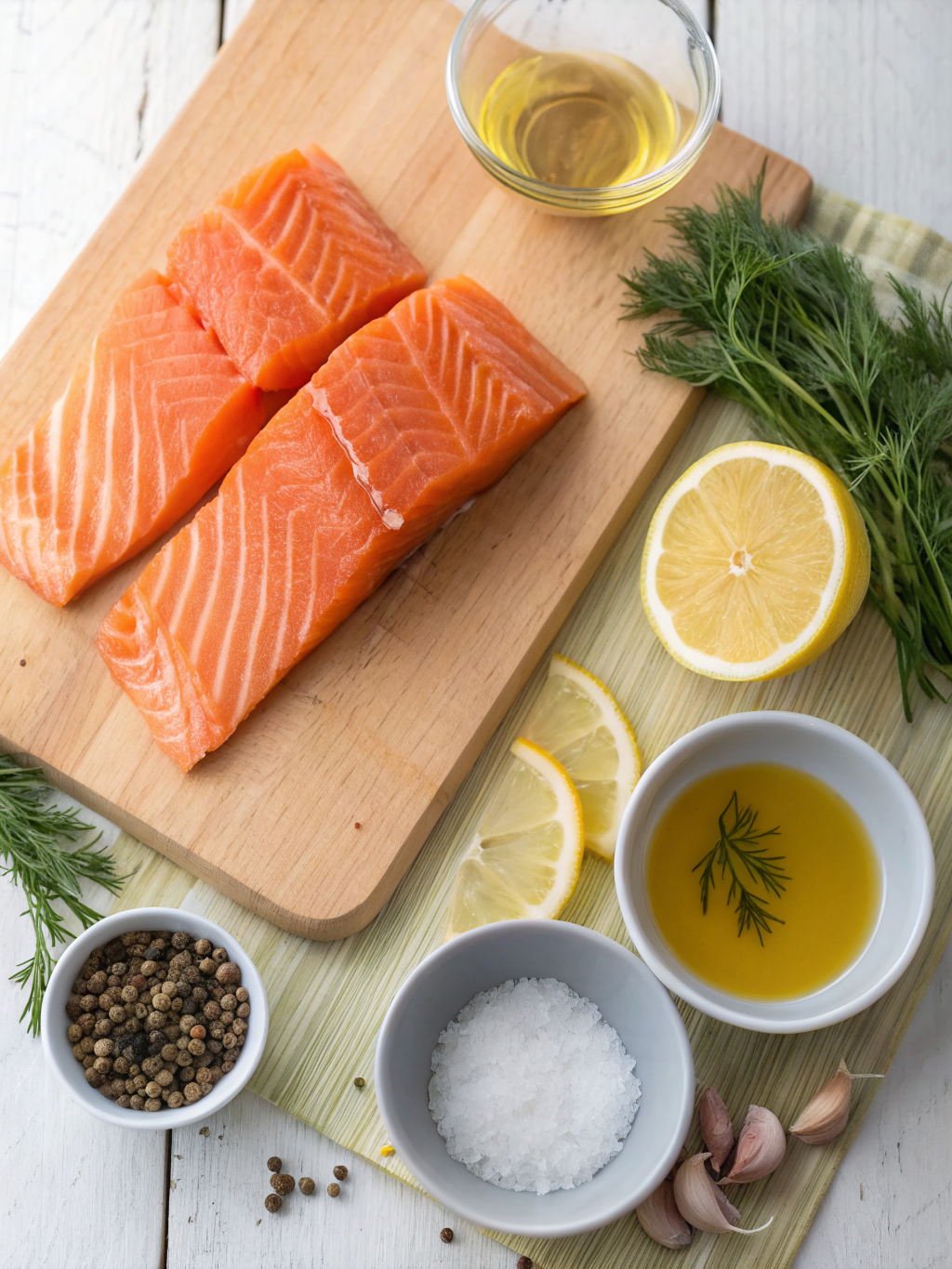
Creating perfectly baked salmon begins with quality ingredients and thoughtful preparation. Here’s everything you’ll need:
For the Salmon:
- 4 salmon fillets (6 ounces each), skin-on or skinless
- 2 tablespoons extra-virgin olive oil
- 1 teaspoon sea salt
- ½ teaspoon freshly ground black pepper
- 1 teaspoon garlic powder
- ½ teaspoon dried dill (or 1 tablespoon fresh dill)
- ½ teaspoon paprika
For Flavor Enhancement:
- 1 lemon, thinly sliced
- 2 tablespoons fresh parsley, chopped
- 4 cloves garlic, minced
- 2 tablespoons butter, divided
Optional Substitutions:
- Replace olive oil with avocado oil for a higher smoke point
- Substitute dill with fresh tarragon or thyme for different flavor profiles
- Use lemon pepper seasoning instead of individual spices for convenience
- Replace butter with ghee for a dairy-free option
The beauty of learning how to bake salmon lies in its flexibility. These ingredients create a aromatic, herbaceous base that complements salmon’s rich, buttery flavor without overpowering it.
Timing
Understanding the precise timing for how to bake salmon is crucial for achieving optimal results:
- Preparation Time: 10 minutes
- Cooking Time: 12-15 minutes
- Total Time: 22-25 minutes
This timing is approximately 30% faster than traditional stovetop cooking methods, making baked salmon an efficient choice for busy weeknights. The exact cooking duration depends on your salmon’s thickness—a general rule suggests 12-15 minutes per inch of thickness at 400°F.
Step-by-Step Instructions
Step 1: Preheat Your Oven
Begin by preheating your oven to 400°F (200°C). This temperature is scientifically optimal for baking salmon because it allows the exterior to develop a subtle crust while the interior remains moist and tender. Allow the oven to fully preheat for 10 minutes before placing your salmon inside, ensuring even heat distribution throughout the cooking process.
Step 2: Prepare Your Baking Surface
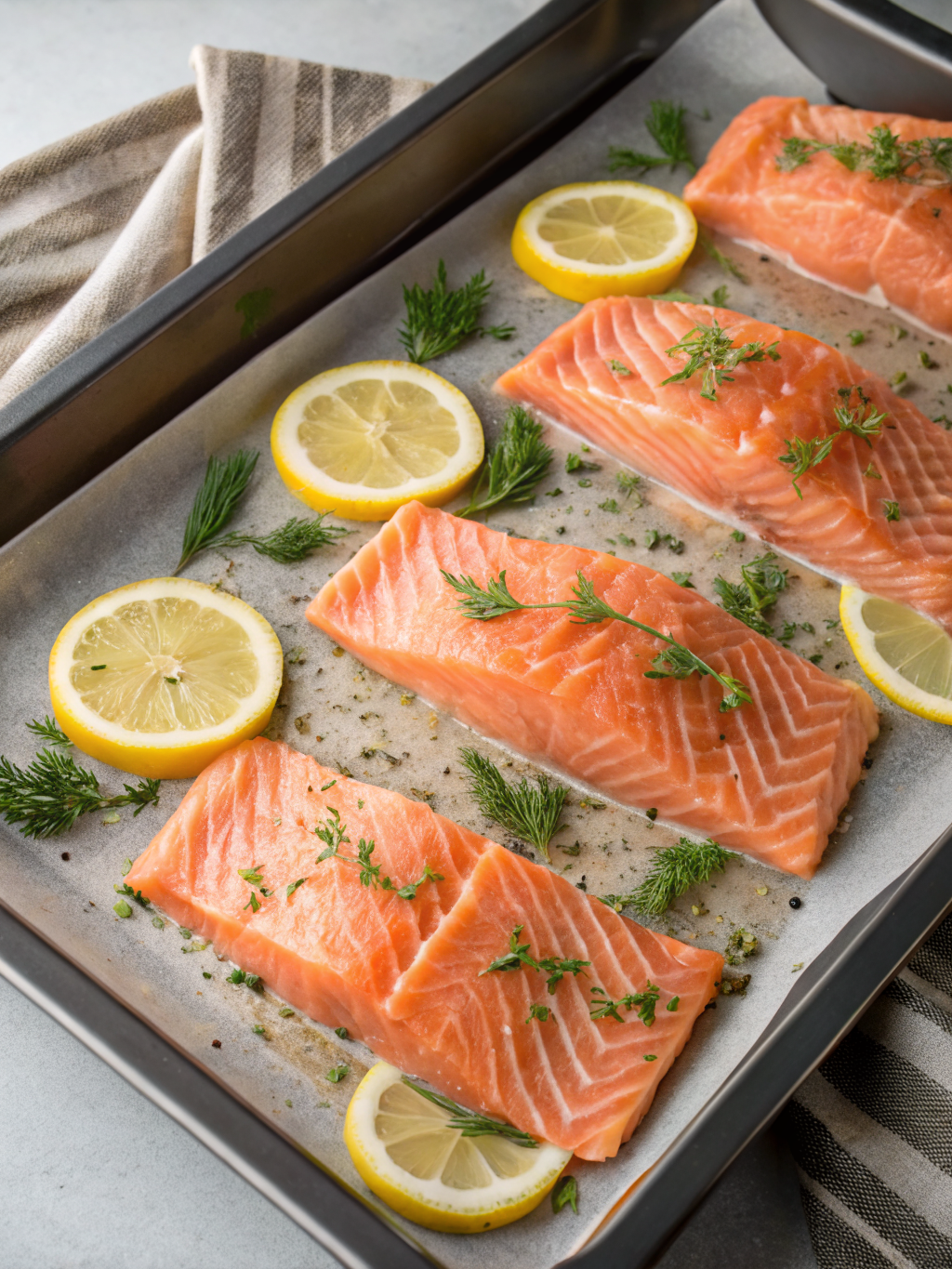
Line a baking sheet with parchment paper or lightly grease it with olive oil. This prevents sticking and simplifies cleanup. For enhanced flavor infusion, consider creating a bed of thinly sliced lemon rounds and fresh herbs on the parchment paper before placing your salmon on top. This technique creates a natural moisture barrier while imparting subtle citrus notes.
Step 3: Pat Your Salmon Dry
Gently pat your salmon fillets with paper towels to remove excess moisture. This seemingly simple step is transformational—dry surfaces promote better seasoning adherence and encourage a more flavorful crust formation. Leave the skin on whenever possible, as it protects the delicate flesh and contains beneficial omega-3 fatty acids.
Step 4: Season Your Salmon Generously
Drizzle each fillet with ½ tablespoon of olive oil, then season with salt, pepper, garlic powder, dill, and paprika. The key to flavor distribution is applying seasonings just before cooking—this prevents salt from drawing out moisture prematurely. For deeper flavor complexity, create a simple herb butter by mixing softened butter with minced garlic and fresh parsley, then spread a small amount on top of each fillet.
Step 5: Arrange Lemon Slices
Top each salmon fillet with 2-3 thin lemon slices. These citrus layers will cook into the salmon, creating subtle brightness and moisture during the baking process. The acidity also helps break down proteins slightly, contributing to a more tender texture.
Step 6: Bake Your Salmon
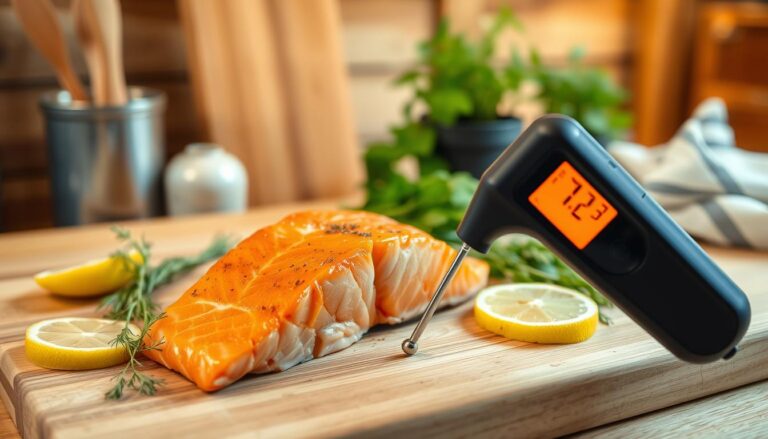
Place your prepared salmon in the preheated oven for 12-15 minutes. The salmon is perfectly cooked when it flakes easily with a fork and reaches an internal temperature of 145°F (63°C). For thicker fillets exceeding 1.5 inches, extend cooking time by 2-3 minutes. Avoid opening the oven door repeatedly, as this disrupts temperature consistency.
Step 7: Rest and Plate
Remove your salmon from the oven and allow it to rest for 2-3 minutes before plating. This brief resting period allows residual heat to distribute evenly and permits fibers to relax, maximizing moisture retention. Finish with fresh parsley garnish and an additional squeeze of lemon juice for brightness.
Nutritional Information
Each 6-ounce salmon fillet contains approximately:
- Calories: 280-320
- Protein: 34-36 grams
- Total Fat: 15-18 grams
- Omega-3 Fatty Acids: 2.3 grams (exceeding daily recommended intake)
- Vitamin D: 570 IU (142% of daily value)
- Selenium: 36 mcg (65% of daily value)
- B vitamins: Comprehensive profile supporting energy metabolism
Research indicates that consuming baked salmon twice weekly significantly reduces cardiovascular disease risk by 36% due to its exceptional omega-3 content. This makes mastering how to bake salmon not just a culinary skill but a health investment.
Healthier Alternatives for the Recipe
Transform your baked salmon into a nutritional powerhouse with these thoughtful modifications:
Lower-Fat Version: Replace olive oil with cooking spray and eliminate added butter. This reduces caloric content by approximately 15% while maintaining flavor through generous herb seasoning.
Mediterranean Twist: Substitute traditional seasonings with oregano, basil, and crushed tomatoes. Layer fresh spinach beneath the salmon for added iron and antioxidants.
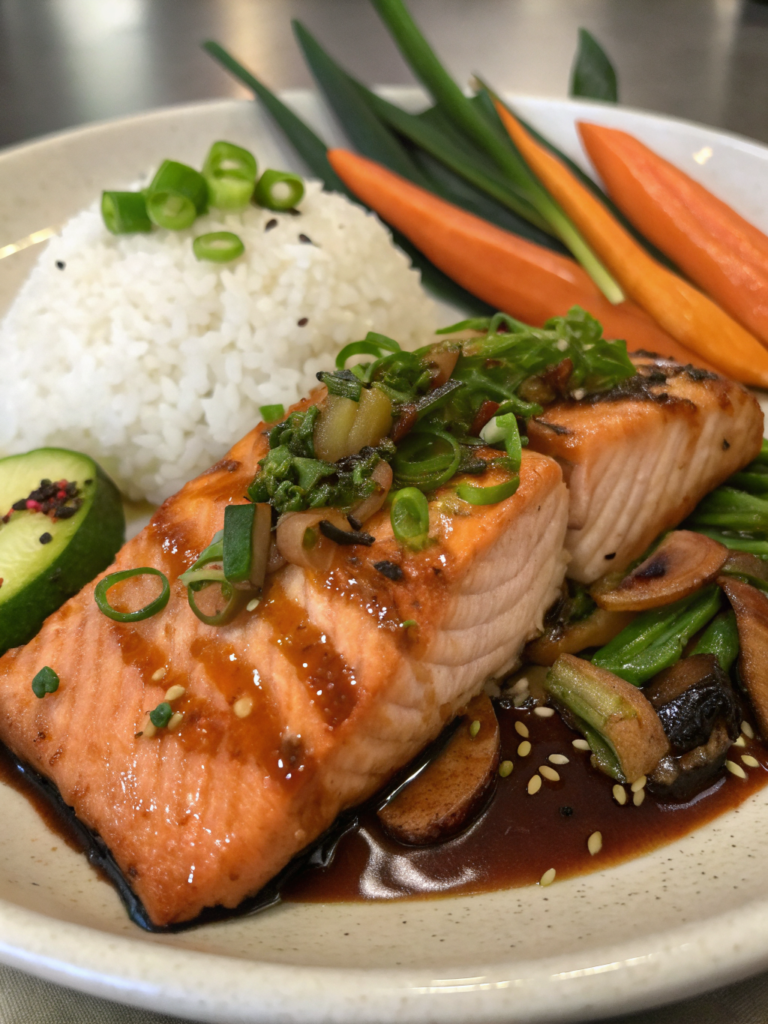
Asian-Inspired Variation: Replace dill with fresh ginger and cilantro. Drizzle with low-sodium tamari instead of butter, and top with sesame seeds for textural contrast and additional minerals.
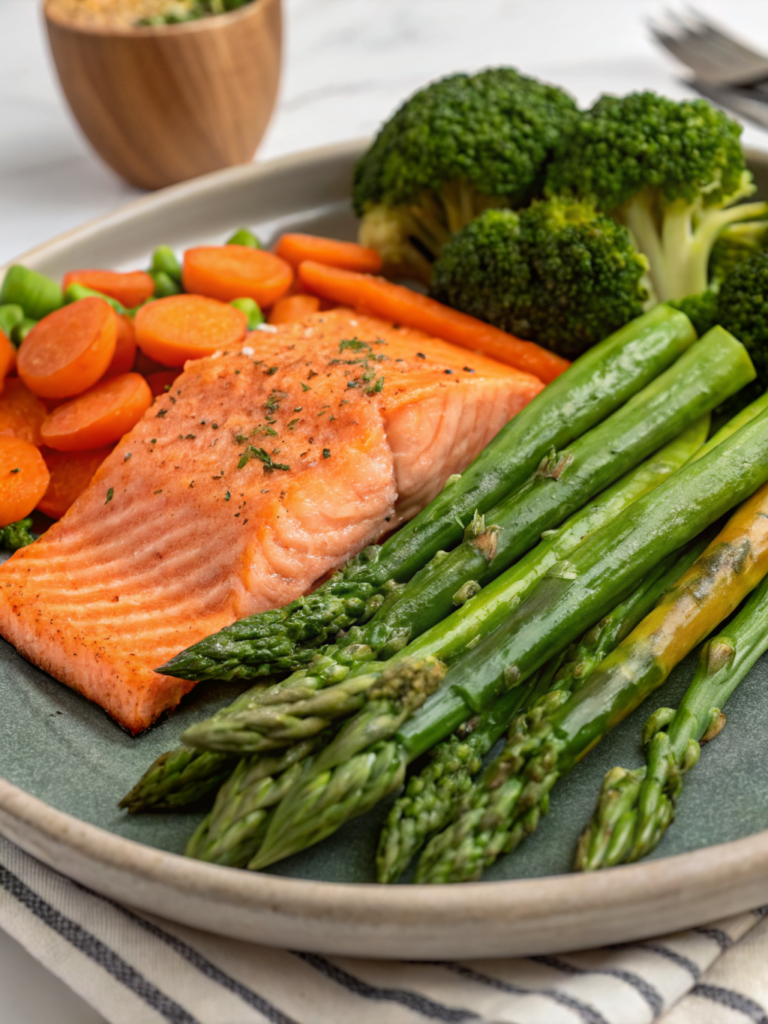
Vegetable Enhancement: Surround salmon fillets with roasted asparagus, cherry tomatoes, and zucchini. This one-sheet meal approach increases vegetable intake while adding natural moisture and flavor complexity.
Serving Suggestions
Elevate your baked salmon experience with these creative serving ideas:
Classic Pairing: Serve alongside roasted fingerling potatoes with fresh dill and a simple green salad dressed with lemon vinaigrette. This combination provides balanced nutrients and visual appeal.
Grain Bowl Approach: Flake your cooled salmon over quinoa, adding cucumber, avocado, and microgreens for a nutritious lunch option that maintains flavor for 3-4 days.
Elegant Plating: Present your salmon on a bed of cauliflower rice with roasted beets and goat cheese, transforming a simple recipe into restaurant-worthy presentation.
Summer Salad Base: Chill leftover salmon and incorporate it into mixed green salads with berries, candied nuts, and citrus vinaigrette for light, refreshing meals.
Common Mistakes to Avoid
Understanding typical pitfalls ensures consistent success when learning how to bake salmon:
Overcooking: The most prevalent mistake occurs when salmon reaches 160°F internally. At this temperature, proteins denature excessively, expelling moisture and creating dry texture. Target 145°F precisely.
Insufficient Seasoning: Many home cooks under-season baked salmon, resulting in bland preparations. Season generously—salmon’s rich fat content requires assertive flavoring.
Skipping the Oven Preheat: Baking in an unpreheated oven extends cooking time by 20-30%, increasing overcooking risk. Always preheat for 10 minutes minimum.
Excessive Oil Usage: While oil prevents sticking, excess quantities create greasy results. Two tablespoons per four fillets provides optimal protection without heaviness.
Ignoring Internal Temperature: Visual cues can deceive. A meat thermometer eliminates guesswork—this single investment dramatically improves results.
Storing Tips for the Recipe
Maximize your salmon investment with proper storage strategies:
Refrigerator Storage: Store cooked salmon in airtight containers for 3-4 days at 40°F or below. Keep lemon slices separate to prevent flavor degradation.
Freezer Method: Freeze cooked salmon for up to three months by wrapping tightly in plastic wrap, then aluminum foil. Thaw overnight in the refrigerator before reheating.
Reheating Instructions: Gently reheat at 275°F for 5-10 minutes, or consume cold for salads and grain bowls. Avoid microwaving, which can create unpleasant texture changes.
Raw Salmon Prep: Freeze raw fillets in their original packaging for up to eight months. Thaw in the refrigerator 12-24 hours before cooking.
Conclusion
Mastering how to bake salmon represents one of the most valuable cooking skills you can develop. By following these evidence-based techniques and easy oven baked salmon recipe tips, you’ll consistently achieve moist, flavorful results that impress family and guests alike. Remember: precise temperature management, proper seasoning, and strategic timing form the triumvirate of salmon baking success.
Ready to revolutionize your weeknight dinners? Try this recipe today and experience the transformation that perfect baked salmon brings to your table. Share your results in the comments below—we’d love hearing about your culinary successes!
FAQs
Q: Can I bake frozen salmon without thawing?
A: Yes, but extend cooking time to 18-22 minutes. Thawing beforehand ensures more even cooking and better flavor absorption from seasonings.
Q: What’s the difference between wild and farm-raised salmon?
A: Wild salmon contains slightly higher omega-3 levels and possess more complex flavor profiles. Farm-raised varieties are more accessible and sustainable. Both work excellently for baking.
Q: How do I know if my salmon is done without a thermometer?
A: Cooked salmon flakes easily with a fork and transitions from translucent to opaque. However, a meat thermometer eliminates guesswork and ensures optimal results every time.
Q: Can I substitute the lemon with other citrus?
A: Absolutely. Lime provides a tropical twist, while orange offers subtle sweetness. Experiment to discover your preferred flavor profile.
Q: Is skin-on or skinless better for baking?
A: Skin-on salmon protects delicate flesh and provides structural integrity during cooking. The skin becomes crispy and flavorful—try it at least once before deciding.
Q: What’s the best way to reheat baked salmon?
A: Gently warm at 275°F for 5-10 minutes in a covered dish to retain moisture. Cold salmon works beautifully in salads, eliminating reheating entirely.