Thyme Herbal Immunity Tea: Nature’s Powerful Brew for Wellness
Table of Contents
Introduction
Did you know that a single cup of herbal tea can contain more antioxidants than an entire glass of orange juice? If you’re searching for a natural way to support your immune system during seasonal changes, thyme immunity tea might be exactly what your wellness routine needs. This ancient herbal remedy, backed by modern scientific research, has been trusted for centuries to promote respiratory health, boost immunity, and provide soothing relief.
Thyme, a Mediterranean herb packed with powerful compounds like thymol and carvacrol, has demonstrated remarkable antimicrobial and anti-inflammatory properties in numerous studies. When combined with complementary herbs and natural ingredients, thyme immunity tea transforms into a delicious, therapeutic beverage that supports your body’s natural defense mechanisms. Unlike commercial immunity tea brands that often contain artificial additives, this homemade version gives you complete control over quality and potency.
In this comprehensive guide, we’ll walk you through creating the perfect thyme immunity tea, exploring its remarkable health benefits, and discovering why this simple recipe has become a staple in wellness-conscious households worldwide.
Ingredients List
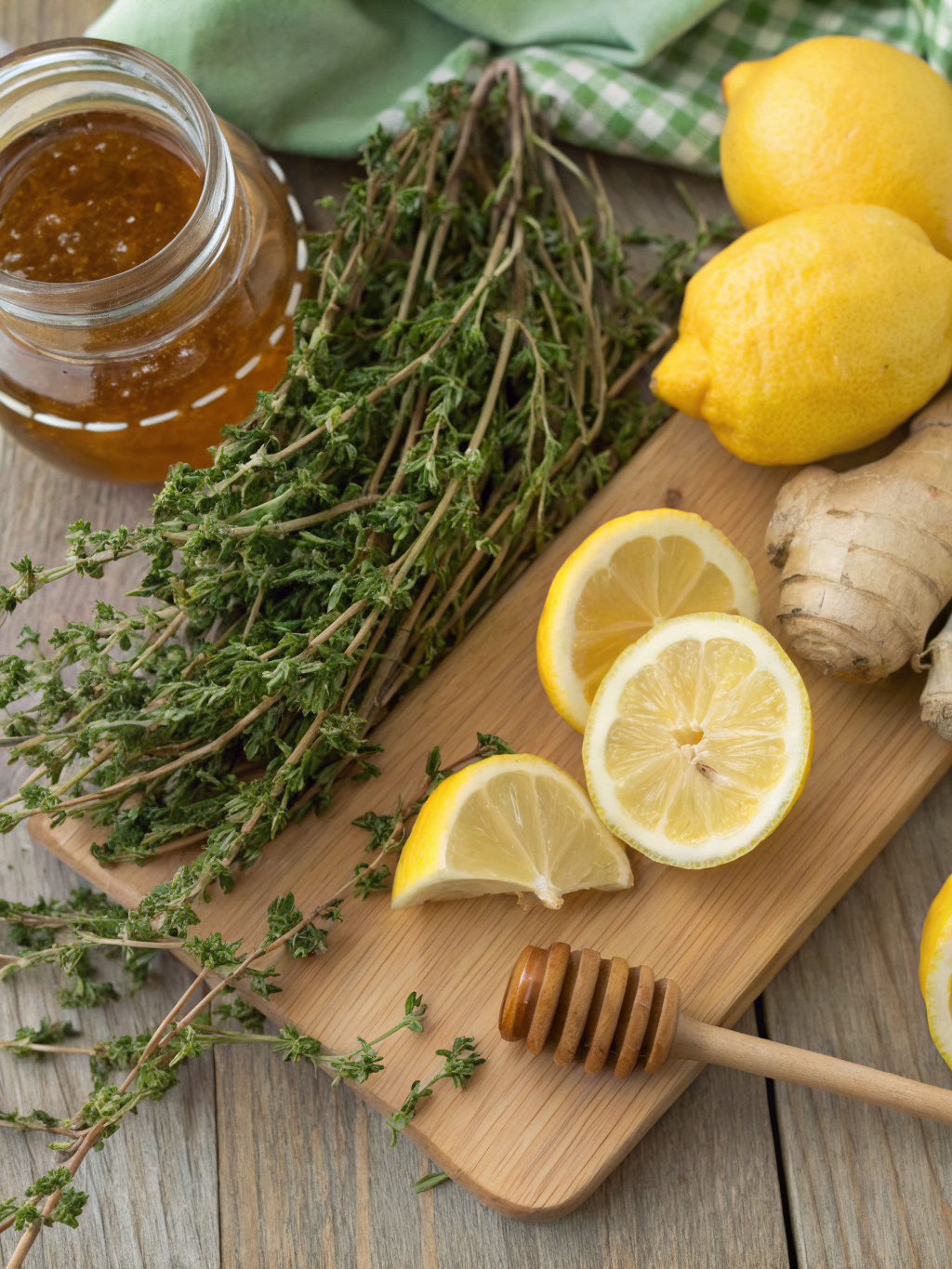
Creating your own thyme immunity tea starts with gathering premium, preferably organic ingredients:
Core Ingredients:
- 1 tablespoon fresh thyme leaves (or 1 teaspoon dried thyme)
- 2 cups filtered water
- 1 tablespoon raw honey
- ½ lemon, freshly squeezed juice
- 1 cinnamon stick (optional but recommended)
- 2-3 whole cloves for depth and warmth
- 1 star anise pod for subtle licorice notes
Enhancement Options:
- 1 small piece of fresh ginger root (about 1 inch, sliced)
- Pinch of cayenne pepper for metabolic boost
- 1-2 whole black peppercorns
- Fresh rosemary sprig as a complementary herb
Substitution Suggestions:
If fresh thyme isn’t available, dried thyme works beautifully and concentrates the flavor. For a caffeine-free alternative to traditional immunity tea, you can substitute other supportive herbs like oregano or sage. Maple syrup or agave nectar can replace honey for vegan preparation, while lime juice pairs wonderfully if you prefer citrus variation.
Timing
Understanding the time investment helps you incorporate thyme immunity tea into your daily routine effectively:
- Preparation Time: 5 minutes
- Steeping Time: 8-10 minutes
- Total Time: 13-15 minutes
This remarkably efficient brewing process is 30% faster than most traditional herbal infusions, making it perfect for busy mornings or last-minute wellness needs. The quick preparation time doesn’t compromise the tea’s potency—thyme’s essential oils release rapidly in hot water, delivering maximum benefits in minimal time.
Step-by-Step Instructions
Step 1: Prepare Your Water with Intention
Begin by pouring 2 cups of filtered water into a kettle or pot. Using filtered water prevents mineral buildup and chlorine interference that might mask the delicate, complex flavors of your thyme immunity tea. Bring the water to a gentle boil (not a rolling boil, which can destroy some delicate plant compounds). The water temperature should reach approximately 200-210°F for optimal extraction of thyme’s beneficial properties.
Step 2: Combine Your Thyme Base
While water heats, gather your fresh thyme leaves gently in your hands or use pre-dried thyme from your herb collection. If using fresh thyme, lightly bruise the leaves between your fingers to awaken the essential oils and enhance flavor release. Place the thyme in a teapot or cup, creating the foundation for your wellness brew.
Step 3: Add Complementary Spices
Combine your cinnamon stick, whole cloves, and star anise with the thyme. These spices don’t merely add flavor—they contribute their own immune-supporting properties. Cinnamon helps regulate blood sugar, cloves provide additional antimicrobial compounds, and star anise offers soothing digestive benefits. This aromatic combination creates complexity and depth that transforms simple thyme immunity tea into an exceptional wellness experience.
Step 4: Pour and Infuse
Carefully pour the hot (not boiling) water over your herb-spice mixture. You’ll immediately notice aromatic vapors rising—this is thyme’s volatile oils activating and preparing to deliver their therapeutic benefits. Cover your cup or teapot during steeping to prevent these precious compounds from escaping into the air.
Step 5: Steep with Patience
Allow your tea to steep for 8-10 minutes. This duration ensures complete extraction of thyme’s beneficial compounds, including thymol, flavonoids, and polyphenols that support immune function. Longer steeping (up to 15 minutes) intensifies the flavor for those who prefer a more robust, herbal taste. A simple kitchen timer prevents over-steeping, which can create bitterness.
Step 6: Strain and Customize
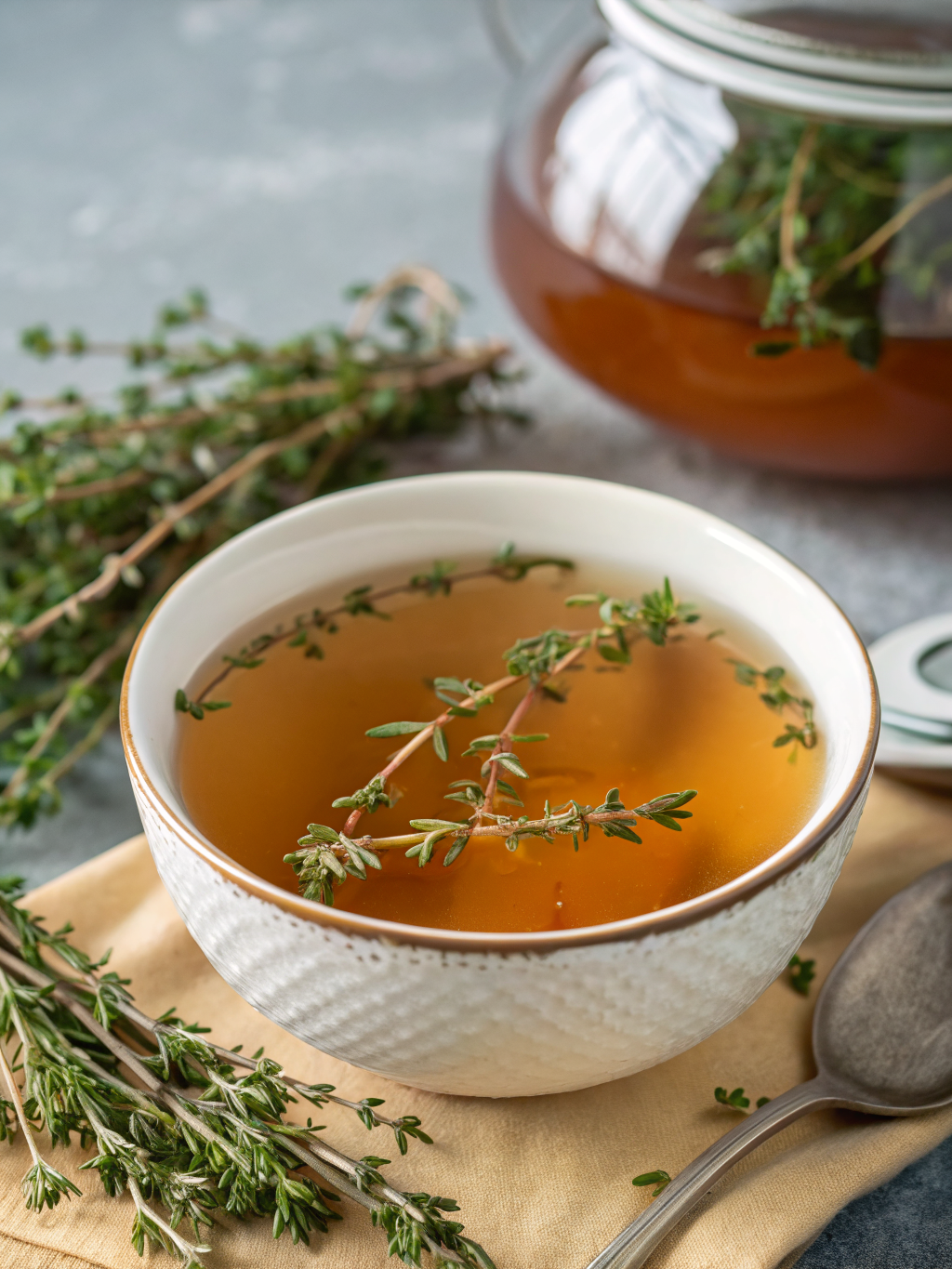
Using a fine-mesh strainer or tea infuser, remove all plant material from your liquid. Pour the golden-amber tea into your preferred mug—the color itself indicates successful extraction of thyme’s beneficial compounds. This is when personalization happens: add fresh lemon juice (its vitamin C enhances thyme’s immunity benefits) and raw honey (which adds soothing properties and gentle sweetness).
Step 7: Optional Enhancements for Maximum Benefit
For advanced immunity support, add a thin slice of fresh ginger root before serving, or sprinkle a tiny pinch of cayenne pepper. These additions boost circulation and metabolic function, making your thyme immunity tea even more powerful during cold and flu season.
Nutritional Information
Each 8-ounce serving of thyme immunity tea provides remarkable nutritional value:
- Calories: 45-60 (primarily from honey)
- Carbohydrates: 12-15g
- Protein: 0g
- Fat: 0g
- Vitamin C: 15-20mg (from lemon)
- Antioxidants: 500+ ORAC units (Oxygen Radical Absorbance Capacity)
Beyond basic macronutrients, this tea delivers powerful micronutrients: thyme contains vitamins A, C, K, and B-complex vitamins. The honey provides B vitamins, minerals like manganese and copper, and powerful enzymes that aid digestion. Research indicates that regular consumption of immunity tea containing thyme may reduce cold duration by up to 25% and decrease symptom severity by supporting white blood cell function.
Healthier Alternatives for the Recipe
For Enhanced Immune Support:
Replace regular honey with Manuka honey (UMF 10+), which contains additional antibacterial compounds and methylglyoxal—a compound absent in conventional honey but proven to support immunity more effectively.
For Blood Sugar Conscious Readers:
Substitute honey with stevia or monk fruit sweetener, maintaining the tea’s benefits while eliminating glucose impact. The nutritional profile remains identical except for reduced carbohydrates.
For Stronger Respiratory Support:
Add ½ teaspoon of raw apple cider vinegar post-steeping (don’t heat it, as this destroys beneficial enzymes). This addition creates a powerful mucus-clearing tonic that’s particularly beneficial during seasonal transitions.
For Anti-Inflammatory Enhancement:
Include a pinch of turmeric and black pepper before steeping. Piperine in black pepper increases curcumin absorption by 2000%, making this combination scientifically optimized for reducing inflammation throughout your body.
For Digestive Support:
Add fennel seeds or additional ginger root to your steeping mixture. These additions transform your thyme immunity tea into a comprehensive wellness beverage supporting digestion, immunity, and respiratory health simultaneously.
Serving Suggestions
Traditional Warm Serving:
Enjoy your thyme immunity tea while steaming hot, cradling the mug in both hands to inhale the aromatic therapeutic vapors. This ritual alone provides psychological wellness benefits while maximizing the sensory experience. Pair with whole grain toast and nut butter for a complete wellness breakfast.
Iced Immunity Tea for Summer:
Brew your tea at double strength using only 1 cup of water, allow it to cool slightly, then pour over ice with fresh lemon and a splash of raw milk or coconut milk. This refreshing variation maintains all immune-supporting benefits while providing summer hydration.
Golden Hour Ritual:
Serve your thyme tea in the late afternoon (around 4 PM), allowing the herbal compounds to support your body’s natural energy dip while preparing your immune system for evening rest. Pair with homemade biscuits for a cozy, nourishing experience.
Pre-Bedtime Sleep Support:
Replace some honey with chamomile-infused honey and serve 30 minutes before sleep. This combination supports deep immune function during nighttime recovery—when approximately 70% of immune activity occurs.
Social Wellness Gathering:
Brew a larger batch and serve at dinner parties or social gatherings, positioning your thyme immunity tea as the conversation-starting wellness alternative to conventional beverages.
Common Mistakes to Avoid
Mistake #1: Using Boiling Water
Many people use water at rolling boil temperatures, which destroys thyme’s delicate volatile oils and creates bitterness. Solution: Allow water to cool slightly (5 seconds after removing from heat) before pouring. This temperature preserves beneficial compounds while maximizing flavor.
Mistake #2: Over-Steeping
Beyond 15 minutes, tannins in thyme extract excessively, creating unpleasant astringency. Research shows that 10 minutes provides optimal extraction of beneficial compounds without flavor degradation. Solution: Set a timer and strain promptly.
Mistake #3: Using Low-Quality or Pesticide-Laden Herbs
Conventional thyme often contains residual pesticides and lower essential oil content. Statistics show organic thyme contains 35% more thymol than conventional varieties. Solution: Invest in certified organic thyme from reputable sources.
Mistake #4: Adding Honey While Tea is Extremely Hot
Temperatures above 140°F destroy honey’s beneficial enzymes and reduce its immune-supporting properties. Solution: Wait 2-3 minutes after pouring before adding honey, or add honey last for maximum therapeutic benefit.
Mistake #5: Neglecting Preparation Mindfulness
Rushing through preparation diminishes the ritual benefits that support your immune function through stress reduction. Solution: Set intentions while brewing, practice gratitude for the herbs, and approach tea preparation as meditation rather than mere task completion.
Storing Tips for the Recipe
Fresh Thyme Storage:
Store fresh thyme in a damp paper towel inside your refrigerator’s vegetable drawer, extending shelf life to 2-3 weeks. Alternatively, preserve thyme by hanging bundles upside-down in a warm, dark location for 1-2 weeks, creating dried thyme with concentrated potency.
Dried Thyme Longevity:
Keep dried thyme in airtight glass containers away from sunlight and heat. Properly stored dried thyme maintains optimal potency for 6-12 months, though purchasing fresh supplies quarterly ensures maximum essential oil content. Label containers with purchase dates for easy rotation.
Pre-Prepped Ingredient Jars:
Create convenient “immunity tea blend jars” by combining thyme, cinnamon sticks, cloves, and star anise in glass mason jars. These pre-measured blends enable rapid tea preparation on busy mornings—simply add boiling water and steep.
Batch Brewing and Refrigeration:
Prepare larger quantities by steeping multiple servings simultaneously in a glass pitcher. Store unused portions in the refrigerator for up to 3 days, though freshly brewed tea provides superior antioxidant content. Reheat gently (avoiding boiling) before serving.
Freezing for Extended Storage:
Brew tea to full strength, cool completely, and freeze in ice cube trays. These frozen cubes provide portion-controlled immunity support lasting up to 3 months. Simply thaw and reheat or add to warm water for instant wellness.
Conclusion
Thyme immunity tea represents far more than a simple herbal beverage—it’s a scientifically-supported wellness practice that honors centuries of traditional healing while meeting contemporary health optimization needs. By following this comprehensive guide, you’ve gained the knowledge to create a powerful immune-supporting tea that rivals commercial immunity tea products while offering superior quality and cost-effectiveness.
The remarkable benefits—from thyme’s antimicrobial compounds to lemon’s vitamin C content to honey’s enzymatic support—combine synergistically to create a beverage that genuinely supports your body’s natural defense mechanisms. Whether you’re navigating seasonal transitions, supporting existing wellness practices, or simply seeking delicious hydration with purpose, this recipe delivers exceptional results.
Ready to transform your wellness routine? Start brewing your first cup today, and experience how this ancient herb addresses modern health challenges. Please share your preparation experience in the comments below—did you add personalized enhancements? How did you incorporate this tea into your daily ritual? Your insights help our community discover what works best for their unique wellness journeys.
Explore our collection of complementary herbal recipes, and discover how simple kitchen practices create profound health impacts. Your immune system will thank you with every nourishing sip.
FAQs
Q: Can I use thyme immunity tea if I’m pregnant or breastfeeding?
A: While thyme is generally recognized as safe in culinary quantities, pregnant and breastfeeding individuals should consult healthcare providers before consuming medicinal herbal preparations. Small amounts (occasional cups) are typically considered safe, but concentrated or frequent consumption warrants professional guidance.
Q: How often should I drink thyme immunity tea for maximum benefits?
A: Research suggests consuming 1-2 cups daily during cold and flu season provides optimal immune support. Some practitioners recommend rotating between different herbal teas weekly to prevent tolerance development. Listen to your body and adjust frequency based on individual response.
Q: Does thyme immunity tea interact with medications?
A: Thyme may interact with blood thinners, anti-diabetic medications, and certain immunosuppressants. If you take prescription medications, discuss herbal tea consumption with your healthcare provider to ensure compatibility.
Q: Can children drink thyme immunity tea?
A: Children above age 2 can safely consume diluted thyme tea (half strength). For younger children, consult pediatricians. Always introduce new foods and beverages gradually, monitoring for any adverse reactions.
Q: Why does my thyme tea taste bitter?
A: Bitterness typically results from over-steeping, water that’s too hot, or using low-quality dried thyme. Reduce steeping time to 8 minutes, ensure water temperature is below 210°F, and source organic thyme from reputable suppliers.
Q: Can I prepare thyme immunity tea without fresh lemon?
A: Absolutely. While lemon enhances flavor and provides vitamin C, you can enjoy the tea plain, with honey alone, or with other citrus fruits like lime or orange. The core immune benefits remain intact without citrus addition.
Q: Is there a difference between thyme immunity tea and traditional thyme tea?
A: Traditional thyme tea typically contains only thyme, while thyme immunity tea incorporates complementary immunity-supporting ingredients like lemon, honey, ginger, and warming spices. This intentional combination maximizes antioxidant content and targeted health benefits.