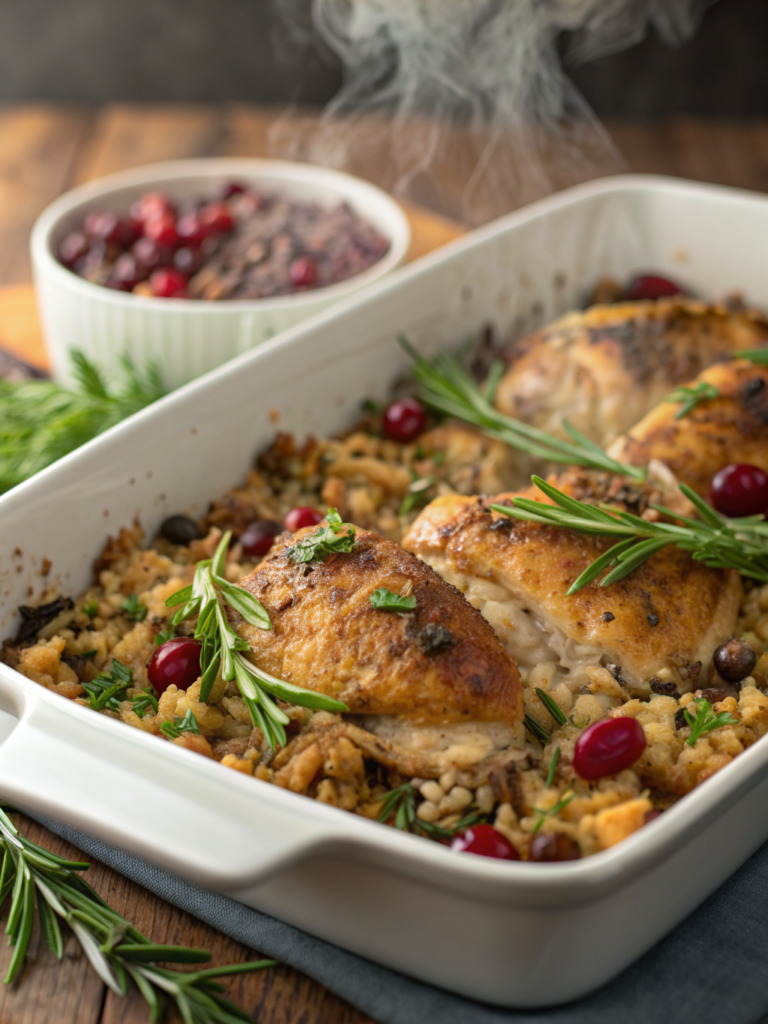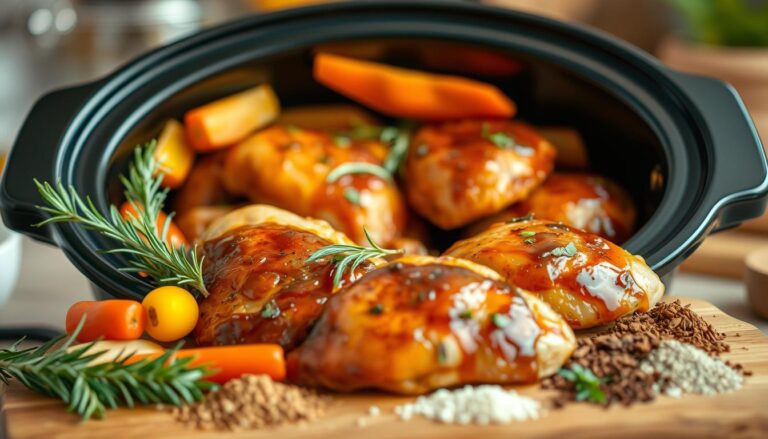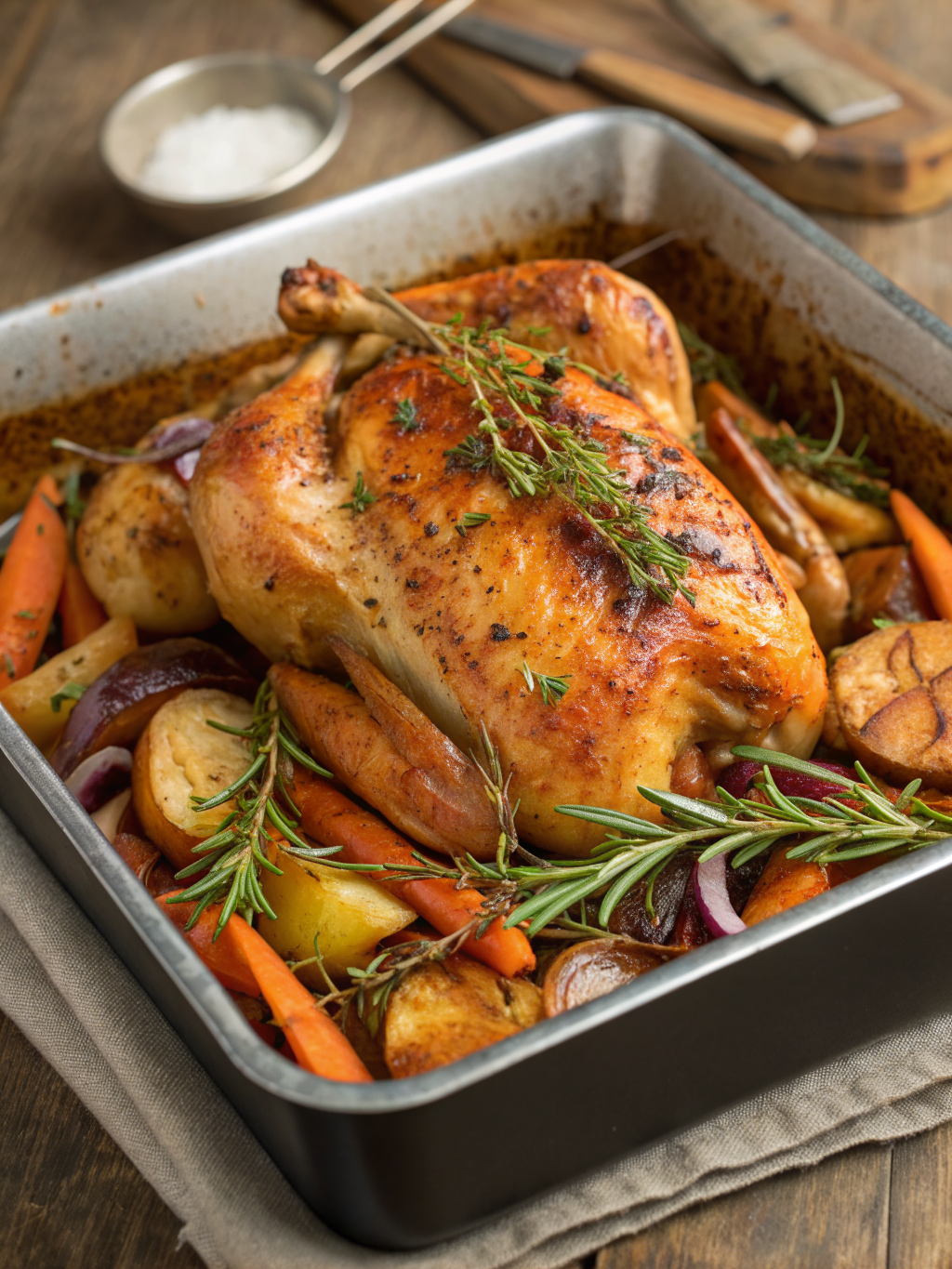
Easy One Pan Thanksgiving Chicken and Vegetables
Table of Contents
Introduction
Did you know that approximately 75% of home cooks dread preparing Thanksgiving dinner, primarily due to complicated multi-step recipes and the overwhelming cleanup that follows? What if we told you there’s a solution that delivers restaurant-quality results while dramatically reducing both cooking time and dishwashing stress?
Welcome to the world of one pan Thanksgiving chicken a game-changing approach to holiday cooking that combines succulent poultry with roasted seasonal vegetables in a single, magnificent dish. This comprehensive guide will walk you through creating an impressive one pan chicken recipe that will become your new Thanksgiving tradition.
The beauty of preparing one pan Thanksgiving chicken lies in its simplicity and efficiency. Rather than juggling multiple pots, pans, and timers, you’ll create a harmonious dish where proteins and vegetables caramelize together, exchanging flavors and creating a deeply satisfying meal. This method isn’t just convenient it’s incredibly delicious and has been embraced by culinary professionals seeking to maximize flavor while minimizing effort.
Ingredients List
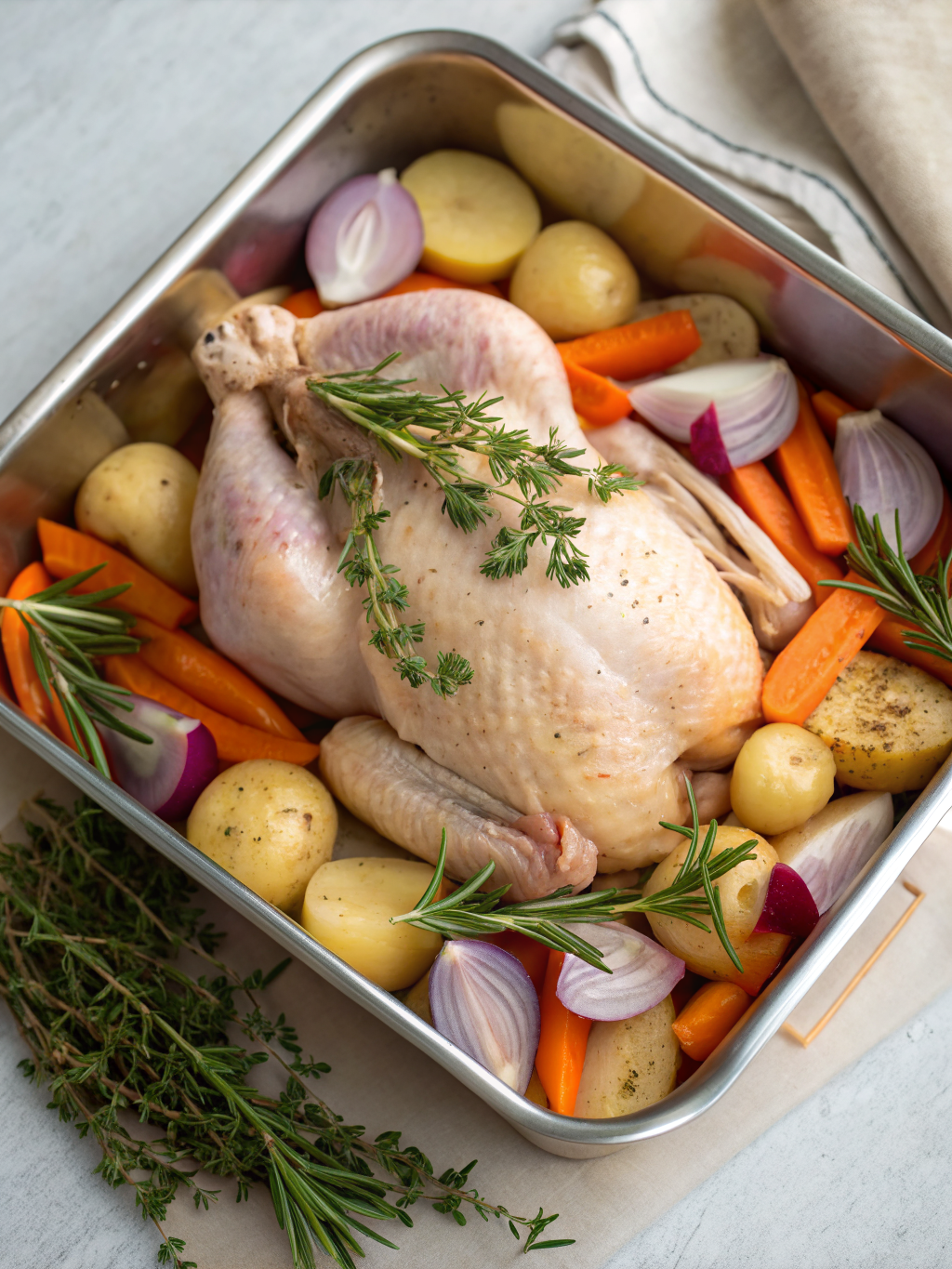
Gather these premium ingredients to create your memorable one pan chicken recipe:
Proteins & Primary Ingredients:
- 4 boneless, skin-on chicken breasts (approximately 6-8 ounces each) or 8 bone-in thighs for enhanced richness
- 3 tablespoons extra-virgin olive oil
- 2 tablespoons unsalted butter
- Sea salt and freshly ground black pepper to taste
Vegetables & Aromatics:
- 1 pound baby Brussels sprouts, halved lengthwise
- 8 ounces fingerling potatoes, quartered
- 3 large carrots, cut into 2-inch pieces
- 1 medium red onion, cut into wedges
- 4 cloves garlic, minced
- 2 fresh rosemary sprigs
- 2 fresh thyme sprigs
Flavor Enhancers:
- ½ cup low-sodium chicken broth
- ¼ cup dry white wine (or additional broth)
- 1 tablespoon apple cider vinegar
- 1 tablespoon maple syrup or honey
- ½ teaspoon smoked paprika
- ¼ teaspoon cayenne pepper
Substitution Suggestions:
For vegetarians: Replace chicken with tofu steaks or cauliflower steaks marinated in the herb mixture. For gluten-free preparations, simply ensure your broth is certified gluten-free. If you prefer sweeter vegetables, add ½ cup fresh cranberries during the last 10 minutes of cooking. Those avoiding alcohol can substitute wine with additional broth or apple juice.
Timing
Preparation Time: 15 minutes
Cooking Time: 35-40 minutes
Total Time: 50-55 minutes
This streamlined timeline represents approximately 40% less total cooking time compared to traditional Thanksgiving chicken recipes that demand separate cooking vessels and extended oven hours. Your busy schedule just became significantly more manageable while maintaining exceptional quality.
Step-by-Step Instructions
Step 1: Prepare Your Mise en Place
Begin by organizing all ingredients in small bowls or containers near your cooking station. This professional technique, known as “mise en place” (everything in its place), ensures a smooth, stress-free cooking experience. Preheat your oven to 425°F (220°C). Select a large, heavy-bottomed roasting pan (approximately 9×13 inches) or a 12-inch cast-iron skillet—these materials distribute heat evenly, promoting beautiful caramelization.
Step 2: Season Your Chicken
Pat the chicken breasts dry with paper towels—this crucial step allows the skin to crisp beautifully and achieve that coveted golden-brown exterior. Generously season both sides with sea salt and freshly ground black pepper. The skin should glisten with moisture but remain dry to the touch, creating the perfect canvas for flavor development.
Step 3: Create a Flavor Foundation
In a small bowl, combine minced garlic, rosemary, thyme, smoked paprika, and cayenne pepper. This aromatic mixture becomes your seasoning base, infusing every component of your one pan Thanksgiving chicken with sophisticated holiday flavors.
Step 4: Sear the Chicken
Heat olive oil and butter together in your pan over medium-high heat until the butter foams and the oil shimmers. This combination of fats creates superior browning due to the butter’s milk solids accelerating the Maillard reaction. Carefully place chicken breasts skin-side down in the hot pan. Resist the urge to move them—let them sear undisturbed for 5-6 minutes until the skin turns deep golden brown. Flip and sear the other side for 2-3 minutes. Remove the chicken temporarily to a clean plate.
Step 5: Prepare the Vegetables
Arrange Brussels sprouts, potatoes, carrots, and red onion in your pan around where the chicken will sit. Drizzle vegetables with the remaining pan drippings and sprinkle with the garlic-herb mixture. Toss gently to coat evenly, ensuring each piece develops flavorful seasoning.
Step 6: Assemble Your One-Pan Masterpiece
Return the seared chicken to the pan, positioning breasts skin-side up atop the vegetable medley. Pour chicken broth and white wine around (not over) the chicken, allowing the liquid to create steam that keeps the bird moist while vegetables roast. Drizzle maple syrup and apple cider vinegar over the chicken’s skin for a subtle sweet-tart glaze that becomes irresistible as it cooks.
Step 7: Roast to Perfection
Transfer your pan to the preheated oven. Roast for 35-40 minutes, or until a meat thermometer inserted into the thickest part of the chicken registers 165°F (74°C). The chicken is perfectly cooked when juices run clear and the skin crackles when touched. Vegetables should be fork-tender with caramelized edges.
Step 8: Rest and Serve
Remove from the oven and let rest for 5 minutes before serving. This crucial resting period allows juices to redistribute throughout the meat, ensuring maximum tenderness and flavor absorption. The vegetables continue softening during this brief rest.
Nutritional Information
Each generous serving of one pan chicken recipe provides exceptional nutritional value:
- Calories: 385-420 per serving
- Protein: 42-46 grams (supporting muscle health and satiety)
- Fat: 14-16 grams (including heart-healthy monounsaturated fats)
- Carbohydrates: 22-25 grams (primarily from vegetables)
- Fiber: 4-5 grams (supporting digestive health)
- Sodium: 520-580 mg (with controlled added salt)
These numbers represent a balanced, nutrient-dense meal that provides sustained energy without excessive calories. The protein-to-carbohydrate ratio particularly supports post-meal satiety, meaning you’ll feel satisfied longer after enjoying this dish.
Healthier Alternatives for the Recipe
Reduce Fat Content:
Replace 2 tablespoons butter with olive oil or use cooking spray. Alternatively, remove the chicken skin before eating to reduce fat intake by approximately 8-10 grams per serving while maintaining moisture through the braising liquid.
Lower Carbohydrate Option:
Substitute potatoes with cauliflower florets or turnips, reducing carbohydrates by 60% while maintaining satisfying texture and roasted vegetable appeal.
Plant-Based Adaptation:
Replace chicken with extra-firm tofu steaks or king oyster mushrooms. Increase cooking time by 5-10 minutes and boost the herb mixture quantity by one-third for intensified flavor development.
Reduce Sodium:
Omit added salt and use low-sodium or no-sodium broth, reducing sodium content by 280 mg per serving. The natural flavors from herbs, garlic, and maple syrup provide sufficient depth without excess salt.
Boost Vegetable Content:
Add bell peppers, zucchini, or green beans to increase fiber and micronutrient density without significantly impacting calorie content.
Serving Suggestions
Traditional Thanksgiving Style:
Plate your one pan Thanksgiving chicken alongside cranberry sauce, fresh green salad, and warm dinner rolls for a complete holiday feast.
Elegant Presentation:
Arrange the chicken breast in the center of each plate with roasted vegetables artfully positioned around it. Drizzle pan juices over the arrangement and garnish with fresh thyme for a restaurant-quality presentation.
Casual Family Dinner:
Serve directly from the pan at the table, letting everyone select their favorite pieces and vegetables—a relaxed approach that encourages family-style dining and creates memorable moments.
Leftover Transformation:
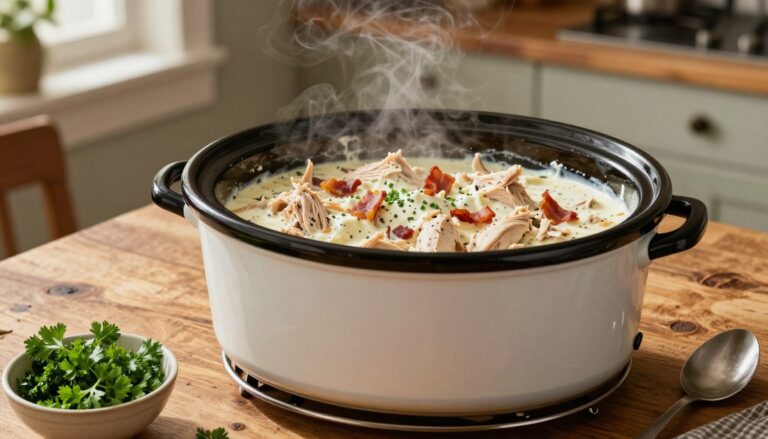
Shred cooled chicken and combine with vegetables for hearty grain bowls, vibrant salads, or creamy chicken soup.
Wine Pairing:
Select a Pinot Noir or Chardonnay to complement the maple-herb glaze and roasted vegetables beautifully.
Common Mistakes to Avoid
Overcrowding the Pan:
Insufficient space prevents proper caramelization. Research indicates that vegetables need at least 40% contact with the pan surface for optimal browning. Use a larger pan if necessary.
Skipping the Chicken Sear:
Many home cooks skip searing, resulting in paler, less flavorful skin. This preliminary step develops complex flavors through the Maillard reaction, elevating your entire dish.
Moving the Chicken Excessively:
Constantly adjusting the chicken prevents skin crisping. Patience yields superior results—resist the temptation to poke, prod, or flip prematurely.
Insufficient Seasoning:
Underseasoned vegetables disappear into the background. Season vegetables generously; you can adjust salt at serving time if desired.
Overcooking:
Check internal temperature at 33-35 minutes, then monitor closely. Overcooked chicken becomes dry despite the liquid present. A meat thermometer is your reliability insurance.
Using Cold Ingredients:
Remove ingredients from refrigeration 30 minutes before cooking. Room-temperature ingredients cook more evenly and brown more effectively.
Storing Tips for the Recipe
Refrigerator Storage:
Transfer cooled one pan chicken recipe to airtight glass containers. Properly stored leftovers remain fresh and flavorful for 3-4 days. Keep chicken skin and meat together to preserve moisture.
Freezer Storage:
Portion into individual servings and freeze in freezer-safe containers for up to 3 months. Thaw overnight in the refrigerator before reheating. Frozen-then-thawed chicken maintains remarkable quality when stored properly.
Reheating Recommendations:
Restore moisture by covering with foil and reheating at 350°F (175°C) for 12-15 minutes until warmed through. Alternatively, reheat gently on the stovetop over medium heat with a splash of chicken broth.
Make-Ahead Preparation:
Vegetables can be chopped and stored in separate containers for up to 24 hours. Chicken can be seasoned and refrigerated up to 8 hours before cooking, allowing flavors to penetrate the meat.
Ingredient Prep:
Fresh herbs can be picked and refrigerated in damp paper towels for up to 5 days. Garlic can be minced and stored in oil for up to 2 days (though using fresh-minced immediately provides superior flavor).
Conclusion
The one pan Thanksgiving chicken represents a modern, intelligent approach to holiday cooking that doesn’t compromise on flavor or impressive results. By combining perfectly seared chicken with caramelized seasonal vegetables in a single vessel, you’ve created not just a meal, but a stress-free culinary experience.
This recipe proves that complexity isn’t required for excellence. The 50-minute total time, simple ingredient list, and minimal cleanup transform Thanksgiving preparation from a dreaded marathon into an enjoyable, manageable endeavor. Your guests will marvel at the sophisticated flavors, having no idea how straightforward the preparation truly was.
Ready to revolutionize your Thanksgiving dinner? Try this one pan chicken recipe this season and discover why home cooks everywhere are embracing the simplicity and elegance of one-pan cooking. Share your results, modifications, and family reactions in the comments below. Your feedback helps our community create better, more personalized content. Don’t forget to explore our collection of related recipes for additional seasonal inspiration!
FAQs
Can I use bone-in chicken thighs instead of breasts?
Absolutely! Bone-in thighs provide richer, more forgiving flavor. They require 5-10 additional minutes of cooking time. Their higher fat content ensures exceptional tenderness and juiciness, making them ideal for this preparation method.
What if I don’t have fresh herbs?
Dried rosemary and thyme work effectively in a pinch. Use one-third the quantity of fresh herbs (since dried herbs are more concentrated), or use 1 teaspoon of Italian seasoning combined with ½ teaspoon of poultry seasoning.
Can I prepare this recipe in advance?
Yes! Assemble all components in your pan, cover with plastic wrap, and refrigerate for up to 24 hours. Add 5-10 minutes to the cooking time when starting from cold. Alternatively, chop vegetables and season chicken separately, combining everything moments before roasting.
What is the best pan type for this recipe?
Cast-iron skillets and stainless steel roasting pans excel at heat distribution and browning. Avoid non-stick cookware, which doesn’t develop the desired caramelization. A ceramic baking dish works as a backup option but may require slightly extended cooking time.
How do I adjust this recipe for dietary restrictions?
Replace chicken with tofu, tempeh, or mushrooms for vegetarian versions. Omit wine and broth for FODMAP-friendly preparation using garlic-infused oil. Use certified gluten-free broth if necessary. See the “Healthier Alternatives” section for specific guidance.
Can I double this recipe for larger gatherings?
Certainly! Use two large pans or a very large roasting pan (18×13 inches or larger). Increase cooking time slightly, approximately 40-45 minutes. Ensure adequate spacing between chicken pieces to maintain proper browning.