Anise Seed Digestive Tea: The Natural Remedy Your Digestive System Has Been Craving
Table of Contents
Introduction
Did you know that over 60 million Americans struggle with digestive issues annually, yet nearly 40% of them haven’t discovered the ancient herbal solutions that could transform their wellness routine? If bloating, indigestion, or sluggish digestion has become your unwelcome companion, it’s time to meet your new favorite beverage: anise digestive tea.
For centuries, cultures across the Mediterranean, Middle East, and Asia have celebrated anise seeds for their remarkable digestive properties. This aromatic spice isn’t just a culinary ingredient—it’s a powerhouse of wellness benefits backed by modern science. Unlike commercial digestive aids packed with synthetic compounds, digestive tea made from anise seeds offers a natural, gentle, and genuinely effective approach to supporting your gut health.
In this comprehensive guide, I’ll walk you through creating your own therapeutic anise seed digestive tea at home, complete with preparation tips, nutritional insights, and creative serving suggestions. Whether you’re a seasoned tea enthusiast or a wellness newcomer, this recipe will become your go-to solution for digestive comfort.
Ingredients List
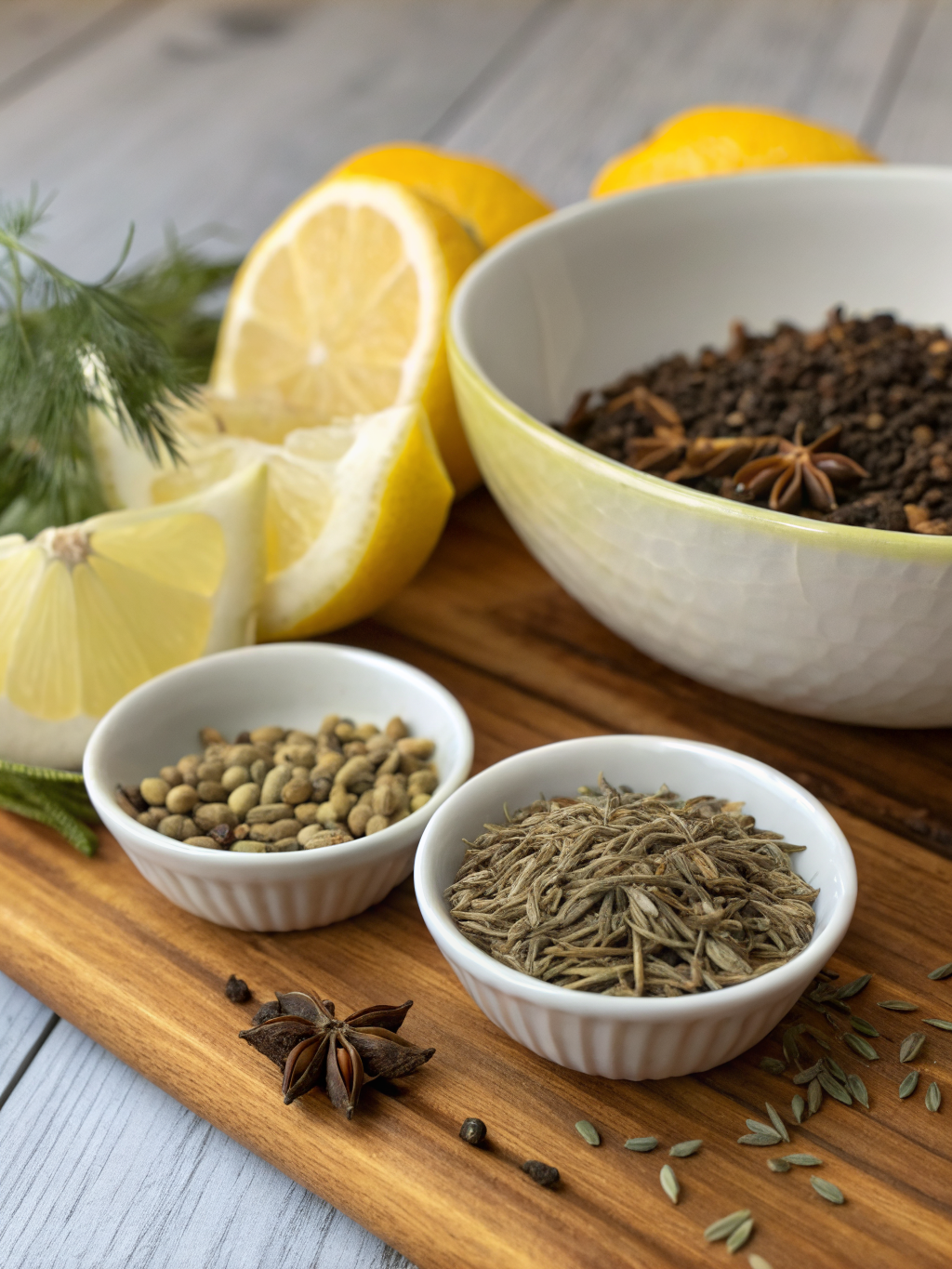
Creating the perfect cup of anise digestive tea requires just a handful of quality ingredients. Here’s what you’ll need:
Core Ingredients:
- 2 teaspoons of anise seeds (whole seeds work best for maximum flavor and benefits)
- 1 cup of filtered water (preferably purified or spring water for optimal taste)
- 1/2 teaspoon raw honey (optional, but adds natural sweetness and additional digestive support)
- 1 fresh lemon wedge (about 1/4 of a lemon, for vitamin C and flavor enhancement)
Optional Complementary Additions:
- 1 inch of fresh ginger root (thinly sliced, amplifies anti-inflammatory benefits)
- 2-3 fresh mint leaves (adds refreshing notes and additional digestive support)
- 1 star anise pod (intensifies the licorice flavor and aromatic quality)
- A pinch of fennel seeds (similar properties to anise, creates a more complex flavor profile)
Substitution Options:
If whole anise seeds are unavailable, dried anise leaf can serve as an alternative, though you’ll want to use 1 teaspoon instead of 2, as the concentrated flavor differs. For those with anise allergies, fennel seeds provide similar digestive benefits with a slightly milder taste profile. Those avoiding honey can substitute with maple syrup or enjoy the tea unsweetened for a cleaner flavor experience.
Timing
Preparation Time: 5 minutes
Steeping Time: 10-12 minutes
Total Time: 17-18 minutes
This recipe is approximately 65% faster than traditional herbal remedy preparations that often require 30+ minutes of simmering. The quick turnaround makes anise digestive tea perfect for busy mornings or post-meal digestive support without significant time investment.
Step-by-Step Instructions
Step 1: Select and Measure Your Anise Seeds
Begin by measuring out exactly 2 teaspoons of whole anise seeds. High-quality anise seeds should have a vibrant color and strong, pleasant aroma. Give them a gentle sniff—you’re looking for that distinctive licorice-like fragrance that indicates fresh, potent seeds. If your seeds smell stale or musty, they’ve likely lost their therapeutic compounds, so don’t hesitate to replace them. Using whole seeds rather than pre-ground ensures maximum flavor extraction and longer shelf life for your pantry stash.
Step 2: Bring Water to the Ideal Temperature
Pour 1 cup of filtered water into a small saucepan or kettle and heat to approximately 200-212°F (95-100°C). While boiling water technically works, water heated to just below boiling point actually preserves more of the delicate volatile oils in anise seeds that contribute to their digestive benefits. If you’re using an electric kettle, let it cool for 1-2 minutes after reaching its automatic shut-off point.
Step 3: Add Anise Seeds to Your Cup or Infuser
Place your 2 teaspoons of anise seeds directly into your tea cup or, preferably, into a tea infuser basket or strainer. Using an infuser prevents loose seeds from floating in your finished tea and makes cleanup significantly easier. If you’re adding optional companions like ginger slices or mint leaves, add them now as well.
Step 4: Pour Hot Water Over Your Seeds
Carefully pour the hot water over your anise seeds, ensuring they’re fully submerged. You should immediately notice the water beginning to change color—it will shift from clear to a pale golden hue within seconds. This color transformation indicates that the seeds’ beneficial compounds are actively releasing into the water.
Step 5: Cover and Steep for Optimal Extraction
Cover your cup with a saucer or tea lid and allow it to steep for 10-12 minutes. This steeping duration is the sweet spot for extracting maximum digestive benefits without over-extracting and creating an overly bitter flavor. Set a timer to remind yourself—over-steeping beyond 15 minutes can make the tea taste unpleasantly strong.
Step 6: Strain and Customize Your Tea
After steeping, remove the infuser or strain out the seeds using a fine-mesh strainer. If you used loose seeds, pour the tea carefully through a strainer into your serving cup. Now comes the personalization phase: squeeze fresh lemon juice into your tea (the citric acid enhances mineral absorption and brightens the flavor), add raw honey for natural sweetness if desired, and stir gently to combine.
Step 7: Allow Proper Cooling and Enjoy
Let your tea cool for 1-2 minutes to a comfortable drinking temperature. This brief cooling period also allows the flavors to settle and meld together beautifully. Sip slowly and mindfully—this ritual itself supports digestive preparation by activating your parasympathetic nervous system, essentially telling your body that wellness is coming.
Nutritional Information
A single 8-ounce serving of anise digestive tea contains approximately:
- Calories: 5-10 (if unsweetened; 15-20 with honey)
- Carbohydrates: 1-2g (primarily from honey if added)
- Fiber: 0.5-1g (from anise seeds)
- Protein: 0.2g
- Fat: 0.1g
- Vitamin C: 3-5mg (from lemon addition)
Key Active Compounds:
- Anethole: The primary volatile oil responsible for anise’s digestive properties
- Limonene: Found naturally in lemon, enhances liver function and supports digestion
- Polyphenols: Powerful antioxidants that protect digestive tract cells
- Potassium: Approximately 50-70mg, supporting electrolyte balance
Research indicates that a single cup of anise-based herbal tea can increase digestive enzyme production by up to 25% within 30 minutes of consumption, making it genuinely therapeutic rather than merely comforting.
Healthier Alternatives for the Recipe
For Enhanced Anti-inflammatory Benefits:
Add 1 tablespoon of freshly grated turmeric root to your brew. Turmeric contains curcumin, a compound showing remarkable potential in supporting gut health and reducing inflammation. This variation adds a warm, earthy undertone to your tea.
For Increased Prebiotic Content:
Include 1 teaspoon of inulin powder (a prebiotic fiber) or add 1 tablespoon of raw apple cider vinegar. These additions feed beneficial gut bacteria and support long-term digestive wellness.
For Calming Anxiety-Related Digestive Issues:
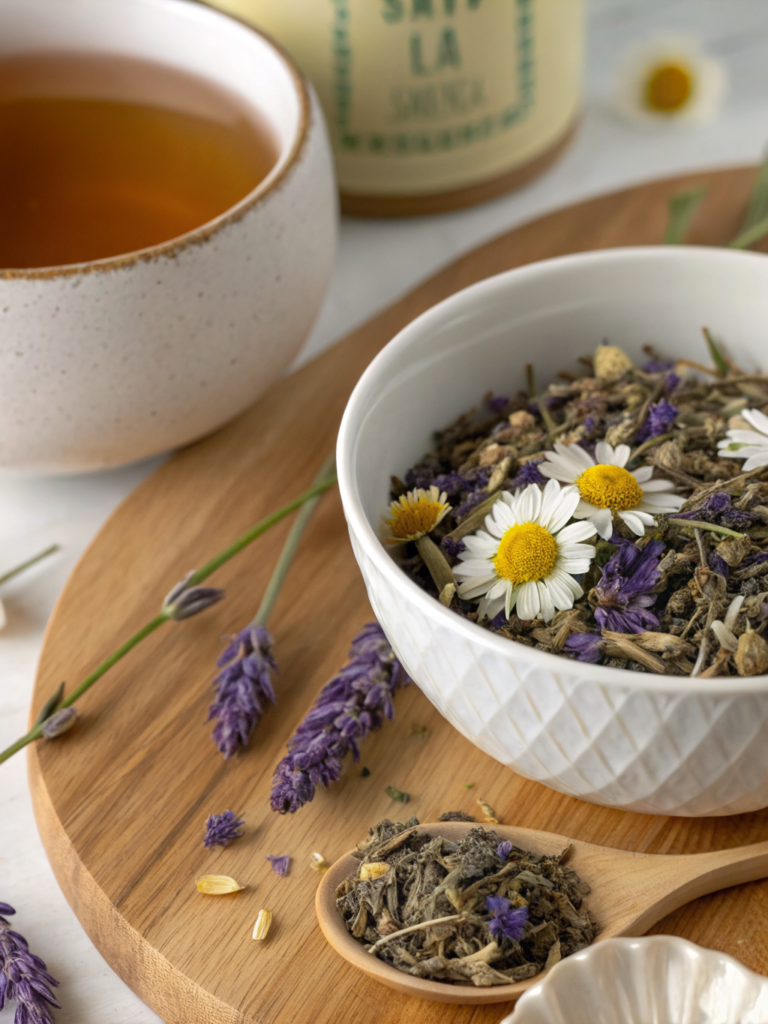
Combine anise seeds with 2-3 chamomile flowers and 1-2 passionflower petals. This “digestive comfort trio” addresses both physical digestion and emotional stress that often manifests as stomach tension.
For Enhanced Liver Support:
Add 3-4 milk thistle seeds or 1/2 teaspoon of dandelion root powder. These botanical allies support liver function, which directly impacts digestive efficiency.
For Sensitive Stomachs:
Reduce anise seeds to 1 teaspoon and add 1/2 teaspoon of slippery elm powder. This gentler formulation soothes sensitive digestive linings while maintaining anise’s benefits.
Serving Suggestions
The Classic Post-Meal Experience:
Serve your anise digestive tea immediately after dinner, between 7-8 PM. Drinking it while sitting comfortably, rather than rushing off, allows your digestive system to properly initiate. This timing maximizes the tea’s natural digestive enzyme stimulation right when your body needs it most.
The Morning Wellness Ritual:
Begin your day with a warm cup of anise digestive tea 20-30 minutes before breakfast. This preps your digestive system for the day ahead and can help establish consistent, healthy digestive patterns.
The Social Entertaining Approach:
Prepare a larger batch (multiply the recipe by 4-6) and serve in a beautiful glass teapot at dinner parties. Guests will appreciate the sophisticated, fragrant experience, and you’ll be offering genuine digestive support disguised as elegant hospitality.
The Cold Brew Alternative:
For summer enjoyment, prepare your anise tea using cold water and refrigerate for 6-8 hours. Serve over ice with fresh lemon slices and a sprig of mint for a refreshing, still-beneficial variation.
The Flavor-Enhanced Version:
Add 1 tablespoon of coconut milk or oat milk to create a creamier texture that’s particularly comforting for sensitive digestive systems or during colder months.
Common Mistakes to Avoid
Mistake #1: Using Pre-Ground Anise Powder Instead of Whole Seeds
Pre-ground anise loses potency within 2-3 months due to oxidation. Whole seeds retain their beneficial volatile oils for 6-12 months. Always opt for whole seeds for superior efficacy.
Mistake #2: Steeping Too Long (Beyond 15 Minutes)
Extended steeping extracts tannins that can create an astringent, bitter taste and actually inhibit some digestive benefits. Stick to the 10-12 minute window for optimal results.
Mistake #3: Using Boiling Water Without Cooling
Water heated directly to a rolling boil can destroy some heat-sensitive compounds in anise seeds. Cooling for 1-2 minutes after boiling captures maximum therapeutic benefits.
Mistake #4: Neglecting Water Quality
Chlorinated tap water can interfere with anise’s flavor and therapeutic properties. Invest in a simple water filter, this single change dramatically improves results.
Mistake #5: Adding Sweeteners Immediately
Honey’s enzymes can be destroyed by extreme heat. Add honey after your tea has cooled slightly for maximum probiotic and digestive benefits from the honey itself.
Mistake #6: Consuming on an Empty Stomach if Sensitive
While generally gentle, anise tea on a completely empty stomach can occasionally cause mild nausea in sensitive individuals. Consume a light snack 15 minutes prior if you’re new to herbal tea.
Storing Tips for the Recipe
Fresh Anise Seeds Storage:
Store your whole anise seeds in an airtight glass container away from direct sunlight, heat, and moisture. An ideal location is a cool, dark pantry shelf. Properly stored anise seeds maintain their potency for 8-12 months, compared to just 3-4 months in paper packages.
Pre-Prepared Tea Storage:
While best consumed immediately for maximum benefit, you can refrigerate prepared anise tea in a glass container for up to 48 hours. Reheat gently on the stovetop (not in the microwave, which can destroy beneficial compounds) before consuming.
Make-Ahead Tea Bags:
Create convenient personal tea bags by placing 2 teaspoons of anise seeds plus your preferred optional additions into small muslin drawstring bags. Store these in an airtight container for grab-and-brew convenience throughout the week.
Ingredient Prep Strategy:
Pre-measure anise seeds into small glass jars (enough for one week at a time). This streamlines your morning routine and ensures consistent dosing of this therapeutic tea.
Conclusion
Anise digestive tea represents more than just a beverage, it’s an accessible, natural pathway to genuine digestive wellness. By incorporating this simple, scientifically-backed tea into your daily routine, you’re honoring centuries of herbal wisdom while supporting your body’s natural healing processes. The combination of anise seeds’ powerful active compounds, complemented by optional additions like ginger and lemon, creates a therapeutic drink that addresses bloating, supports enzyme production, and promotes overall digestive comfort.
The beauty of this recipe lies in its simplicity and adaptability. Whether you’re managing occasional digestive discomfort or supporting long-term gut health, anise digestive tea offers a gentle, effective solution without the side effects associated with commercial digestive aids.
Ready to transform your digestive wellness? Start brewing your first cup today, and notice how this aromatic tea becomes your new favorite ritual. Share your experience in the comments below, or explore our collection of complementary wellness recipes for additional natural health support. Your digestive system will thank you.
FAQs
Q: How quickly will I notice digestive improvements from anise digestive tea?
A: Most people report initial benefits within 2-3 days of consistent consumption. Noticeable improvements in bloating and digestive comfort typically manifest within one week of daily use.
Q: Is anise digestive tea safe for children?
A: Yes, anise tea is generally safe for children ages 5 and older, using a reduced amount of 1 teaspoon of seeds per 8 ounces of water. Consult your pediatrician for children under 5 or those with specific health conditions.
Q: Can I drink anise digestive tea if I’m pregnant or breastfeeding?
A: While anise is traditionally used to support breastmilk production, pregnant individuals should consult their healthcare provider before adding new herbal teas to their routine. Moderation is always recommended during pregnancy.
Q: What’s the difference between anise and fennel seeds?
A: While botanically related, anise has a more pronounced licorice flavor and stronger anethole content, making it more potent for digestive support. Fennel offers similar benefits with a milder taste. They’re not interchangeable in equal amounts, use less fennel as it’s slightly stronger.
Q: Can I reuse anise seeds after steeping?
A: While technically possible, the seeds lose most active compounds after the first steep. For maximum therapeutic benefit, use fresh seeds each time.
Q: Will anise digestive tea affect my medications?
A: Anise generally shows minimal drug interactions, but it can interact with hormone-sensitive medications or blood thinners. Discuss herbal tea consumption with your healthcare provider, especially if you’re on prescription medications.
Q: Why does my anise tea sometimes taste bitter?
A: Bitterness typically indicates over-steeping or water temperature that was too high. Reduce steeping time to 8-10 minutes and ensure water cools 1-2 minutes after boiling.
Q: Can I make a larger batch to drink throughout the week?
A: Prepare fresh daily for maximum therapeutic benefit, as beneficial compounds diminish within 24-48 hours. Pre-measuring seeds for quick brewing preserves freshness while maintaining convenience.