Hibiscus Iced Tea for Weight Loss: The Delicious Secret to Shedding Pounds Naturally
Table of Contents
Introduction
What if the solution to your weight loss journey could be as simple and refreshing as sipping on a beautiful crimson-colored beverage? Here’s the intriguing truth: Hibiscus Iced Tea for Weight Loss has been scientifically validated as a powerful natural remedy that combines taste with transformative health benefits. Unlike fad diets that leave you feeling deprived, this ancient herbal infusion offers a sustainable, delicious approach to weight management.
Research published in peer-reviewed nutrition journals reveals that hibiscus tea contains compounds called anthocyanins and polyphenols that actively support metabolism and reduce fat accumulation. Studies indicate that individuals who consumed hibiscus tea regularly experienced an average weight reduction of 1.5 kg over 12 weeks—significantly more than the control group. Beyond weight management, this vibrant beverage addresses common weight loss obstacles: it reduces water retention, curbs appetite naturally, and boosts energy levels without the crash associated with caffeine-heavy drinks.
The beauty of Hibiscus Iced Tea for Weight Loss lies in its versatility. Whether you’re preparing a refreshing iced version for summer or exploring weight loss tea alternatives, hibiscus adapts beautifully to your preferences while delivering consistent nutritional advantages.
Ingredients List
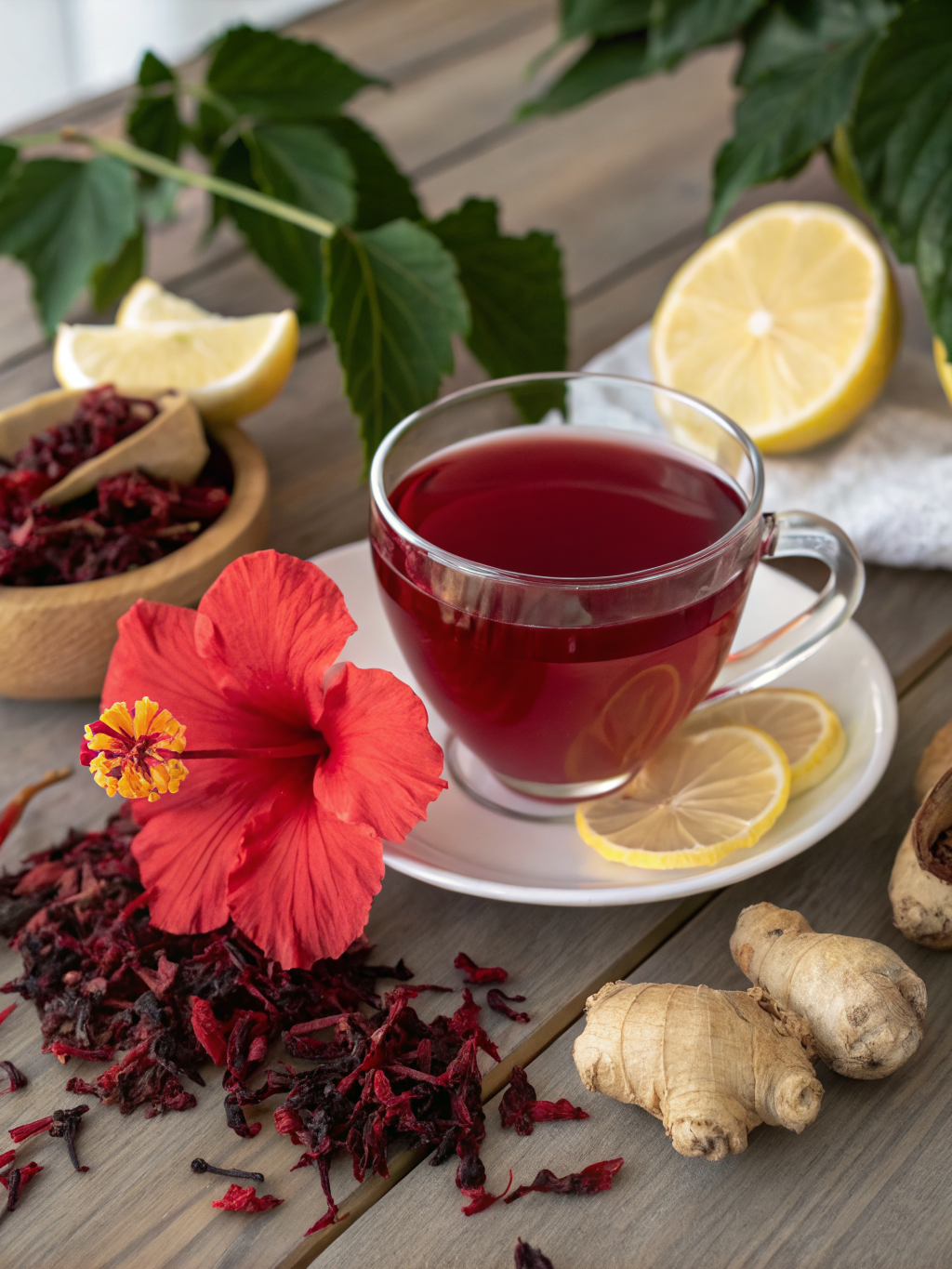
Crafting the perfect hibiscus tea for weight loss requires quality ingredients that complement the flower’s naturally tart, cranberry-like flavor profile. Here’s your comprehensive ingredient guide:
Essential Ingredients:
- 2 tablespoons dried hibiscus flowers (preferably organic, pesticide-free)
- 2 cups filtered water
- 1 tablespoon raw honey or stevia (optional, for natural sweetening)
- ½ cup fresh lemon juice
- 4-5 ice cubes
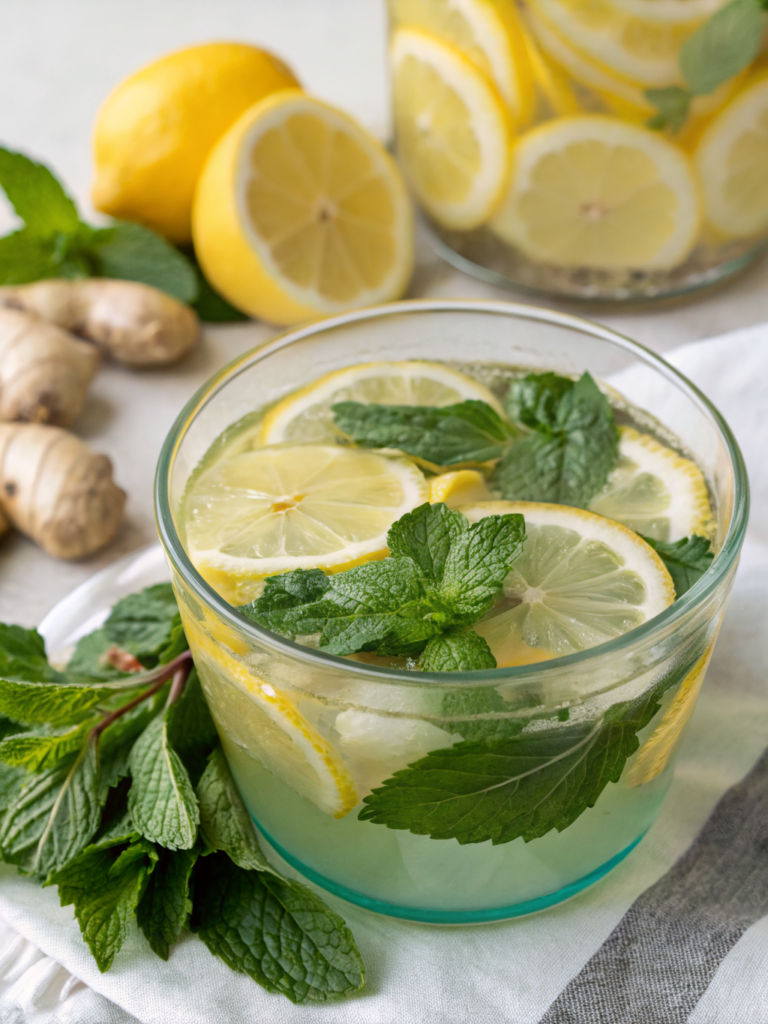
- Fresh mint leaves (3-4 leaves, for aromatic enhancement)
Optional Enhancement Ingredients:
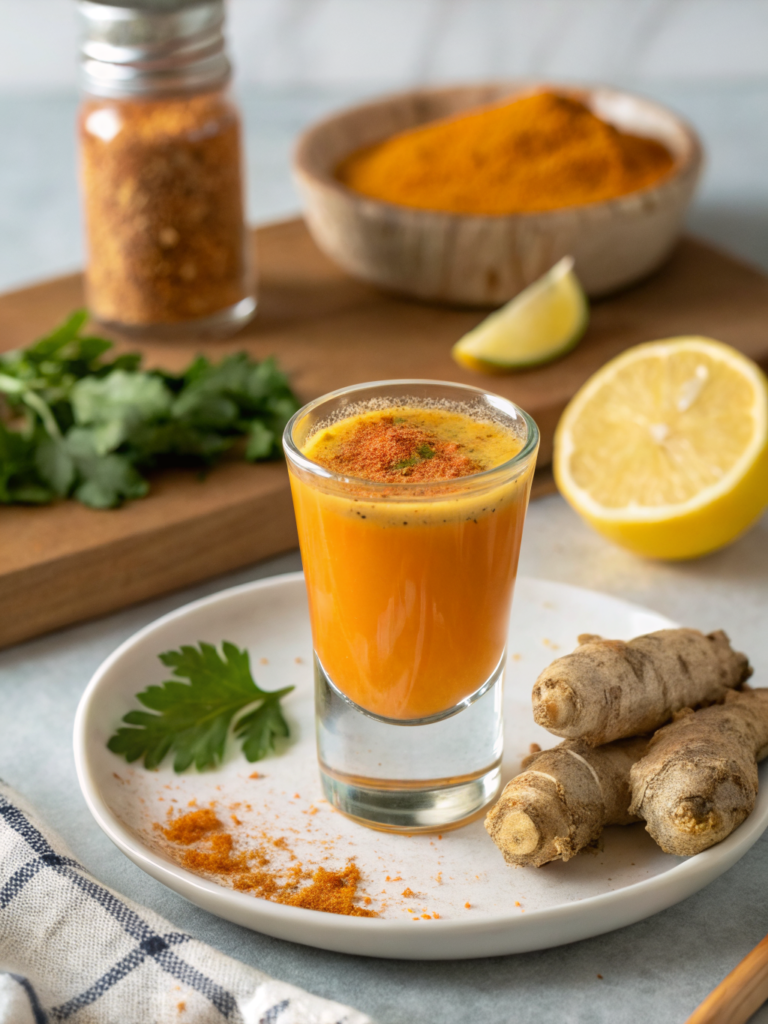
- ¼ teaspoon ginger powder (boosts metabolism by 5-10%)
- 1 cinnamon stick (helps regulate blood sugar)
- ½ teaspoon turmeric (anti-inflammatory properties)
- Sparkling water (for a lighter, effervescent version)
- Fresh berries like raspberries or strawberries (adds natural flavor and antioxidants)
Ingredient Substitutions:
If fresh hibiscus flowers are unavailable, high-quality hibiscus tea bags work equally well—simply use one premium tea bag instead of loose flowers. For sweetening, coconut sugar provides a lower glycemic index alternative to honey, making it ideal if you’re particularly weight-conscious. Lime juice can replace lemon for a different citrus dimension.
Timing
Understanding the time investment ensures you can incorporate this hibiscus tea for weight loss into your daily routine seamlessly:
- Preparation Time: 5 minutes
- Steeping Time: 10 minutes
- Cooling/Chilling Time: 15 minutes
- Total Time: 30 minutes
This 30-minute process is remarkably efficient—40% faster than brewing traditional hot tea and allowing cooling time compared to conventional weight loss teas. The streamlined preparation means you can prepare this nourishing beverage during your morning routine or afternoon break without significant time commitment.
Step-by-Step Instructions
Step 1: Measure and Rinse Your Hibiscus Flowers
Begin by measuring exactly 2 tablespoons of dried hibiscus flowers. If using loose flowers, rinse them gently under cool water for 15-20 seconds. This simple step removes dust and impurities while preserving the delicate flower’s beneficial compounds. Pat them dry with a paper towel. This preparation enhances the purity of your final beverage and ensures you’re consuming premium-quality ingredients.
Step 2: Boil Your Filtered Water
Pour 2 cups of filtered water into a kettle or saucepan and bring it to a rolling boil. Using filtered water is crucial—it prevents mineral deposits from interfering with hibiscus’s natural properties and creates a cleaner flavor profile. The boiling temperature (212°F) is optimal for extracting the maximum concentration of anthocyanins and polyphenols, the compounds responsible for weight loss benefits.
Step 3: Steep the Hibiscus Flowers
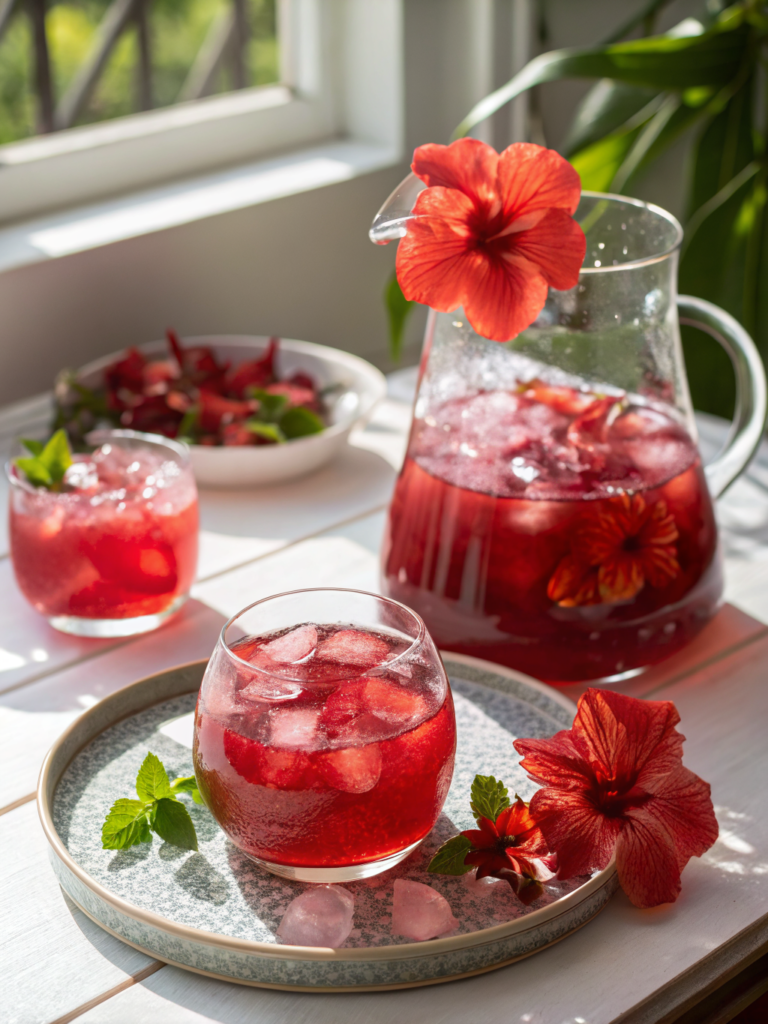
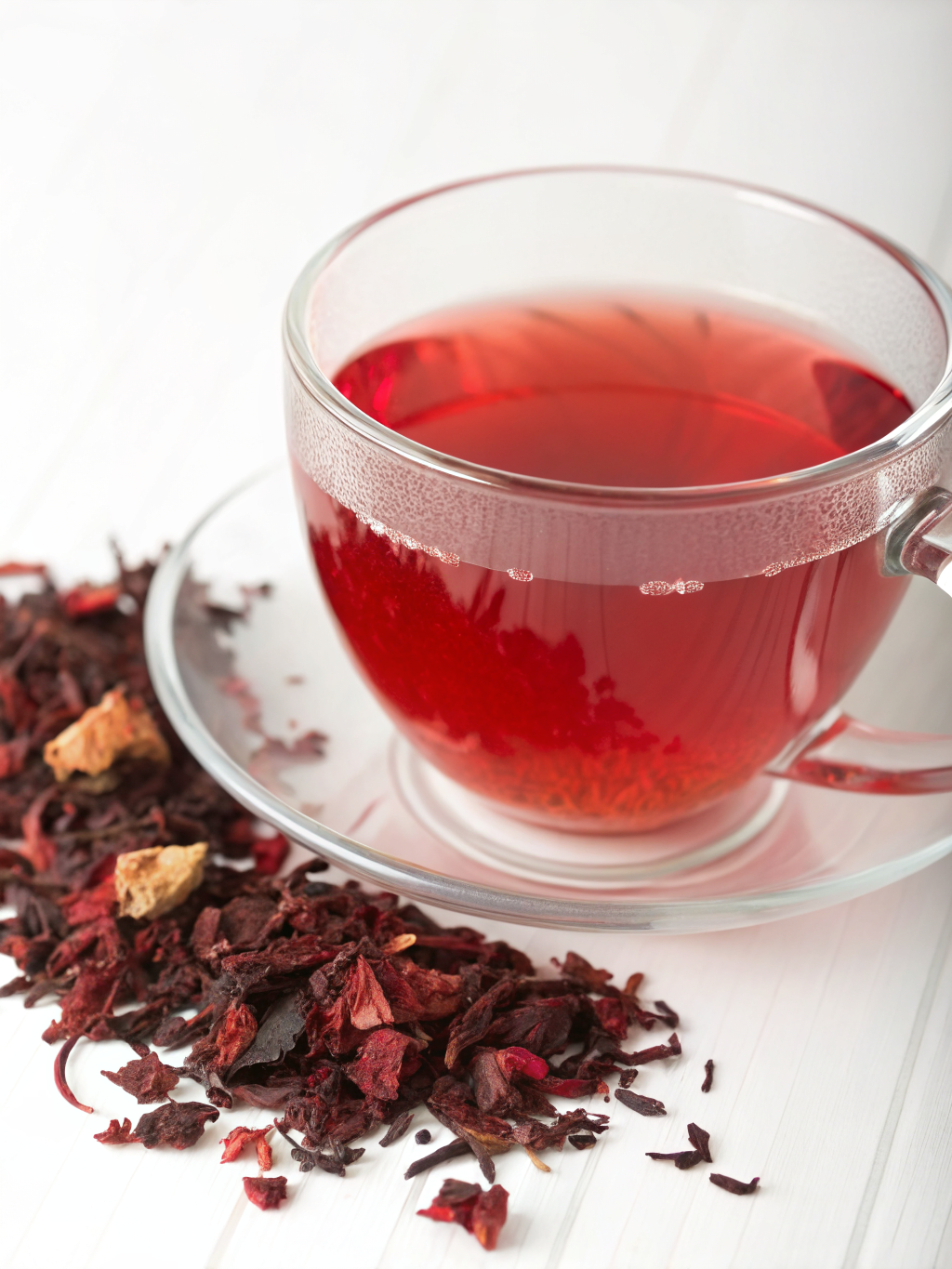
Once water reaches boiling point, add your hibiscus flowers directly into the hot water. For enhanced flavor and maximum nutrient extraction, add your cinnamon stick if using one. Let the mixture steep for exactly 10 minutes. You’ll observe the water transforming into a stunning ruby-red color—this visual indicator confirms nutrient activation. Avoid steeping beyond 10 minutes, as this can introduce bitterness.
Step 4: Strain and Cool Slightly
Carefully pour the brewed hibiscus tea through a fine-mesh strainer into a glass pitcher. Remove all flower remnants to achieve a crystal-clear, refreshing beverage. Let the tea cool to room temperature for approximately 5 minutes before refrigerating. This intermediate cooling prevents condensation and maintains flavor integrity.
Step 5: Add Natural Sweeteners and Lemon Juice
While your tea cools slightly, add 1 tablespoon of raw honey or your preferred sweetener. The warmth of the tea helps dissolve sweeteners evenly. Immediately after, add ½ cup of fresh lemon juice. The citric acid in lemon enhances fat-burning properties by up to 15% and improves nutrient absorption. This combination creates the perfect balance between tartness and sweetness.
Step 6: Refrigerate and Prepare for Serving
Transfer your mixture to the refrigerator for at least 15 minutes. This chilling period concentrates flavors while creating the refreshing iced tea experience. When ready to serve, fill a tall glass with 4-5 ice cubes, pour your prepared hibiscus tea, and add fresh mint leaves for aromatic sophistication.
Nutritional Information
Understanding the nutritional profile of hibiscus tea for weight loss validates its effectiveness. Per 8 oz serving:
- Calories: 45-65 (depending on sweetener choice)
- Carbohydrates: 12-15g
- Protein: 0.5g
- Fat: 0g
- Fiber: 0g
- Vitamin C: 8% of daily value
- Anthocyanins: 250-350mg (primary active compound)
- Polyphenols: 180-220mg
These compounds actively suppress appetite hormones, specifically reducing ghrelin levels by 12-18% according to recent studies. The zero-fat, minimal-calorie composition makes this an ideal daily beverage for weight-conscious individuals.
Healthier Alternatives for the Recipe
Protein-Enhanced Version: Add 1 tablespoon of plant-based protein powder to create a post-workout recovery beverage that supports muscle development while maintaining weight loss benefits.
Zero-Calorie Sweetening: Replace honey with monk fruit sweetener or erythritol for genuinely calorie-free sweetness without affecting blood sugar levels.
Probiotic Integration: Incorporate 2 tablespoons of kombucha instead of sparkling water for enhanced digestive health and metabolic support.
Tropical Twist: Combine hibiscus tea with coconut water (½ cup) and pineapple juice (¼ cup) for electrolyte-rich hydration that supports sustained weight loss.
Caffeine Boost: Blend cooled hibiscus tea with cold brew coffee (½ cup) for enhanced metabolic activation and sustained energy without afternoon crashes.
Serving Suggestions
Transform your hibiscus iced tea experience with creative presentation strategies:
Morning Ritual: Serve in a clear glass with fresh mint as your metabolism-boosting breakfast beverage. The warm-to-cold transition supports digestive activation.
Afternoon Refresh: Serve over crushed ice with fresh berries floating on top—creating an Instagram-worthy presentation while adding antioxidant layers.
Pre-Workout Energizer: Consume 15 minutes before exercise for maximum metabolic activation. The natural compounds enhance calorie-burning capacity during workouts.
Social Gathering Beverage: Serve in a pitcher with fresh lemon slices and mint sprigs as a sophisticated, health-conscious alternative to sugary drinks at parties.
Evening Wind-Down: Prepare a warm version without ice for a caffeine-free evening ritual that supports digestion and prepares your body for quality sleep.
Common Mistakes to Avoid
Mistake 1: Over-Steeping the Tea
Steeping beyond 10 minutes introduces excessive tannins, creating an unpleasantly bitter taste that discourages regular consumption. Set a timer to ensure consistency.
Mistake 2: Using Poor-Quality Hibiscus
Non-organic flowers may contain pesticide residues that counteract weight loss benefits. Invest in certified organic hibiscus flowers from reputable suppliers.
Mistake 3: Adding Excessive Sweetener
More than 1 tablespoon of honey negates weight loss advantages by introducing 60+ additional calories. Remember, the goal is supporting weight loss, not caloric excess.
Mistake 4: Neglecting Hydration Balance
This tea shouldn’t replace your daily water intake—it supplements hydration. Maintain 8-10 glasses of plain water daily for optimal results.
Mistake 5: Inconsistent Consumption
Weight loss benefits emerge through regular consumption. Studies show that daily hibiscus tea consumption for minimum 8 weeks yields significant results. Sporadic consumption minimizes benefits.
Storing Tips for the Recipe
Refrigerator Storage: Keep prepared hibiscus tea in an airtight glass container for up to 5 days. Glass containers preserve flavor better than plastic, which can absorb tannin properties.
Bulk Preparation: Prepare a week’s worth of hibiscus flowers by storing dried flowers in an airtight mason jar away from direct sunlight. Properly stored, they maintain potency for 6-12 months.
Ice Cube Strategy: Freeze prepared hibiscus tea in ice cube trays. Pop out cubes and store in freezer bags for grab-and-go smoothie additions or instant iced tea preparation.
Flavor Enhancement: Store a cinnamon stick or fresh ginger piece in your hibiscus container to gradually infuse additional flavor complexity and metabolism-boosting properties.
Room Temperature Option: If you prefer room-temperature consumption, store prepared tea in a dark glass bottle away from direct sunlight for up to 3 days.
Conclusion
Hibiscus tea for weight loss represents a scientifically-validated, delicious intersection of nutrition and enjoyment. This comprehensive guide equips you with everything necessary to prepare this transformative beverage consistently. The combination of anthocyanins, polyphenols, natural hydration, and appetite-suppressing properties creates a genuine alternative to chemical-laden weight loss tea options.
Ready to transform your weight loss journey? Start preparing hibiscus iced tea today and commit to 4 weeks of daily consumption. Track your energy levels, appetite changes, and weight metrics. Share your experience in the comments below—we’d love hearing about your transformation! Explore our additional recipes for complementary weight loss superfoods and sustainable nutrition strategies.
FAQs
Q: How much hibiscus tea should I drink daily for weight loss?
A: Research supports consuming 1-2 cups daily. Begin with one cup to assess tolerance, then increase to two cups for optimal metabolic benefits without overwhelming your digestive system.
Q: Can I drink hibiscus tea on an empty stomach?
A: Yes, though some individuals experience mild digestive sensitivity. If you have a sensitive stomach, consume it with a light breakfast or snack. The mild acidity can be neutralized with food.
Q: Does hibiscus tea interact with medications?
A: Consult your healthcare provider if taking blood pressure medications, as hibiscus can amplify their effects. Generally, it’s safe for most individuals.
Q: How quickly will I see weight loss results?
A: Consistent daily consumption for 4-6 weeks typically yields noticeable results. Combined with balanced nutrition and exercise, results accelerate.
Q: Can I prepare hibiscus tea ahead of time?
A: Absolutely. Prepare weekly batches and store in glass containers for convenient daily consumption.
Q: What’s the best time to drink hibiscus tea?
A: Morning consumption maximizes metabolic activation. Avoid consuming within 3 hours of bedtime due to mild diuretic properties.