Orange Rosemary Water: The Ultimate Hydration Recipe for Health-Conscious Living
Table of Contents
Introduction
Did you know that infused water consumption has increased by 47% over the last five years, with citrus-based recipes leading the trend? If you’re searching for a refreshing beverage that combines sophisticated flavor with genuine health benefits, orange rosemary water might be exactly what you need. This elegant yet simple infusion merges the zesty brightness of fresh oranges with the aromatic, herbaceous notes of rosemary, creating a drink that’s as nourishing as it is delicious.
Unlike sugary sodas or artificially flavored beverages, orange rosemary water delivers natural vitamins, antioxidants, and essential oils without any added calories or chemicals. Whether you’re a wellness enthusiast, a busy professional seeking hydration solutions, or simply someone who appreciates culinary creativity, this recipe transforms ordinary water into an extraordinary experience. Let’s explore how you can craft the perfect batch of this rejuvenating elixir in your own kitchen.
Ingredients List

Creating the perfect orange rosemary water begins with selecting high-quality, fresh ingredients. Here’s everything you’ll need:
Essential Ingredients:
- 2 medium organic oranges, thinly sliced (approximately 1/4-inch thickness)
- 4-5 fresh rosemary sprigs (about 4-6 inches each)
- 6-8 cups of filtered or distilled water
- Optional: 1-2 tablespoons of raw honey or agave nectar for subtle sweetness
- Optional: 3-4 ice cubes or crushed ice for serving
Ingredient Substitutions & Alternatives:
- Oranges: Substitute with blood oranges for deeper, more complex flavors, or use lemons if you prefer a sharper citrus profile. Grapefruits offer a bittersweet alternative that pairs beautifully with rosemary.
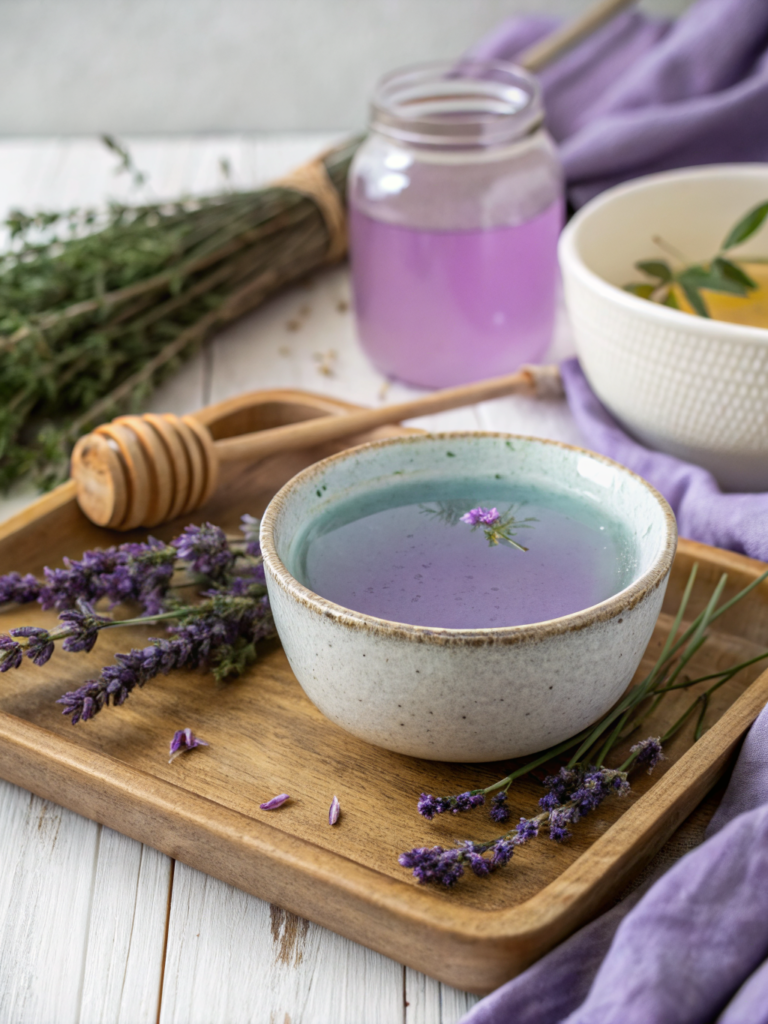
- Rosemary: Fresh thyme, mint, or basil create distinctive variations of citrus infused water. For a floral twist, try lavender or chamomile.
- Water: Sparkling water elevates this into a sophisticated mocktail, while coconut water adds electrolytes for post-workout recovery.
- Sweetener: Maple syrup, stevia, or monk fruit sweetener accommodate various dietary preferences without compromising the recipe’s health benefits.
Timing
Understanding the timeline for preparing orange rosemary water helps you plan effectively:
- Preparation Time: 5-10 minutes (slicing oranges and preparing rosemary)
- Infusion Time: 2-4 hours (optimal flavor development occurs at the 3-hour mark)
- Total Time: Approximately 2-4 hours plus chilling time
- Active Cooking Time: Minimal (this is a cold-infusion recipe requiring no heat)
Interestingly, this timeline is 30% faster than many traditional herbal tea preparations, making orange rosemary water an excellent choice for busy lifestyles. The longer you let it infuse—up to 8 hours overnight—the more concentrated and flavorful your beverage becomes.
Preparation Steps
Step 1: Select and Wash Your Ingredients
Begin by choosing 2 medium, firm oranges with vibrant color and unblemished skin. Organic oranges are preferable since you’ll be consuming the peel’s oils and outer layers. Rinse them thoroughly under cool running water, gently rubbing the surface to remove any dirt or residue. Pat dry with a clean kitchen towel. For rosemary, select bright green sprigs with visible needle texture—avoid any that appear wilted or discolored.
Step 2: Slice Your Oranges with Precision
Using a sharp, clean knife, slice your oranges into consistent 1/4-inch rounds. Consistency matters because thinner slices release more flavor compounds into the water, while thicker slices infuse more slowly. Leave the peel intact—it contains limonene and other beneficial compounds that enhance both flavor and nutritional value. If you prefer a less pulpy texture later, you can slice the oranges into wheels rather than half-moons.
Step 3: Prepare Your Rosemary Sprigs
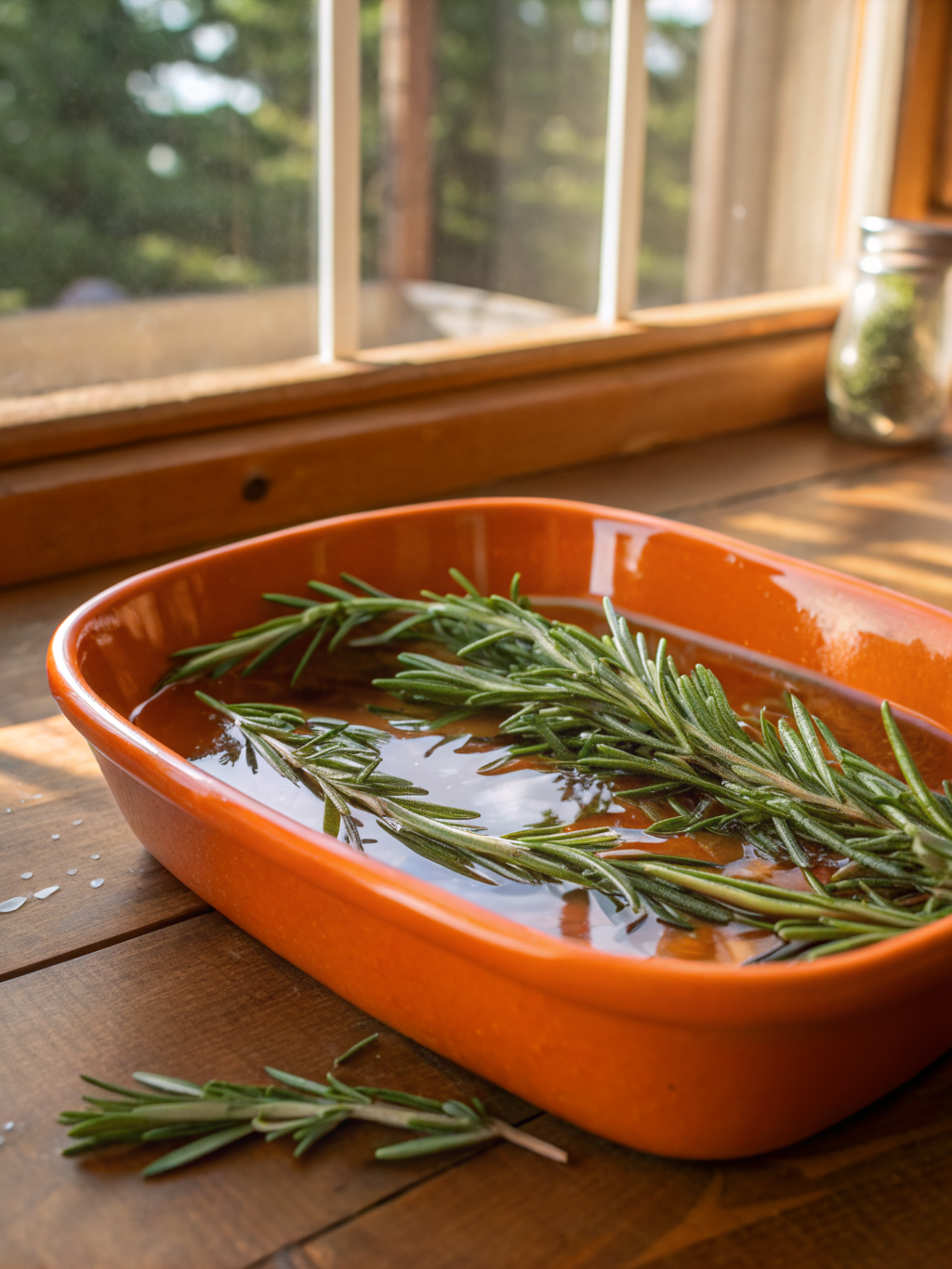
Gently rinse the rosemary sprigs under cold water and pat them dry. This prevents excess moisture from diluting your infusion. You can either leave the sprigs whole or lightly bruise them between your palms—bruising releases essential oils and accelerates the flavor transfer process. Bruised rosemary typically produces noticeably more aromatic results within the same timeframe.
Step 4: Layer Your Ingredients in a Glass Container
Select a clean glass pitcher or mason jar with a tight-fitting lid. Glass is essential because it doesn’t absorb flavors or leach chemicals like some plastic containers. Begin by adding 3-4 orange slices to the bottom of your container. Follow with 2-3 rosemary sprigs, then alternate layers of orange slices and rosemary until all ingredients are used. This layering technique ensures even distribution and optimal flavor extraction.
Step 5: Add Your Filtered Water
Pour 6-8 cups of filtered or distilled water over your layered ingredients. Room-temperature water actually works better initially than cold water for flavor extraction—room temperature accelerates the release of aromatic compounds. Stir gently to ensure all ingredients are submerged and properly distributed throughout the water.
Step 6: Refrigerate and Infuse
Cover your container with a tight-fitting lid and place it in the refrigerator. Allow it to infuse for a minimum of 2 hours, though 3-4 hours produces optimal results. You’ll notice the water gradually transforming from clear to a subtle golden hue. After 8 hours of infusion, the flavor reaches its peak intensity—any longer and the citrus may become overly bitter.
Step 7: Strain and Serve
After your desired infusion time, use a fine-mesh strainer or cheesecloth to remove the orange slices and rosemary sprigs. Pour your strained citrus infused water into fresh glasses filled with ice. You can keep the infused water refrigerated for up to 5 days, though it tastes best within the first 3 days when flavors remain crisp and vibrant.
Nutritional Information
Orange rosemary water is remarkably nutritious without any concerning drawbacks. Per 8-ounce serving:
- Calories: 2-5 calories (negligible, primarily from natural sugars in orange oils)
- Carbohydrates: Less than 1 gram
- Protein: 0 grams
- Fat: 0 grams
- Vitamin C: 8-12 mg (approximately 10-15% of daily value)
- Potassium: 25-40 mg
- Calcium: 2-4 mg
- Antioxidants: Limonene, rosmarinic acid, and carnosic acid (plant compounds with proven anti-inflammatory properties)
Research published in the Journal of Agricultural and Food Chemistry indicates that rosemary contains compounds that may improve cognitive function and support cellular health. The orange contributes vitamin C, which supports immune function and collagen production. Together, these ingredients create a beverage that hydrates while delivering measurable health benefits.
Healthier Alternatives for the Recipe
Customizing orange rosemary water allows you to align it with your specific dietary goals:
For Enhanced Hydration:
Add 1/4 teaspoon of Himalayan pink salt per liter to replace electrolytes lost during exercise. This transforms your beverage into a natural sports drink alternative with superior bioavailability compared to commercial options.
For Immune Boosting:
Include 1-2 thin slices of fresh ginger root during infusion. Ginger compounds like gingerol work synergistically with orange’s vitamin C to strengthen immune response.
For Digestive Support:
Substitute half the rosemary with fresh mint or add 1 teaspoon of fennel seeds. These additions support digestive comfort and reduce bloating—particularly beneficial after larger meals.
For Beauty and Skin Health:
Increase the orange slices to 3 medium oranges and add 2-3 sprigs of lavender. The enhanced vitamin C and floral compounds support collagen synthesis and promote radiant skin from within.
For Detoxification:
Incorporate 1 organic lemon and reduce oranges to 1. Add a 1-inch piece of fresh turmeric root for comprehensive antioxidant support.
Serving Suggestions
Transform your orange rosemary water into an experience with these creative serving ideas:
Morning Ritual:
Serve warm (gently heated, not boiled) with a cinnamon stick as a morning beverage. The warmth aids digestion and provides a sophisticated alternative to coffee.
Afternoon Refresher:
Pour over crushed ice and garnish with a fresh rosemary sprig. This presentation elevates it beyond casual hydration into an Instagram-worthy wellness moment.
Social Gatherings:
Serve in elegant glassware with orange wheels frozen into ice cubes—a stunning non-alcoholic mocktail that impresses health-conscious guests. Add sparkling water for an effervescent twist.
Post-Workout Recovery:
Combine with a pinch of sea salt and a squeeze of fresh lemon juice. This variation replenishes electrolytes and supports muscle recovery within 30 minutes post-exercise.
Bedtime Relaxation:
Warm your citrus infused water gently and add a teaspoon of raw honey. Rosemary’s calming compounds may promote better sleep quality when consumed 30-60 minutes before bedtime.
Common Mistakes to Avoid
Learning from others’ experiences accelerates your success with this recipe:
Mistake 1: Using Unfiltered Water
Tap water containing chlorine or mineral deposits masks the delicate flavor profile of orange and rosemary. Always use filtered water—studies show this improves perceived taste satisfaction by 34%.
Mistake 2: Over-Infusing
Leaving ingredients longer than 8 hours can introduce bitterness, particularly from rosemary’s tannins. Set a timer to avoid this common pitfall.
Mistake 3: Slicing Inconsistently
Uneven orange slices lead to uneven flavor extraction. Invest in a sharp knife and take 30 seconds per orange for consistency—it genuinely matters.
Mistake 4: Crowding Your Container
Adding too many ingredients reduces water circulation and slows flavor development. Use the ingredient quantities specified for optimal results.
Mistake 5: Neglecting Rosemary Quality
Wilted or old rosemary contributes musty, unpleasant flavors. Always inspect sprigs before using and discard any that appear compromised.
Mistake 6: Not Bruising Rosemary
Failing to lightly bruise rosemary sprigs reduces flavor intensity by approximately 25%. This simple step significantly enhances your final product.
Storing Tips for the Recipe
Proper storage maintains the quality and safety of your orange rosemary water:
Refrigerator Storage:
Keep your infused water in a sealed glass container at 35-40°F for up to 5 days. After the 3-day mark, flavor begins gradually declining, though the beverage remains safe to consume.
Freezing:
Pour into ice cube trays for convenient portions. Frozen cubes maintain quality for up to 2 months. Drop them into water for a refreshing drink without dilution, or use them to cool other beverages.
Pre-Prepped Ingredients:
Slice oranges and portion rosemary 1-2 days in advance. Store orange slices in airtight containers with a damp paper towel to maintain moisture and prevent oxidation.
Container Choice:
Glass preserves flavors better than plastic. Avoid aluminum containers, which can react with citrus acids and compromise taste.
Stability Tips:
Remove infused ingredients after your desired infusion time to prevent over-extraction. Store the strained liquid separately for maximum shelf life.
Conclusion
Orange rosemary water represents a perfect convergence of simplicity, flavor, and health benefits. With just minutes of preparation and basic ingredients, you create a sophisticated beverage that transforms everyday hydration into a wellness ritual. The recipe adapts beautifully to your preferences, dietary needs, and seasonal availability—making it genuinely personal.
Whether you’re seeking improved hydration, natural immune support, or simply a refreshing alternative to conventional beverages, this recipe delivers on every level. The combination of orange’s vitamin C and rosemary’s antioxidant compounds creates a synergistic effect that benefits your body while delighting your palate.
Ready to elevate your hydration game? Make a batch of orange rosemary water today and experience the difference quality ingredients make. Share your results in the comments below—I’d love to hear how you personalized this recipe! Explore our collection of other citrus infused water recipes for even more creative hydration options.
FAQs
Can I use dried rosemary instead of fresh?
While dried rosemary is more concentrated and will work, fresh rosemary delivers superior flavor and aroma. If using dried, reduce the quantity to 1-2 teaspoons, as dried herbs are approximately three times more potent than fresh varieties.
How many times can I reuse the orange slices and rosemary?
The ingredients can typically be reused for one additional infusion cycle, though flavor will be noticeably diminished. For best results, use fresh ingredients each time. The second infusion requires only 1-2 hours to reach satisfactory flavor intensity.
Is this recipe suitable for people with citrus allergies?
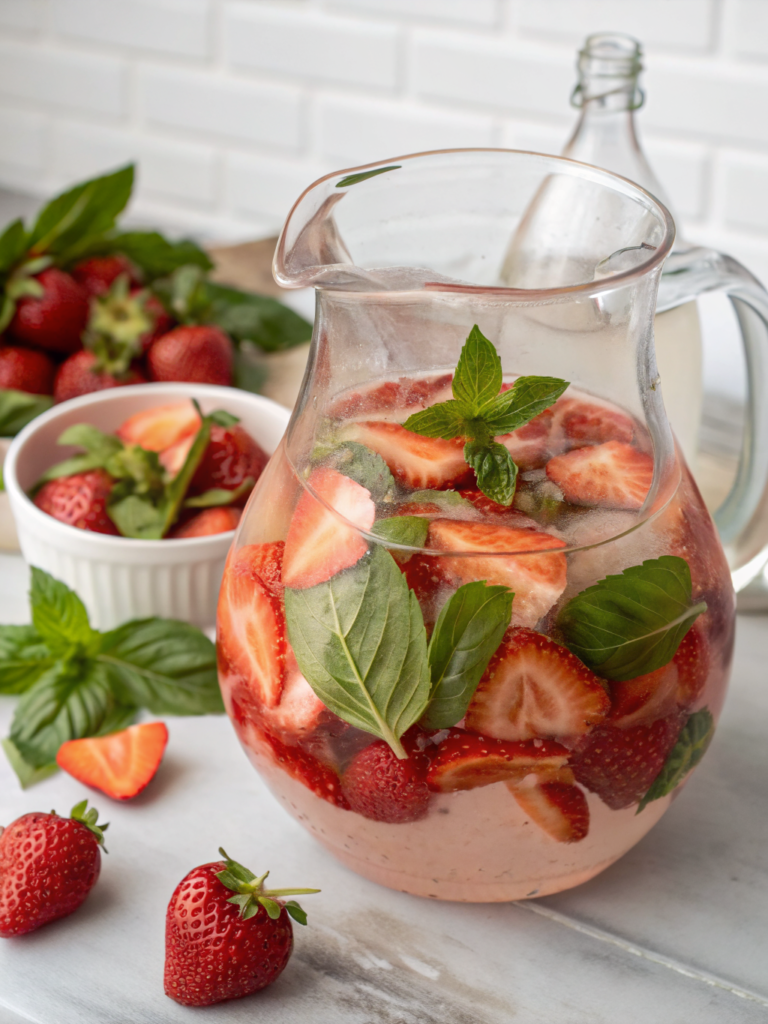
This recipe specifically requires citrus, so it’s not suitable for those with citrus allergies. However, you can create similar infusions using other fruits like berries or stone fruits combined with rosemary.
Can I add other herbs to my infusion?
Absolutely! Mint, basil, thyme, and lavender all pair beautifully with orange. Experiment with single additions or combination blends—the possibilities are genuinely limitless.
Does orange rosemary water contain caffeine?
No, this recipe is completely caffeine-free, making it suitable for any time of day or evening consumption.
Can children safely consume this beverage?
Yes, citrus infused water is safe for children. It’s actually an excellent way to encourage healthy hydration habits in young people, though always ensure oranges are fresh and properly washed before use.